FOUND Santa Monica
Found Santa Monica occupies a considered position in the Santa Monica hotel scene, where design-led independent properties increasingly compete with legacy luxury brands on feel rather than scale.
Pearl is the En Primeur Club membership app — saves, bookings, and concierge access live there. Same editors, same standards.
- Address
- Santa Monica, United States
- Directions
- Get directions
 Saves & bookings on Pearl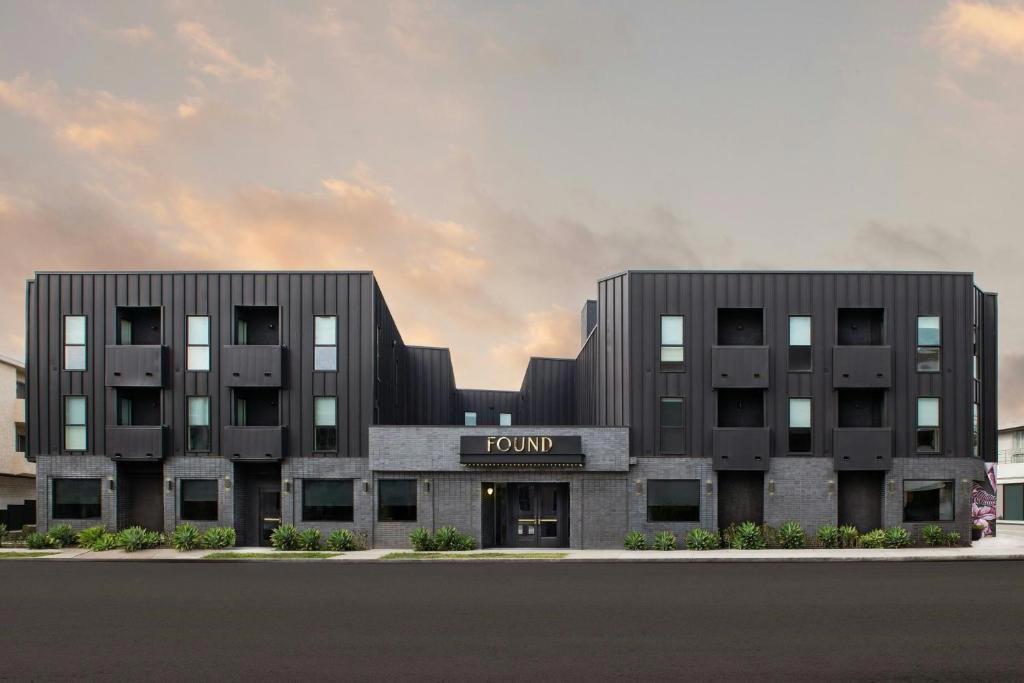
Design as Argument: How Found Santa Monica Reads in the Room
Santa Monica's hotel market has split along a familiar fault line. On one side sit the large-footprint legacy properties, [Fairmont Miramar Hotel & Bungalows] among them, trading on oceanfront position and institutional scale. On the other, a smaller cohort of design-attentive properties has emerged that competes less on amenities square footage and more on the quality of a room's light at 6 a.m. the weight of the bedding, the logic of the furniture layout. Found Santa Monica sits inside that second cohort, and understanding what that means requires reading the property as a spatial argument rather than an amenity checklist.
This is a city where the physical environment carries outsized meaning. Santa Monica's grid runs from the Pacific Coast Highway up through a dense mid-city corridor before dissolving into the residential quietness of the northern neighborhoods. Hotels that know their position on that grid, and design deliberately toward it, tend to attract a different kind of traveler than the ones that simply point toward the water. Found operates with that kind of specificity in its approach to space.
The Architecture of Staying Here
Design-led hotels in Southern California broadly fall into two aesthetic registers. The first is the California Modernist strain: horizontal lines, indoor-outdoor continuity, materials that reference the desert or the coast depending on zip code. The second is a more international design-hotel vocabulary: muted palettes, artisan objects, references to mid-century Scandinavian or Japanese minimalism. Found Santa Monica works within this broader independent hotel tradition where the room itself is the primary statement, rather than a lobby installation or a rooftop pool.
That spatial discipline is increasingly what distinguishes the design-led tier from the luxury-by-default tier. Properties like Amangiri in Canyon Point or Ambiente, A Landscape Hotel in Sedona have built their reputations on the premise that architecture is the amenity, not decoration around it. Found operates within a similar philosophy at a Santa Monica scale, where the constraint is urban density rather than desert remoteness.
The question travelers increasingly ask at this price tier is not whether the spa is large but whether the room itself does something intelligent with its volume, its openings, and its relationship to the neighborhood outside. That shift in evaluation criteria is what has made properties with strong design identities a viable alternative to the legacy luxury brand experience.
Santa Monica as a Design City
The broader context matters here. Santa Monica has historically been underserved by design-serious independent hotels relative to its cultural and economic weight. West Hollywood drew the Sunset Strip boutique properties. Silver Lake and Echo Park absorbed the more aggressively curated independents aimed at a younger creative demographic. Santa Monica, partly because of its oceanfront premium and partly because of its residential character, attracted either the large resort properties or the mid-range chains servicing LAX overflow.
That gap has been closing. The city's proximity to the creative and tech industries in the Venice-Abbot Kinney corridor, combined with continued interest in the Third Street Promenade and the Santa Monica Pier area as legitimate visitor destinations rather than tourist traps, has raised the ceiling for what an independent property can charge and what it needs to deliver to justify it.
For comparison outside California, the closest analogues in approach, if not in geography, are properties like Troutbeck in Amenia or Chicago Athletic Association in Chicago: buildings that carry a strong architectural identity and use that identity as the primary editorial statement, with programming and food and beverage layered in as support rather than as the headline.
Where Found Sits in the Competitive Set
Independent hotels at this tier in coastal California are evaluated against a demanding peer group. The state has produced several properties, including Post Ranch Inn in Big Sur and Bernardus Lodge & Spa in Carmel Valley, that have set a high bar for design-serious independent hospitality. Further afield, the standard set by properties like SingleThread Farm Inn in Healdsburg and 1 Hotel San Francisco in San Francisco demonstrates what design discipline combined with food and environmental program can achieve at the upper independent tier.
Found is operating in a Santa Monica context rather than a remote luxury context, which changes the calculus. Urban independent hotels are evaluated partly on how well they connect a guest to the city, not just on how well they insulate them from it. The leading urban independents, whether the The Fifth Avenue Hotel in New York City or Raffles Boston in Boston, function as neighborhood anchors, places where the lobby, the bar, and the street-level presence make them feel embedded in the city rather than hovering above it. That is the standard against which Found should be read.
Planning Around a Stay
Santa Monica runs on a few reliable logistical patterns. The city is accessible from LAX in under thirty minutes outside peak traffic, though that number can double during morning or evening commute windows and beach-weekend surges. The walkable core around Montana Avenue and the Promenade means that a centrally located property removes the need for a car during most waking hours, which represents a meaningful quality-of-life variable in a city where parking calculus is a genuine consideration.
For guests comparing Found against the larger resort properties nearby, including the Fairmont's bungalow offering or the suite tiers at properties targeting an international leisure traveler, the relevant question is scale preference. A design-led independent with lower key counts typically delivers quieter common spaces and higher staff-to-guest ratios than a large resort operating at full occupancy during summer peak season, which runs from late June through Labor Day with a secondary surge during the winter holidays. Booking lead time for Santa Monica properties in the design-hotel tier typically extends to four to six weeks during peak periods.
For context on what a genuinely remote design property delivers versus an urban one, the contrast with Amangani in Jackson Hole or Kona Village, A Rosewood Resort in Kailua Kona is instructive. Those properties use landscape isolation as a design element. Found's version of that move is neighborhood integration, a fundamentally different spatial argument but one with its own coherence.
See our full Santa Monica restaurants guide for coverage of the dining options within walking distance, including the restaurants and bars that form the most natural pairing with a stay at a design-attentive property in this part of the city.
A Quick Peer Check
| Venue | Cuisine |
|---|---|
| Found Santa MonicaThis venue — the venue you are viewing | This venue |
| Aman New York | Michelin 3 Key, World's 50 Best |
| Amangiri | Michelin 3 Key, World's 50 Best |
| Hotel Bel-Air | Michelin 3 Key, World's 50 Best |
| The Beverly Hills Hotel | Michelin 3 Key, World's 50 Best |
| The Carlyle, A Rosewood Hotel | Michelin 2 Key, World's 50 Best |
Continue exploring
More in Santa Monica
Hotels in Santa Monica
Browse all →
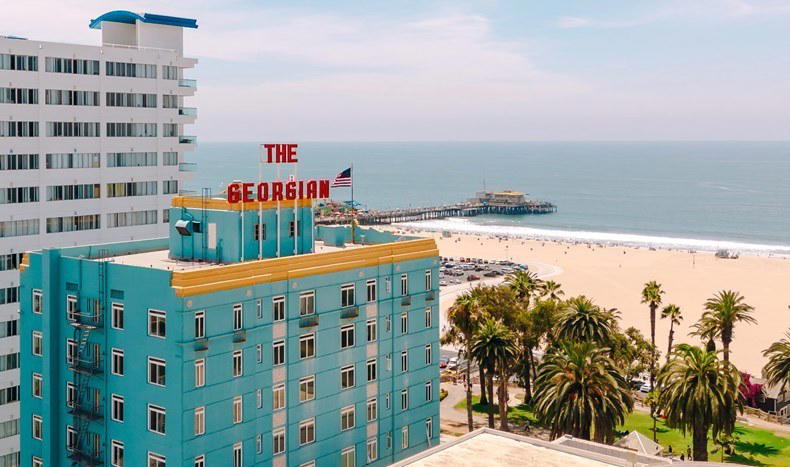
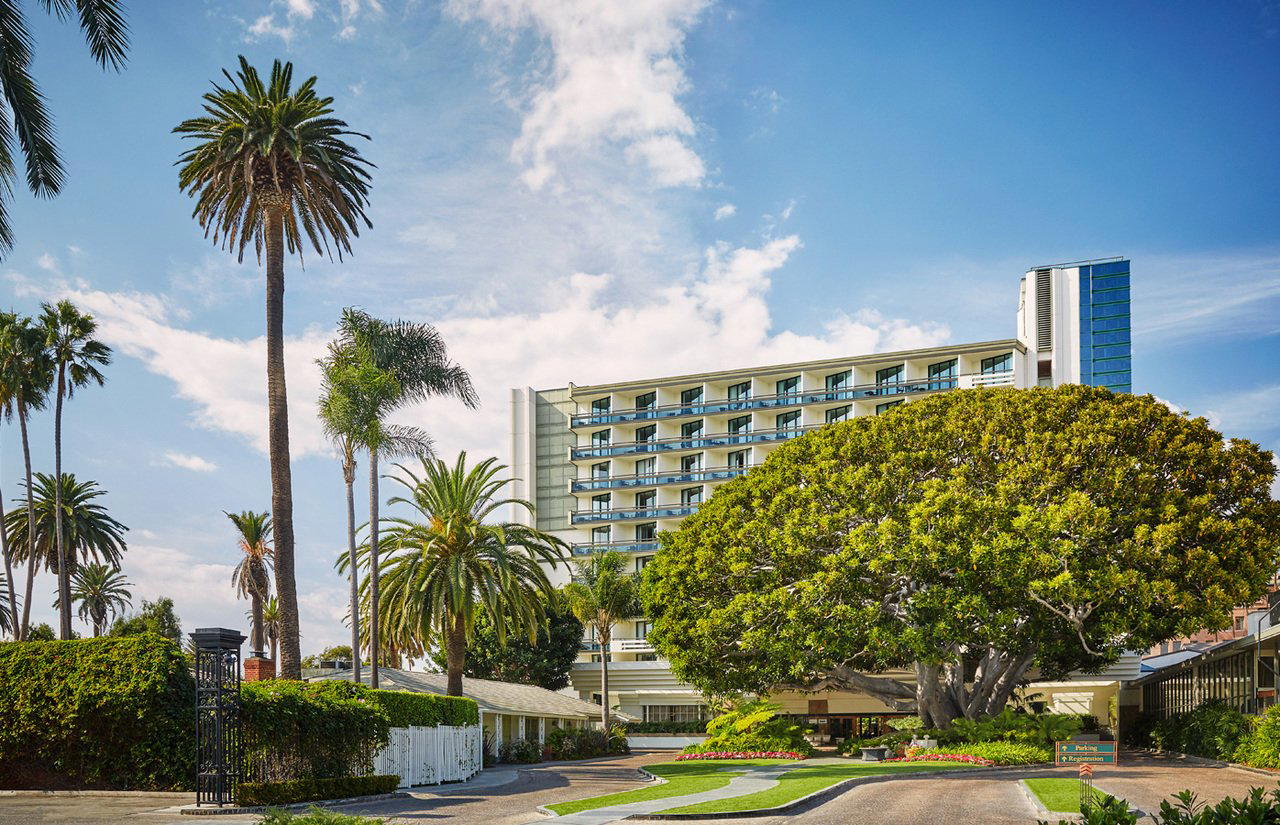
Bars in Santa Monica
Browse all →
Restaurants in Santa Monica
Browse all →
Wineries in Santa Monica
Browse all →
At a Glance
- Modern
- Trendy
- Cozy
- Weekend Escape
- Design Destination
- Wi Fi
- Restaurant
- Bar
- Concierge
- Laundry Service
- Elevator
- Business Center
- Street Scene
- Wi Fi
- Restaurant
- Bar
- Concierge
- Laundry Service
- Elevator
- Business Center
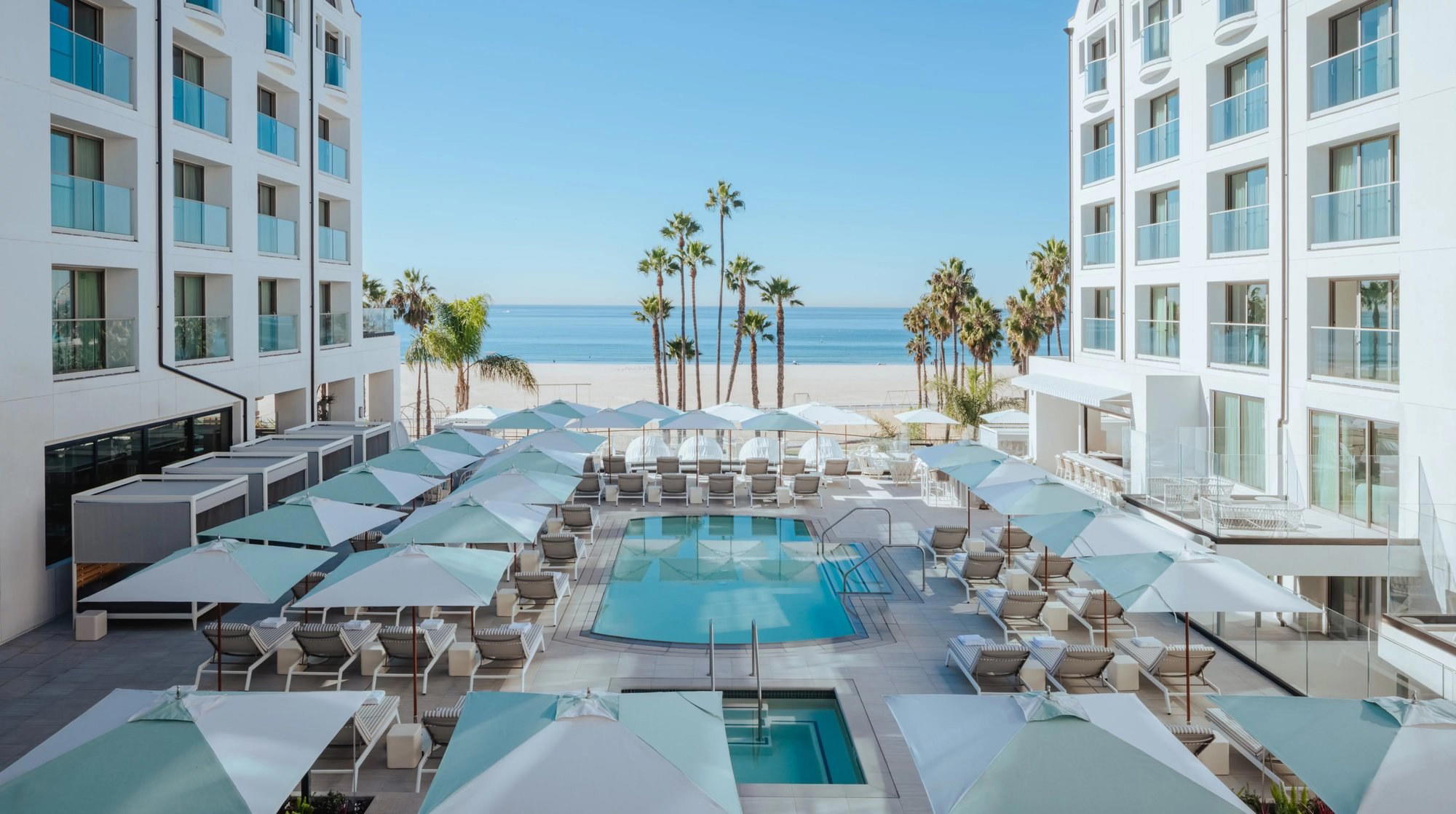
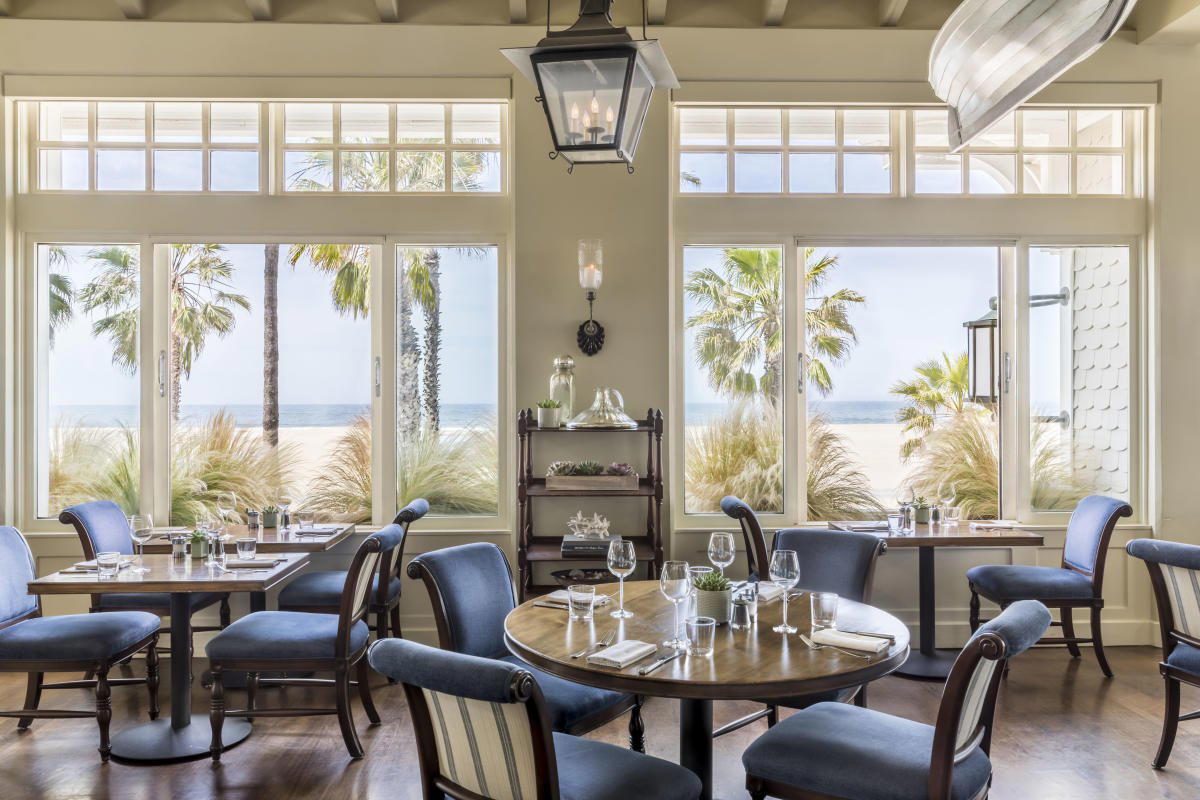
Relaxed beachy atmosphere with lively colors, mid-century furniture, beachy artwork, and stylish lobby lounge featuring pool table and cocktails.