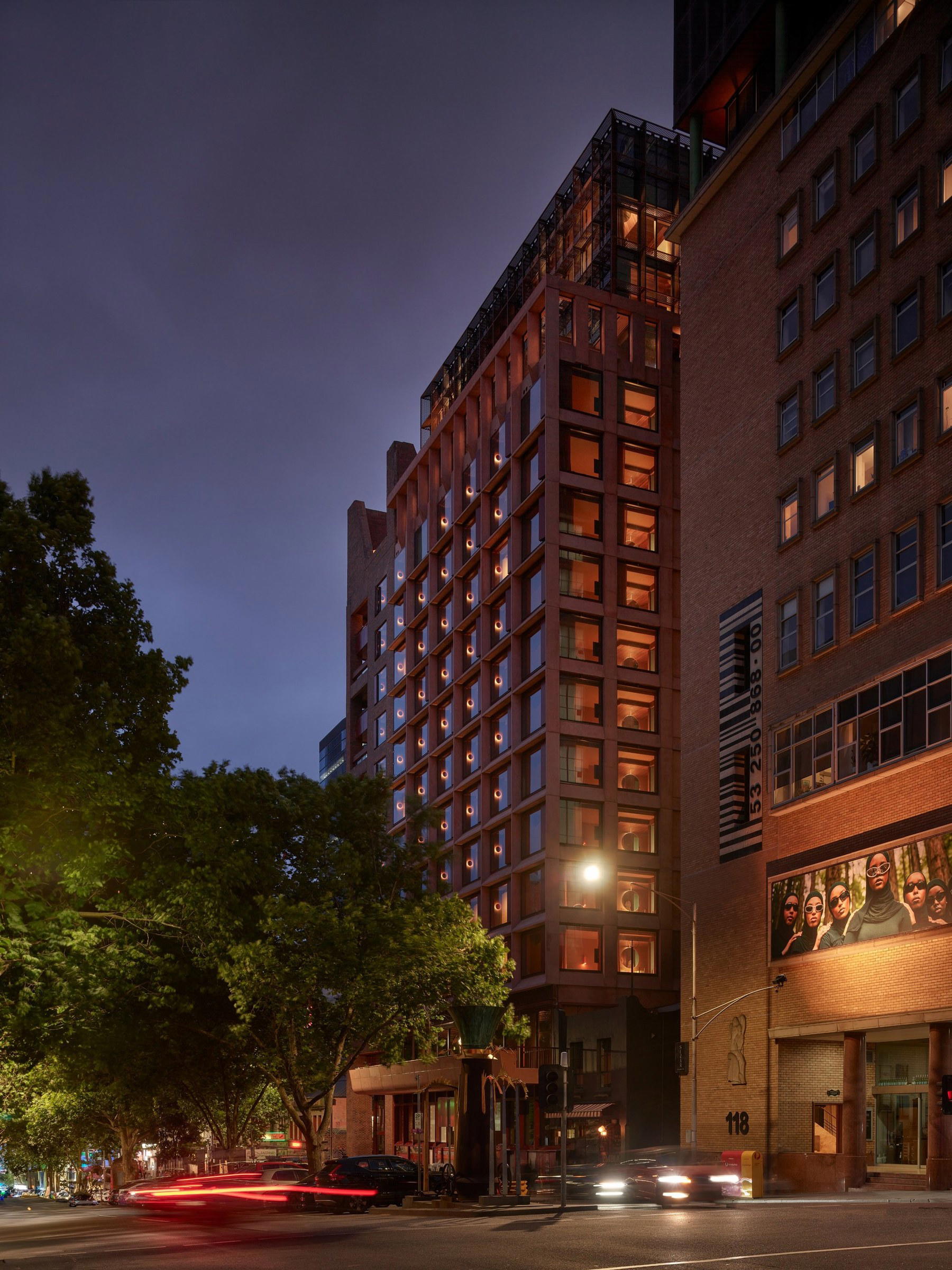
Regent Melbourne belongs to the formal end of the city hotel spectrum, a useful counterpoint to Melbourne’s laneway-led boutique scene and newer lifestyle properties. With public venue data currently limited, the reliable read is contextual: choose it for a composed CBD hotel experience where service rhythm, privacy and old-guard polish matter more than design novelty.

Pearl is the En Primeur Club membership app — saves, bookings, and concierge access live there. Same editors, same standards.
- Address
- Melbourne, Australia
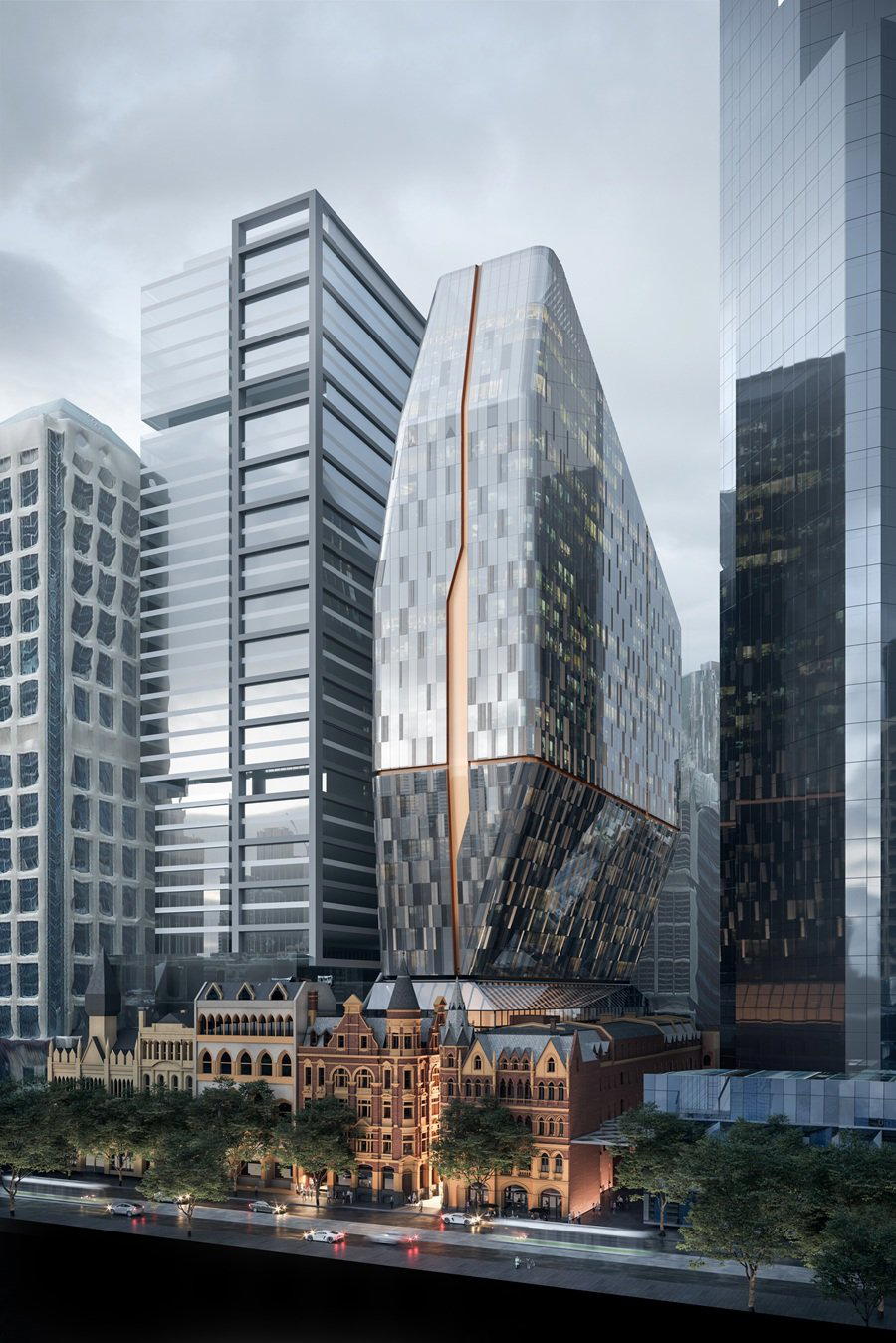
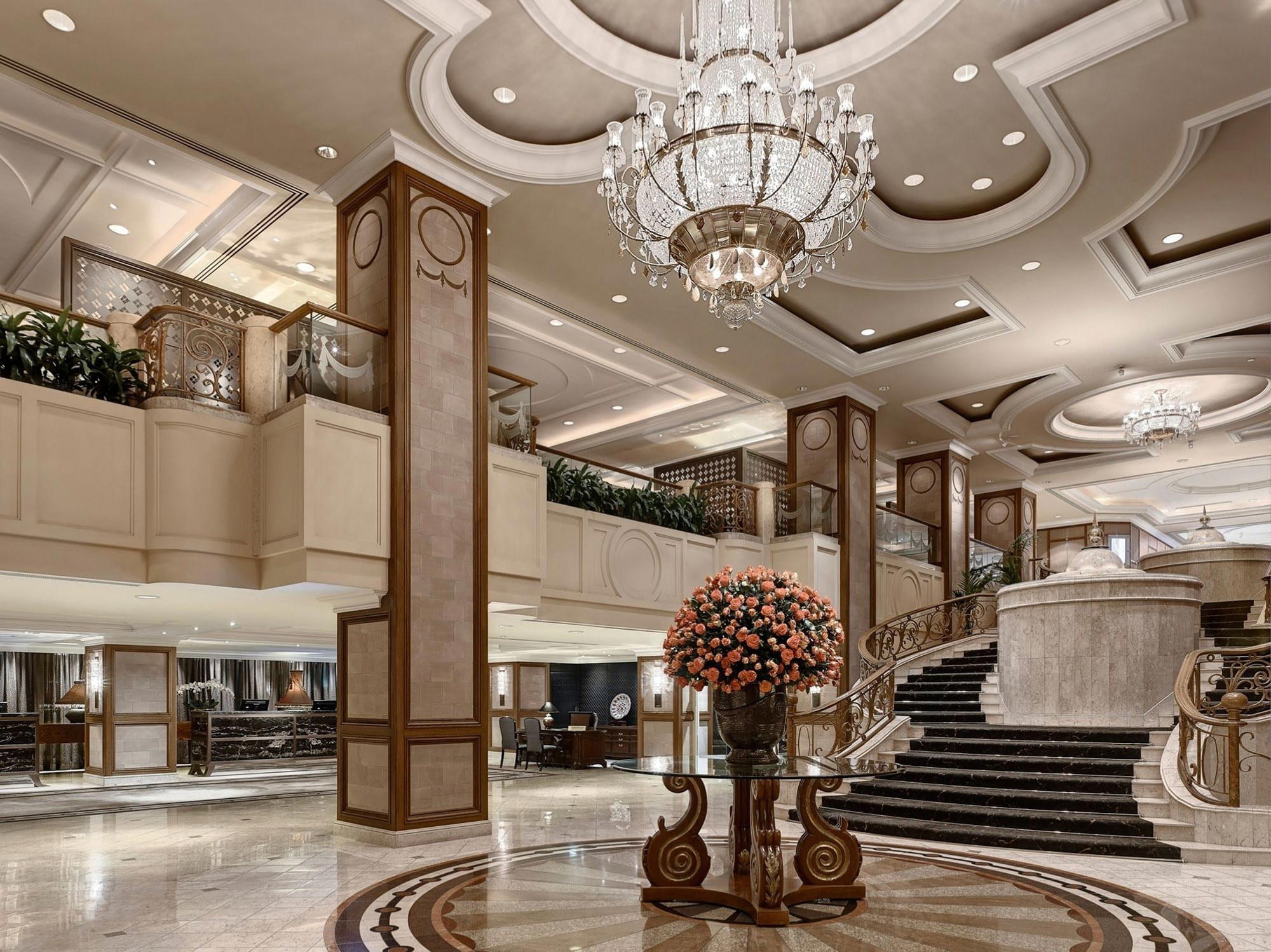
Melbourne’s grand hotel mood begins before the room key: polished stone underfoot, a slower reception cadence, luggage handled with ceremony rather than hurry, and a lobby culture that treats arrival as part of the stay rather than an administrative step. In a city better known internationally for laneways, espresso counters, late-night bars and design hotels with sharper edges, Regent Melbourne sits in the more formal hotel tradition. The point is not novelty. The point is controlled pace, staff attentiveness and the kind of urban privacy that matters when the city outside is all movement.
That distinction matters in Melbourne because the hotel market has widened. The CBD now gives travellers a choice between large business hotels, apartment-style stays, boutique properties, casino-adjacent luxury and lifestyle brands built around restaurants, bars and local design references. Regent Melbourne belongs to the polished-service end of that spread.
Melbourne's formal hotel register
Melbourne does restraint differently from Sydney. The city’s luxury conversation is less about harbour spectacle and more about clubby interiors, sharp service, walkable centrality and proximity to culture: Collins Street tailoring, Flinders Lane dining, the theatre district, private galleries, coffee rooms that operate with near-liturgical precision. Hotels that work in this setting need staff who can read tempo. Some guests want theatre tickets, a quiet car transfer and early breakfast; others want a late check-in after dinner and no conversation beyond the necessary. Service philosophy becomes the differentiator because the hardware of a CBD hotel can only say so much.
Regent Melbourne’s positioning is therefore clearer when placed against peer types. Crown Towers Melbourne speaks to the riverfront resort-casino model, where scale and in-house facilities shape the stay. Grand Hyatt Melbourne occupies the large international CBD category, useful for travellers who value a broad operating platform. Hyatt Centric Melbourne sits closer to the lifestyle-business hybrid. Laneways By Ovolo, Melbourne leans into the city’s playful boutique identity, while Adelphi Hotel has long been associated with a smaller, design-conscious version of central Melbourne hospitality. Against that field, Regent Melbourne reads as the composed option: less about shouting local personality, more about service choreography.
Service as the real luxury signal
In older luxury hotel culture, service was often measured by visible formality: uniforms, greetings, the correct glass, the correct title. Contemporary premium travellers are harder to impress. They notice whether a hotel remembers arrival details, keeps breakfast from feeling like a queue, handles luggage without turning the lobby into a transaction, and solves small problems before they become a guest’s project. Melbourne raises the stakes because the city rewards independent decision-making. A concierge who only recites tourist landmarks is less useful here than staff who understand neighbourhood logic: where the theatre crowd eats early, where late kitchens remain reliable, which bars suit conversation rather than volume, and how the weather can change a day’s plan.
This is where a formal hotel can justify itself without leaning on spectacle. The value lies in friction reduction. A traveller arriving from a long-haul flight into a dense CBD does not need a lecture on Melbourne’s cultural credentials; they need a room ready when possible, a quiet handover, accurate timing advice and staff who understand that the guest may be moving between meetings, galleries, restaurants and airport transfers within a narrow window. The better version of this service is not fawning. It is precise, calm and useful.
The trust signal here is contextual authority: Regent Melbourne is being assessed within Melbourne’s premium hotel category, and the reader should compare it with confirmed alternatives across the city rather than rely on unsupported labels.
Why the CBD still matters
Melbourne’s central business district remains one of Australia’s strongest hotel locations because the city compresses culture, dining, transport and commerce into a tight grid. The Hoddle Grid is not merely an office centre; it is where visitors move between laneway restaurants, historic arcades, major stages, cocktail bars, department stores and tram lines. Staying central changes the rhythm of a trip. It allows a guest to return between appointments, reset before dinner, or avoid turning every meal into a cross-town expedition.
That central logic is especially relevant for travellers using EP Club’s wider Melbourne coverage. The city’s hotel decision often sits beside restaurant and bar planning rather than separate from it. The useful move is to match hotel personality to itinerary. Travellers building dinner-led stays should use Our full Melbourne restaurants guide before committing to a neighbourhood. Cocktail-led travellers should cross-check Our full Melbourne bars guide. Those adding cellar-door travel or regional drinking culture can start with Our full Melbourne wineries guide, while museum, gallery and private-format planning belongs beside Our full Melbourne experiences guide. For the broader accommodation field, Our full Melbourne hotels guide gives the necessary comparison set.
How it compares with Melbourne's design-led stays
The city’s boutique hotels have become better at expressing Melbourne’s surface character: colour, laneway wit, art references, compact rooms, energetic bars and neighbourhood-specific cues. Art Series - The Larwill Studio and 1 Hotel Melbourne point to different versions of that design conversation, one through art-hotel identity, the other through contemporary sustainability-led hospitality branding. Leading Western Melbourne City Hotel belongs to a more practical city-stay category, where location and utility usually matter more than ceremony.
A formal hotel competes on different terms. The guest is not only buying a bed near the action; they are buying consistency in the moments between plans. That includes the tone of arrival, the way staff handle uncertainty, the ease of asking for directions without being oversold an experience, and the confidence that the hotel can operate quietly around the guest’s schedule. For business travellers, that can matter more than a photogenic lobby. For leisure travellers used to high-touch hotels in Europe or Asia, it gives Melbourne a more traditional point of reference.
The comparison also helps avoid the common mistake of treating all premium hotels as interchangeable. A casino-integrated tower, a small art hotel, a lifestyle brand and a formal CBD property solve different problems. If the trip is built around nightlife, a playful hotel may suit. If the trip involves meetings, theatre, restaurants and early departures, the calmer service model has a stronger case. Regent Melbourne should be read in that second category.
Practical planning is where restraint is necessary. Travellers should verify those operational details directly through current official channels or their travel adviser before committing. In a city like Melbourne, rates can shift sharply around major events, arts festivals, sporting fixtures and conference periods, so advance planning is sensible even when a hotel does not publish scarcity signals in the available record.
Room choice should follow trip purpose rather than generic hierarchy. A theatre-and-dining stay benefits from quiet, efficient access and a room that supports late returns. A business stay needs desk comfort, sound control and predictable morning service. A weekend built around galleries and restaurants may place more value on lobby atmosphere and concierge competence. The better advice is to define the stay pattern first, then ask the hotel or adviser to match room position, noise exposure and arrival timing to that pattern.
For travellers comparing beyond Melbourne, Australia’s premium hotel field now includes several distinct models. Capella Sydney in Sydney represents the heritage-building city hotel revival; The Tasman in Hobart connects luxury lodging with Tasmania’s food and art pull; The Calile in Brisbane shows how resort language can work inside an urban neighbourhood; Southern Ocean Lodge in Kingscote belongs to the remote-lodge tradition. Regional and resort alternatives such as Emirates One&Only Wolgan Valley in Wolgan Valley, JW Marriott Gold Coast Resort & Spa in Surfers Paradise, Mondrian Gold Coast in Gold Coast, Osborn House in Bundanoon and Art Series - The Watson in Adelaide frame Melbourne’s CBD hotels as part of a wider national split between urban polish, design personality and destination escape.
International reference points
Melbourne’s formal hotel culture also makes more sense when compared with older luxury capitals. Hôtel de Paris Monte-Carlo in Monte Carlo belongs to the grand European palace tradition, where public rooms and social ritual define the stay. Badrutt's Palace Hotel in St. Moritz connects hotel identity with seasonal society, winter sport and long-established guest culture. The Fifth Avenue Hotel in New York City points to a newer urban luxury mood, design-forward but still intensely service-aware. Melbourne does not copy any of these models directly. Its version is quieter, more private and filtered through the city’s preference for competence over display.
That is the lens to use for Regent Melbourne. The question is not whether it performs as a resort, a boutique art hotel or a social-media set piece. The question is whether the stay needs formal service, CBD practicality and a composed base between Melbourne’s restaurants, theatres, galleries and business addresses. For that kind of traveller, the hotel’s promise is less about surprise than about not wasting time.
In Context
Comparable venues nearby, for context on price, style, and recognition.
| Venue | Price | Awards | Notes |
|---|---|---|---|
| Regent MelbourneThis venue — the venue you are viewing | Not listed | Not listed | Not listed |
| The StandardX, Melbourne | Not listed | Michelin Selected · Mr & Mrs Smith Seal of Approval | Fitzroy, Rebellious younger sibling of The Standard brand, blending gritty industrial aesthetics with contemporary luxury in a creative urban setting. |
| Hyde Melbourne Place | $200–300 | 1 Michelin Key · National Geographic Hotel Awards Runner-up | Melbourne, Urban lifestyle design hotel blending moody luxury with contemporary Australian character in the heart of Melbourne’s CBD. |
| Art Series - The Larwill Studio | $200–300 | Michelin Selected | Parkville, Art-inspired boutique hotel in contemporary high-rise. |
| Zagame's House | Not listed | Michelin Selected · Mr & Mrs Smith Seal of Approval | Carlton, Boutique luxury with sustainable architecture and neighborhood feel. |
| W Melbourne | $200–300 | Michelin Selected | Melbourne CBD, Luxury lifestyle hotel channeling Melbourne's laneway culture and creative history |
Continue exploring
More in Melbourne
Hotels in Melbourne
Browse all →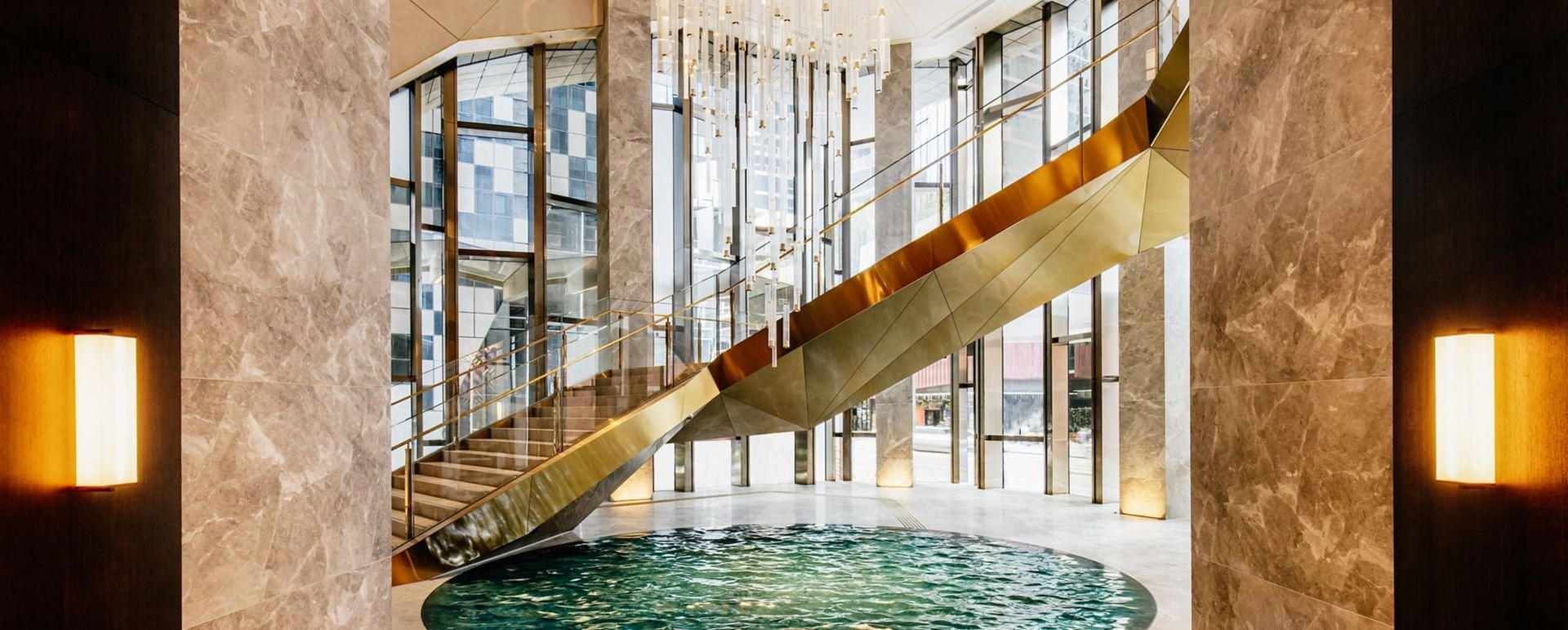
Bars in Melbourne
Browse all →
Restaurants in Melbourne
Browse all →



Details
- Modern
- Elegant
- Sophisticated
- Ornate
- Business Trip
- Weekend Escape
- Celebration
- Group Retreat
- Design Destination
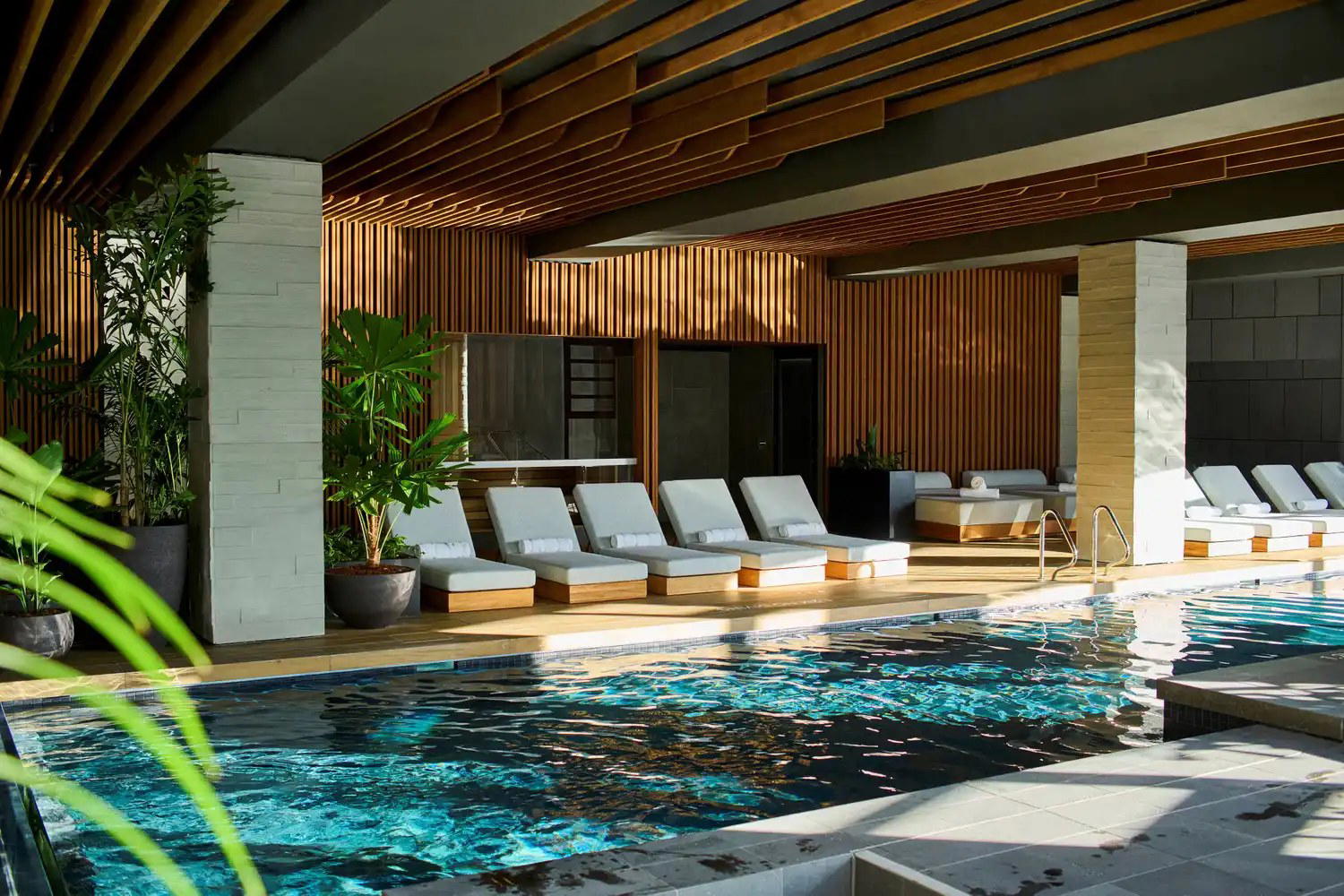
- Spa
- Business Center
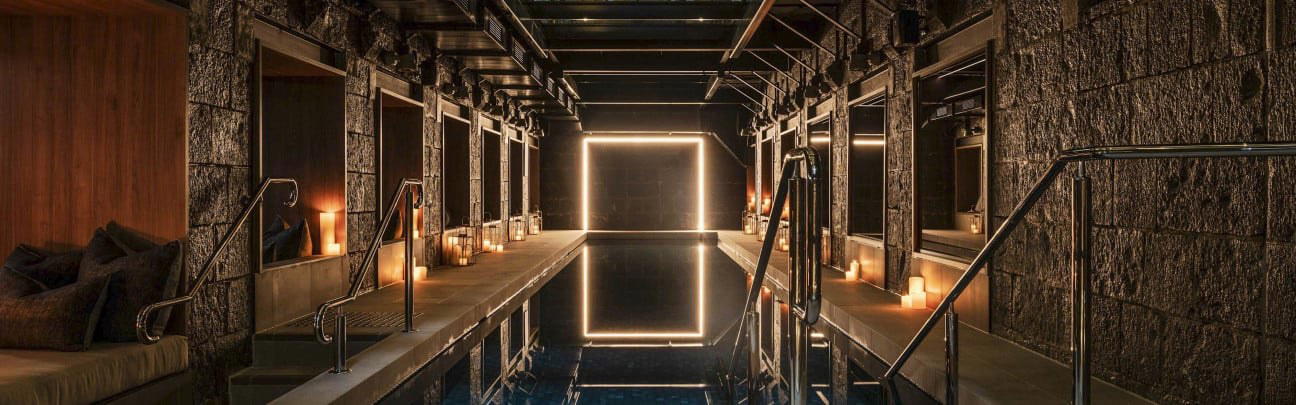
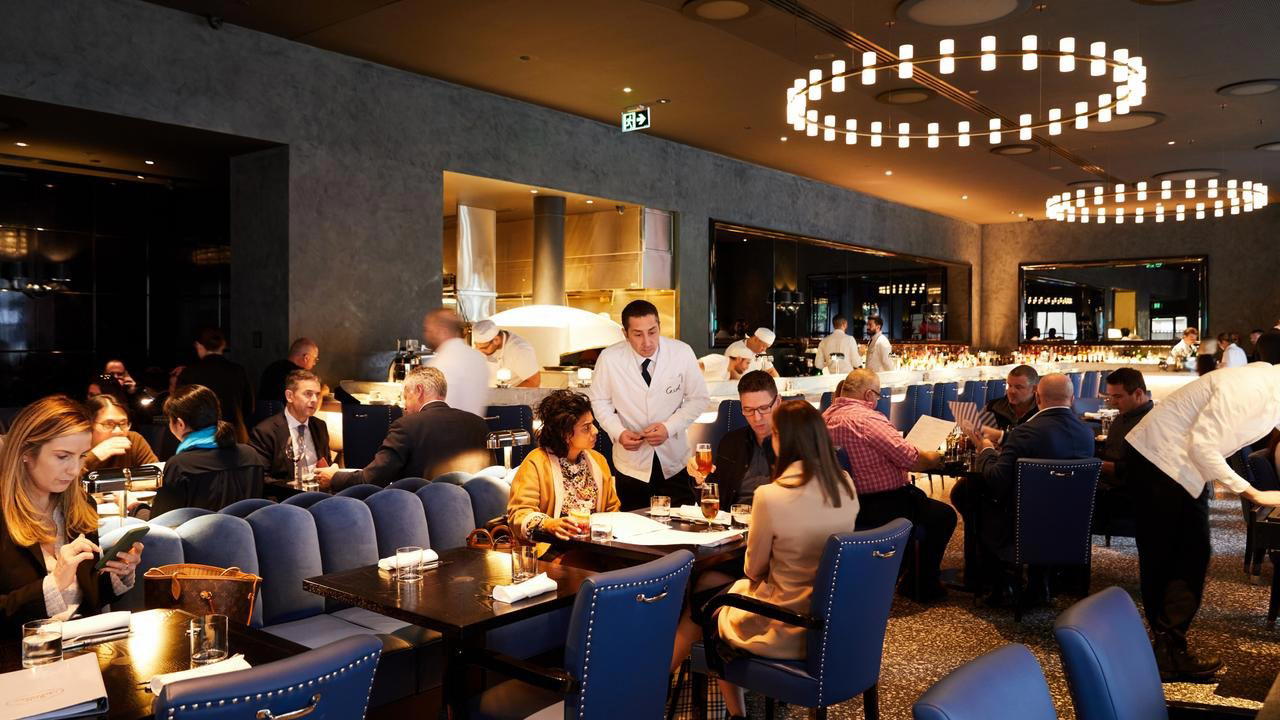
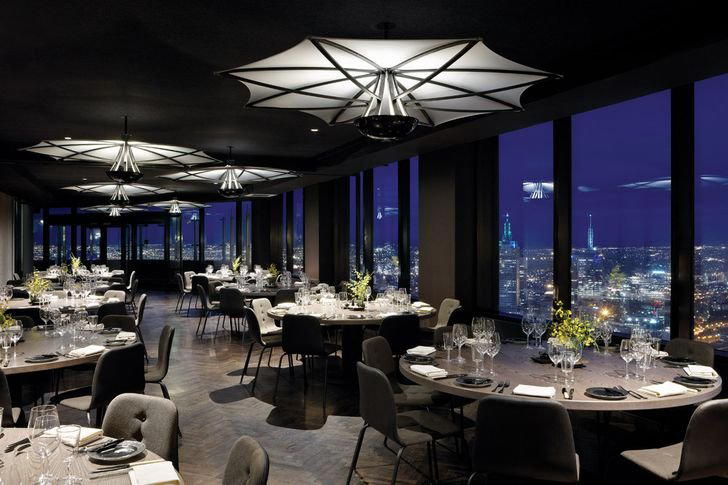
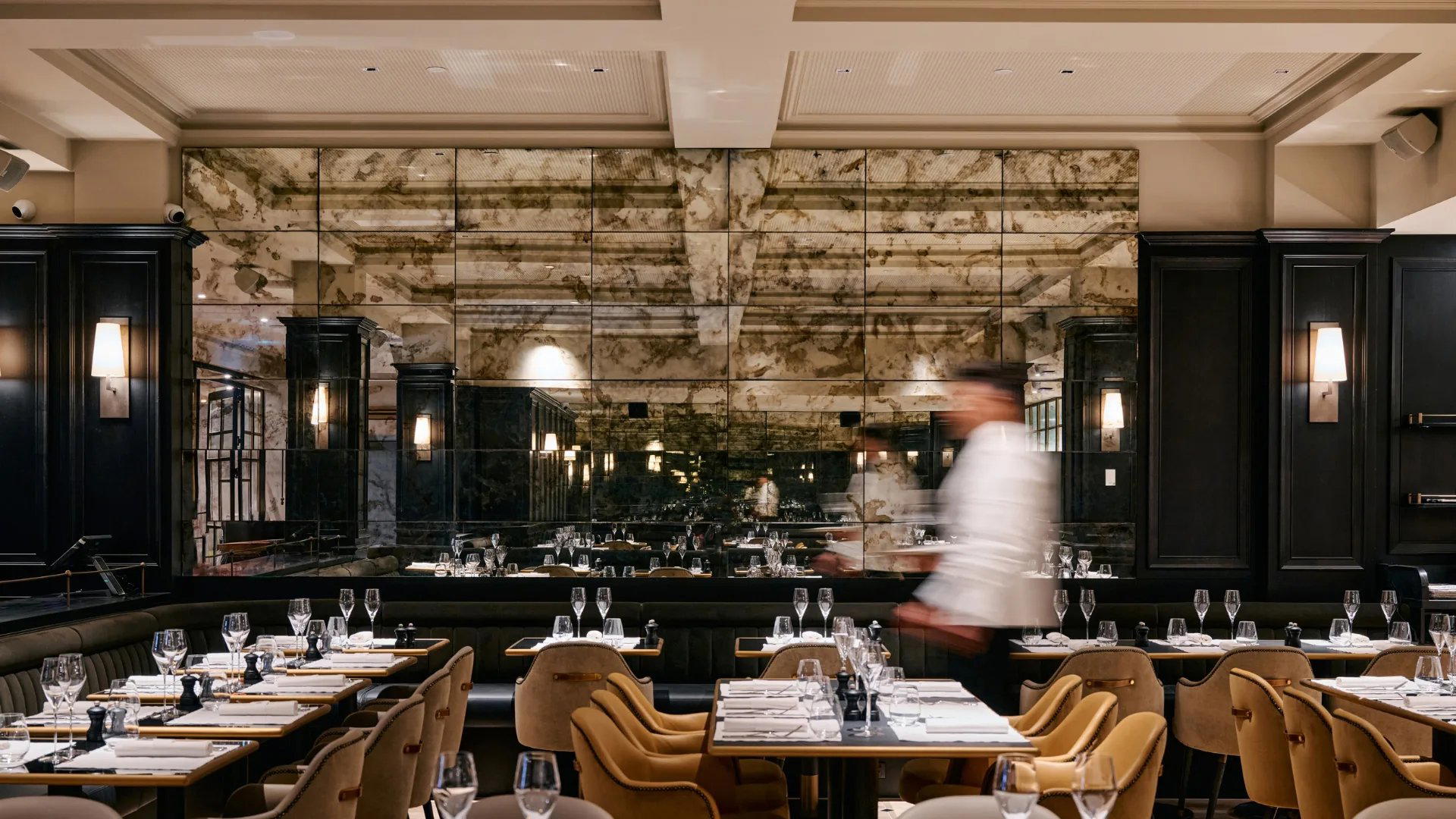
Planned atmosphere is that of refined modern luxury layered onto a historic building, combining timeless heritage architecture with contemporary, design‑led interiors and a polished, club‑style feel.