Rawah Ranch

Small Luxury Hotels of the World Member
Rawah Ranch occupies a stretch of the Laramie River Valley that most travellers never find, operating as a working dude ranch and fly-fishing lodge in historic Colorado-style cabins beneath the Medicine Bow Mountains. The property belongs to a small category of American wilderness retreats where the physical remoteness is the point, not a feature to be managed away. For those chasing genuine Western landscape over curated comfort, it warrants serious attention.

Pearl is the En Primeur Club membership app, where members save venues, book tables and use the concierge.
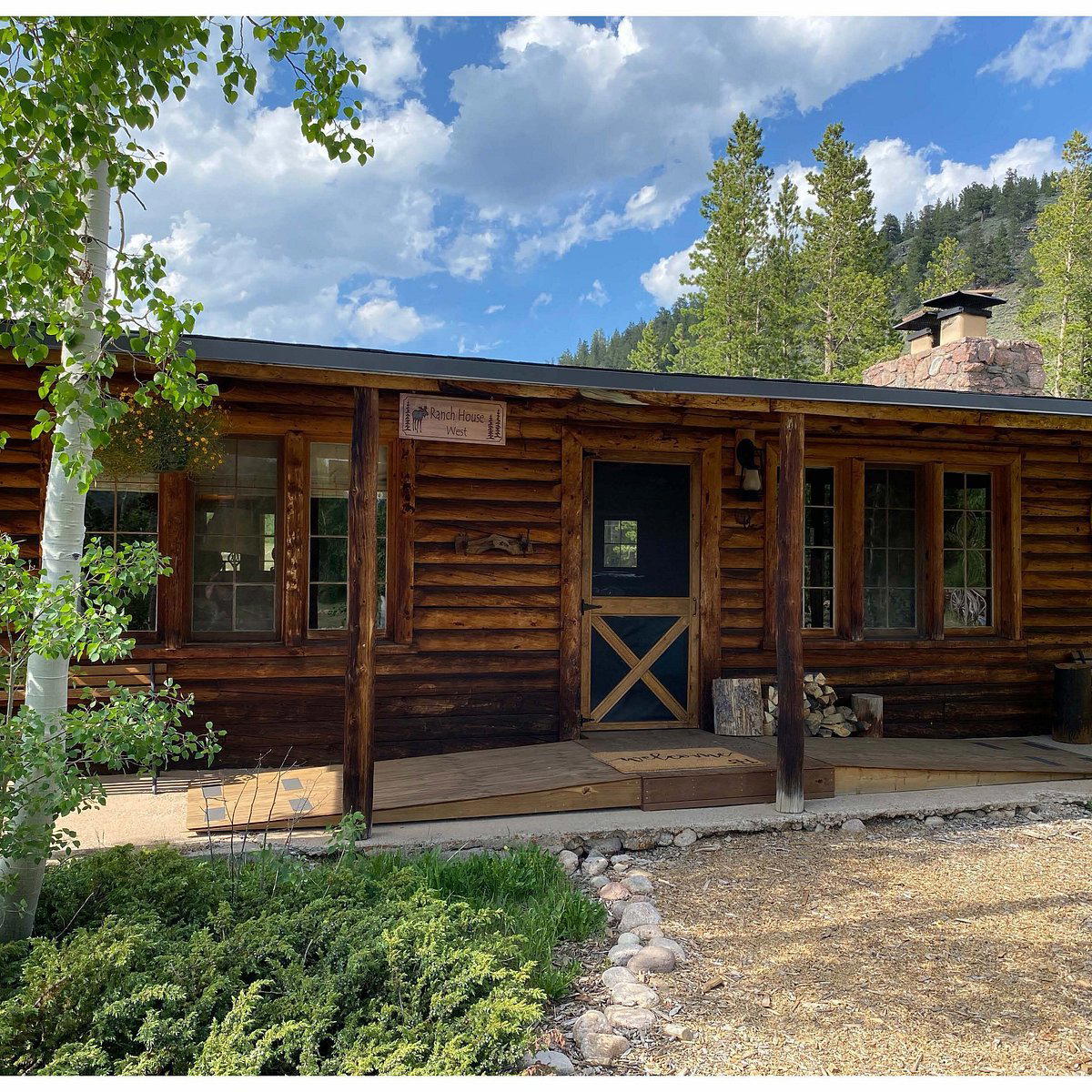
Where the Laramie River Valley Sets the Terms
There is a particular breed of American wilderness property that resists the gravitational pull of amenity-stacking. No spa pavilion cantilevered over a canyon, no cocktail program with a local forager on retainer. Rawah Ranch belongs to that category. Positioned in the Laramie River Valley along the Colorado-Wyoming border, the ranch operates in a tradition that predates the modern luxury-outdoor-hospitality boom by decades, and its character is inseparable from that history. The valley itself, framed by the Medicine Bow-Routt National Forest and the peaks of the Rawah Wilderness, does most of the editorial work. The built environment at the ranch follows the land's logic rather than competing with it.
That positioning matters in 2024, when the premium wilderness-stay market has split into two recognisable camps. On one side sit the architecturally ambitious properties, places like Amangiri in Canyon Point or Ambiente, A Landscape Hotel in Sedona, where the design intervention is the primary draw and the landscape is the backdrop. On the other sit the ranches and lodges where the physical structure is deliberately subordinate to the terrain, and where the guest experience is organised around access to land rather than rooms that photograph well. Rawah Ranch is firmly in the second camp, and it is increasingly rare company to be in.
The Architecture of Restraint
Colorado's historic dude ranch cabin typology is worth understanding on its own terms before arriving at any specific property. The form developed in the late nineteenth and early twentieth centuries as working ranches began accommodating Eastern visitors, and the architecture reflects that pragmatic origin: log construction, low rooflines, covered porches oriented toward views rather than inward toward courtyards, interiors fitted for use rather than display. The cabins at Rawah Ranch sit within that lineage. They are described as historic Colorado-style structures, which positions them as authentic examples of the type rather than contemporary interpretations of it. That distinction carries real weight. A reconstructed cabin imitating the form is a different thing from a cabin that has actually accumulated decades of mountain weather and use.
The Laramie River Valley setting amplifies what the architecture intends. At this elevation and latitude, the landscape is not decorative. The river, the willows along its banks, the open meadows giving way to lodgepole pine and then to the exposed rock of the Rawah peaks: these are functional elements of the experience, not scenery. Properties that understand this tend to orient their physical structures accordingly, keeping sightlines clear and footprints modest. The cabin-based model at Rawah Ranch achieves that without requiring a celebrated architect to make the point. Compare this approach to properties like Post Ranch Inn in Big Sur or Amangani in Jackson Hole, where design is a primary value proposition. Rawah Ranch makes a different argument: that the most appropriate response to a landscape this demanding is to build as carefully and as little as possible.
Fly Fishing as the Organizing Principle
Across the American West, a specific tier of fishing lodge has long used fly fishing as the structural centre of the guest experience rather than as an optional amenity. The Laramie River, which runs through the ranch's valley, is the resource around which Rawah Ranch's identity is built. Cold, clear, and at altitude, the river represents the kind of water that serious anglers travel significant distances to reach. Dude ranch and fly-fishing lodge operating in combination is a historically coherent pairing in this region; the two traditions grew up together in Colorado's mountain valleys, drawing guests who came primarily for the land access and secondarily for the accommodation.
This separates Rawah Ranch from resort properties where fishing is offered as one of a dozen programmed activities. The distinction matters for how a guest should approach planning. Those arriving expecting the full-service pacing of somewhere like Blackberry Farm in Walland or Bernardus Lodge and Spa in Carmel Valley will find a different proposition here. The Wyoming and Colorado border backcountry does not function on those terms. What it offers instead is direct, unmediated access to a landscape that has changed very little, organised around activities that require genuine skill and patience.
The American dude ranch market occupies a relatively narrow but durable niche within premium domestic travel. Properties operating in this segment compete less on room count and more on land access, fishing rights, riding programs, and the authenticity of their Western working-ranch credentials. Rawah Ranch, with its historic cabin stock and Laramie River Valley location, sits in the upper reaches of that niche on the basis of setting alone. The Rawah Wilderness adjacency provides access to federal wilderness land, which expands the guest experience well beyond the ranch's own boundaries.
For comparison within the broader premium ranch and wilderness-lodge category, consider properties like Sage Lodge in Pray or Alpine Falls Ranch in Superior, both of which operate in similarly remote mountain settings with fishing at their core. Rawah Ranch's Colorado-Wyoming border location adds a specific geographic character that neither of those properties replicates. The valley's remoteness, which is considerable even by Western ranch standards, functions as a form of quality control: guests who arrive are self-selected for a particular kind of engagement with landscape, and the property is calibrated accordingly. For more urban-anchored alternatives operating at a comparable level of seriousness, Canyon Ranch Tucson in Tucson offers a structured retreat format, though its proposition is organised around wellness rather than wilderness access.
Planning Your Stay
Rawah Ranch is located at 11447 Co Rd 103, Jelm, WY 82063, along the Colorado-Wyoming border in the Laramie River Valley, a drive of roughly two hours from Fort Collins, Colorado, and around two and a half hours from Cheyenne, Wyoming. The access road is unpaved for a significant stretch, and arrival in a vehicle with appropriate clearance is advisable. The property operates as a traditional dude ranch and fly-fishing lodge, meaning the programme is structured around seasons and specific activity periods rather than year-round open availability. Prospective guests should contact the ranch directly to confirm booking windows, current rates, and programme structure, as specific pricing and operational details are not published through third-party platforms. Peak season follows the summer months when the Laramie River is fishable and riding conditions are at their leading; early reservation is advisable for those dates.
Those building a broader Colorado or Wyoming itinerary around Rawah Ranch can find the editorial context for the surrounding region in our full Glendevey restaurants and experiences guide. Travellers who want to bracket a Rawah visit with urban luxury on either end of the trip might consider The Fifth Avenue Hotel in New York City, Raffles Boston in Boston, or Hotel Bel-Air in Los Angeles depending on routing. For those whose wider travel extends beyond the American West, properties like Troutbeck in Amenia, SingleThread Farm Inn in Healdsburg, Kona Village, A Rosewood Resort in Kailua Kona, Little Palm Island Resort and Spa in Little Torch Key, Four Seasons at The Surf Club in Surfside, Auberge du Soleil in Napa, 1 Hotel San Francisco in San Francisco, Chicago Athletic Association in Chicago, Bowie House, Auberge Resorts Collection in Fort Worth, Aman New York in New York City, Aman Venice in Venice, and Badrutt's Palace Hotel in St. Moritz represent comparable levels of seriousness in their respective categories.
A Quick Peer Check
Comparable venues nearby, for context on price, style, and recognition.
| Venue | Cuisine | Price | Awards | Notes |
|---|---|---|---|---|
| Rawah RanchThis venue (the venue you are viewing) | Authentic luxury dude ranch with rustic log cabin architecture and traditional western design elements positioned as a high-end all-inclusive retreat. | $300–500 | Small Luxury Hotels of the World Member | Not listed |
| The Sylvan Lodge | Refined luxury retreat blending elegance with Jackson Hole's authentic spirit | $500–750 | Travel + Leisure It List Hotels | Hoback |
| The Brush Creek Luxury Ranch Collection | Restored 19th-century log cabin architecture with modern luxury amenities; authentic Western heritage meets contemporary comfort. | $1,000–1,500 | La Liste Top Hotels · Star Wine List | Saratoga |
| Magee Homestead | Sophisticated western luxury with historically restored cabins featuring modern amenities; positioned as an elegant guest ranch combining rustic authenticity with high-end comfort. | Not listed | La Liste Top Hotels · Forbes Recommended | Saratoga Valley |
| The Lodge & Spa at Brush Creek Ranch | Historic working ranch transformed into a internationally prominent luxury resort that honors Old West heritage while delivering contemporary amenities and curated experiences. | $1,000–1,500 | La Liste Top Hotels · Star Wine List | Saratoga |
| PARADISE RANCH | Rustically elegant log cabins with modern conveniences, designed to balance comfort with authentic western ranch experience and connection to nature. | Not listed | Top 50 Ranches | Big Horn Mountains foothills |
Recognition history
Dated appearances from independent guides and award organizations, with the underlying list record or original source where available.
Small Luxury Hotels of the World Member
Small Luxury Hotels of the World
Continue exploring
More in Jelm
Restaurants in Jelm
Browse all →
Details
- Rustic
- Scenic
- Cozy
- Romantic
- Quiet
- Family Vacation
- Romantic Getaway
- Weekend Escape
- Group Retreat
- Waterfront
- Panoramic View
- Private Dining
- Garden
- Restaurant
- Bar
- Hot Tub
- Wi Fi
- Free Parking
- Concierge
- Kids Club
- Laundry Service
- Room Service
- Mountain
- Waterfront
- Wheelchair Accessible
- Accessible Parking
Warm and inviting with crackling fireplaces, soft evening lighting around the lodge and bonfire areas, starlit nights with minimal light pollution, and a convivial gathering atmosphere enhanced by nightly cocktail hours and communal dining.