
Quinta da Palmeira sits in the village of Cerdeira, a schist settlement in the Serra da Lousã foothills selected by Michelin in its 2025 hotels guide. The property represents a strand of Portuguese rural accommodation where vernacular stone architecture and deliberate remoteness define the offer, placing it among a small cohort of countryside stays earning national editorial attention.
Pearl is the En Primeur Club membership app — saves, bookings, and concierge access live there. Same editors, same standards.
- Address
- Rua Principal, 36, Cerdeira, Portugal
- Website
- qportugal.com
- Directions
- Get directions
 Saves & bookings on Pearl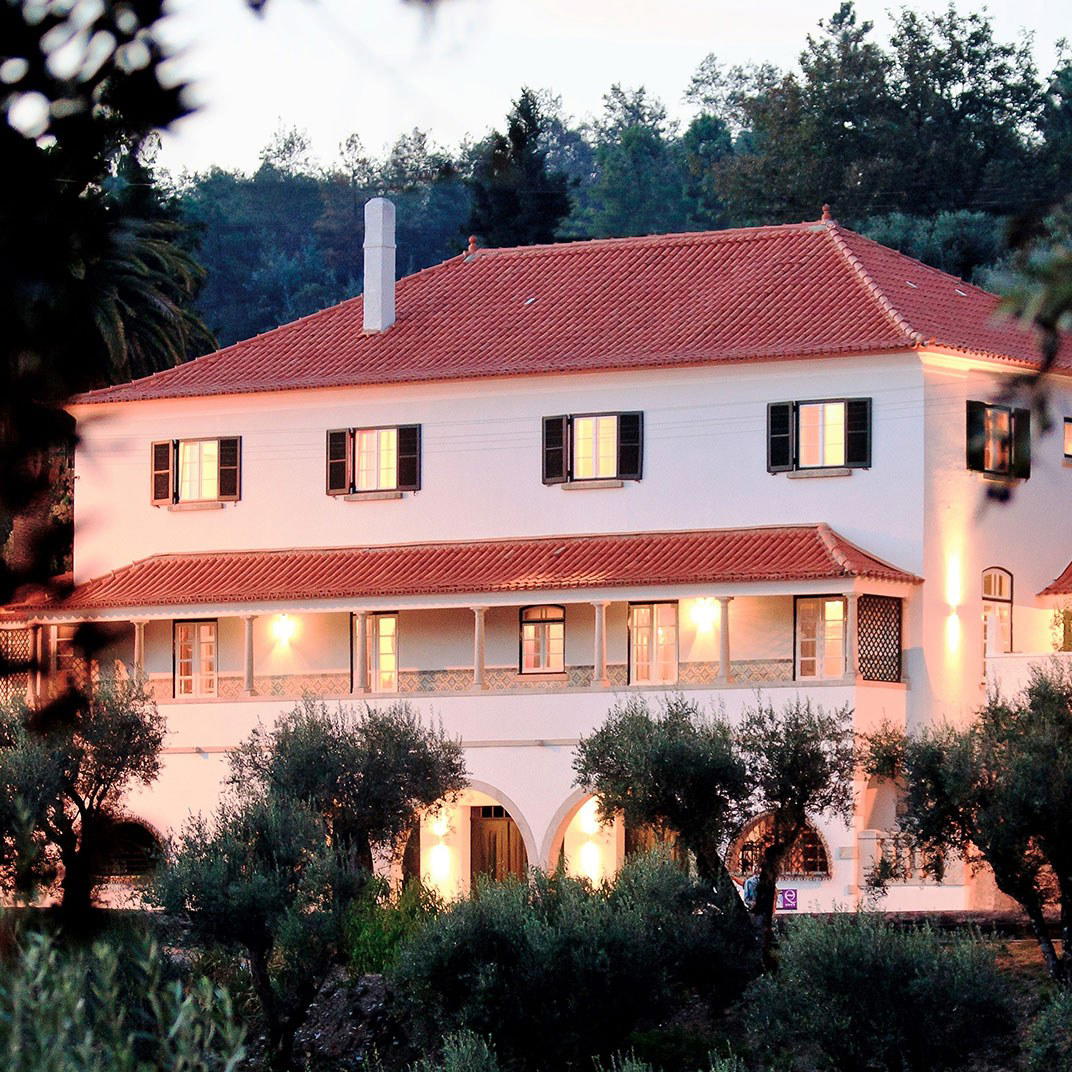
Stone, Silence, and the Schist Village Tradition
Arriving in Cerdeira requires a conscious decision to leave the main road. The Serra da Lousã rises into mist-prone ridgelines east of Coimbra, and the village sits on a slope where the paths between buildings are too narrow for anything larger than a loaded donkey. That physical constraint is, in itself, an architectural statement: the entire settlement was built at a scale determined by foot traffic and local schist, not by vehicle access or external supply chains. Quinta da Palmeira, at Rua Principal 36, occupies that context directly. Its address is not a postcode formality — it is a geographical argument for a particular kind of stay.
Schist village accommodation across central Portugal has developed into a recognisable sub-category of rural tourism, with Cerdeira among the most discussed examples. What distinguishes the better properties in this category is the degree to which original construction logic is preserved or extended, rather than cosmetically referenced. The thick schist walls, low ceilings, and irregular floor plans that characterise traditional Lousã houses are not design choices borrowed from heritage catalogues; they are functional responses to climate and available material. Properties that work within those constraints rather than against them tend to read more coherently as places.
Michelin Selection and What It Signals Here
Quinta da Palmeira carries a MICHELIN Selected distinction in the 2025 hotels guide, placing it within a tier that Michelin reserves for properties demonstrating consistent quality without necessarily occupying a five-star price bracket. In the context of rural Portuguese accommodation, this matters as a positioning signal. The Michelin hotels programme, which expanded its Portugal coverage significantly in recent years, tends to recognise smaller properties in non-metropolitan settings when they demonstrate a clarity of offer — a coherent sense of place, reliable standards, and accommodation that earns its context rather than simply occupying it.
For Cerdeira specifically, the selection aligns the property with a broader national pattern in which schist village stays are attracting serious editorial attention. Portugal's interior has been producing this kind of recognition steadily, with properties such as Ventozelo Hotel and Quinta in Ervedosa do Douro and Carmo's Boutique Hotel in Ponte de Lima demonstrating that rural Portugal's accommodation tier has depth well beyond the Algarve or Lisbon coastal belt. Quinta da Palmeira sits within that national picture, offering a Michelin-validated option for travellers whose routing takes them through central Portugal.
The Architecture of Removal
The editorial angle on Cerdeira that keeps appearing in travel writing is the concept of removal: from urban noise, from road infrastructure, from the homogenising pressures of international hotel design. Schist architecture enforces this physically. The material absorbs rather than reflects; the palette of grey, brown, and slate-blue reads as anti-spectacle. Properties built in this idiom are, structurally, arguments against the visual maximalism that defines luxury hotel photography in most other Portuguese destinations.
Compare Quinta da Palmeira's context with something like the Conrad Algarve, where the design language is Mediterranean-modern and the surrounding infrastructure is built for high-volume tourism. The two represent genuinely different propositions within Portuguese hospitality, and the schist village category has grown precisely because a segment of travellers is actively seeking the counter-position to resort-scale design. This is not a niche born of scarcity; it is a category defined by deliberate refusal of a certain set of conventions.
Across Portugal, this same quality-through-restraint logic shows up in properties with strong architectural identity: Hotel Casa Palmela in Setúbal, MS Collection Aveiro in Palacete Valdemouro, and Palacete Severo in Porto all make their case through a specific architectural identity rather than through scale or amenity volume. Quinta da Palmeira belongs to that group by virtue of its setting, even if the vernacular vocabulary is entirely different.
Planning a Stay in Cerdeira
Cerdeira lies roughly 25 kilometres southeast of Coimbra, accessible by car along winding roads through the Lousã hills. There is no meaningful public transport to the village itself, so a rental car or private transfer from Coimbra is the practical approach. Coimbra, in turn, is well-served by intercity rail from Lisbon (approximately two hours) and Porto (approximately one hour), making Cerdeira viable as a two-to-three-night detour within a broader central Portugal itinerary rather than a standalone destination requiring a dedicated long-haul arrival.
The Serra da Lousã offers walking trails, and the cluster of schist villages in the area, Cerdeira among the most intact, means the surrounding landscape functions as the primary activity. There are no significant nightlife or dining infrastructure in the village itself; the assumption is that guests are there for the environment and the quiet, not for programmed entertainment. Travellers looking for resort amenities, spa facilities, or urban connectivity will find more appropriate options elsewhere in Portugal, from the Bela Vista Hotel and Spa in Praia da Rocha to the Vidago Palace in Norte. Quinta da Palmeira is not in competition with those properties; it addresses a different set of priorities entirely.
Booking is leading approached directly given the small scale of the property and the limited inventory typical of Cerdeira accommodation. For a broader orientation to what the area offers, our full Cerdeira guide covers the village context in more detail.
Where Quinta da Palmeira Sits in the Wider Portuguese Accommodation Picture
Portugal's hospitality range is wide enough that any single property benefits from being located within it precisely. At one end of the spectrum, large resort complexes such as the Sheraton Cascais Resort or the Dunas Douradas Beach Club in Almancil serve volume tourism with extensive facilities. At the other end, design-led rural properties serve a much smaller market motivated by architectural specificity and place-based experience.
Quinta da Palmeira occupies the latter position, and the Michelin Selected status confirms it has met the threshold of quality that distinguishes the serious end of rural accommodation from properties that simply happen to be located in a photogenic village. For travellers already familiar with, say, the Octant Furnas in the Azores or the Aqua Pópulo Eco Village in Ponta Delgada, the logic of choosing a place partly on the strength of its setting and environmental coherence will be familiar. Cerdeira, and Quinta da Palmeira within it, extends that same logic to mainland Portugal's interior.
Fast Comparison
Comparable venues nearby, for context on price, style, and recognition.
| Venue | Cuisine | Price | Awards | Notes |
|---|---|---|---|---|
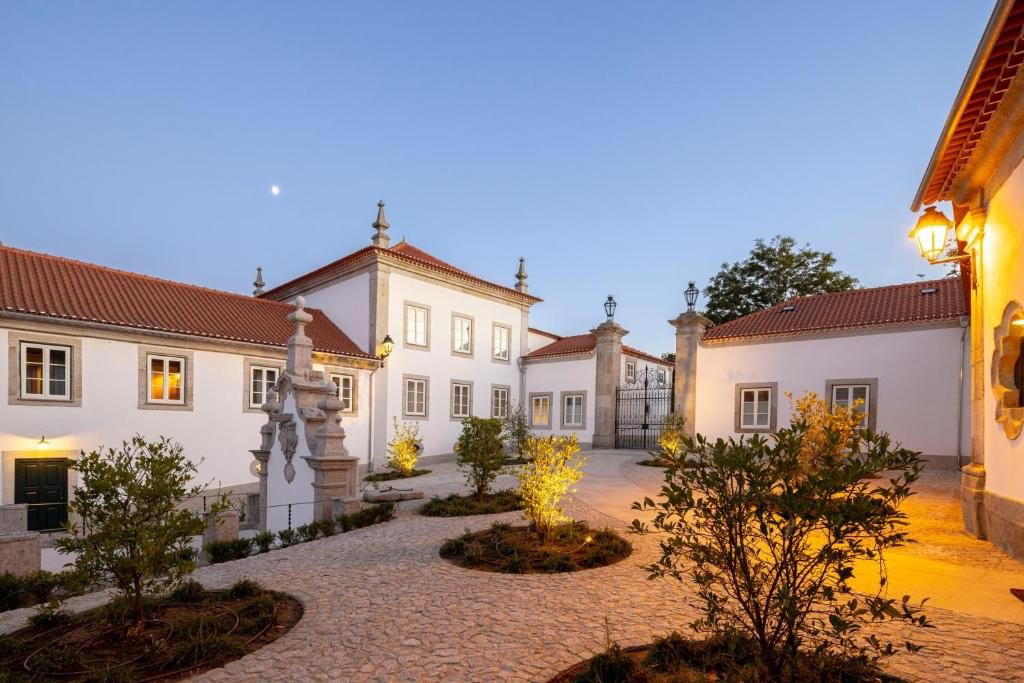
| Quinta da PalmeiraThis venue — the venue you are viewing | Renovated 19th-century country house | $$$ | 4-Star | Not listed |
| You and the sea - Ericeira Hotel and Apartments | Urban chic beachfront aparthotel | $$$ | 4-Star | Praia do Sul |
| Luz Charming Houses | Reimagined historic village with authentic stone houses restored in contemporary style | $$$ | 4-Star | Moimento |
| Casa Oliver Principe Real | Historic boutique B&B in a restored 1895 mansion | $$$ | 4-Star | Bairro Alto |
| Curia Palace Hotel | Historic Art Deco palace with golden era grandeur | $$$ | 4-Star | Anadia |
| Almaria Ex Libris Apartments | Chiado | Literary heritage in restored historic building with premium serviced apartments | $$$ | 4-Star | Chiado |
Recognition history
Dated appearances from independent guides and award organizations, with the underlying list record or original source where available.
Michelin Selected
Michelin
Continue exploring
More in Cerdeira
Hotels in Cerdeira
Browse all →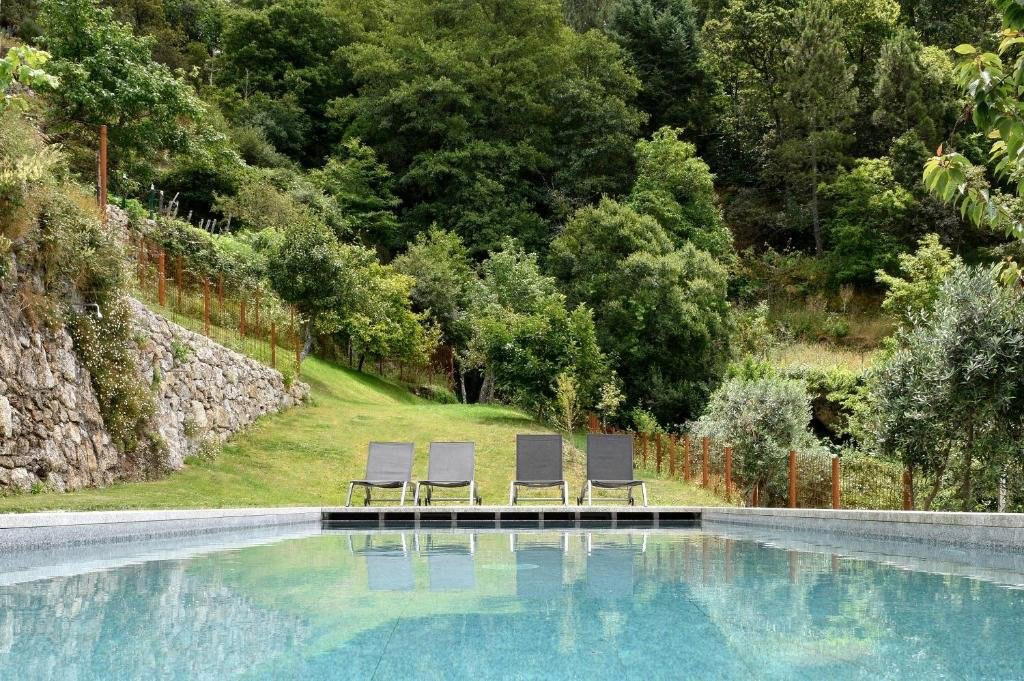
Bars in Cerdeira
Browse all →
Restaurants in Cerdeira
Browse all →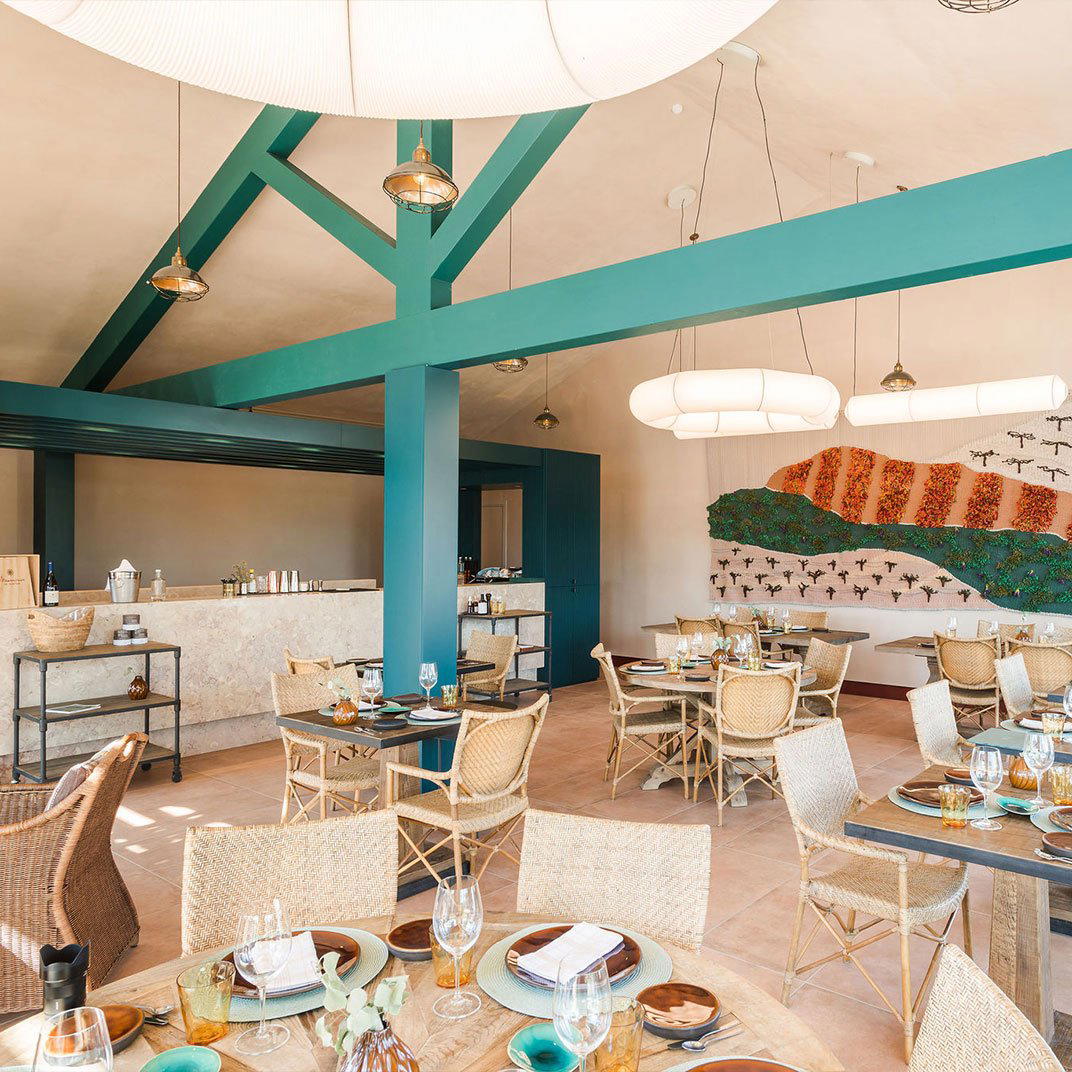

At a Glance
- Romantic
- Quiet
- Rustic
- Elegant
- Scenic
- Cozy
- Romantic Getaway
- Wellness Retreat
- Weekend Escape
- Garden
- Pool
- Spa
- Garden
- Mountain
- Pool
- Spa
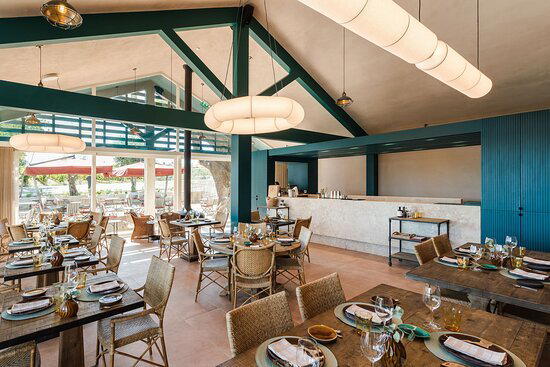
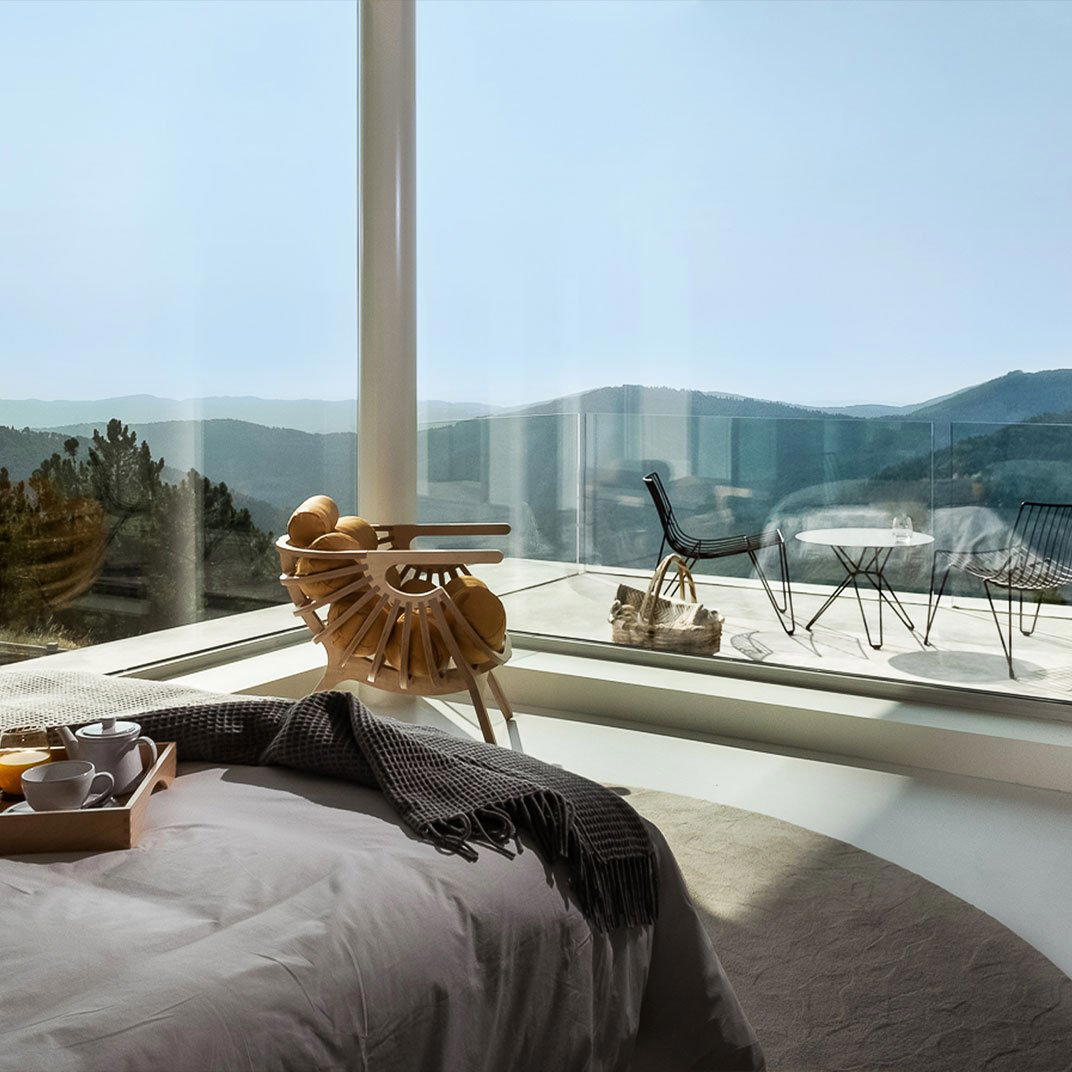
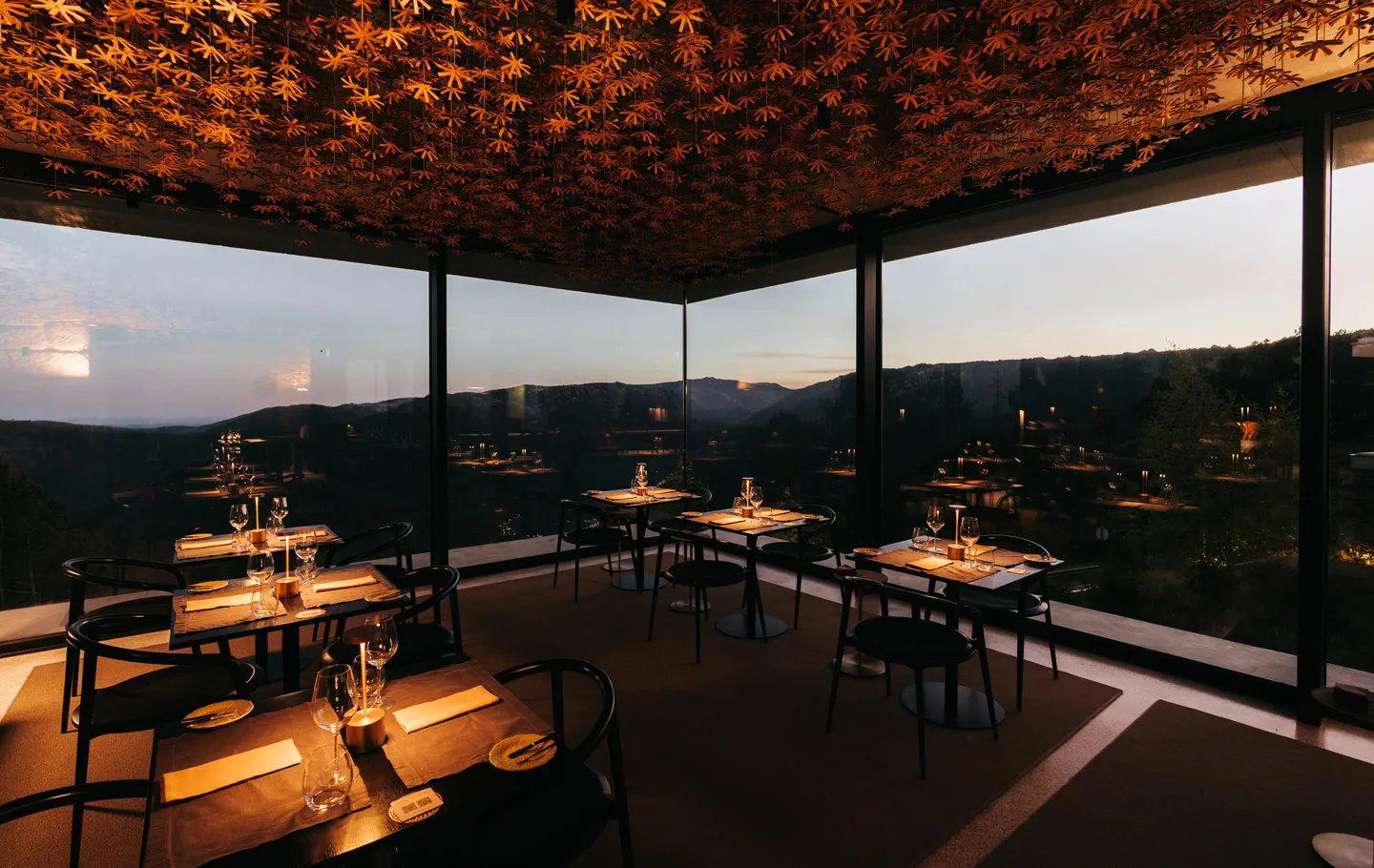
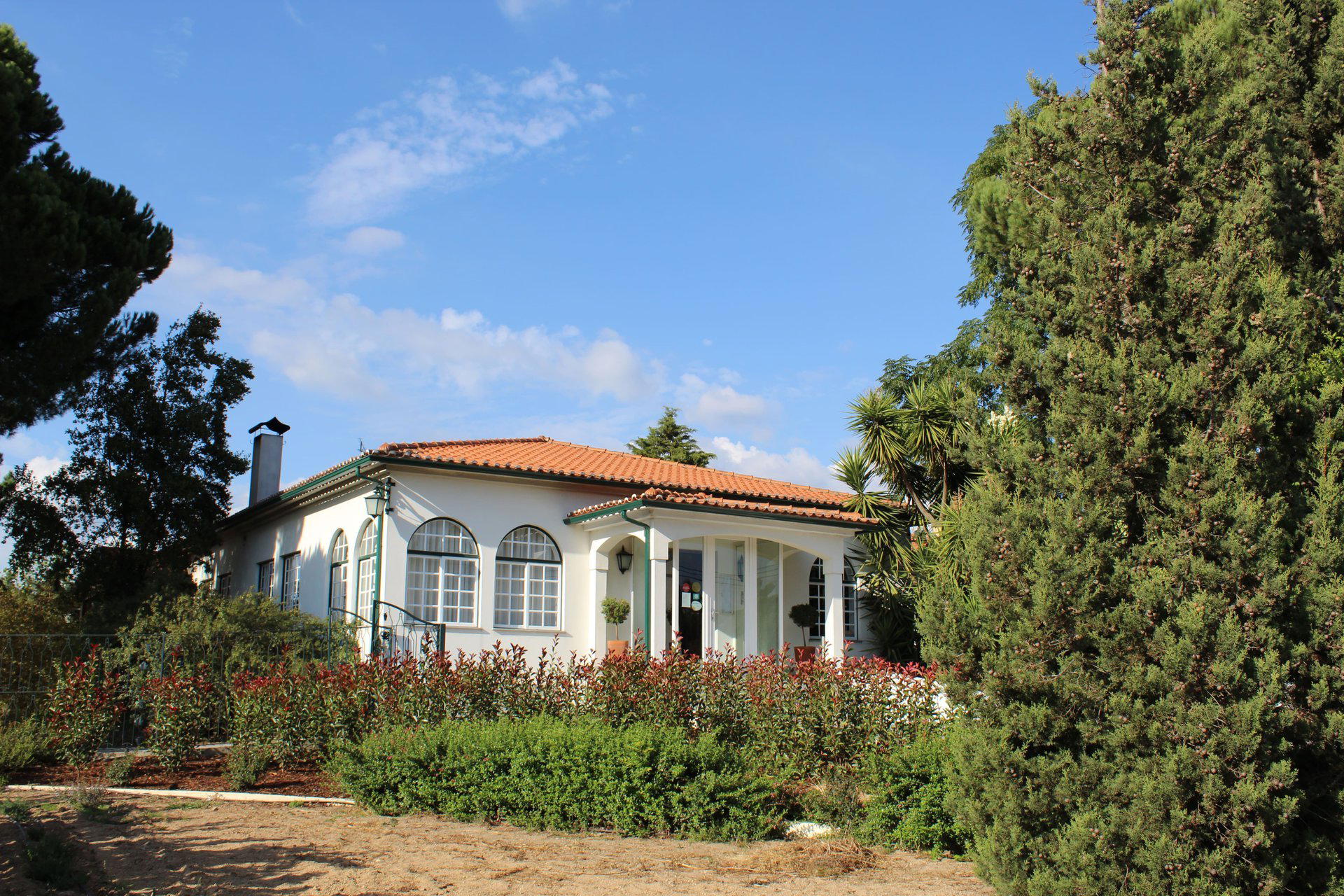
Peaceful and elegant countryside atmosphere with shaded garden spots and poolside relaxation.
Know Before You Go
- Getting there
- Rua Principal, 36, Cerdeira, Portugal