Pullman Danang Beach Resort belongs to Da Nang’s beachfront resort conversation, where the guest experience is shaped less by spectacle than by how smoothly the beach, city, and day-trip circuit fit together. With limited public database detail on awards, price, room count, and dining, it suits travelers who value a resort-format base and will verify current categories and services before committing.
 Discover on Pearl
Pearl is the En Primeur Club membership app — saves, bookings, and concierge access live there. Same editors, same standards.
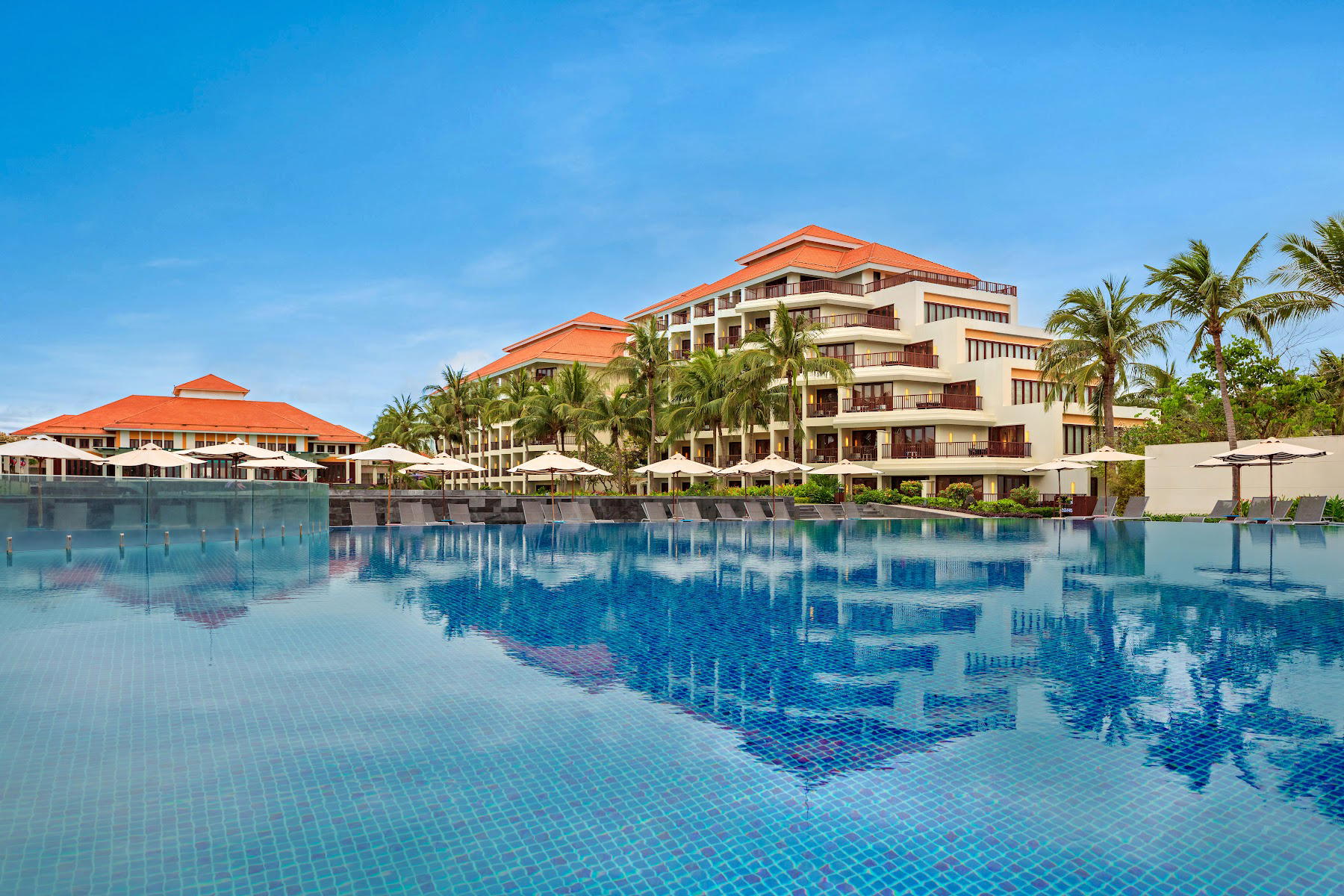
Beachfront Da Nang, read through service rather than spectacle
Arriving at a Da Nang beach resort usually begins with a shift in tempo: the city grid loosens, the road opens toward the coast, and the hotel decision starts to feel less about a single room than about how well the stay will manage transitions. Beach time, airport movement, Hoi An day plans, spa hours, family logistics, and dinner reservations all compete for attention. In this part of Vietnam, service culture matters because the itinerary is rarely static. The better resort choice is often the one that removes friction from those switches rather than the one with the loudest design statement.
Pullman Danang Beach Resort sits inside that resort-led version of Da Nang, a city where the hotel market has grown around sand, conferences, regional leisure travel, and access to central Vietnam’s wider circuit. The property is a 5-star hotel with 186 rooms and a typical starting rate of about US$150 per night, based on the supplied record. That absence should shape how the property is evaluated: treat it as a beach-resort candidate in Da Nang first, then confirm the current operational details directly through official channels or a trusted advisor before comparing it against peers.
The relevant editorial question is not whether a resort can promise comfort. Most full-service beach hotels in Da Nang can do that in broad terms. The sharper question is how the property handles the rhythm of a stay: early arrivals, late flights, weather changes, multi-generation groups, children who need structure, adults who want quiet, and guests who intend to spend part of the trip outside the hotel. Da Nang rewards hotels that understand sequencing. Breakfast cannot run like an afterthought when guests are leaving for Ba Na Hills or Hoi An. Concierge guidance cannot be generic when traffic, heat, and tide patterns affect the day. A resort’s service philosophy shows up in those small handoffs.
The Da Nang resort set is broader than one beachfront choice
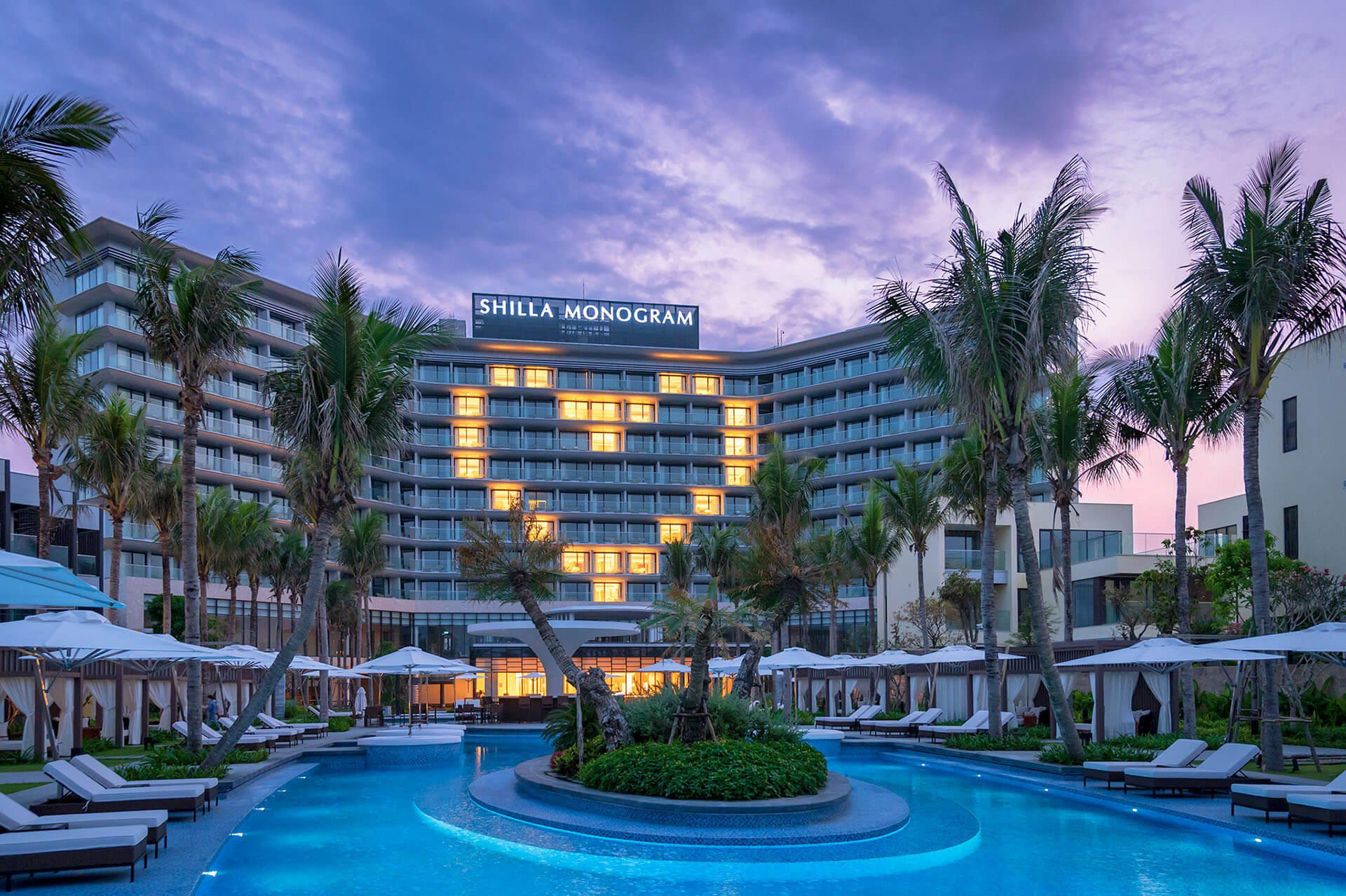
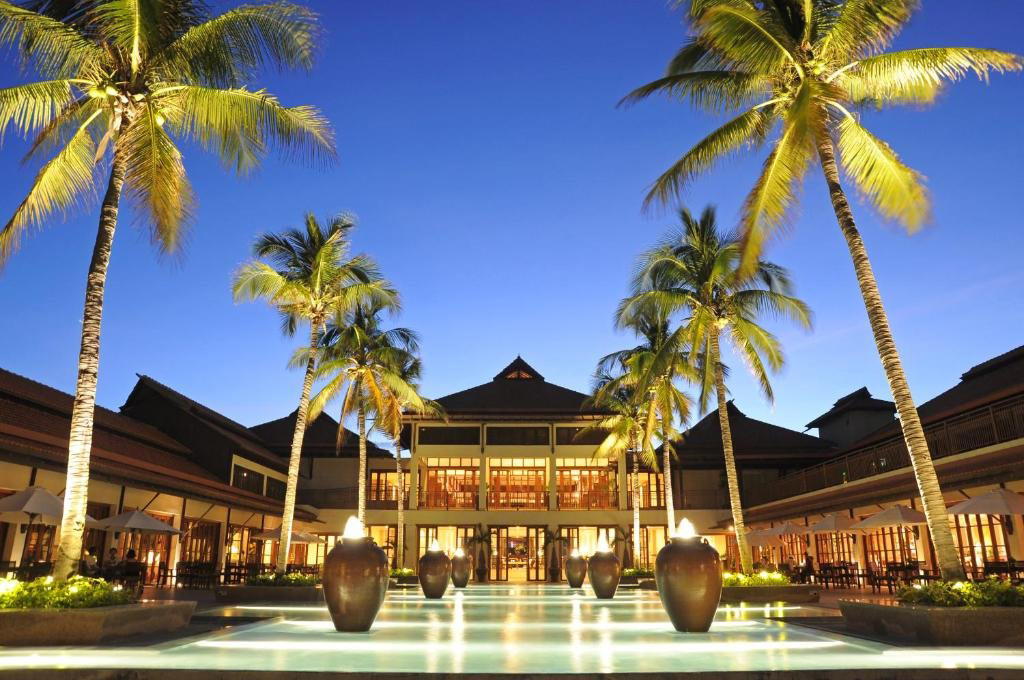
Da Nang’s hotel scene has become a layered coastal market rather than a single resort strip. Some properties angle toward branded urban efficiency, some toward family villas, some toward destination spa seclusion, and others toward international resort familiarity with beach access. That is why Pullman Danang Beach Resort should be read in relation to nearby and regional alternatives, not in isolation. A traveler weighing a resort stay may also compare Furama Resort Danang, Hyatt Regency Danang Resort & Spa, Premier Village Danang Resort Managed by Accor, and Shilla Monogram Danang, each of which answers a different version of the beach-hotel brief.
The comparison becomes clearer when the purpose of the trip is defined. Business travelers or short-stay guests may place more value on vertical efficiency and city access, which brings Four Points by Sheraton Danang and New Orient Hotel Da Nang into the discussion. Families or longer-stay groups often need space, predictable dining, and fewer daily transfers. Guests who want a self-contained coastal escape may look farther afield to InterContinental Danang Sun Peninsula Resort or beyond Da Nang to Banyan Tree Lăng Cô in Lăng Cô. Mountain and theme-park positioning changes the equation again at Mercure Danang French Village Bana Hills.
Within that comparable set, a Pullman-branded beach resort is most useful when the traveler wants international resort structure without making the hotel the entire reason for the trip. That distinction matters. Central Vietnam invites movement: mornings on the beach, afternoons in Hoi An, evenings in Da Nang, and day trips into the hills. A hotel that performs well in this context is not merely a place with a pool and rooms. It is a base camp with a hospitality system: luggage handled quickly, dining timed to departures, staff able to help with transport questions, and public spaces that can absorb both leisure guests and meeting traffic without making either group feel misplaced.
Service philosophy: the quiet test of a beach resort
Service at a beach resort is often judged too late, after a problem has already occurred. In Da Nang, the smarter reading starts earlier. The first test is pre-arrival clarity: room type confirmation, transfer planning, family requests, dietary notes, and late-arrival handling. The second test is day-to-day pacing: whether staff can sense when a guest needs direction and when silence is better. The third is recovery: how the hotel responds when weather turns, plans change, or a room category does not match expectations. These are not decorative details; they determine whether a stay feels managed or merely accommodated.
The supplied record does not provide a booking method, dress code, dining program, chef name, seat count, or price range. That limits any responsible assessment of specific service features. What can be said is that Da Nang’s resort category rewards operational consistency more than theatrical personalization. A beach hotel in this city is often serving several guest types at once: domestic weekenders, regional families, corporate groups, couples adding beach time to a Vietnam itinerary, and travelers using Da Nang as the practical airport gateway for Hoi An. Anticipatory service means reading those different needs without forcing one house style onto everyone.
For travelers who care about service, the useful questions are concrete. How early can bags be stored if the flight lands before check-in? Can the hotel advise on realistic timing for Hoi An in the evening? Are connecting rooms, extra beds, or child-related requests handled before arrival rather than negotiated at the desk? Are restaurant reservations in Da Nang or Hoi An treated as part of the stay rather than outsourced to guesswork? None of these answers should be assumed from brand recognition alone. They should be confirmed in writing, especially when traveling during public holidays, school breaks, or conference-heavy periods.
Food, drink, and the wider city decision
The record does not list a cuisine type, chef, signature dishes, or awards for the resort’s restaurants, so any detailed claim about menus would be inappropriate. The editorial point is broader: in Da Nang, hotel dining competes with an accessible city food culture and a growing regional dining circuit. Resort restaurants are useful for breakfast, late arrivals, pool days, and family convenience, but they should not automatically replace the city’s own dining scene. A stronger itinerary uses the hotel for ease and the city for range.
Travelers planning meals around the stay should use a Da Nang restaurants guide before deciding how many nights to keep inside the resort. The same logic applies to drinks. Hotel bars can provide convenience, but Da Nang’s drinking culture is better understood through a broader scan of the city. For travelers interested in activities beyond food and drink, a Da Nang experiences guide is the better planning tool, while a wineries guide is useful for checking whether wine-related programming is relevant to a given trip.
This is where the service angle returns. A resort that understands its city does not trap guests inside the property by default. It helps them choose when staying in makes sense and when leaving produces a better night. Da Nang’s appeal lies in that alternation. A beach morning followed by a city dinner has a different texture from a self-contained resort day, and both can belong in the same trip. The hotel’s role is to make the switching cost low: transport guidance, timing advice, and a front desk that does not treat external dining as an inconvenience.
Room choice should follow the itinerary, not the brochure hierarchy
The record does not list room categories, so no specific category recommendation can be made responsibly. The better framework is to match the room to the way the stay will actually function. Guests spending most daylight hours off property should avoid overpaying for space they will barely use. Families with naps, beach equipment, and staggered bedtimes should put layout ahead of decorative language. Couples using the resort as a restorative break after Hanoi, Ho Chi Minh City, or a multi-stop itinerary may place more weight on outlook, quiet, and bathroom comfort.
Da Nang’s climate and trip structure also affect room value. A sea-facing upgrade can matter more during a resort-heavy stay than during an itinerary built around excursions. Ground-floor convenience can be useful with children or frequent pool trips, but some guests will prefer upper-floor separation from public areas. Connecting rooms should never be assumed unless confirmed by the hotel. If price transparency matters, request the full room-category spread and cancellation terms before committing.
Regional comparisons help sharpen the choice. A guest seeking a more secluded Vietnam resort conversation may compare Amanoi in Vinh Hy or L’Azure Resort & Spa in Phu Quoc. Beach travelers looking south might consider The Anam Mui Ne in Mui Ne or Asteria Mui Ne Resort in Phan Thiet. City-led travelers can compare the tempo of Capella Hanoi in Hanoi, GM Premium Hotel in Hoan Kiem, and Amanaki Saigon Boutique Hotel in Ho Chi Minh City. Hoi An adds another nearby option through Hotel Royal Gallery Hoi An in Hoi An.
When this Da Nang choice makes sense
Pullman Danang Beach Resort makes the strongest case for travelers who want Da Nang’s beach setting with a service-led resort structure and easy access to the wider central Vietnam circuit. It is less suitable for guests who need verified award status, a named chef-led dining identity, or published rate guidance before shortlisting. That does not weaken the resort’s potential role; it simply changes the due diligence required.
Timing matters. Da Nang has distinct travel patterns shaped by weather, domestic holidays, school calendars, and regional flight access. Beach-oriented travelers should plan earlier for peak leisure periods, while guests with flexible dates can use shoulder periods to compare value across resort peers. If the trip includes Hoi An, Ba Na Hills, or multiple restaurant bookings, build the hotel decision around transport rhythm as much as the room itself. A resort can look attractive on paper and feel inefficient if every day begins with avoidable coordination.
For broader hotel context, a Da Nang hotels guide is the natural next comparison point. Internationally, the contrast is instructive: The Fifth Avenue Hotel in New York City, Hôtel de Paris Monte-Carlo in Monte Carlo, and Badrutt's Palace Hotel in St. Moritz operate in hotel cultures where heritage, urban address, or alpine seasonality drive the stay. Da Nang’s beach-resort logic is different. The property succeeds when it makes the coast, the city, and the excursion map feel coherent rather than competitive.
Planning notes before committing
Planning should be handled with a verification-first approach. Confirm the room category, bedding, cancellation terms, breakfast inclusion, transfer options, and any resort-fee or deposit conditions through official channels before payment. If dining matters, request current restaurant information rather than relying on old third-party descriptions. If service is the deciding factor, send specific pre-arrival questions and judge the clarity of the response; in a resort environment, communication before arrival is often a useful preview of the stay itself.
For families, the planning priority is operational: bedding, child policies, pool access, meal timing, and transport. For couples, the questions shift toward quiet, outlook, spa access if relevant, and how easily the hotel can support dinners away from the property. For business or event-linked travel, ask about group traffic and shared facilities during the dates in question. Da Nang hotels can serve several audiences at once, and the guest experience changes when a leisure stay overlaps with a large event.
Peer Set Snapshot
Comparable venues nearby, for context on price, style, and recognition.
| Venue | Cuisine | Price | Awards | Notes |
|---|---|---|---|---|
| Pullman Danang Beach ResortThis venue — the venue you are viewing | Large contemporary beachfront resort blending leisure, family, and business facilities on Bac My An Beach. | $$$$ | 5-Star | |
| Hyatt Regency Danang Resort & Spa | Contemporary resort blending modern design with Vietnamese architectural elements | $$$$ | 5-Star | Non Nuoc Beach |
| Furama Resort Danang | Luxury beachfront heritage resort blending traditional Vietnamese and Indochine colonial design with modern five-star amenities. | $$$$ | 5-Star | Ngu Hanh Son District |
| Pullman Danang Beach Resort | Modern beach resort with elegant cottages and private gardens | $$$$ | 5-Star | Ngu Hanh Son District |
| Four Points by Sheraton Danang | Contemporary beachfront resort with stylish workspaces and leisure facilities. | $$$ | 4-Star | Son Tra Peninsula |
| Premier Village Danang Resort Managed by Accor | Luxurious beachfront villa resort | $$$$ | 5-Star | Bac My An Beach |
Continue exploring
More in Da Nang
Hotels in Da Nang
Browse all →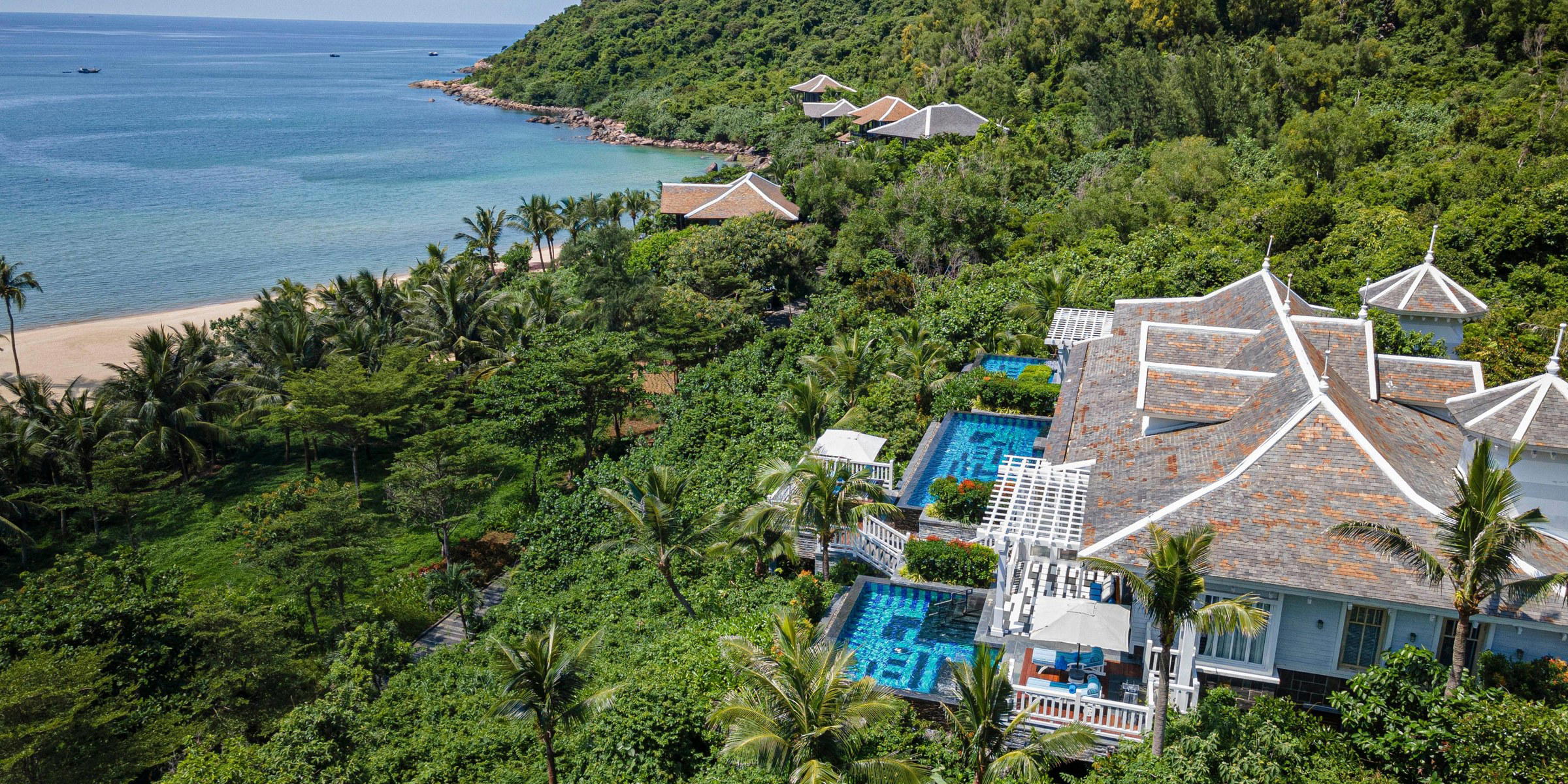
At a Glance
- Scenic
- Elegant
- Modern
- Sophisticated
- Romantic
- Lively
- Family Vacation
- Honeymoon
- Romantic Getaway
- Business Trip
- Group Retreat
- Destination Wedding
- Beachfront
- Infinity Pool
- Waterfront
- Garden
- Terrace
- Panoramic View
- Destination Spa
- Wifi
- Pool
- Spa
- Fitness Center
- Room Service
- Concierge
- Business Center
- Kids Club
- Beach Access
- Tennis Court
- Restaurant
- Bar
- Airport Shuttle
- Meeting Rooms
- Waterfront
- Garden
- Mountain
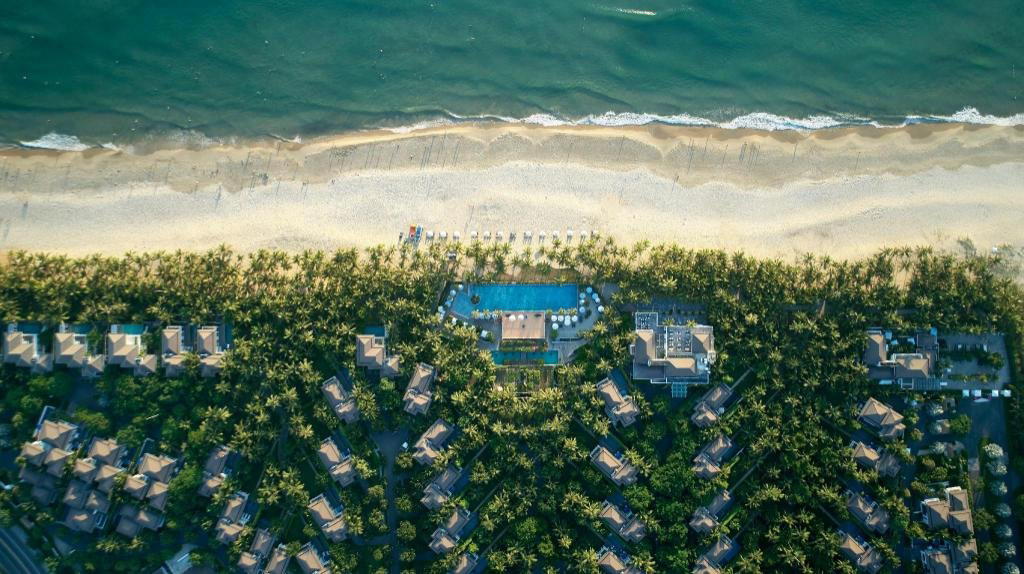
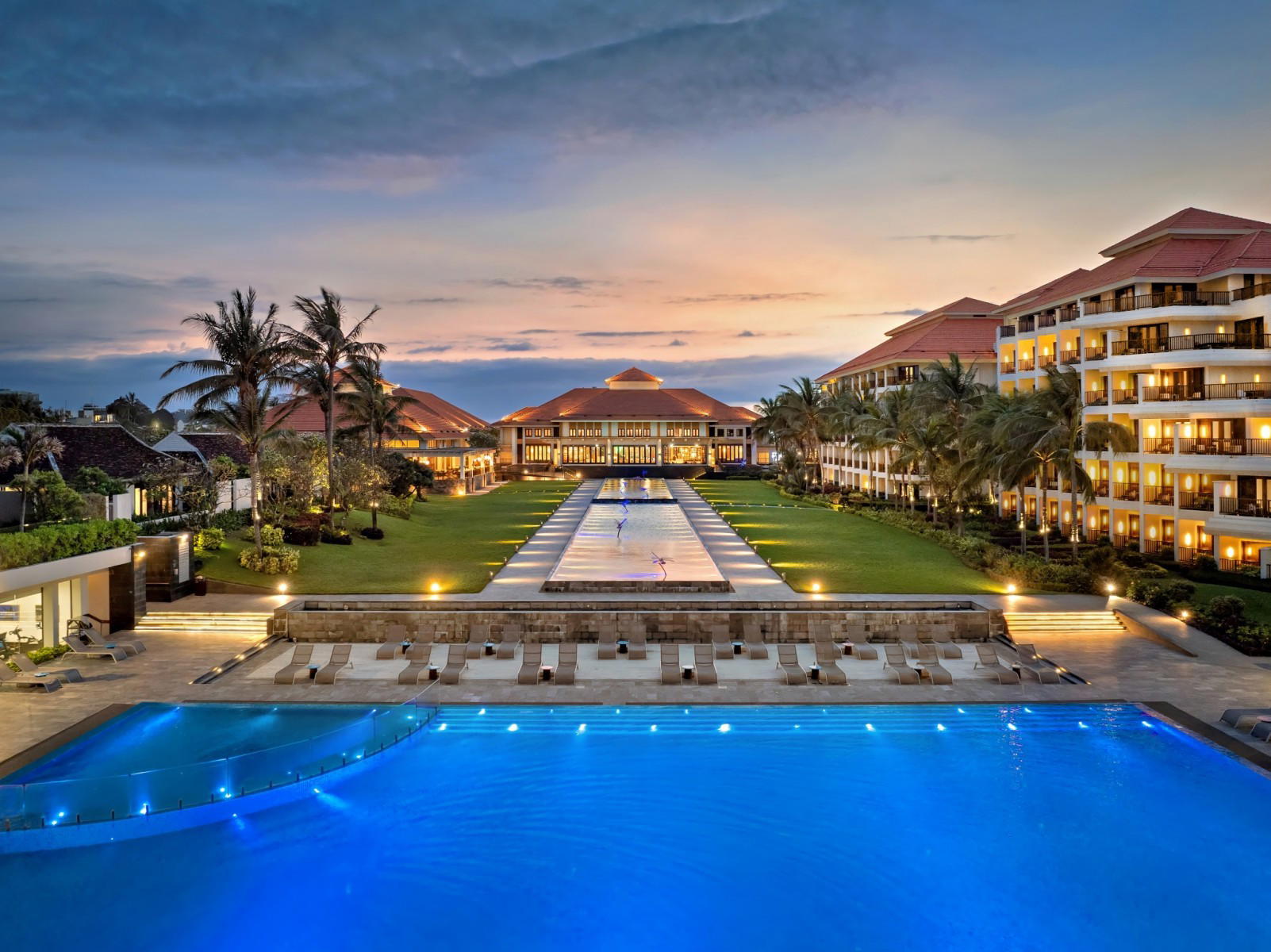
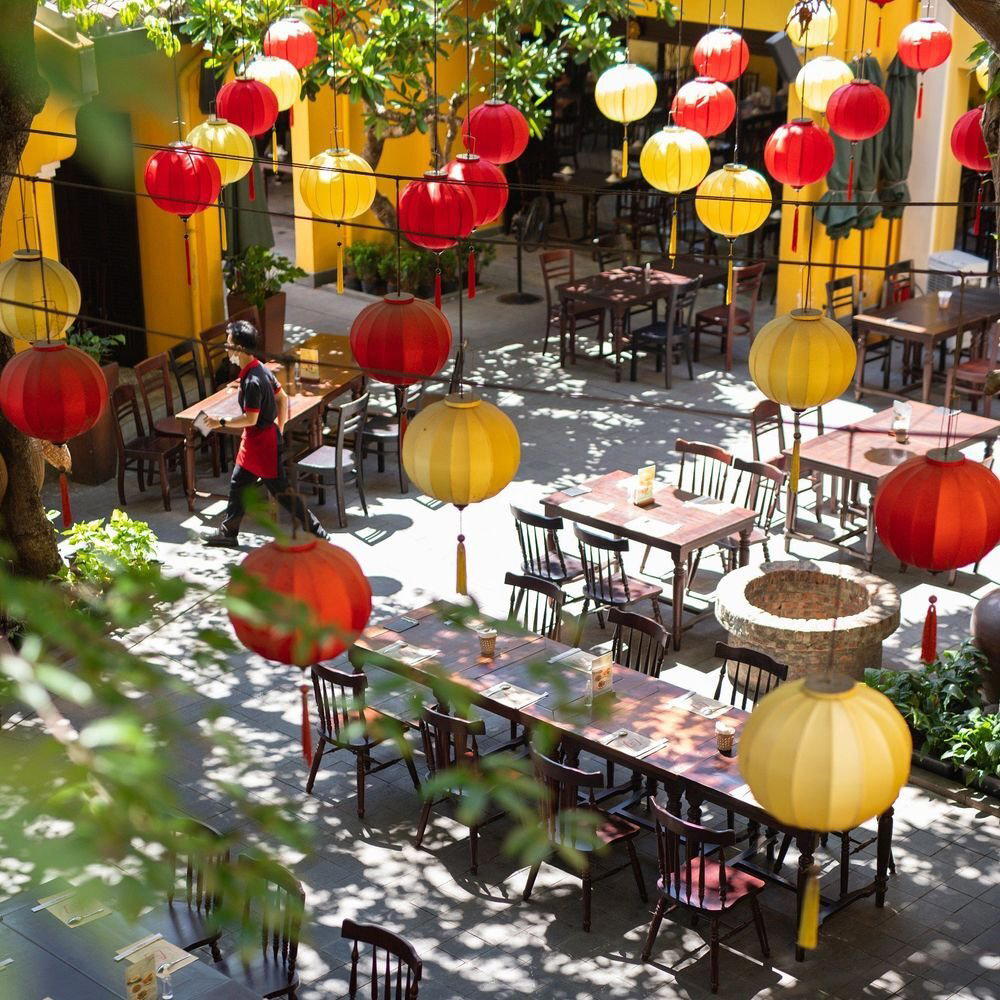
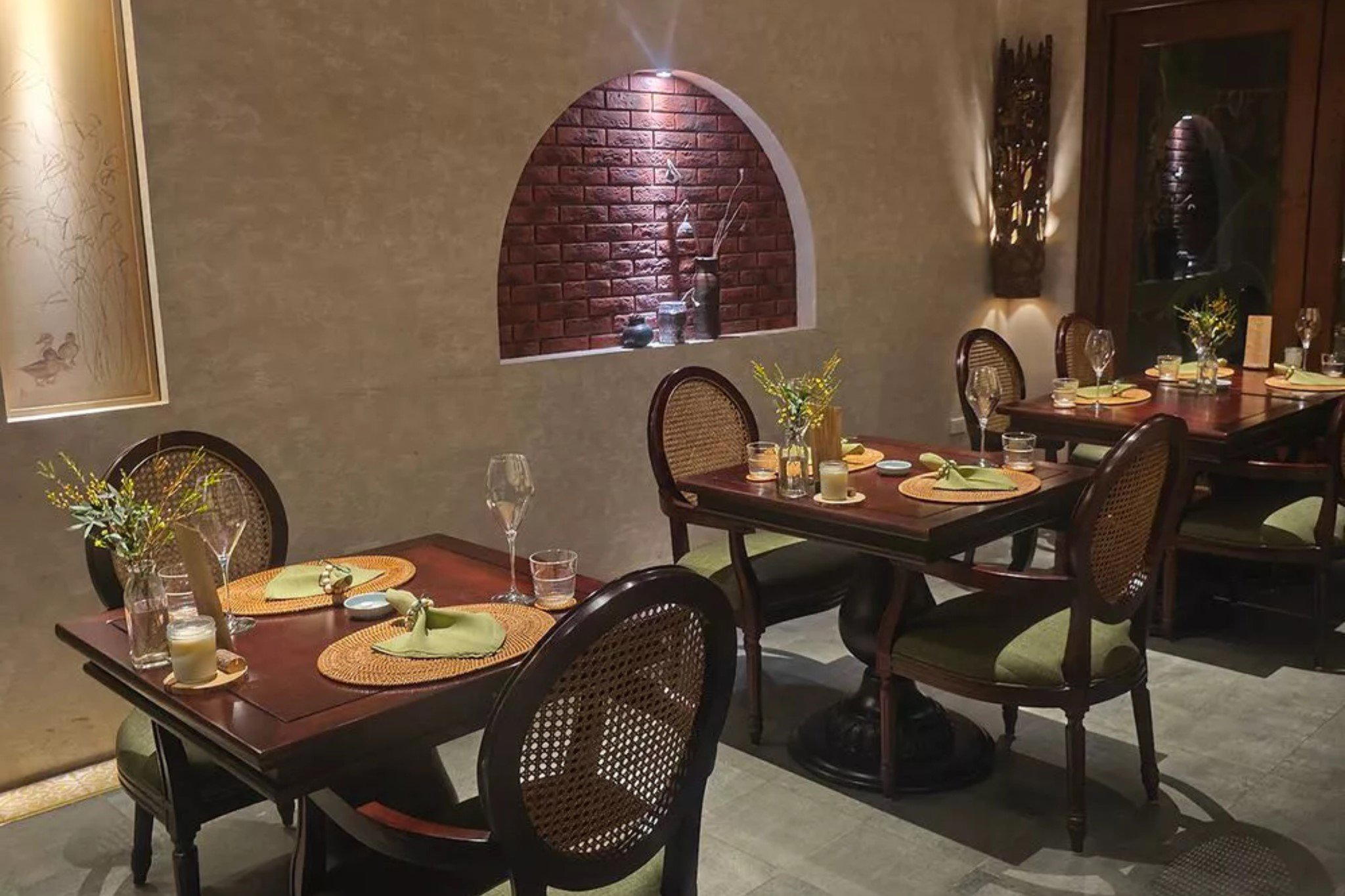
Relaxed yet upscale beach-resort atmosphere with contemporary design, tropical gardens, and open, light-filled public spaces that feel both tranquil and social.