Pavilion

Michelin Selected
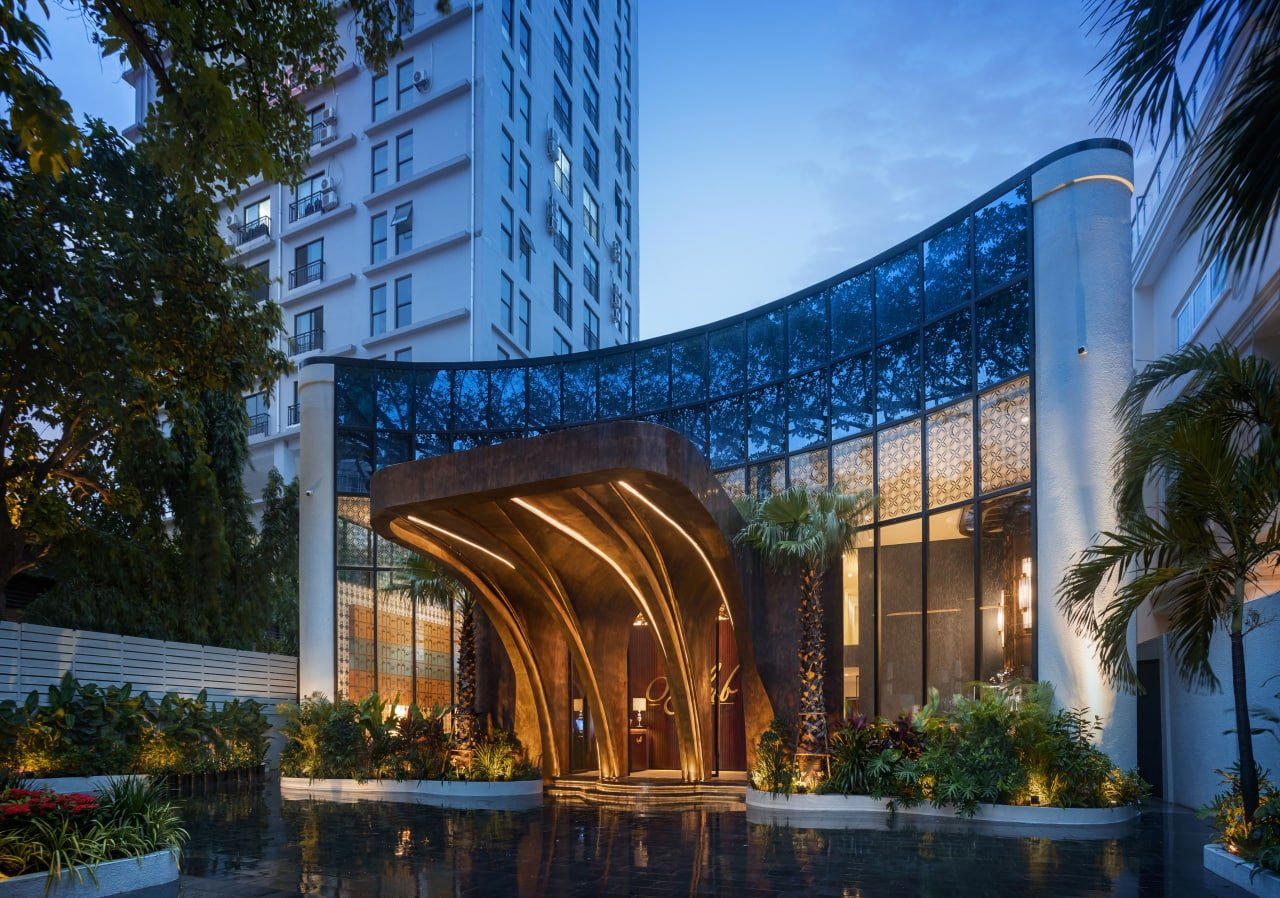
A MICHELIN Selected boutique hotel occupying a restored colonial villa on Street 19 in Phnom Penh's riverside quarter. Pavilion sits in the city's design-led independent tier, where low key counts and architectural character define the offering rather than brand scale. The address places it within walking distance of the Royal Palace precinct and the dining and bar strip along the Tonle Sap riverfront.

Pearl is the En Primeur Club membership app — saves, bookings, and concierge access live there. Same editors, same standards.
- Address
- 227 Street 19, Phnom Penh, Cambodia
- Phone
- +855 23 22 22 80
- Directions
- Get directions
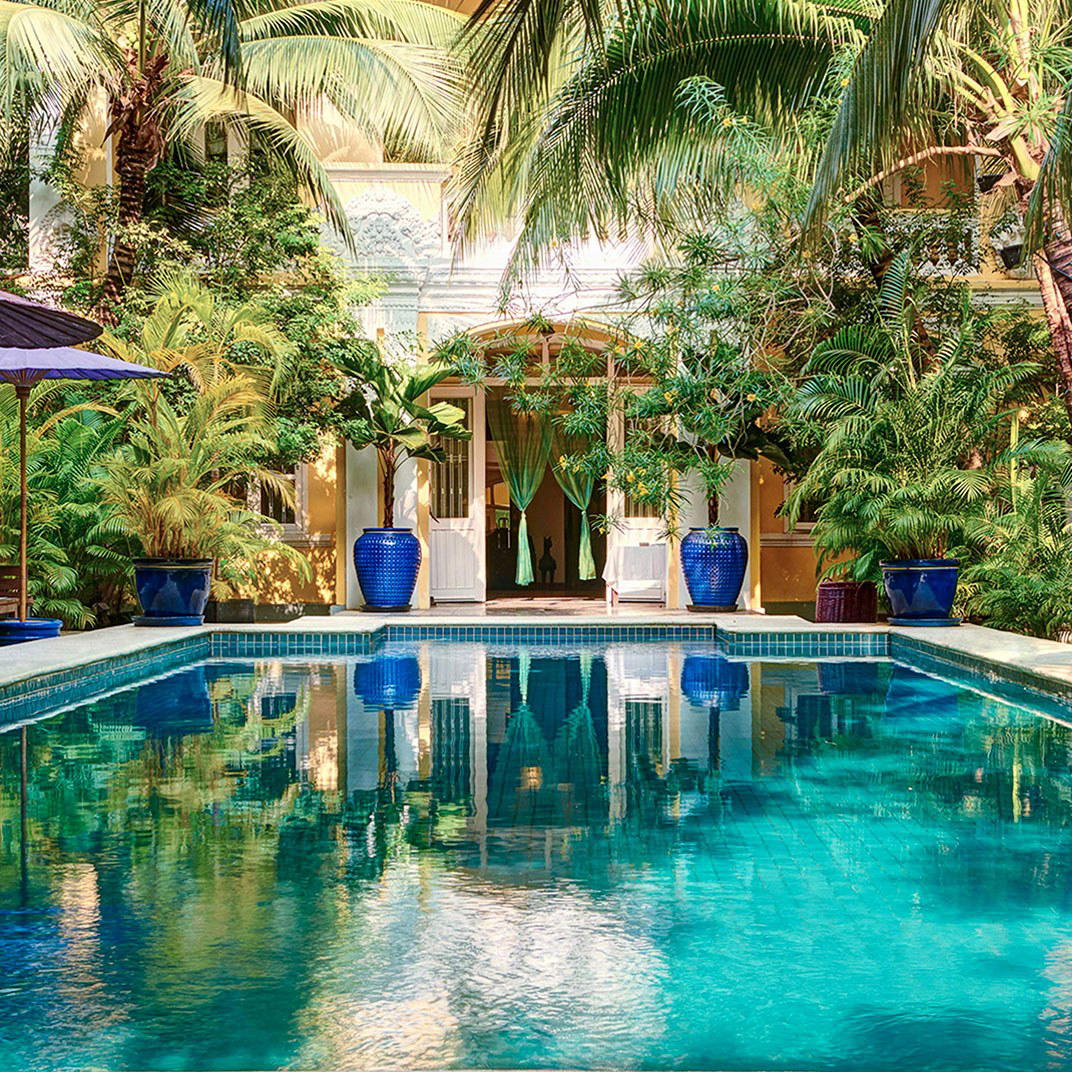
A Different Register of Phnom Penh Hospitality
Phnom Penh's hotel market has sorted itself into two distinct groups over the past decade. On one side sit the large international flags: the Rosewood Phnom Penh, the Phnom Penh, the Sofitel Phnom Penh Phokeethra, and the Raffles Hotel Le Royal, each carrying the infrastructure and room counts you would expect from properties positioned against a global traveller base. On the other side sits a smaller cohort of restored colonial villas and low-key boutique addresses where intimacy, local materiality, and architectural authenticity do the work that brand recognition does elsewhere. Pavilion belongs to the second group.
The property occupies a restored French colonial villa on Street 19, a few blocks inland from the Tonle Sap riverfront in the neighbourhood that clusters around the Royal Palace. That address carries its own logic: the area's density of pre-war architecture, tree-lined streets, and proximity to Phnom Penh's principal cultural monuments makes it a natural home for properties that trade on historical character. The SUN & MOON, Riverside Hotel and The Balé Phnom Penh occupy comparable territory in the city's boutique tier, though each takes a different architectural approach to the same general neighbourhood context.
Pavilion carries MICHELIN Selected status in the 2025 Michelin Hotels guide, which places it within the recognised tier of independent properties that meet Michelin's editorial threshold for quality and character without necessarily competing on the amenity depth of the larger flagged hotels.
The Architecture as Programme
Colonial villa conversions in Southeast Asia sit on a spectrum that runs from superficial renovation with period decorative touches at one end to genuinely considered adaptive reuse at the other. The most successful examples in cities like Phnom Penh, Luang Prabang, and Yangon tend to share a set of characteristics: preserved spatial logic from the original building, courtyard or garden space that functions as a social anchor, and a restrained material palette that lets the architecture read rather than competing with it.
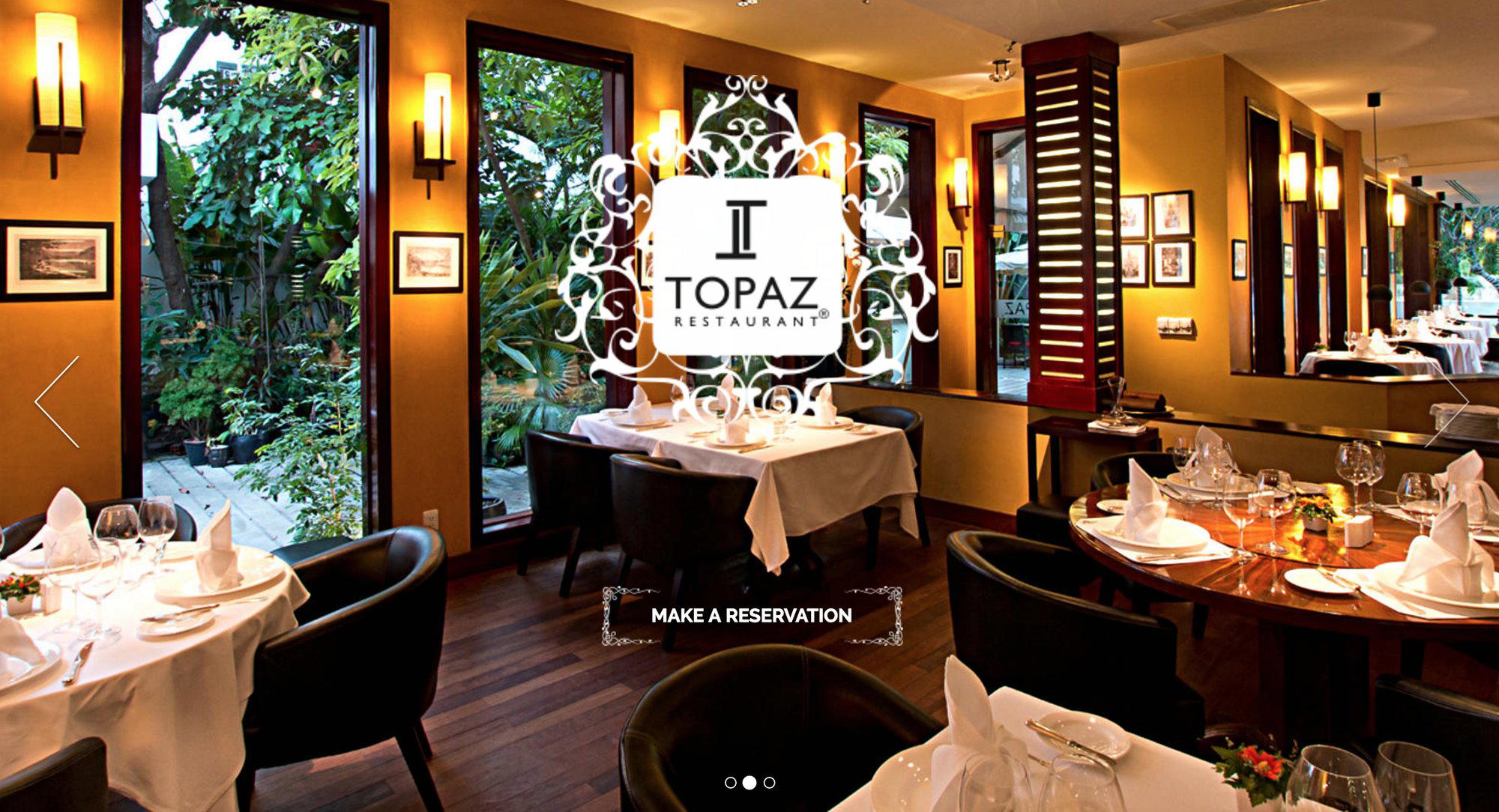
Properties in this category often have a defining outdoor space that does more experiential work than any single interior room. In a climate where the dry season runs from November through April and evening temperatures sit at a level that rewards sitting outside, a garden or pool terrace becomes the primary social infrastructure of the hotel rather than a secondary amenity. For travellers considering Pavilion, the outdoor spaces are likely to define the rhythm of a stay in ways that the room categories alone do not capture.
The French colonial architectural stock in Phnom Penh carries particular historical weight. Much of it survived the Khmer Rouge period by function rather than by intent, and the buildings that remain in the riverside and palace quarter represent a compressed physical record of the city's pre-1975 urbanism. Staying in a property that occupies that stock rather than a purpose-built hotel tower is a different kind of engagement with the city, even if the practical difference in amenity between the two is real and should be acknowledged honestly.
Dining and Food in Context
The editorial angle on any boutique hotel in Phnom Penh's independent tier turns, in part, on how the property handles food and drink. Smaller properties in this segment face a structural challenge: the kitchen and bar operations that a Rosewood or Raffles can support at scale are simply not viable at low room counts, which means the approach to dining either becomes a carefully edited in-house programme or a deliberate pivot toward the neighbourhood's external restaurant supply.
Phnom Penh's dining scene has matured considerably in the decade following the city's broader tourism expansion. The riverfront strip and the streets between it and the palace quarter now carry a range of restaurants that run from long-established Khmer kitchens to internationally trained chefs working modern Cambodian formats. For a boutique property like Pavilion, that surrounding density is an asset: guests are within walking distance of restaurants that would constitute the dining programme of a much larger hotel, without the overhead of running them.
The our full Phnom Penh restaurants guide maps the city's current dining options in detail and is worth consulting before arrival to plan around specific neighbourhood anchors rather than defaulting to hotel dining or tourist-facing menus.
Cambodia in Wider Context
Pavilion operates within a country whose hospitality offer has expanded well beyond Phnom Penh's city hotels. For travellers building a longer Cambodia itinerary, the range of property types and locations now reaches from the Angkor temple complex in Siem Reap, where Raffles Grand Hotel d'Angkor and Zannier Hotels Phum Baitang anchor the premium end, to the smaller boutique properties elsewhere, such as The RiverGarden Siem Reap in Siem Reap. The southern coast adds another register entirely: Knai Bang Chatt in Kep, Song Saa Private Island in Koh Rong Archipelago, The Last Point in Prey Nob, PEARL BEACH RESORT & SPA in Sihanoukville, and The Secret Garden at Otres beach represent the range from boutique coastal to more remote island formats. Inland, Shinta Mani Wild in Prey Praseth Village and Farmhouse Resort & Spa in Kampong Chhnang occupy the experiential and agricultural niche respectively.
Against that country-wide spread, Phnom Penh functions as entry or exit point for most international itineraries, which makes the choice of city hotel partly a question of how much the capital itself features in the travel plan versus serving as a transfer stage. For travellers who want to spend serious time in the city, the boutique colonial tier that Pavilion represents gives access to the neighbourhood on foot in a way that the larger riverside towers, for all their amenity advantages, do not replicate.
For a sense of how Pavilion's independent design-led positioning compares with properties in other premium travel markets, the contrast is instructive: the approach echoes what smaller palazzos do in Venice against the scale of something like Cipriani, A Belmond Hotel, Venice or Aman Venice, or what a carefully curated independent does in Paris against the institutional weight of Le Bristol Paris. The independent boutique format at its finest offers something the flagged properties cannot: a building with a specific history, in a specific street, where the setting itself becomes part of the experience rather than a backdrop to a standardised product.
Planning a Stay
Pavilion is located at 227 Street 19, Phnom Penh, a central address that puts the Royal Palace, the National Museum, and the riverfront within practical walking range. The dry season months between November and April represent the most comfortable period for a Phnom Penh stay given the heat and humidity levels of the wet season, though the city's cultural calendar and the relative reduction in visitor numbers during shoulder months each carry their own considerations. Given the property's boutique scale, advance booking is advisable for peak dry-season travel, particularly over the Cambodian New Year period in April when domestic travel demand is at its highest.
Price and Positioning
Comparable venues nearby, for context on price, style, and recognition.
| Venue | Price | Awards | Notes |
|---|---|---|---|
| PavilionThis venue — the venue you are viewing | $100–200 | Michelin Selected | Not listed |
| The Balé Phnom Penh | Not listed | Michelin Selected · Mr & Mrs Smith Seal of Approval | Sangkat Bak Khaeng, luxury boutique resort on Mekong River |
| SUN & MOON, Riverside Hotel | Not listed | World Luxury Hotel Awards WLHA Country Winner | Riverside, Contemporary luxury lifestyle ecosystem integrating wellness, fitness, and event facilities with sophisticated design elements and river-centric positioning. |
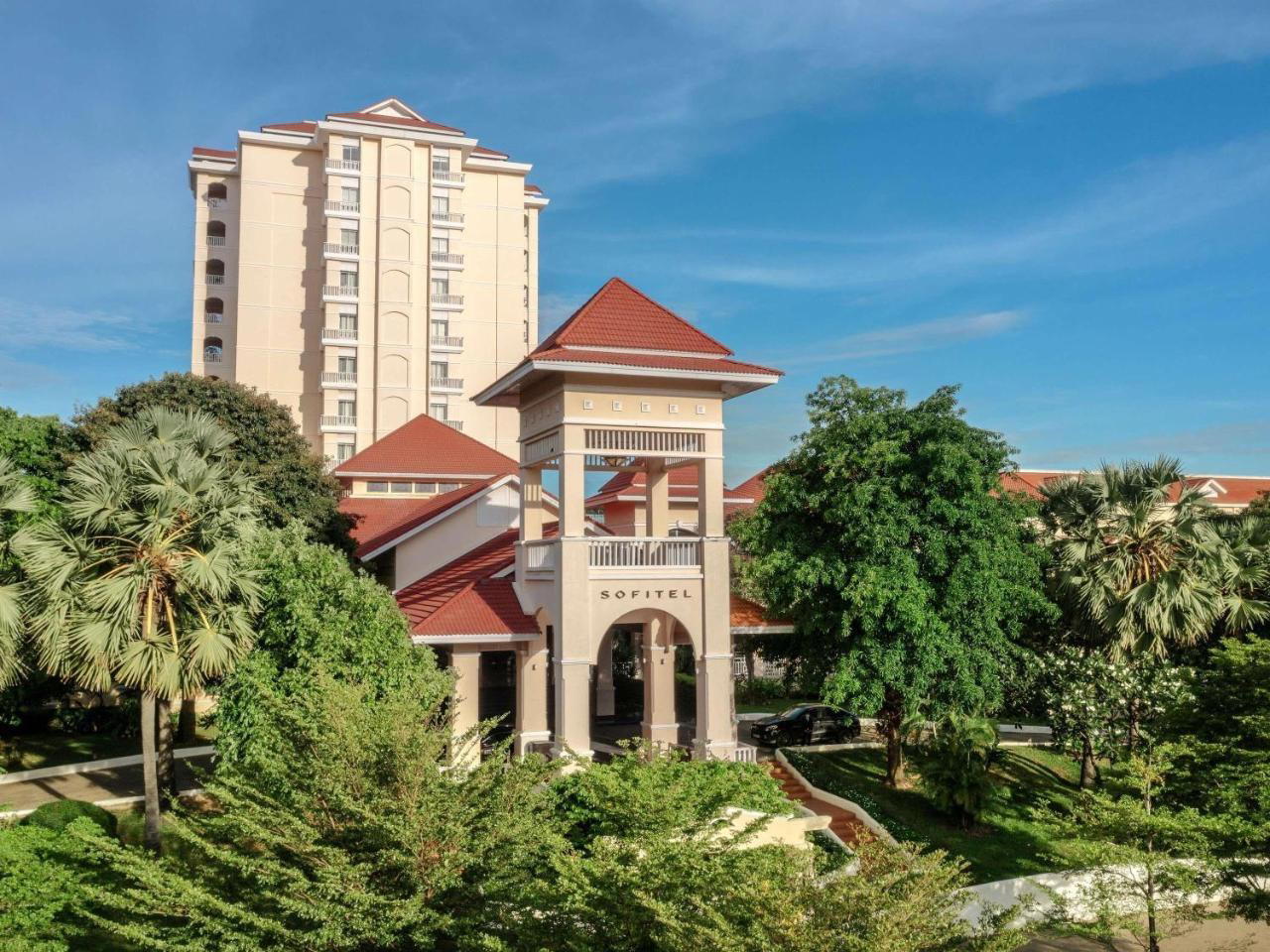
| Sofitel Phnom Penh Phokeethra | Not listed | Michelin Selected | Chamkar Mon, French colonial luxury with Khmer influences set in a historic garden compound |
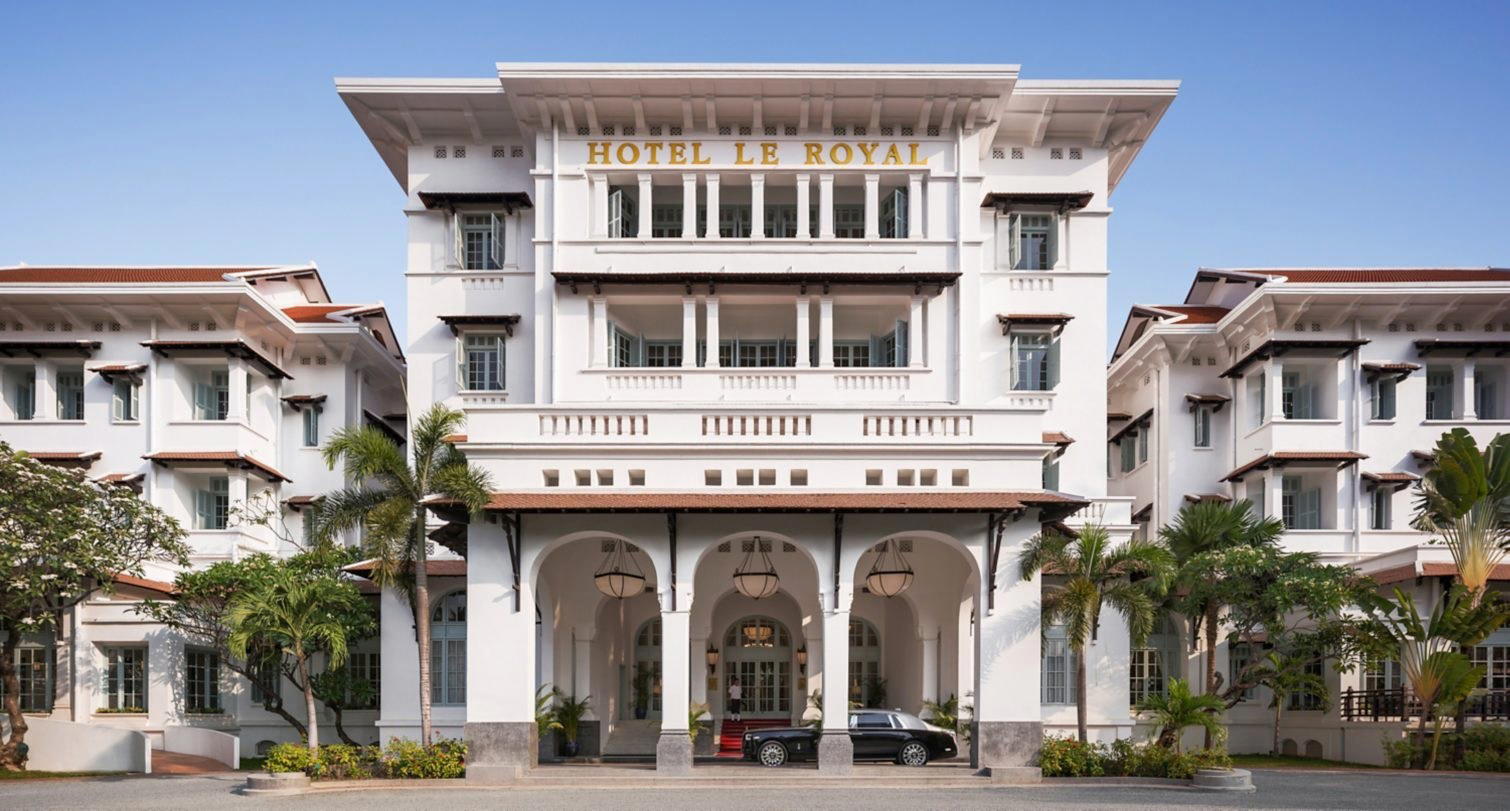
| Raffles Hotel Le Royal | $100–200 | 1 Michelin Key · La Liste Top Hotels | Daun Penh, Historic colonial palace hotel blending Khmer, Art Deco, and French colonial architecture with modern luxury amenities and personalized butler service. |
| Shangri-La Phnom Penh | Not listed | 1 Michelin Key | Riverside, Neo-Classical and French Art Déco with Khmer craftsmanship |
Recognition history
Dated appearances from independent guides and award organizations, with the underlying list record or original source where available.
Michelin Selected
Michelin
Details
- Quiet
- Elegant
- Serene
- Intimate
- Scenic
- Honeymoon
- Romantic Getaway
- Anniversary
- Weekend Escape
- Garden
- Terrace
- Pool
- Spa
- Fitness Center
- Wi Fi
- Room Service
- Concierge
- Garden
- Massage
- Garden
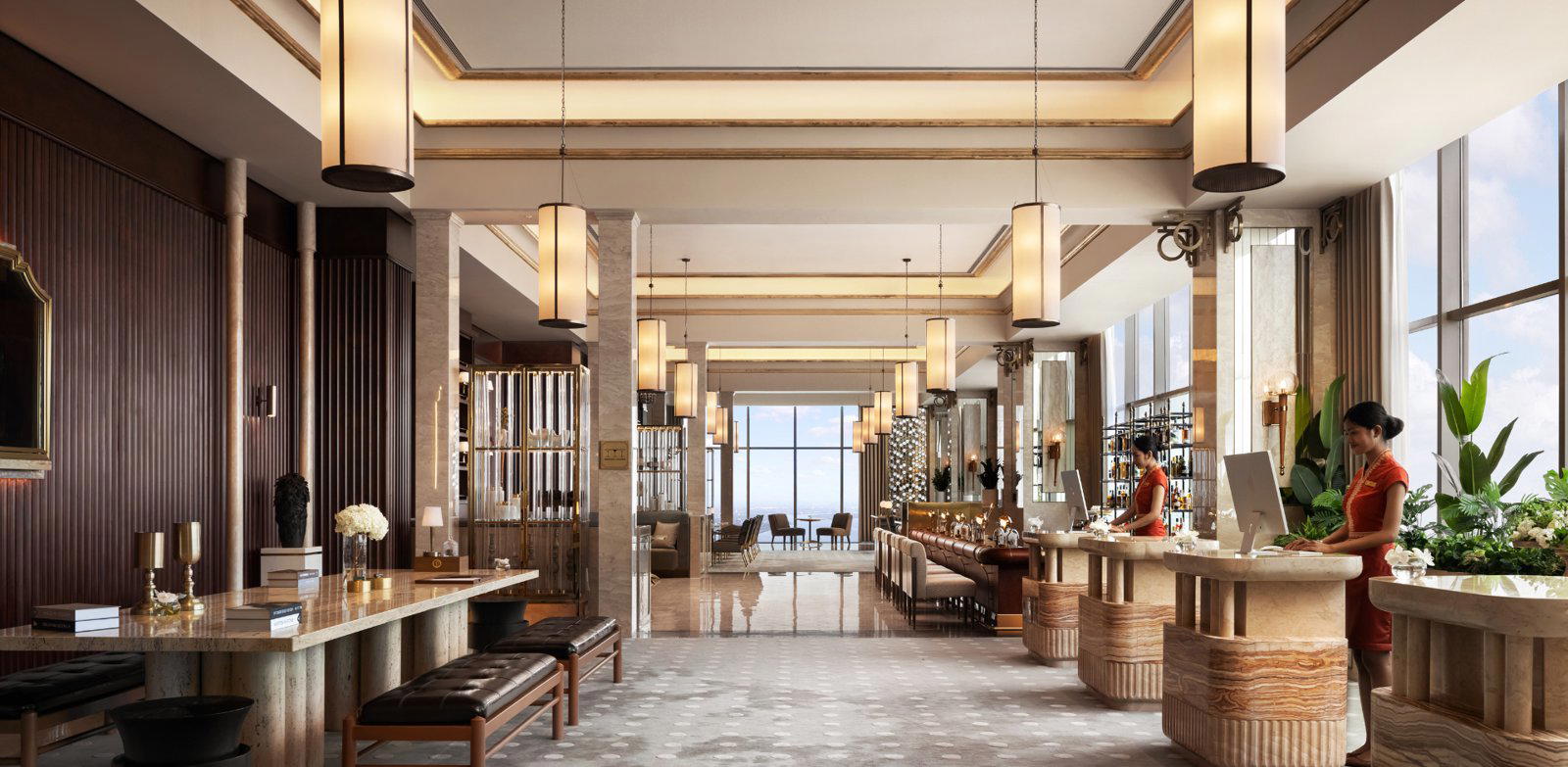
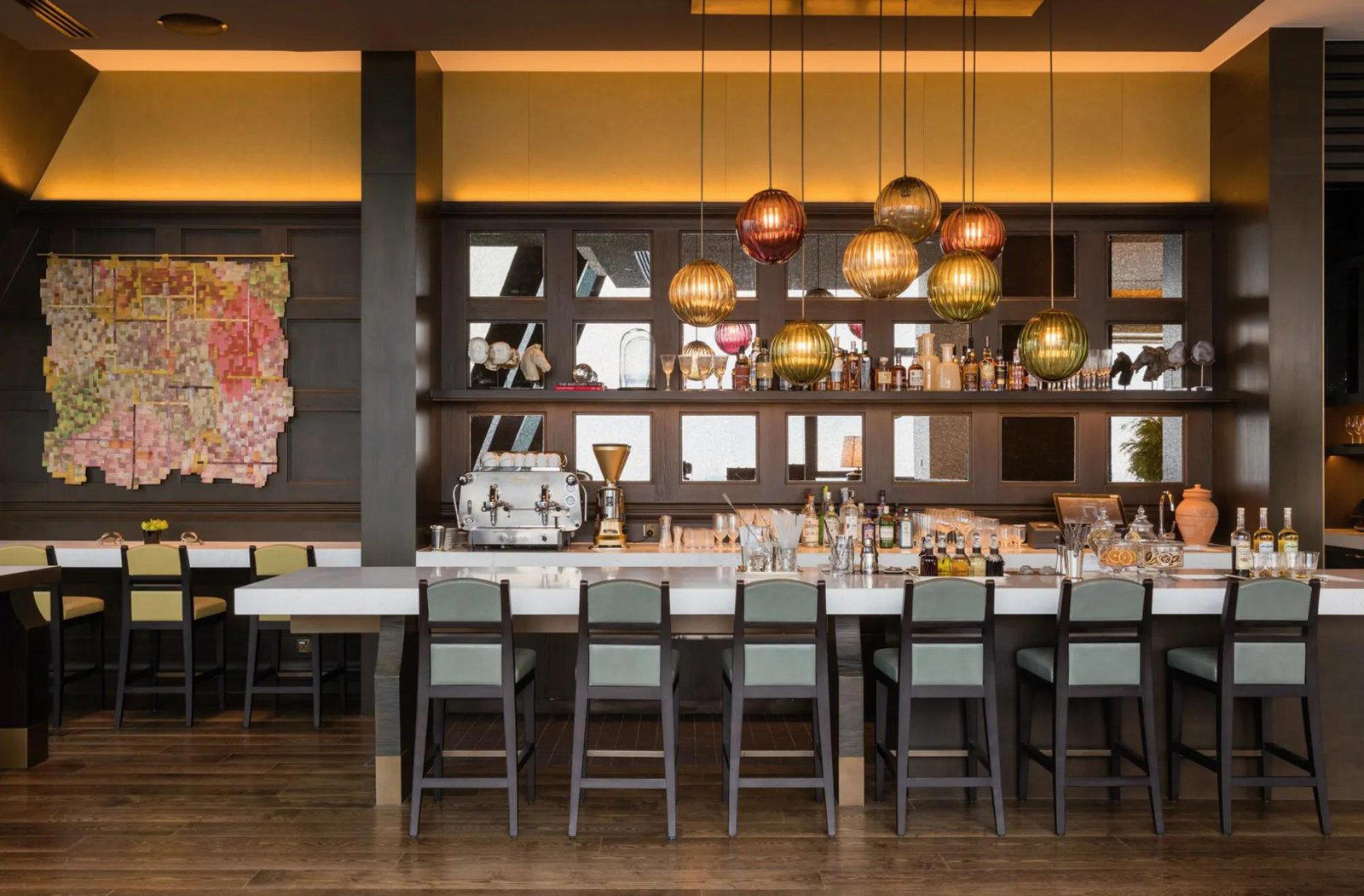
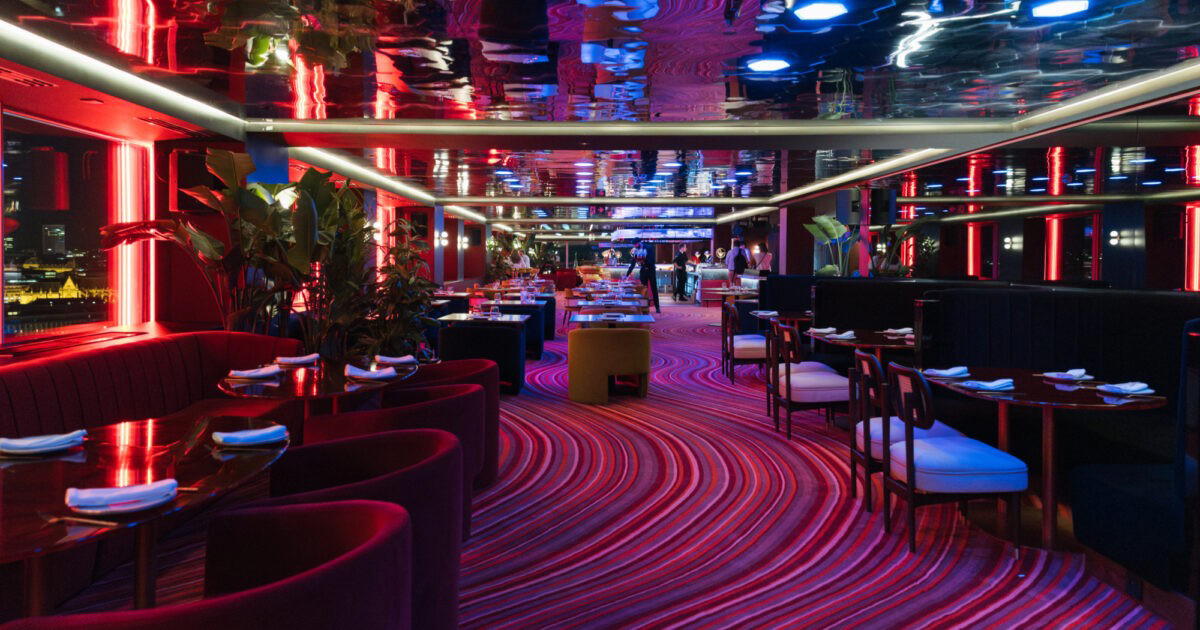
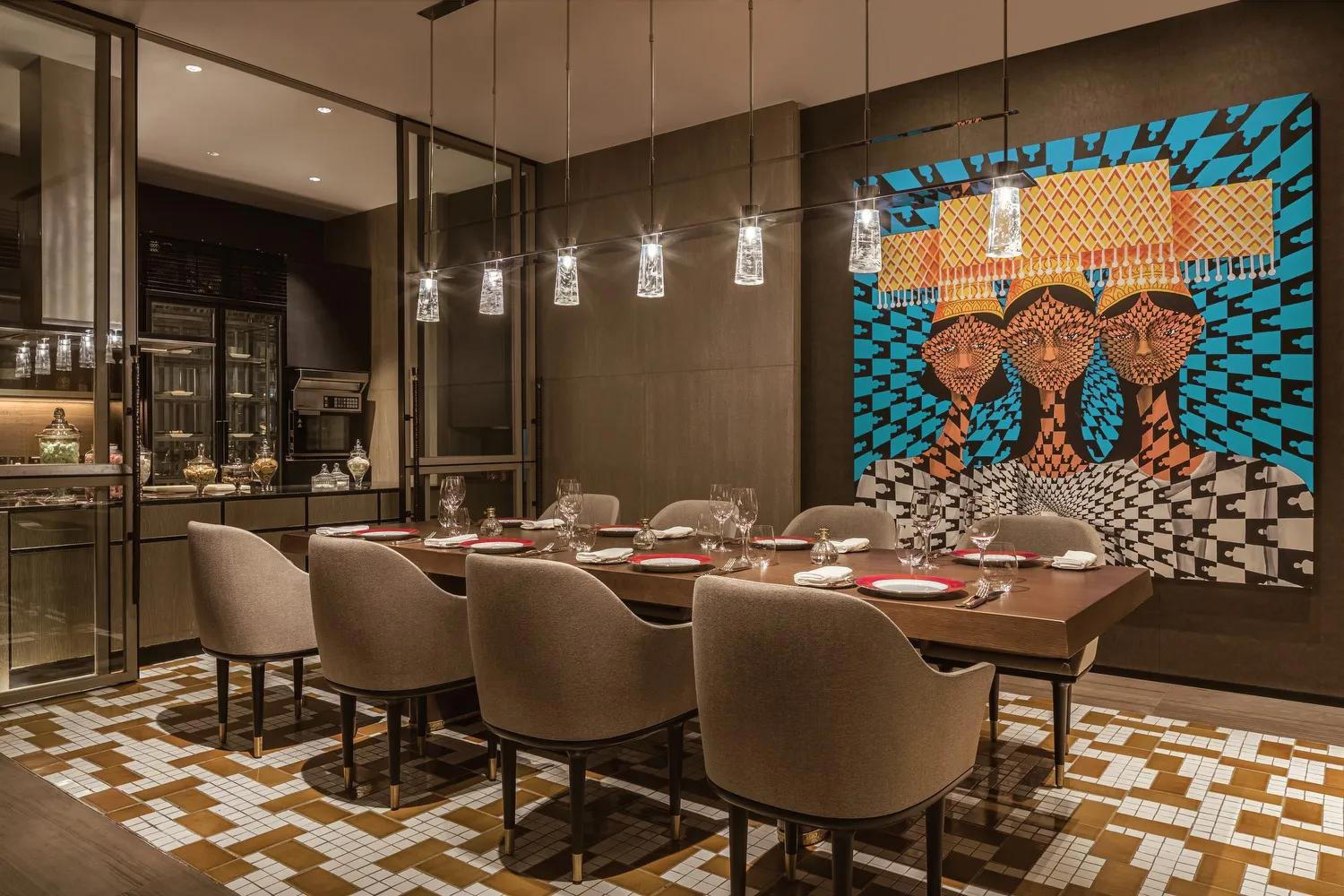
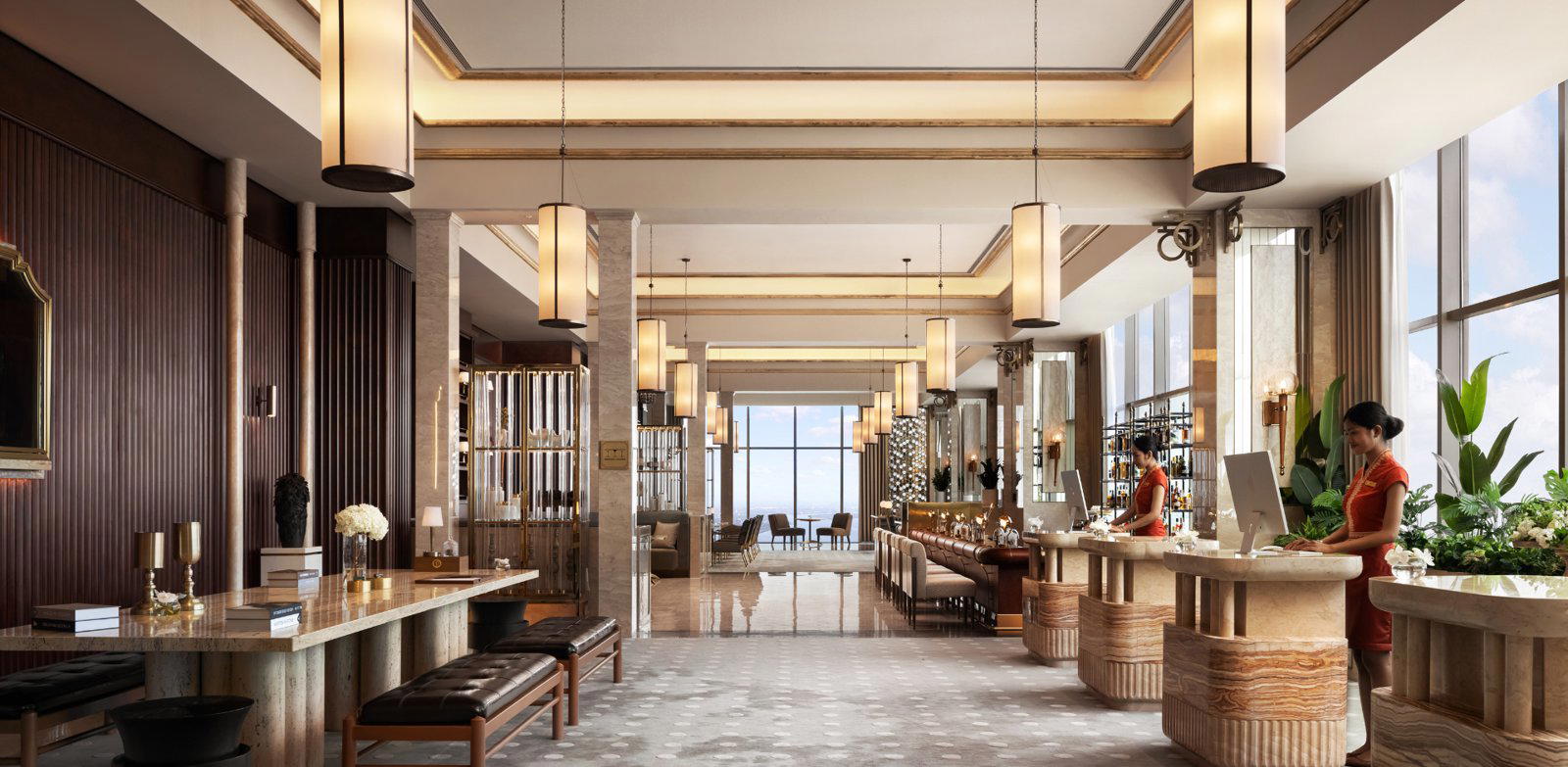
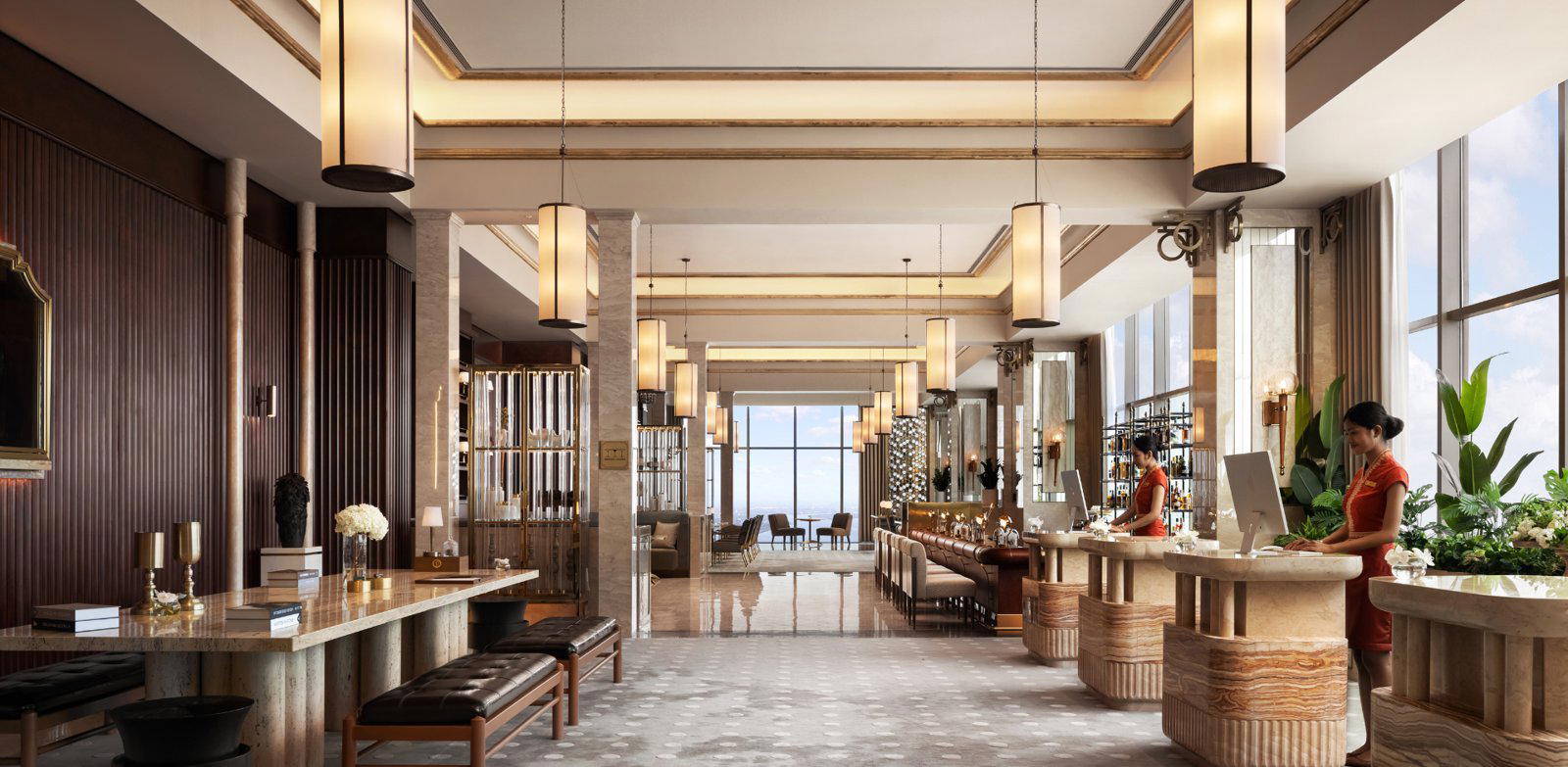
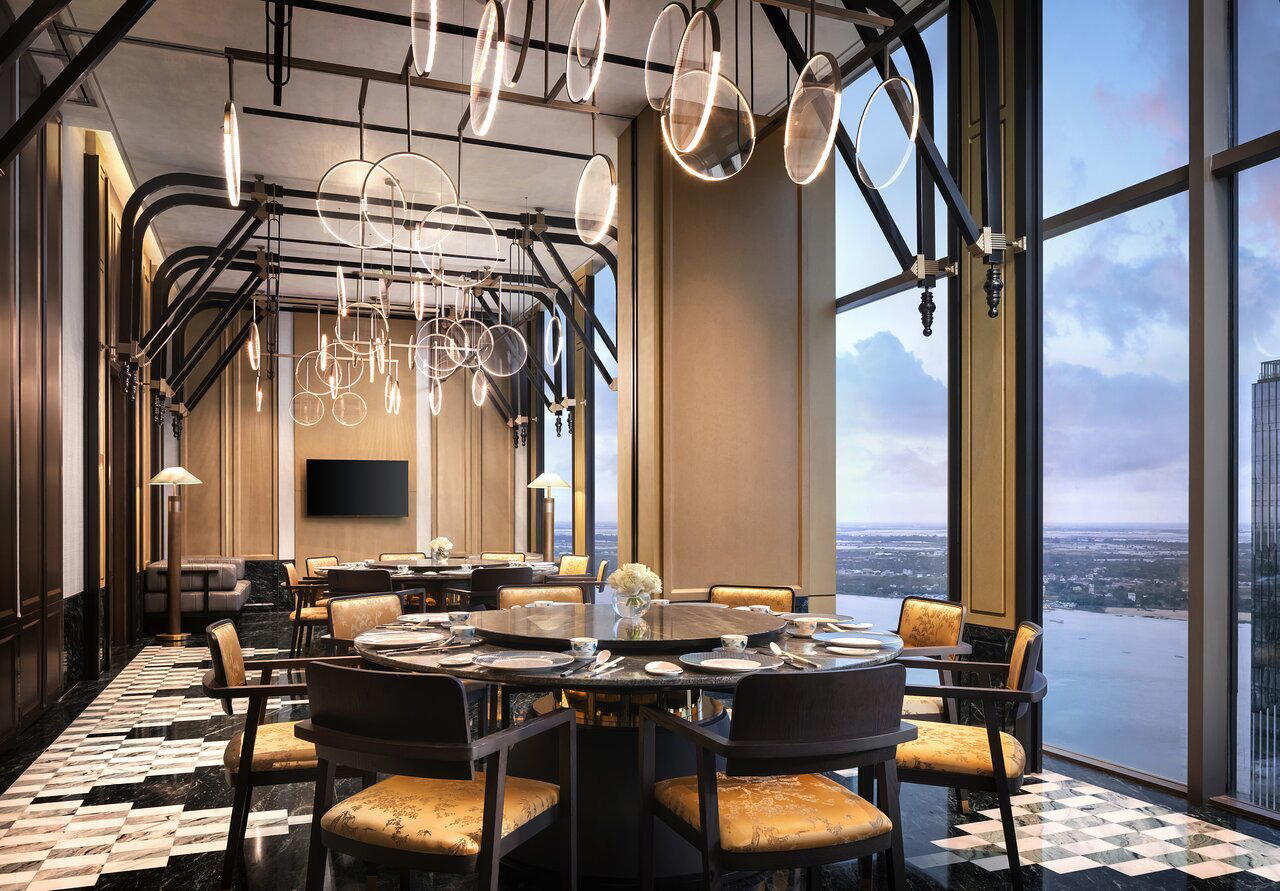
Tranquil and intimate with lush tropical gardens, shaded pool areas, and classic French villa charm providing a peaceful escape from city noise.