Oyster Estate
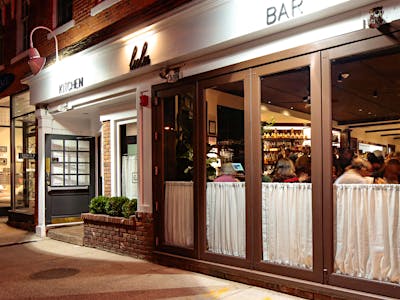
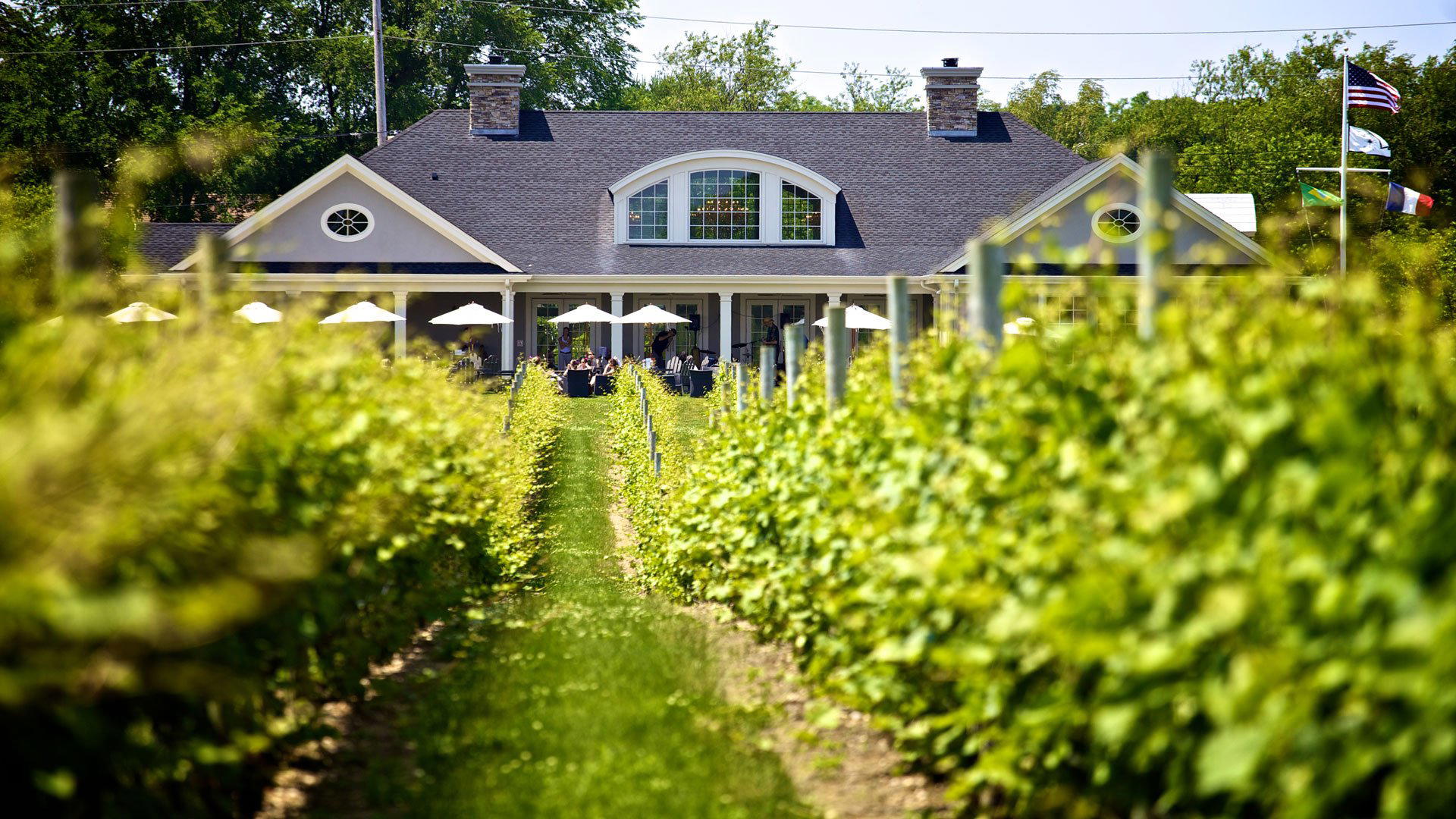
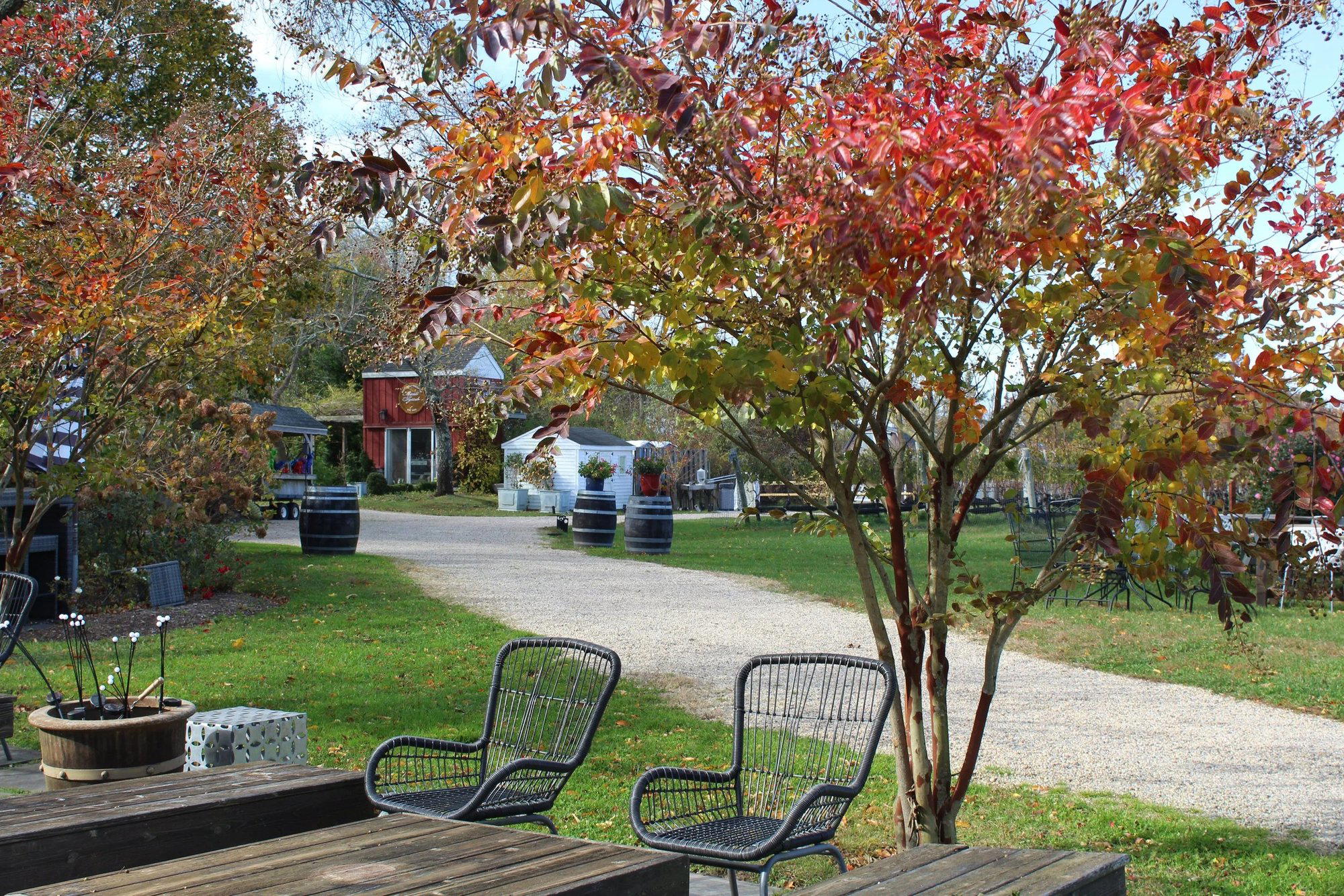
Oyster Estate brings a nautical-inspired design sensibility to Greenport's North Fork wine country, where working waterfront culture and vineyard agriculture converge in the same salt-aired zip code. The property draws on farm and sea references at every turn, positioning it within a small cohort of American coastal retreats where the physical environment is as deliberate as the hospitality program.
Pearl is the En Primeur Club membership app — saves, bookings, and concierge access live there. Same editors, same standards.
- Address
- 326 Front St, Greenport, NY 11944
- Phone
- (833) 767-4681
- Directions
- Get directions
 Saves & bookings on Pearl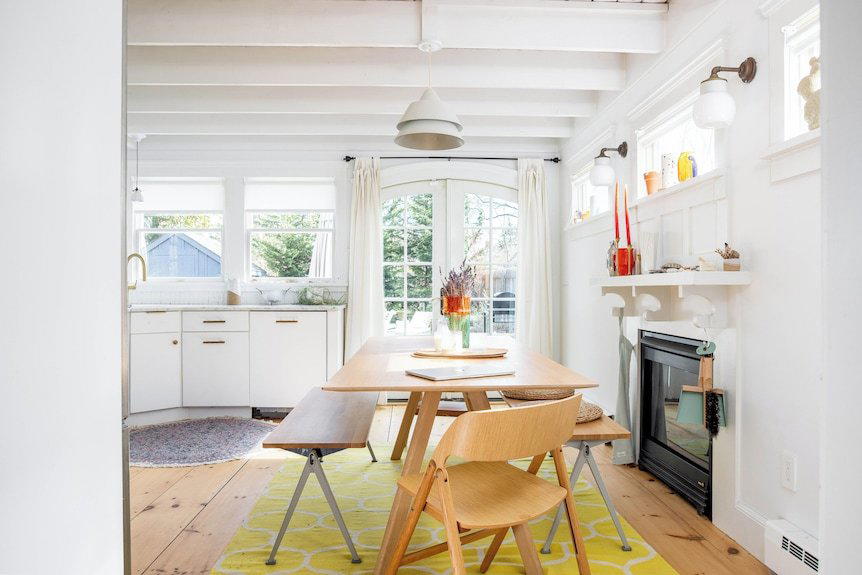
Where the North Fork Meets the Water's Edge
Greenport sits at the eastern tip of Long Island's North Fork, a town that has spent the last two decades threading together two identities that elsewhere rarely overlap: a working fishing port and a wine-producing corridor with serious regional ambitions. The waterfront here is not decorative. Fishing vessels share the harbor with sailing craft, and the smell of brine is present in every direction. It is into this environment that Oyster Estate places its design premise, drawing on nautical reference and agricultural context simultaneously — a combination that reflects the town's actual character rather than a curated version of it.
Properties that attempt to synthesize coastal and farm aesthetics often default to one or the other: weathered shingles and rope accents on one end, barrel-stave furniture and mason jars on the other. The more disciplined approach, which Oyster Estate pursues through its nautical-inspired design vocabulary layered against farm and vineyard influences, treats both sources as structural rather than decorative. The result places it in a small cohort of American retreats — among them Blackberry Farm in Walland and SingleThread Farm Inn in Healdsburg, where the surrounding land and water genuinely shape the physical program rather than serving as backdrop.
Design Philosophy on the North Fork
Across American coastal hospitality, a clear divide has opened between properties that import a generic luxury template and those that derive their aesthetic logic from place. The latter category is harder to execute: it requires sourcing decisions, material choices, and spatial arrangements that reference local industries and ecologies without tipping into theme-park literalism. Oyster Estate's stated identity, nautical-inspired design with farm and vineyard influences, signals an intention to sit on that more demanding side of the line.
The North Fork itself provides unusually rich source material. Greenport's maritime history runs deep, with oyster cultivation remaining an active part of the local economy rather than a nostalgic reference. The surrounding agriculture, including the vineyards that have given the North Fork AVA its standing among East Coast wine regions, produces a visual environment of open sky, flat fields, and vine rows that reads very differently from, say, the hillside terracing of Napa. Auberge du Soleil in Napa draws its design cues from Provençal hillside light and Mediterranean warmth; Oyster Estate works with a flatter, more spare Atlantic palette, one where the horizon is a constant presence and the architecture must respond to it.
That spatial logic aligns Oyster Estate more closely with properties like Little Palm Island Resort and Spa in Little Torch Key or Post Ranch Inn in Big Sur, where the relationship between structure and natural setting is the central design act, and where the physical environment exerts a directional pressure on every material and spatial decision.
Greenport in the Context of North Fork Wine Country
Understanding Oyster Estate requires understanding Greenport's position within the North Fork's recent evolution. The wine region here is younger than many visitors assume, commercial viticulture on the North Fork dates to the early 1970s, and serious critical attention is more recent still. The region has built its case on cool-climate varieties, particularly Cabernet Franc, Merlot, and Sauvignon Blanc, in a growing environment shaped by maritime air from both the Long Island Sound to the north and the Atlantic to the south. Temperatures are moderated, seasons are extended, and the flatness of the terrain keeps yields measurable and predictable in ways that hillside vineyards are not.
Greenport, at the North Fork's eastern terminus, captures the full force of that maritime influence. A property here is not simply in wine country; it is simultaneously in shellfish country, in a historic port town, and at the edge of a ferry crossing to Shelter Island that makes it a genuinely transitional geography. The Menhaden is the other significant hospitality address in Greenport's compact center, and the two properties together suggest that the town has reached a threshold where it sustains more than one destination-level stay. For a fuller picture of what Greenport offers across dining, wine, and accommodation, our full Greenport restaurants guide maps the scene with the specificity the town now warrants.
Within the category of American design-led retreats that anchor themselves to a specific agricultural or coastal context, Oyster Estate's positioning connects it to a broader movement in American hospitality. Properties like Troutbeck in Amenia, Bernardus Lodge and Spa in Carmel Valley, and Sage Lodge in Pray each take their design and program cues from the specific ecology and productive landscape surrounding them. None of them operate from a generic luxury template, and each requires a traveler who is genuinely interested in the place, the terroir, in the broadest sense, rather than simply a comfortable room in pleasant surroundings.
That distinction matters for how one plans a visit. Greenport is not a day's diversion from New York City; it is a two-to-three hour drive from Manhattan or a longer but more atmospheric journey by the Long Island Rail Road to Greenport station, followed by a short transfer. The commitment of travel time has a filtering effect on the guest profile, and a property with Oyster Estate's design emphasis rewards travelers who arrive with some knowledge of what makes the North Fork specifically interesting rather than generically scenic. The difference between arriving curious and arriving uninformed is the difference between a coherent experience and a pleasant but somewhat opaque one.
For context, the Northeast corridor offers a range of comparably positioned retreats at different price points and scales. Raffles Boston and The Fifth Avenue Hotel in New York City represent the urban anchor end of the market; properties like Troutbeck and Oyster Estate occupy the rural counterpoint, where the draw is the specific landscape rather than the city's cultural density.
Planning a Visit
The North Fork's season runs broadly from May through October, with July and August representing peak demand across lodging, restaurants, and vineyard tasting rooms. Shoulder months, particularly September and October, when the harvest period brings an additional layer of agricultural activity to the vineyards, are preferred by travelers who want the full regional context without the summer weekend volume. Greenport's ferry to Shelter Island also operates seasonally, and folding a crossing into an itinerary adds geographic range to what is otherwise a linear drive along Route 48 and Route 25.
Visitors arriving from further afield who are building a larger East Coast itinerary might cross-reference Oyster Estate against properties in genuinely different coastal ecosystems, Four Seasons at The Surf Club in Surfside on the Florida coast, or Kona Village, A Rosewood Resort in Kailua Kona in Hawaii, to understand how differently the maritime-meets-agriculture design premise plays out across climates and scales. The North Fork version is quieter, more compressed, and considerably more seasonal than either of those alternatives.
How Oyster Estate Greenport compares with similar nearby venues.
| Venue | Cuisine |
|---|---|
| Oyster Estate | nautical-inspired design, farm and vineyard influences |
| Faraway Sag Harbor | coastal / seafood-focused F&B program |
Continue exploring
More in Greenport
Hotels in Greenport
Browse all →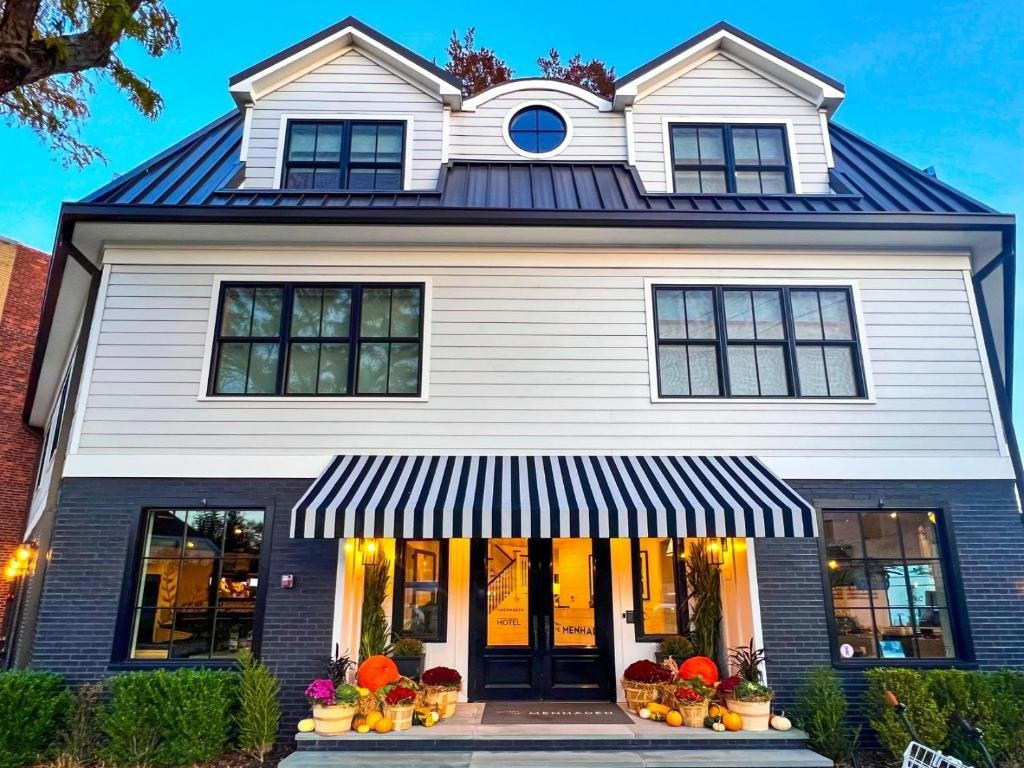
Bars in Greenport
Browse all →
Restaurants in Greenport
Browse all →


At a Glance
- Cozy
- Weekend Escape
- Garden
- Air Conditioning
- Parking
- Air Conditioning
- Parking
Cozy and restorative atmosphere with high-quality furnishings and a functional gas fireplace.
Know Before You Go
- Getting there
- 326 Front St, Greenport, NY 11944