Oxygen Jungle Villas

La Liste Top Hotels
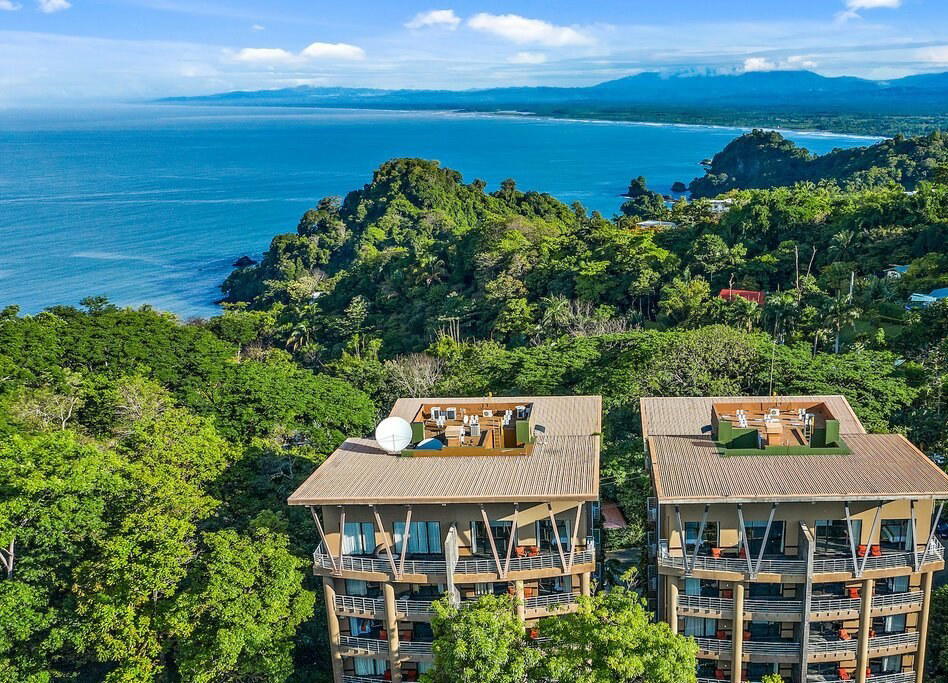
Oxygen Jungle Villas sits above the Uvita coastline where the Osa Peninsula's primary rainforest meets the Pacific. Recognized by La Liste's Top Hotels 2026 with a 90-point score, it belongs to the smaller, design-led tier of Costa Rican jungle accommodation, properties where the architecture does more work than the amenity list. Plan bookings well in advance; this stretch of the Southern Pacific Zone draws serious nature-focused travelers year-round.

Pearl is the En Primeur Club membership app, where members save venues, book tables and use the concierge.
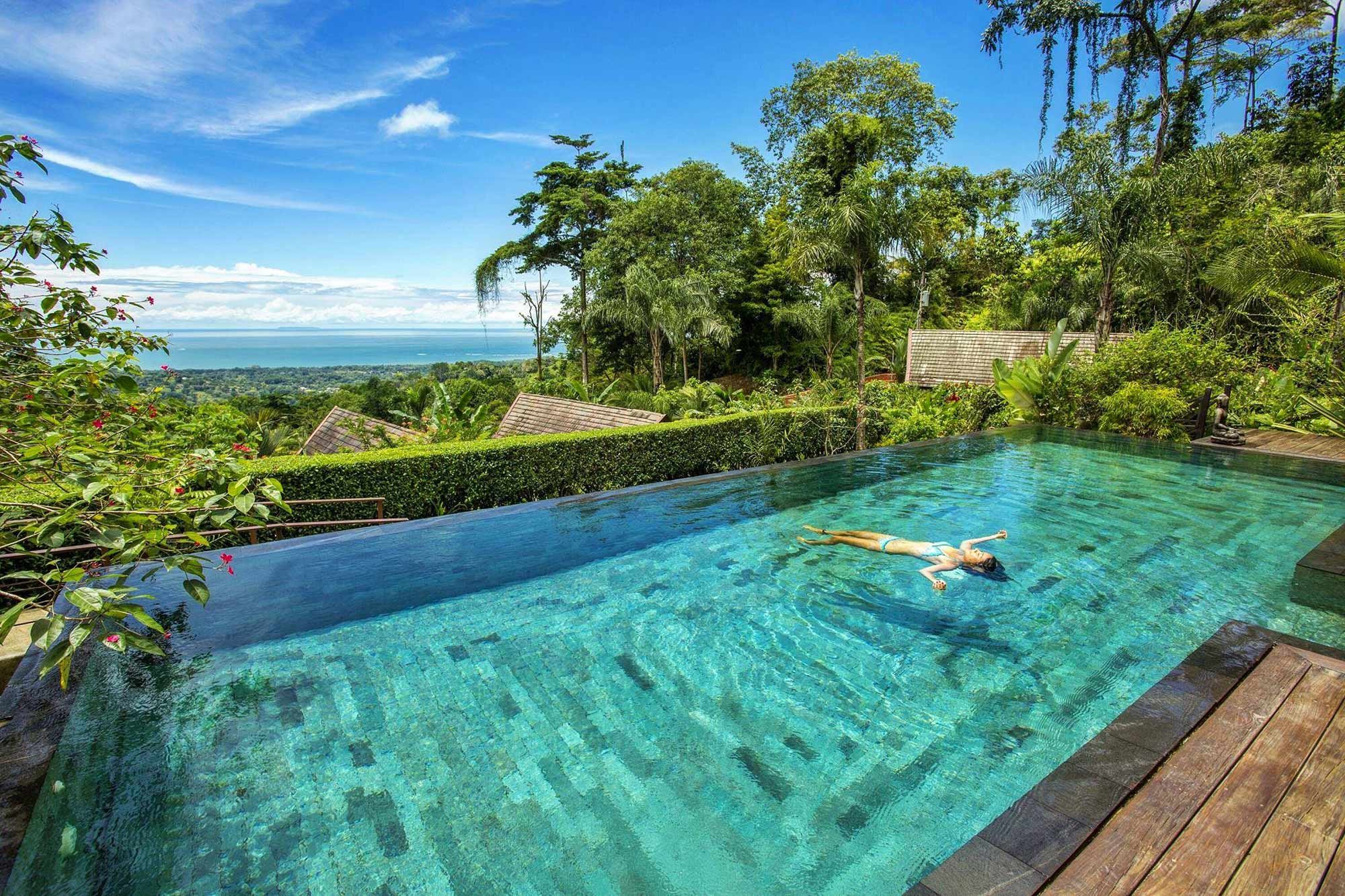
Where the Forest Dictates the Architecture
The Southern Pacific Zone of Costa Rica has quietly accumulated some of the country's most considered small-scale accommodation, and the area around Uvita sits at the center of that pattern. Unlike the resort corridors of Guanacaste to the north, where properties like the JW Marriott Guanacaste Resort & Spa and the Andaz Costa Rica Resort at Peninsula Papagayo work at scale, the Uvita stretch runs on a different logic: fewer keys, deeper forest access, and a design language borrowed from the environment rather than imposed on it. Oxygen Jungle Villas operates squarely within that framework.
Approaching the property, the primary rainforest sets the tone before any architecture appears. The canopy closes in from the road, and the sounds shift from coastal wind to the layered percussion of a functioning tropical ecosystem. This is the defining condition of the Southern Pacific, the Osa Peninsula's biodiversity presses up against human habitation in a way that makes passive observation unavoidable. The design of villas in this zone either work with that fact or fight it. The better properties lean in.
Design Language in the Jungle Tier
Costa Rica's premium jungle accommodation has split into two recognizable models. The first converts the challenge of a forest site into spectacle: glass walls, infinity edges, panoramic decks that frame the canopy like a painting. The second takes a more embedded approach, where materials, sightlines, and structure respond to the site rather than performing for it. Oxygen Jungle Villas belongs to the second category, where the architecture's relationship to the surrounding terrain is the primary design statement.
This approach is more demanding to execute than it looks. A villa that genuinely integrates with primary rainforest requires decisions at every stage of construction: which trees to preserve, how to orient structures relative to prevailing light and airflow, what materials read honestly in a forest context. Properties that handle this well produce spaces where the inside and outside feel continuous rather than separated by glass. The premium end of this market in Costa Rica, a cohort that includes places like Lapa Rios in Puerto Jimenez, Kura Boutique Hotel in Uvita de Osa, and Hacienda AltaGracia, Auberge Resorts Collection in Pérez Zeledón, has raised the baseline for what integrated jungle design means in practice.
Oxygen Jungle Villas' recognition by La Liste in their 2026 Leading Hotels ranking, with a score of 90 points, places it inside a competitive set that operates above the general eco-lodge tier. La Liste's methodology weights guest experience and hospitality quality alongside physical attributes, which makes the score a signal about consistency of delivery, not just design ambition. For a small-footprint jungle property in a region without international chain infrastructure, a 90-point La Liste score is a meaningful credential.
The Southern Pacific Context
Uvita's position within Costa Rica's accommodation geography deserves some explanation. The town anchors the Marino Ballena National Park coastline, where the famous whale-tail sandbar extends into the Pacific. This geography draws a specific traveler: someone who wants marine wildlife access (humpback whale season runs February to October, with a secondary window August to November), primary forest proximity, and enough remove from the tourist infrastructure of Jacó or Manuel Antonio to feel genuinely off the beaten corridor.
The accommodation options in this zone cluster into three tiers. Budget and mid-range guesthouses line the main road. A mid-to-upper layer of boutique hotels, including options just south in Ojochal like Hotel Three Sixty, offers more considered design at intermediate price points. Above that sits a smaller group of villa-format properties, including Oxygen Jungle Villas, where the individual unit format, site quality, and amenity level justify positioning at the premium end of the regional market. Travelers comparing this tier across Costa Rica's Pacific coast would also look at Arenas Del Mar Beachfront & Rainforest Resort near Manuel Antonio, or beach-facing boutique options like Hotel Nantipa in Santa Teresa and Casa Chameleon at Las Catalinas further north.
For those making wider Costa Rica comparisons, the contrast with cloud forest properties like Hotel Belmar in Monteverde or El Silencio Lodge & Spa in Bajos del Toro illustrates how differently the country's ecological zones shape architectural priorities. Cloud forest properties work with mist, temperate temperatures, and low-light conditions. Pacific jungle properties deal with heat, intense light, and high humidity. The design solutions diverge accordingly.
Planning a Stay
Uvita sits roughly 170 kilometers south of San José along the Costanera Sur coastal highway, a drive that takes approximately three hours under normal conditions. The nearest commercial airport with regular international connections is San José's Juan Santamaría International Airport; domestic flights to Palmar Sur, about 60 kilometers south, cut ground time for those coming directly. Arriving by road gives the clearest sense of how the landscape transitions from the Central Pacific's more developed zones into the quieter, denser territory of the Southern Pacific.
The Southern Pacific's dry season runs from December through April, when trails are more accessible and wildlife observation conditions are cleaner. The green season from May through November brings heavier rainfall that deepens the forest's visual intensity and coincides with whale activity in Marino Ballena. Serious nature travelers often prefer the green season precisely for that reason. Either window works for a jungle villa stay, though trail and road conditions vary significantly with rainfall, and access to the property should be confirmed at booking. For a broader view of accommodation across the country's Pacific zones, our full Uvita guide maps the regional context in more detail.
A Quick Peer Check
| Venue | Price | Awards |
|---|---|---|
| Oxygen Jungle VillasThis venue (the venue you are viewing) | Not listed | La Liste Top Hotels |
| Andaz Costa Rica Resort at Peninsula Papagayo | $500–750 | 1 Michelin Key · Virtuoso Luxury Hotel Partner |
| Four Seasons Resort at Peninsula Papagayo, Costa Rica | Not listed | 2 Michelin Keys · La Liste Top Hotels |
| Hacienda AltaGracia, Auberge Resorts Collection | Not listed | La Liste Top Hotels · Mr & Mrs Smith Seal of Approval |
| Casa Chameleon at Las Catalinas | Not listed | La Liste Top Hotels · Star Wine List |
| Drake Bay Getaway Resort | $200–300 | Forbes Recommended |
Recognition history
Dated appearances from independent guides and award organizations, with the underlying list record or original source where available.
La Liste Top Hotels
La Liste
Details
- Romantic
- Quiet
- Scenic
- Elegant
- Intimate
- Rustic
- Honeymoon
- Romantic Getaway
- Wellness Retreat
- Anniversary
- Infinity Pool
- Private Villa
- Panoramic View
- Waterfront
- Wi Fi
- Pool
- Spa
- Room Service
- Concierge
- Breakfast Included
- Beach Access
- Mountain
- Garden
- Wheelchair Accessible
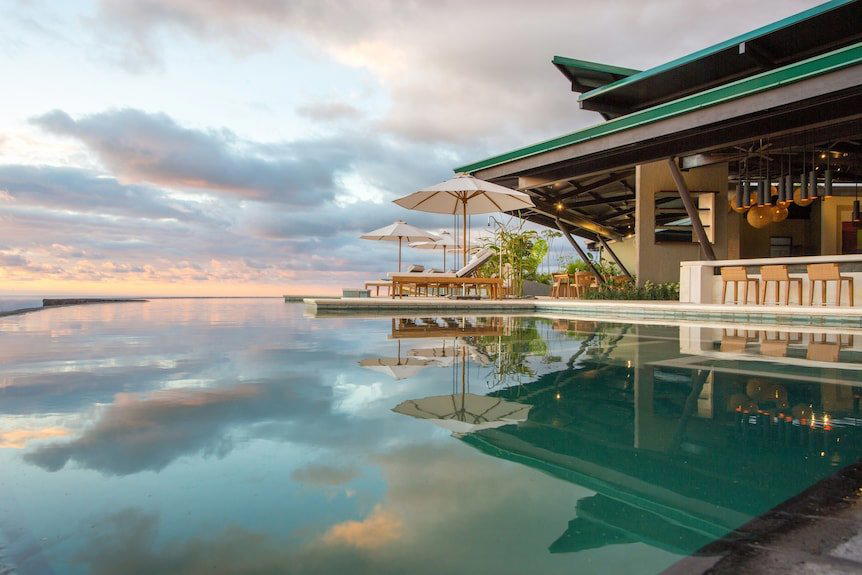
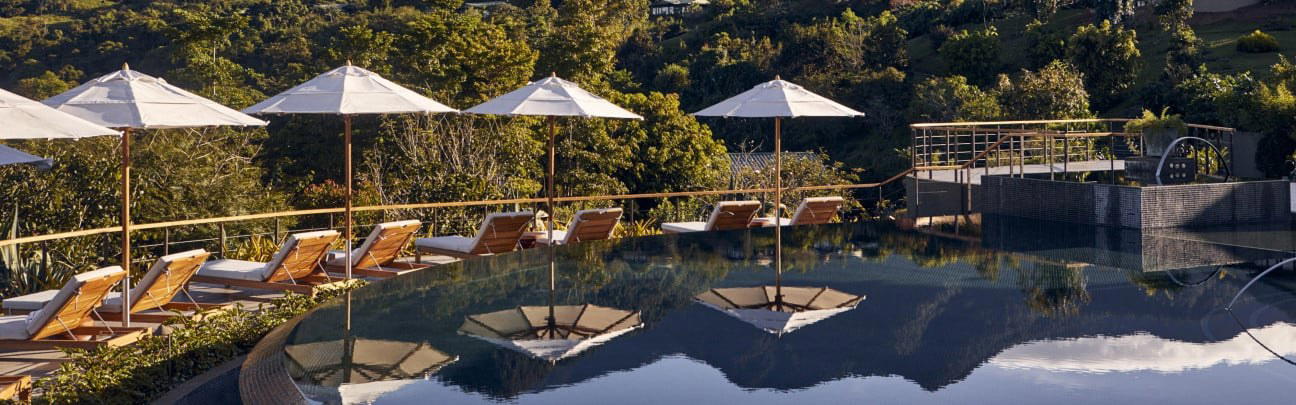
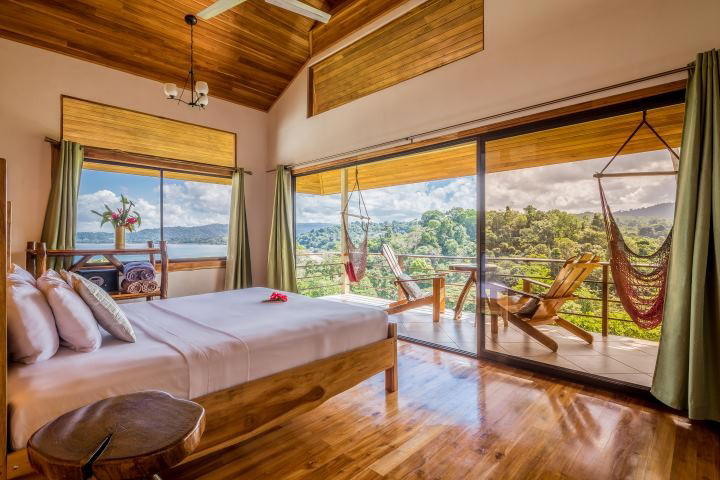
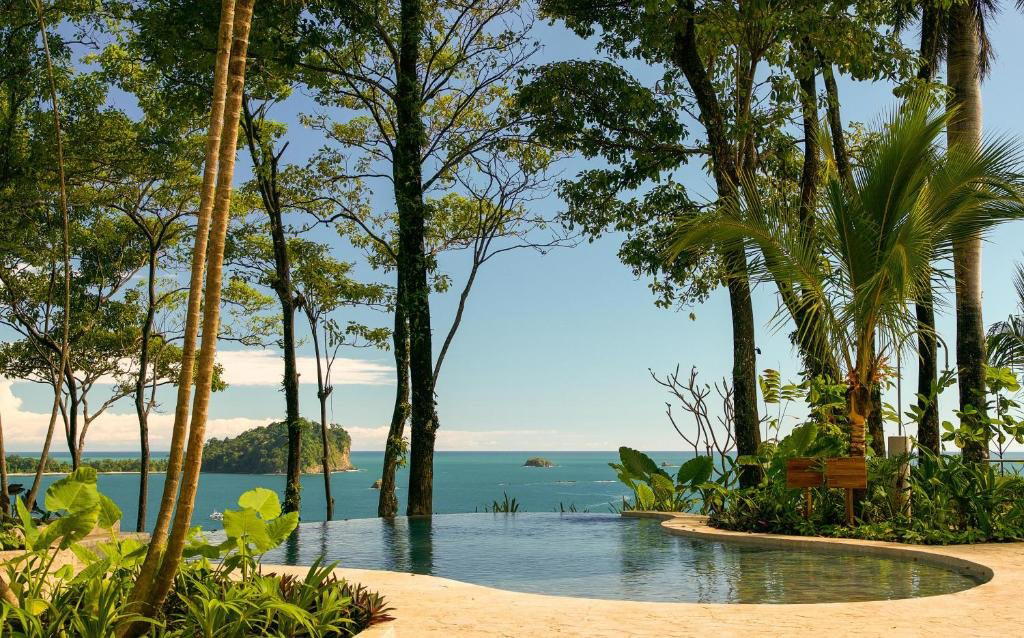
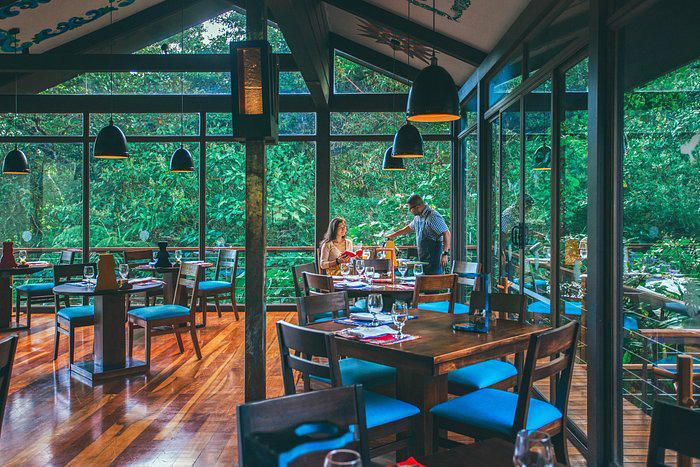
Tranquil and immersive rainforest atmosphere with natural light through floor-to-ceiling glass walls, bird songs, howler monkeys, and serene Pacific vistas from infinity pool.