Ojai Valley Inn


.png?width=120&quality=80)



Michelin Selected · La Liste Top Hotels · Forbes 4-Star
The Spanish Colonial resort sits 90 minutes northwest of Los Angeles and runs five dining outlets, a 31,000-square-foot spa, and a George C. Thomas-designed golf course that has hosted seven Senior PGA Tour events.

Pearl is the En Primeur Club membership app — saves, bookings, and concierge access live there. Same editors, same standards.
The Ojai Context: A Valley That Earns Its Reputation
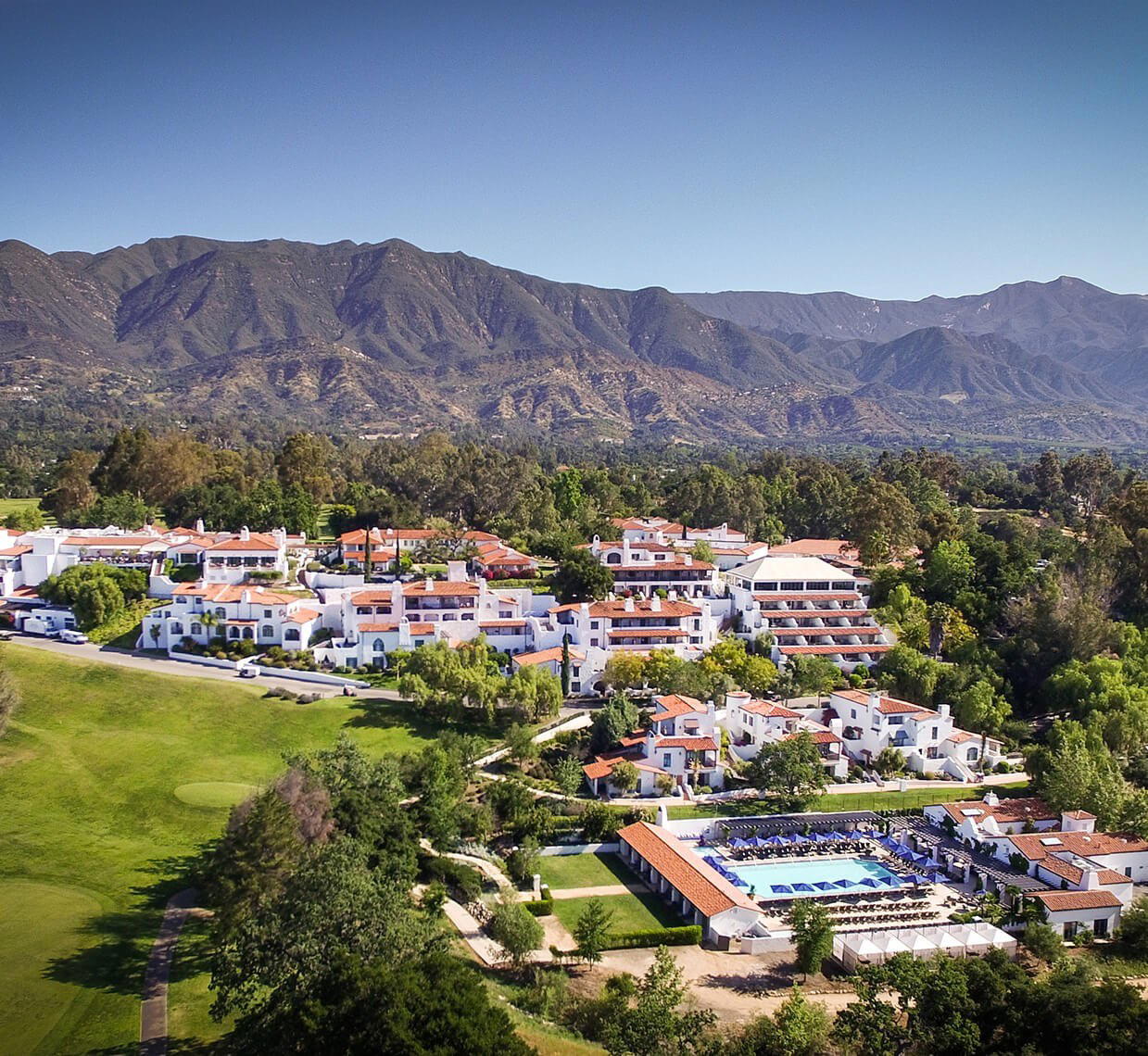
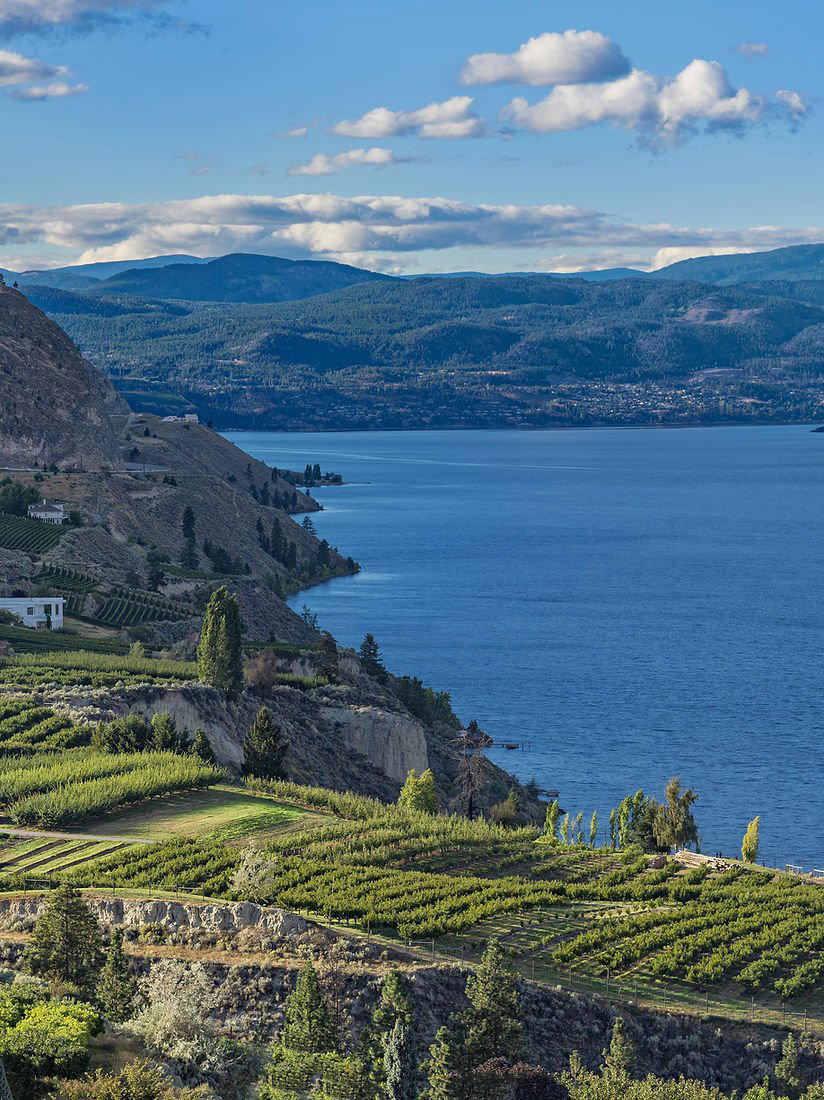
California's resort geography tends to cluster around coastline or wine country, which makes Ojai's position in a narrow inland valley feel genuinely different. The town sits in a bowl formed by the Topatopa and Sulphur Mountain ranges, about 90 minutes northwest of Los Angeles, and the light here has drawn artists and spiritual seekers since long before the hospitality industry took notice. The Chumash people regarded the valley as a sacred site, and that association with what locals call the "pink moment" (the alpenglow that turns the mountains rose at dusk) has shaped what visitors expect from a stay here: slower, quieter, and more rooted in landscape than most Southern California escapes. Our full Ojai restaurants guide maps the wider dining scene for those who want to move between the resort and the town's independent operators.
Ojai Valley Inn occupies the upper tier of that valley. The Inn's 220 acres border Los Padres National Forest, a footprint that gives the property room for a golf course, multiple pools, a full-size events facility, and a spa large enough to function as a destination in itself. That scale is the point: this is a resort where guests rarely need to leave, and most don't.
The Dining Programme: California Informality at Different Registers
Resort dining in California has long occupied an awkward middle ground between the destination restaurant model (where the food draws guests who don't stay) and the captive-audience model (where guests have nowhere else to go). Ojai Valley Inn's approach sits closer to the former. With more than five outlets ranging from fast-casual to refined table service, the property runs a full dining programme rather than a single flagship with supporting snack options.
Olivella anchors the formal end of the spectrum, serving California cuisine with Italian inflection in a setting that references the resort's Spanish Colonial architecture. The combination of regional California ingredients and Italian technique has become a coherent culinary identity in Southern California more broadly, drawing on both the state's Mediterranean climate and the large Italian-American communities that shaped its early food culture. At the informal end, The Oak hosts a Sunday bluegrass brunch that functions as much as a social event as a meal, drawing both hotel guests and locals who treat it as a weekly ritual. That dual audience is a useful signal: resort restaurants that attract local regulars tend to maintain tighter culinary standards than those serving only transient guests.
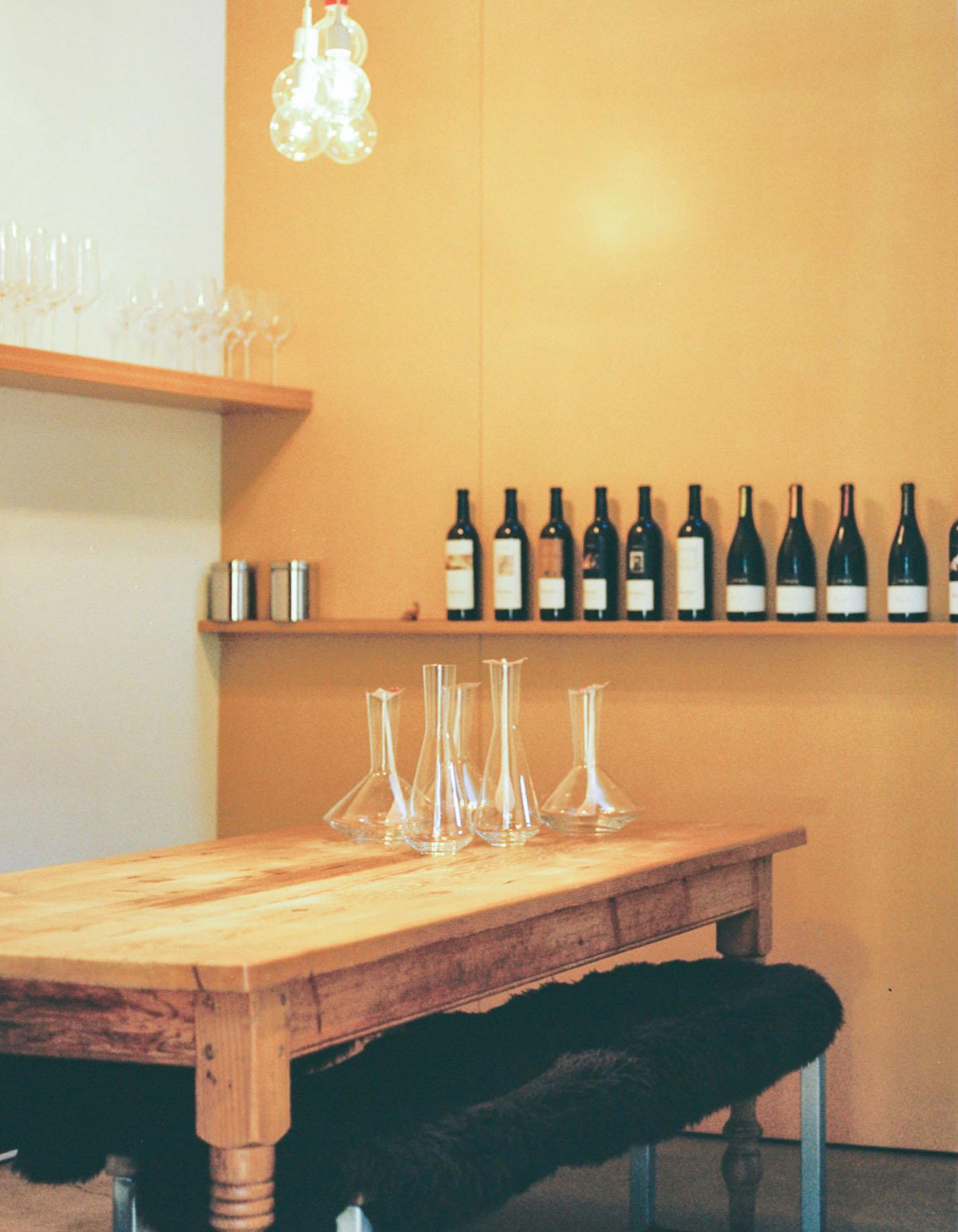
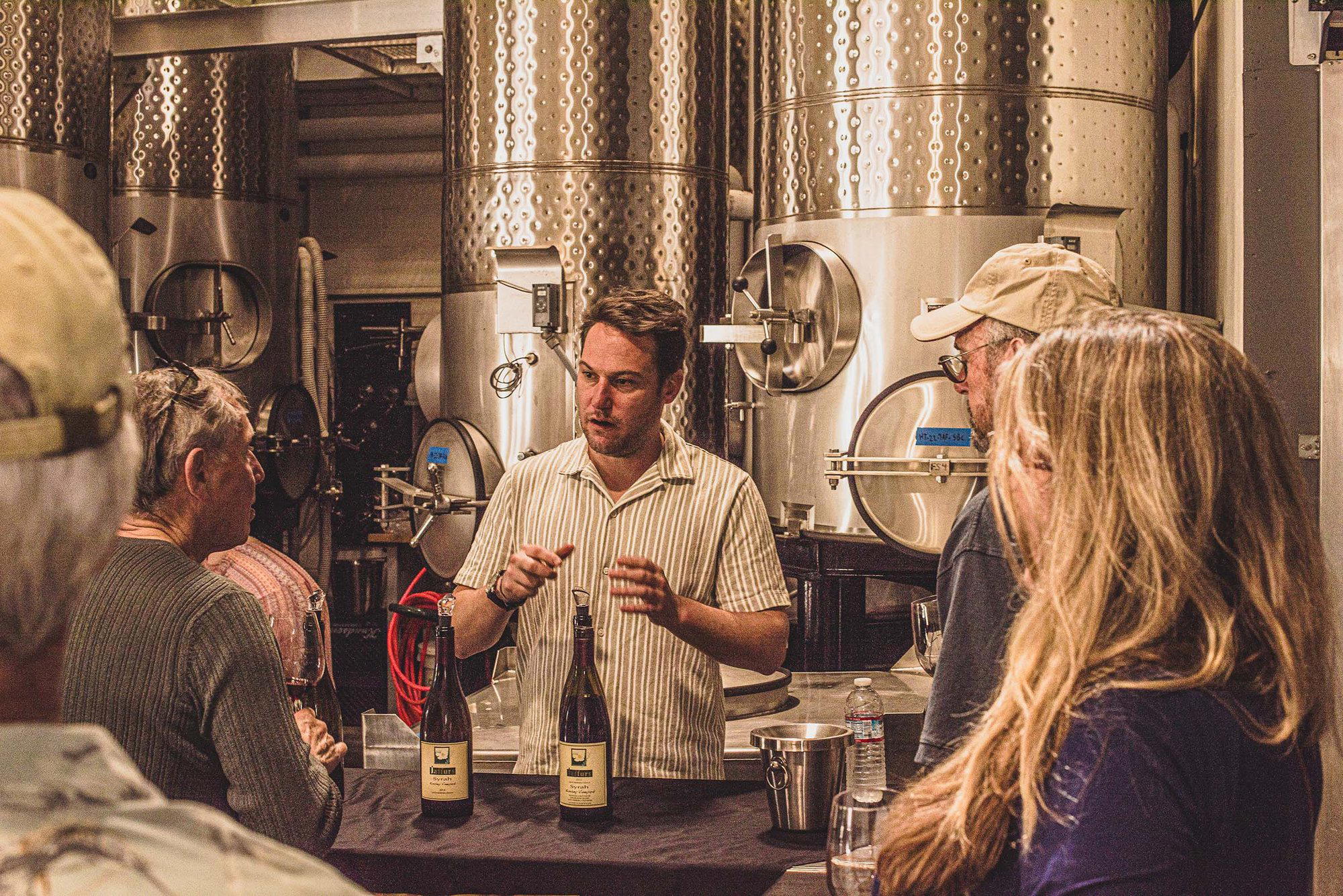
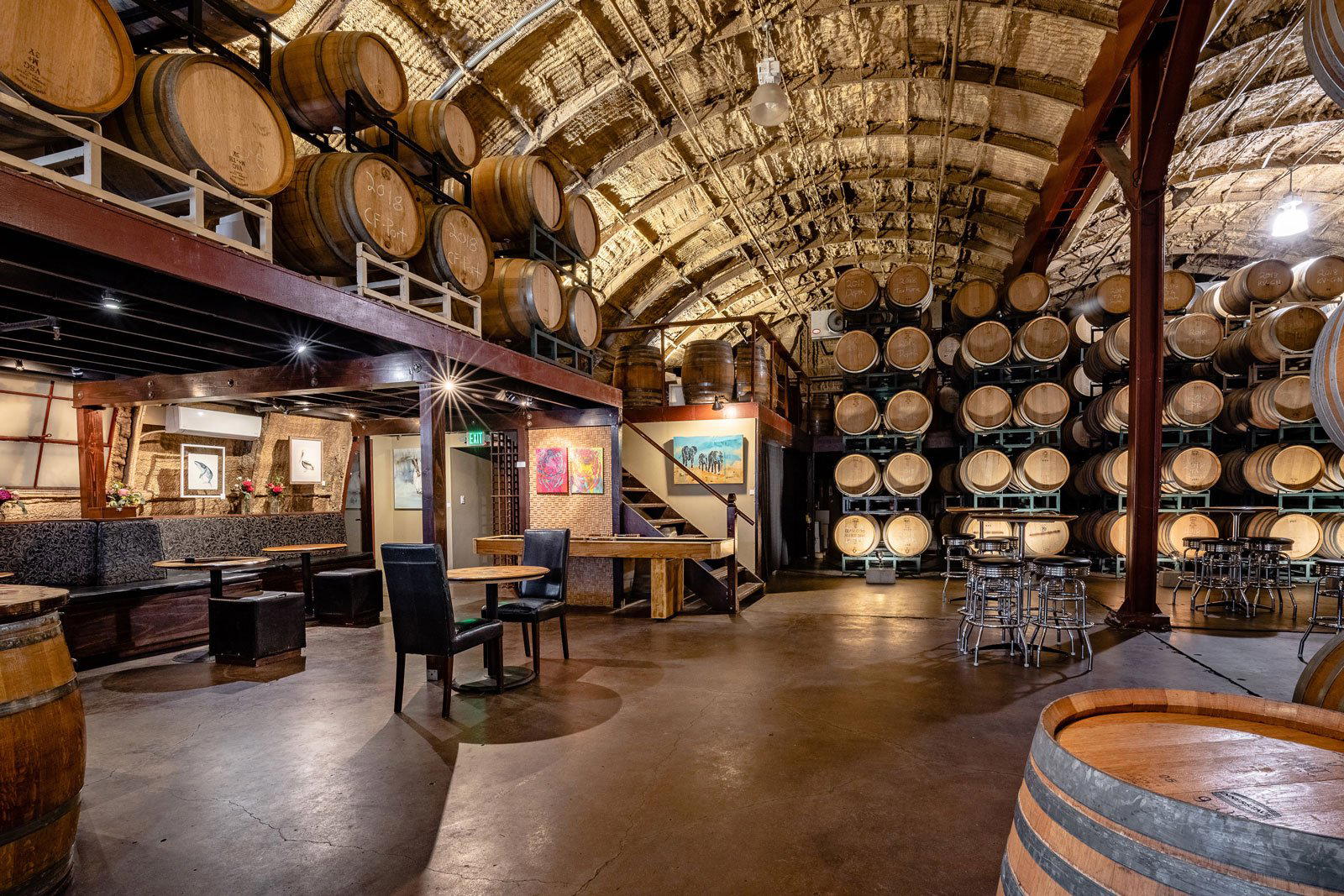
The Farmhouse at Ojai, which debuted in March 2019, adds a programmatic food dimension that most comparable resorts don't attempt. The 30,000-square-foot indoor/outdoor facility houses a wine library, a show kitchen, an 8,500-square-foot barn-inspired ballroom, and a 10,000-square-foot lawn. Throughout the year, it hosts more than 100 culinary activities, from wine tastings to cooking classes, positioning the Inn alongside properties like Blackberry Farm in Walland and SingleThread Farm Inn in Healdsburg that treat culinary education as a core amenity rather than an afterthought. For guests whose primary interest is food and drink, the Farmhouse is arguably the most significant asset on the property.
Spa Ojai and the Wellness Infrastructure
At 31,000 square feet, Spa Ojai operates at a scale that places it in the same tier as major standalone wellness destinations. The treatments here engage directly with the valley's indigenous history: the Kuyam Experience, a Native American-inspired treatment conducted in a hammam-style tiled room, combines heated mud detox with guided meditation and ranks among the spa's most requested services. Sound energy therapy and chakra readings with local healers reflect the valley's long association with spiritual practice rather than functioning as imported wellness trends.
This grounding in place distinguishes Spa Ojai from the generic luxury spa model found at most comparable resorts. Properties like Canyon Ranch Tucson pursue a similar philosophy of location-specific wellness, and the comparison is instructive: both resorts treat the surrounding landscape and its cultural history as programme content, not backdrop. The apiary, where guests can learn beekeeping, and the Apothecary, where essential oil blending is offered as an activity, extend this logic beyond the spa building itself.
The Grounds and Architecture
Spanish Colonial Revival architecture has a specific California pedigree, developed in the early twentieth century as a conscious regional identity marker distinct from East Coast styles. Ojai Valley Inn, designed and opened in 1923, represents an early and intact example of that tradition. The white and terra-cotta buildings, Moorish-inspired tile details, and Italian olive and citrus plantings create a visual coherence that many later California resorts have attempted to replicate with less success. The resort has been updated regularly, keeping the rooms contemporary in finish while the exterior maintains its original formal language.
George C. Thomas designed the golf course in the same year the Inn opened. It has hosted seven Senior PGA Tour events, which places it in a narrow category of resort courses that serious golfers treat as a destination in their own right rather than a hotel amenity. The combination of competitive credentials and scenic setting along the valley floor is the kind of pairing that courses at Amangani in Jackson Hole or Bernardus Lodge in Carmel Valley approach from different angles.
The Rooms and the Private Villa
The Inn's 308 rooms follow the Mediterranean color palette established by the architecture: white, blue, and beige, with Baltic silver marble bathrooms, dual vanities, and both separate showers and soaking tubs. Fireplace rooms include furnished terraces oriented toward the mountain views, a configuration that makes considerably more sense in Ojai's cool evenings than it would at a coastal property. The Artist Cottage, which offers instruction in creative practice, and the surrounding landscape give these rooms a context that pure luxury properties like Amangiri in Canyon Point or Aman New York don't share.
Casa Elar, the five-bedroom Tuscan-style private villa on the property, operates as a separate category. Set on its own acre with gated street and resort entrances, it comes staffed with dedicated personnel, two master suites, a chef's kitchen, 12 limestone fireplaces, a private jacuzzi, and a pool. The combination of on-property location (giving access to all resort facilities) and physical separation (ensuring privacy) makes it a viable alternative to standalone villa rentals for groups or families. Comparable formats appear at Little Palm Island Resort in Little Torch Key and Post Ranch Inn in Big Sur, though the scale and staffing model at Casa Elar is closer to a private estate rental than a hotel suite.
Planning a Stay
Ojai Valley Inn sits at 905 Country Club Road, approximately 90 minutes northwest of Los Angeles via the 101 and Highway 33. The resort's scale means arrivals should request golf cart assistance at check-in if traveling with significant luggage, as parking areas are not adjacent to the guest rooms. Guests looking at comparable properties in different California settings might also consider Auberge du Soleil in Napa or Hotel Bel-Air in Los Angeles, each of which occupies a distinct position in California's luxury resort tier. For those drawn specifically to wellness-led escapes with strong landscape integration, the comparison set also includes Ambiente in Sedona and Sage Lodge in Pray.
Budget Reality Check
Comparable venues nearby, for context on price, style, and recognition.
| Venue | Price | Awards | Notes |
|---|---|---|---|
| Ojai Valley InnThis venue (the venue you are viewing) | Not listed | Michelin Selected · La Liste Top Hotels | Not listed |
| Hotel El Roblar | Not listed | Michelin Selected · Conde Nast Hot List Hotels | downtown Ojai, historic Spanish Revival boutique resort |
| Ojai Rancho Inn | $200–300 | Not listed | Ojai, 50's ranch style with summer camp vibes |
| Waldorf Astoria Beverly Hills | Not listed | La Liste Top Hotels · Star Wine List | Golden Triangle, Refined elegance blending sophistication with Southern California vibrancy. |
| Soho Warehouse DTLA | $300–500 | Michelin Selected · Mr & Mrs Smith Seal of Approval | Wholesale District, Members-only club hotel in a restored 1916 warehouse. |
| The Resort at Pelican Hill | $500–750 | La Liste Top Hotels · Star Wine List | Newport Coast, Italian-inspired coastal estate with private bungalows and villas |
Recognition history
Dated appearances from independent guides and award organizations, with the underlying list record or original source where available.
Michelin Selected
Michelin
La Liste Top Hotels
La Liste
Forbes 4-Star
Forbes
Virtuoso Luxury Hotel Partner
Virtuoso
AAA 5 Diamond
AAA
Full recognition history (7 entries)
Forbes 4-Star
Forbes
Preferred Hotels Preferred Residences
Preferred Hotels
Continue exploring
More in Ojai
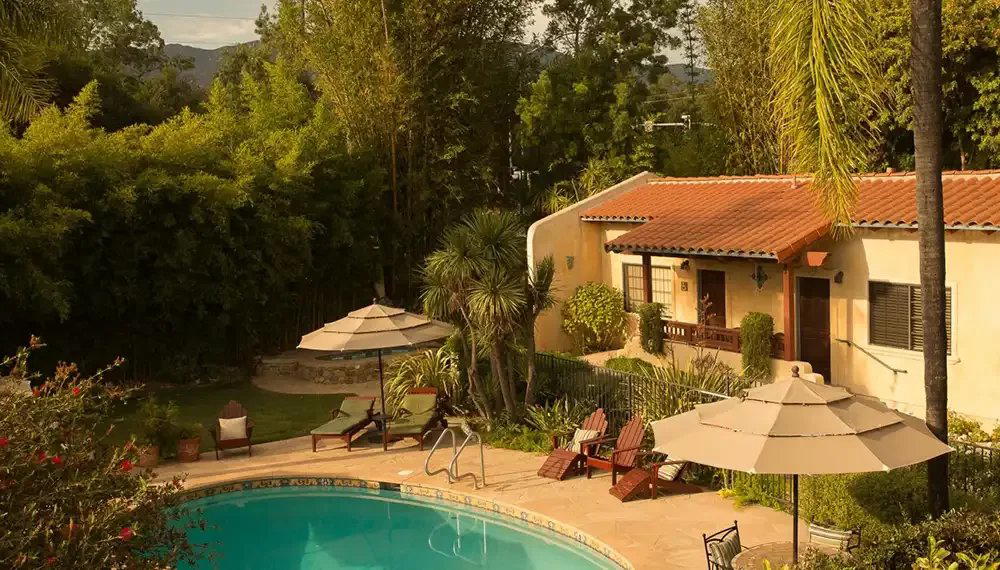
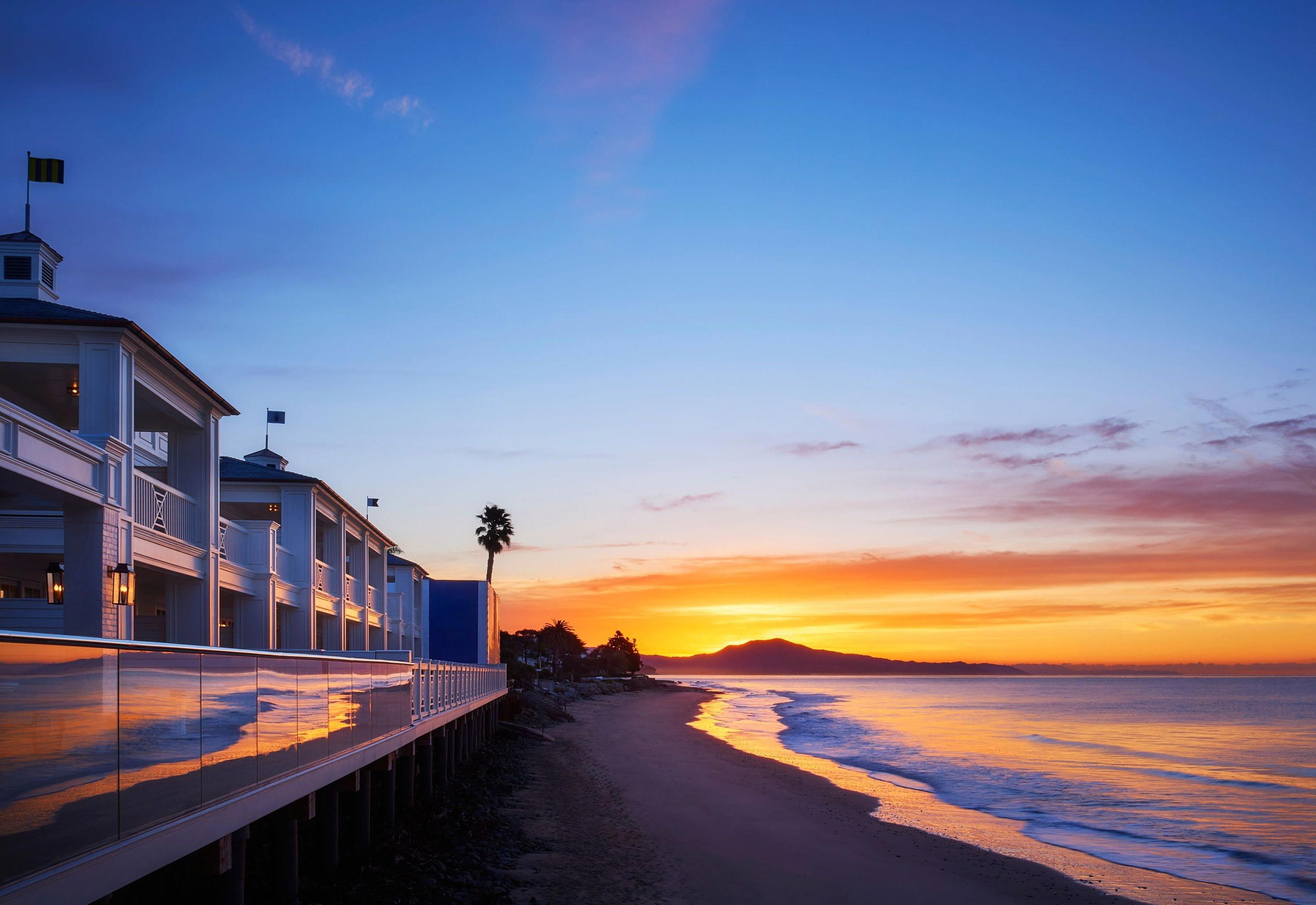
Hotels in Ojai
All hotels in Ojai →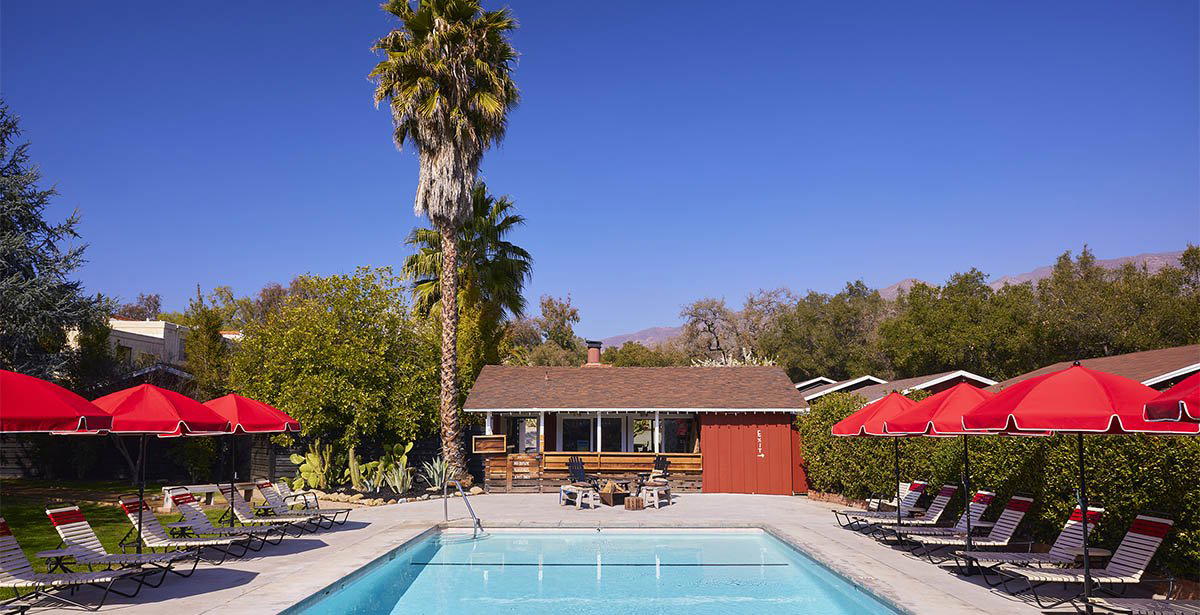
Bars in Ojai
All bars in Ojai →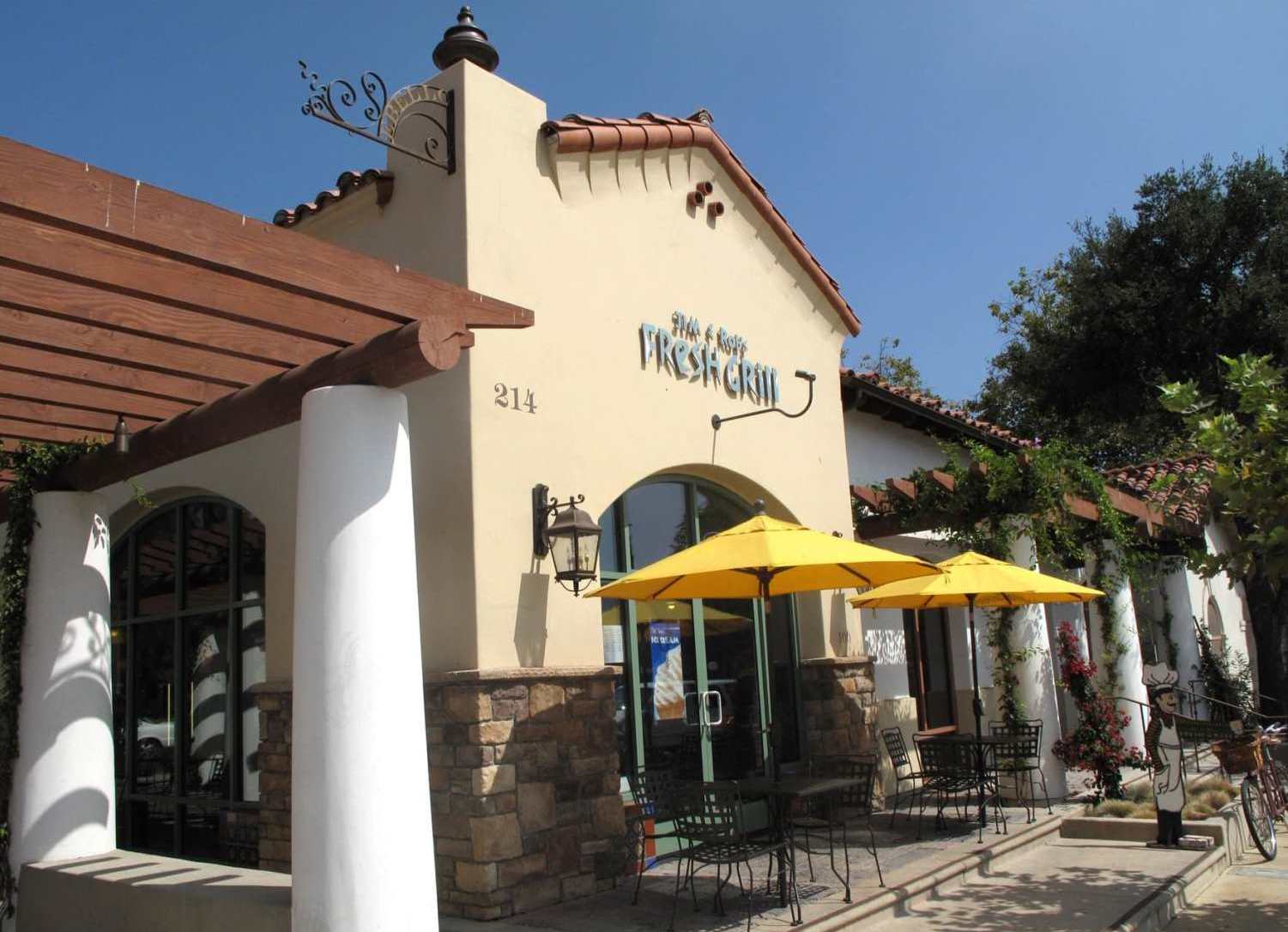

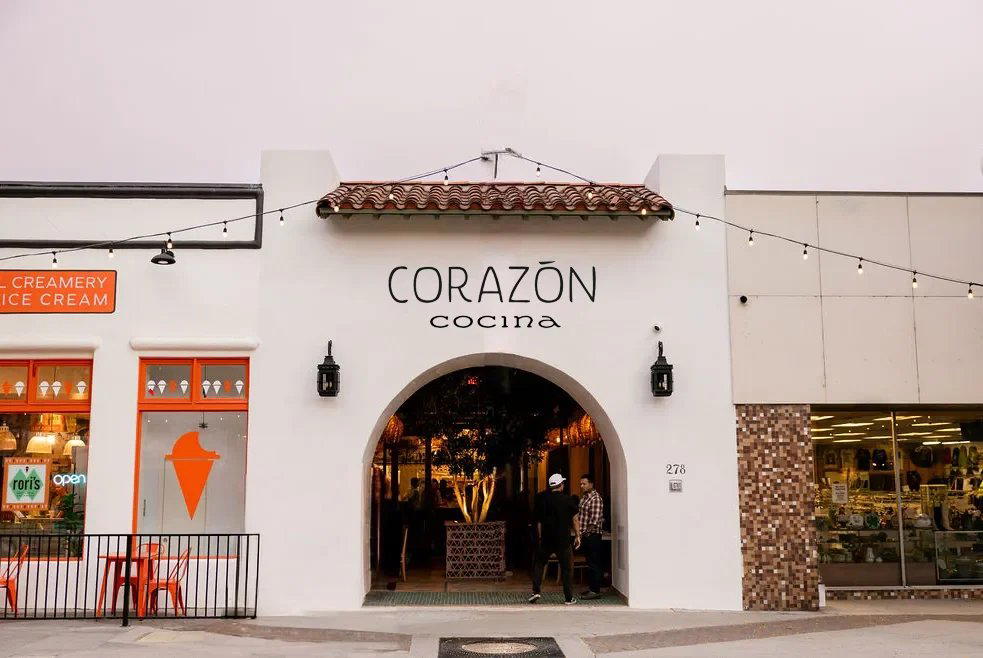
Restaurants in Ojai
All restaurants in Ojai →
Details
- Scenic
- Elegant
- Sophisticated
- Ornate
- Romantic Getaway
- Family Vacation
- Wellness Retreat
- Weekend Escape
- Golf Course
- Infinity Pool
- Destination Spa
- Panoramic View
- Wi Fi
- Pool
- Spa
- Fitness Center
- Room Service
- Concierge
- Business Center
- Valet Parking
- EV Charging
- Kids Club
- Golf Course
- Mountain
- Garden
- Wheelchair Accessible
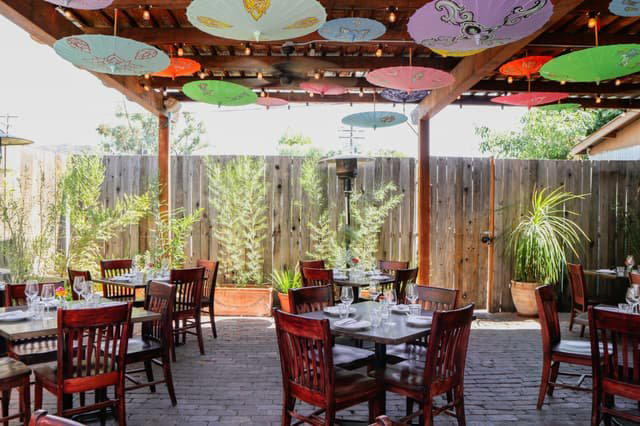
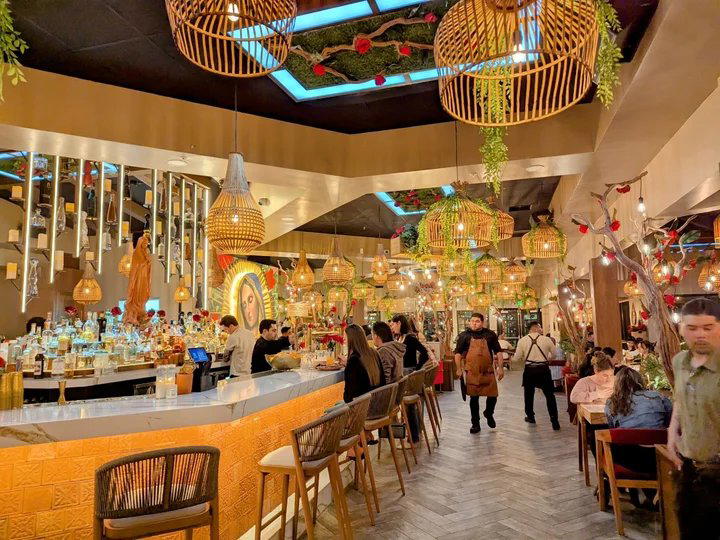
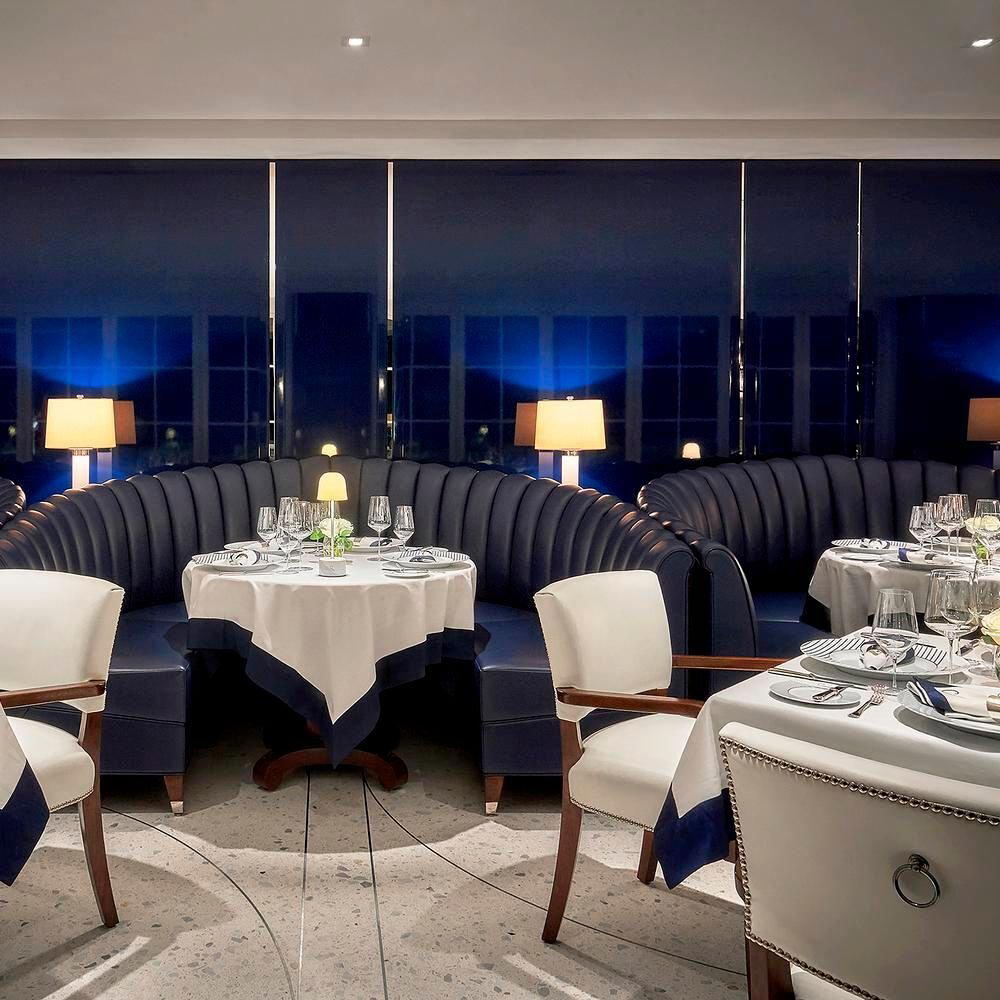
Serene and calming with natural light, Spanish Revival lanterns, and lush gardens creating a peaceful, luxurious atmosphere.