Balmain has long operated as one of Sydney's most self-contained dining neighbourhoods, where industrial heritage and harbourside character shape the room before any plate arrives. Obunmee sits inside that tradition, drawing on the suburb's tendency toward intimate, neighbourhood-scaled venues that resist the spectacle of the CBD. For visitors staying across the water at properties like Capella Sydney, it represents a deliberate shift in register.
Pearl is the En Primeur Club membership app — saves, bookings, and concierge access live there. Same editors, same standards.
- Address
- Balmain, Australia
- Directions
- Get directions
 Saves & bookings on Pearl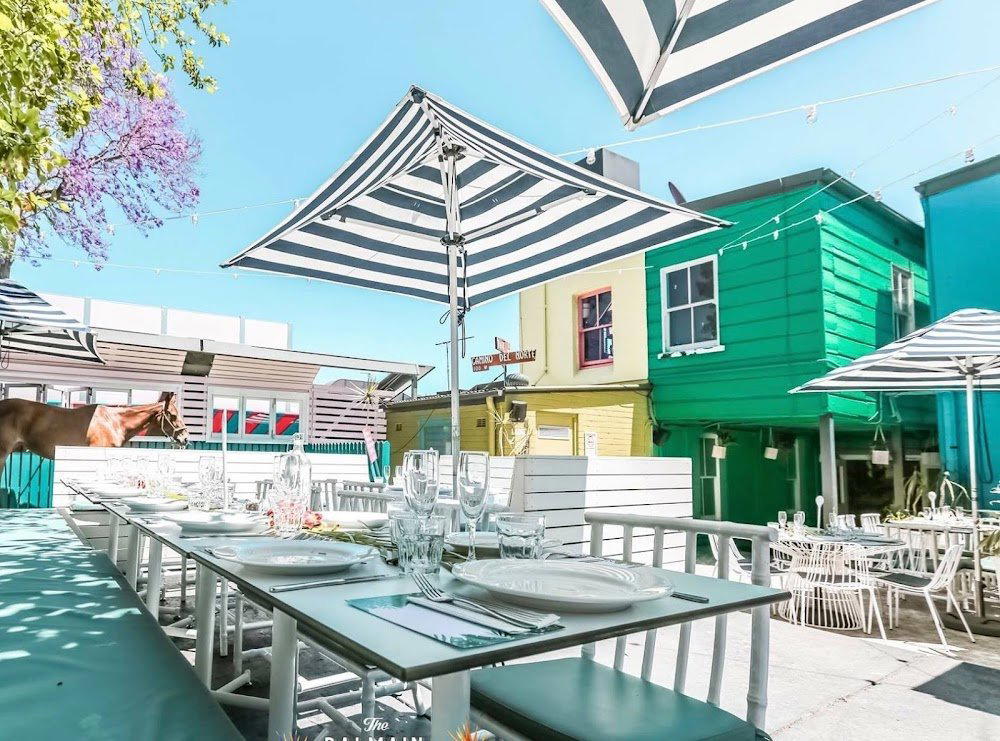
A Suburb That Sets the Tone Before You Sit Down
Balmain's dining scene has always been shaped by its geography before its menus. The peninsula juts into Sydney Harbour with enough separation from the CBD to have developed a genuinely local character, one built around terrace houses, sandstone pubs, and a post-industrial waterfront that never fully converted to glass towers. That physical context matters, because it sets the expectation walking into any serious venue here: this is not a neighbourhood that rewards spectacle for its own sake. Restaurants that hold ground in Balmain tend to do so because the room itself earns loyalty, and the experience compounds over repeat visits rather than peaking on the first. Obunmee operates inside that tradition.
For those arriving from across the harbour, based at Capella Sydney in Sydney or at Harbour Rocks Hotel in The Rocks, the ferry crossing to Balmain Wharf is part of the transition. The suburb reads differently from the water: denser in texture, quieter in ambition, more committed to the idea that a good neighbourhood can sustain good eating without requiring the infrastructure of a dining precinct.
Architecture as Argument
Balmain's built fabric does much of the editorial work for any venue operating inside it. The suburb's dominant residential architecture, Victorian and Edwardian terraces, warehouses converted with varying degrees of care, sandstone laneways, creates a frame that contemporary fit-outs either work with or work against. The venues that tend to endure here are those whose physical spaces make a coherent argument: that the room and the food share a logic, that the design isn't decorative overlay but structural commitment.
This is the broader pattern across Australia's more characterful dining suburbs. In Brisbane, The Calile demonstrated that considered materiality, travertine, water, filtered light, could anchor a hospitality experience more reliably than programme alone. In Hobart, The Tasman showed how heritage fabric, handled precisely, becomes its own trust signal. In Balmain, the equivalent is the terrace conversion or the warehouse interior that resists the urge to sand down every rough edge. Spaces that retain the evidence of previous uses tend to feel more honest than those that erase them entirely.
Obunmee fits into Balmain's physical grain in the way that the suburb's better venues always have: by letting the building set parameters and building the experience within them, rather than imposing a concept onto a neutral shell.
Where Balmain Sits in the Sydney Dining Order
Sydney's restaurant geography has become more legible over the past decade. The CBD and Circular Quay anchor the formal, high-price-point tier, large-footprint venues with harbour views, international chef credentials, and booking windows that can stretch weeks ahead. The inner-west and inner-harbour suburbs, Balmain among them, run a parallel track: smaller rooms, shorter menus, more regular clienteles, and a different kind of trust built over time rather than through media events.
This split mirrors patterns visible elsewhere in Australian dining. Bondi Beach House occupies a similar position on the eastern beaches, a venue whose setting and scale place it in conversation with a local rather than a metropolitan audience. Watsons Bay Hotel operates on a comparable logic from the other side of the harbour.
Visitors arriving with expectations calibrated to CBD dining, the InterContinental Sydney Double Bay bracket, or the formal hotel-restaurant tier, will find Balmain requires a gear change. That is the point. Balmain requires a gear change, and that is the point.
The Peninsula's Hospitality Context
Understanding Obunmee requires understanding the hospitality ecology it operates within. Balmain is not a destination suburb in the way that, say, the Barossa Valley or the Margaret River region frames itself around visitor experience. There are no grand lodge properties of the Southern Ocean Lodge variety, no wilderness immersion on the scale of Wildman Wilderness Lodge in Marrakai. What Balmain offers instead is granular: a suburb where the café, the wine bar, the pub, and the restaurant all know their respective lanes and mostly stay in them.
That specialisation matters. Balmain's better operators have historically understood that a clear offer, repeated consistently, builds the kind of clientele that sustains a room through slow Tuesdays and peak Saturdays alike. Venues built on a single strong idea tend to outlast those built on flexibility.
The comparison set worth keeping in mind for Australian regional dining of this character includes properties like Bells at Killcare on the Central Coast, or Lake House in Daylesford, both venues where the physical environment does significant work before any food arrives, and where the design decision to preserve rather than transform older spaces has proven commercially and critically durable.
Planning a Visit
Balmain is reached from the CBD most practically by ferry from Circular Quay, a crossing that takes roughly 25 minutes and deposits visitors at Darling Street Wharf, the suburb's commercial spine. The walk from wharf to venue is part of the experience in a suburb whose streets are worth the navigation. Visitors based further afield, at Four in Hand Hotel in Paddington or at Medusa Hotel in Darlinghurst, should factor in a 20-to-30-minute transit by Uber or taxi if the ferry schedule doesn't align.
Confirm hours and booking details directly before travel. Balmain's neighbourhood venues often run shorter service windows than CBD counterparts, and walk-ins can be unreliable on weekends. Booking ahead is wise when reservations are offered.
For international visitors using Sydney as a hub before travelling to properties such as Crystalbrook Riley in Cairns or Cape Lodge in Wilyabrup, a Balmain evening represents one of the more grounded Sydney experiences available, a suburb that has sustained its character through multiple cycles of inner-city gentrification without collapsing into either tourist infrastructure or sterile boutique formatting.
At-a-Glance Comparison
Comparable venues nearby, for context on price, style, and recognition.
| Venue | Cuisine | Price | Awards | Notes |
|---|---|---|---|---|
| ObunmeeThis venue — the venue you are viewing | Hotel | $$ | 3-Star | Not listed |
| The Lord Nelson Brewery Hotel | Historic colonial inn with pub and microbrewery | $$ | 3-Star | Millers Point |
| Hotel Coronation | Historic Edwardian building renovated for modern comfort | $$ | 3-Star | Sydney |
| Larmont Sydney | Contemporary luxury boutique with bespoke residential elements and curated design details | $$$ | 4-Star | Potts Point |
| Norfolk Hotel | traditional corner pub | $$ | 3-Star | Redfern |
| The Old Clare by Ode Hotels | Heritage boutique with contemporary twists | $$$$ | 4-Star | Chippendale |
Continue exploring
More in Balmain
Hotels in Balmain
Browse all →

Bars in Balmain
Browse all →

Restaurants in Balmain
Browse all →
At a Glance
- Modern
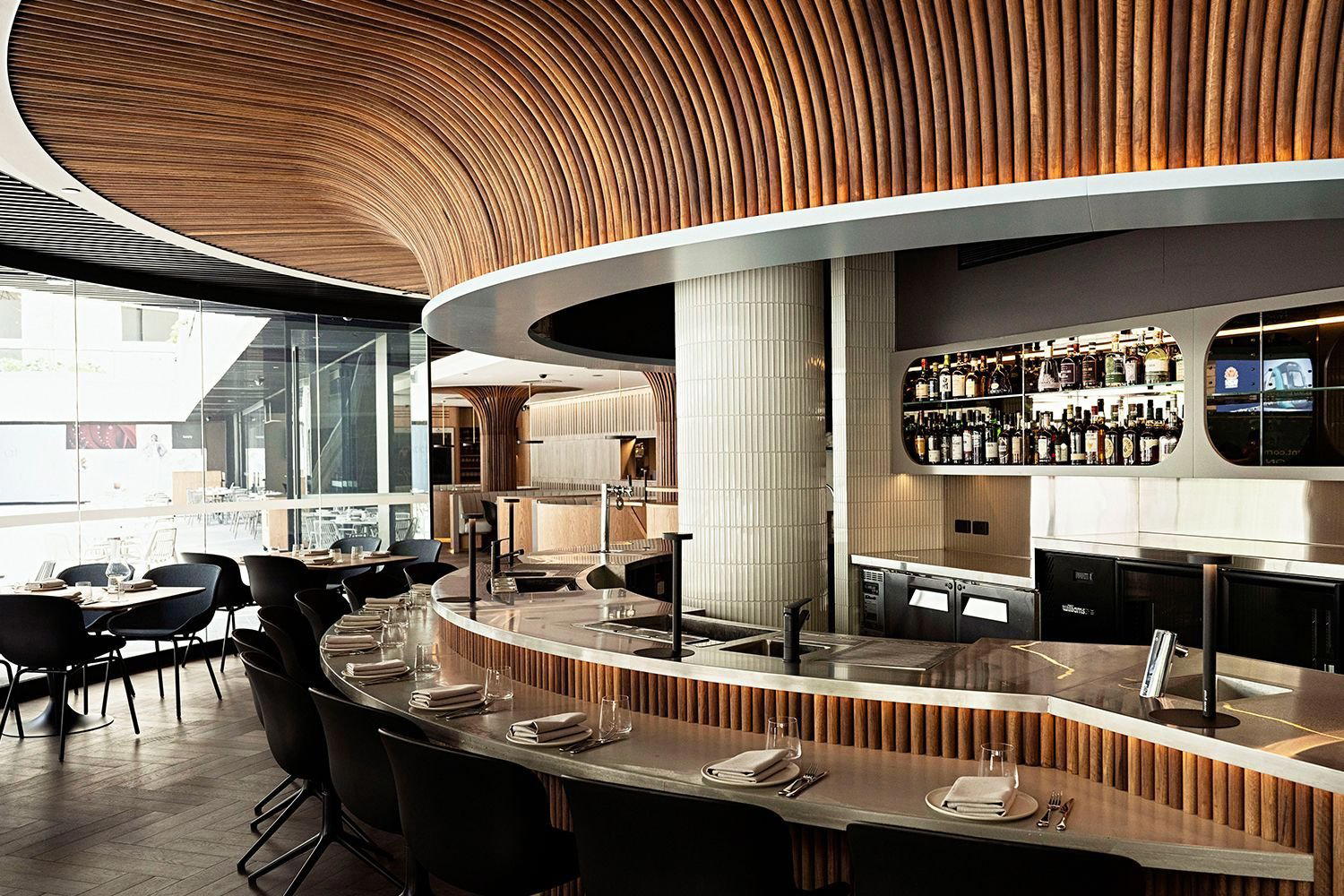
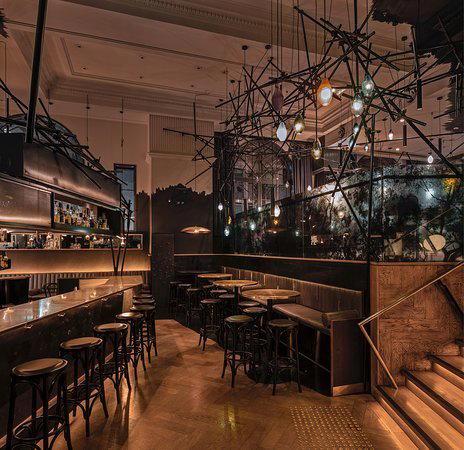
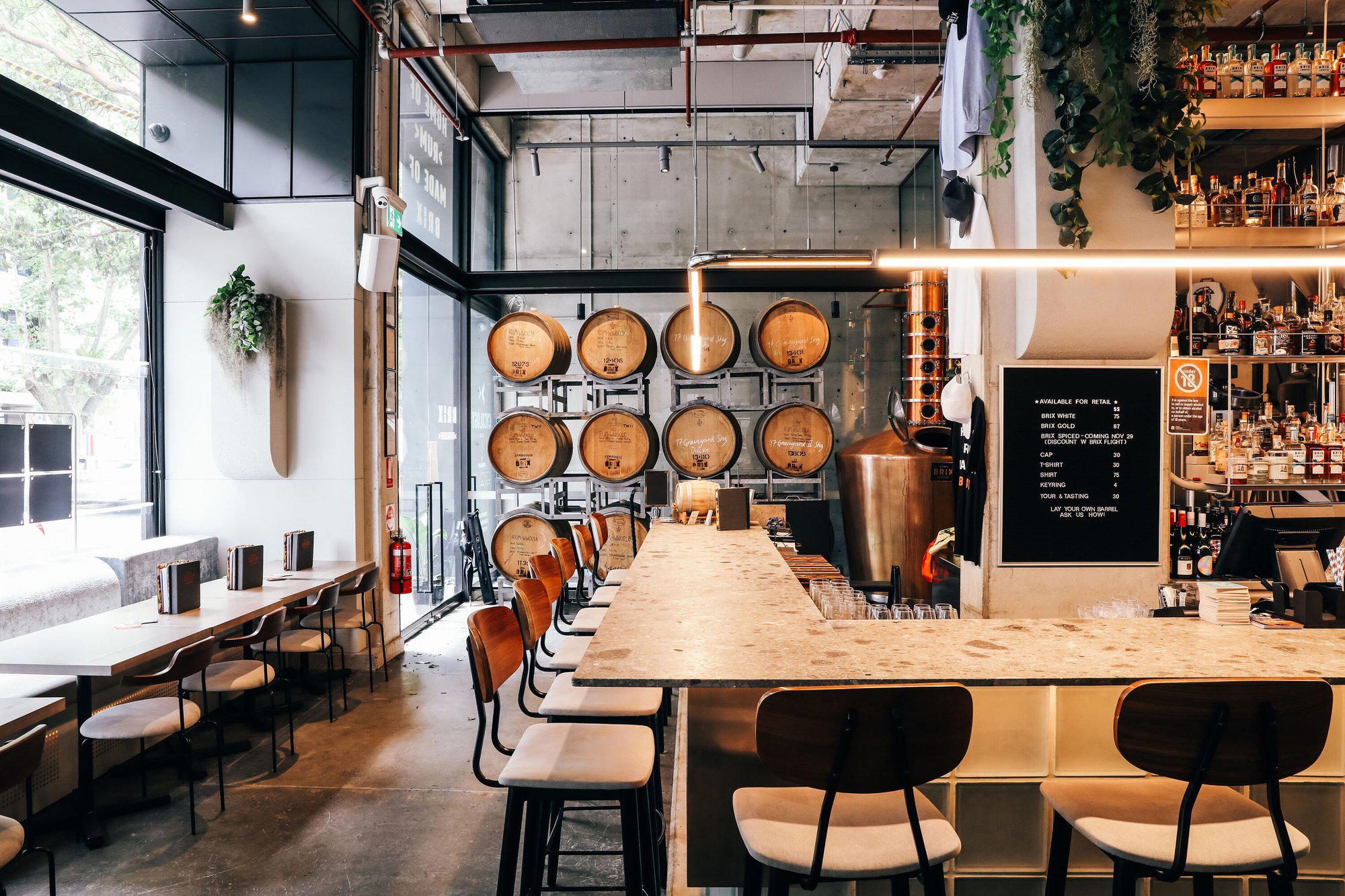
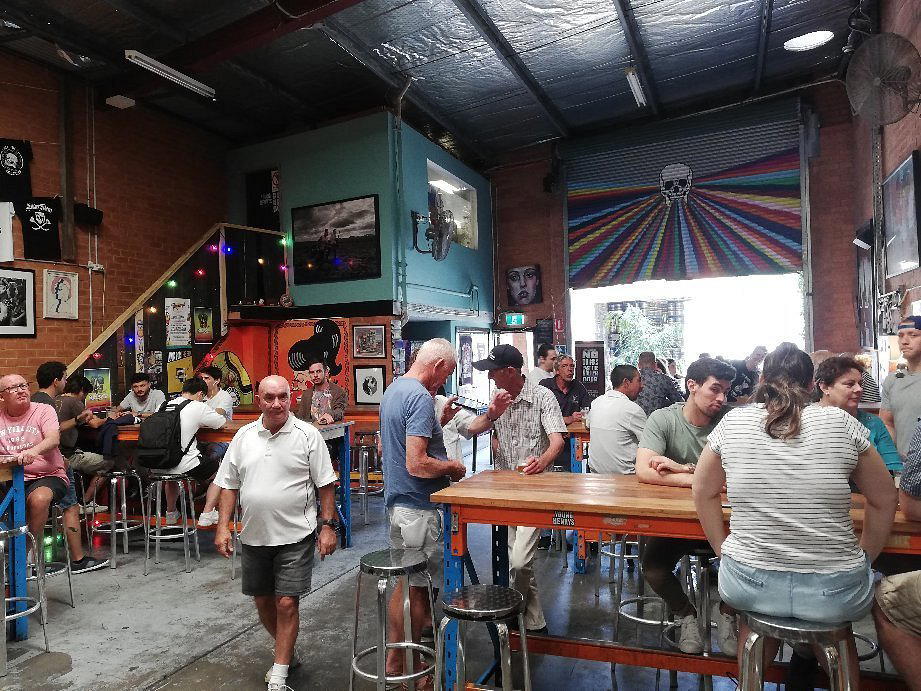
Casual dining atmosphere with modest serving portions, reflecting a contemporary fusion restaurant setting.