Nobu Hotel Phipps Plaza
Nobu Hotel Phipps Plaza places Atlanta’s luxury-hotel conversation inside Buckhead’s polished retail district, where design, dining, and private-arrival energy matter as much as room count. The Japanese cuisine anchor gives the property a sharper identity than a conventional business hotel, while its Phipps Plaza setting ties it to the city’s strongest concentration of upscale shopping, restaurants, and corporate travel.

Pearl is the En Primeur Club membership app — saves, bookings, and concierge access live there. Same editors, same standards.
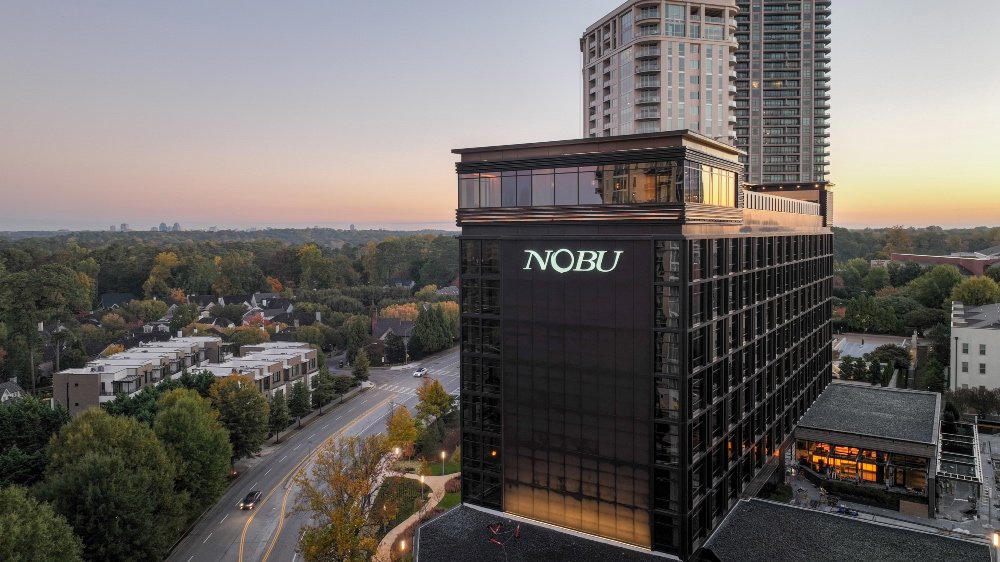
Arrival in Buckhead's Retail Core
Approaching Phipps Plaza, Atlanta shifts into a different register. The city’s tree canopy and residential streets give way to polished storefronts, valet lanes, glass, and the controlled rhythm of a luxury retail district. This is not the Atlanta of converted warehouses, porch-front restaurants, or grand historic lobbies. It is Buckhead in its contemporary mode: inward-facing, car-oriented, polished, and built around the movement between shopping, dining, meetings, and private hotel space.
Nobu Hotel Phipps Plaza belongs to that setting rather than fighting it. Its strongest editorial point is not a resort fantasy or a preserved architectural past, but the way a global Japanese hospitality language has been placed inside one of Atlanta’s most commercial luxury precincts. The result is a useful marker of where the city’s hotel scene has been heading: less dependent on traditional Southern grandeur, more willing to import design-led brands that bring restaurant credibility, nightlife adjacency, and a recognizable aesthetic system.
Atlanta has several hotel personalities, and they rarely overlap neatly. Midtown’s better properties lean toward arts, corporate travel, and walkable dining. Downtown mixes convention demand with historic architecture. Old Fourth Ward and the Eastside Trail have pushed a newer lifestyle-hotel model into former industrial zones. Buckhead, by contrast, has long traded on retail, residential wealth, and corporate convenience. In that context, a Japanese-branded hotel attached to Phipps Plaza reads less as novelty and more as a statement about Buckhead’s preferred form of luxury: contained, branded, efficient, and closely tied to shopping and dining.
Design as the Real Story
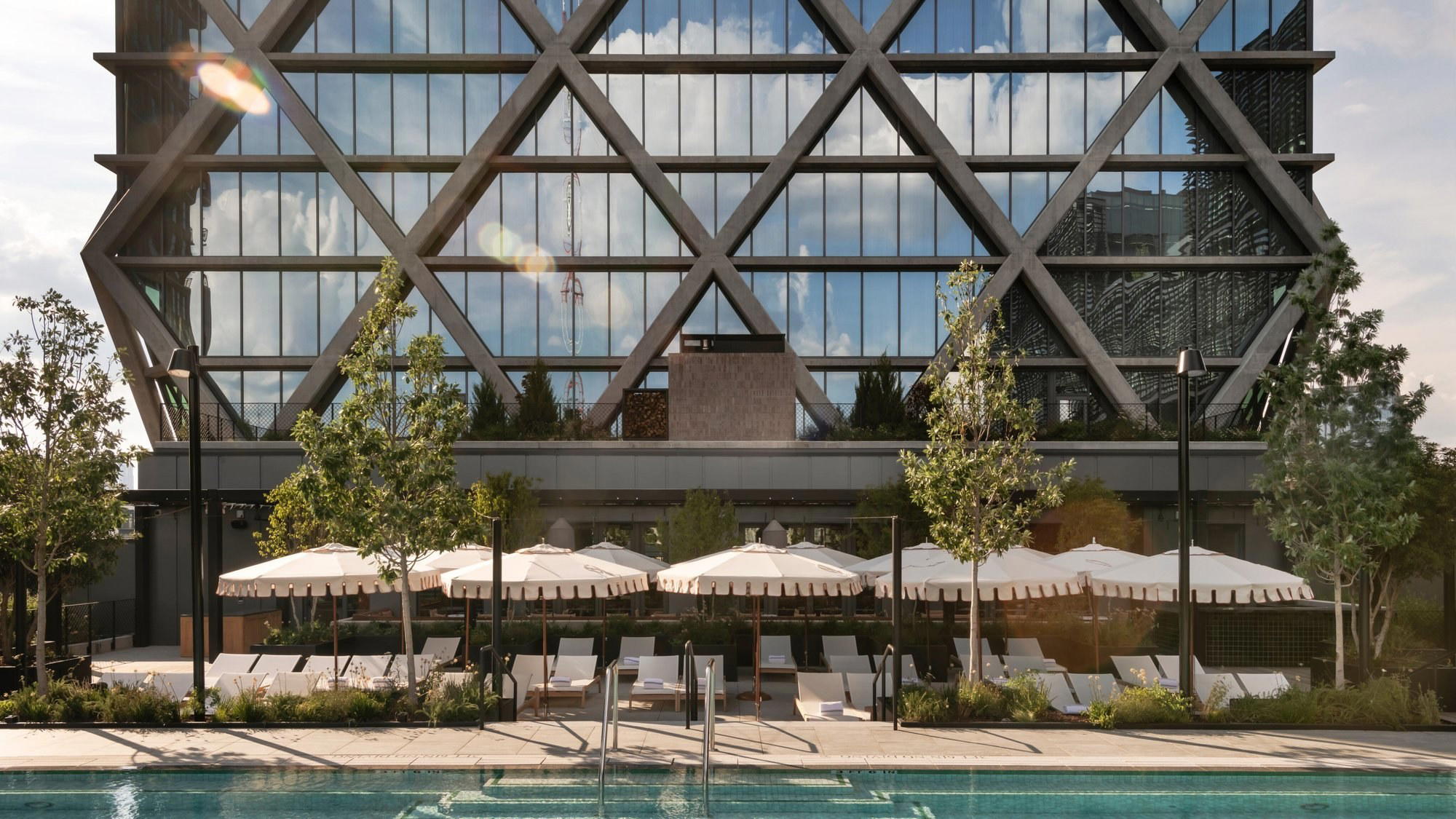
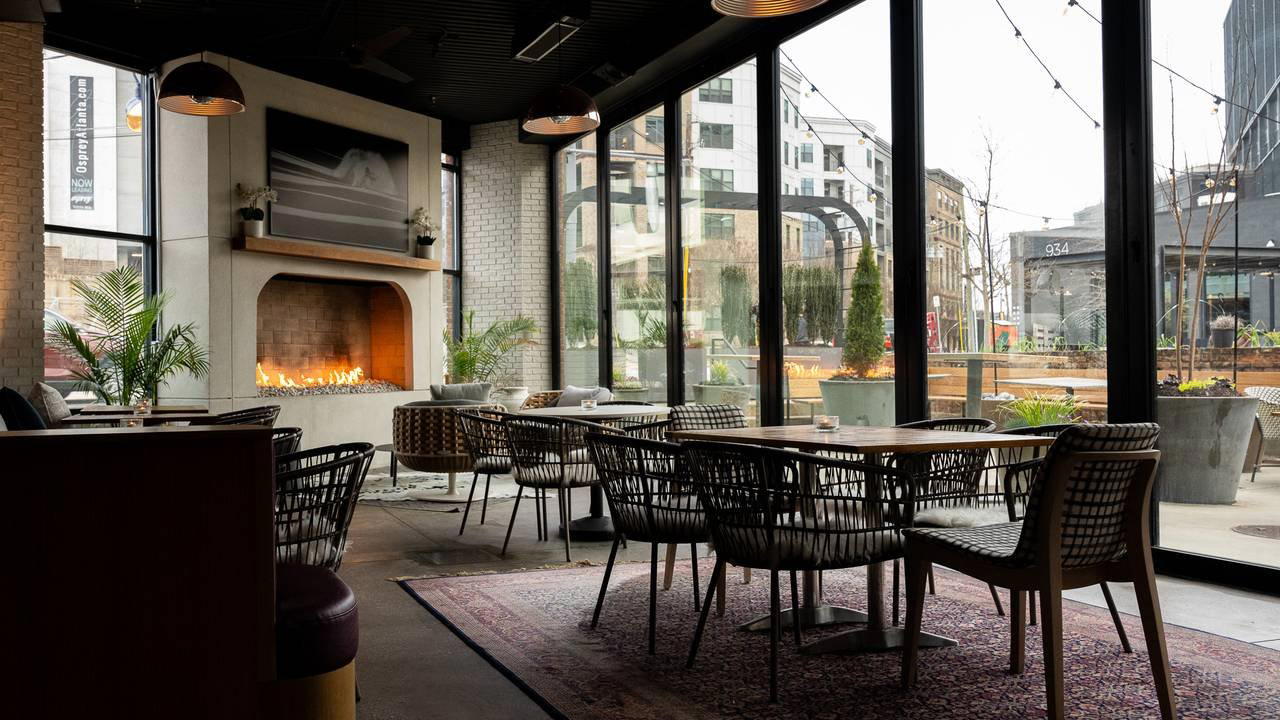
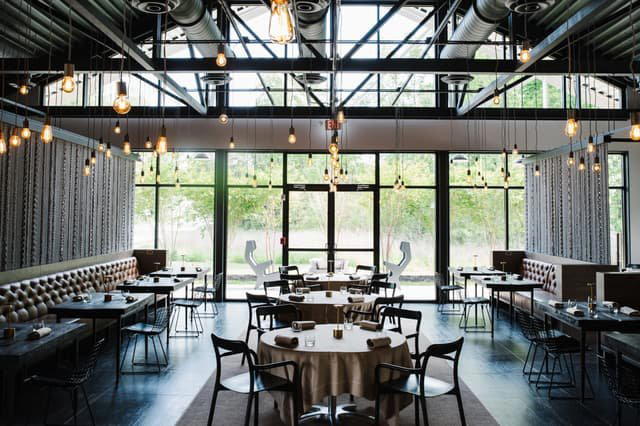
The assigned lens here is architecture and design, and that is where the property becomes more interesting than a simple hotel listing. Nobu as a hospitality language tends to work through restraint: darker palettes, controlled lighting, Japanese-influenced materials, and an atmosphere that borrows from restaurant culture rather than palace-hotel ceremony. In Atlanta, that restraint lands in a district where luxury often announces itself through scale and visibility. The contrast matters. Phipps Plaza supplies the commercial frame; the hotel format supplies a quieter, more interior vocabulary.
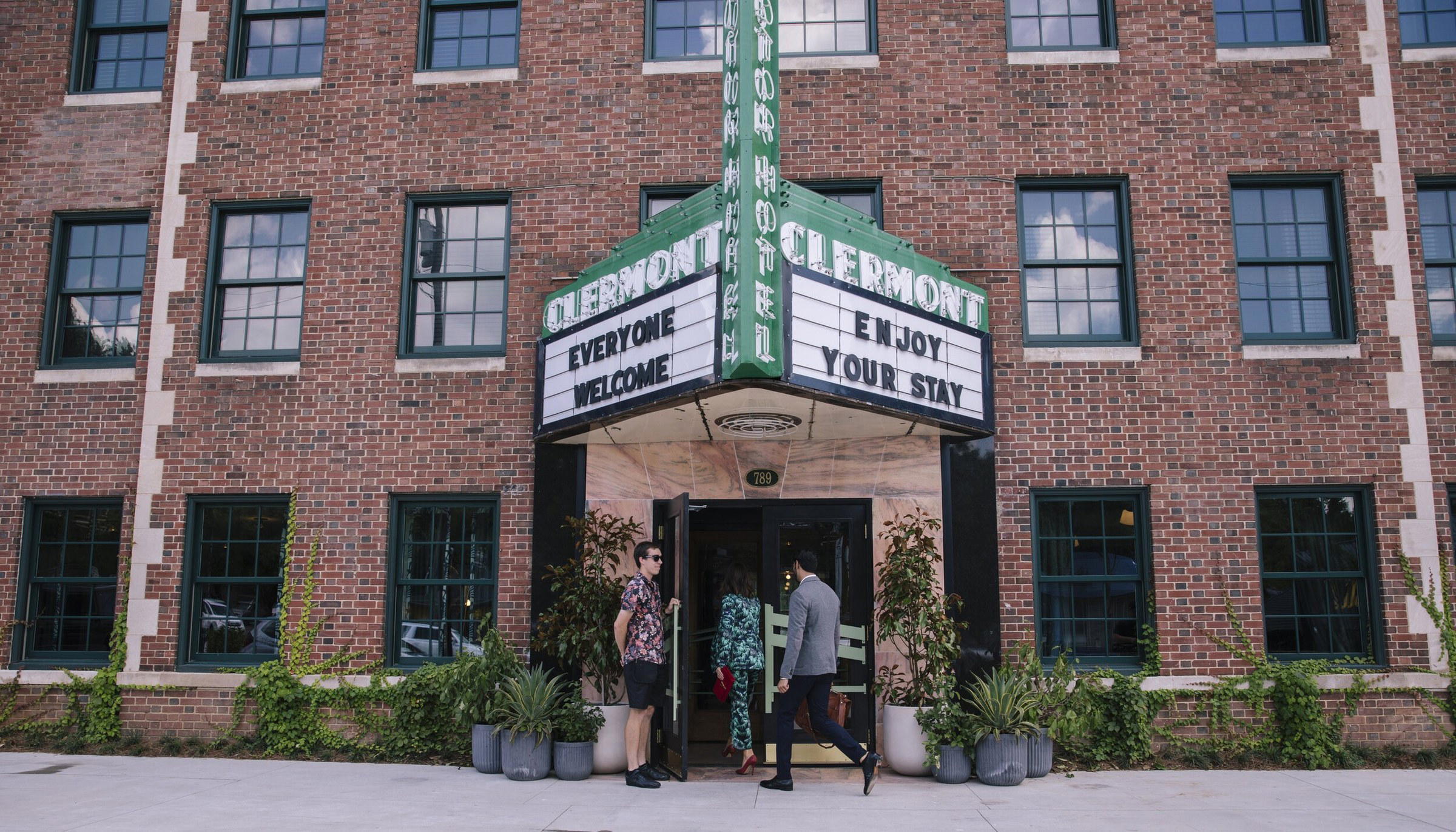
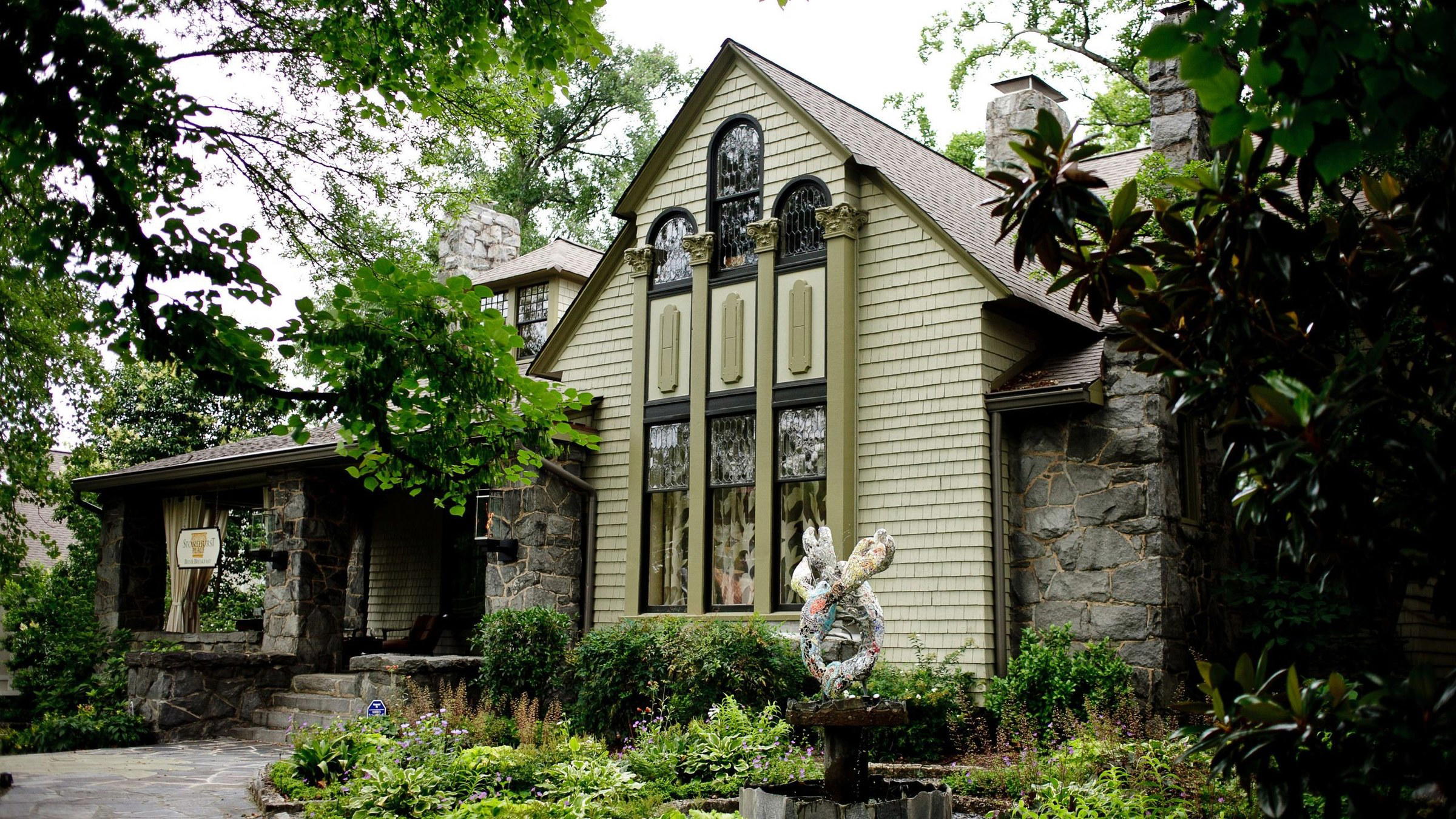
That distinction places the property in a different comparable set from Atlanta hotels built around local history or residential character. The Candler Hotel Atlanta draws power from downtown architecture and preservation. Hotel Clermont uses cultural memory, nightlife, and Poncey-Highland edge. Stonehurst Place Atlanta works at a smaller residential scale, closer to the rhythm of a private house than a retail-district hotel. Nobu Hotel Phipps Plaza operates in a more international register: the design cues are not trying to narrate old Atlanta. They position Buckhead within a circuit of branded, restaurant-led urban hotels.
That is not a criticism. In a city where luxury can become generic quickly, a strong design system is a practical advantage. The guest understands the mood before reading a full amenities list: low light, Japanese cuisine, controlled social energy, and a sense that the restaurant and hotel have been conceived as part of the same urban evening. The risk, of course, is that brand recognition can flatten local specificity. The reason this address works better than it might elsewhere is Buckhead itself. The district already behaves like an international luxury zone, so the imported vocabulary does not feel stranded.
The Restaurant-Hotel Model in Atlanta
Atlanta’s hotel dining has improved as the city’s restaurant culture has broadened beyond expense-account steakhouses and predictable lobby bars. A hotel now needs a clearer culinary argument, especially in Buckhead, where guests can reach serious restaurants without crossing town. Japanese cuisine gives this property a defined point of view from the start. The restaurant is not an afterthought added to soften a corporate stay; it is the brand’s central social engine and the reason many locals will encounter the building before they ever consider a room.
That matters because Atlanta’s dining audience has become more specific. The city supports Korean barbecue corridors, ambitious Southern cooking, tasting-menu rooms, polished seafood restaurants, and cocktail bars with national aspirations. A Japanese anchor in Buckhead enters that field with an advantage in name recognition, but recognition alone does not settle the question. The more interesting shift is that the hotel assumes restaurant-led demand as part of its architecture. Dinner, drinks, rooms, and retail form a single circuit.
Compared with Epicurean Atlanta, which places food culture closer to the identity of a lifestyle hotel, this property uses Japanese cuisine as a sharper brand spine. Compared with InterContinental Buckhead Atlanta, which sits within a more traditional international-hotel framework, the Phipps Plaza address feels more dependent on the choreography between restaurant, retail, and guestroom privacy. For broader meal planning across the city, Our full Atlanta restaurants guide gives the useful counterpoint: Atlanta dining is strongest when understood by neighborhood and format, not by a single hotel restaurant.
Buckhead, Reframed
Buckhead has always been easy to caricature: malls, mansions, valet stands, and expense accounts. That view misses the district’s role in Atlanta’s visitor economy. For many travelers, especially those with meetings in the northern business corridors or shopping built into the itinerary, Buckhead is the efficient choice. It has luxury retail, recognizable hotel flags, private-car convenience, and a higher concentration of polished restaurants than many American districts of similar size. The trade-off is that it is less walkable and less street-textured than Midtown, Inman Park, or the BeltLine-adjacent neighborhoods.
Nobu Hotel Phipps Plaza accepts that trade-off. It does not promise immersion in the city’s historic neighborhoods; it offers a refined base inside the commercial capital of Atlanta luxury. That makes it a cleaner fit for travelers who want Buckhead specifically, rather than travelers trying to sample the whole city on foot. The distinction is important. Atlanta rewards planning by geography. A hotel in Buckhead changes the daily rhythm: dinners nearby feel easy, Eastside nightlife requires a ride, and downtown cultural stops need deliberate scheduling.
For guests weighing other Atlanta stays, the question is not simply which hotel has the stronger aesthetic. It is which version of Atlanta suits the trip. Four Seasons Hotel Atlanta places the guest in Midtown’s arts-and-business corridor. FORTH Hotel Atlanta points toward the city’s newer Eastside energy. Glenn Hotel, Autograph Collection belongs to the downtown convention and event orbit. For a wider comparison, Our full Atlanta hotels guide is the better planning tool, because Atlanta hotel choice is often a map decision before it is a style decision.
How It Compares Beyond Atlanta
The more revealing comparison is not only local. Across the United States, luxury hotels have split into several camps: restored grande dame properties, remote design resorts, chef-led inns, and city hotels built around a strong hospitality brand. Nobu Hotel Phipps Plaza sits in the last category. It is not trying to compete with desert isolation, rural estate calm, or old-Hollywood mythology. Its value is urban compression: room, restaurant, retail, and social scene in one controlled district.
That makes it a useful contrast with The Fifth Avenue Hotel in New York City, where layered interiors and Manhattan history create a different kind of urban density. The Beverly Hills Hotel in Los Angeles trades on a documented history of Hollywood patronage and a resort-in-the-city feel. Four Seasons at The Surf Club in Surfside builds around coastal club heritage. Atlanta’s Phipps Plaza model is less nostalgic. It is about present-tense consumption, Japanese dining, and the convenience of a high-end district that already knows how to handle affluent traffic.
The contrast becomes sharper against destination properties. Amangiri in Canyon Point is defined by desert architecture and remoteness. Troutbeck in Amenia uses Hudson Valley estate culture. SingleThread Farm Inn in Healdsburg belongs to the farm-and-restaurant inn tradition. Kona Village, A Rosewood Resort in Kailua Kona and Sage Lodge in Pray depend on landscape, setting, and retreat logic. Buckhead offers the opposite proposition: luxury without escape, built for movement between appointments, shops, dinner, and the room.
European palace hotels sit even farther away in tone. Hôtel de Paris Monte-Carlo in Monte Carlo, Badrutt's Palace Hotel in St. Moritz, and Aman Venice in Venice are bound to inherited settings and long-established travel rituals. Phipps Plaza is a newer American luxury language: branded, restaurant-centered, and designed for a city where the car remains part of the hospitality experience.
Who This Stay Makes Sense For
The property makes its strongest case for travelers who already know they want Buckhead. That includes business travelers working north of Midtown, visitors prioritizing luxury retail, and Atlanta regulars who prefer a controlled hotel environment over neighborhood immersion. It is also a logical choice for guests who treat dinner as part of the hotel decision. Japanese cuisine is part of the listing’s confirmed identity, and that culinary anchor gives the stay a more specific social profile than a neutral luxury address.
It is less convincing for travelers whose Atlanta plans revolve around walkable nightlife, BeltLine dining, or historic residential neighborhoods. Those trips may be better served by Eastside or Midtown hotels, with Buckhead kept for a separate meal or shopping stop. For drinking itineraries, Our full Atlanta bars guide helps separate cocktail-led neighborhoods from hotel-bar convenience. For broader cultural planning, Our full Atlanta experiences guide gives a wider frame than the Buckhead bubble. Wine-focused travelers should treat Our full Atlanta wineries guide as a separate research path, since the hotel record does not list a wine-region or winery connection.
Planning Notes
Readers should verify current booking channels, restaurant availability, room categories, pricing, and any dining policies through official sources before making plans. From an editorial standpoint, the reliable facts are narrower but still meaningful: the property is in Atlanta, Georgia; it is associated with Phipps Plaza in Buckhead; and its cuisine type is Japanese. Those details are enough to place it within the city’s luxury-retail hotel category, but not enough to make claims about service levels, room design specifics, menu items, or reservation difficulty.
Timing in Buckhead is practical rather than romantic. Weekday traffic patterns can affect movement between Buckhead, Midtown, downtown, and the Eastside, so the hotel works better when the day’s appointments or meals cluster nearby. If the itinerary includes multiple cross-town evenings, the convenience advantage weakens. If the plan is shopping, meetings, dinner, and a controlled return upstairs, the Phipps Plaza setting becomes the point.
Reputation & Price
Comparable venues nearby, for context on price, style, and recognition.
| Venue | Price | Awards | Notes |
|---|---|---|---|
| Nobu Hotel Phipps PlazaThis venue — the venue you are viewing | $$$$ | 5-Star | Not listed |
| Nobu Hotel Atlanta | $$$$ | 5-Star | Buckhead, Contemporary Japanese-inspired luxury blending traditional aesthetics with modern minimalism and Southern hospitality. |
| The Ritz-Carlton, Atlanta | $$$$ | 5-Star | Downtown, Contemporary Southern luxury hotel |
| The Whitley, a Luxury Collection Hotel | $$$$ | 5-Star | Buckhead, Timeless elegant luxury hotel in urban Buckhead. |
| Glenn Hotel, Autograph Collection | $$$ | 4-Star | Downtown Atlanta, Historic boutique hotel blending 1920s architectural charm with modern Southern hospitality. |
| The Hamilton Alpharetta, Curio Collection By Hilton | $$$ | 4-Star | Downtown Alpharetta, Boutique hotel uniting classical Georgian architecture with modern industrial design, positioned as an upscale urban retreat in the heart of downtown. |
Continue exploring
More in Atlanta
Hotels in Atlanta
Browse all →
Bars in Atlanta
Browse all →
Restaurants in Atlanta
Browse all →
At a Glance
- Modern
- Elegant
- Trendy
- Sophisticated
- Ornate
- Business Trip
- Romantic Getaway
- Weekend Escape
- Celebration
- Wellness Retreat
- Rooftop Pool
- Design Destination
- Terrace
- Panoramic View
- Private Dining
- Wi Fi
- Pool
- Spa
- Fitness Center
- Room Service
- Concierge
- Business Center
- Valet Parking
- Skyline
- Street Scene
- Wi Fi
- Pool
- Spa
- Fitness Center
- Room Service
- Concierge
- Business Center
- Valet Parking
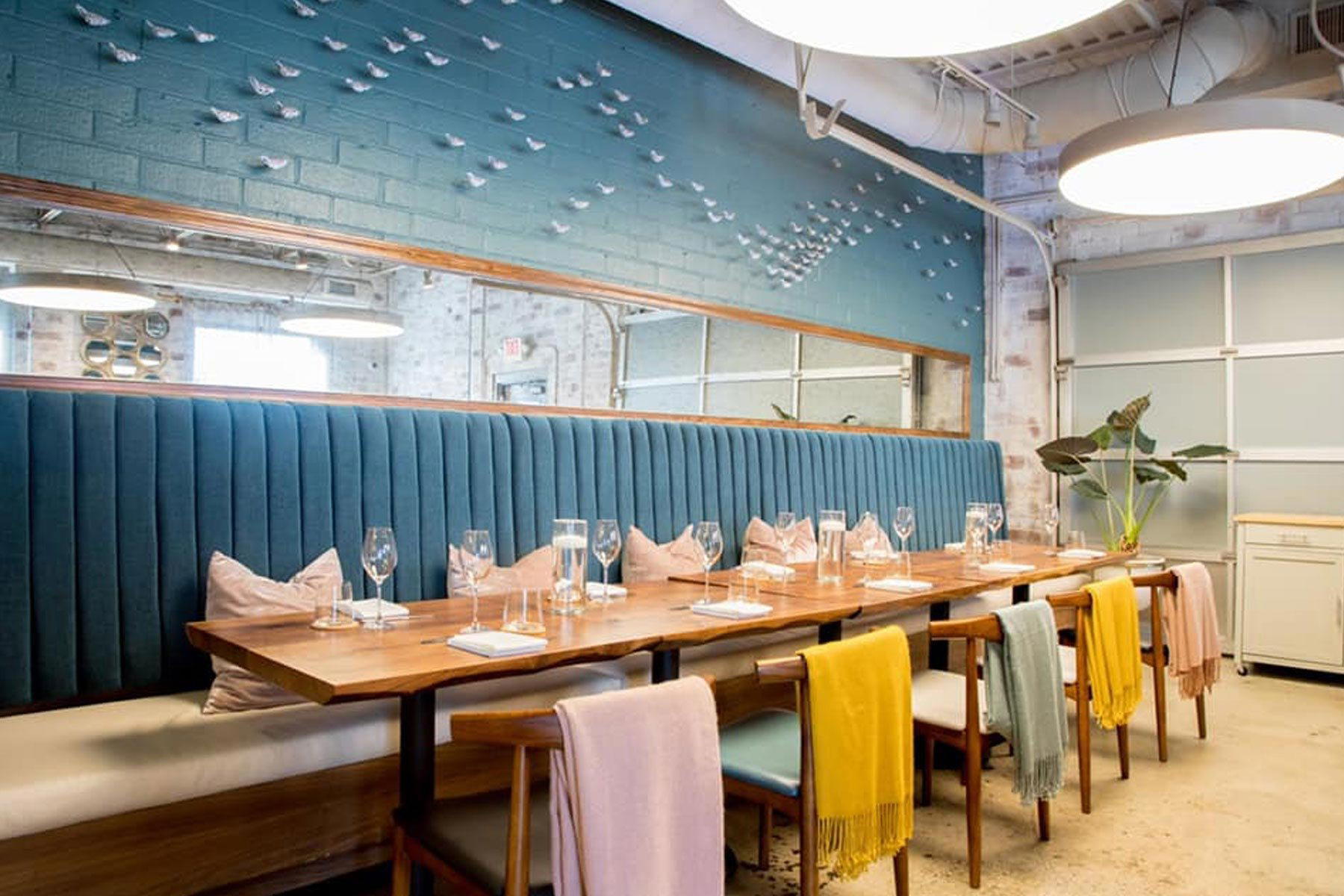
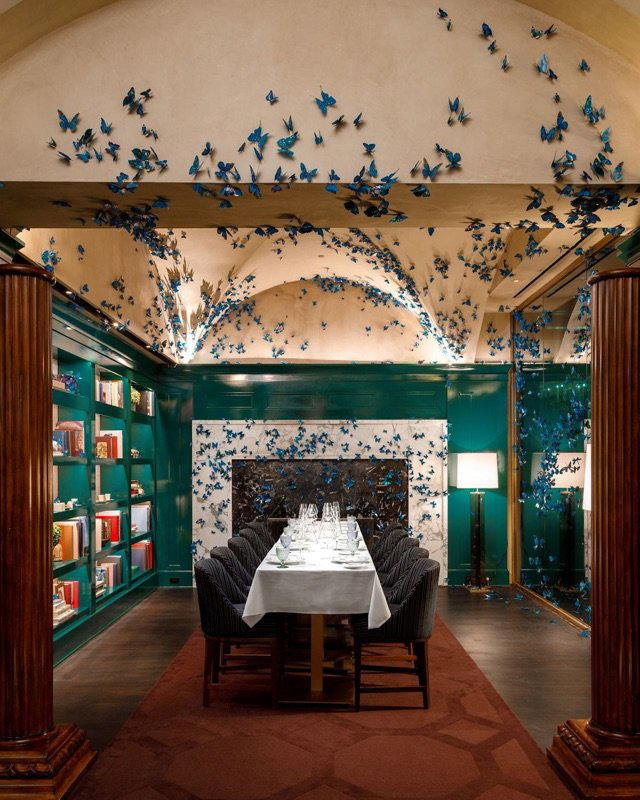
Japanese minimalist design with warm, modern finishes and subdued lighting, creating a calm, upscale, and stylish atmosphere that feels both zen and urban-luxury.