Nobu Hotel and Restaurant Ho Chi Minh City
Nobu Hotel and Restaurant Ho Chi Minh City signals a familiar shift in Vietnam’s largest city: luxury hospitality is becoming more restaurant-led, more brand-conscious, and less dependent on the old grand-hotel script.

Pearl is the En Primeur Club membership app — saves, bookings, and concierge access live there. Same editors, same standards.
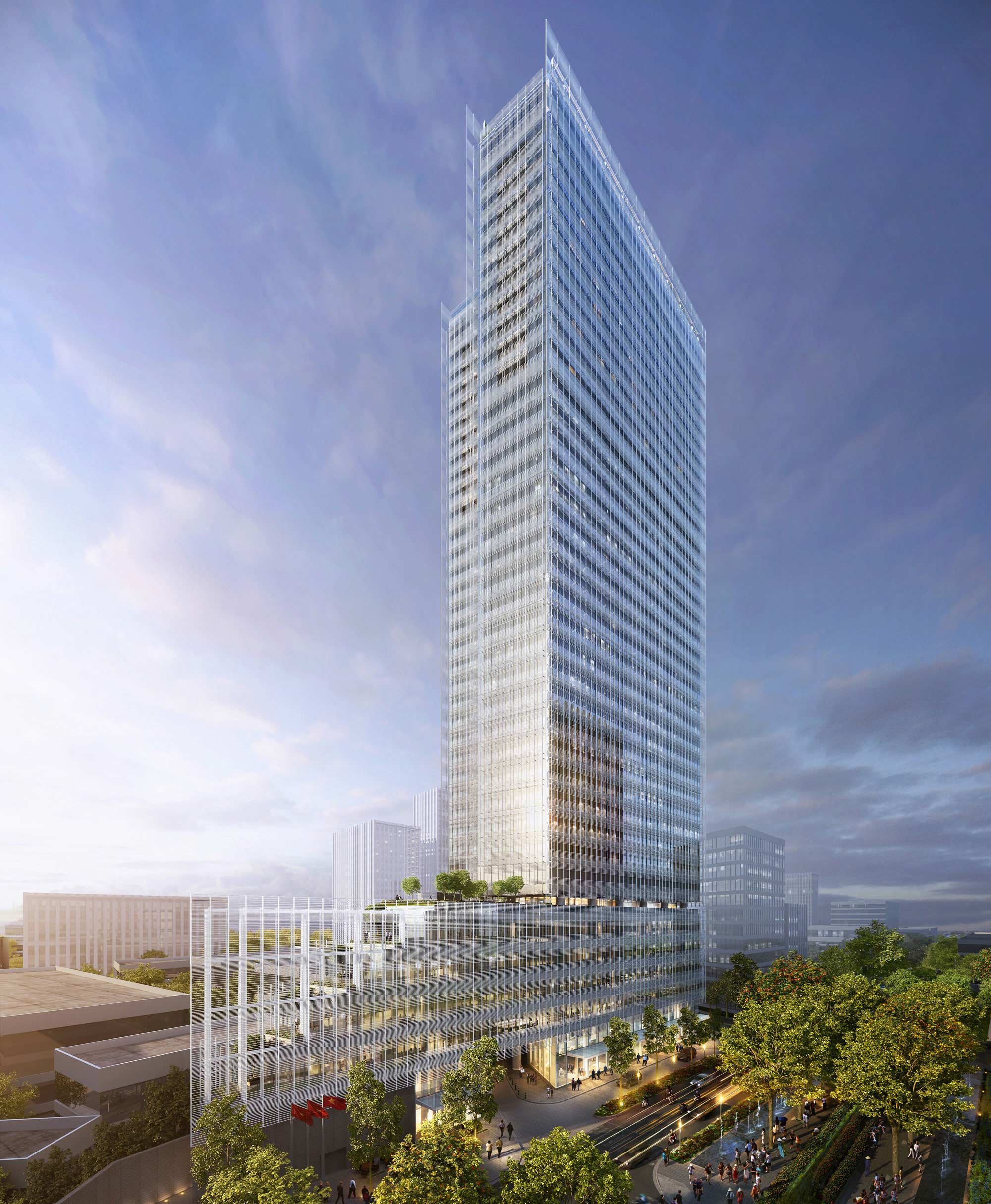
Hotel dining as the new arrival ritual in Ho Chi Minh City
Approach a serious hotel dining room in Ho Chi Minh City and the first impression is rarely silence. The city gives itself away through motorbike currents, glass towers, humid evening air, and the quick change from street tempo to conditioned calm at the door. Nobu Hotel and Restaurant Ho Chi Minh City enters that threshold with a name already associated globally with hotel dining as theatre, but the more useful story is local: Ho Chi Minh City is moving from a hotel market built around colonial-era grandees and business towers into one where restaurant identity, service choreography, and international brand fluency carry equal weight.
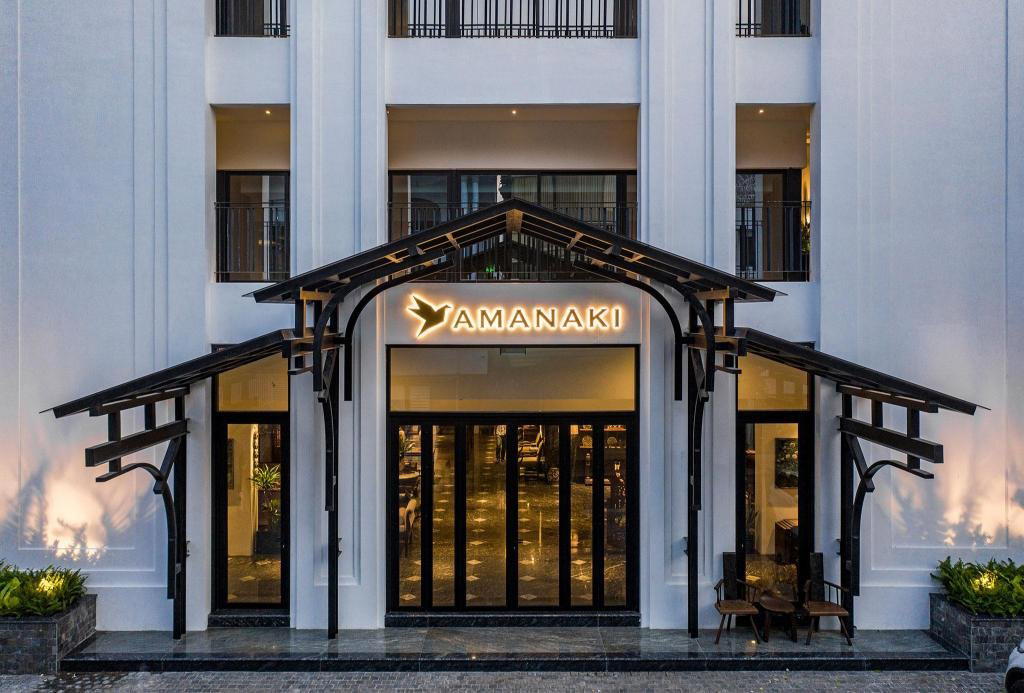
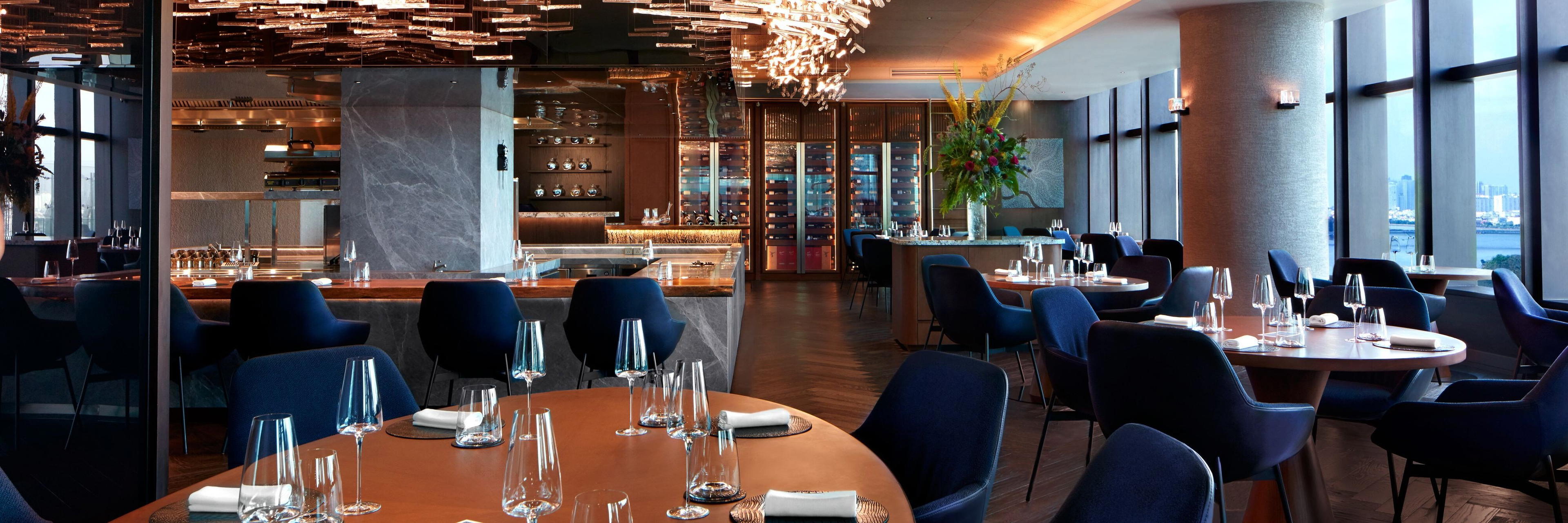
That matters because the city’s luxury hotel conversation has widened. Older properties such as Caravelle Saigon Hotel speak to the downtown heritage-and-commerce axis. Apartment-style and design-led addresses, including Amanaki Saigon Boutique Hotel, Bach Suites Saigon, and Fusion Original Saigon Centre, show how smaller footprints and lifestyle positioning have gained ground. A Nobu-branded hotel-restaurant hybrid belongs to a different comparable set: the stay is expected to be read through the dining room, and the dining room through hotel-level pacing, recognition, and control.
The hotel includes 135 rooms and sits in the luxury tier, but a precise practical verdict still depends on current operational details. What can be said with confidence is that the format points to a broader trend in Ho Chi Minh City: international hospitality groups are no longer treating restaurants as amenities hidden behind the lobby. They are using restaurants as the public face of the property, a move that changes how guests judge service from the first exchange.
Why service culture carries the concept
In a city where hospitality can range from family-run generosity to corporate formality within a single block, the service philosophy of a hotel-restaurant hybrid has to do more than greet arrivals. It has to translate pace. Ho Chi Minh City moves quickly: business lunches compress, evening tables turn social, and travellers often fold dining into meetings, late arrivals, or short-stay itineraries. A property carrying the Nobu name is therefore judged not only by design or cuisine category, but by how cleanly staff manage those transitions.
This is where the hotel side matters. Restaurant-only venues can build identity through scarcity, counter seats, or chef presence. Hotels have to sustain consistency across different guest states: jet-lagged check-ins, residents arriving for dinner, business travellers needing efficiency, and leisure guests stretching a night into drinks. Anticipatory service in this context is less about ceremony than timing. The reader should look for how the room handles arrival flow, handover between host and table, and the confidence of recommendations when a party is split between a full meal and a lighter late-evening order.
Ho Chi Minh City’s premium hospitality has also become more comparative. Amanaki Thao Dien reflects the appeal of Thao Dien’s quieter, residential expatriate rhythm. Amaya Saigon Boutique Hotel, Anima Saigon Boutique - Vietnamese Contemporary Art Hotel, and Garden Plaza Saigon sit in a city where neighbourhood choice now signals travel style as much as budget. The restaurant-led hotel format competes differently: it asks whether the public spaces can attract locals as well as overnight guests, and whether the staff can read both audiences without making either feel secondary.
The restaurant-led hotel model
The brand’s international recognition rests on a long-running fusion of Japanese technique and Peruvian influence across restaurants and hotels in major travel markets. In Ho Chi Minh City, that heritage enters a dining culture already comfortable with contrast: street-side charcoal, French-influenced patisserie, regional Vietnamese noodle traditions, Japanese counters, Korean barbecue, and polished hotel lounges all operate in close proximity.
The result should be assessed as a category rather than as a standalone claim. Hotel dining in Ho Chi Minh City used to be mainly about reliability: breakfast buffets, lobby bars, and business-safe restaurants. The newer model is about destination pull. Travellers compare a dinner downstairs not only against other hotel outlets, but against independent restaurants across the city. For the wider scene, that is healthy pressure. It forces hotels to sharpen wine programs, staff training, reservation handling, and room energy, because guests can leave the property and reach a different dining neighbourhood quickly by car or ride-hailing app.
For readers mapping the city around meals, the natural companion pages are the Ho Chi Minh City restaurants guide, bars guide, and experiences guide. They help separate a hotel chosen for dining convenience from a hotel chosen as a base for moving through the city’s broader food and drink circuits.
How it fits Vietnam's luxury hotel map
Vietnam’s premium hotel market is not one thing. Coastal resorts, mountain retreats, city business hotels, and heritage conversions answer different forms of travel. Ho Chi Minh City is the commercial engine, so its hotel scene rewards access, service precision, and dining credibility. Compare that with Amanoi in Vinh Hy, where seclusion and landscape drive the stay, or Banyan Tree Lăng Cô in Lăng Cô, where the resort model depends on longer dwell time. A city hotel cannot rely on scenery in the same way. It has to earn attention through operational rhythm.
That distinction explains why service philosophy is central here. In a resort, staff can shape the day around spa appointments, beach time, transfers, and long meals. In Ho Chi Minh City, the guest may have two nights, three meetings, one serious dinner, and a morning flight. The hotel that works is the one that reduces friction: arrivals handled cleanly, restaurant timing coordinated, transport made easy, and staff confident enough to adjust without fuss. Exact services should be verified directly before travel.
Elsewhere in Vietnam, properties carry different cultural signals. Hotel Royal Gallery Hoi An in Hoi An sits in a town shaped by heritage tourism and riverside walking routes. Asteria Mui Ne Resort in Phan Thiet and The Anam Mui Ne in Mui Ne belong to a beach-resort conversation. L’Azure Resort & Spa in Phu Quoc answers the island brief. Capella Hanoi in Hanoi and GM Premium Hotel in Hoan Kiem operate in a capital where history, embassy culture, and the Old Quarter shape expectations. Garrya Mu Cang Chai in Lao Cai Province speaks to a mountain itinerary. Ho Chi Minh City demands a sharper urban answer.
International comparisons that help set expectations
Restaurant-led hotels are now a global luxury language. In New York, The Fifth Avenue Hotel in New York City shows how design, dining, and neighbourhood status can merge into a compact city stay. In Monaco, Hôtel de Paris Monte-Carlo in Monte Carlo reflects the older European model, where service ritual and dining prestige reinforce each other over generations. In the Alps, Badrutt's Palace Hotel in St. Moritz belongs to a seasonal society-hotel tradition built around repeat guests and winter cadence.
Ho Chi Minh City is younger in that global luxury conversation, and that is part of its appeal. The city has the energy of a market still defining its premium codes. Imported hospitality brands bring standards and recognition, while local operators keep pressure on warmth, adaptability, and value. A Nobu hotel-restaurant concept sits at the intersection: international enough to be immediately legible to travellers, but dependent on local execution to feel convincing in Vietnam rather than merely placed there.
Planning a stay or dinner around it
Planning should begin with current official sources before committing an itinerary. In practical terms, that means confirming whether the restaurant is accepting outside diners, whether hotel guests receive priority, what meal periods are operating, and how reservations are handled. Ho Chi Minh City rewards advance coordination, especially when a dinner is tied to an airport arrival, a business schedule, or a short weekend stay.
Treat Nobu Hotel and Restaurant Ho Chi Minh City as a high-interest entry in the city’s hotel dining scene. Its name will attract travellers familiar with the brand, but the decision should rest on live details. For a broader view of where it may sit among local stays, use the Ho Chi Minh City hotels guide. Travellers building a wider Vietnam route can also compare city pacing against resort, island, and mountain properties listed above, since the right hotel choice changes with trip purpose.
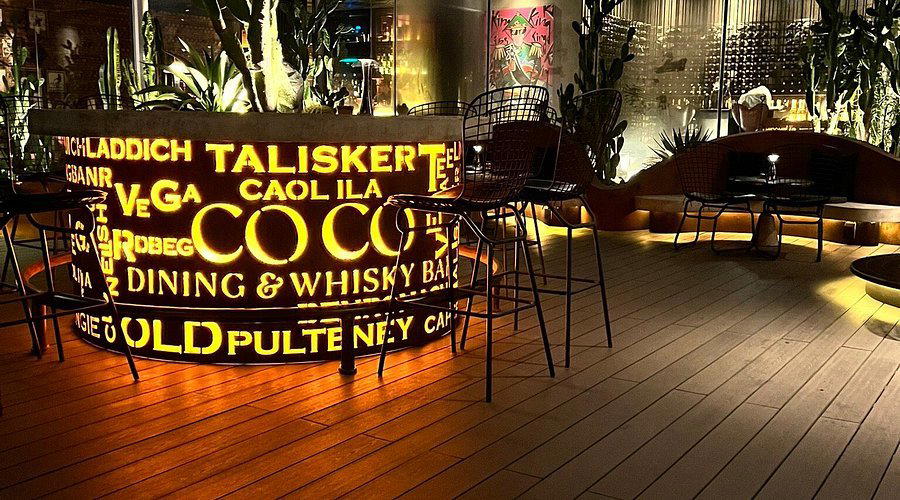
Wine-focused travellers should note that Ho Chi Minh City is a consumption market rather than a wine-region stay in the way Napa, Burgundy, or Barossa is. The relevant local question is not vineyard access but list depth, storage discipline, and pairing confidence inside restaurants and hotel dining rooms. For category context, the Ho Chi Minh City wineries guide is useful as a city-specific reference point, though visitors should expect wine culture here to express itself primarily through restaurants, bars, hotels, and import-driven lists.
Comparable venues nearby, for context on price, style, and recognition.
| Venue | Cuisine | Price | Awards | Notes |
|---|---|---|---|---|
| Nobu Hotel and Restaurant Ho Chi Minh CityThis venue — the venue you are viewing | Luxury lifestyle urban hotel integrated into a 40‑story mixed-use tower in Ho Chi Minh City’s historic core. | $$$$ | 5-Star | Not listed |
| Mia Saigon – Luxury Boutique Hotel | Luxury boutique riverside sanctuary blending French Indochine with modern luxury. | $$$$ | 5-Star | District 2 |
| LOTTE HOTEL SAIGON | Luxury urban hotel with grand facilities | $$$$ | 5-Star | Quan 1 |
| Sofitel Saigon Plaza | Luxury urban hotel blending French and Vietnamese aesthetics | $$$$ | 5-Star | Quan 1 |
| Vinpearl Landmark 81, Autograph Collection | luxury skyscraper hotel in Vietnam's tallest building | $$$$ | 5-Star | Vinhomes Central Park |
| Villa Song Saigon | French-colonial style boutique villa | $$$$ | 4-Star | Quan 2 |
Continue exploring
More in Ho Chi Minh City
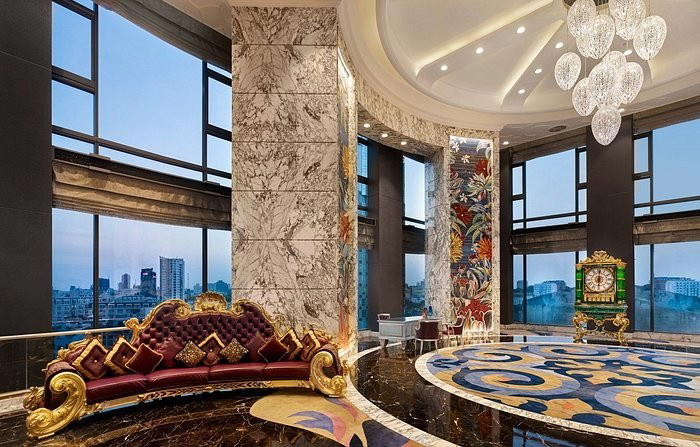
Hotels in Ho Chi Minh City
Browse all →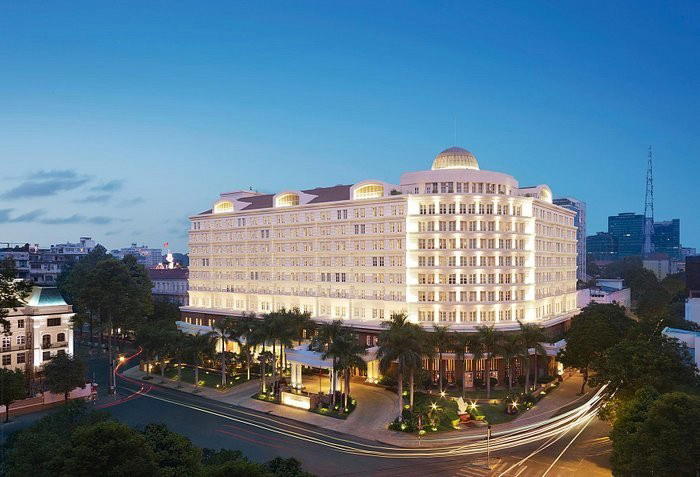
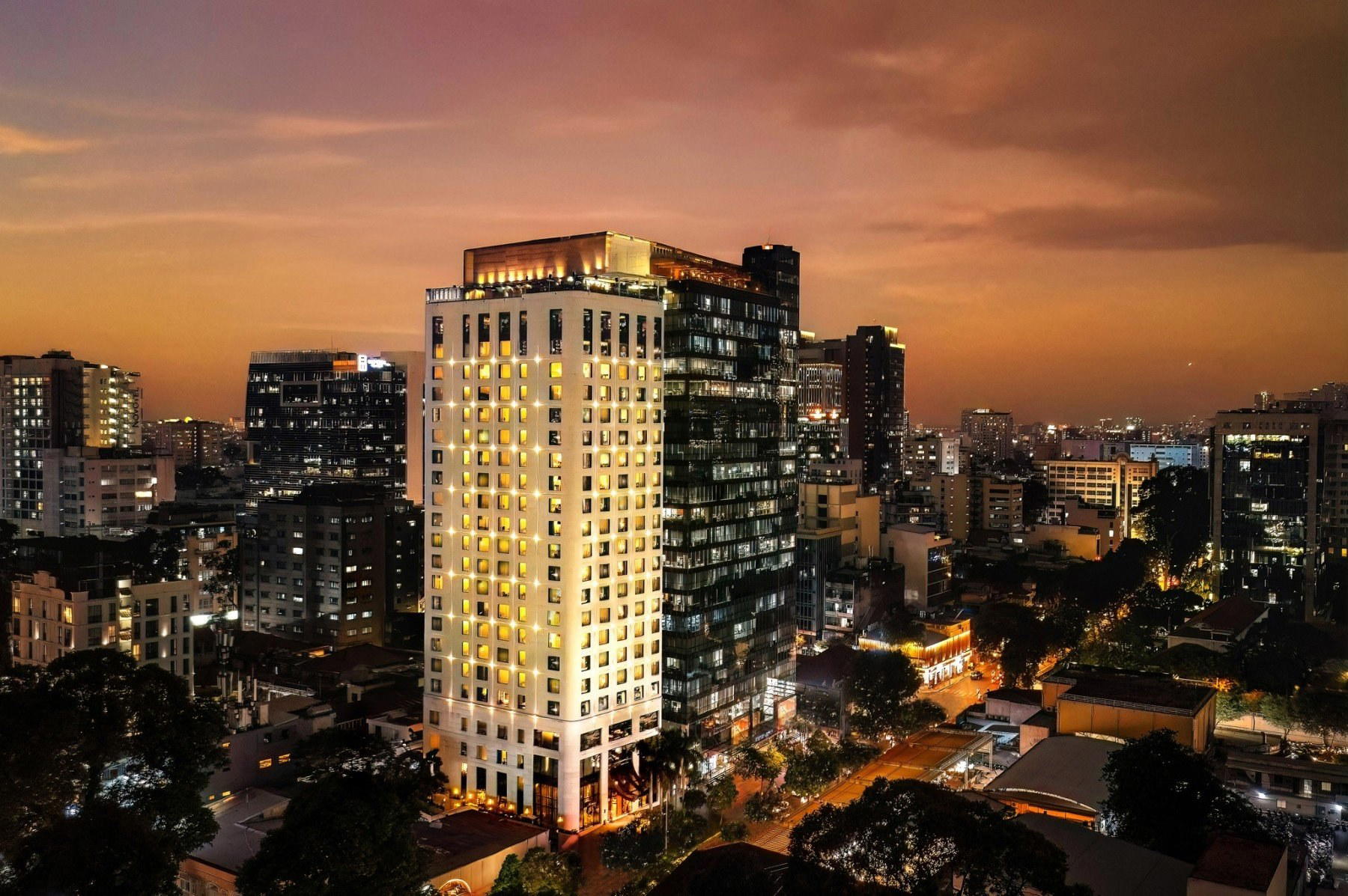
Bars in Ho Chi Minh City
Browse all →
At a Glance
- Modern
- Elegant
- Sophisticated
- Trendy
- Well Known
- Business Trip
- Weekend Escape
- Romantic Getaway
- Celebration
- Rooftop Pool
- Design Destination
- Panoramic View
- Private Dining
- Pool
- Fitness Center
- Skyline
- Waterfront
- Pool
- Fitness Center
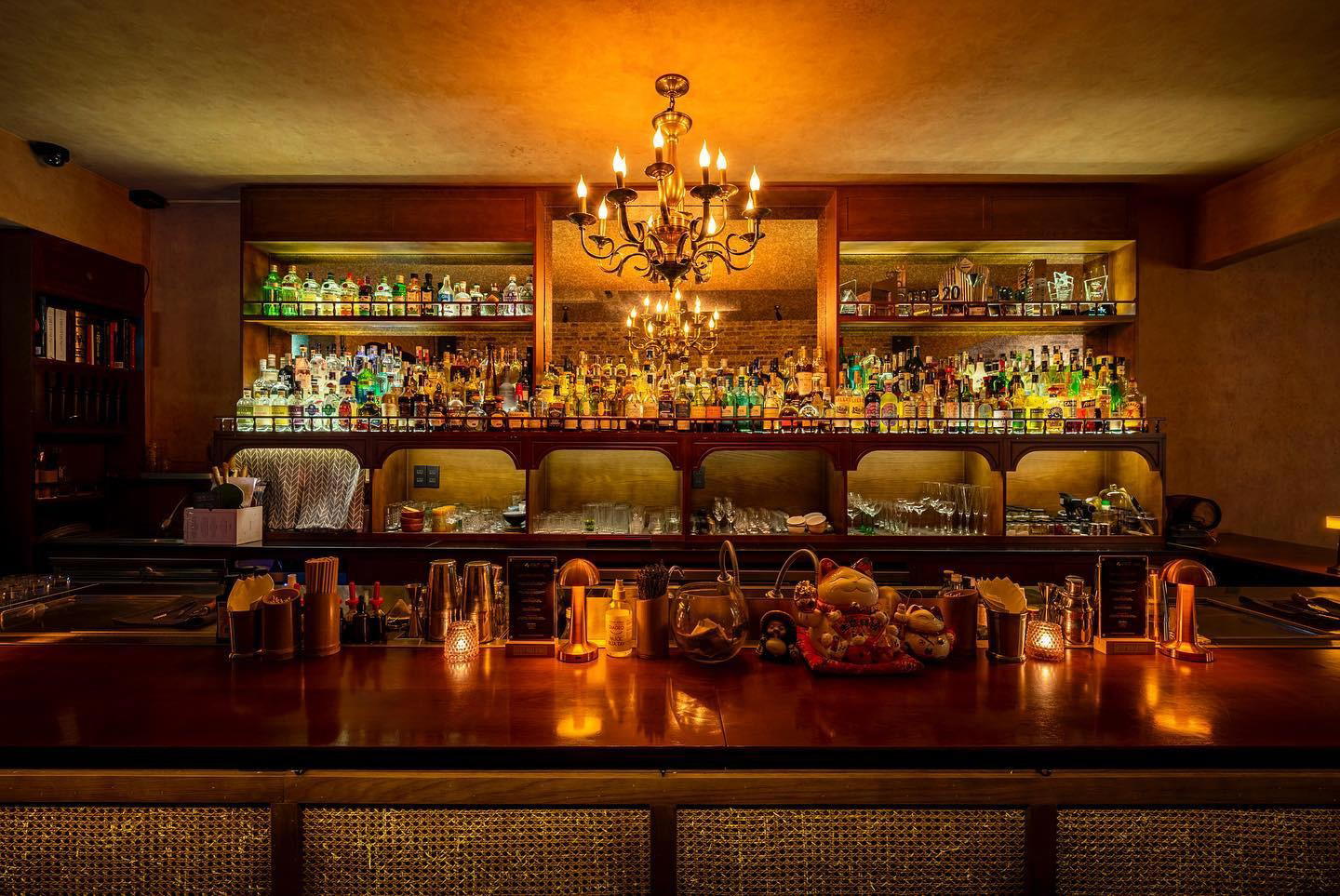
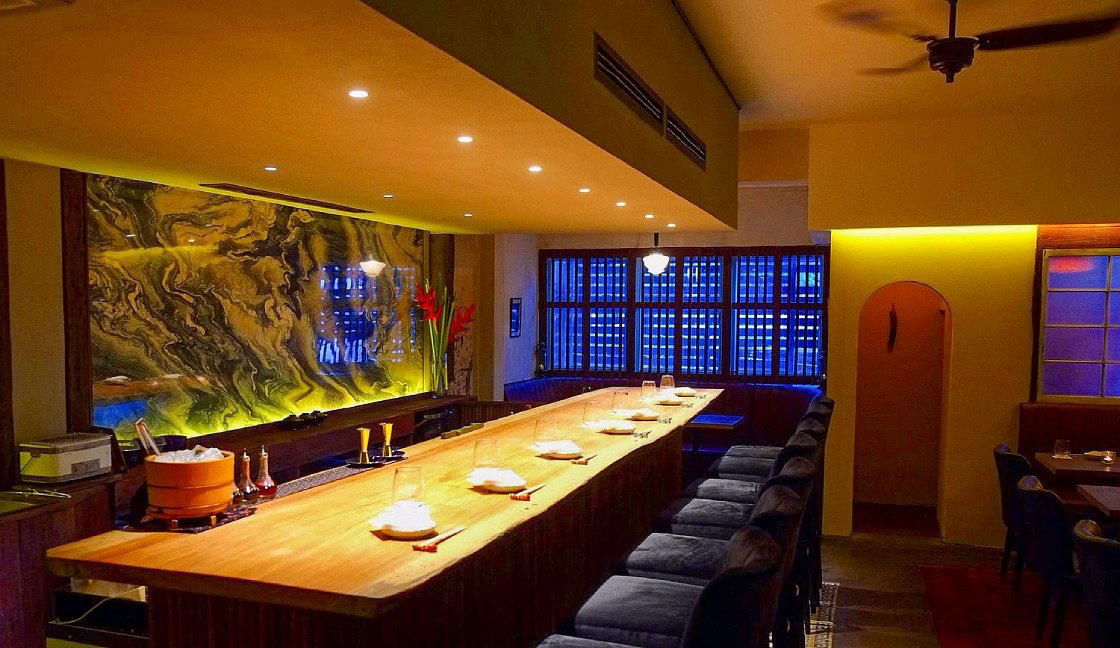
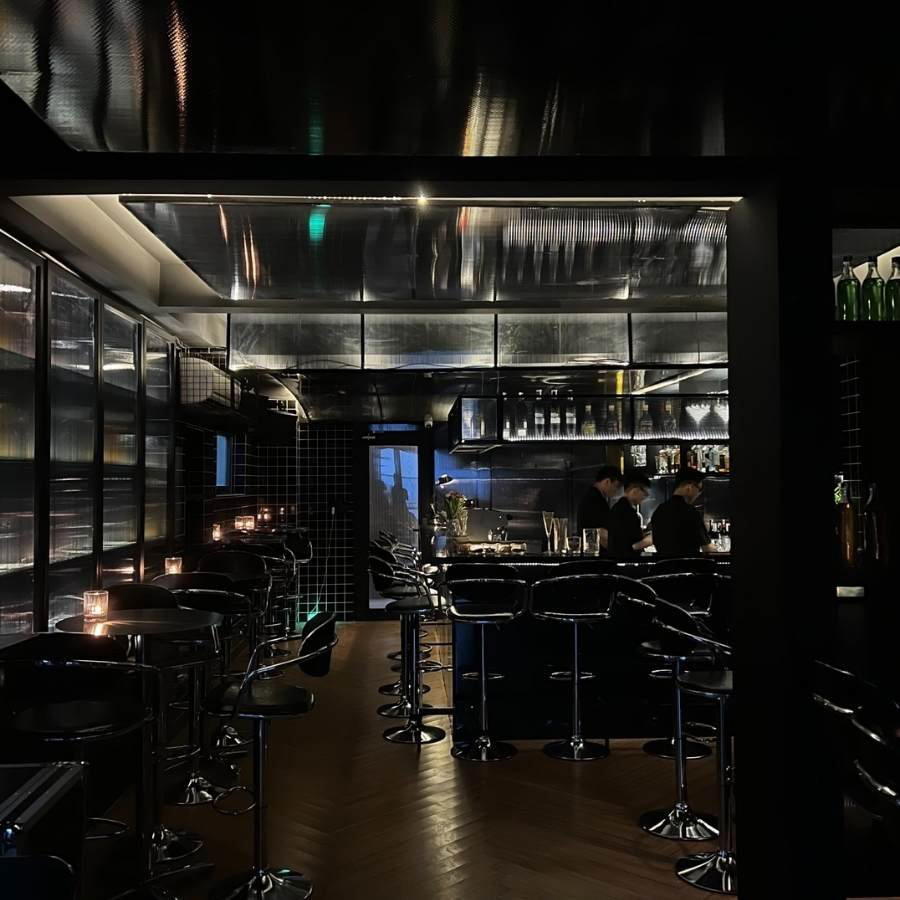
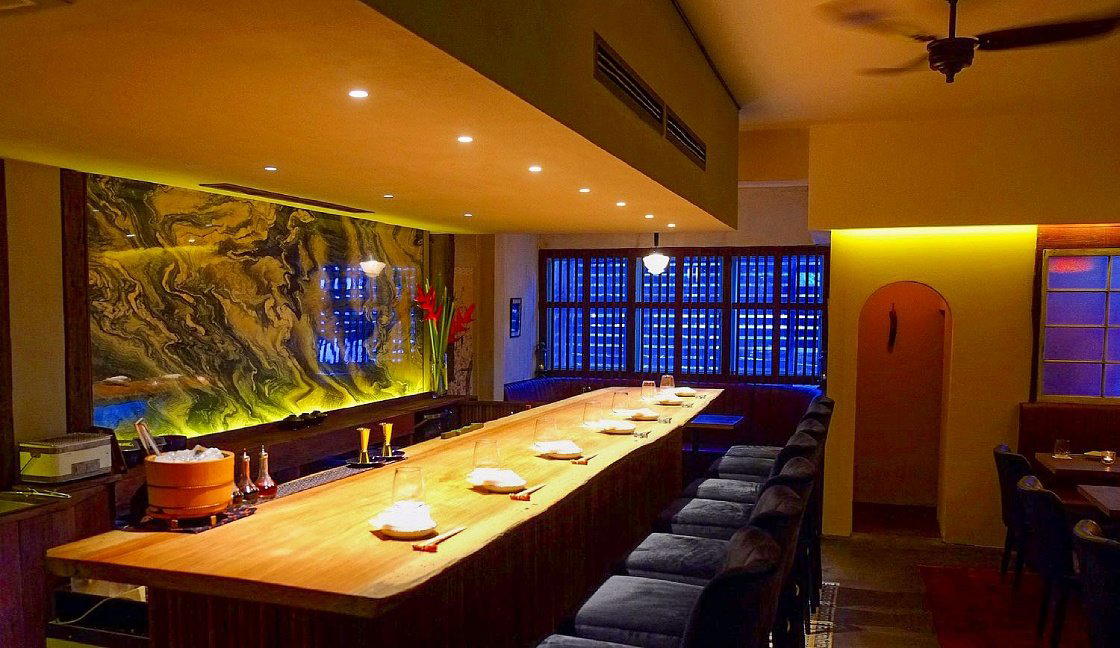
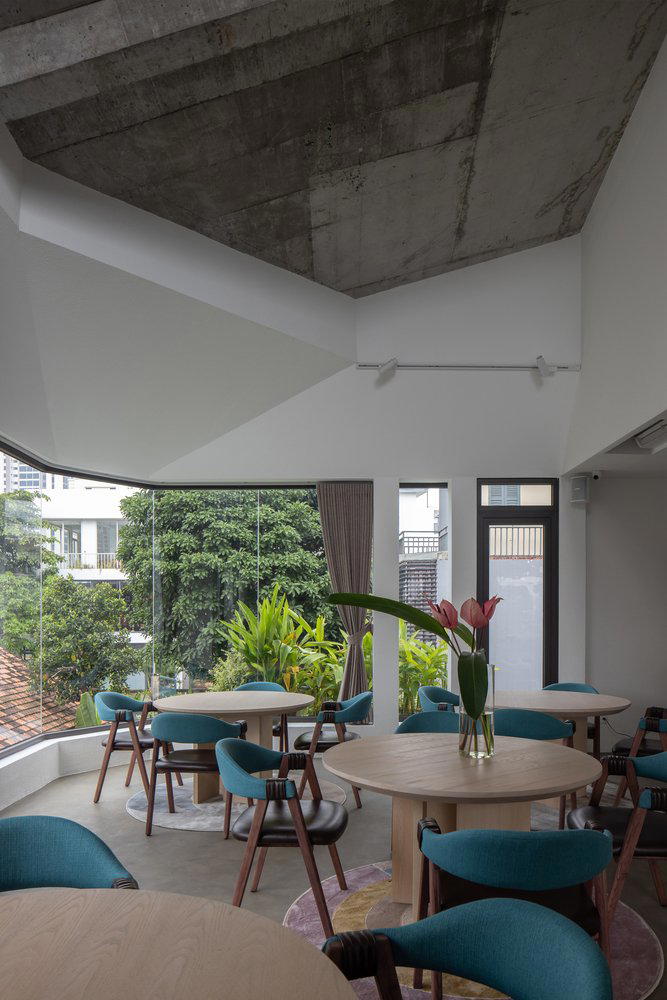
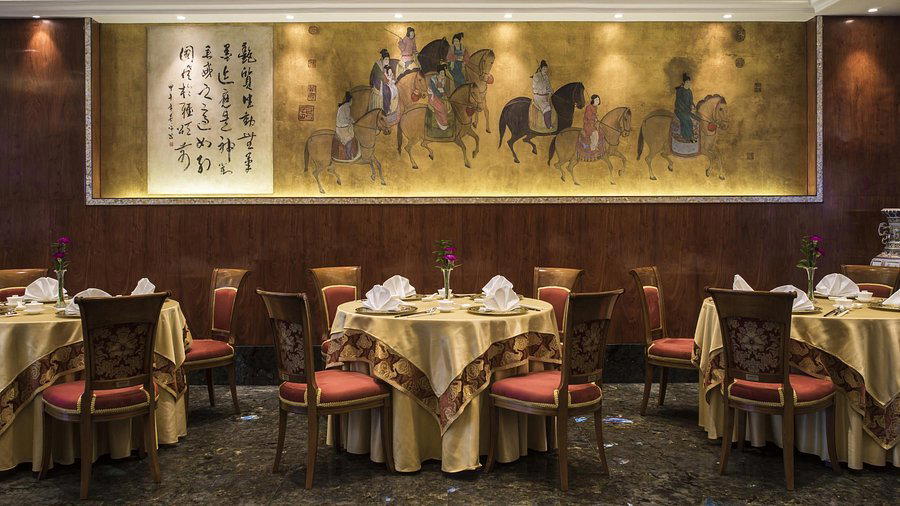
Planned as a high-end urban retreat with refined, contemporary Nobu styling in a mixed-use tower, featuring sleek Japanese-influenced design and an exclusive rooftop pool environment.