Mövenpick Hotel Gdynia belongs to a coastal city where hotel design is shaped by port infrastructure, modernist streets, and the Baltic’s working waterfront rather than resort theatre.

Pearl is the En Primeur Club membership app, where members save venues, book tables and use the concierge.
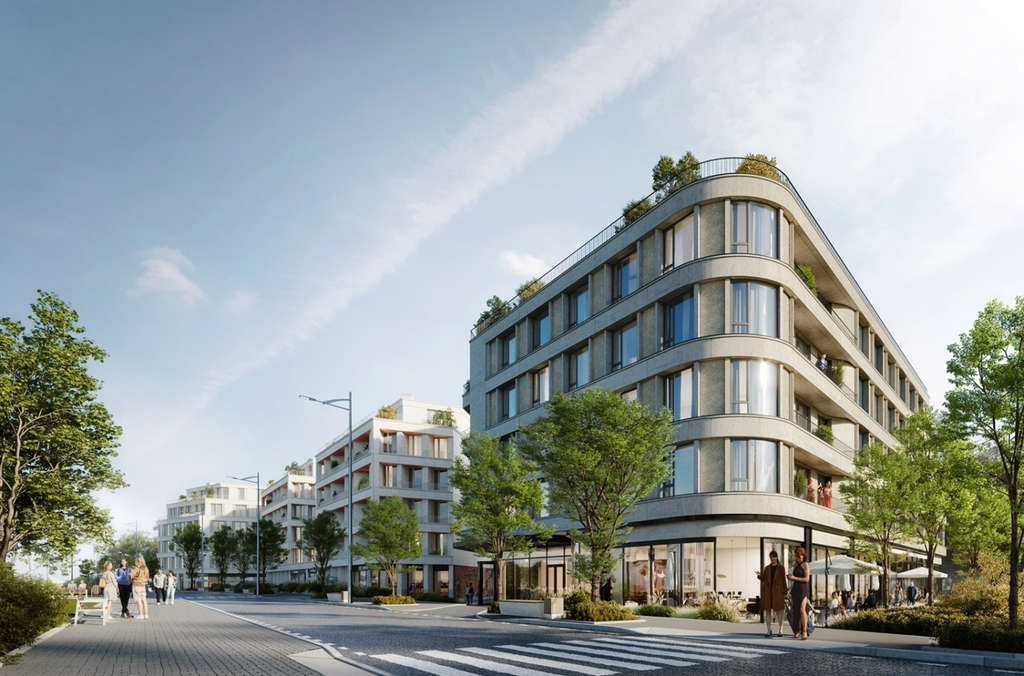
Gdynia's hotel character begins with the waterfront
Approaching a hotel in Gdynia is different from arriving in Poland’s older tourist cities. The city does not trade primarily on medieval squares or royal avenues; its visual grammar is maritime, interwar modernist, and practical. The port, the sea-facing promenades, the clean lines of central streets, and the scale of post-1920s urban planning give hospitality here a more functional coastal identity than the theatrical heritage mood found in Kraków or Warsaw. In that setting, Mövenpick Hotel Gdynia has to be read less as an isolated address and more as part of a Baltic city where architecture, weather, transit, and sea proximity shape the guest experience before any restaurant menu or room category enters the conversation.
This matters because the premium hotel decision in Gdynia is rarely about spectacle alone. The city sits in the Tricity orbit with Gdańsk and Sopot, but it has its own rhythm: port business, sailing culture, summer visitors, conference traffic, and Polish domestic leisure all overlap. A hotel here needs to make sense in daylight, in wind, in off-season grey, and during the busier coastal months.
For readers comparing local options, EP Club’s broader city coverage is the useful frame. Start with Our full Gdynia hotels guide for the accommodation set, then cross-check the surrounding food and drinking scene through Our full Gdynia restaurants guide and Our full Gdynia bars guide. Gdynia is not a city where a hotel can be judged solely by lobby polish; the surrounding streets, transit patterns, waterfront access, and restaurant depth matter just as much.
Design in Gdynia is about restraint, not palace nostalgia
Poland’s luxury hotel scene divides into several clear architectural families. There are restored palace and townhouse properties, contemporary urban hotels, lake and mountain retreats, and coastal properties that have to account for wind, light, and seasonal demand. Gdynia’s strongest architectural identity comes from modernism rather than aristocratic restoration. The city grew rapidly in the interwar period as Poland’s maritime gateway, and that history created a preference for clean forms, civic scale, and seafront pragmatism. A hotel operating under an international name in this context is judged against a different design standard from a castle hotel or a grand Old Town conversion.
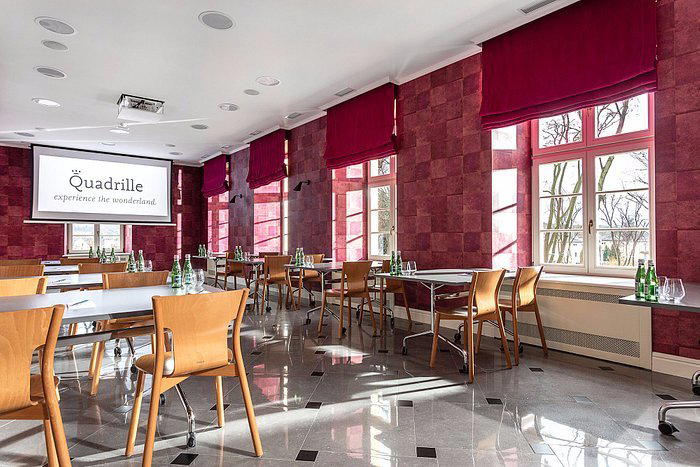
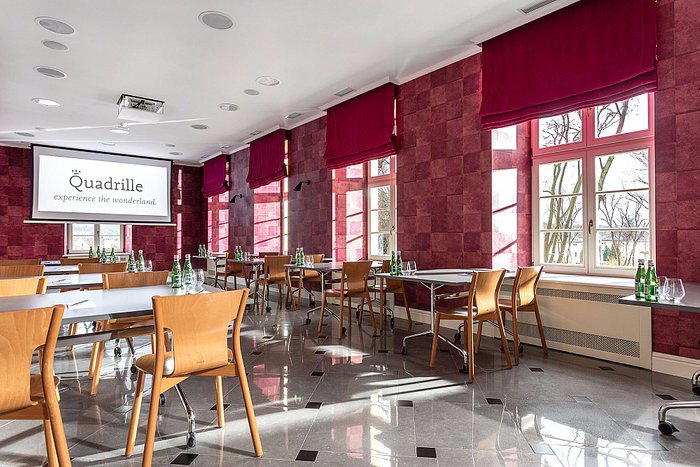
That distinction is useful when comparing it with other Polish properties in the EP Club network. Quadrille gives Gdynia another accommodation reference point, while restored urban addresses such as Hotel Altus Palace in Wrocław, Hotel H15 Francuski Old Town in Kraków, and Mamaison Hotel Le Regina Warsaw in Warsaw belong to cities where historic fabric shapes the hospitality script. Gdynia asks a different question: how well does a hotel handle a coastal city built around movement, sea air, and modern urban planning?
That is why architecture and atmosphere carry particular weight here. In a palace hotel, inherited grandeur can do much of the emotional work. In a Baltic port city, the building has to negotiate openness, scale, weather, and practical circulation. The dining experience, if present, should also be understood through this lens: hotel restaurants in coastal Polish cities often need to serve multiple audiences, from guests and business travellers to local diners during the summer season. The better point is structural: a hotel dining room here succeeds when it supports the city’s day-to-night movement rather than pretending to be detached from it.
The competitive set: coastal Poland, not only Tricity convenience
Gdynia benefits from its place inside the Tricity, but it should not be collapsed into Gdańsk or Sopot. Gdańsk carries the historic-city appeal, Sopot carries the resort promenade association, and Gdynia offers a sharper maritime-modernist profile. That makes hotel choice more strategic. Travellers using the city for business or ferry-linked movement may value efficiency and access. Leisure travellers may be comparing Baltic atmosphere, beach proximity, design, and restaurant options across the wider coast. The same property can read differently depending on which of those trips is being planned.
Hilton Gdansk in Gdańsk sits in the older port-city register, while Zamek Łeba in Łeba, Grano Hotel Solmarina & Apartments - SPA & Wellness in Wiślinka, and Cisowy Zakątek in Sasino point toward the broader Baltic and northern Poland leisure conversation. Those comparisons are not interchangeable, but they clarify the decision. Gdynia is the choice for travellers who want a working coastal city rather than a purely resort address.
Some hotel pages give immediate hierarchy through Michelin Keys, national classifications, brand categories, or published nightly rates. That means travellers should treat positioning as something to verify through current room categories, cancellation terms, restaurant availability, and direct hotel information rather than assuming a level from the brand name alone. In a city with seasonal swings, that caution has practical value.
Dining expectations should be set by the city, not by assumptions
Gdynia’s restaurant culture is shaped by the coast, but serious eating in the city is not reducible to fish platters and sea views. The wider Tricity dining scene has become more ambitious over the past decade, helped by domestic travel, design-conscious hotels, specialty coffee, wine bars, and chefs who can draw from both Polish ingredients and international technique. A hotel restaurant in this environment competes not only with other hotels but with independent dining rooms scattered across Gdynia, Sopot, and Gdańsk.
That prevents any responsible claim about a tasting menu, breakfast format, bar program, or house style. The editorial conclusion is therefore about method: treat the hotel’s food and drink offer as one part of a city plan rather than the automatic centre of the trip. Use Our full Gdynia restaurants guide to map meals beyond the hotel, Our full Gdynia bars guide for evening structure, and Our full Gdynia experiences guide for the cultural side of the itinerary. If wine is part of the trip planning, Our full Gdynia wineries guide provides the relevant local index, though Poland’s wine conversation should be assessed region by region rather than assumed from one coastal city page.
The key comparison is between self-contained hotel stays and city-led stays. In some destinations, the hotel restaurant defines the evening. In Gdynia, the stronger approach is to let the city set the pattern: daytime waterfront, dinner chosen by neighbourhood and kitchen style, then a return to accommodation that functions well in the coastal setting.
How it compares with Poland's design-led hotel map
Poland’s hotel scene has become more varied than the old split between chain properties and historic grand hotels. Design-led addresses in Poznań, Łódź, Toruń, Katowice, mountain towns, and lakeside regions show how different cities use architecture to tell different stories. PURO Poznań in Poznań and PURO Łódź Centrum in Łódź point toward contemporary urban hospitality. Copernicus Toruń Hotel in Torun operates in a smaller historic city context. Hotel Monopol Katowice, Likus Hotels in Katowice sits inside an industrial and cultural city with a different architectural charge.
Resort and retreat properties create another axis. Heron Live Hotel in Sienna, Galery69 in Warmian Masurian, Jaskolka Dom i SPA in Szklarska Poręba, and Villa Nova in Zakopane speak to lake, mountain, and small-destination hospitality, where setting can dominate the stay. Pałac Ciekocinko Hotel Resort & Wellness in Ciekocinko brings the country-estate model into the comparison. Against those categories, Gdynia’s proposition is urban-coastal rather than retreat-driven.
International comparisons sharpen the point. The Fifth Avenue Hotel in New York City belongs to a dense metropolitan design conversation; Hôtel de Paris Monte-Carlo in Monte Carlo carries the codes of Riviera grandeur; Badrutt's Palace Hotel in St. Moritz is tied to Alpine seasonality and social ritual. Gdynia is quieter in its symbolism. Its design interest comes from how a hotel participates in a maritime city built for movement rather than from inherited ceremony.
Planning the stay: what to verify before committing
Seasonality also matters. Gdynia changes character between summer coastal travel and colder months when port business, conferences, and local life are more prominent. In warmer periods, accommodation demand across the Tricity can tighten, especially when visitors move between Gdańsk, Sopot, and Gdynia for events, beach time, or weekend dining. In quieter months, the design and operational comfort of the hotel become more important than resort energy. A city-facing hotel needs to work when the Baltic weather is plain and the day ends early.
Formality should be read cautiously. Gdynia’s broader hospitality culture tends to reward polished practicality over ceremonial performance, especially outside gala or corporate contexts. Travellers should match attire to their own plans in the city and verify any restaurant or event requirements separately.
How It Compares
Comparable venues nearby, for context on price, style, and recognition.
| Venue | Cuisine | Price | Awards | Notes |
|---|---|---|---|---|
| Mövenpick Hotel GdyniaThis venue (the venue you are viewing) | Premium Swiss-brand urban waterfront hotel integrated into a new mixed-use complex with residences at the Gdynia marina. | Not listed | Not listed | Not listed |
| Quadrille | Luxury boutique palace hotel with contemporary restoration; member of Relais & Châteaux since 2017; positioned as an exclusive, design-forward retreat. | $100–200 | 2 Michelin Keys · Relais Chateaux Award | Orłowo |
| "Róże i Zen" Apartamenty. Pokoje Gościnne | stylish historic apartments | Not listed | Not listed | Stare Miasto |
| Colette - LoftAffair Collection | Boutique design hotel blending apartment comfort with hotel service in a bourgeois house style. | $100–200 | Michelin Selected | Srodmiescie |
| Prize by Radisson, Wrocław | Midscale lifestyle hotel with a functional, social, adaptive-use design positioned for city stays. | Not listed | Not listed | Sky Tower |
| Cisowy Zakątek | Modern design bungalows in forested retreat | $100–200 | Michelin Selected | Sasino |
Continue exploring
More in Gdynia
Hotels in Gdynia
All hotels in Gdynia →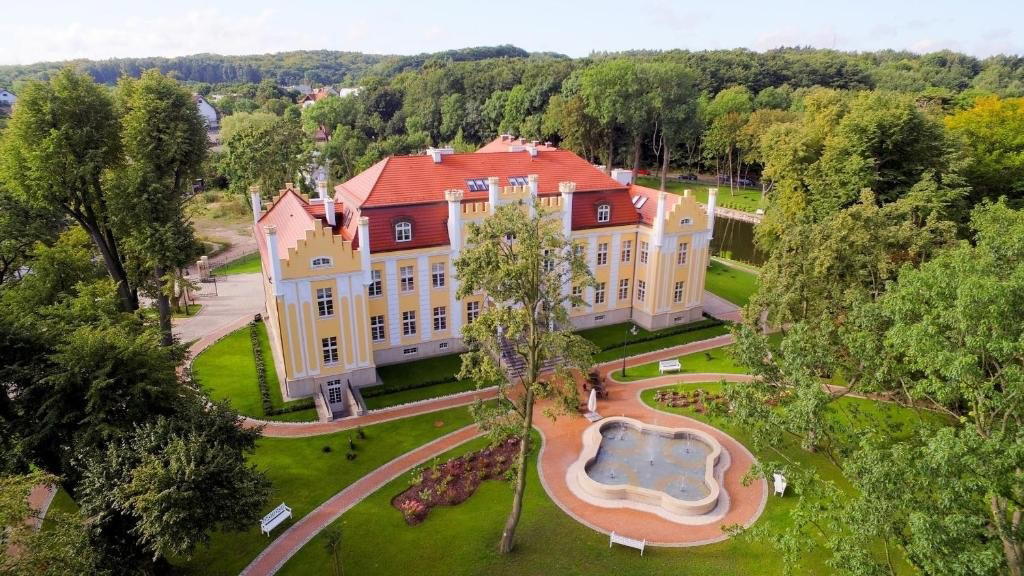
Details
- Modern
- Scenic
- Elegant
- Business Trip
- Weekend Escape
- Group Retreat
- Celebration
- Waterfront
- Panoramic View
- Pool
- Spa
- Business Center
- Waterfront
Planned as a premium Swiss-brand property that nods to Gdynia’s modernist architectural identity, combining contemporary design with a coastal waterfront setting attractive to both business and leisure travelers.