Paris luxury hospitality is increasingly shaped by heritage houses, restored addresses, and brand-led residences that treat place as cultural capital.
Pearl is the En Primeur Club membership app — saves, bookings, and concierge access live there. Same editors, same standards.
- Address
- 107 Av. des Champs-Élysées, 75008 Paris, France
- Website
- louisvuitton.com
- Directions
- Get directions
 Saves & bookings on Pearl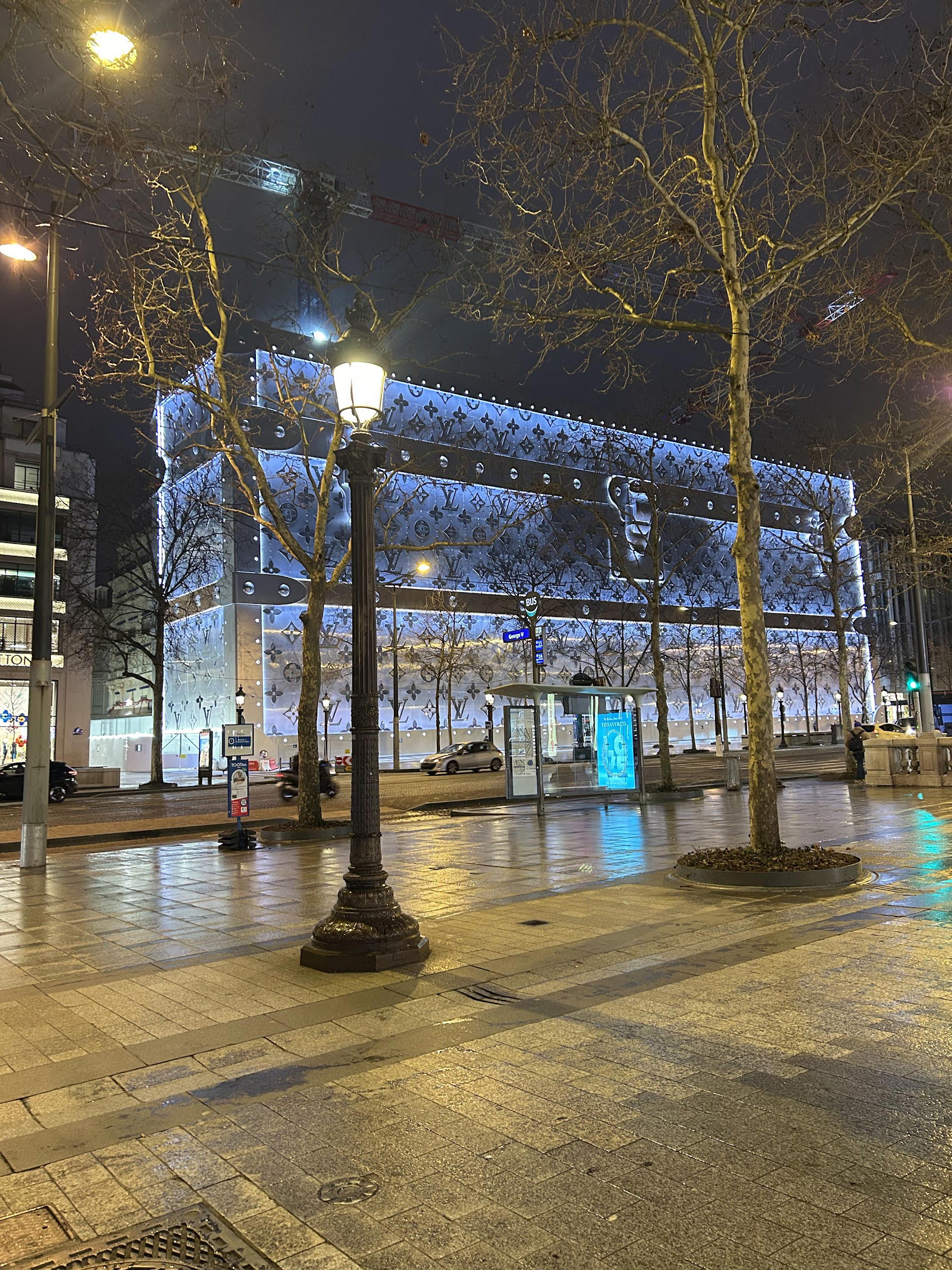
Paris, heritage, and the hotel as cultural signal
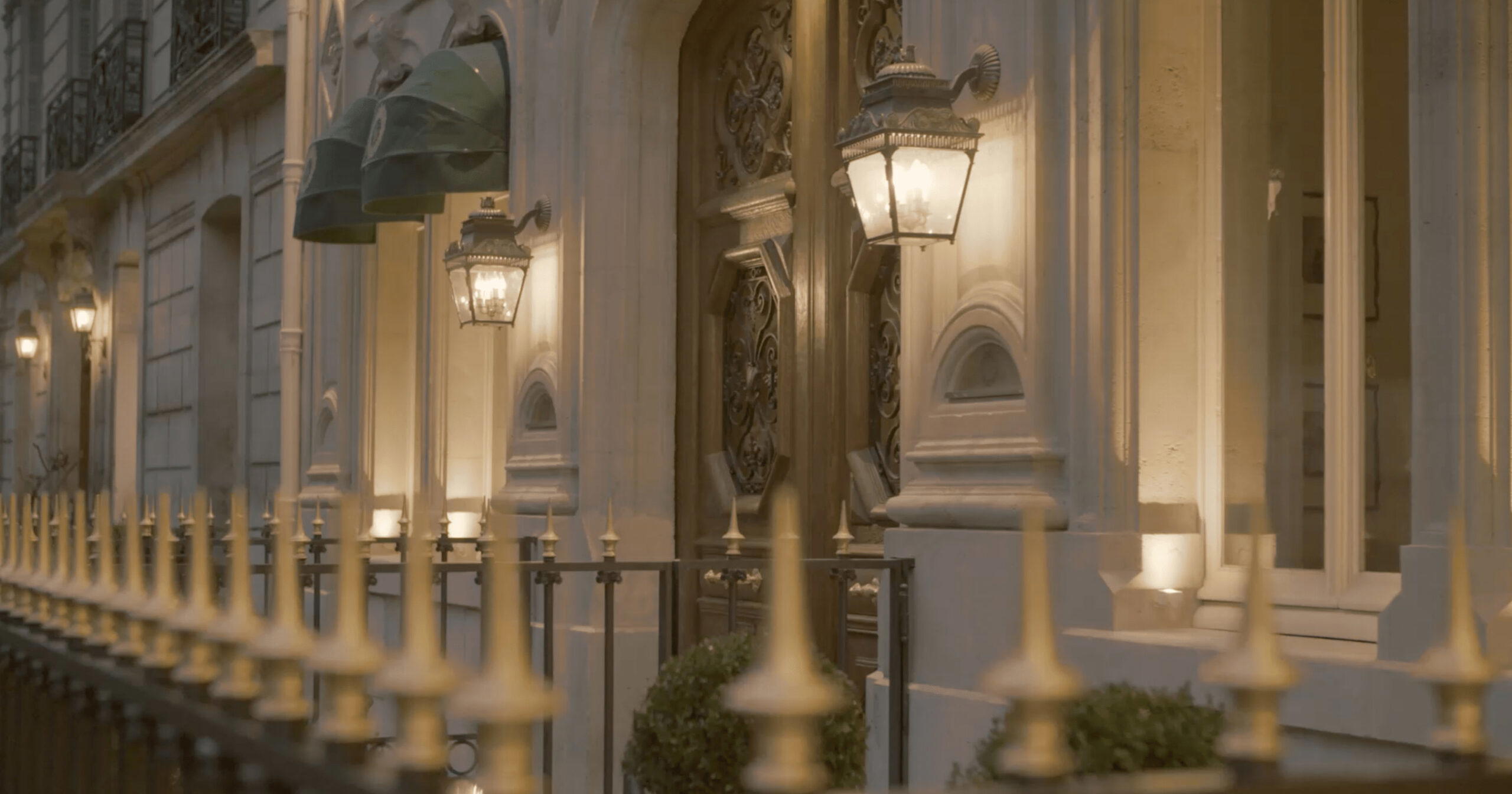
Approaching a major Paris luxury hotel is rarely just an arrival. The city has trained travellers to read façades, arcades, courtyards, door staff, marble thresholds, and river-facing windows as part of a wider social language. In Paris, hotels do not merely sell rooms; they occupy addresses with memory. Palace hotels, fashion-house residences, restored private mansions, and Left Bank hideaways all compete through architecture and provenance as much as service. Louis Vuitton Hotel enters that conversation through a name tied to French luxury and a city that understands brand heritage with unusual precision.
That absence matters. Paris is a market where detail separates a true palace contender from a branded concept, a private residence, or a future project.
The Paris hotel tradition it would join
Paris luxury has long been built around two overlapping ideas: address and ritual. The Right Bank grand hotels established the language of formal arrival, uniformed service, couture-adjacent clientele, and dining rooms that double as civic stages. The smaller private-house properties introduced a counterpoint: discretion, fewer keys, residential interiors, and a slower style of service. The current market adds a third force, the luxury brand hotel, where fashion, retail, design, and hospitality are folded into a single urban experience.
That context explains why Louis Vuitton Hotel attracts attention even before verified practical information is available. In Paris, a hotel linked to a heritage maison is not simply another lodging option; it signals a shift in how luxury houses use the city. The comparison set is not budget lodging or generic five-star inventory. It is the circle of properties where historical buildings, art programs, culinary partnerships, and high-service operations define the room rate.
Heritage is the real battleground
The assigned story here is heritage, and Paris gives that word sharper edges than other capitals. A London hotel may lean on club culture; a New York hotel may trade on scene and velocity. Paris expects continuity. A credible luxury address must explain its relationship to the city’s built fabric, its craft traditions, and its patterns of social use. That is why the strongest Paris hotels tend to be read through their buildings before their amenities: who occupied the address, how the interiors were restored, how public rooms connect to the street, and whether the property contributes to a quartier rather than treating it as decoration.
Those omissions prevent any responsible claim about historical significance. The editorial point is narrower and firmer: in Paris, the Louis Vuitton name would place any hotel project under unusual scrutiny because the maison itself carries heritage weight. Guests will not judge it only against hotel brands; they will judge it against the standards of French craft, retail theatre, and the city’s established palace culture.
How brand hotels changed the luxury conversation
The rise of fashion-adjacent hotels has changed the way travellers evaluate luxury. A conventional grand hotel asks whether service, rooms, food, and location justify the rate. A brand-led hotel adds another question: does the hospitality experience deepen the house identity, or merely attach a logo to expensive real estate? Paris is unforgiving on this point. The city has enough established hospitality craft that branding alone carries limited editorial value.
This is where comparison helps. Four Seasons George V competes through grand-hotel scale and a global service vocabulary. Le Meurice sits in the palace lineage where public rooms and historic association carry weight. Cheval Blanc Paris demonstrates how a luxury group can turn a major Paris building into a contemporary hospitality statement. It can, however, be understood as part of the same broader movement: luxury maisons treating hospitality as an extension of cultural presence.
What can be verified, and what cannot
No awards are listed. No star rating is listed. No address is listed. No phone number, website, hours, room count, suite information, restaurant data, chef name, cuisine type, price range, or booking method is listed. In a market crowded with speculation, those absences are not clerical trivia; they are editorial guardrails.
That means several common travel-page claims are off limits. There is no basis here to describe a lobby, a suite, a restaurant, a bar, a spa, a view, a service ritual, or a room category. There is also no basis to call the hotel open, closed, forthcoming, private, palace-rated, or award-winning unless fresh verified data is added to the record. The reliable conclusion is that Louis Vuitton Hotel is a Paris hotel entry with insufficient operational detail for rate, access, and amenity guidance.
Paris context for travellers weighing alternatives
When data is limited, the practical decision shifts from selecting the named property to understanding the Paris luxury field around it. Travellers who want the capital’s formal grand-hotel mode generally compare the Avenue Montaigne, Rue du Faubourg Saint-Honoré, the Louvre-Rivoli axis, and the 8th arrondissement palace cluster. Travellers who prefer a private-house rhythm look at smaller properties with fewer rooms and a more residential atmosphere. Those who want a full cultural itinerary often combine hotel choice with restaurants, bars, museums, and retail by arrondissement rather than by brand name alone.
EP Club’s Paris coverage can help build that wider frame. For lodging comparisons, start with Our full Paris hotels guide. Dining decisions belong in Our full Paris restaurants guide, especially because hotel restaurants and independent dining rooms compete for the same evenings. Cocktail planning sits in Our full Paris bars guide. Wine-led itineraries can use Our full Paris wineries guide, while cultural formats and private programming are better mapped through Our full Paris experiences guide.
The palace benchmark
That benchmark matters because it shapes expectations for space, service, food and beverage, wellness, and historical setting. In the luxury tier, being expensive is not enough; the property must justify its place against addresses with operating depth and public recognition.
That is why existing Paris references remain important. Hotel Plaza Athénée is tied to couture geography on Avenue Montaigne. Le Bristol Paris represents a long-running palace style with garden-house codes. Hôtel de Crillon brings Place de la Concorde history into the comparison. La Réserve Paris occupies the smaller, residential end of the luxury spectrum. Without verified awards or ratings for Louis Vuitton Hotel, these properties supply the reader’s clearest operating benchmarks.
Beyond Paris: how French luxury hotels frame the expectation
France’s luxury-hotel culture is not confined to the capital. Paris sets the tone for fashion, art, and ceremonial service, but regional properties define other forms of status: Riviera seasonality, Provençal estates, Champagne country weekends, Alpine winter service, and château hospitality. Comparing them clarifies what Paris does differently. The capital compresses heritage and urban access; the regions tend to stretch luxury into landscape, cellar, coast, or mountain rhythm.
For that broader French frame, Hotel Du Cap-Eden-Roc in Cap d'Antibes anchors the Riviera grand-hotel tradition, while The Maybourne Riviera in Roquebrune-Cap-Martin reflects a more contemporary coastal model. Inland, La Bastide de Gordes in Gordes and Villa La Coste in Le Puy-Sainte-Réparade show how Provençal architecture and art-led hospitality create a different register. In wine country, Royal Champagne Hotel & Spa in Champillon and Domaine Les Crayères in Reims place cellar culture closer to the centre of the stay.
Seasonality and timing in Paris
Season changes the way Paris hotels are used. Spring and early autumn bring high demand from cultural travel, fashion calendars, fairs, and long-weekend itineraries. Summer can split the city between peak international visitors and the quieter August rhythm when some independent restaurants reduce hours. December shifts the mood toward retail, theatre, and private dining. Any hotel tied to a luxury maison will be assessed differently across those periods, especially if shopping, exhibitions, and appointment-led experiences sit near the core of the stay.
The Louis Vuitton Hotel record does not include an opening calendar, booking window, or seasonal programming, so access guidance cannot be made specific. The sound planning principle is to treat Paris luxury stays as date-sensitive rather than flexible. Major cultural weeks and fashion periods compress availability across the upper tier, and travellers comparing properties should verify booking channels directly once an official website or phone number is available in the record.
Planning notes from the available record
Because no price range is listed, there is no responsible way to position the hotel by nightly rate. Because no website or phone number is listed, EP Club cannot provide a booking path. Because no suite inventory is listed, room hierarchy cannot be described.
For now, the practical advice is conservative: compare confirmed Paris properties first, then revisit Louis Vuitton Hotel once address, rates, opening status, and reservations data are available. Travellers seeking a heritage-led stay inside Paris can weigh Le Meurice, Four Seasons George V, and Cheval Blanc Paris against the private-house scale of La Réserve Paris. If the trip extends beyond the capital, La Réserve Ramatuelle - Hôtel, Spa and Villas in Ramatuelle, Hôtel & Spa du Castellet in Le Castellet, and Four Seasons Megeve in Megève move the conversation toward coast, countryside, and mountain service.
International peers for brand and heritage comparisons
Paris does not operate in isolation. The same traveller comparing a future or sparsely documented Paris luxury address may also be looking at heritage-heavy hotels in other markets. The Fifth Avenue Hotel in New York City offers a useful urban comparison for design-led hospitality in a dense cultural district. Hôtel de Paris Monte-Carlo in Monte Carlo shows how a single address can become shorthand for a principality’s social history. Badrutt's Palace Hotel in St. Moritz belongs to the alpine grand-hotel tradition where winter society and hotel mythology are inseparable.
Those comparisons sharpen the editorial question around Louis Vuitton Hotel. If the record remains limited, it should be treated as a name to monitor rather than a fully assessable hotel choice.
Reputation & Price
Comparable venues nearby, for context on price, style, and recognition.
| Venue | Price | Awards | Notes |
|---|---|---|---|
| Louis Vuitton HotelThis venue — the venue you are viewing | $$$$ | 5-Star | Not listed |
| Elysia | $$$$ | 5-Star | 8th Arrondissement, Champs-Élysées district, Romantic Art de Vivre: a contemporary interpretation of 18th-century French Romanticism within a restored early 1900s Haussmannian mansion, blending historical architecture with refined modern luxury. |
| Hôtel de Sers | $$$$ | 5-Star | 8th arr., Haussmannian mansion blending noble heritage with contemporary design |
| Hôtel Montalembert | $$$$ | 5-Star | Saint-Germain-des-Prés, Chic luxury boutique in the heart of Saint-Germain-des-Prés |
| La Reserve Paris Apartments | $$$$ | 5-Star | 16th arrondissement, Haussmannian luxury serviced apartments with contemporary interiors |
| Le Cinq Codet | $$$$ | 5-Star | 7th arr., Contemporary boutique hotel emphasizing well-being and design |
Continue exploring
More in Paris
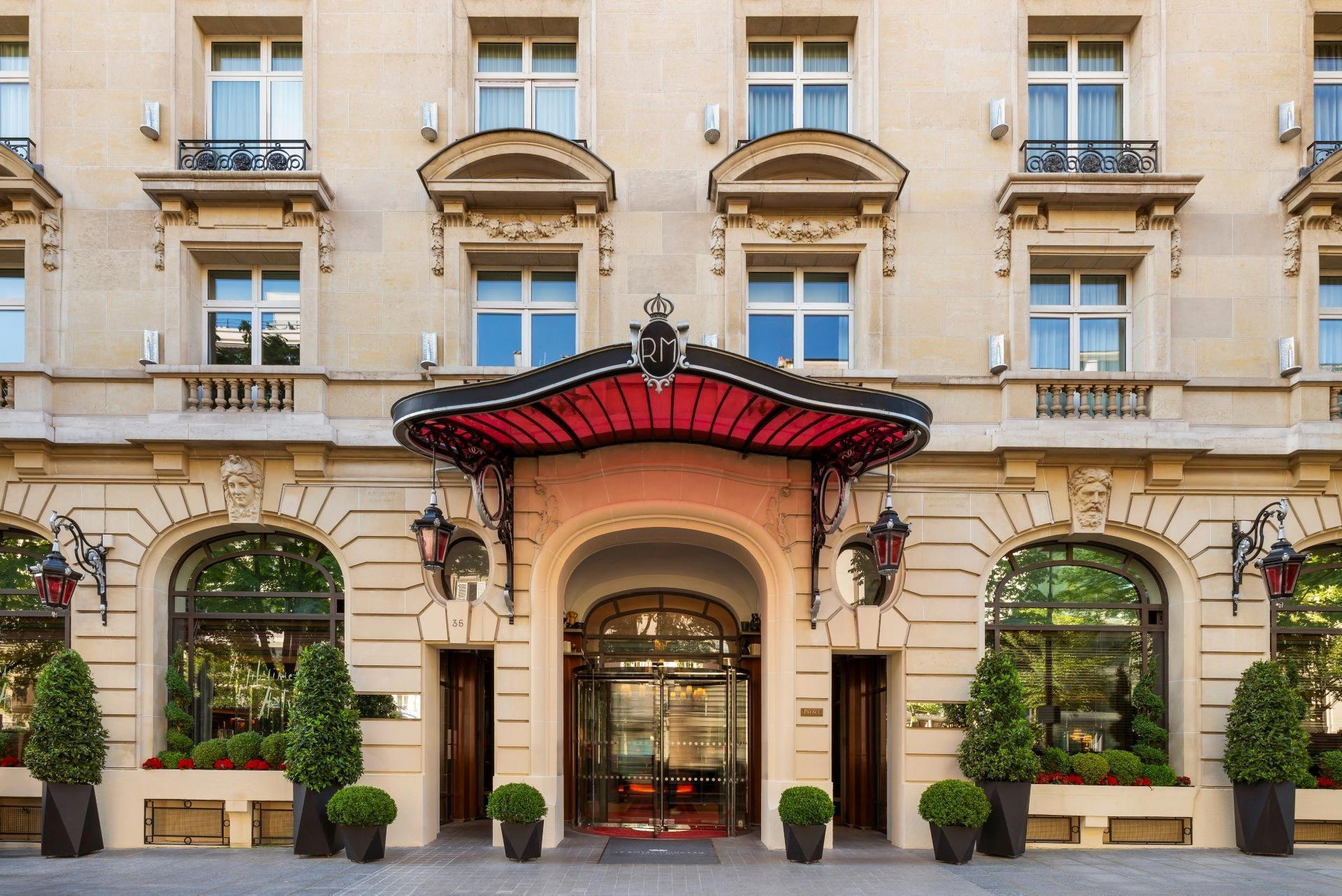
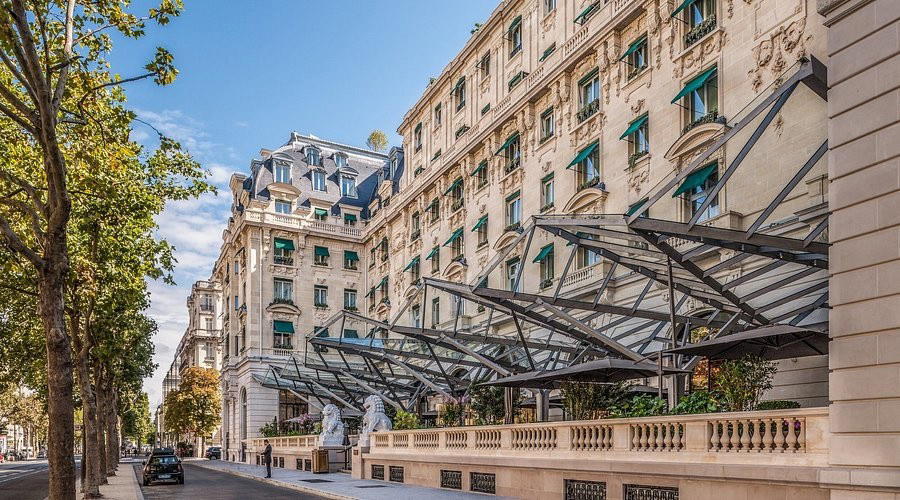
Hotels in Paris
Browse all →
Bars in Paris
Browse all →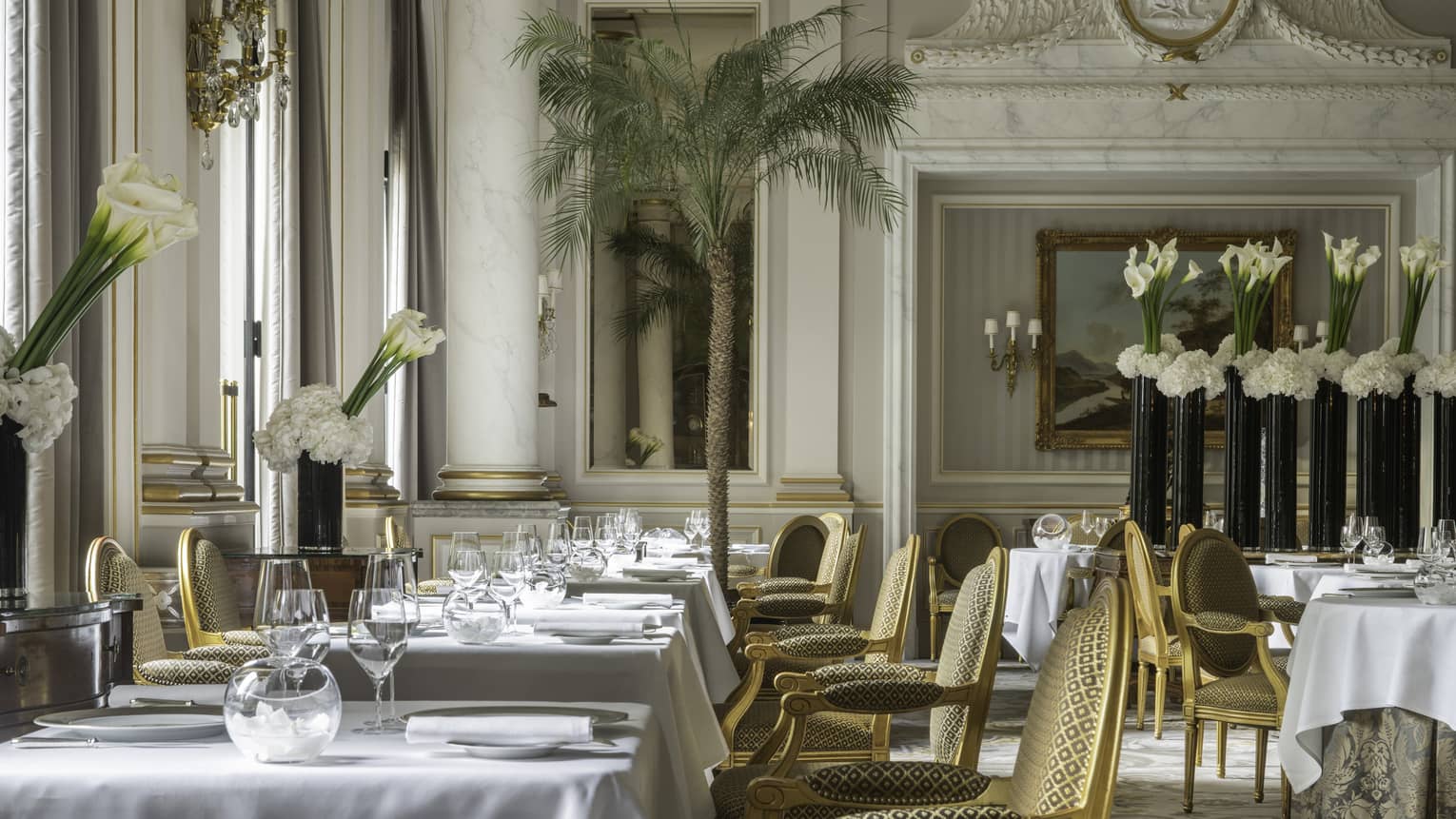
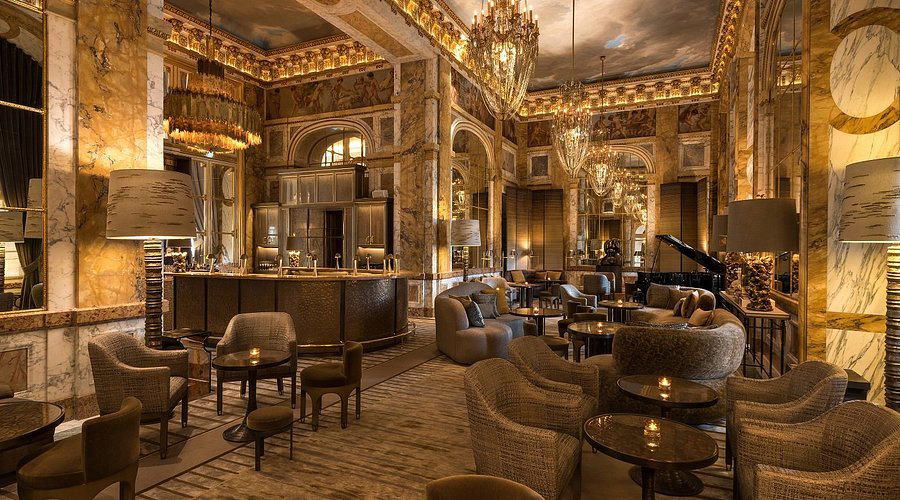
Restaurants in Paris
Browse all →





At a Glance
- Well Known
- Sophisticated
- Elegant
- Ornate
- Romantic Getaway
- Anniversary
- Weekend Escape
- Business Trip
- Celebration
- Design Destination
- Historic Building
- Terrace
- Panoramic View
- Concierge
- Fitness Center
- Spa
- Room Service
- Restaurant
- Bar
- Skyline
- Street Scene
- Concierge
- Fitness Center
- Spa
- Room Service
- Restaurant
- Bar
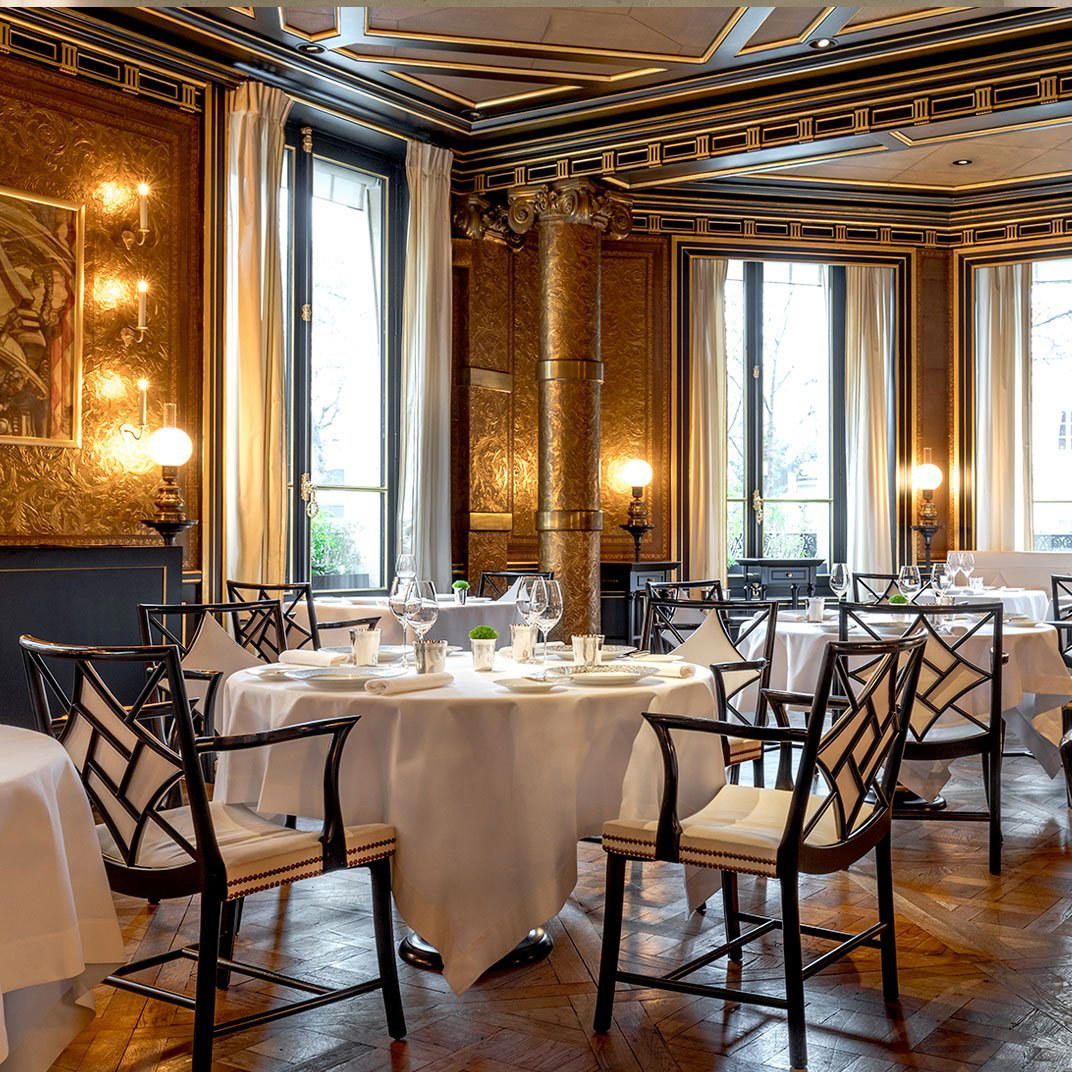
Luxury, fashion-led atmosphere with Parisian elegance, crafted materials, and a highly curated, exclusive feel; press coverage emphasizes light, views, and trunk-inspired design language.
Know Before You Go
- Getting there
- 107 Av. des Champs-Élysées, 75008 Paris, France