Locanda Fontelupa

Michelin Guide New Hotels New Hotel · Michelin Selected
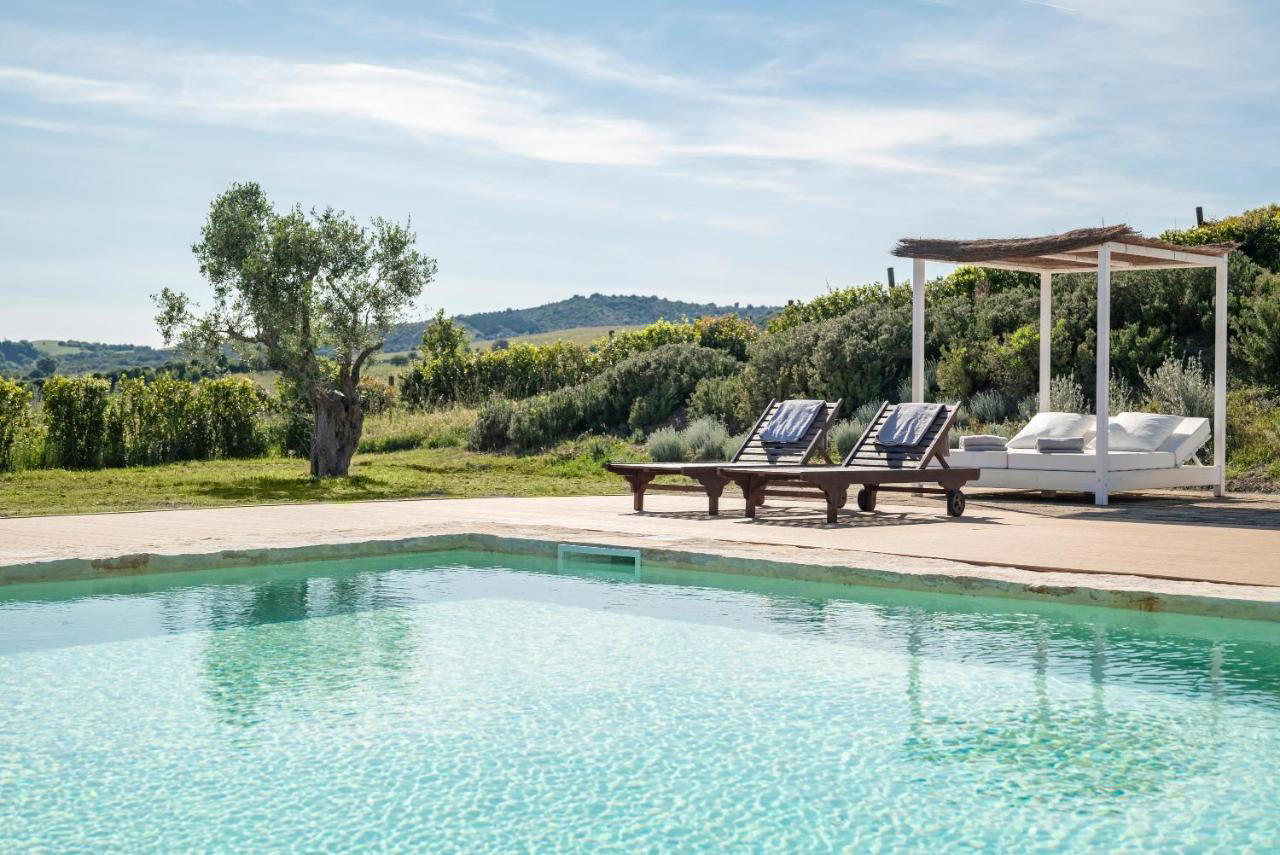
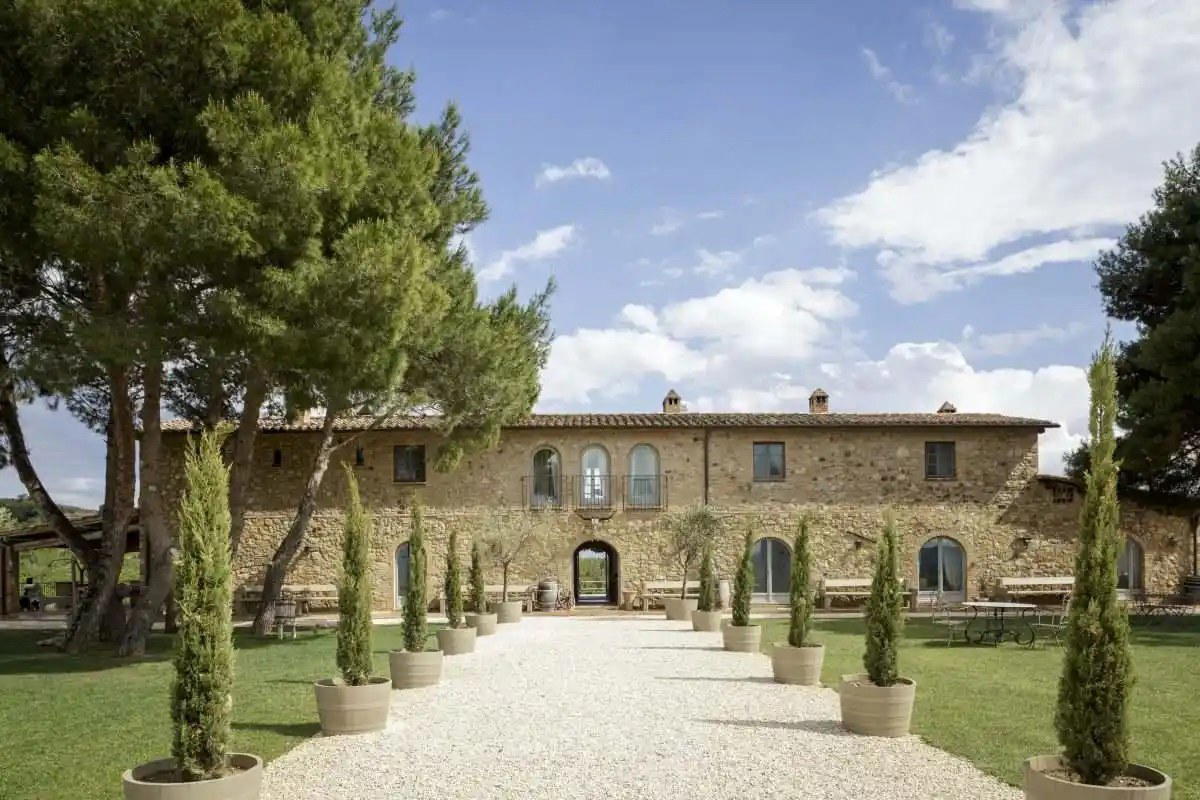
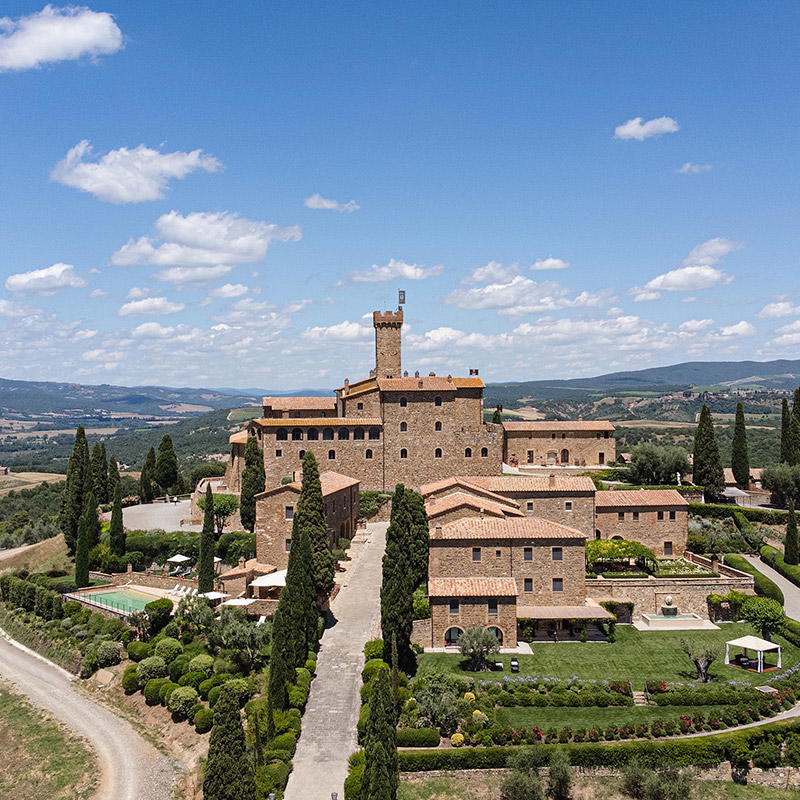
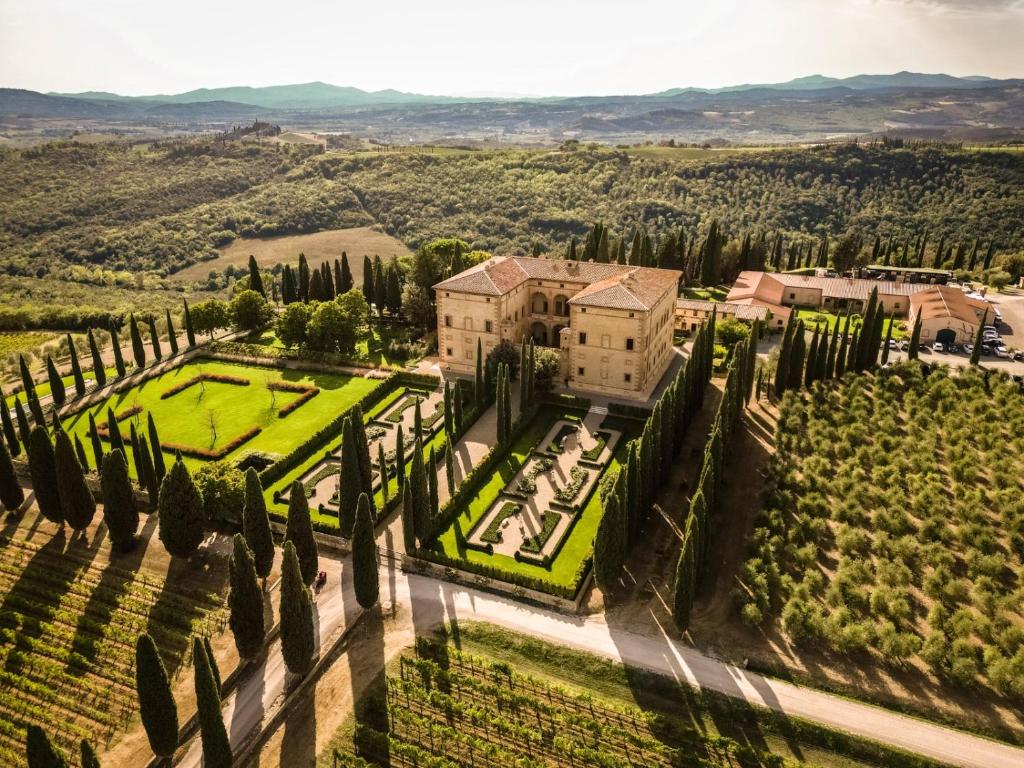
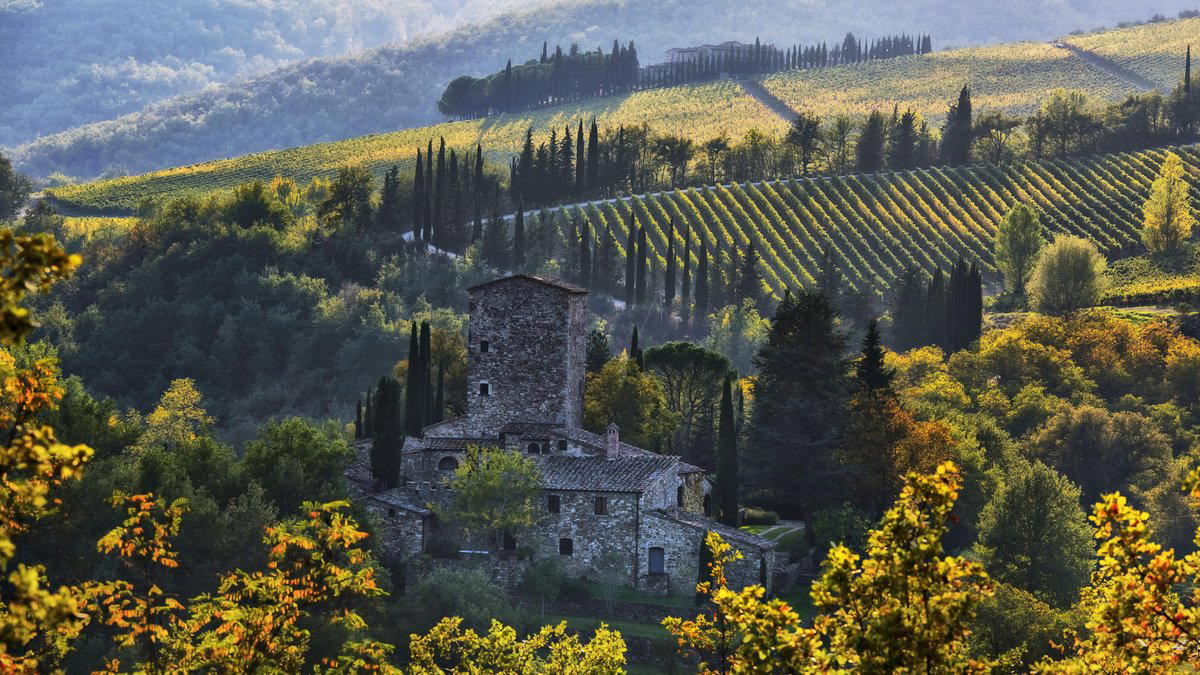
A Michelin Selected locanda set among the agrarian hills of Maremma, Locanda Fontelupa sits at a specific intersection of rural Tuscan heritage and considered hospitality. The property occupies a converted farmstead outside Campagnatico, placing guests well inside the quieter, slower register of southern Tuscany that larger resort operators rarely reach. For travellers who find Chianti too trafficked and the Amalfi coast too performative, this is a credible alternative.

Pearl is the En Primeur Club membership app — saves, bookings, and concierge access live there. Same editors, same standards.
- Address
- Frazione Marrucheti 99, Strada Provinciale delle Conce, Campagnatico, Italy
- Phone
- +393482964503
- Website
- fontelupa.it
- Directions
- Get directions
Arriving in Maremma: The Physical Logic of the Place
Southern Tuscany has spent the past two decades sorting itself into recognisable tiers. At the upper end sit large estate-hotels with international brand backing, the kind of properties where a Sangiovese vineyard is as much marketing asset as agricultural fact. At the quieter end sit smaller, owner-scaled locande and agriturismo conversions that trade on physical setting, architectural restraint, and a pace that larger formats cannot reproduce. Locanda Fontelupa, addressed to Frazione Marrucheti along the Strada Provinciale delle Conce outside Campagnatico, belongs to that second group.
Campagnatico itself is a hill town of modest scale in the province of Grosseto, positioned in the Maremma between the Ombrone river valley and the low ridgeline that separates the interior from the Tyrrhenian coast. The drive from the provincial road into the property communicates something before arrival: agricultural land, not curated parkland; working countryside, not theatrical backdrop. This is the physical argument Locanda Fontelupa makes before a guest steps inside, and it is the one that differentiates the property most cleanly from polished estate operations elsewhere in Tuscany.
Michelin's 2025 hotel selection, which includes Locanda Fontelupa, applies criteria that extend beyond accommodation quality in isolation. Michelin Selected properties are evaluated for character, consistency, and the coherence of the overall guest experience.
Architecture as Argument: What the Building Says About the Region
The converted farmstead format is the dominant architectural mode for premium rural hospitality across Tuscany and Umbria. The approach involves working within existing stone volumes, preserving structural honesty while accommodating contemporary comfort standards. At its worst, this produces a pastiche: exposed beams applied decoratively, stone walls re-pointed to a smoothness no working farm ever achieved. At its finest, the result is something rarer: a building that reads as accumulated rather than designed, where the thickness of walls and the irregularity of floor levels record time rather than budget.
Locanda Fontelupa sits in the Maremma's specific architectural tradition, a region whose rural building stock was shaped by the late nineteenth and early twentieth century land reclamation programmes that transformed malarial marshland into productive agricultural territory. The Maremma farmstead is characteristically heavier and more utilitarian than the Chianti villa, less inclined toward Renaissance symmetry and more toward structural pragmatism. Properties that convert this vernacular well tend to preserve that utilitarian honesty rather than softening it into something more conventionally picturesque.
Locanda Fontelupa operates below that scale register, which concentrates experience differently: fewer guests, a less transactional atmosphere, and a setting that does not require a resort map to interpret.
The Maremma Context: Why This Part of Tuscany Matters
The Maremma occupies an unusual position in Italian travel. It is geographically accessible from Rome, roughly two hours by car, and from Florence in comparable time, yet it has not experienced the saturation that transformed Chianti into a touring circuit during the 1990s and 2000s. The region's relative obscurity is structural: fewer historic wine appellations drawing international buyers, fewer Renaissance towns on the standard northern Italy itinerary, and an agricultural character that prioritised livestock over viticulture until relatively recently.
Morellino di Scansano, the Maremma's most recognised red wine DOCG, has gained ground internationally since the 2000s, and producers in the coastal Bolgheri corridor have attracted critical attention for decades. But the interior, where Campagnatico sits, has remained quieter. For guests seeking the version of Tuscany that existed before the region became a destination in its own right, the Maremma interior delivers it with more consistency than the more trafficked northern zones.
This context shapes the guest profile at properties like Locanda Fontelupa. It is not the traveller working through a standard Italian itinerary who arrives here. It is more typically someone arriving from further along the knowledge curve: a repeat visitor to Italy, or a traveller who has already processed Four Seasons Hotel Firenze and Aman Venice and is now looking for something that does not require a concierge to mediate between guest and place.
Placing Locanda Fontelupa in the Italian Rural Hotel Category
Italy's premium rural hotel market has diversified considerably. At the larger end, branded conversions like Borgo Egnazia in Savelletri di Fasano and Castello di Reschio in Lisciano Niccone have established a high-investment template for the category, with full amenity stacks and marketing reach that drives international awareness. Smaller properties compete differently: on intimacy, on the specificity of their location, and on the coherence between setting and hospitality style.
Properties like Castel Fragsburg in Merano and Corte della Maestà in Civita di Bagnoregio demonstrate the range of formats operating in this smaller-scale tier across different Italian regions. What holds them together is a shared reliance on place as the primary offer, with hospitality service acting as facilitation rather than performance. Locanda Fontelupa's Michelin Selected status signals that it has met that baseline of coherence and consistency that the category requires.
Planning Your Stay: Practical Orientation
Campagnatico is reached most practically by car. The nearest major rail junction is Grosseto, roughly twenty kilometres to the southwest, from which local road connections cover the remaining distance to Frazione Marrucheti. Guests flying into central Italy typically use either Rome Fiumicino or Florence's Amerigo Vespucci airport; both are manageable in under three hours by road. The Maremma's most productive travel season runs from late April through early June, before inland temperatures push into summer heat, and again in September and October when the light softens and harvest activity adds texture to the landscape.
For travellers constructing a longer Italian itinerary that combines the Maremma with other regions, logical extensions include the Montalcino corridor to the north, the Etruscan Coast to the west, and a southern arc toward Rome. Properties that sit at different points along comparable rural-to-urban Italian hospitality spectrums include Il Pellicano in Porto Ercole, roughly an hour to the south, and Bulgari Hotel Roma for the urban counterpoint. For those who want to stay within the slower register of Italian rural hospitality and extend further north, Casa Maria Luigia in Modena operates on a comparable residential scale with its own distinct regional character.
Fast Comparison
Comparable venues nearby, for context on price, style, and recognition.
| Venue | Cuisine | Price | Awards | Notes |
|---|---|---|---|---|
| Locanda FontelupaThis venue — the venue you are viewing | Rustic agriturismo with bohemian interiors featuring Anatolian kilims, Berber fabrics, and Suzani tapestries in an ancient hillside farmhouse. | $100–200 | Michelin Guide New Hotels New Hotel · Michelin Selected | Not listed |
| Bajaloglia Resort | Contemporary resort-style hillside retreat | $100–200 | Michelin Selected | Castelsardo |
| Hotel Milano Alpen Resort & Spa | Alpine resort with meeting facilities and spa | Not listed | Michelin Selected | Bratto |
| Hotel Windsor | Historic coastal boutique recapturing Italian Riviera glamour | Not listed | Michelin Selected · Design Hotels Member | Laigueglia center |
| Eden Hotel Bormio | Contemporary design hotel blending modern minimalism with warm alpine materials and high-ceiling spaces. | Not listed | Michelin Selected | Bormio town center |
| Monteriggioni | Historic Tuscan farmhouse and medieval hamlet conversions preserving original architecture with contemporary luxury amenities. | $100–200 | Not listed | Monteriggioni |
Recognition history
Dated appearances from independent guides and award organizations, with the underlying list record or original source where available.
Michelin Guide New Hotels New Hotel
Michelin Guide New Hotels
Michelin Selected
Michelin
Continue exploring
More in Campagnatico
Hotels in Campagnatico
Browse all →
Bars in Campagnatico
Browse all →
Restaurants in Campagnatico
Browse all →
Details
- Romantic
- Scenic
- Cozy
- Elegant
- Rustic
- Intimate
- Romantic Getaway
- Wellness Retreat
- Group Retreat
- Destination Wedding
- Family Vacation
- Garden
- Panoramic View
- Private Dining
- Historic Building
- Terrace
- Pool
- Breakfast Included
- Garden
- Garden
- Mountain
- Vineyard
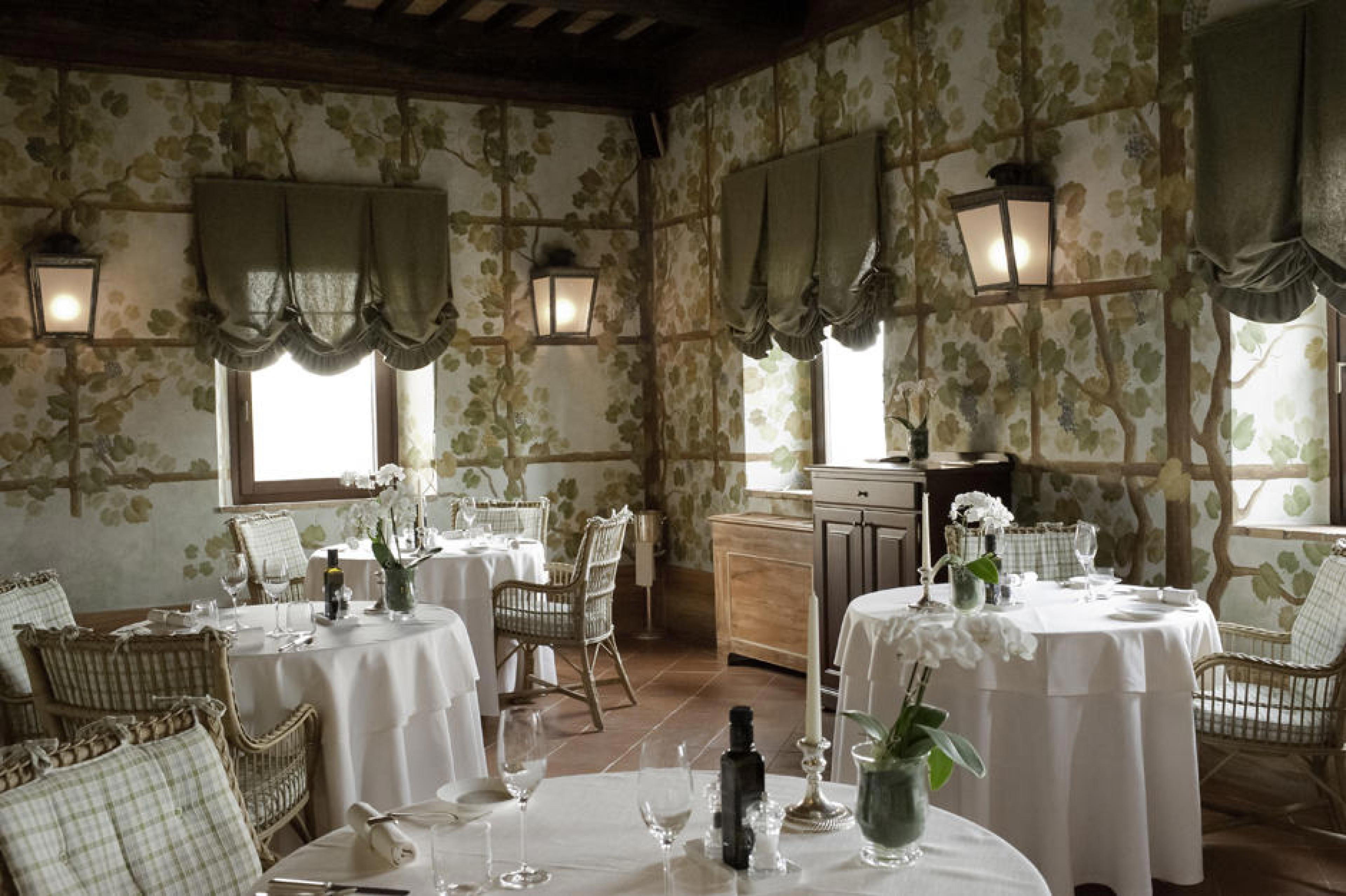
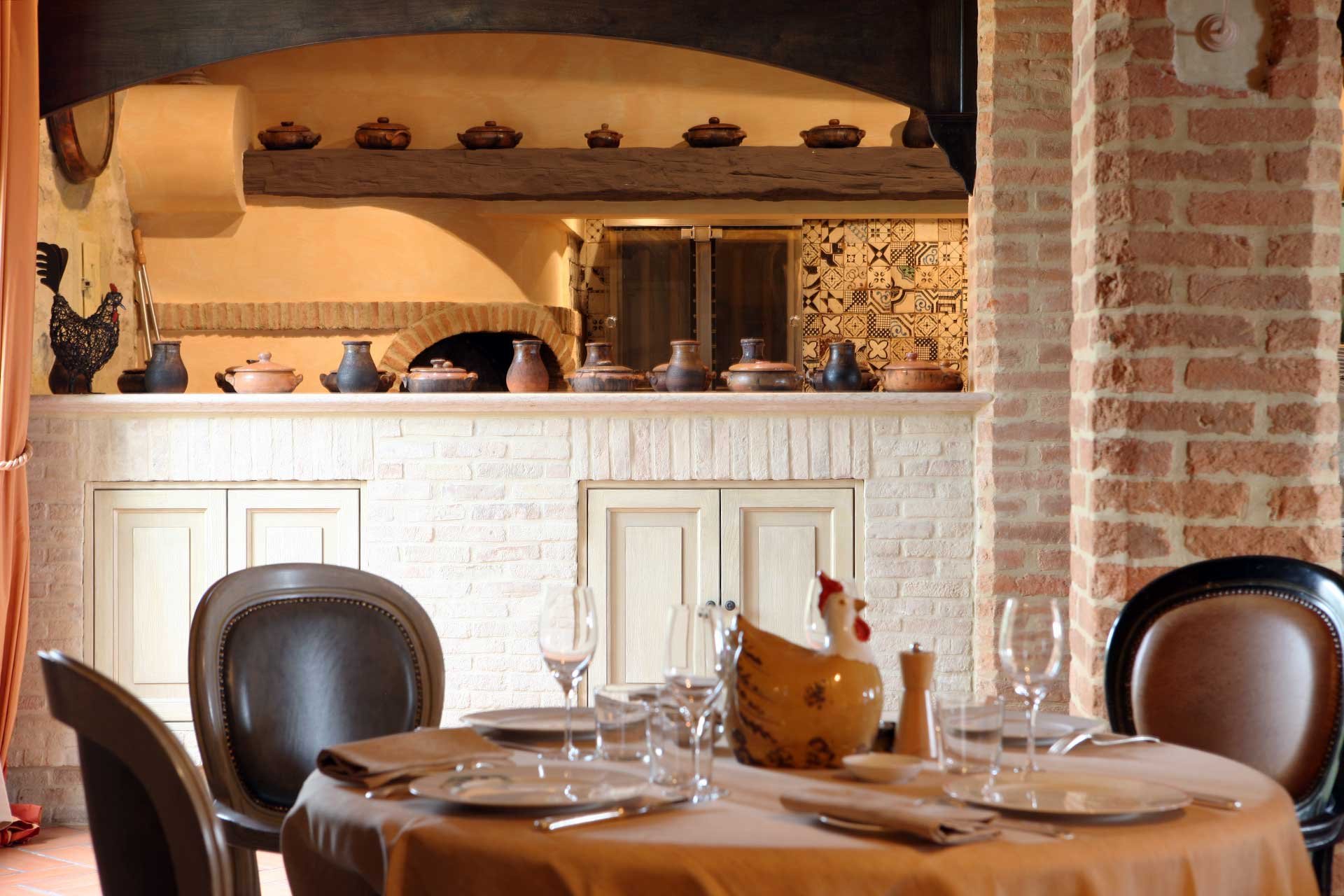
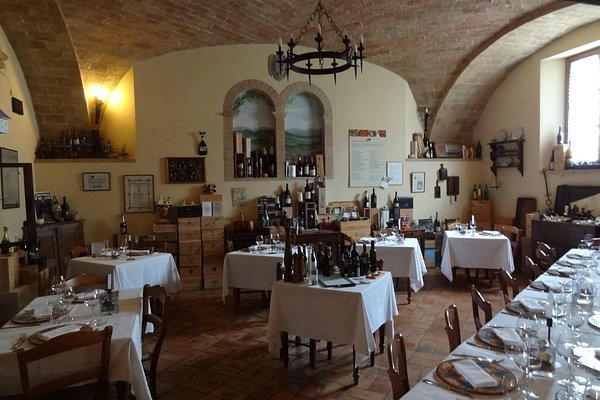
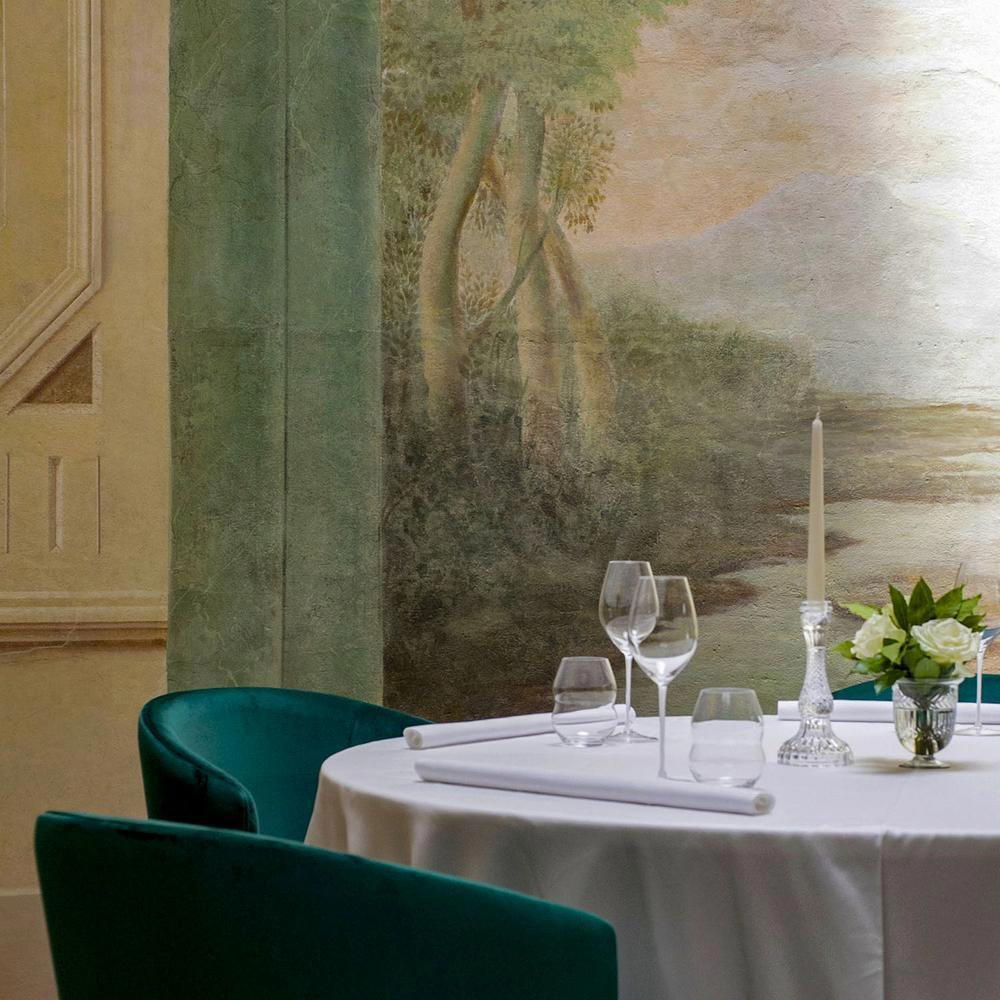
Warm, welcoming family atmosphere with rustic elegance; fireplace dining in winter, courtyard meals in summer, and peaceful countryside setting surrounded by woodlands and wildlife.