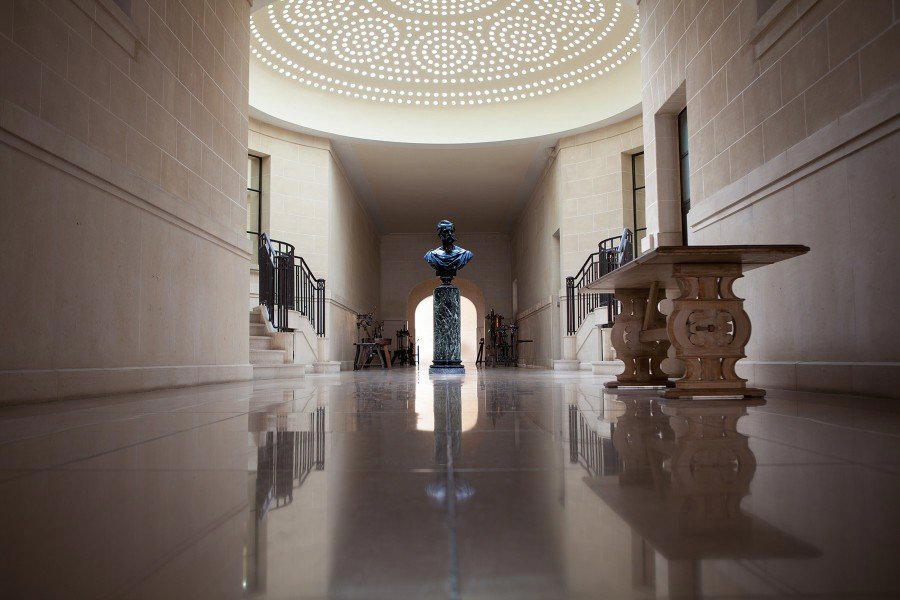
La Chambre du Marais at 87 Rue des Archives sits at the intersection of Le Marais's architectural heritage and a quieter, more considered approach to Parisian hospitality. The address places guests within walking distance of the Place des Vosges and the dense gallery circuit of the 3rd arrondissement, making it a practical base for the kind of Paris that rewards slow exploration. The property draws a well-travelled crowd that values neighbourhood texture over lobby spectacle.
Pearl is the En Primeur Club membership app — saves, bookings, and concierge access live there. Same editors, same standards.
- Address
- 87 Rue des Archives, 75003 Paris, France
- Phone
- +33 1 44 78 08 00
- Website
- lachambredumarais.com
- Directions
- Get directions
 Saves & bookings on Pearl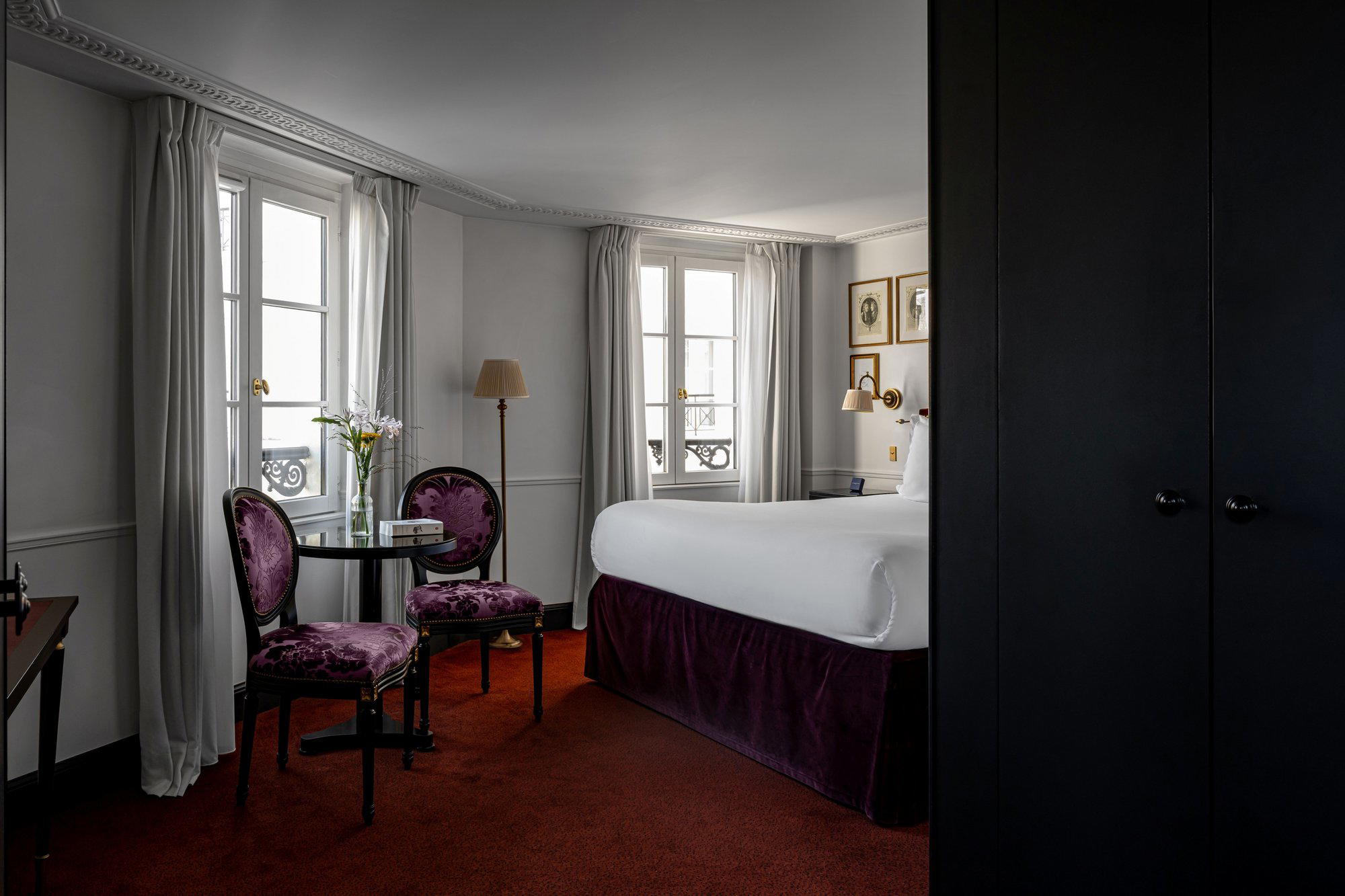
Le Marais in the Right Season
La Chambre du Marais is a 4-star hotel in Paris's 3rd arrondissement, with a nightly rate from about $404. Le Marais serves the second instinct, and it does so differently depending on when you arrive. In late spring and early autumn, the narrow streets of the 3rd arrondissement carry a particular energy: gallery openings run into Tuesday evenings, the covered market at Enfants Rouges fills with produce from the Île-de-France basin, and the neighbourhood's Jewish quarter bakeries stay busy until mid-afternoon. Arriving at La Chambre du Marais, at 87 Rue des Archives, in either shoulder season places you inside that rhythm rather than at its edge. The summer months bring heavier tourist circulation along Rue de Bretagne and around the Place des Vosges, which sits a few minutes' walk to the south. Winter, by contrast, strips the neighbourhood back to its residents, and the same streets feel more like the 17th-century quartier they architecturally remain.
The Address and What It Signals
Rue des Archives is one of the 3rd arrondissement's longer north-south arteries, running from the Centre Pompidou end of the neighbourhood toward the upper Marais near the Musée des Arts et Métiers. The 87 address sits in a stretch where converted hôtels particuliers, the private mansions that define Marais streetscape, alternate with smaller residential buildings. This part of Paris did not experience the Haussmann clearances that reshaped the grands boulevards, so the street scale is compressed and the stone facades run close to the pavement. A property at this address carries different expectations than a Right Bank palace hotel. It does not compete with Cheval Blanc Paris, Hotel Plaza Athénée, or Hôtel de Crillon for lobby grandeur or river-facing suites. It competes for the traveller who considers neighbourhood intelligence a form of luxury, and who reads an Le Bristol Paris or La Réserve Paris address as a different kind of trip rather than a better one.
Sustainability as Neighbourhood Practice
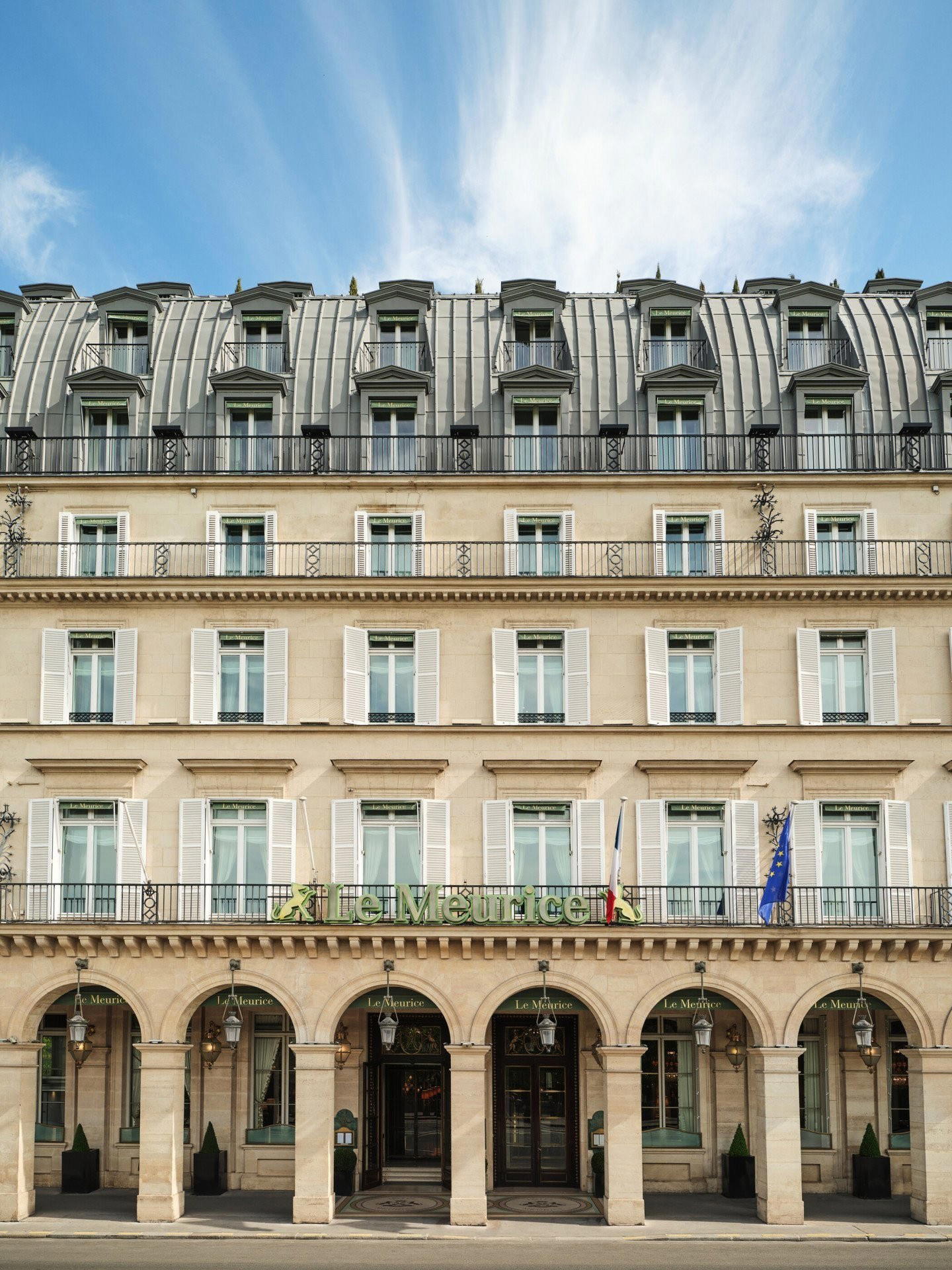
In French hospitality, sustainability has developed along two distinct lines. The first is institutional: large palace hotels and international groups such as Four Seasons George V and Le Meurice have formalised energy reduction targets, waste audits, and supplier certification programmes, typically published in annual responsibility reports. The second line is more granular and neighbourhood-rooted: smaller Marais properties have the structural advantage of proximity to short-supply-chain food markets, local artisan suppliers, and the kind of building stock that, once restored rather than demolished, carries an inherent embodied-energy argument. Le Marais's conservation-area status (the Secteur Sauvegardé designation covers much of the 3rd and 4th) means that renovation rather than new construction is the default, which changes the sustainability calculus for any property operating within it. The structural context of operating at this address is worth understanding before arrival. Travellers who prioritise ethical sourcing and reduced-footprint stays should ask directly about supplier relationships and food-waste practices when booking, as smaller Paris properties vary considerably in how explicitly they communicate these positions.
What the Marais Offers the Slow Traveller
The 3rd arrondissement has been a serious dining and cultural address since at least the 1990s, when the area's rehabilitation accelerated following decades of post-war neglect. Today, the neighbourhood around Rue des Archives contains a density of independent restaurants, wine bars, and concept-driven food shops that would merit a dedicated visit even without a hotel stay. The Enfants Rouges market, Paris's oldest covered market, operating since 1615, is a ten-minute walk north and serves prepared food as well as produce. The FIAC contemporary art fair uses the nearby Grand Palais annually, and gallery density on Rue de Turenne and Rue Charlot means that the Marais operates as a functioning art district rather than a museum precinct. For a property on Rue des Archives, all of this is walkable. Guests who base themselves here and move on foot rather than by taxi tend to understand the city differently than those commuting in from Airelles Château de Versailles or travelling back to Neuilly each evening.
For those extending a France trip beyond the capital, the country's hotel landscape offers considerable range. The Mediterranean coast runs from properties like Hotel Du Cap-Eden-Roc in Cap d'Antibes and The Maybourne Riviera in Roquebrune-Cap-Martin to the more architecturally contemporary La Réserve Ramatuelle. Provence has its own register, from Baumanière Les Baux-de-Provence and La Bastide de Gordes to the estate-hotel model at Villa La Coste. Wine-country alternatives include Les Sources de Caudalie in Bordeaux and Royal Champagne Hotel & Spa in Champillon. Mountain travellers point to Cheval Blanc Courchevel and Four Seasons Megève. Each represents a distinct version of French hospitality, and each has a different relationship to the sustainability question that urban Marais properties approach through different means. See our full Paris restaurants and hotels guide for broader context on how the city's accommodation tiers compare.
Planning Your Stay
The 3rd arrondissement is served by the Arts et Métiers metro station (lines 3 and 11) and Rambuteau (line 11), both within practical walking distance of Rue des Archives. Train access from Gare du Nord, serving Eurostar arrivals, requires a single connection and takes under thirty minutes door-to-door. Given the limited parking in this part of the Marais, arriving without a car is the practical choice and aligns with the neighbourhood's pedestrian character. Booking should be made directly with the property for current room availability and pricing. Shoulder seasons (April to early June, September to October) deliver the neighbourhood at its most functional and least congested, which is the recommendation for first-time visitors who want to understand what makes this address worth choosing.
Nearby-ish Comparables
Comparable venues nearby, for context on price, style, and recognition.
| Venue | Cuisine | Price | Notes |
|---|---|---|---|
| La Chambre du MaraisThis venue — the venue you are viewing | Beaux Arts townhouse blending timeless Parisian elegance with modern comfort | $$$$ | Not listed |
| Hôtel Récamier | discreet luxury boutique in an 18th-20th century townhouse | $$$$ | Saint-Germain-des-Prés |
| La Comtesse | Boutique hotel in Haussmannian building with Eiffel Tower views | $$$$ | 7th arrondissement |
| Maison Mère | Trendy boutique hotel with eclectic, vintage-inspired decor and a hybrid lifestyle concept. | $$$$ | Village Montholon |
| Hôtel Perpetual - Elysées-Montaigne | urban boutique with modern comfort and arty ambiance | $$$$ | 8th arrondissement |
| C.O.Q Hotel Paris | A contemporary boutique concept positioned as a sophisticated family home hybrid, blending private club sensibilities with upscale B&B comfort and high-end hotel services. | $$$ | 13th arrondissement |
Continue exploring
More in Paris
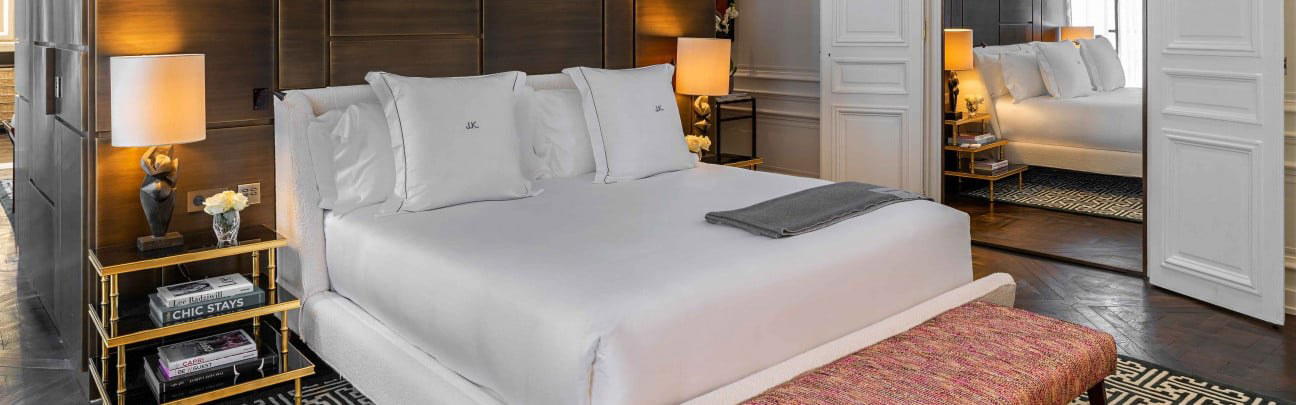
Hotels in Paris
Browse all →
Bars in Paris
Browse all →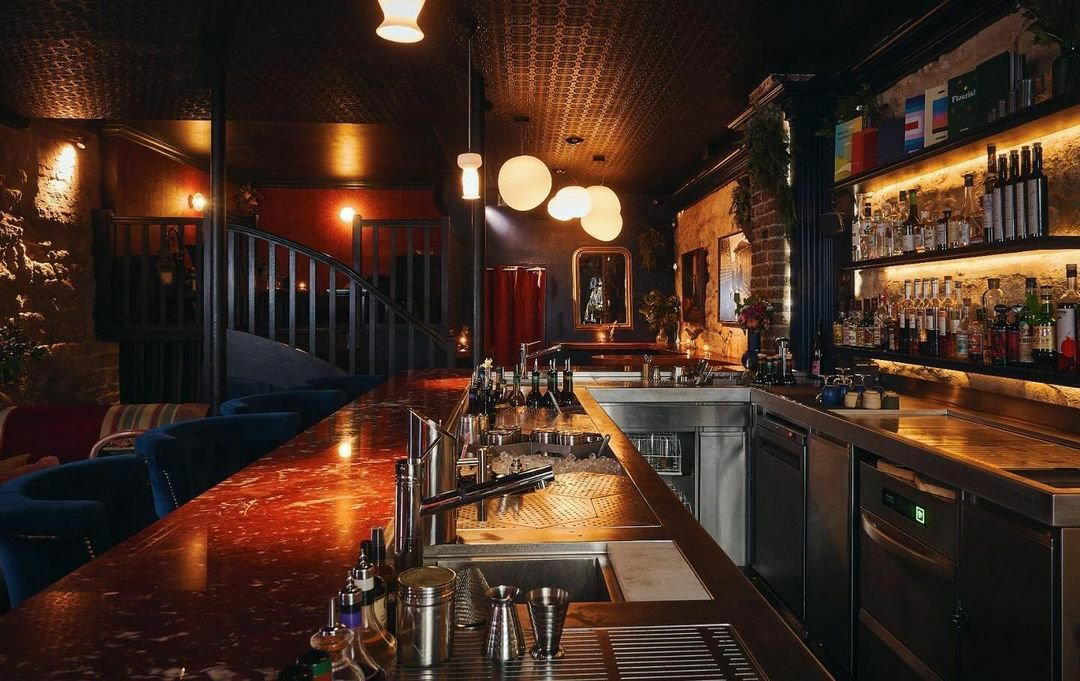
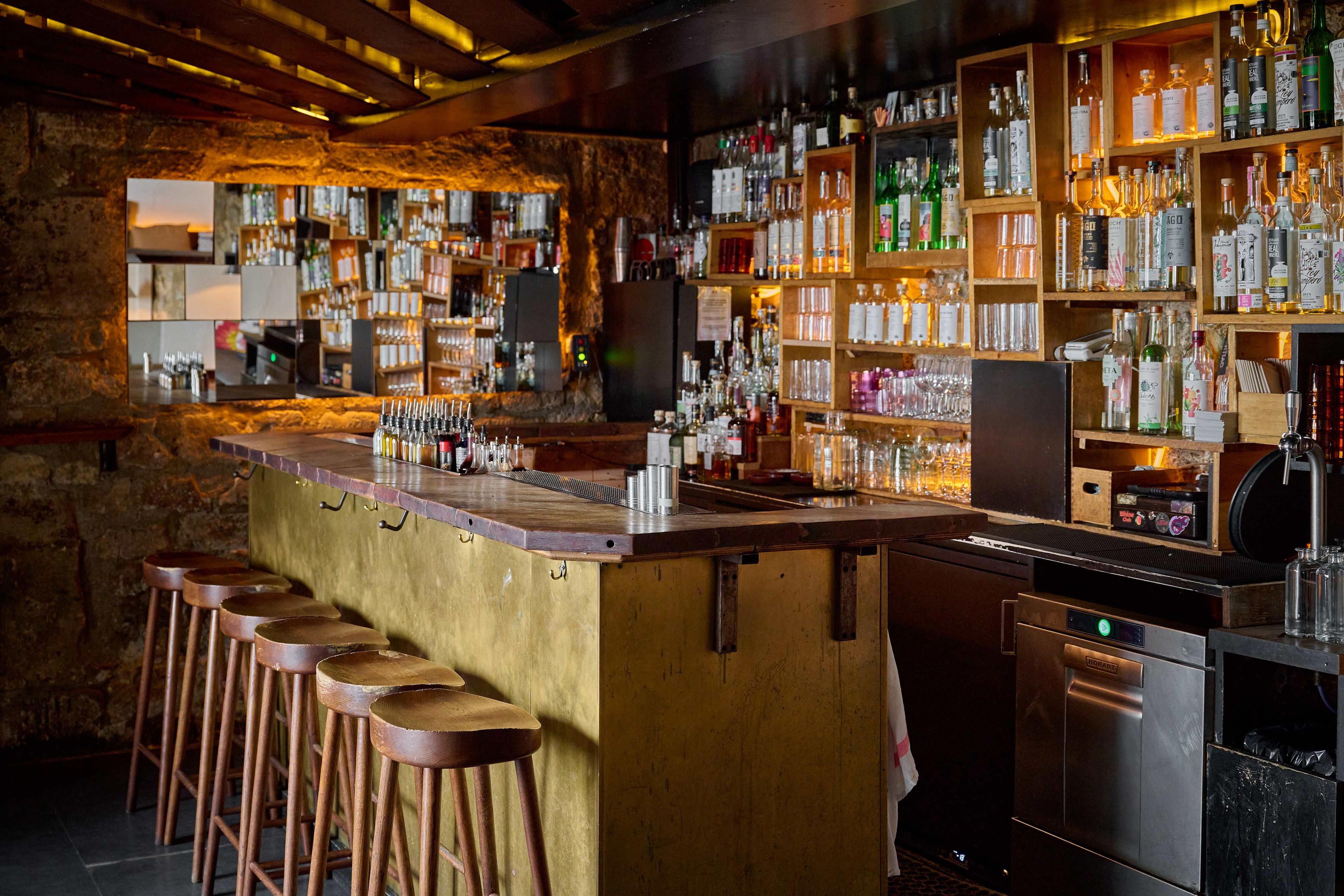
Restaurants in Paris
Browse all →



At a Glance
- Romantic
- Elegant
- Charming
- Intimate
- Sophisticated
- Romantic Getaway
- Anniversary
- Weekend Escape
- Historic Building
- Design Destination
- Wi Fi
- Room Service
- Concierge
- Bar
- Laundry Service
- Street Scene
- Wi Fi
- Room Service
- Concierge
- Bar
- Laundry Service
Cozy and elegant atmosphere with natural light, thoughtful details, and a charming bar lounge.