Sanctuary Camelback Mountain Resort and Spa

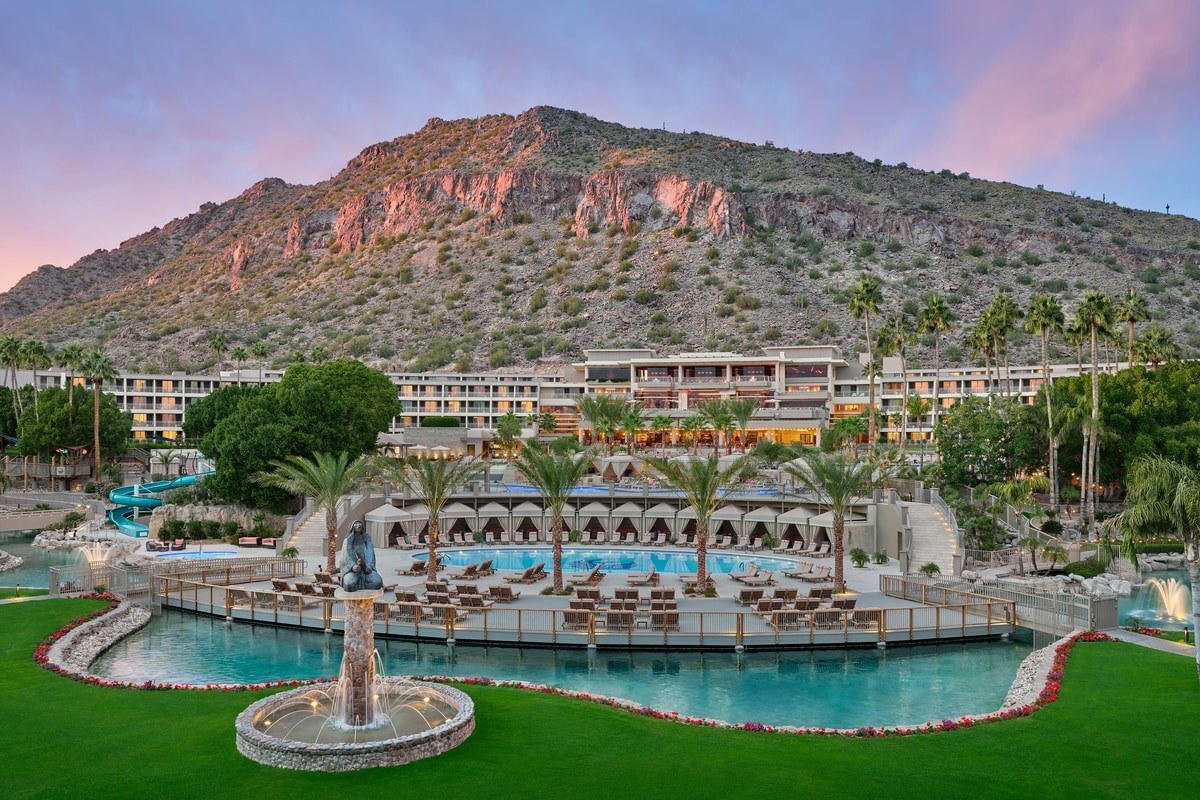
Terraced across 53 acres on the northern slope of Camelback Mountain, Sanctuary offers 110 casitas and suites plus eight private villas with direct views over Paradise Valley. The 12,000-square-foot spa, infinity-edge pool, and on-site elements restaurant position it within the smaller, design-conscious tier of Arizona resort properties where landscape integration and wellness programming take precedence over convention-hotel scale.
Pearl is the En Primeur Club membership app — saves, bookings, and concierge access live there. Same editors, same standards.
- Address
- 5700 E McDonald Dr
- Directions
- Get directions
 Saves & bookings on Pearl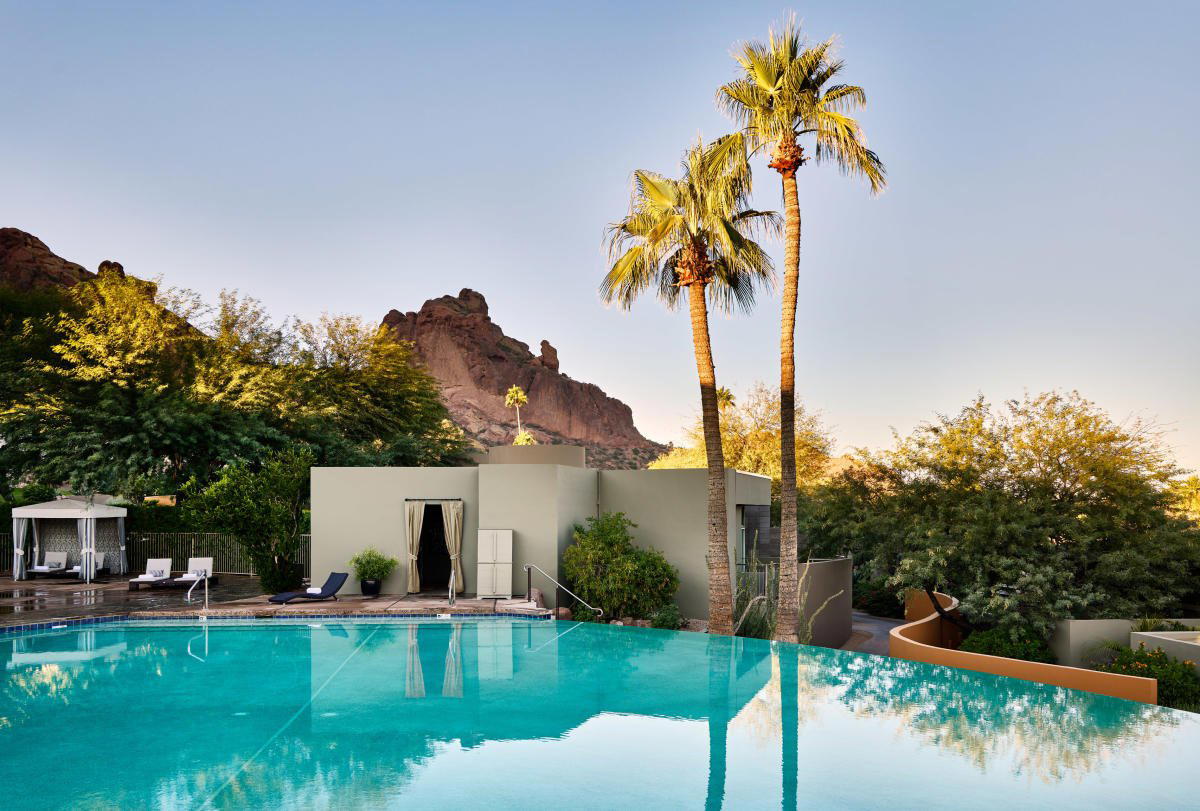
Where the Mountain Does the Work
Sanctuary Camelback Mountain Resort and Spa is a 5-star hotel in Paradise Valley, Arizona. The approach to Sanctuary Camelback Mountain Resort and Spa sets the tone before you reach the lobby. The property climbs the northern face of Camelback Mountain in a series of terraces, each level stepping back into the rock rather than imposing on it. At roughly 53 acres, the resort occupies enough ground to give its 110 casitas and suites and eight private villas genuine separation from one another.
The town borders Scottsdale and Phoenix but has resisted the convention-hotel development that defines stretches of both. That restraint produces a comparable set for Sanctuary that looks different from the broader Scottsdale strip: properties like Mountain Shadows Resort Scottsdale, The Hermosa Inn, and Andaz Scottsdale Resort & Bungalows occupy the same low-density, character-property tier. The Omni Scottsdale Resort & Spa at Montelucia skews slightly larger and more full-service in the traditional resort sense. Sanctuary's differentiator within this group is the mountain itself: no other property in the immediate area sits directly on Camelback's slope with the same elevation-driven views over the valley floor.
The Wellness Architecture
Destination wellness has split into two models across the American Southwest. The first is the clinical program, exemplified by properties like Canyon Ranch Tucson, where structured health programming, medical consultants, and multi-week stays define the format. The second is the resort-integrated model, where spa, fitness, and movement programming sit alongside conventional hospitality amenities and guests self-select their depth of engagement. Sanctuary operates firmly in the second category, and that flexibility is the point.
The spa facility runs to 12,000 square feet across indoor and outdoor treatment space, a scale that allows for a range of treatment environments rather than the compressed, back-to-back booking format common in smaller resort spas. The outdoor component matters in this climate: the Sonoran Desert rewards exposure rather than avoidance, and treatments designed to use the air, light, and ambient heat of the site produce a different physiological result than windowless treatment rooms. The resort's weekly movement studio classes and state-of-the-art fitness center extend the wellness offer beyond the spa itself, giving guests who are staying for multiple nights a programming structure that doesn't require them to leave the property.
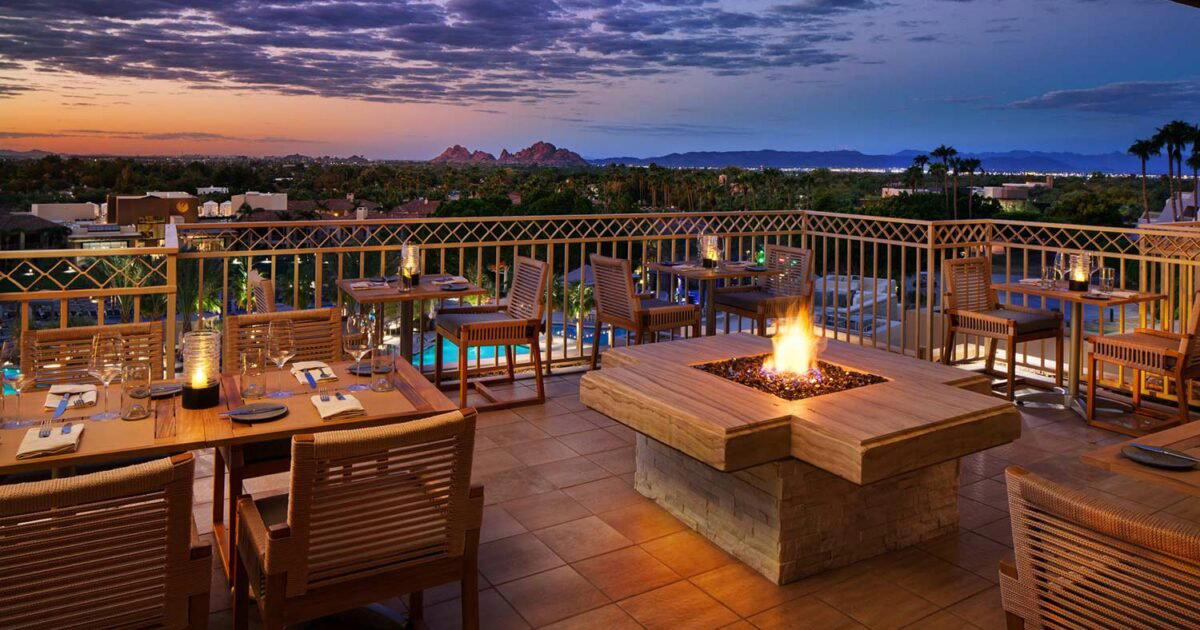
The signature infinity-edge pool operates as both amenity and orientation device: positioned to frame the valley panorama, it anchors the experience of the resort's elevation in a way that an interior lounge cannot. For guests whose retreat priorities centre on rest and sensory decompression rather than structured programming, the pool, the mountain views, and the spatial privacy of the casita layout do most of the work.
Terrain as Activity
Northern slope of Camelback Mountain is not incidental scenery. The mountain sits at around 2,706 feet at its summit, and the trail systems accessible from or near the resort provide a physical engagement with the desert that most urban wellness formats cannot replicate. The Echo Canyon and Cholla Trail systems are among the more-hiked routes in the Phoenix metro area, and proximity to them is a genuine logistical advantage for guests who treat morning elevation gain as part of their wellness routine rather than a separate excursion.
Resort situates guests within reach of Scottsdale's retail corridors, golf infrastructure, and desert adventure operators, though the property's design discourages the sense that leaving is necessary. The tennis and pickleball courts, hiking trail access, and on-site programming are sufficient to fill several days without touching the car. For properties positioned at a comparable wilderness-adjacent register, the comparison set extends beyond the immediate area: Amangiri in Canyon Point, Post Ranch Inn in Big Sur, and Sage Lodge in Pray each apply a similar logic of terrain-as-amenity, though at different price points and scales. Sanctuary sits in the more accessible, less remote end of that spectrum, which is an argument in its favour for guests who want landscape immersion without the logistical complexity of arriving at isolated properties.
Dining and the Bar Program
On-site restaurant, elements, and jade bar serve as the culinary component of the resort without the destination-dining ambition of properties where the restaurant is a separate draw. At this category of retreat-focused resort, that calibration is appropriate: the food and beverage program needs to sustain a multi-day stay without requiring guests to leave, but it is not competing with Scottsdale's standalone restaurant scene for outside covers. For guests who want to engage with that scene, the drive to central Scottsdale runs under 15 minutes.
For a broader read on resort dining that operates at a higher culinary register, properties like Auberge du Soleil in Napa or SingleThread Farm Inn in Healdsburg set the benchmark for food-as-pillar resort programming. Sanctuary's food and beverage positioning is more modest and more honest about where its priorities sit.
Where It Sits in the Wider Market
American luxury resort travel has been reorganising around two questions: how far do you go, and how structured is the experience when you arrive? Properties like Little Palm Island Resort & Spa in Little Torch Key and Kona Village, A Rosewood Resort in Kailua Kona answer both questions at an extreme end of the dial. Sanctuary answers them more moderately: close enough to a major airport to arrive without an odyssey, structured enough to support a focused wellness stay, open enough to support a hybrid trip that mixes resort days with city access.
For travellers arriving at Phoenix Sky Harbor International Airport, the drive to Paradise Valley runs approximately 20 to 25 minutes depending on traffic and the specific route taken. The resort's address at 5700 E McDonald Drive places it at the base of the mountain with direct road access. The eight private villas represent a small inventory relative to the overall room count of 110 units. High-demand periods in the Sonoran Desert calendar run from late October through April, when temperatures are moderate and outdoor programming is most accessible.
Across the wider context of design-led American resort properties worth tracking, the reference set includes Hotel Bel-Air in Los Angeles, Troutbeck in Amenia, Four Seasons at The Surf Club in Surfside, Raffles Boston in Boston, 1 Hotel San Francisco in San Francisco, Chicago Athletic Association in Chicago, Alpine Falls Ranch in Superior, The Fifth Avenue Hotel in New York City, Aman New York in New York City, Aman Venice in Venice, and Badrutt's Palace Hotel in St. Moritz. Each anchors a different version of the argument that setting and programming integration matter more than room count.
Reputation Context
Comparable venues nearby, for context on price, style, and recognition.
| Venue | Cuisine | Price | Awards | Notes |
|---|---|---|---|---|
| Sanctuary Camelback Mountain Resort and SpaThis venue — the venue you are viewing | Luxury desert resort with manicured grounds and casita-style accommodations | $$$$ | 5-Star | Not listed |
| The Hermosa Inn | Historic Southwestern hacienda with personalized service | $$$$ | 4-Star | Paradise Valley |
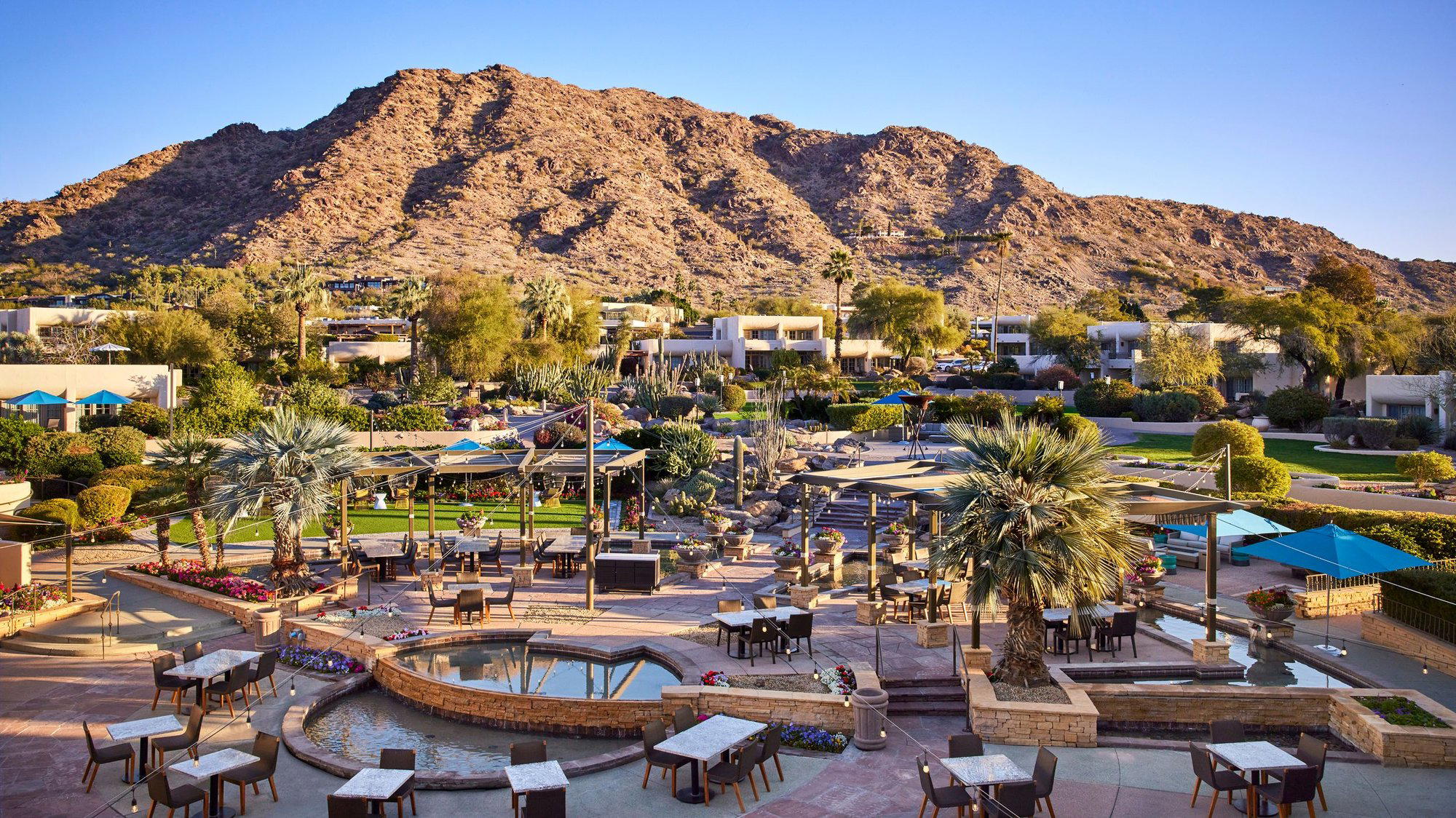
| Kimpton Miralina Resort & Villas | Large, luxury desert resort with a relaxed, residential feel that blends indoor-outdoor living across 40 acres beneath Camelback and Mummy Mountains. | $$$$ | 4-Star | Paradise Valley |
| Andaz Scottsdale Resort & Bungalows | Private bungalow-style retreat with mid-century modern design inspired by desert artists. | $$$$ | 4-Star | Paradise Valley |
| Omni Scottsdale Resort & Spa at Montelucia | Timeless Spanish village-inspired resort | $$$$ | 4-Star | Paradise Valley |
| Sanctuary Camelback Mountain Resort & Spa | Hotel | $$$$ | Not listed | Paradise Valley |
Recognition history
Dated appearances from independent guides and award organizations, with the underlying list record or original source where available.
Virtuoso Luxury Hotel Partner
Virtuoso
Continue exploring
More in Paradise Valley
Hotels in Paradise Valley
Browse all →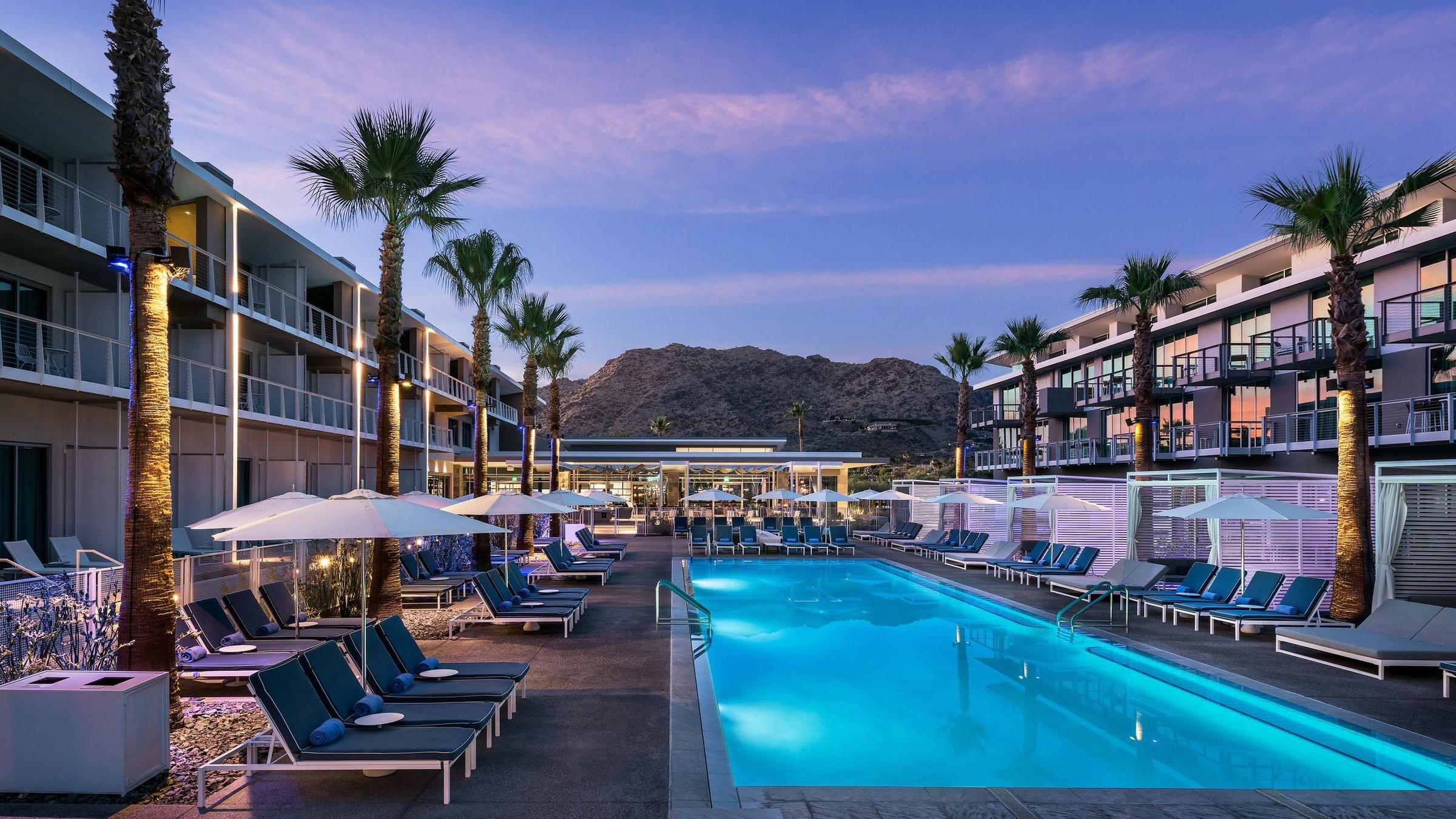
Bars in Paradise Valley
Browse all →
At a Glance
- Romantic
- Quiet
- Elegant
- Scenic
- Sophisticated
- Ornate
- Honeymoon
- Romantic Getaway
- Wellness Retreat
- Anniversary
- Weekend Escape
- Infinity Pool
- Destination Spa
- Golf Course
- Panoramic View
- Private Villa
- Pool
- Spa
- Fitness Center
- Room Service
- Concierge
- Valet Parking
- Wi Fi
- Tennis
- Garden
- Sauna
- Mountain
- Garden
- Pool
- Spa
- Fitness Center
- Room Service
- Concierge
- Valet Parking
- Wi Fi
- Tennis
- Garden
- Sauna
Serene and lush desert setting with relaxing spa atmosphere, mountain views from patios, and tranquil poolside lounging.