Andaz Scottsdale Resort & Bungalows

Andaz Scottsdale Resort & Bungalows occupies a distinct position in Paradise Valley's resort tier, where desert-calibrated architecture and a bungalow-format layout separate it from the corridor-and-tower convention of larger Scottsdale properties. The property sits along North Scottsdale Road within reach of Camelback Mountain's trail network, placing it inside a concentrated cluster of high-end desert retreats that defines this zip code's hospitality identity.
 Discover on Pearl
Pearl is the En Primeur Club membership app — saves, bookings, and concierge access live there. Same editors, same standards.
- Address
- 6114 N Scottsdale Rd, Scottsdale, AZ 85253
- Phone
- +1 480 368 1234
- Website
- hyatt.com
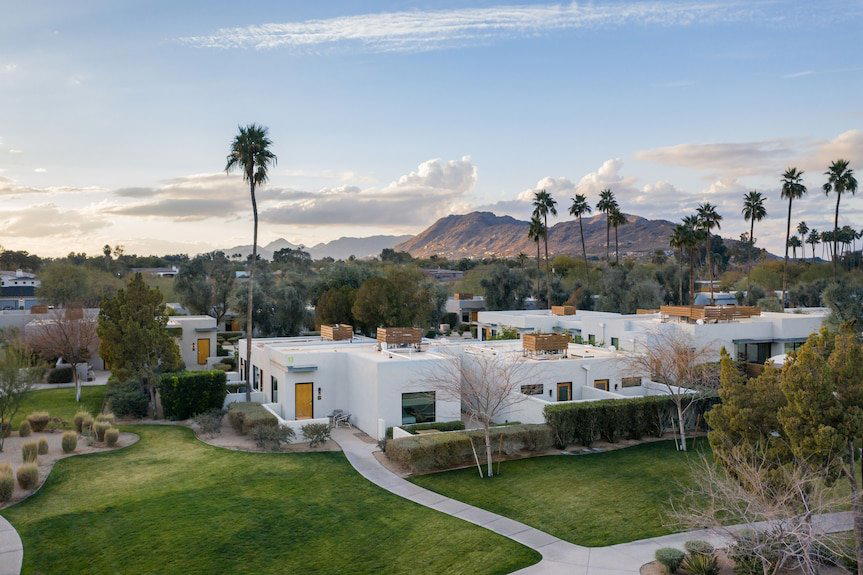
Desert Architecture as the Central Argument
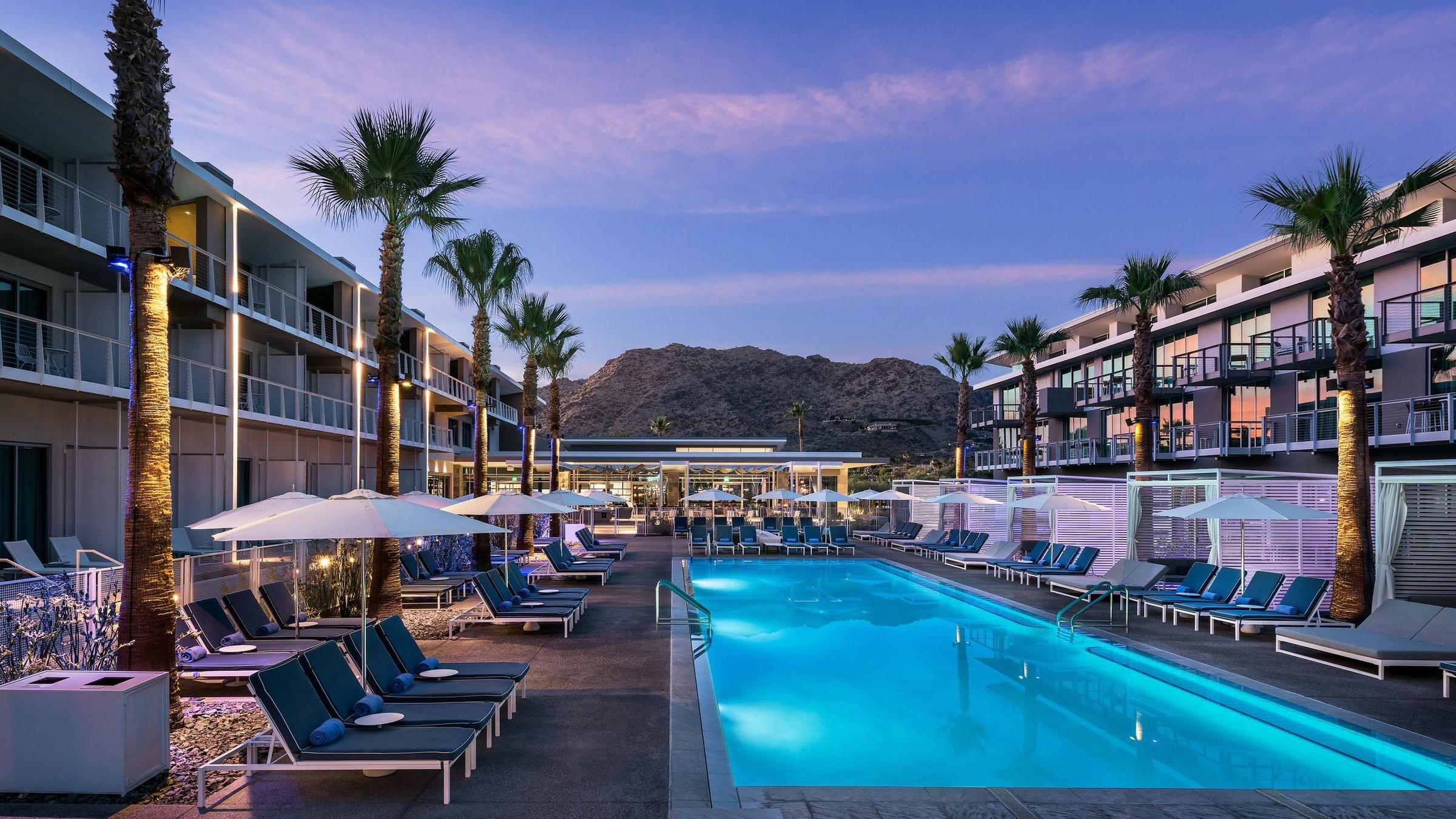
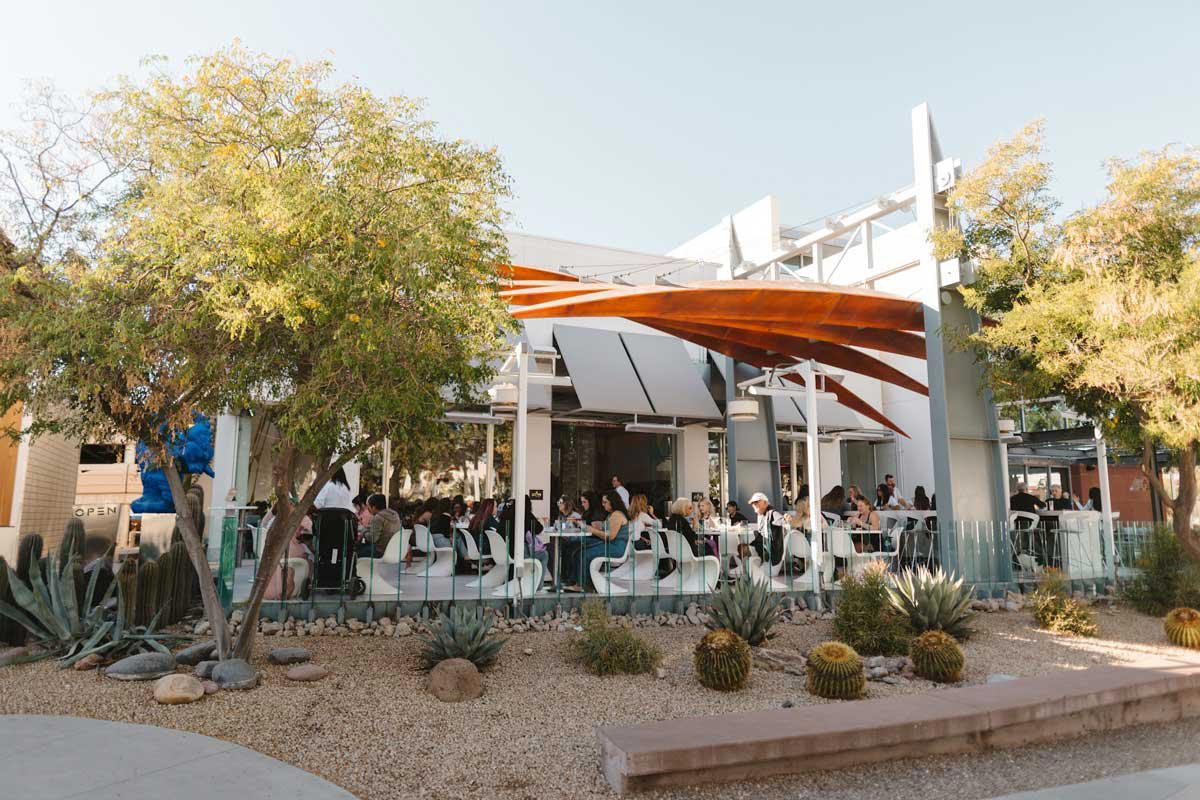
Andaz Scottsdale Resort & Bungalows is a 4-star hotel in Scottsdale, Arizona, with 201 rooms and a 4.6 Google rating. The Andaz Scottsdale Resort & Bungalows belongs firmly to the second category. The low-slung, horizontally spread bungalow format reads as a direct response to the landscape rather than an imposition on it, with structures that stay close to grade and allow the surrounding saguaro and palo verde to read as architectural elements rather than incidental landscaping.
The bungalow configuration means that the experience of moving through the property feels less like transiting a hotel and more like inhabiting a compound, with sightlines calibrated to the desert rather than to a central atrium.
The Bungalow Format and What It Changes
The decision to organize accommodation as bungalows rather than stacked rooms in a single tower is more consequential than it might initially appear. It changes the acoustic environment, the relationship between indoor and outdoor space, and the degree of separation between guests. The Andaz Scottsdale sits in that same orientation, even if its position on North Scottsdale Road places it closer to Scottsdale's restaurant and shopping infrastructure than those more remote properties.
In practical terms, this means guests are choosing between the self-contained quiet of the bungalow format and the amenity concentration of a larger property like Sanctuary Camelback Mountain Resort and Spa. The Andaz answers a different question: not how much can be packed into a resort footprint, but how much of the desert itself can be made legible from within a luxury stay.
Paradise Valley's Resort Tier: Where Andaz Sits
Paradise Valley, which sits administratively distinct from Scottsdale despite its shared postal identity, has developed one of the densest concentrations of premium resort product in the American Southwest. The municipality's land-use policies have historically restricted development density, which is part of why the properties that do exist here tend to operate at a certain scale and price positioning. Andaz, as a 4-star hotel, occupies a specific middle register in this market.
Within walking or short driving distance, guests have access to Camelback Mountain's Echo Canyon and Cholla trails, a hiking resource that changes the calculus for active travelers considerably. For comparison, more isolated desert properties like Canyon Ranch Tucson or Little Palm Island Resort & Spa in Little Torch Key are designed around the assumption that guests will not leave the property; the Andaz Scottsdale is more porous in that sense, treating the surrounding city as an extension of the guest experience.
Other Paradise Valley properties in this competitive set, including Sanctuary Camelback Mountain Resort & Spa and The Hermosa Inn, each carry distinct positioning: Sanctuary at the higher end of the wellness-resort format, the Hermosa as an intimate hacienda-scaled property with a long local history. The Andaz fits between these poles, with the brand recognition of a global hotel group and the architectural specificity of a property that has thought carefully about its desert context.
Design-Led Hospitality in the American Southwest
This shift has produced serious work in several desert markets: Amangiri in Utah's canyon country is the reference point for how rigorously this can be executed, with architecture that treats the surrounding geology as a collaborator. The Andaz Scottsdale operates at a different scale and price point, but the underlying design logic, low profiles, material choices that echo the landscape, interior-exterior continuity, points in the same direction.
This matters for how a guest should think about choosing the property. If the priority is urban connectivity combined with a desert aesthetic and a social atmosphere, the Andaz format works well. If the priority is maximum seclusion or the most activated wellness programming in the valley, other properties in the corridor may better serve. For guests arriving from design-forward properties in other markets, whether 1 Hotel San Francisco, Chicago Athletic Association, or Troutbeck in Amenia, the Andaz Scottsdale will register as part of a recognizable American design hospitality conversation.
Planning Your Stay
Scottsdale's peak season runs from late January through April, when desert temperatures sit in the 70s and 80s Fahrenheit and outdoor programming, trail access, and resort pool culture all operate at full capacity. Summer months bring significant heat, with daytime highs routinely exceeding 110°F, but rates compress accordingly and the resort experience shifts toward pools and evening activity rather than midday outdoor pursuits.
The address at 6114 N Scottsdale Road places the property at a point on the corridor with direct access northward to Kierland Commons and southward toward Old Town Scottsdale, both relevant for dining and retail.
At-a-Glance Comparison
Comparable venues nearby, for context on price, style, and recognition.
| Venue | Cuisine | Price | Awards | Notes |
|---|---|---|---|---|
| Andaz Scottsdale Resort & BungalowsThis venue — the venue you are viewing | Private bungalow-style retreat with mid-century modern design inspired by desert artists. | $$$$ | 4-Star | |
| Omni Scottsdale Resort & Spa at Montelucia | Timeless Spanish village-inspired resort | $$$$ | 4-Star | Paradise Valley |
| The Hermosa Inn | Historic Southwestern hacienda with personalized service | $$$$ | 4-Star | Paradise Valley |
| Kimpton Miralina Resort & Villas | Large, luxury desert resort with a relaxed, residential feel that blends indoor-outdoor living across 40 acres beneath Camelback and Mummy Mountains.[0][1][3] | $$$$ | 4-Star | Paradise Valley |
| Sanctuary Camelback Mountain Resort and Spa | Luxury desert resort with manicured grounds and casita-style accommodations | $$$$ | 5-Star | Paradise Valley |
| Mountain Shadows Resort Scottsdale | Mid-century modern luxury resort | $$$$ | Michelin 1 Key | Paradise Valley |
Continue exploring
More in Paradise Valley
Hotels in Paradise Valley
Browse all →
Bars in Paradise Valley
Browse all →


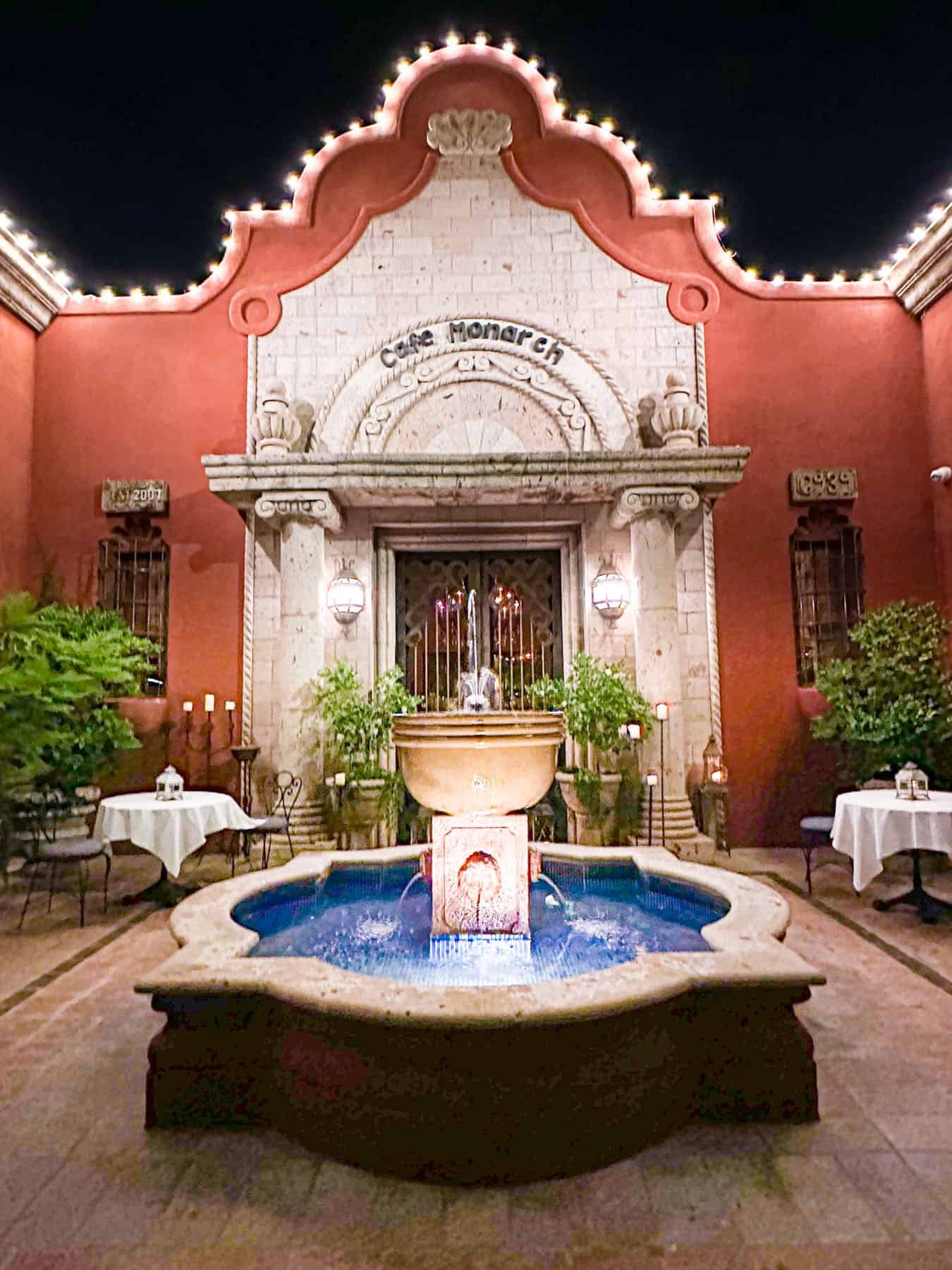
At a Glance
- Modern
- Scenic
- Elegant
- Sophisticated
- Romantic Getaway
- Family Vacation
- Wellness Retreat
- Weekend Escape
- Infinity Pool
- Rooftop Pool
- Destination Spa
- Golf Course
- Panoramic View
- Pool
- Spa
- Fitness Center
- Room Service
- Concierge
- Valet Parking
- Mountain
- Garden
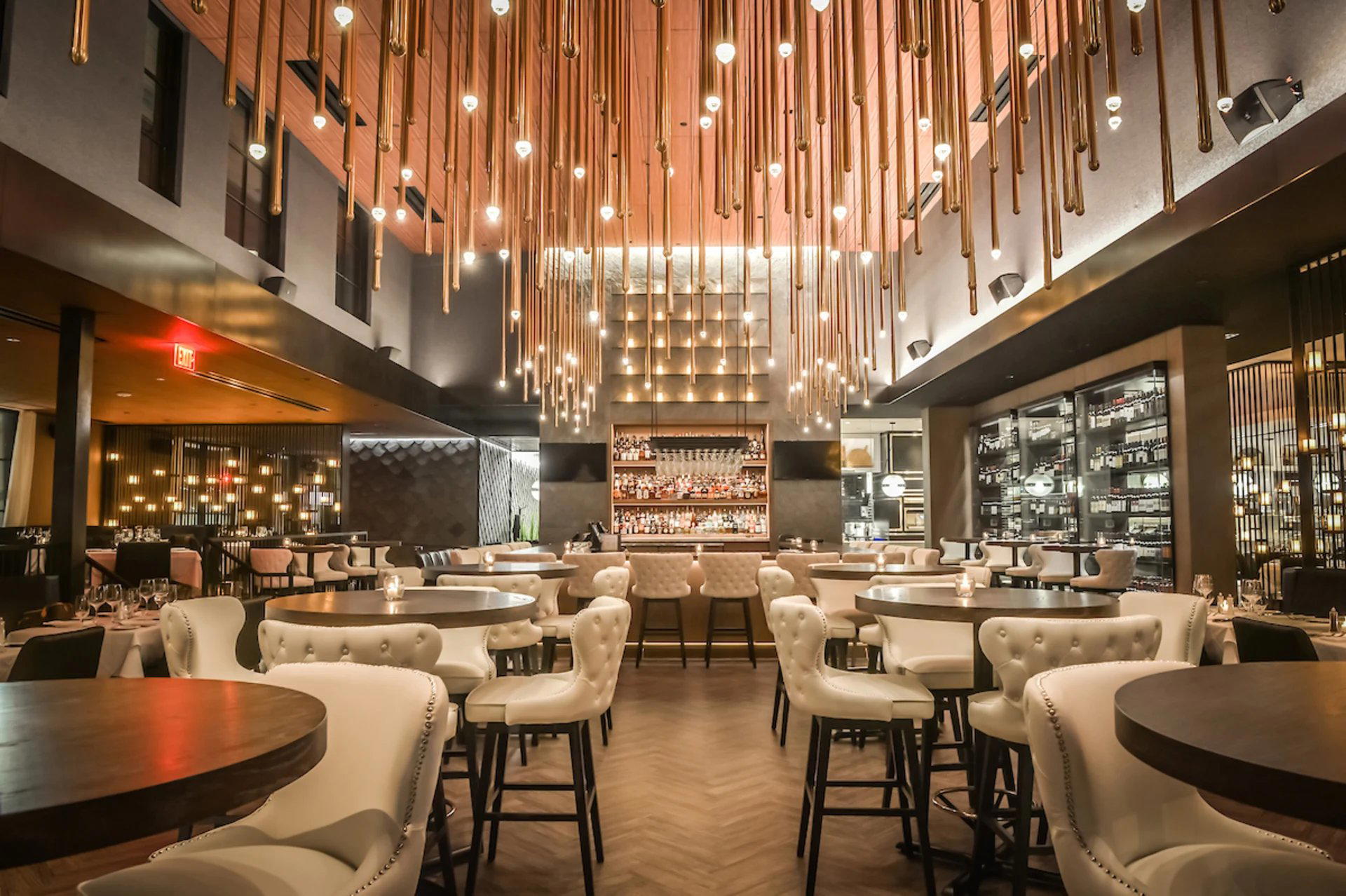
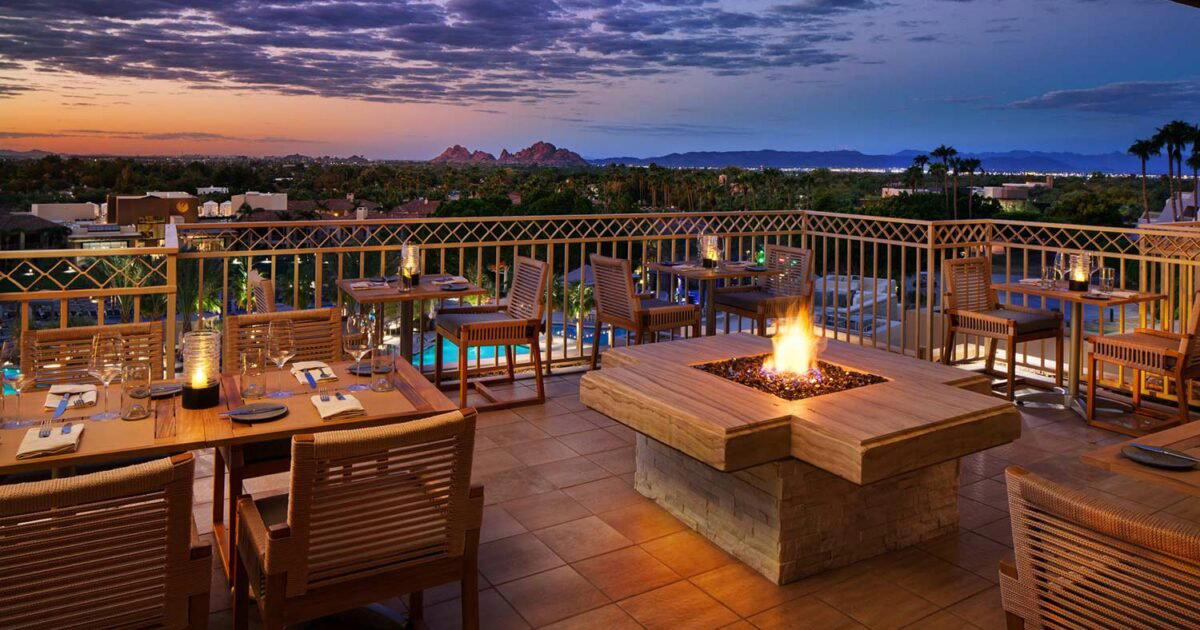
Bright, light-filled spaces with vibrant colors, folk art, and a serene desert oasis atmosphere blending upscale casual and chill vibes.