
Michelin Selected
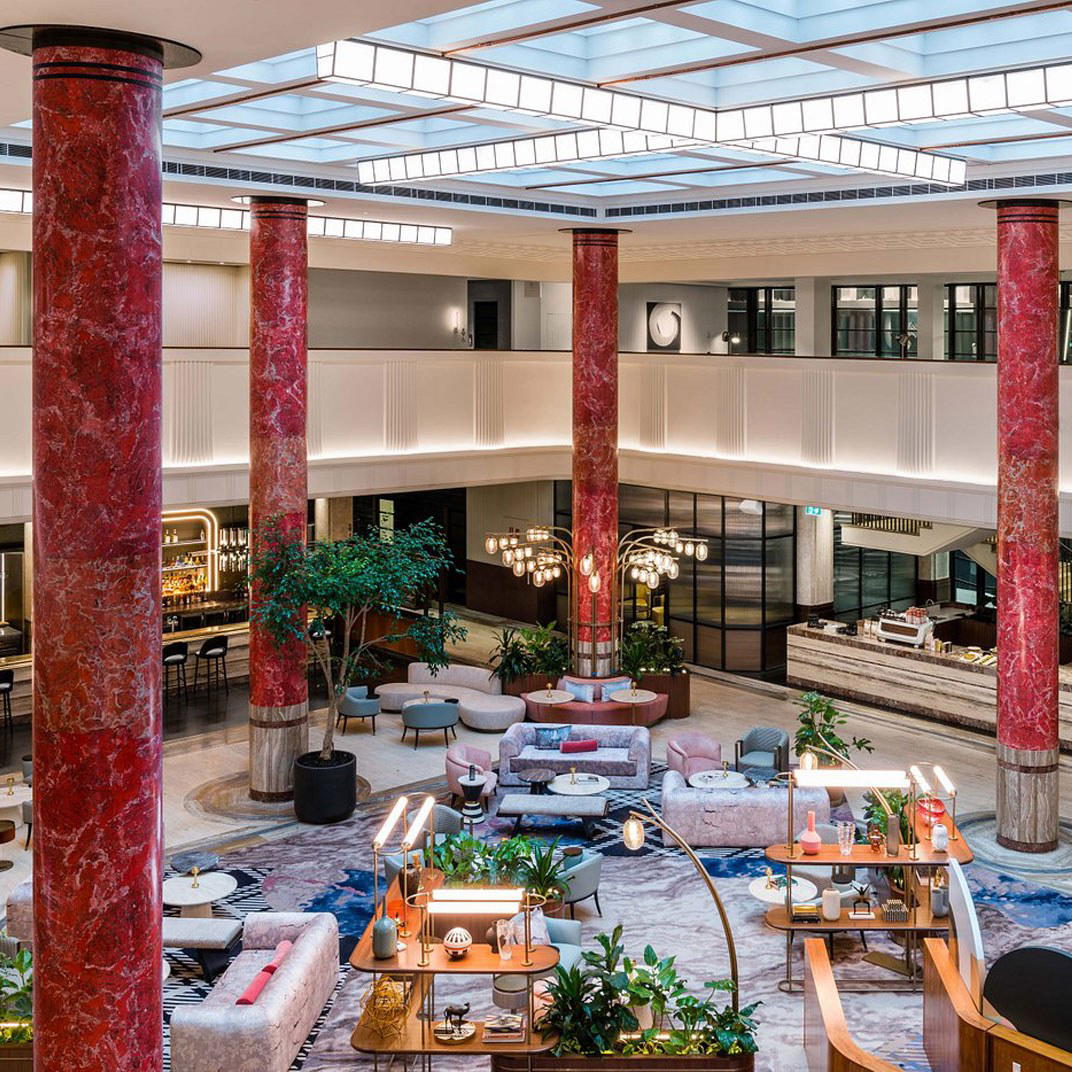
On the south end of Sydney’s central business district, the Kimpton Margot Sydney is much more than an ordinary business hotel. Taking inspiration from its setting in a Thirties Art Deco building, this outpost of the ever-fashionable boutique-hotel brand is ornately elegant, and chock full of art. It’s just far enough from the typical tourist destinations to feel like an authentic part of the local life, a feeling that’s only reinforced by its lively social spaces, from the Pantry at Margot’s, a classic Sydney café, to Luke’s Kitchen, a modern Australian restaurant by chef Luke Mangan.

Pearl is the En Primeur Club membership app — saves, bookings, and concierge access live there. Same editors, same standards.
- Address
- 339 Pitt St, Sydney NSW 2000, Australia
- Phone
- +61 2 8027 8000
- Website
- ihg.com
- Directions
- Get directions
A Heritage Shell, Reconsidered for Contemporary Sydney
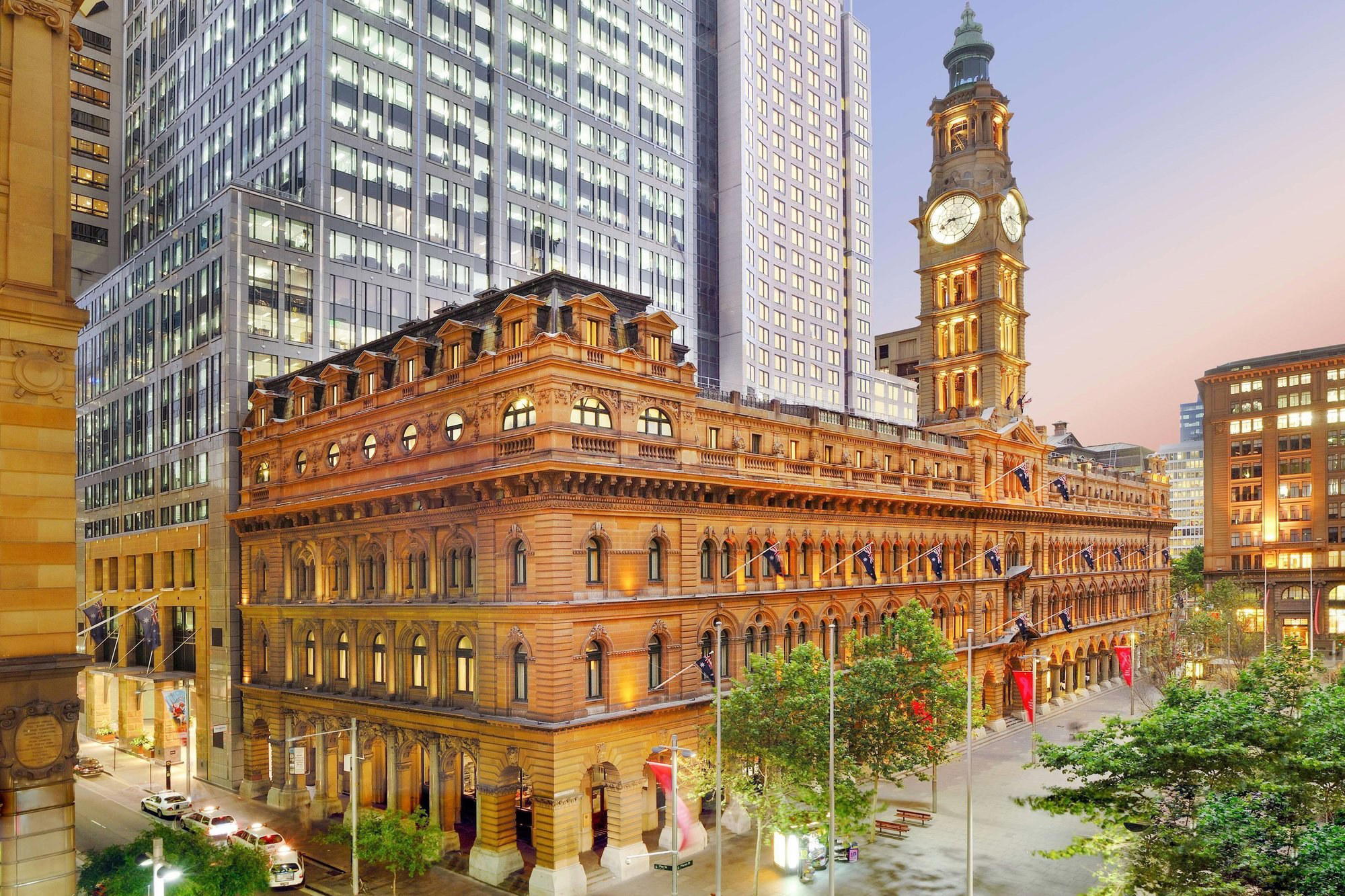
Pitt Street's mid-block stretch between Market and Park streets carries a particular weight in Sydney's commercial history. The building that now houses Kimpton Margot Sydney, a mid-rise structure with a terracotta and sandstone facade that reads as solidly interwar from the pavement, sits at 339 Pitt Street in a corridor where late-nineteenth and early-twentieth-century architecture has survived alongside postwar concrete and glass. Walking toward the entrance, you're confronted with the kind of bones that newer Sydney hotels have to manufacture at considerable expense. The Margot didn't need to. The question Kimpton faced, then, was what to put inside a building this specific.
That question matters because Sydney's upper-midscale hotel category has fragmented sharply over the past decade. Properties like Capella Sydney occupy the restored-heritage-as-statement-luxury tier, spending heavily to turn a listed building into a flagship. The Ace Hotel Sydney and 25hours Hotel Sydney The Olympia (also listed on our platform as 25hours Hotel The Olympia Sydney) represent the design-and-programming-led lifestyle tier that has grown from a niche into a competitive category. Kimpton Margot occupies a different register: a brand with IHG backing but a consistent track record of placing hotels in architecturally significant buildings and letting the physical context do some of the work. The Michelin Selection for 2025 confirms the property has cleared the credibility bar that separates this category from generic full-service competition.
Responsible Luxury as Operating Logic, Not Marketing Position
Kimpton as a brand has long formalised its sustainability commitments through IHG's broader environmental framework, but the Margot's positioning in a repurposed heritage building carries its own embedded sustainability logic. Adaptive reuse at this scale avoids the embodied carbon cost of ground-up construction, preserves materials that took decades to produce, and keeps the urban grain of the central city intact. That's not a trivial claim. Sydney's CBD has lost a significant number of pre-war commercial buildings to demolition, and the ones that survive tend to do so because a commercially viable use was found for them. Hotels, particularly those positioned toward premium travellers who choose to stay in the city centre rather than drive or fly to a resort, represent one of the more defensible uses for a building of this footprint.
The broader Australian hospitality picture reinforces this point. Properties like Emirates One&Only Wolgan Valley in the Blue Mountains have made conservation the explicit product, with the lodge operating on a working nature reserve. Southern Ocean Lodge on Kangaroo Island rebuilt after the 2020 fires with an even stronger environmental brief. Urban properties operate on different terms, but the principle of using what already exists rather than building new is as defensible a sustainability argument as solar panels and native planting, and arguably harder to walk back once the building is in operation.
Kimpton's operational programs, which IHG documents through its Journey to Tomorrow commitments, include food-waste reduction, plastic reduction, and community partnership targets. For a central-Sydney property, the community dimension includes the immediate Pitt Street precinct, which sits at the edge of the retail core and within walking distance of Chinatown, the theatre district, and the southern end of the CBD. A hotel that draws guests to this part of the city rather than concentrating them in Circular Quay or Darling Harbour supports a more distributed pattern of foot traffic, which matters for the smaller food and retail businesses operating in the middle of the city rather than at its anchored tourist nodes.
Where the Margot Sits in the Sydney Conversation
Sydney's hotel market has historically clustered prestige around the harbour. The Park Hyatt at Campbell's Cove, The Langham in The Rocks, and Crown Sydney at Barangaroo all price and market against the view. The Margot's Pitt Street address removes harbour-view premium from the equation and replaces it with central-city utility: you are a short walk from Town Hall station, the QVB, and a dense cluster of restaurants spanning everything from the Cantonese houses of Haymarket to the wine-bar corridor of Surry Hills. For travellers whose itinerary is built around eating and moving rather than sitting above the water, that trade-off is worth examining seriously.
The ADGE Boutique Apartment Hotel and ADGE Hotel + Residence serve longer-stay guests in the eastern suburbs. Citadines Connect Sydney Airport solves a different problem entirely. The Margot's heritage-building, lifestyle-brand format shares more DNA with Ace and 25hours than with the airport property, but the Michelin credential and IHG scale position it a register above the independently operated lifestyle cohort.
For interstate context, The Tasman in Hobart and The Calile in Brisbane occupy comparable positions in their respective cities: Michelin-acknowledged, design-attentive properties that benefit from their local architectural context. Melbourne Place in the Melbourne CBD plays a similar role. The pattern across Australian capital cities is that the most interesting mid-tier luxury properties tend to be either adaptive-reuse or deliberately site-specific builds rather than the international-brand towers that dominated the 1990s and 2000s. The Margot fits that pattern.
Further afield, Kimpton's approach to urban heritage buildings has international precedents. The Fifth Avenue Hotel in New York City demonstrates how a loaded address can anchor a comparable brief. Badrutt's Palace in St. Moritz and Hôtel de Paris Monte-Carlo represent a different scale entirely, but they share the underlying logic of letting a building's age and specificity carry prestige that no amount of new construction can replicate quickly.
Travellers looking at properties outside Sydney's CBD might compare the Margot against resort-format options like JW Marriott Gold Coast Resort & Spa, Mondrian Gold Coast, or The Darling at The Star Gold Coast. Those properties answer a different brief, one built around leisure and amenity at scale. The Margot's answer is urban density: galleries, restaurants, public transport, and the kind of concentrated city experience that coastal resorts are structurally unable to offer. For those drawn to quieter settings, Osborn House in Bundanoon in the Southern Highlands, Lilianfels Blue Mountains, and Bondi Beach House all solve for something closer to retreat. Empire Spa Retreat in Yallingup and Art Series - The Watson in Adelaide extend that comparison across state lines.
Planning Your Stay
The Margot sits at 339 Pitt Street, a three-minute walk from Town Hall station on the T1/T2/T3/T8 lines and a similar distance from the QVB and George Street light rail corridor, making it one of the better-connected CBD addresses in Sydney for guests without a car. Those arriving from the airport can take the Airport Link directly to Town Hall. For guests booking around Sydney's major event calendar, central-city hotels at this tier compress availability quickly during the Sydney Film Festival in June, Vivid Sydney from late May, and the New Year period. Direct booking through Kimpton's IHG-backed platform typically offers rate advantages and, for IHG One Rewards members, suite upgrades subject to availability. For a broader view of where this hotel sits among Sydney's dining and hospitality options, see our full Sydney restaurants and hotels guide.
Price Lens
Comparable venues nearby, for context on price, style, and recognition.
| Venue | Cuisine | Price | Awards | Notes |
|---|---|---|---|---|
| Kimpton Margot SydneyThis venue — the venue you are viewing | Not listed | $300–500 | Michelin Selected | Not listed |
| InterContinental Sydney Double Bay | Not listed | Not listed | Michelin Selected · Virtuoso Luxury Hotel Partner | Double Bay, Contemporary luxury with Mediterranean-influenced design; refined interiors blending modern sophistication with classic elegance; residential-style retreat aesthetic. |
| InterContinental Sydney Coogee Beach by IHG | Coogee, Contemporary coastal luxury | Not listed | 1 Michelin Key | Not listed |
| Establishment Hotel | Not listed | $100–200 | Michelin Selected · Mr & Mrs Smith Seal of Approval | Sydney, Historic warehouse adaptive reuse with contemporary luxury suites |
| Hotel Woolstore 1888, Sydney - Handwritten Collection | Not listed | $100–200 | Michelin Selected | Pyrmont, Heritage boutique hotel with modern industrial design |
| Little National Hotel Sydney | Not listed | $100–200 | Michelin Selected · Mr & Mrs Smith Seal of Approval | Sydney, Smartly compact urban boutique hotel emphasizing affordable luxury without excess. |
Recognition history
Dated appearances from independent guides and award organizations, with the underlying list record or original source where available.
Michelin Selected
Michelin
Continue exploring
More in Sydney
Hotels in Sydney
Browse all →
Bars in Sydney
Browse all →
Restaurants in Sydney
Browse all →

Details
- Elegant
- Sophisticated
- Modern
- Well Known
- Romantic Getaway
- Weekend Escape
- Celebration
- Business Trip
- Rooftop Pool
- Historic Building
- Design Destination
- Wi Fi
- Pool
- Fitness Center
- Room Service
- Concierge
- Restaurant
- Bar
- Wheelchair Accessible
- Elevator
- Accessible Restroom
- Step Free Entrance
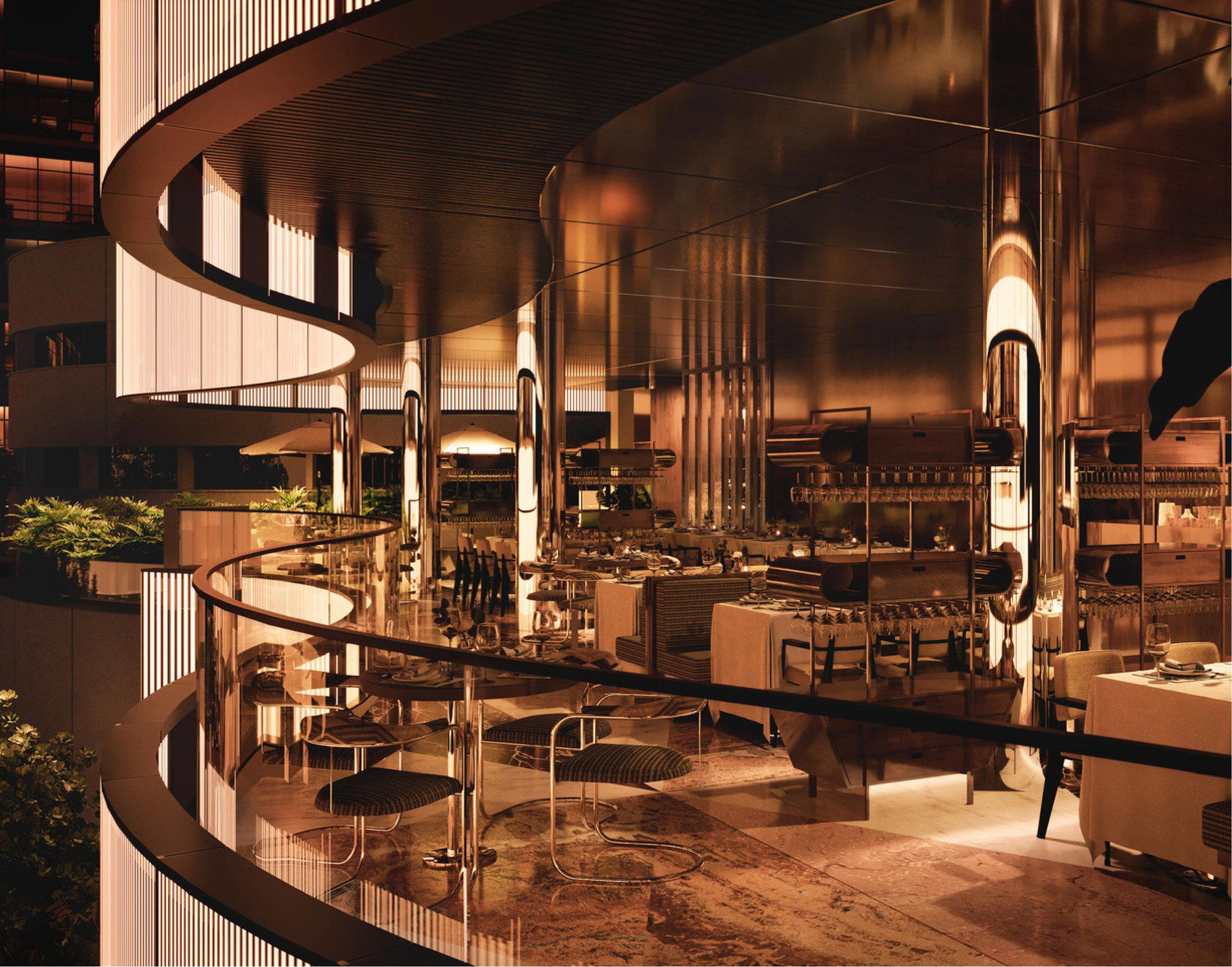
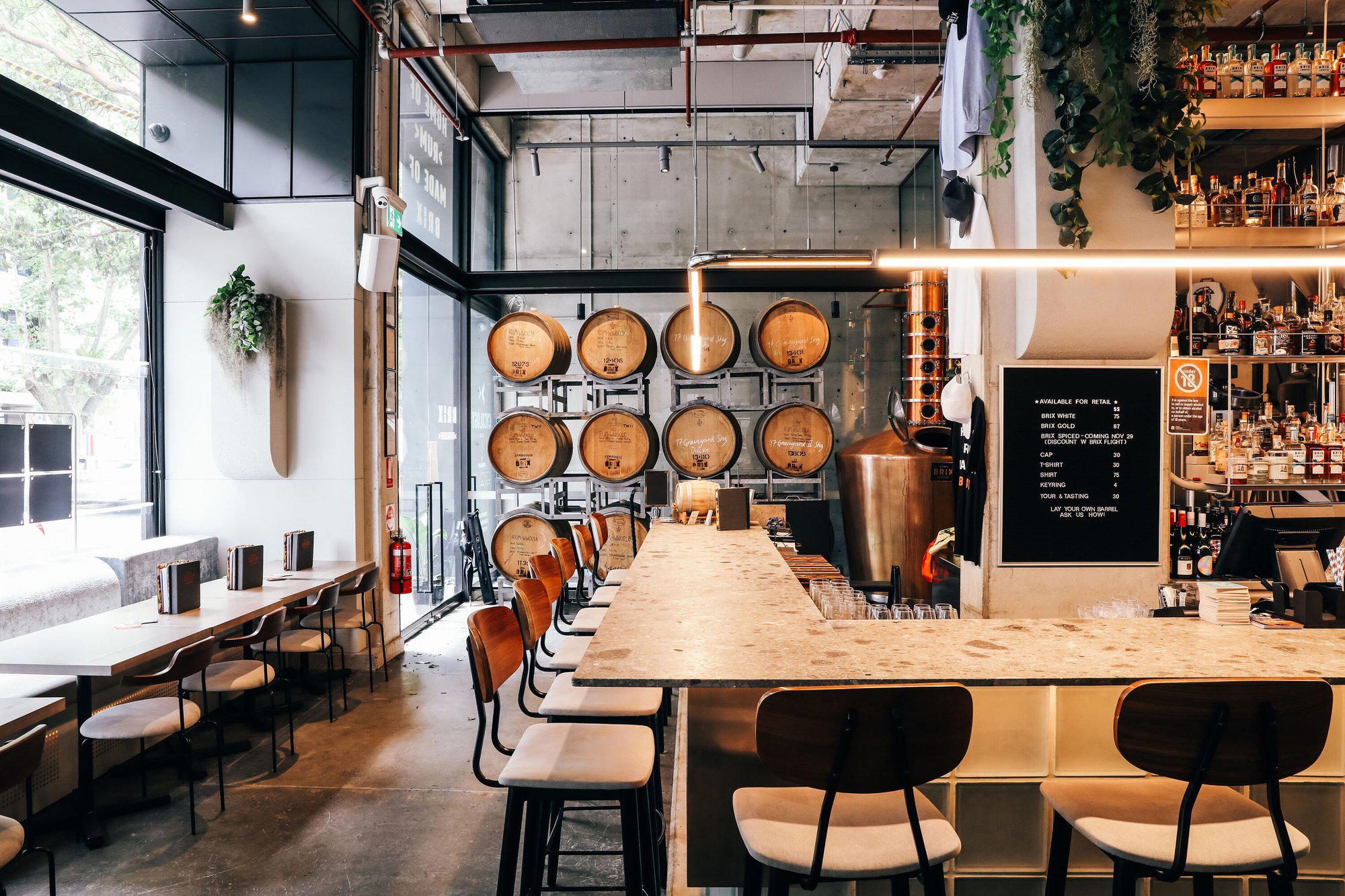
Grand and glamorous with rose-gold light shimmering across terrazzo and marble, featuring plush furnishings, botanical displays, and bold artistic installations throughout nine floors of palatial yet intimate spaces.