
La Liste Top Hotels
Jamala Wildlife Lodge sits within Canberra's National Zoo and Aquarium, placing guests in direct proximity to the animals after the public departs. Recognised by La Liste's Top Hotels ranking with a score of 95.5 points in 2026, it represents a category of experiential accommodation that few Australian properties attempt at this scale. Dining, accommodation, and wildlife access are packaged as a single, contained programme.

Pearl is the En Primeur Club membership app — saves, bookings, and concierge access live there. Same editors, same standards.
- Address
- National Zoo & Aquarium, 999 Lady Denman Dr, Canberra ACT 2611
- Phone
- +61 2 6287 8444
- Website
- jamalawildlifelodge.com.au
- Directions
- Get directions
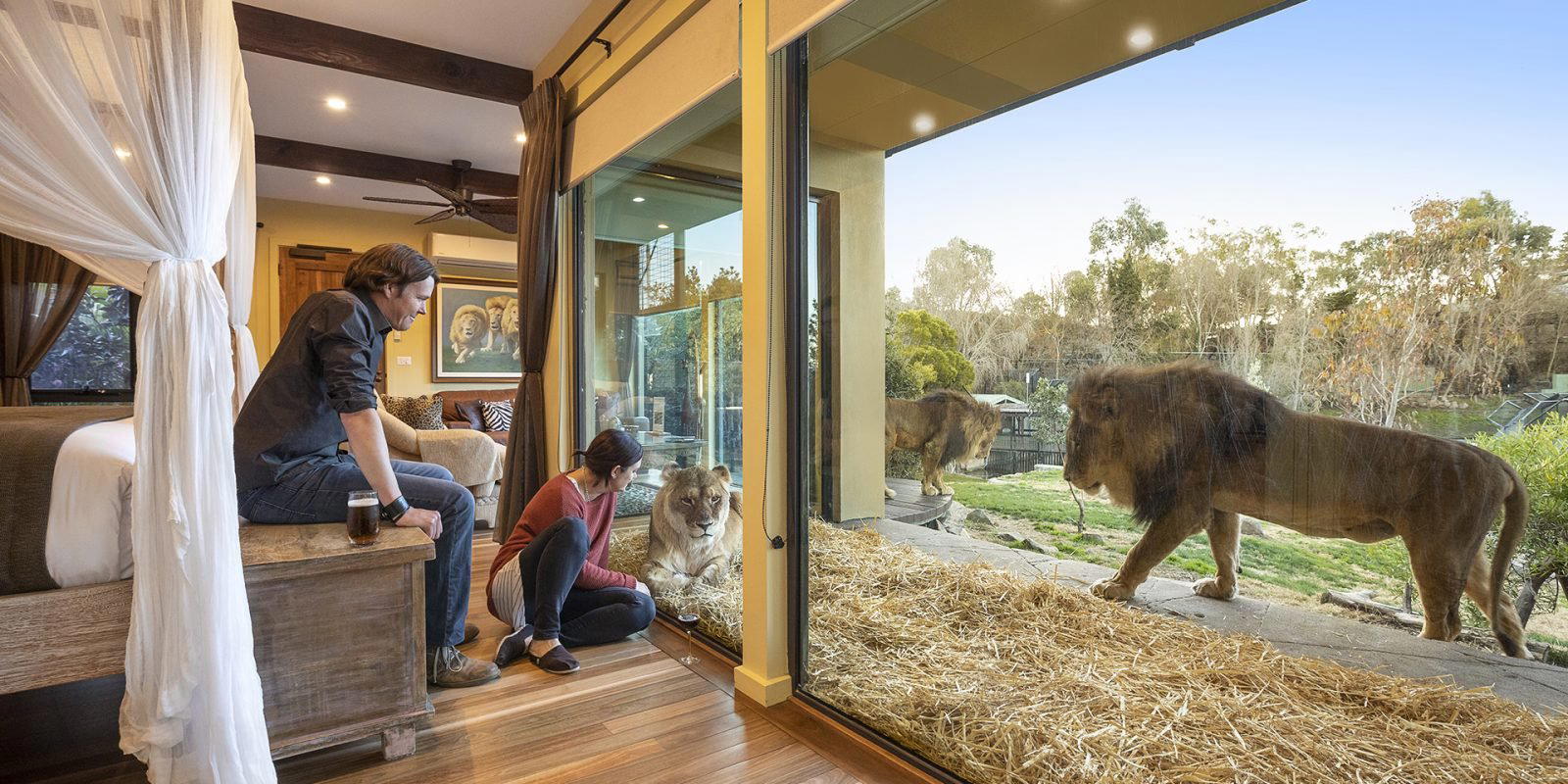
Where the Zoo Stays Open After Hours
There is a particular tier of experiential lodging in Australia that separates itself from conventional hotel categories by making the surrounding environment the primary offering rather than the room. Jamala Wildlife Lodge, set within the National Zoo and Aquarium at 999 Lady Denman Drive in Canberra, occupies that tier decisively. After the day visitors leave and the gates close, guests remain — a structural condition that defines the entire experience. The animals are not a backdrop; they are, in the most literal sense, the address.
This format positions Jamala in a competitive set that has little to do with Canberra's conventional hotel offerings. Properties like Punthill Narrabundah serve the city's business and government traveller; Jamala serves a different intent entirely.
La Liste Recognition and What It Implies
La Liste's Leading Hotels ranking awarded Jamala Wildlife Lodge 95.5 points for 2026, placing it among properties assessed across service consistency, culinary programme, and guest experience architecture. La Liste's methodology draws on multiple international critic and guest sources, which means a score at that level reflects sustained performance across diverse evaluator perspectives rather than a single-year anomaly. For a property of this format, small-capacity, experience-integrated, located in Australia's capital rather than a coastal or outback setting, the recognition signals that the dining and hospitality components are meeting a standard independent of the novelty factor.
That distinction matters. Experiential lodges can earn attention purely through the headline concept while delivering commodity-level food and service. When a property in this category appears in La Liste rankings alongside urban luxury hotels, it suggests the programme has depth. Across Australia's premium lodging tier, properties achieving comparable La Liste recognition include Capella Sydney and The Tasman in Hobart, both operating in dense urban contexts with full-scale food and beverage infrastructure. Jamala achieves proximity to that recognition band from a fundamentally different model.
The Dining Programme as a Contained World
Experiential lodges of this type typically structure dining as an extension of the immersive premise rather than as a standalone restaurant proposition. This is a deliberate programme design: when guests cannot leave the property after dark without breaking the spell of the experience, the dining sequence becomes the evening's architecture. The meal is not supplementary; it is the social and sensory frame around which the after-hours animal access is organised.
This approach places Jamala closer in design logic to destination dining properties, places like Lake House, Daylesford or Bells at Killcare, where the food and beverage programme is conceived as integral to the stay rather than optional. At properties in that category, the kitchen carries narrative weight: the sourcing story, the regional ingredient focus, and the sequencing of courses all reinforce the broader sense of place. Whether Jamala's culinary approach follows a similar logic is consistent with the format's requirements, even if specific menu details sit outside the available record.
The contained-world structure also has practical implications for guests accustomed to urban luxury properties. At The Calile in Brisbane or Capella Sydney, a guest can walk out to a neighbourhood full of restaurant alternatives. At Jamala, the property is the entire evening. That constraint, when the programme is well-designed, produces a different quality of attention, guests are present to the experience in a way that optional dining elsewhere rarely generates.
Canberra as a Setting for This Format
Canberra's position in Australian travel is an interesting one. It is the country's capital, home to significant national institutions, and increasingly recognised for a food and wine culture that has historically been underestimated relative to Sydney or Melbourne. For those exploring what the city offers across dining and accommodation, our full Canberra restaurants guide maps the broader scene. Jamala sits at the edge of that scene geographically and conceptually, on Lady Denman Drive at the National Zoo and Aquarium, which places it west of the city centre in a precinct shaped by the zoo's own footprint rather than the urban fabric.
That physical separation is part of the proposition. The lodge does not ask to be assessed against Canberra's dining and hotel options the way a city-centre property would. It operates as a self-contained destination, which makes it as relevant to interstate and international visitors planning a single-purpose night as it is to Canberra residents looking for an occasion experience within their own city. February and May, which index as peak search periods for Jamala, align with shoulder-season timing when the Canberra region's autumn conditions make outdoor and evening wildlife experiences particularly suitable. December, the third peak month, suggests a strong demand pattern around the Christmas holiday window, when experiential gifting and family travel drive booking activity.
Positioning Within Australian Wildlife Lodging
The wildlife lodge category in Australia spans significant range. At one end, properties like the Mercure Kakadu Crocodile Hotel in Jabiru are defined primarily by location in a World Heritage area, with the accommodation as access infrastructure rather than a designed experience in its own right. At the other, a small cohort of properties treats the wildlife encounter as a curated, limited-capacity experience where everything, accommodation design, dining, guide programming, is constructed around the moment of proximity to animals.
Jamala sits in the latter group. The National Zoo and Aquarium context means the animal collection is managed, diverse, and geographically concentrated in a way that wild-setting lodges cannot replicate. That is a trade-off with its own logic: guests exchange the narrative of true wilderness for guaranteed access, species variety, and a degree of proximity that wild settings rarely allow. For guests comparing Jamala against properties with equivalent La Liste recognition internationally, or against Australian luxury experiences like Cape Lodge in Wilyabrup, the decision framework is about the type of encounter sought rather than a direct quality comparison.
Planning a Stay
Jamala Wildlife Lodge operates within the National Zoo and Aquarium's site, which means arrival logistics and access are structured around the zoo's operational framework. The property books as a package experience rather than a conventional hotel night, and given the limited accommodation capacity inherent to this format, advance planning is advisable, particularly for the peak months of February, May, and December. Guests considering Jamala alongside other Australian stays with a strong food and beverage programme should also look at Jonah's Restaurant and Boutique Hotel in Palm Beach or Bondi Beach House for contrast in format and setting.
For those building a broader Australian itinerary that combines experiential lodging with urban luxury, the full range of options across Sydney, Melbourne, and beyond, including InterContinental Sydney Double Bay, Harbour Rocks Hotel in The Rocks, and Crown Metropol Melbourne in Southbank, provides a useful contrast set for understanding what Jamala offers by difference rather than by category overlap.
Price Lens
Comparable venues nearby, for context on price, style, and recognition.
| Venue | Cuisine | Price | Awards | Notes |
|---|---|---|---|---|
| Jamala Wildlife LodgeThis venue — the venue you are viewing | Not listed | Not listed | La Liste Top Hotels | Not listed |
| Hyatt Hotel Canberra - A Park Hyatt Hotel | Not listed | $200–300 | Michelin Selected | National Triangle, Historic Prairie-style heritage hotel reimagined as a luxury Park Hyatt property, blending 1920s architectural significance with contemporary comfort. |
| Little National Hotel Canberra | Barton, Affordable luxury urban boutique | Not listed | Michelin Selected | Not listed |
| Peppers Gallery Hotel | Not listed | Not listed | Michelin Selected | New Acton, Contemporary luxury boutique hotel blending heritage architecture with modern design in an urban cultural precinct. |
| QT Canberra | Not listed | $100–200 | Michelin Selected | New Acton, Designer chic tower hotel with glamorous portfolio of details. |
| Punthill Narrabundah | Not listed | $1–100 | Not listed | Narrabundah, Contemporary apartment-style hotel with Art Deco architectural elements positioned as a relaxed, home-away-from-home base for extended stays. |
Recognition history
Dated appearances from independent guides and award organizations, with the underlying list record or original source where available.
La Liste Top Hotels
La Liste
Continue exploring
More in Canberra
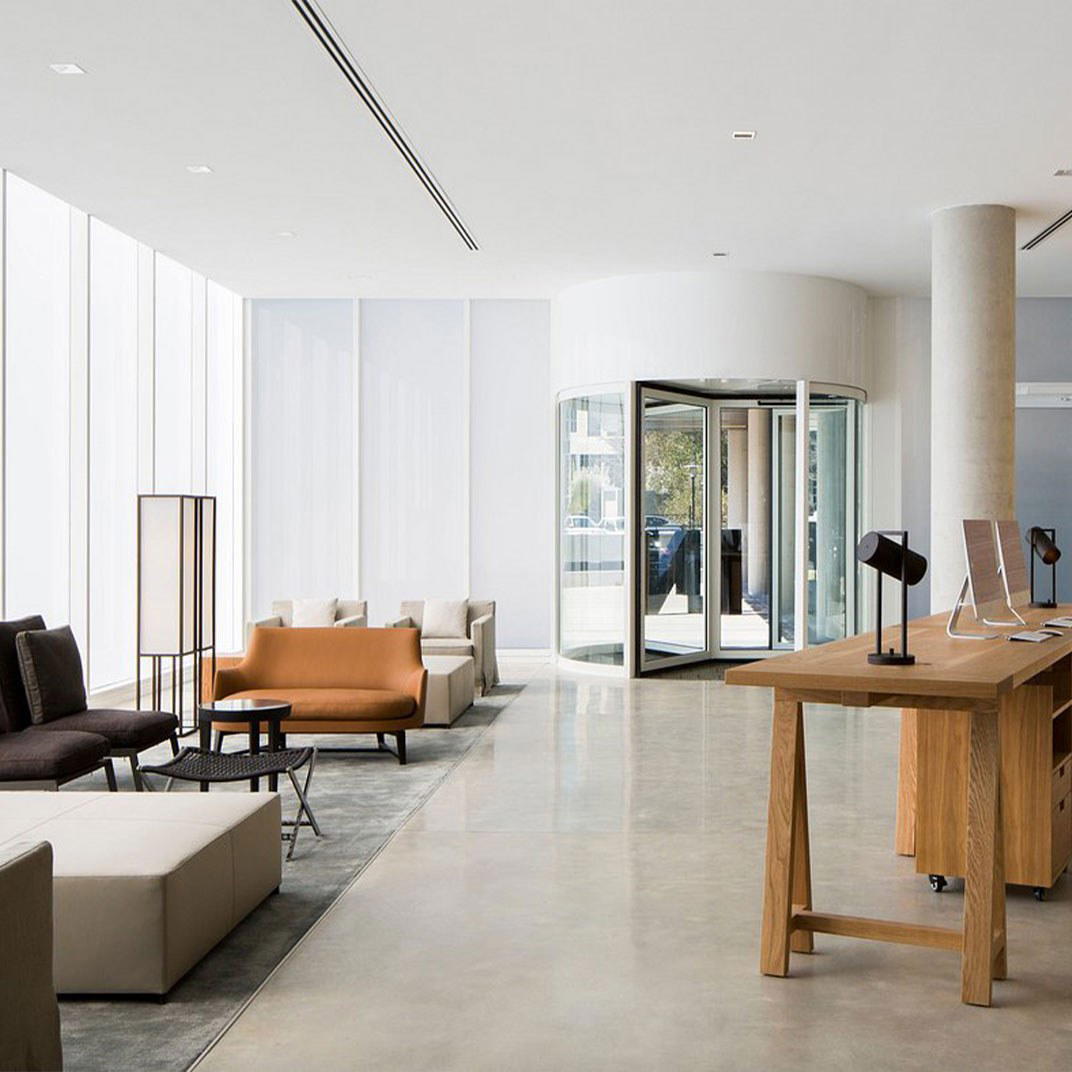
Hotels in Canberra
Browse all →
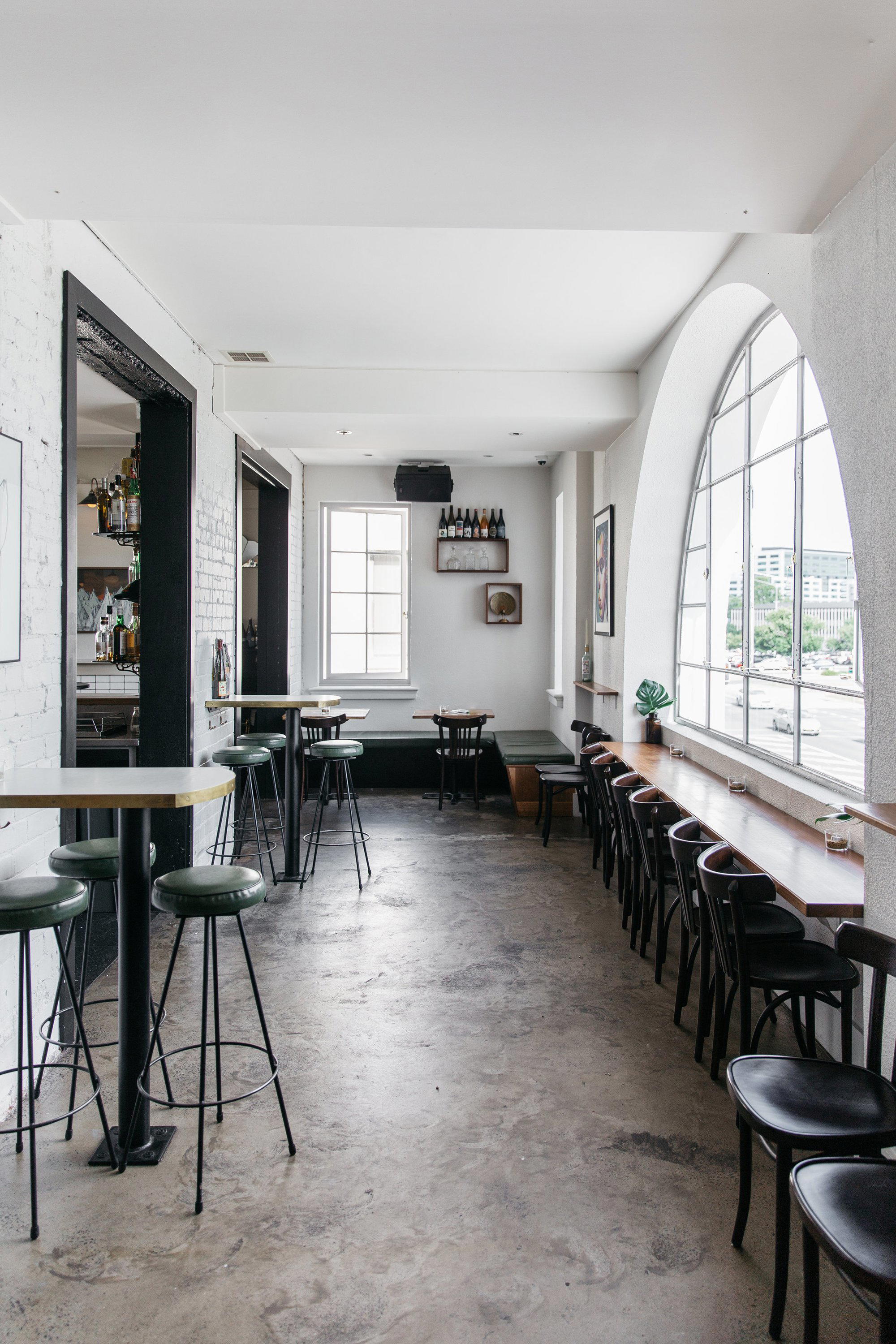
Bars in Canberra
Browse all →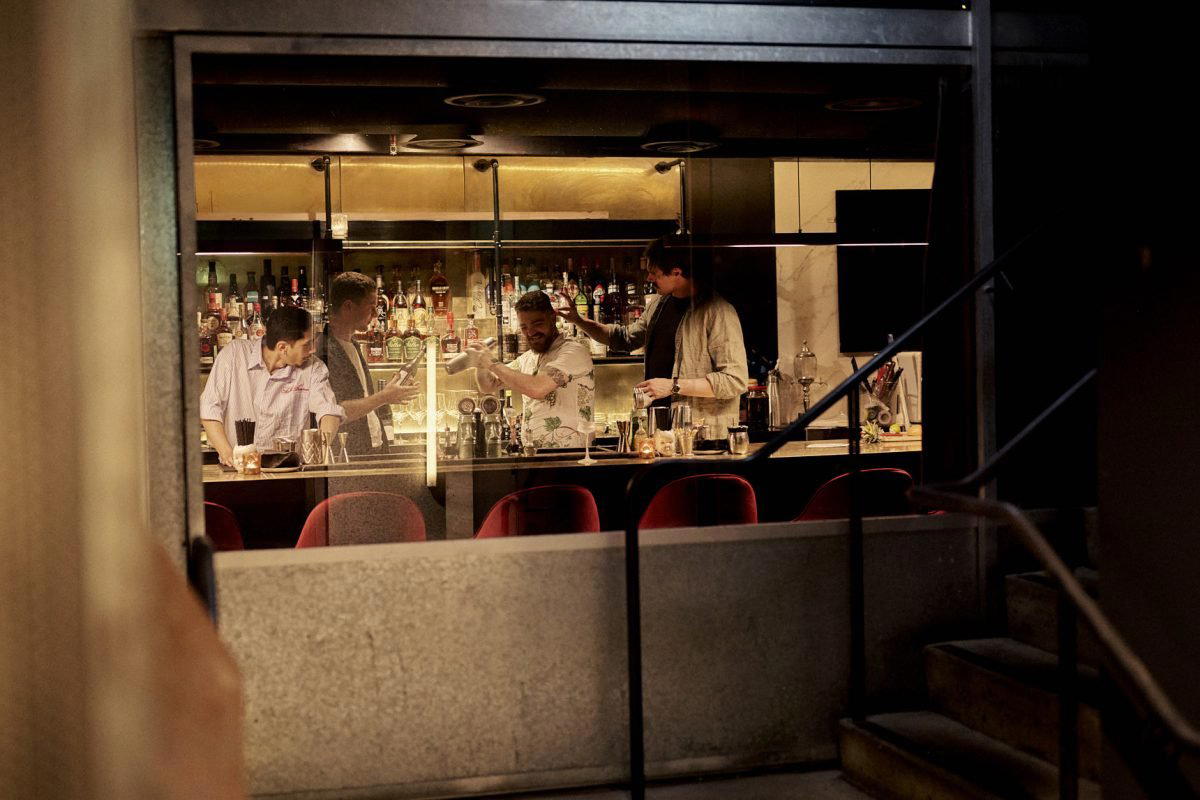
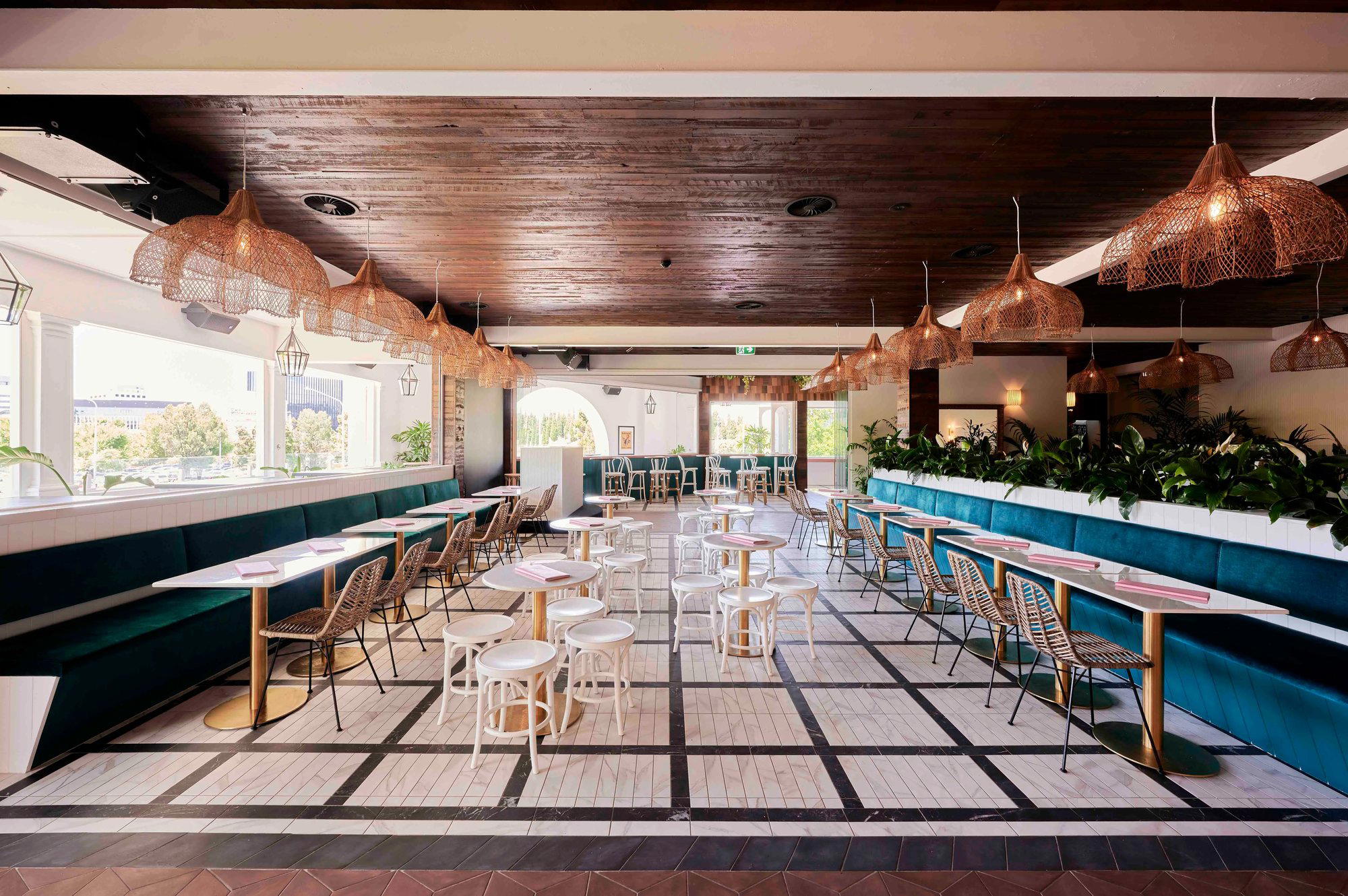
Restaurants in Canberra
Browse all →
Details
- Romantic
- Scenic
- Intimate
- Whimsical
- Elegant
- Romantic Getaway
- Anniversary
- Celebration
- Family Vacation
- Panoramic View
- Garden
- Terrace
- Wi Fi
- Pool
- Outdoor Pool
- Room Service
- Concierge
- Breakfast Included
- Garden
- Wheelchair Accessible
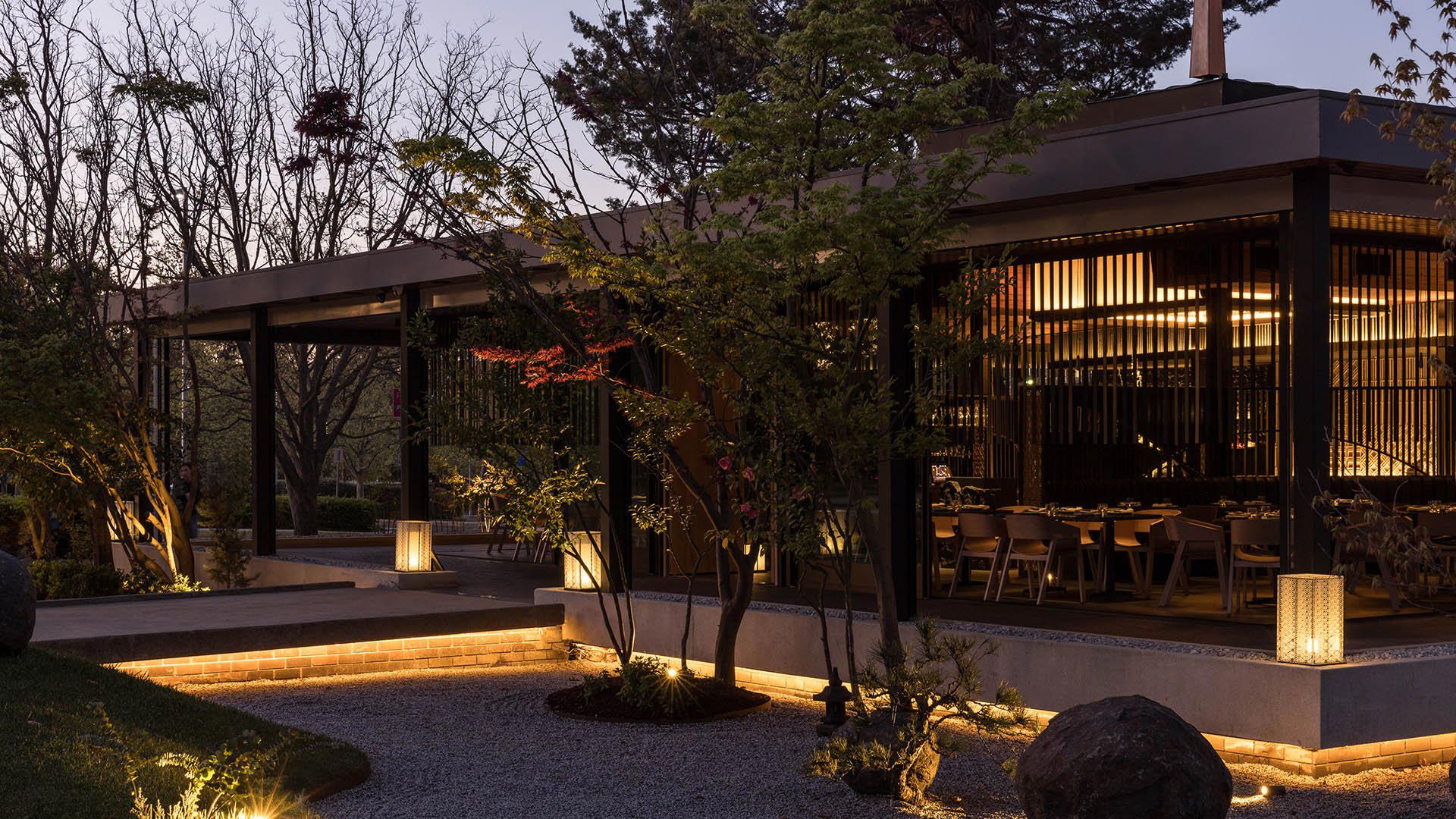
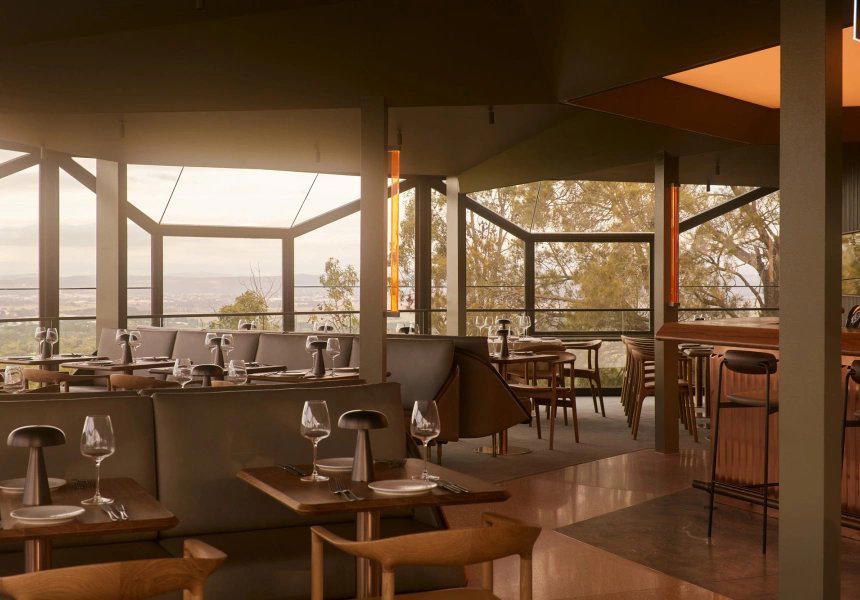
Relaxed safari lodge atmosphere with African-themed decor, ambient lighting, and serene wildlife surroundings.