Hotel Waterloo Singapore sits in a city where hotel dining often defines the stay as much as the room. With no published database details on star rating, restaurants, chef, price, or booking channels, it reads as a practical Singapore hotel entry rather than a documented culinary destination, and should be compared against better-specified properties before a dining-led trip is built around it.
Pearl is the En Primeur Club membership app — saves, bookings, and concierge access live there. Same editors, same standards.
- Address
- 78 Waterloo St, Singapore 189870
- Website
- all.accor.com
 Saves & bookings on Pearl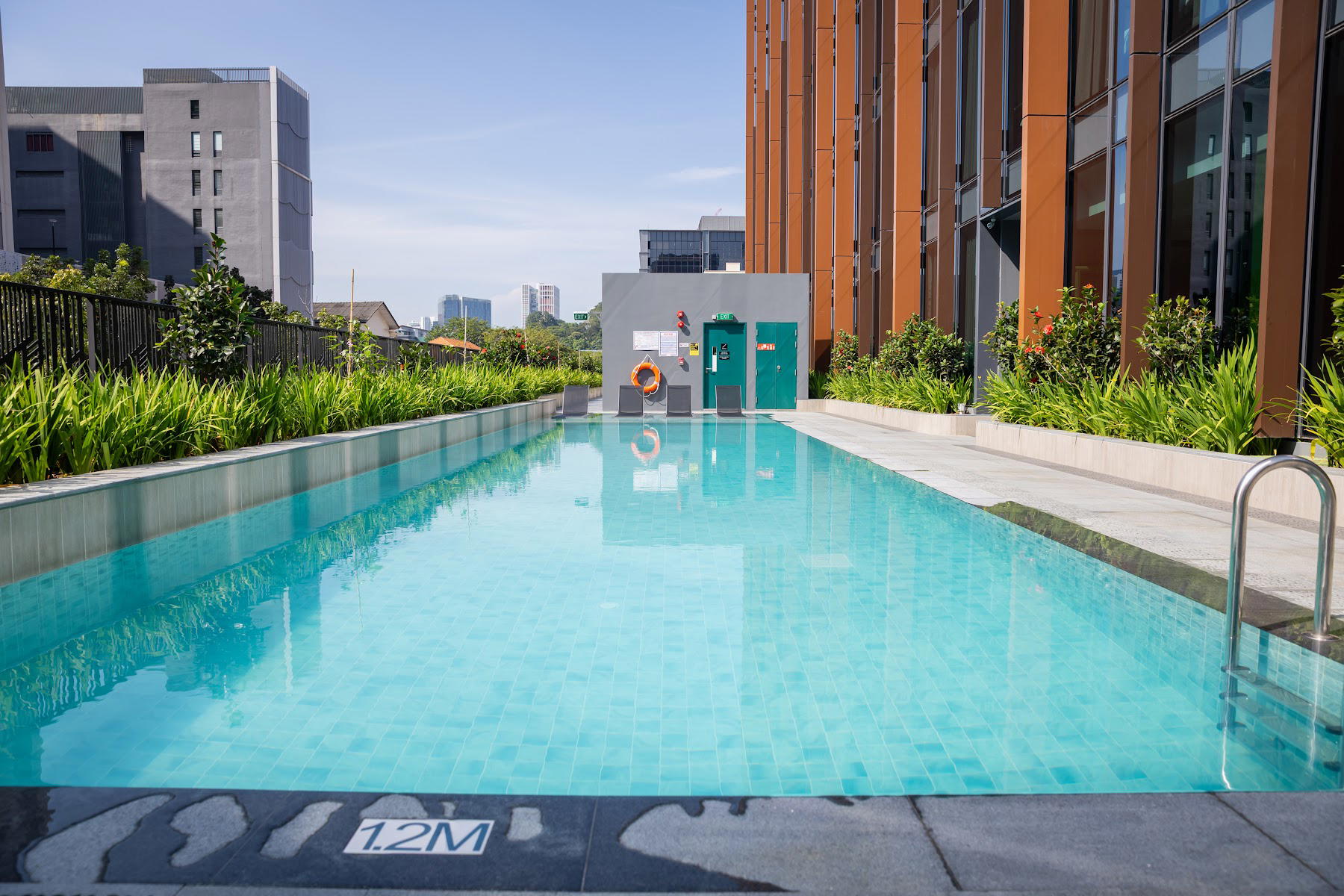
Waterloo Street and the Singapore hotel-dining question
Approaching a hotel in central Singapore is rarely just a matter of arrival. The city’s hospitality scene is dense, vertical, air-conditioned, and closely tied to the way people eat: breakfast rooms become business lounges, lobby bars carry the weight of first meetings, and restaurants often provide the public face of a property. Hotel Waterloo Singapore is a 4-star hotel at 78 Waterloo St, Singapore 189870, with 502 rooms. Around Waterloo Street, the feel is more civic than resort-like, shaped by museums, schools, places of worship, and the steady movement between Bras Basah, Bugis, and City Hall. That context matters for Hotel Waterloo Singapore, because the available record does not document the kind of dining programme, chef appointment, bar identity, price tier, star rating, or awards history that would place it in Singapore’s more visible hotel-restaurant circuit.
Singapore is a city where hotels can be serious culinary addresses. Grand heritage properties trade on afternoon tea rituals and destination dining rooms; design-led hotels use restaurants to signal neighbourhood intent; resort properties on Sentosa draw a different rhythm, with longer meals and contained evenings. In that company, a hotel without published restaurant, chef, cuisine, or bar details should be read carefully. It is a hotel to assess for location, room practicality, and access to the surrounding city, while meals should be planned through the wider Singapore dining scene.
Where it sits in Singapore's hospitality hierarchy
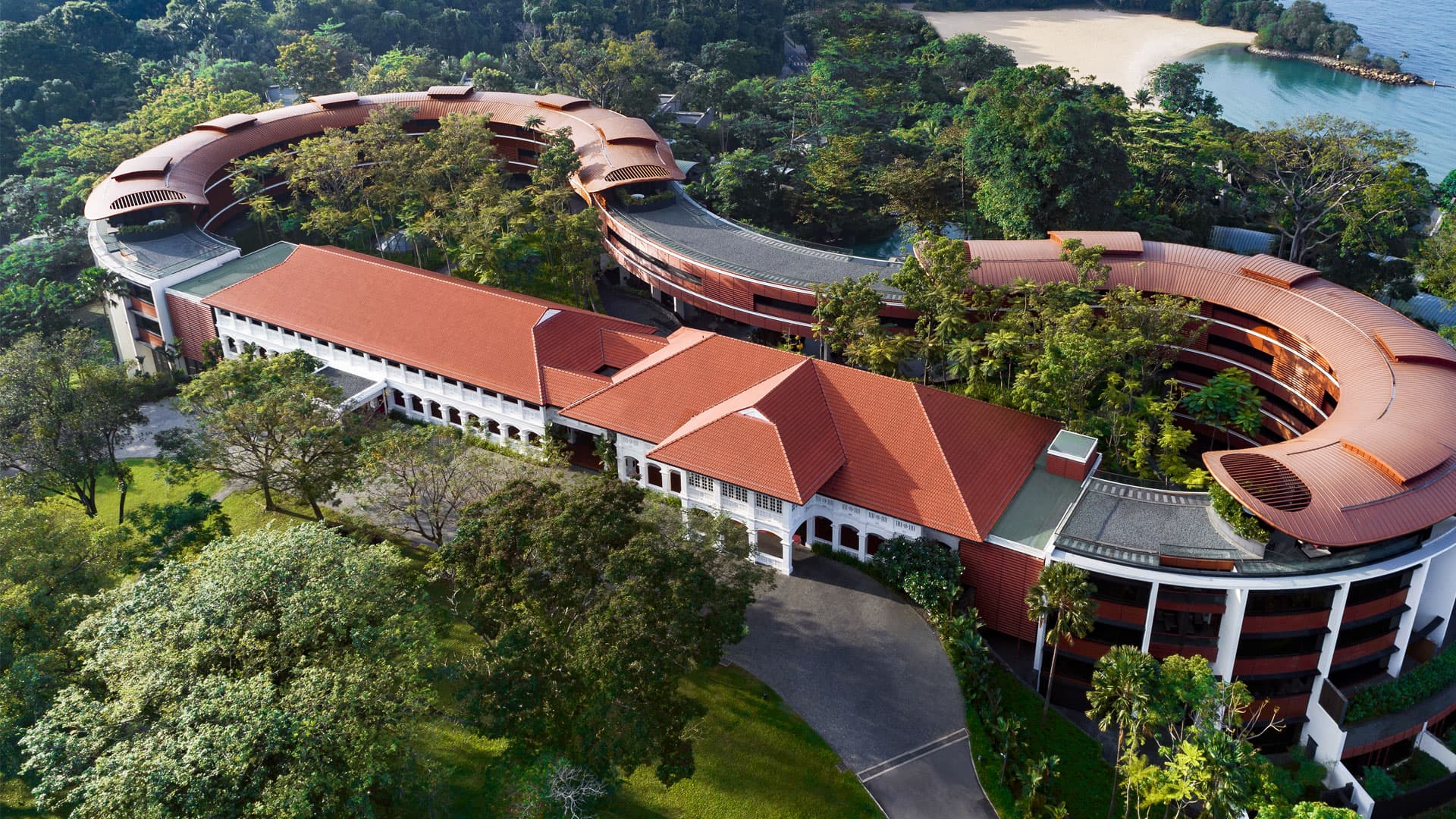
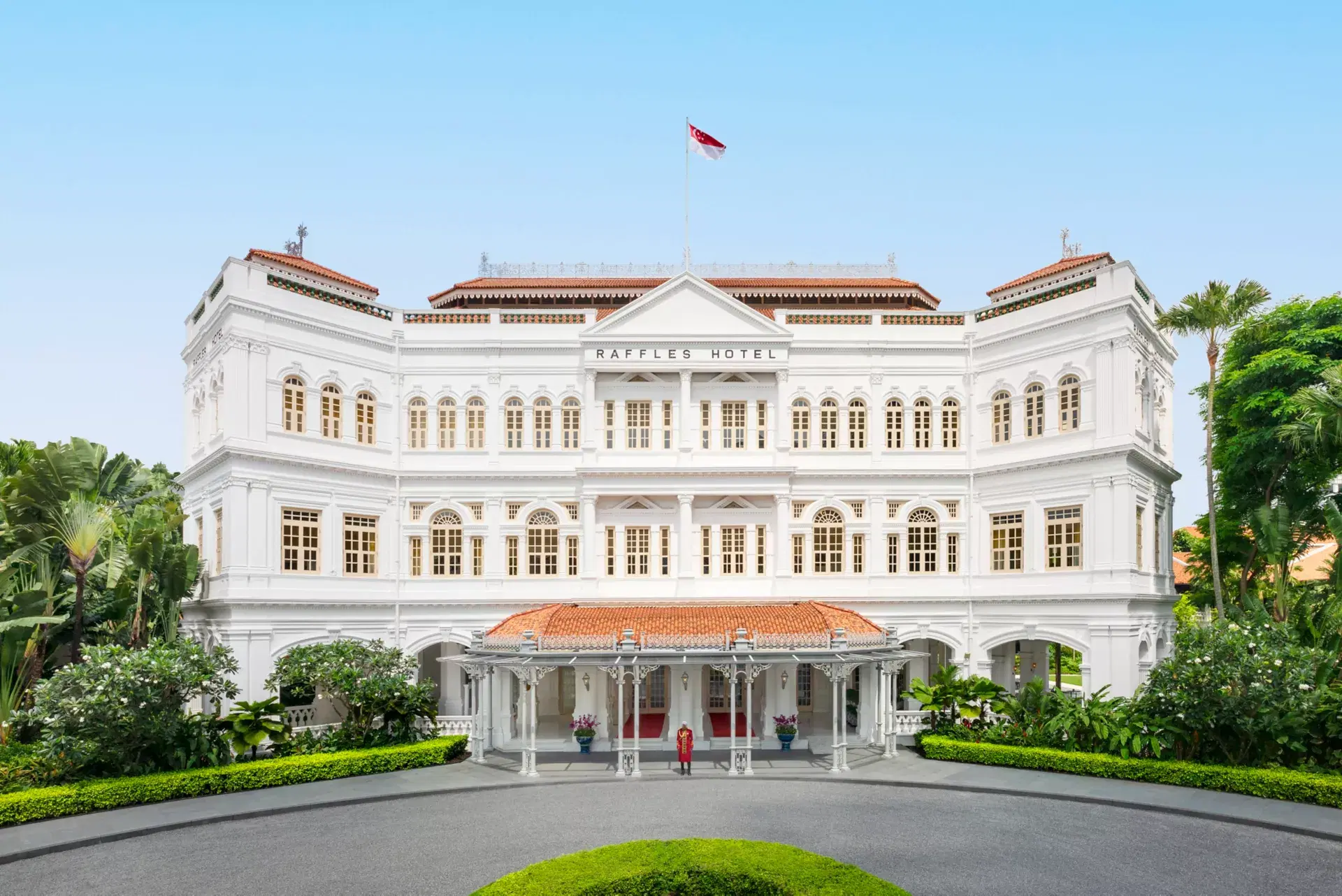
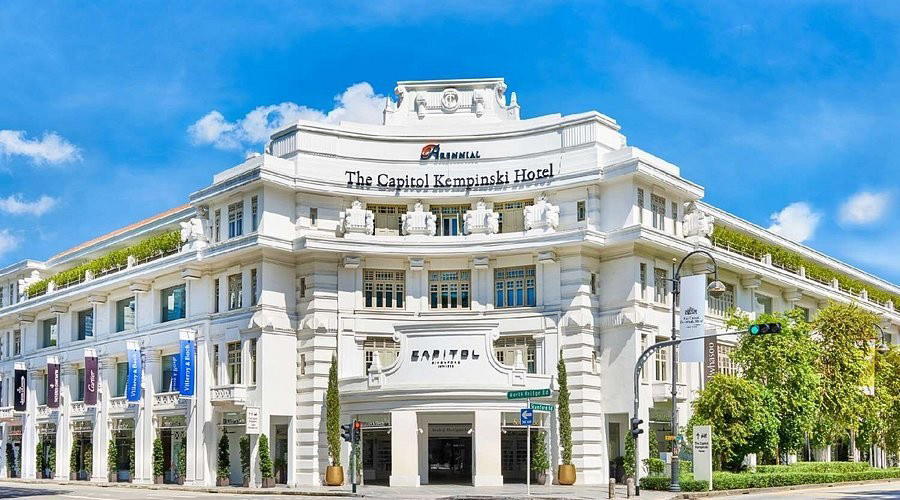
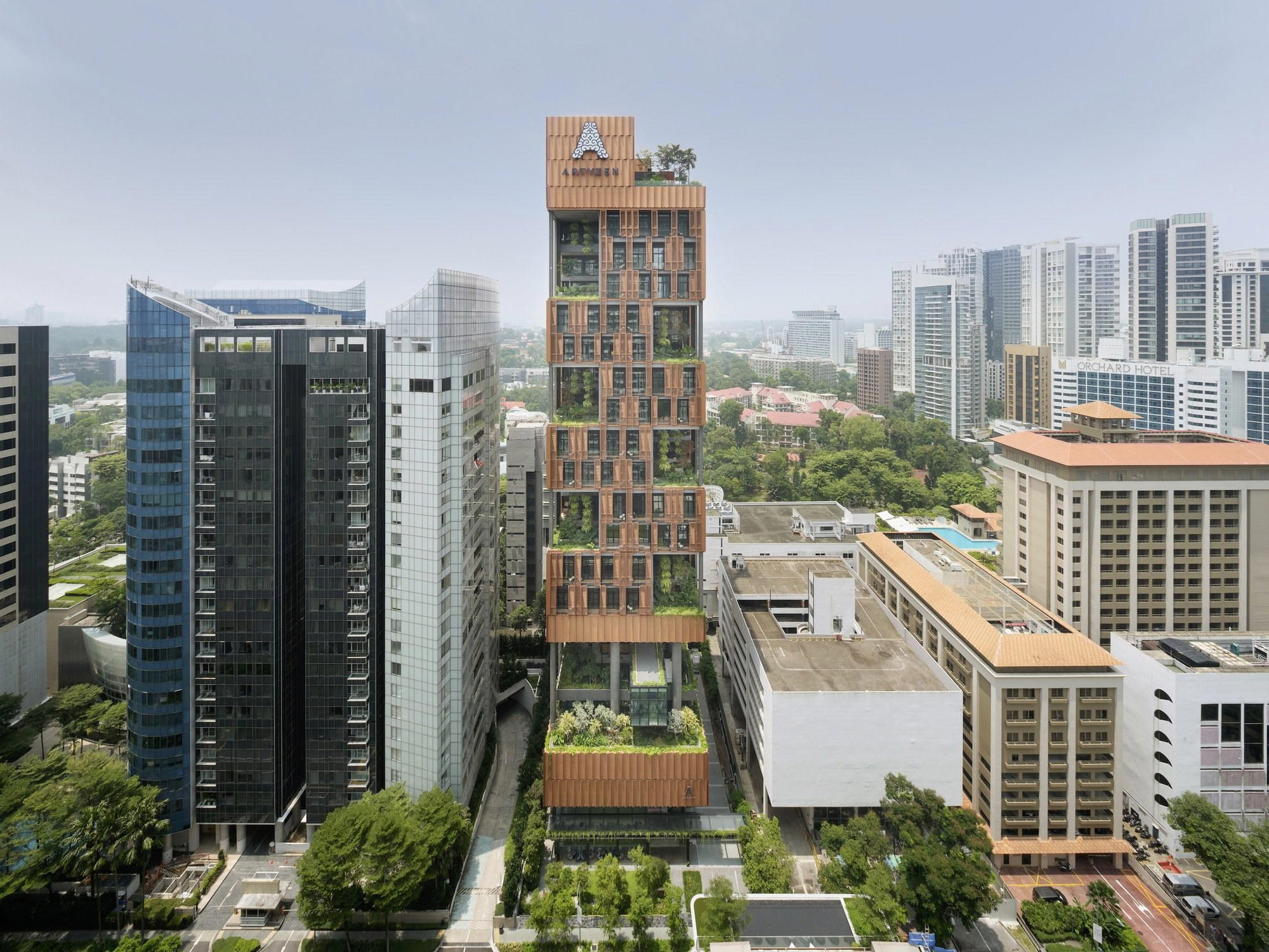
Singapore luxury has several clear hotel tribes. There are grand colonial-era addresses such as Raffles Hotel Singapore, where the building itself carries cultural memory and the public rooms are part of the stay. There are resort-leaning properties such as Capella Singapore, where space, greenery, and a slower Sentosa tempo define the proposition. There are contemporary city hotels such as Andaz Singapore, Artyzen Singapore, and Como Metropolitan Singapore, which use design, wellness, and restaurant identity to compete in a newer urban bracket.
In Singapore, where hotels compete through precise signals, Michelin-recognised kitchens, rooftop bars, branded spas, heritage restorations, and sharply defined neighbourhood narratives, a lightly documented property requires more pre-arrival verification than a hotel with a deeper public record. Travellers choosing it should treat the stay as location-first unless current direct information from the property proves otherwise.
The dining programme: what the record does and does not support
Hotel restaurants here are not side amenities; they are often how a hotel speaks to non-guests. A strong hotel dining programme usually has several markers: named restaurant concepts, stated cuisines, chef or group credentials, bar format, breakfast arrangements, private dining capacity, published menus, and independent recognition. There is no listed cuisine type, chef name, signature dish, award, seat count, or price range.
That means the responsible reading is narrow. The hotel cannot be presented as a culinary destination on the current evidence. For a traveller who uses hotel restaurants as the anchor of a stay, Singapore offers better-documented alternatives across several categories. 21 Carpenter belongs to the design-and-neighbourhood conversation; Amara Singapore sits closer to the business-hotel and central-district pattern; Carlton Hotel Singapore has the scale and positioning of a city-centre stay. Those comparisons are useful because they show how much Singapore hotel selection depends on declared facilities rather than atmosphere alone.
Why missing food data matters in Singapore
In a less food-driven city, a hotel’s restaurant record is a secondary concern. In Singapore, it affects the shape of the day. Breakfast timing can determine whether a business traveller leaves the property early or uses the hotel as a morning base. A credible lobby bar can remove the need for a second venue after dinner. A defined restaurant can make a short stay efficient, especially when rain, humidity, or late arrivals complicate movement.
Neighbourhood logic: central, cultural, useful
Waterloo Street sits within one of Singapore’s more layered central zones. Bras Basah and Bugis combine arts institutions, religious sites, malls, universities, independent food stops, and practical transit access. The area does not have the manicured resort feel of Sentosa or the ceremonial atmosphere of the colonial hotel quarter, but it has a useful kind of Singapore density. A traveller can move between galleries, shopping streets, hawker food, and train connections without building the day around a single enclosed complex.
This is where Hotel Waterloo Singapore makes more sense as an urban base than as a self-contained hotel experience. For visitors who plan to eat across the city, the practical value lies in being able to reach different dining districts rather than relying on the property’s own programme. Singapore’s restaurant geography is compact by global standards, but dining decisions still vary by neighbourhood: Chinatown and Tanjong Pagar for business dining and chef-led rooms, Little India and Jalan Besar for more informal eating, Orchard for shopping-linked hotels, Marina Bay for spectacle and corporate polish, Sentosa for resort evenings. Waterloo’s advantage is not culinary theatre inside the building; it is access to several versions of the city.
How to compare it with better-documented stays
A useful hotel comparison in Singapore begins with purpose. If the stay is built around heritage ceremony, Raffles sets a different expectation. If privacy, greenery, and resort pacing matter, Capella or The Outpost Hotel Sentosa by Far East Hospitality in Sentosa Island sit in another lane. If the traveller wants a contemporary city address with a stronger lifestyle frame, Andaz, Artyzen, Como Metropolitan, or 21 Carpenter deserve examination. Hotel Waterloo Singapore is harder to place because the available record gives no price, star rating, style, or facilities, which are the usual anchors for judging value.
That does not automatically remove it from consideration. It does mean that travellers should not apply the expectations associated with globally recognised palace hotels or high-design openings. The comparison should be functional: centrality, current room condition, verified booking terms, transport convenience, and confirmed food arrangements. For readers benchmarking Singapore against international grand hotels, the difference is even sharper. The Fifth Avenue Hotel in New York City, Hôtel de Paris Monte-Carlo in Monte Carlo, Badrutt's Palace Hotel in St. Moritz, and Aman Venice in Venice trade on extensive documented identity. This Singapore entry, by contrast, should be judged on confirmed, current facts.
Planning the stay: reservations, timing, and verification
The record does not publish phone number, website, booking method, price range, hours, or room categories. That makes direct verification essential before committing to a stay, especially for travellers arriving late, travelling with family, or expecting on-property dining. In practical terms, confirm the current address, cancellation policy, check-in arrangements, breakfast availability, restaurant or café operations, and payment terms through the booking channel being used. If dining matters, ask whether food is served on site, whether breakfast is included, and whether there are time restrictions.
Singapore’s climate also affects hotel planning. Heat and sudden rain make proximity to MRT stations, sheltered routes, and taxi access more meaningful than a map distance alone. The broader advice is simple: treat central Singapore as accessible but not frictionless, particularly at peak commuting hours or during heavy showers. For travellers building an itinerary around food, reserve independent restaurants separately and use the hotel as a base unless updated venue information confirms a stronger in-house programme.
Who should consider it
Hotel Waterloo Singapore suits the traveller who values central positioning and is comfortable doing some pre-arrival checking. It is less appropriate for a guest who wants the hotel itself to provide a fully documented dining identity, a named bar, a chef-led restaurant, or a luxury-resort infrastructure visible in advance. In Singapore, that distinction saves disappointment. The city rewards specificity: know whether the hotel is the destination, the base, or simply the place between meals.
For a broader read on the city, use the Singapore hotels guide alongside category-specific planning through the Singapore experiences guide. Singapore’s hotel field is too varied for a single hierarchy: the right answer depends on whether the stay is about heritage, resort calm, restaurant access, design, or price discipline.
International context for the hotel-dining traveller
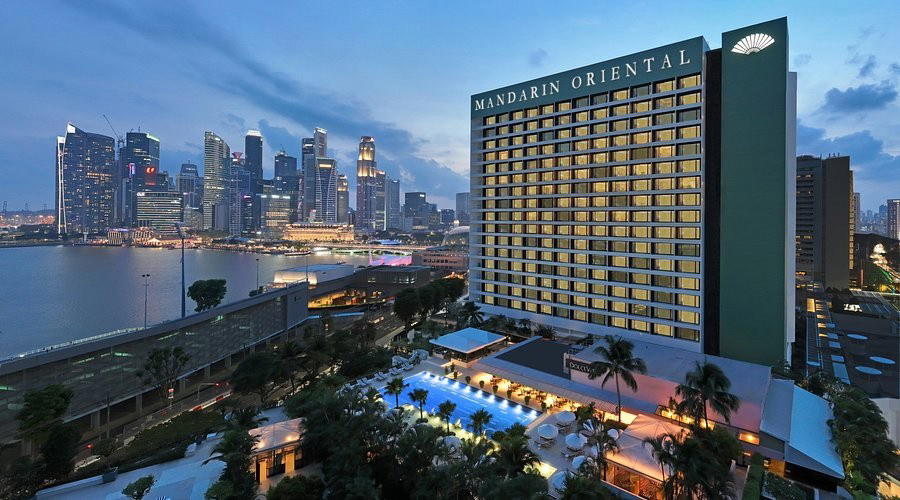
The comparison becomes clearer when set beside hotels where dining identity is clearly documented. Cipriani, A Belmond Hotel, Venice in Venice, Bvlgari Hotel Tokyo in Tokyo, Mandarin Oriental Ritz, Madrid in Madrid, Le Bristol Paris in Paris, Mandarin Oriental Bangkok in Bangkok, Aman New York in New York City, and Hotel Sacher Wien in Vienna all illustrate how a hotel can publish enough culinary and service identity for travellers to understand its role before arrival.
Reputation & Price
Comparable venues nearby, for context on price, style, and recognition.
| Venue | Price | Awards | Notes |
|---|---|---|---|
| Hotel Waterloo SingaporeThis venue — the venue you are viewing | $$$ | 4-Star | Not listed |
| Hotel Indigo Singapore Katong | $$$ | 4-Star | MARINE PARADE, Peranakan heritage boutique hotel |
| Mandai Rainforest by Banyan Tree | $$$$ | 5-Star | CENTRAL WATER CATCHMENT, Luxury nature resort with a contemporary eco-conscious design language. |
| Amara Singapore | $$$ | 4-Star | ANSON, Contemporary luxury hotel with Balinese-inspired wellness facilities; positioned as a lively community hub blending modern design with local cultural elements. |
| Pan Pacific Serviced Suites Beach Road, Singapore | $$$ | 4-Star | NICOLL, Where heritage meets modern luxury |
| The Standard, Singapore | $$$ | 4-Star | Orchard, Mid-century modern tropical oasis with irreverent luxury positioning and culture-driven hospitality |
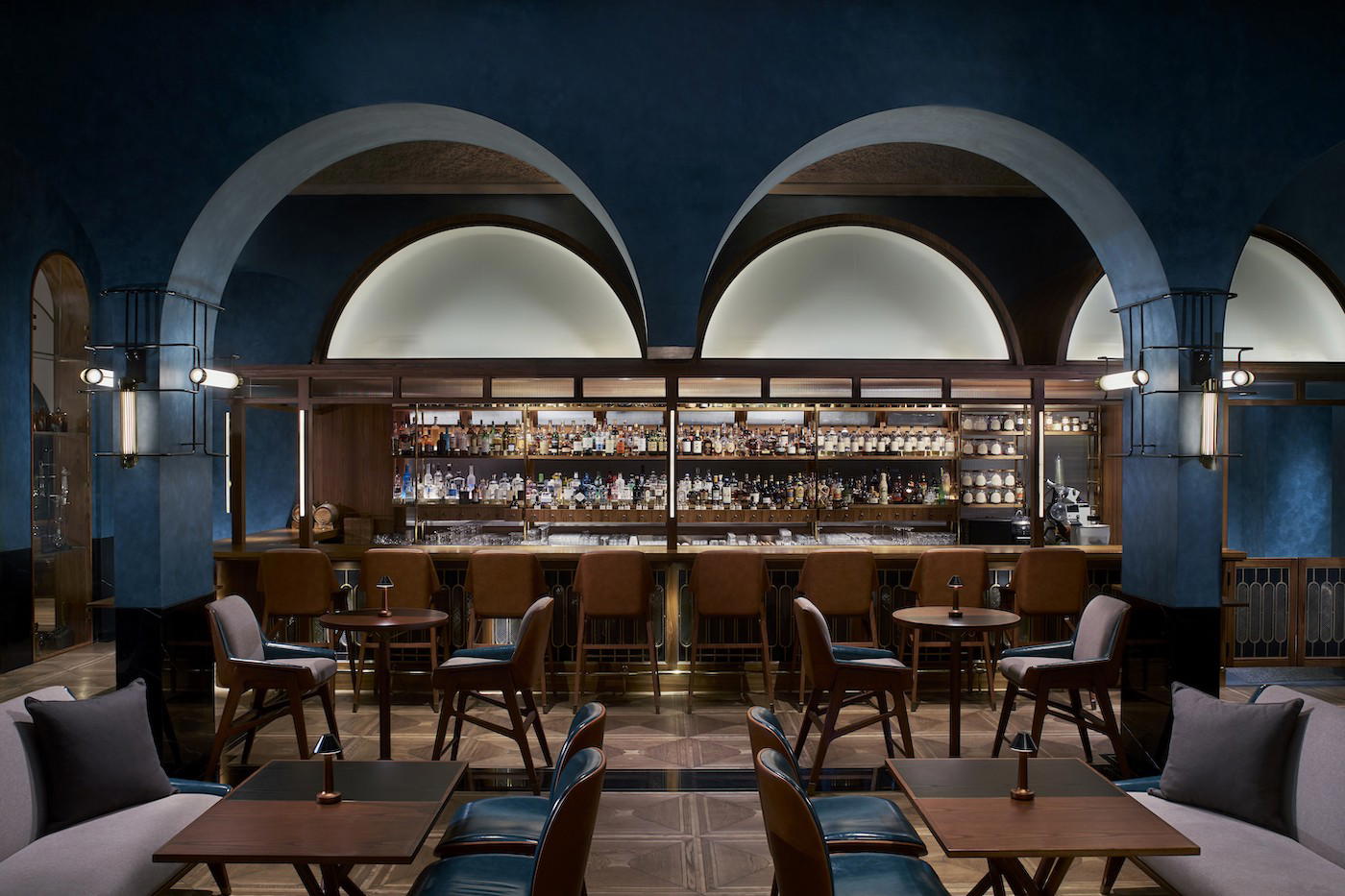
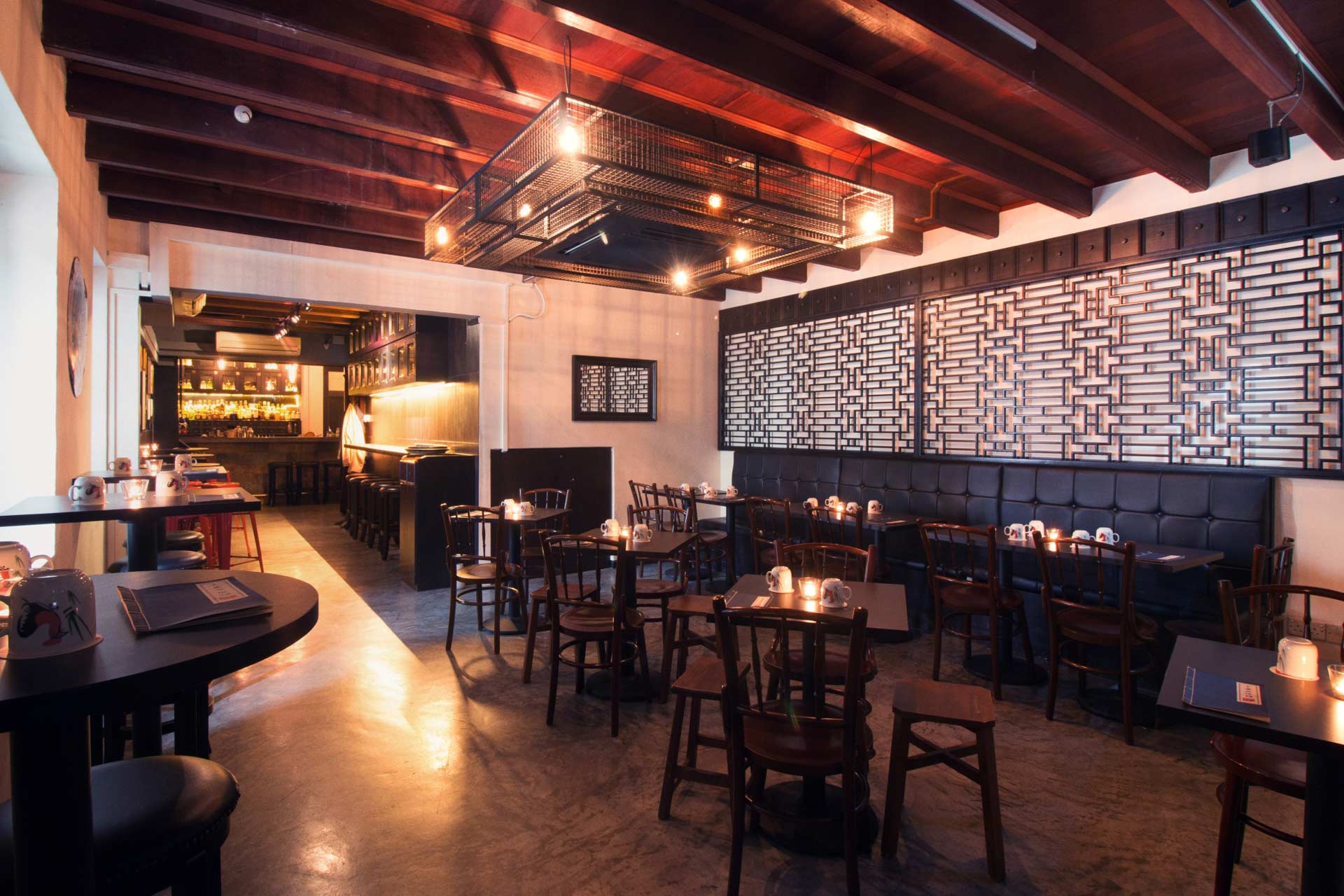
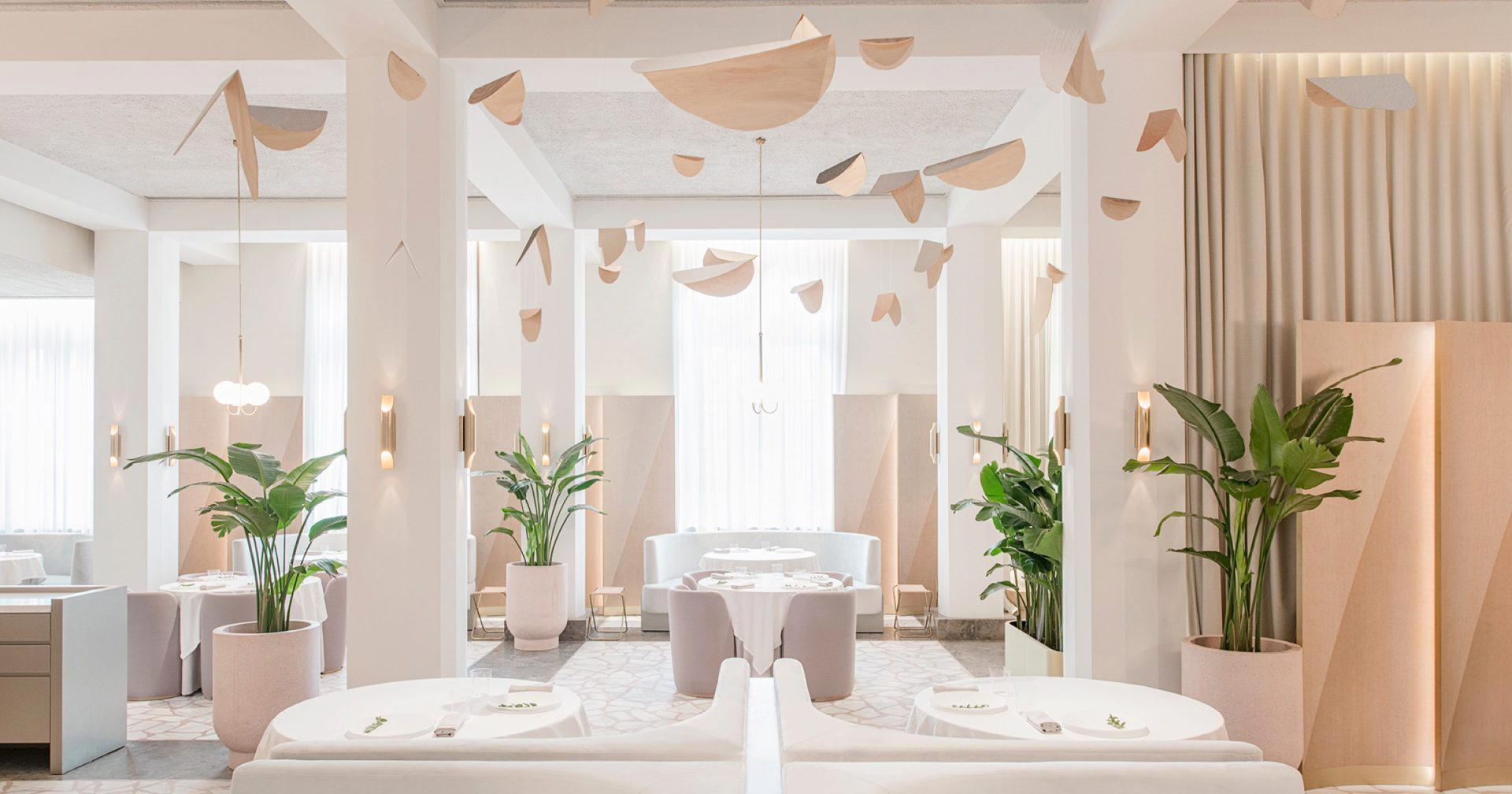
At a Glance
- Modern
- Sophisticated
- Cozy
- Quiet
- Business Trip
- Weekend Escape
- Group Retreat
- Design Destination
- Wi Fi
- Pool
- Fitness Center
- Restaurant
- Bar
- Concierge
- Meeting Rooms
- Parking
- Air Conditioning
- Street Scene
- Wi Fi
- Pool
- Fitness Center
- Restaurant
- Bar
- Concierge
- Meeting Rooms
- Parking
- Air Conditioning
Sleek, contemporary, and thoughtfully curated, with nature-inspired accents and a cozy yet elegant feel that guests describe as clean, brand new, and Instagram-worthy.