Old Montréal rewards hotels that understand masonry, scale, and street life. Hôtel Place d'Armes belongs to the city’s heritage-hotel conversation: a stay shaped less by spectacle than by proximity to stone façades, church towers, narrow streets, and the dining-and-bar rhythm of the historic quarter. Details such as rates, room categories, awards, and direct booking channels should be confirmed before travel.

Pearl is the En Primeur Club membership app — saves, bookings, and concierge access live there. Same editors, same standards.
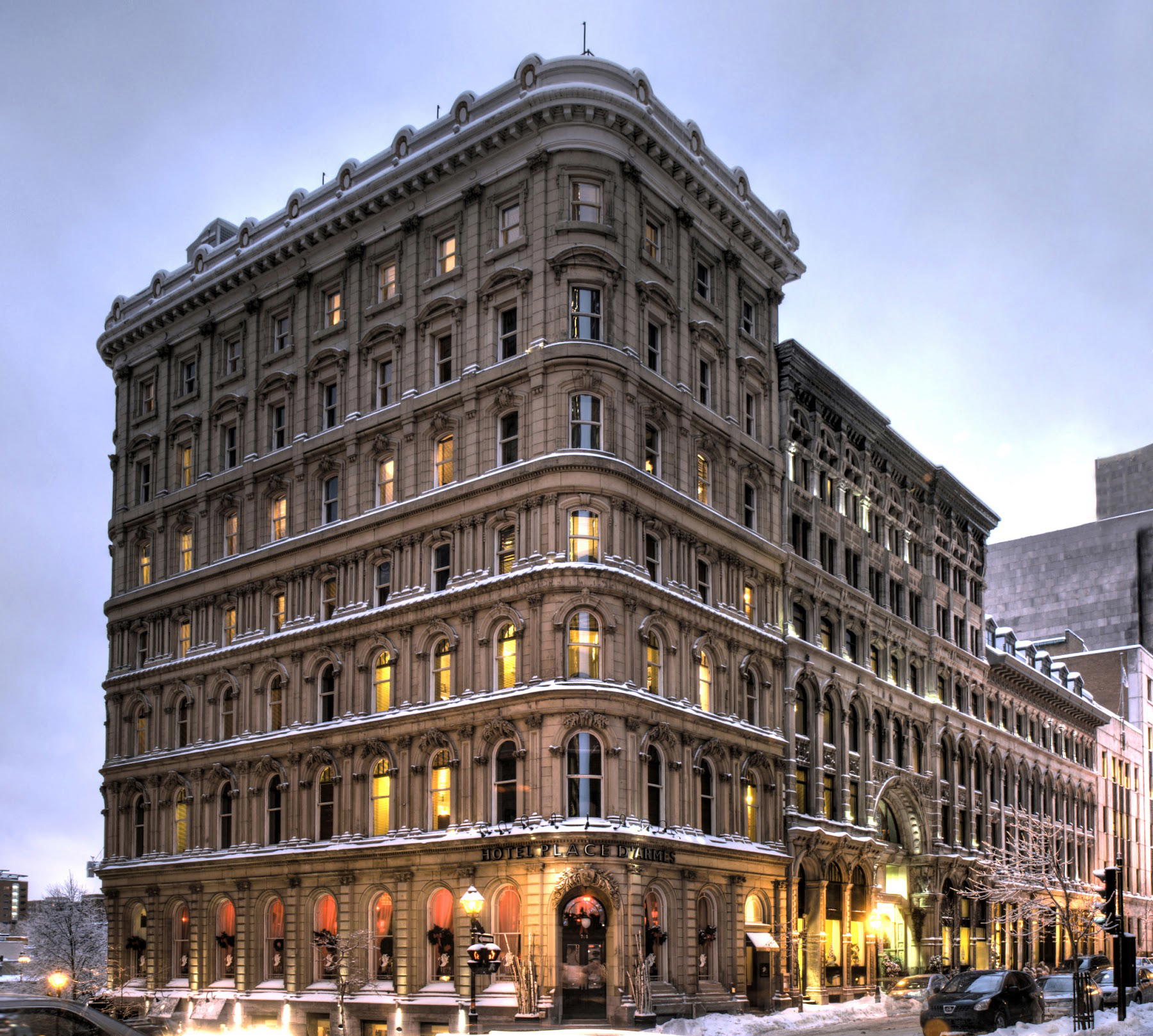
Old Montréal, read through stone and scale
Approaching a hotel in Old Montréal is different from arriving at a glass tower downtown. The first impression is usually not a lobby reveal but the street itself: cut-stone façades, narrow pavements, heavy doors, church bells, restaurant terraces in season, and a district whose proportions were set long before the city learned to build vertically. That physical setting is the point. In a city where hospitality ranges from business towers to boutique addresses, the heritage hotel occupies a specific lane: it asks the traveller to trade large-format predictability for architectural proximity to the older city.
Hôtel Place d'Armes sits inside that conversation. Hôtel Place d'Armes is a 4-star hotel in Montréal, suited to travellers who want an Old Montréal base for walks, dining, and city access. What can be said with confidence is that the name places the property in Montréal, and its editorial relevance depends on the kind of stay Old Montréal is built to support: walking, dining, architecture, short distances between historic streets, and an evening scene that feels separate from the corporate grid of downtown.
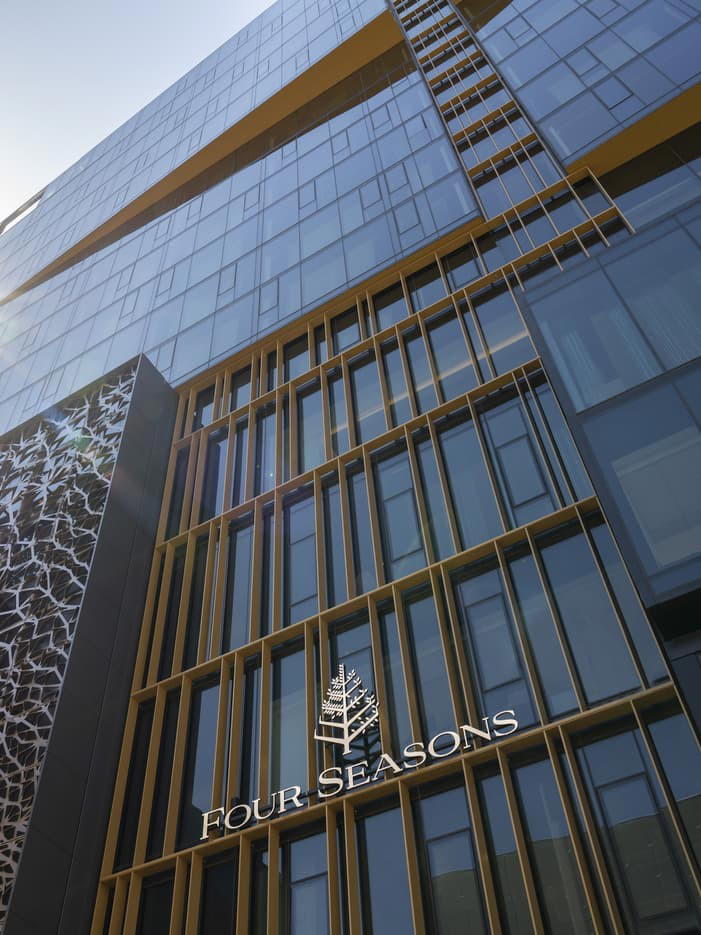
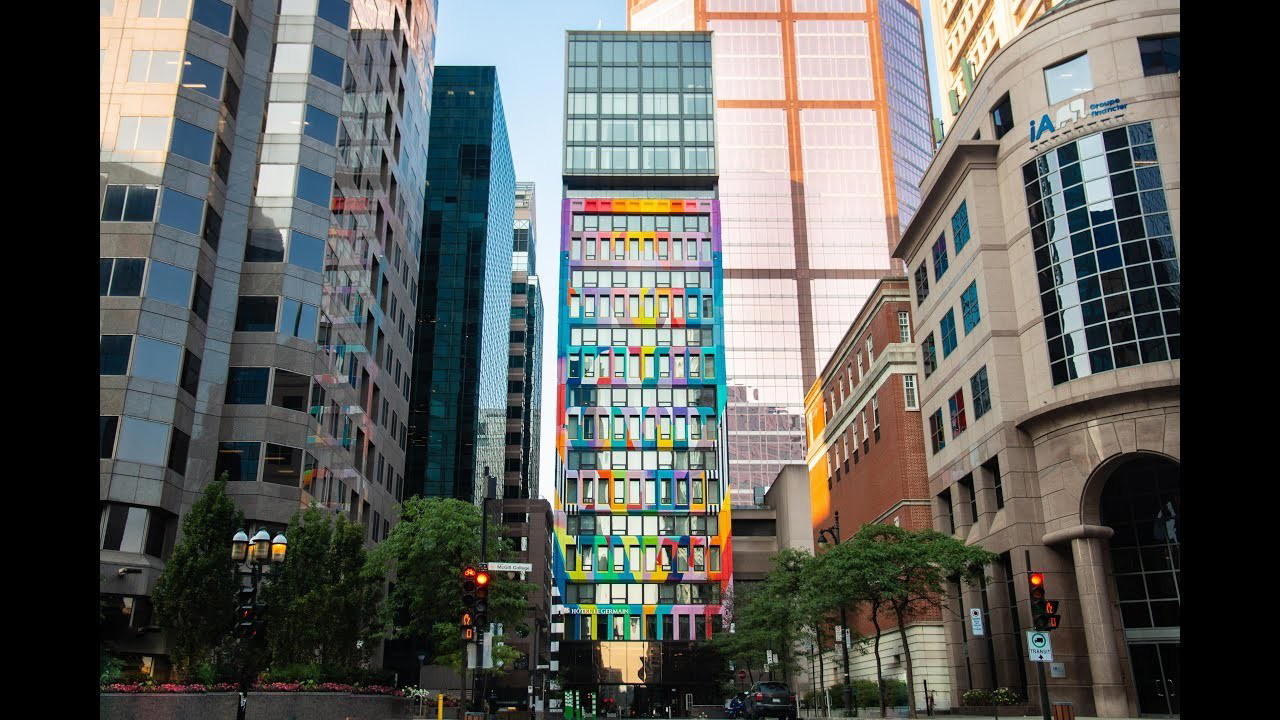
Montréal’s hotel field is split across several identities. Downtown has polished corporate comfort and fashion-retail proximity, represented in EP Club’s wider coverage by Hotel Le Germain Montreal, Le Mount Stephen, Four Seasons Hotel Montreal, Hotel Birks Montreal, and Fairmont The Queen Elizabeth. Old Montréal answers with a different promise: older streets, smaller blocks, greater dependence on building character, and a closer relationship to restaurants, bars, galleries, and the waterfront. That is the comparable set in which this property should be assessed.
The design question in a heritage district
Architecture matters more in Old Montréal than in many hotel neighbourhoods because the room is only part of the stay. The district’s appeal is cumulative: façade lines, stone textures, low-rise scale, church squares, and the contrast between preserved shells and contemporary interiors. A hotel here has to make a decision. It can treat heritage as decoration, or it can allow the surrounding district to define the rhythm of the guest experience. The stronger Old Montréal stays tend to do the latter, using the city’s older fabric as the main luxury signal rather than relying only on size or amenity count.
That distinction is useful for comparing properties. Le Petit Hotel and Auberge du Vieux-Port also belong to the Old Montréal orbit, where the surrounding streets do much of the atmospheric work. Le Place d'Armes Hotel & Suites appears in the same local hotel conversation through EP Club’s Montréal coverage, and travellers comparing names should verify the exact property, booking channel, and address before committing. In a historic district with similarly named venues, precision matters.
There is no basis here for claiming a particular design firm, renovation date, room inventory, suite layout, spa facility, restaurant program, rooftop, or heritage classification. For a stay built around architecture, the meaningful question is not whether a hotel can be described with grand adjectives. It is whether the property’s location and building language help the traveller inhabit the older city rather than merely sleep near it.
Where it fits in Montréal's hotel map
Montréal is a city of overlapping hotel logics. The business traveller often wants downtown access, convention proximity, underground-city convenience in winter, and quick movement between meetings. The leisure traveller may want the Old Port, Notre-Dame area, galleries, restaurants, and late evenings in walkable streets. The design-focused traveller is likely to read the city through materials: limestone, brick, brass, dark wood, marble, concrete, and the occasional sharply modern insertion inside an older shell.
On that map, Hôtel Place d'Armes is a more convincing idea for guests who want Old Montréal to frame the stay. It is not possible from the available record to state the nightly rate, amenities, or specific room categories, so value should be judged against confirmed dates and direct inventory rather than assumption. During major festivals, Grand Prix week, peak summer weekends, and autumn foliage periods, Montréal hotel pricing can move quickly across categories. That seasonal pressure is general city intelligence, not a venue-specific claim, and it affects the comparison between heritage hotels and larger downtown flags.
Travellers building a broader Montréal plan can use Montréal guides for hotel comparisons, dining context, drinking rooms, cultural planning, and regional wine-minded detours. Old Montréal works especially well when the hotel is treated as a base for moving through the district on foot rather than as a sealed resort environment.
What the lack of published detail changes
Luxury travel writing often overreaches when records are thin. As a result, several claims are off-limits: no award citations, no named chef credentials, no room-type hierarchy, no stated rate band, no restaurant assessment, no spa description, and no claim about how difficult reservations are. The guiding factor here is the hotel’s placement within Montréal’s heritage-hotel category and Old Montréal’s established reputation as the city’s historic visitor quarter.
That may sound cautious, but it is useful for a reader making a paid decision. A hotel without verified rate and award data should be compared on confirmed facts gathered at the time of booking: exact address, cancellation terms, room dimensions, bed configuration, breakfast policy, parking arrangement, accessibility details, noise exposure, and whether the room faces a street, courtyard, or internal light well. In older districts, those practical questions carry more weight than in uniform tower hotels because heritage buildings often vary more room to room.
The same caution applies to room popularity. Without verified booking data, it would be irresponsible to identify a requested room type. In heritage hotels, travellers often gravitate toward larger rooms, suites, or rooms with stronger street character, but that is a category pattern rather than a confirmed fact for this property. The better move is to ask for the current room map, confirm whether the assigned category differs materially across floors, and check whether any renovation or maintenance work is scheduled during the stay.
Who should choose this part of the city
Old Montréal is not a neutral base. It suits travellers who want the city’s older streets to be part of the daily itinerary. Morning walks, museum time, long lunches, cocktail stops, and dinners reached without a car all fit the district’s pace. It is less convenient for travellers whose days are concentrated around offices far downtown, suburban meetings, or repeated cross-city taxi rides. The hotel decision, then, should begin with the trip’s centre of gravity rather than with a generic ranking.
For architecture-led travellers, the appeal is direct. Montréal’s older quarter gives a stronger sense of scale than many North American historic districts because commercial life has not been reduced to a museum display. Restaurants, hotels, bars, offices, churches, and tourist traffic share the same streets. That mix can be lively, crowded, quiet, or weather-dependent depending on the hour and season. Winter compresses movement toward interiors; summer stretches the district outward onto terraces and squares. Spring and autumn bring more temperate walking conditions, though event calendars can still affect rates and availability.
Comparisons beyond Montréal sharpen the point. Canadian luxury hotels split between urban flagships, wilderness lodges, resort landmarks, and heritage retreats. Fogo Island Inn in Joe Batt's Arm and Clayoquot Wilderness Lodge in Tofino use remoteness as part of their appeal. Four Seasons Hotel Toronto in Toronto and Rosewood Hotel Georgia in Vancouver operate in major-city luxury registers. Manoir Hovey in North Hatley, Fairmont Chateau Whistler in Whistler, Fairmont Chateau Lake Louise in Lake Louise, Fairmont Empress Hotel in Victoria, and Hôtel Quintessence in Mont-Tremblant each tie the stay to a specific regional setting. In that national context, Old Montréal’s proposition is urban heritage at walking scale.
International comparisons also help. The Fifth Avenue Hotel in New York City, Hôtel de Paris Monte-Carlo in Monte Carlo, and Badrutt's Palace Hotel in St. Moritz show how heritage, address, and social history can become part of hotel value. Montréal’s version is less about grand-palace mythology and more about the texture of a North American city with French, British, and contemporary layers visible at street level.
Planning the stay without overreading the record
Travellers should verify all direct contact details through a current official source before paying. Confirm the precise property name, address, booking terms, taxes, resort or amenity fees if any, parking options, and accessibility needs in writing. If the trip is tied to a restaurant reservation, festival ticket, train arrival, or early flight, align the hotel booking around those constraints rather than assuming flexible check-in or storage policies.
Value cannot be assessed by band. A fair test is comparative: look at confirmed nightly rates for Old Montréal boutique and heritage hotels on the same dates, then compare room size, cancellation flexibility, breakfast inclusion, and location. If downtown properties are materially cheaper during the same window, the premium for Old Montréal should be justified by how much time the traveller plans to spend in the district. If most of the itinerary is within walking distance of the old quarter, that premium can make practical sense. If the trip is car-heavy or meeting-led, downtown may be cleaner operationally.
Reputation & Price
Comparable venues nearby, for context on price, style, and recognition.
| Venue | Price | Awards | Notes |
|---|---|---|---|
| Hôtel Place d'ArmesThis venue — the venue you are viewing | $$$$ | 4-Star | Not listed |
| Hotel Gault | $$$$ | 4-Star | Vieux Montréal, Contemporary boutique in historic greystone building |
| Humaniti Hotel Montreal Autograph Collection | $$$$ | 4-Star | Quartier international de Montreal, Smart Vertical Community blending human inspiration with cutting-edge modernist architecture and local cultural integration. |
| Hôtel William Gray | $$$$ | 4-Star | Vieux Montréal, Modern luxury in historic setting with glass atrium |
| W Montreal | $$$$ | 4-Star | Quartier international de Montreal, Modern luxury in a historic bank building. |
| Warwick Le Crystal | $$$$ | 4-Star | Golden Square Mile, Urban boutique condo-style suites with kitchenettes |
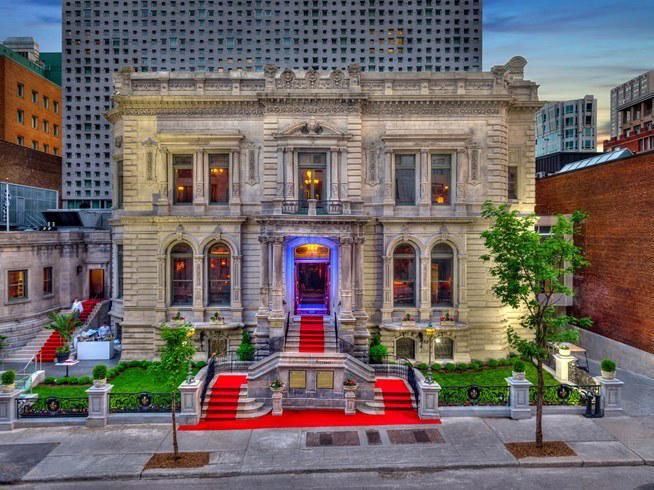
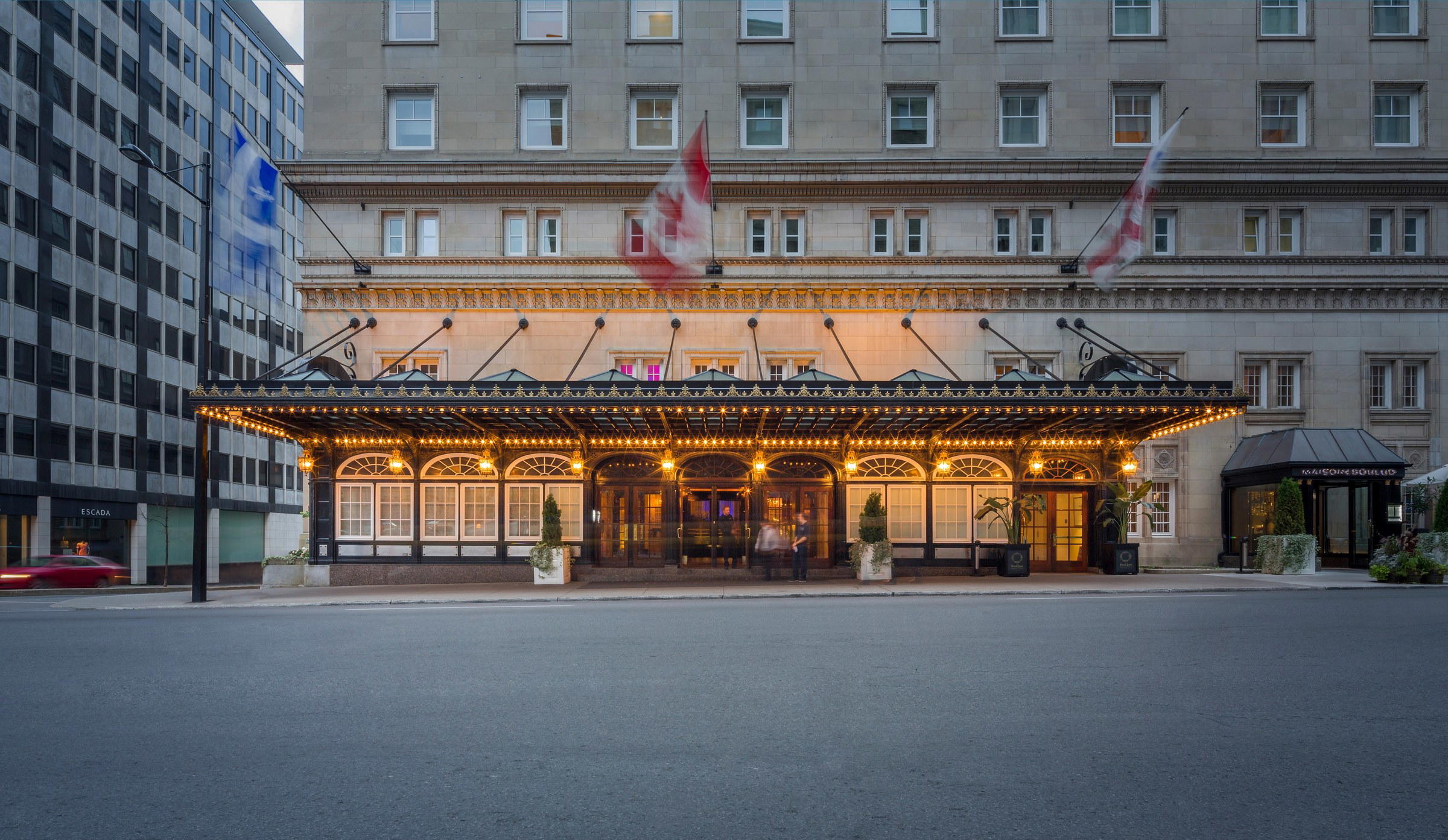
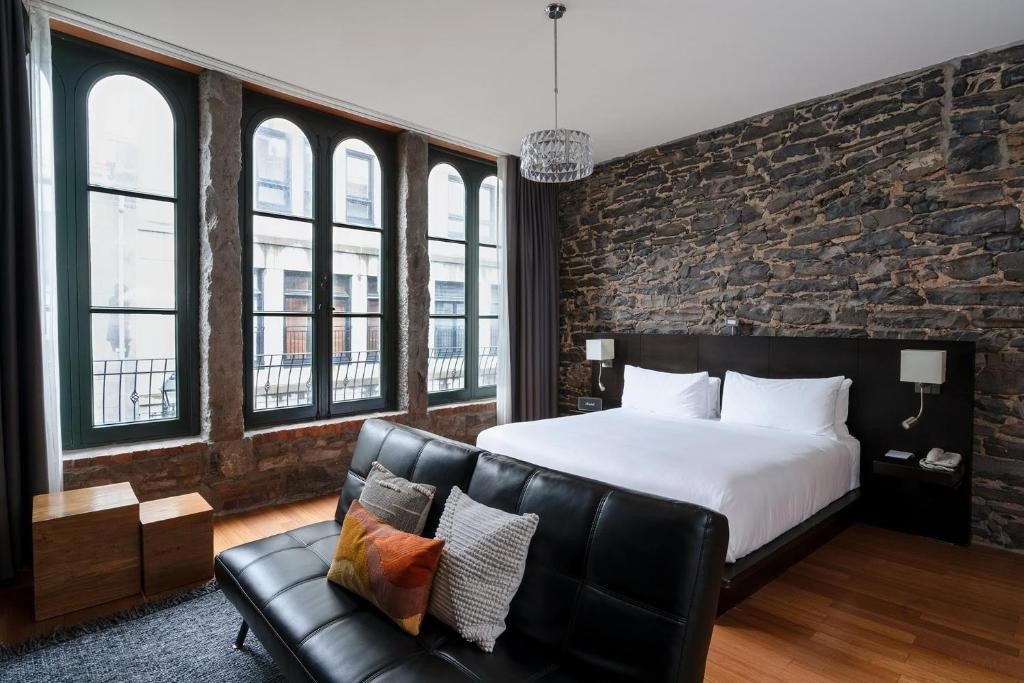
At a Glance
- Elegant
- Sophisticated
- Classic
- Modern
- Historic
- Lively
- Romantic Getaway
- Business Trip
- Weekend Escape
- Celebration
- Destination Wedding
- Historic Building
- Terrace
- Panoramic View
- Design Destination
- Wi Fi
- Spa
- Fitness Center
- Room Service
- Concierge
- Business Center
- Valet Parking
- Street Scene
- Wi Fi
- Spa
- Fitness Center
- Room Service
- Concierge
- Business Center
- Valet Parking
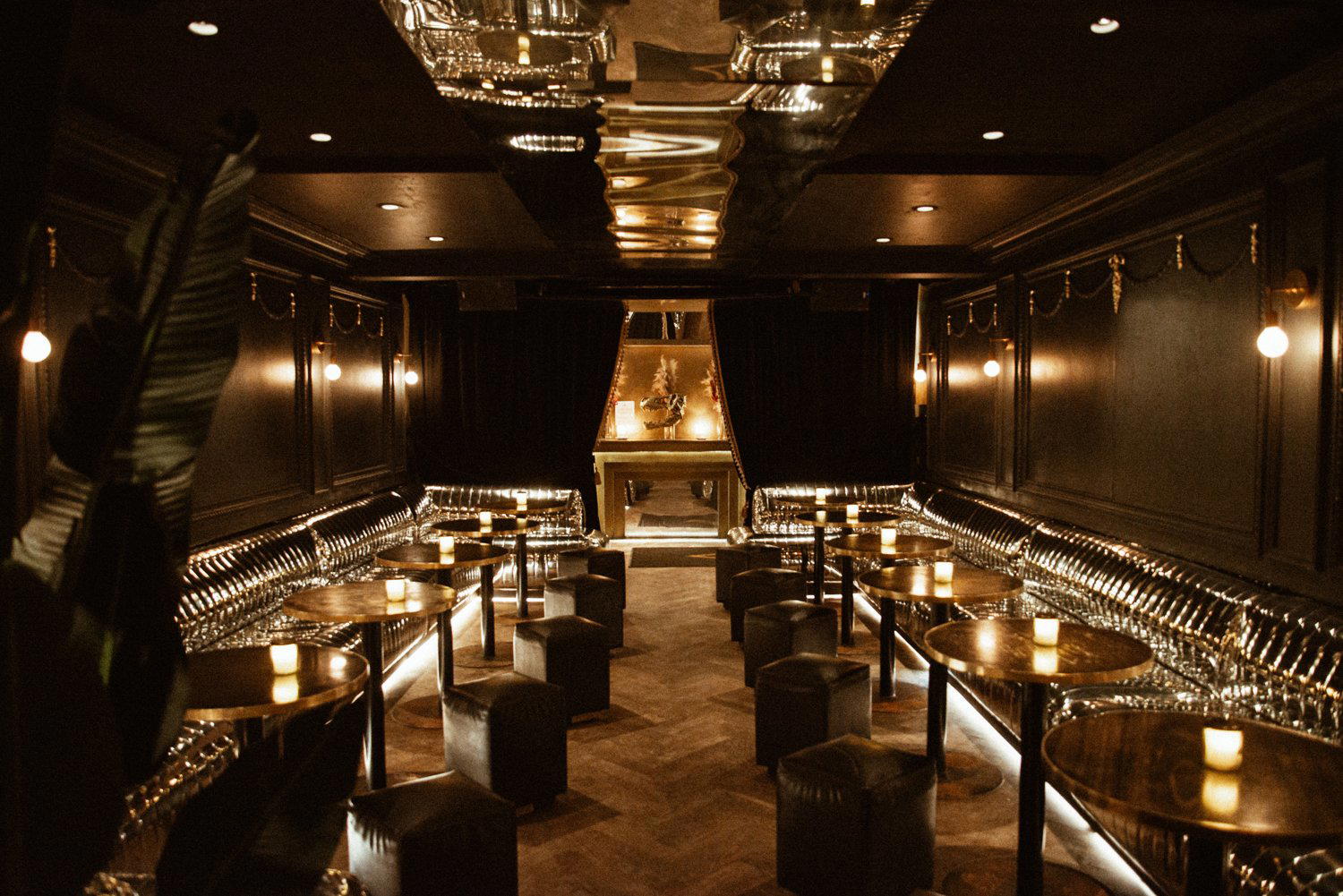
Classically elegant and modern, with a boutique-luxury feel that blends exposed heritage details, contemporary design, and a lively urban atmosphere.