
A converted 18th-century palazzo on Via dei Mulini, Hotel Palazzo Murat occupies one of Positano's most historically layered addresses. The property's garden terrace and original Baroque wing position it within Positano's mid-tier luxury set, offering proximity to the beach and town centre without the full-service scale of cliff-perched peers like Le Sirenuse or Il San Pietro.
Pearl is the En Primeur Club membership app — saves, bookings, and concierge access live there. Same editors, same standards.
- Address
- Via dei Mulini, 23, 84017 Positano SA, Italy
- Phone
- +39 089 875177
- Website
- palazzomurat.it
- Directions
- Get directions
 Saves & bookings on Pearl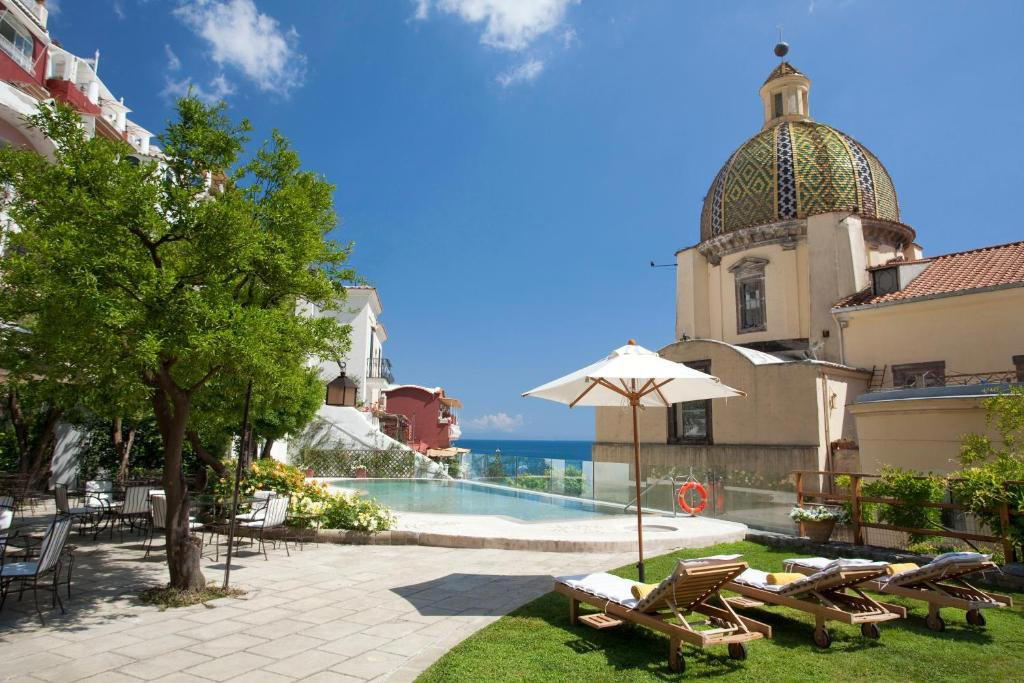
A Baroque Core in a Cliffside Town
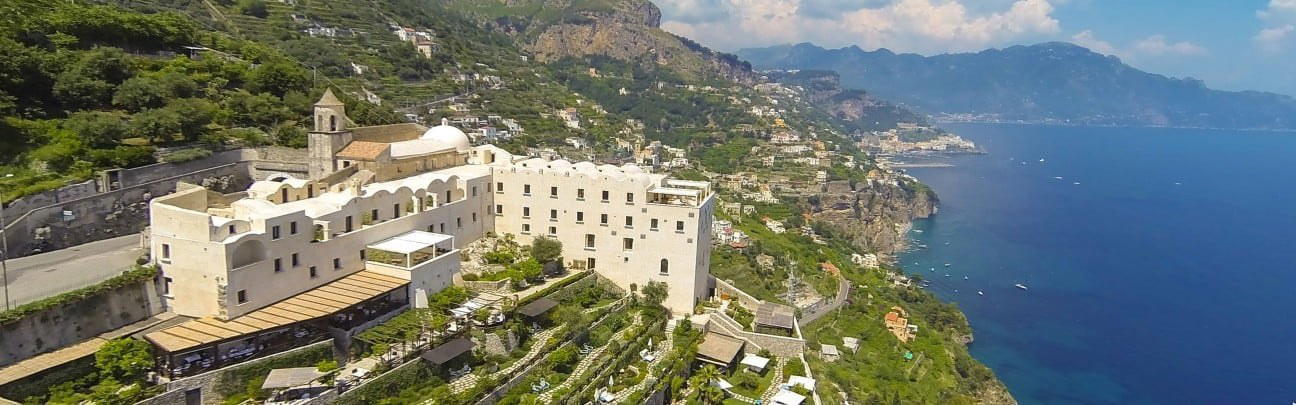
Positano's hotel geography divides along two axes: elevation and provenance. The cliff-perched properties command views but demand effort to reach the waterfront; the lower addresses, clustered around Via dei Mulini and the Spiaggia Grande, trade panoramic height for immediate access to the village's narrow lanes and the sea. Hotel Palazzo Murat occupies the latter position, its address at Via dei Mulini, 23 placing it within walking distance of the beach and the main piazza in a way that several of the town's more theatrical properties cannot match. The hotel has 35 rooms and a 5-star rating.
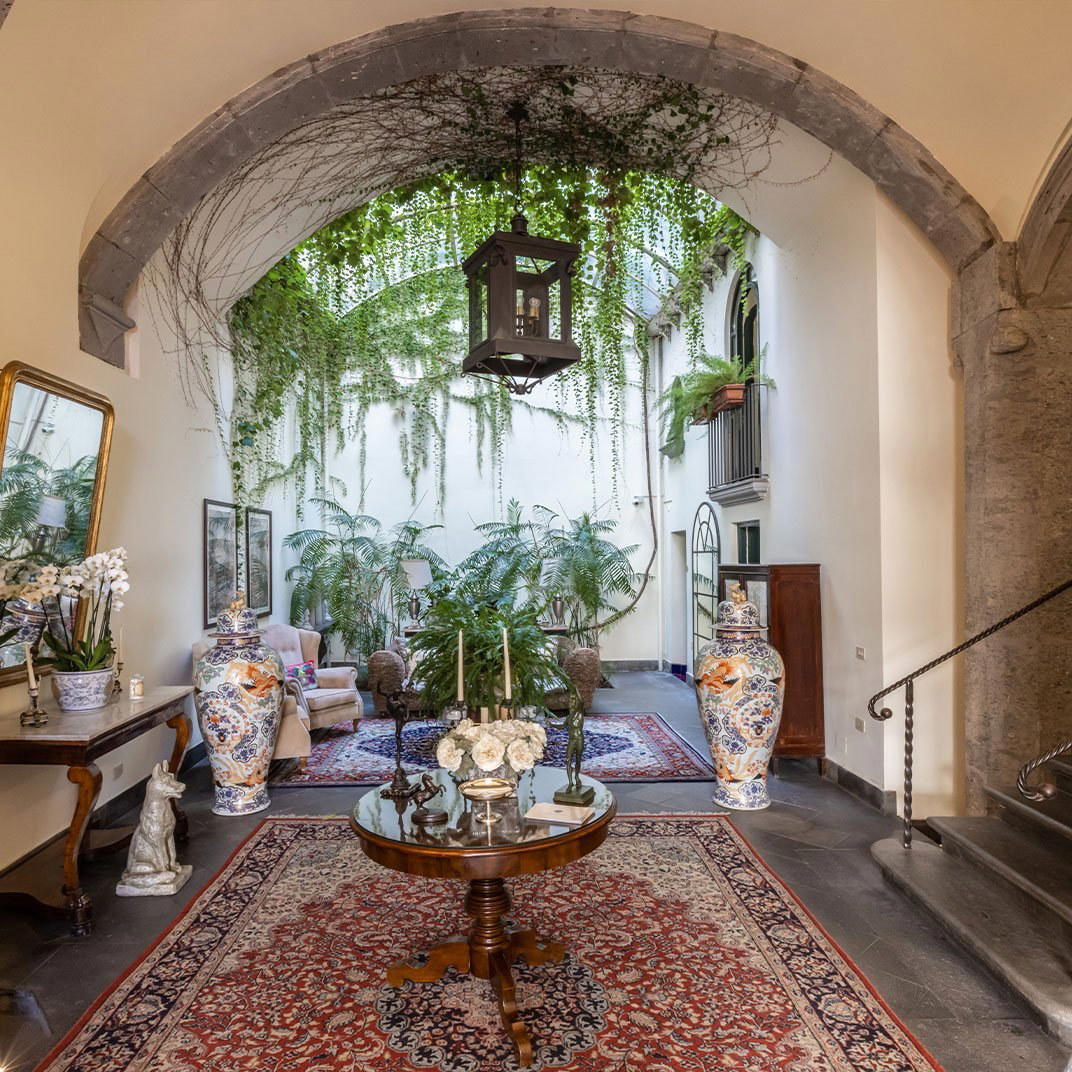
What distinguishes Palazzo Murat from others in that lower tier is its structural history. The original building is an 18th-century Baroque palazzo, and the property retains the wing's period architecture as a visible counterpoint to the newer guest accommodation built around it. In a town where many properties were purpose-built for tourism in the postwar decades, that historical layering carries weight. The garden that connects the old and new sections is the property's social centre, and the terrace dining area sits within it, a format that defines the guest experience here more than room category or amenity tier.
Where the Dining Programme Fits the Setting
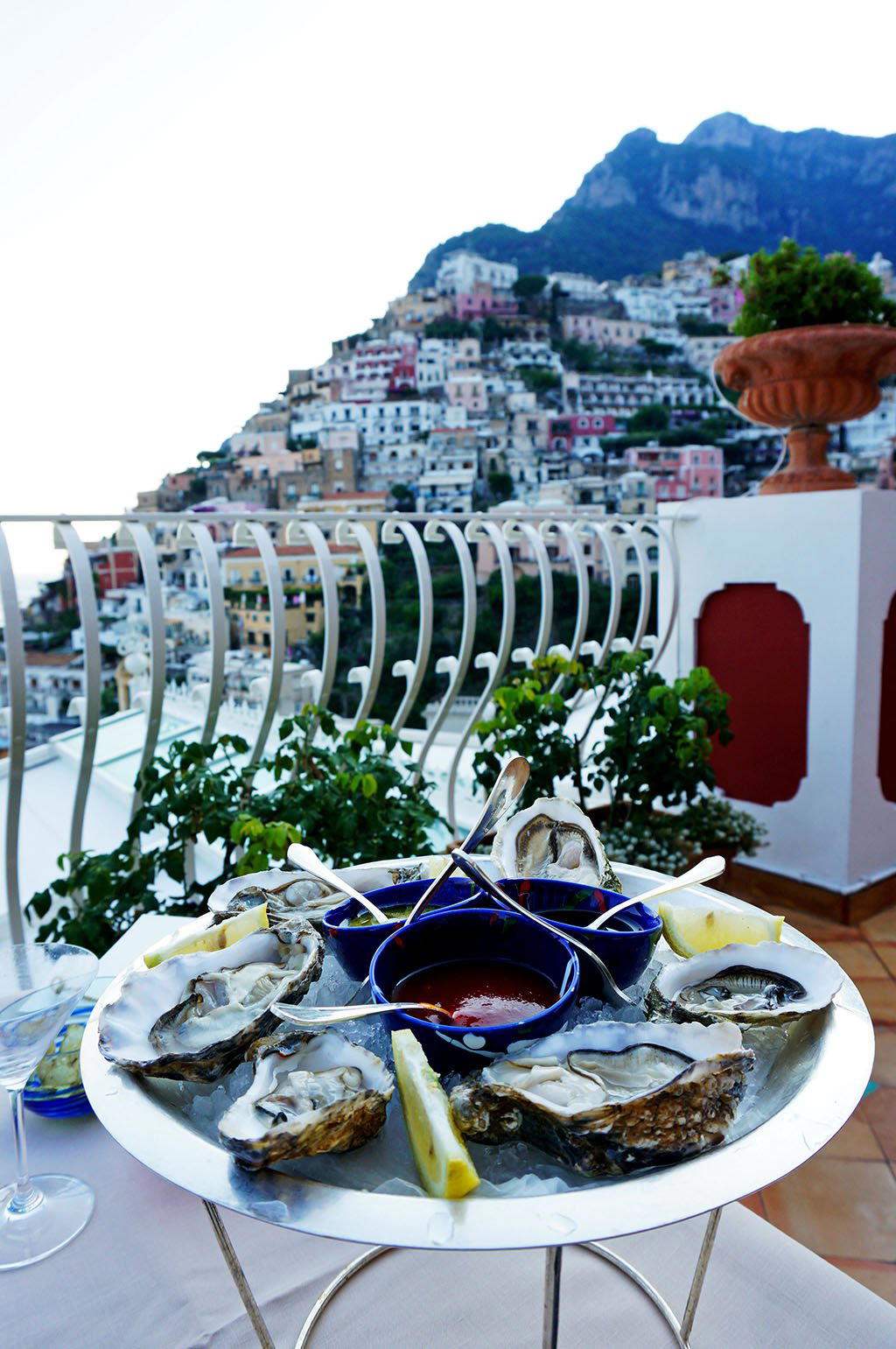
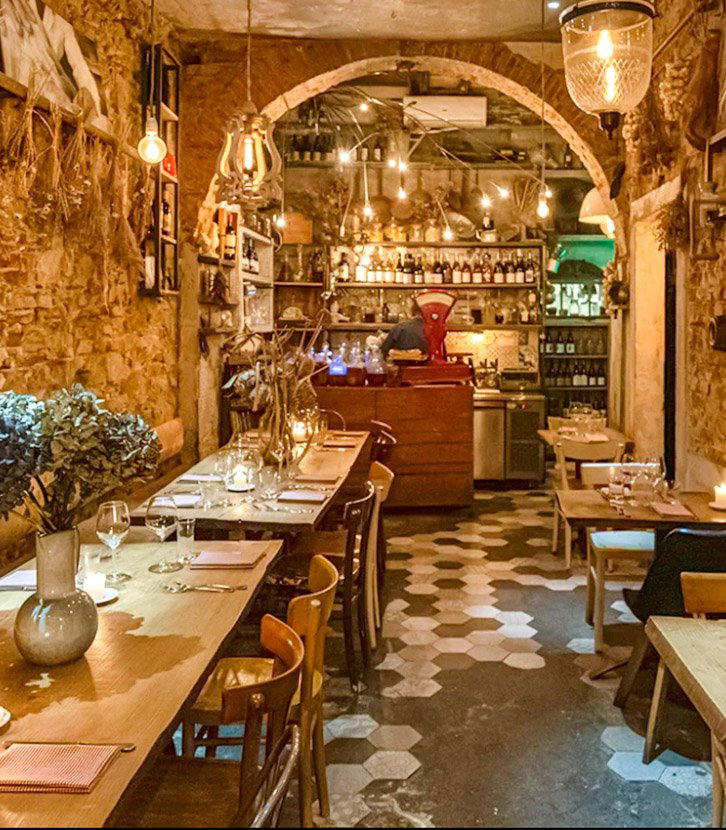
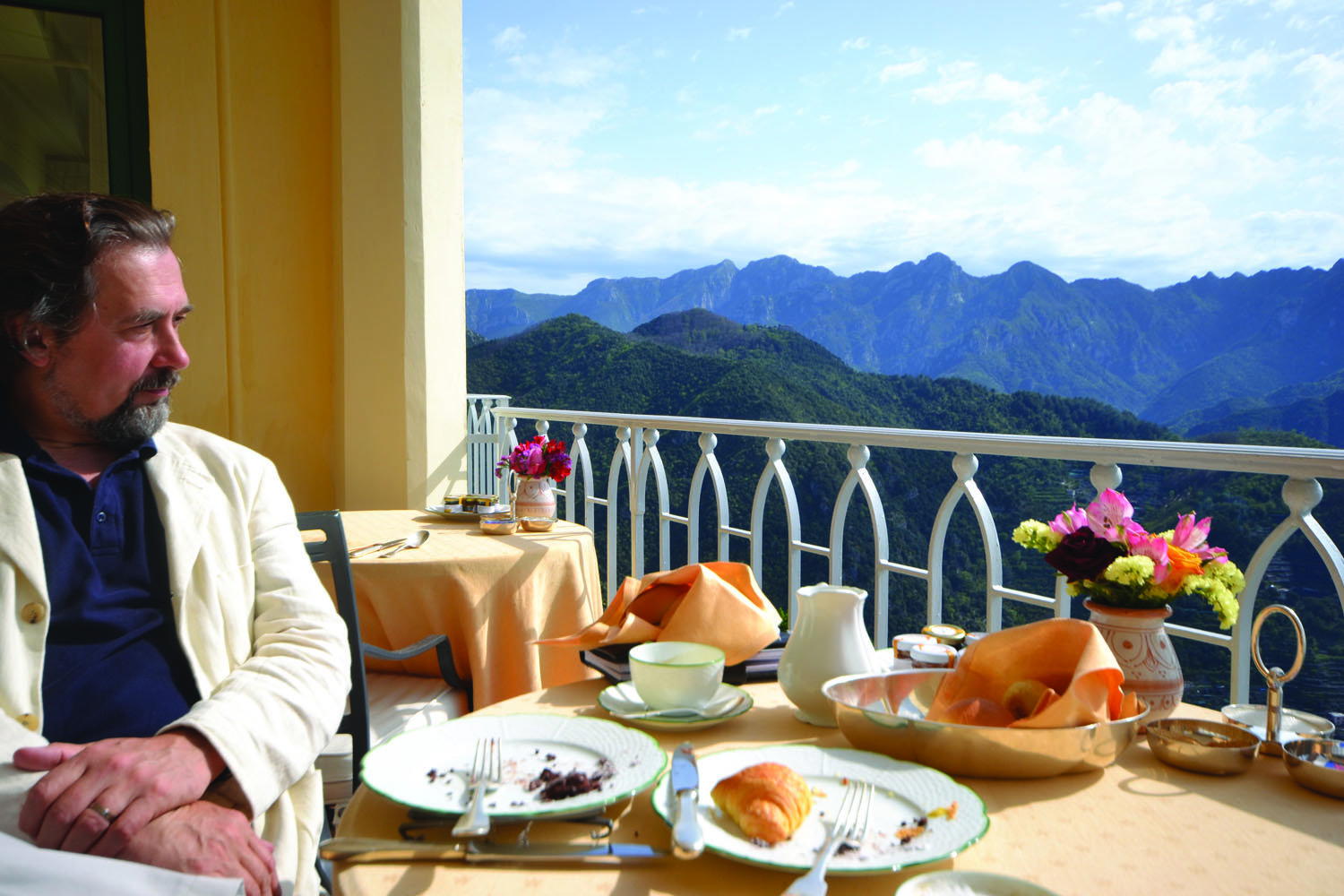
The hotel restaurant tradition on the Amalfi Coast follows a predictable logic: properties with prestige kitchens use them as a primary draw, while smaller or mid-scale hotels treat dining as a supporting service. Palazzo Murat operates closer to the latter model. The garden terrace setting is the proposition, tables arranged beneath lemon trees and bougainvillea in the palazzo's courtyard, with the Baroque facade as backdrop. That kind of setting does considerable work in its own right, and the Campanian kitchen output that accompanies it draws from the coastal canon: seafood, local produce, the direct preparations that define southern Italian summer cooking.
This positions Palazzo Murat differently from the Amalfi Coast properties where the restaurant is a standalone reason to book. Il San Pietro di Positano and Le Sirenuse both run dining programmes that attract non-resident guests and function as part of a higher-tier competitive set. Borgo Santandrea on the Amalfi Coast takes a similar approach, with its kitchen positioned as a destination element rather than an amenity. Palazzo Murat's garden terrace belongs to a different register: the emphasis is atmosphere and setting over culinary ambition, which suits a certain kind of traveller and a certain kind of stay.
The broader Positano dining scene gives guests considerable flexibility regardless of where they base themselves. The town's independent restaurants, concentrated along Via dei Mulini and around the Spiaggia Grande, cover the range from direct trattoria to refined coastal cooking. For guests who want to eat outside the hotel most evenings, Palazzo Murat's address puts that network within easy reach on foot, a practical advantage that properties higher on the cliffside cannot offer without involving a boat or a vehicle.
Positano's Hotel Tier and Where This Property Sits
The Positano market has polarised sharply over the past decade. At the upper end, a small number of properties compete on a combination of room count, service depth, and culinary programming that justifies rates well above the regional average. Villa Treville operates in a quasi-private villa format. Le Sirenuse anchors the classic luxury tier with decades of editorial recognition behind it. Covo Dei Saraceni, Hotel Marincanto, and Villa Franca occupy positions across the mid and upper-mid tiers, each with distinct orientation toward view, proximity, or design.
Palazzo Murat sits within the mid tier, where the historical building is the primary asset rather than a rooftop pool or a starred kitchen. That is a coherent proposition for travellers drawn to Positano for its layered character rather than its resort infrastructure. The comparison with La Taverna Del Leone is instructive: both properties serve guests who want to be embedded in the village rather than hovering above it, though each takes a different approach to accommodation style and programming.
Across Italy more broadly, the tension between historic palazzo properties and purpose-built luxury hotels plays out in most major destinations. Aman Venice and Four Seasons Hotel Firenze represent the high-investment end of palace conversion, where operational scale and brand infrastructure sit alongside the historical fabric. Palazzo Murat operates without that brand architecture, which keeps it in an independent category that some travellers actively seek and others find limiting.
Booking and Planning Considerations
Positano's peak season runs from late June through August, when room availability across all tiers tightens significantly and the village itself operates at maximum capacity. The shoulder periods, particularly May and September, offer a materially different experience: fewer visitors, more accessible restaurants, and, on most streets, the ability to move through the town without the summer crowds that can make the lanes around the Spiaggia Grande feel congested. For a property like Palazzo Murat, where the garden terrace is central to the guest experience, timing matters considerably. The terrace in late May or early October, with the Baroque facade catching afternoon light and the garden at full bloom, represents the setting at its most effective.
Guests planning travel during the July and August window should book well in advance. Availability at mid-tier Positano properties in peak weeks typically tightens three to four months ahead, and the combination of high demand and limited room count across the town makes late planning a significant constraint. The property's website is the direct booking channel; no phone number is listed in current records.
For travellers building a wider Italian itinerary around a Positano stay, comparable independent properties across other regions include Castello di Reschio in Lisciano Niccone, Casa Maria Luigia in Modena, and Corte della Maestà in Civita di Bagnoregio, all of which share the historical-building-as-asset model rather than leading with resort-scale programming. Further up the service register, Passalacqua in Moltrasio, Il Pellicano in Porto Ercole, and Rosewood Castiglion Del Bosco in Montalcino offer reference points for what the Italian luxury tier looks like when hospitality infrastructure and culinary programming operate in parallel.
Budget Reality Check
Comparable venues nearby, for context on price, style, and recognition.
| Venue | Price | Awards | Notes |
|---|---|---|---|
| Hotel Palazzo MuratThis venue — the venue you are viewing | $$$$ | 5-Star | Not listed |
| Hotel Poseidon | $$$$ | 4-Star | Downtown, Charming Mediterranean-style former seaside villa with terraced architecture. |
| Villa Treville | $$$$ | 5-Star | Positano, Exclusive cliffside villas in lush terraced gardens |
| Covo Dei Saraceni | $$$$ | 5-Star | Spiaggia Grande, Mediterranean beachfront villa with classic Positano style |
| Hotel Le Agavi | $$$$ | 5-Star | Fornillo, Cliffside terraces blending luxury with Positano's natural landscape using local stone, wood, marble, and majolica tiles. |
| La Taverna Del Leone | $$$ | 3-Star | Laurito, Family-run guest house with on-site Michelin-rated restaurant |
Recognition history
Dated appearances from independent guides and award organizations, with the underlying list record or original source where available.
Michelin Selected
Michelin
Continue exploring
More in Positano
Hotels in Positano
Browse all →
Bars in Positano
Browse all →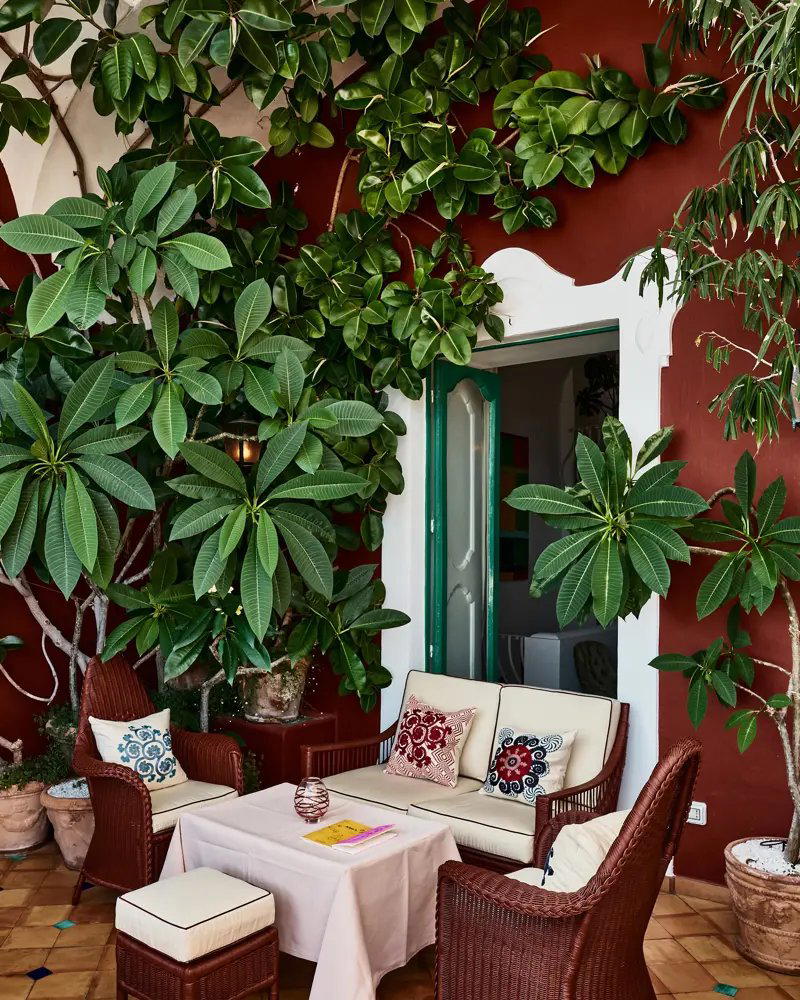
Restaurants in Positano
Browse all →

At a Glance
- Romantic
- Elegant
- Classic
- Scenic
- Intimate
- Sophisticated
- Honeymoon
- Romantic Getaway
- Anniversary
- Destination Wedding
- Historic Building
- Panoramic View
- Garden
- Terrace
- Pool
- Garden
- Wi Fi
- Room Service
- Concierge
- Restaurant
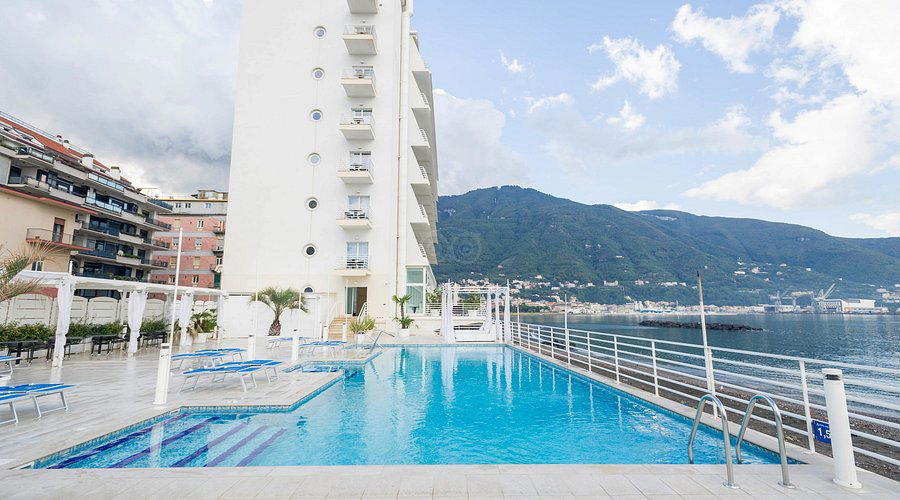
- Waterfront
- Garden
- Pool
- Garden
- Wi Fi
- Room Service
- Concierge
- Restaurant
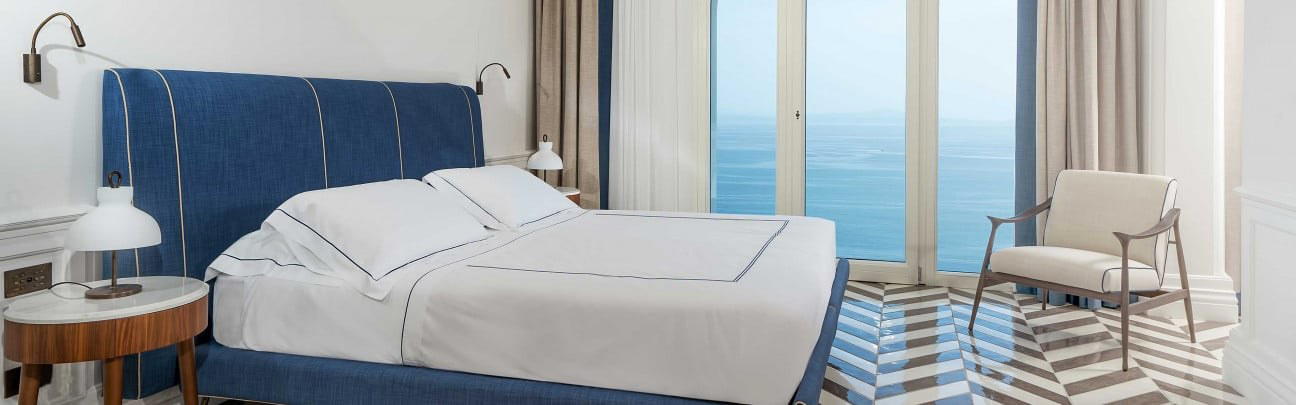
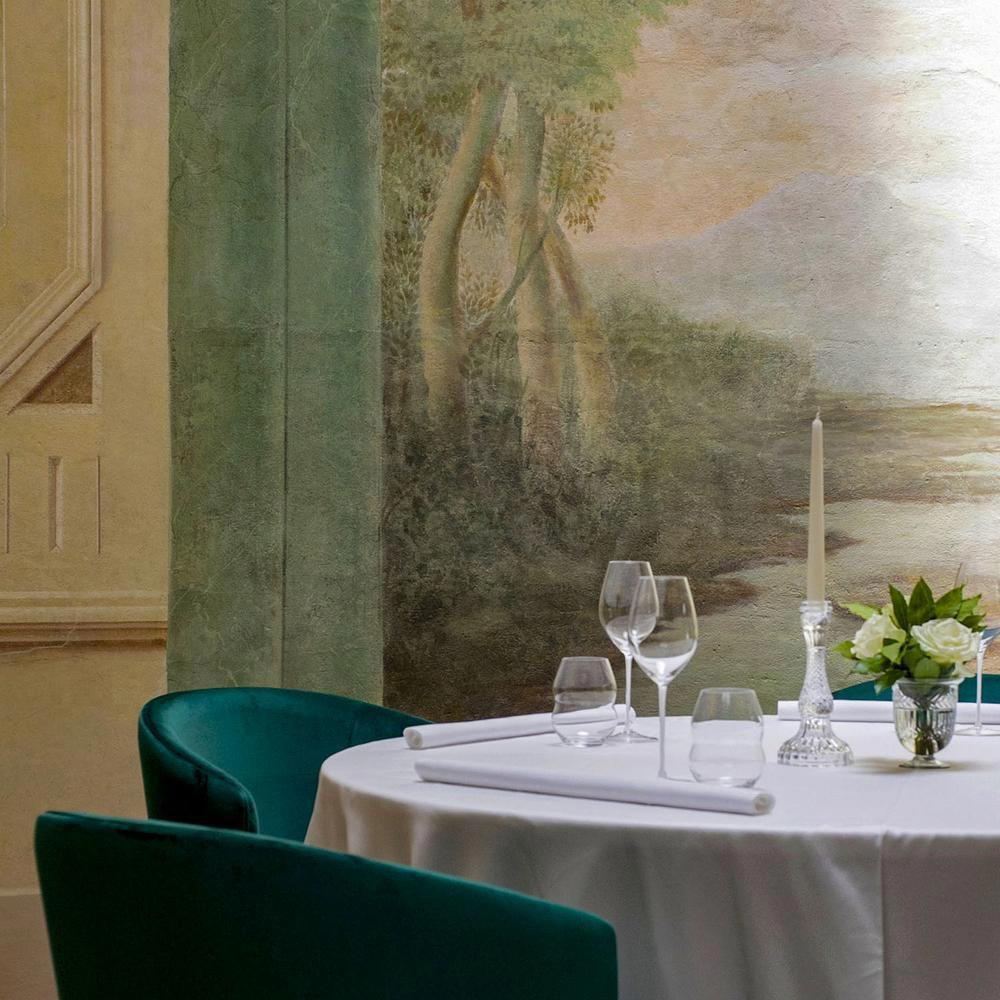
Elegant and regal with vaulted public rooms, ornate tiled floors, bougainvillea-draped courtyards, and a tranquil garden oasis blending historic charm with contemporary comfort.