Hôtel Filigrane enters a Paris hotel market where dining programmes increasingly define the stay as much as rooms or address. Public data is limited, so the useful reading is comparative: position it against palace hotels, chef-led dining rooms, and design-led city stays before making plans around restaurants and bars.
Pearl is the En Primeur Club membership app — saves, bookings, and concierge access live there. Same editors, same standards.
- Address
- 40 Rue Vivienne, 75002 Paris, France
- Phone
- +33 1 80 27 25 90
- Website
- hotelfiligrane.paris
- Directions
- Get directions
 Saves & bookings on Pearl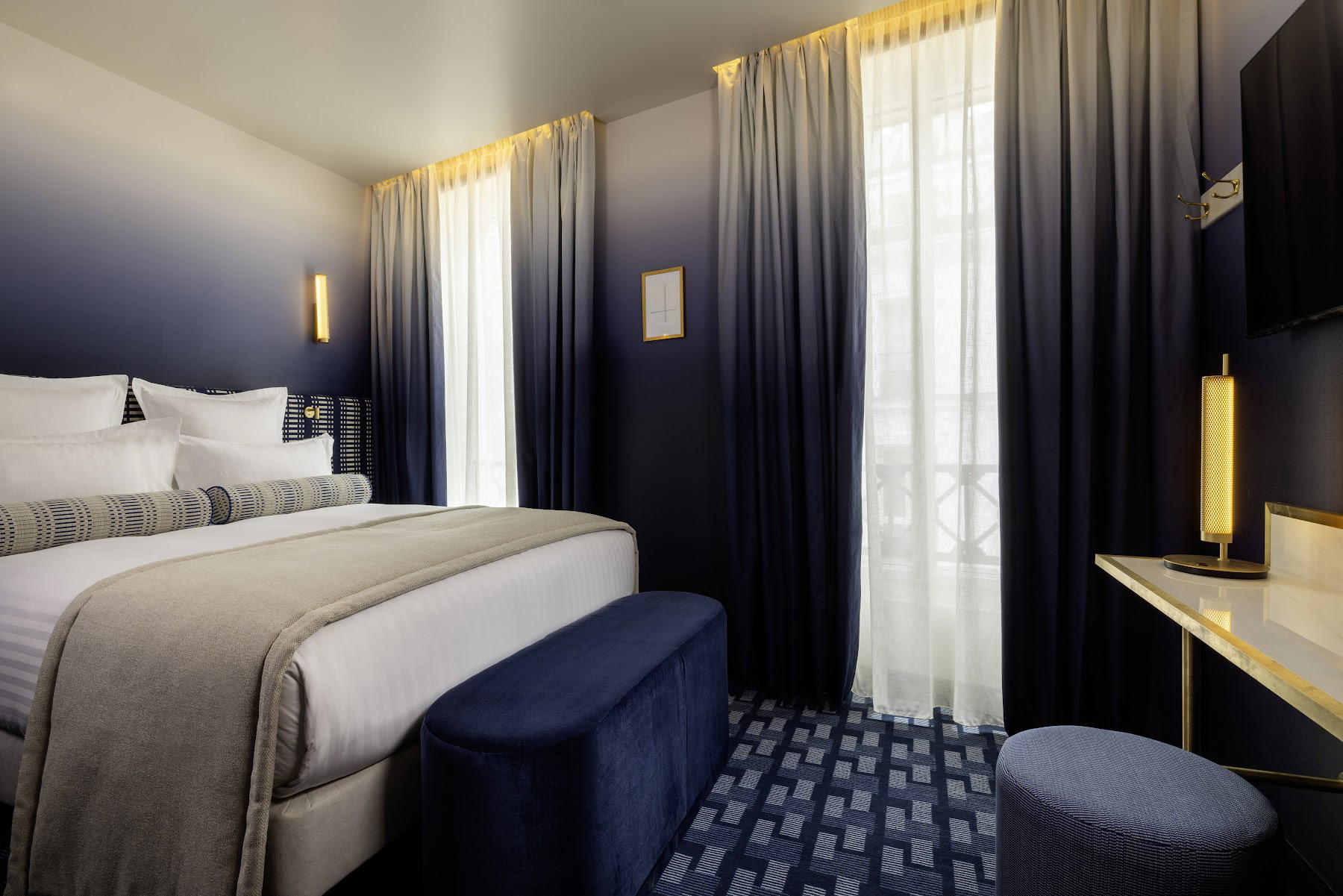
Paris hotel dining has become the city's second lobby
Arriving at a serious Paris hotel is rarely just a question of keys, lifts, and a room upstairs. The first read comes from the ground floor: who is taking coffee at noon, whether the bar feels built for residents or locals, how the dining room manages the balance between ceremony and appetite. In the current luxury hotel market, restaurants and bars do much of the signalling. They tell the traveller whether a property is aligned with palace grandeur, neighbourhood discretion, fashion-week theatre, or the quieter rhythm of repeat visitors who already know which arrondissements suit them.
That context matters for Hôtel Filigrane because the public record supplied here is unusually spare. The record confirms a 4-star hotel at 40 Rue Vivienne, with 43 rooms, a recommended reservation policy, and no published dining details. For an editorial reader, that absence is not a reason to invent detail. It changes the assignment: the sensible way to assess the hotel is through Paris’s broader hotel-dining hierarchy, then identify what can and cannot be verified before plans are made.
Paris is a city where a hotel restaurant can be a destination in its own right, but the category is not uniform. At one end sit palace properties with formal dining rooms, long-standing service rituals, and named culinary leadership. At another are smaller hotels where the bar, breakfast room, or all-day salon creates the actual social gravity. Between them is a growing set of design-led addresses that use food and drink less as spectacle than as a mood-setter.
The Paris comparable set: palaces, salons, and smaller city hotels
Paris luxury hotels have a unusually legible competitive structure. The palace circuit is anchored by properties where restaurants, courtyards, pastry counters, and bars are part of the public imagination of the hotel. Cheval Blanc Paris, Hotel Plaza Athénée, La Réserve Paris, Le Bristol Paris, and Hôtel de Crillon operate in a field where dining is not a side amenity. It is a proof of rank.
The more formal end of that field often uses awards, named chefs, and established restaurant identities as trust signals. Those markers let travellers compare a hotel dinner against stand-alone restaurants rather than against other hotel amenities. Four Seasons George V and Le Meurice belong to that conversation because their dining rooms are part of how the properties are discussed, booked, and remembered. A hotel without published culinary credentials sits in a different evidentiary bracket, even if the eventual experience proves polished.
There is also a geography to the decision. Paris hotels near the Seine, the Golden Triangle, Saint-Germain, the Marais, or the grands boulevards speak to different dining habits. Some are useful for a guest who wants restaurants within a short evening radius. Others work better as self-contained addresses, where the bar and restaurant absorb the first night after arrival. That is a practical limitation, not a stylistic one.
Why the restaurant and bar matter more than the room brochure
In Paris, room photographs can blur together quickly: pale stone, tailored upholstery, brass accents, flowers, a bathroom staged for calm. Dining separates hotels with sharper force. A serious restaurant programme can shift the guest mix from transient sleepers to local regulars. A credible bar can make a hotel feel part of the city after 8 p.m. A thin food operation, by contrast, leaves the traveller dependent on external reservations, which can be fine in Paris but requires more planning.
The city’s stand-alone restaurant culture is deep enough that hotel dining must justify itself. Travellers comparing a hotel meal with the broader city should use the Paris restaurants guide as a benchmark, not as an afterthought. The same applies after dinner: the hotel bar is competing with a city that treats cocktails, wine bars, and late salons as separate categories of expertise, mapped in the Paris bars guide. For wine-focused planning, the Paris wine guide helps frame bottles, producers, and regional excursions beyond the hotel list.
For Hôtel Filigrane, no cuisine type, chef, awards, or signature dishes are confirmed. That means the dining programme cannot be described as chef-led, Michelin-recognised, destination-grade, or locally acclaimed on the evidence available here. The more accurate editorial position is that travellers should treat its food and drink offering as unverified until direct confirmation is available, while using Paris’s stronger-documented hotels as comparison points.
How to read an unverified dining programme in Paris
A Paris hotel with limited published dining information can still be useful, but the reader should separate three questions. First, is there a restaurant with a defined cuisine and service style? Second, is there a bar with enough identity to matter after dinner? Third, does the hotel function as a base for outside reservations rather than as the evening plan itself? Those questions matter more than adjectives in a room description.
Awards data would normally sharpen the picture. Michelin recognition, 50 Best placement, or a named national guide citation changes the planning calculus because it puts the restaurant into a documented comparable set. In this case, the awards field is null. That does not mean there are no merits; it means awards cannot be used as a trust signal. The confirmed trust signal is narrower: Paris itself is a mature luxury hotel market with dense competition, and any hotel operating in that environment is being measured against unusually strong hospitality standards.
Price is another missing anchor. Without a confirmed room rate, Hôtel Filigrane cannot be placed in the budget, upper-upscale, luxury, or palace-adjacent tier. That matters because Paris travellers make different dining decisions at different price levels. A guest paying palace rates usually expects the restaurant and bar to carry serious weight. A guest choosing a smaller or value-conscious address may prefer lower room spend and more external restaurant reservations. The lack of price data pushes the planning advice toward verification before committing to a food-led stay.
First night in Paris: hotel table or restaurant reservation?
The first evening in Paris is where hotel dining earns its keep. After a late train or transatlantic arrival, a good in-house restaurant can be the difference between a controlled start and a tired search for a table. But Paris also rewards advance planning, particularly for small dining rooms and restaurants with limited covers. The practical answer is not to assume the hotel can absorb the whole evening unless the restaurant, bar, and reservation method are documented.
For guests considering Hôtel Filigrane, the conservative approach is to plan one external dinner from the Paris restaurant field and treat the hotel’s dining offer as a possible convenience rather than the main culinary event. That is not a criticism; it is the correct response to missing data. Paris has enough depth that uncertainty can be managed by matching the hotel stay with confirmed reservations elsewhere.
Hotel-first travellers should compare this approach with better-documented properties in the Paris hotels guide. If the point of the trip is a restaurant-led hotel stay, the palace set and chef-anchored addresses provide clearer evidence. If the point is a calm base with Paris dining outside the door, a less documented hotel can still make sense, but only once location and access are confirmed.
The broader France comparison
Paris hotel dining also looks different when compared with resort France. On the Riviera, properties often fold sea views, terrace service, and long lunches into the appeal, as at Hotel Du Cap-Eden-Roc in Cap d'Antibes, The Maybourne Riviera in Roquebrune-Cap-Martin, and La Réserve Ramatuelle - Hôtel, Spa and Villas in Ramatuelle. In Provence, hotels such as La Bastide de Gordes in Gordes, Villa La Coste in Le Puy-Sainte-Réparade, and Hôtel & Spa du Castellet in Le Castellet often rely on landscape, estate rhythm, or destination dining to structure the stay.
Champagne and the mountains present another model. Royal Champagne Hotel & Spa in Champillon and Domaine Les Crayères in Reims tie the hotel meal to wine-region travel, while Four Seasons Megeve in Megève places dining inside an alpine resort rhythm. Paris is different. The hotel restaurant competes with thousands of external options, so it needs sharper definition to become the reason for choosing the property.
A country hotel can succeed through setting, grounds, and slower pacing. A city hotel needs either a precise location, a persuasive design identity, or a food and drink programme that gives guests a reason to remain on property.
Who should consider it
Hôtel Filigrane is easier to justify for repeat Paris visitors than for travellers building a first trip around famous dining rooms and palace rituals. Repeat visitors often know their preferred neighbourhoods, already have restaurant targets, and need a hotel that supports the itinerary rather than defines it. First-timers usually benefit from clearer anchors: confirmed address, service level, restaurant identity, breakfast format, bar hours, and booking channels.
Travellers who want a dining-forward stay should prioritise hotels with documented culinary programmes. Travellers who want cultural days and restaurant nights can place less pressure on the hotel itself, especially if they are using Our full Paris experiences guide to structure museum time, private visits, or neighbourhood-based planning. The key distinction is simple: if the hotel meal is meant to be a highlight, evidence matters; if the hotel is a base, the absence of data is less severe.
International comparison is useful here. The Fifth Avenue Hotel in New York City, Hôtel de Paris Monte-Carlo in Monte Carlo, and Badrutt's Palace Hotel in St. Moritz show how hotels in competitive cities or resort capitals use public-facing dining and bar identities to project confidence. In Paris, the same principle applies with particular force.
Planning notes for a food-led stay
Confirm the hotel’s exact location before mapping dinners, especially if late-night returns or cross-city taxis are part of the plan. Confirm whether any restaurant is open to non-residents, whether residents need reservations, and whether the bar operates on limited hours. Confirm breakfast format if mornings matter, since Paris hotel breakfasts range from quick continental service to elaborate dining-room affairs.
Dress code is also unconfirmed. In Paris, the safest practical assumption is polished city clothing rather than resort casual, particularly for hotel bars and dining rooms. That does not require formality, but it does avoid the common mismatch between travel clothes and a room built for evening service. For arrival day, a separate dinner reservation remains sensible until the hotel’s own dining programme is documented.
A hotel with sparse public data should not be dressed up with invented chef narratives, invented room categories, or invented restaurant details.ive as Paris, the absence of confirmed information is itself meaningful: it tells the reader to compare carefully, verify directly, and decide whether the stay is about the hotel’s own food and drink or about access to the city around it.
Comparable venues nearby, for context on price, style, and recognition.
| Venue | Cuisine | Price | Awards | Notes |
|---|---|---|---|---|
| Hôtel FiligraneThis venue — the venue you are viewing | Intimate 4-star Parisian boutique with an underground spa and a strong neighborhood-inspired identity around the Bourse and Bibliothèque de France. | $$$ | 4-Star | Not listed |
| Hôtel Pas de Calais | Modern refined boutique in historic 18th-century building | $$$ | 4-Star | Saint-Germain-des-Prés |
| Grand Coeur Latin | Contemporary luxury boutique hotel blending multiple eras of Parisian history through curated interior design by Marie-Paule Clout and Vincent Bastie. | $$$ | 4-Star | Latin Quarter (5th arrondissement) |
| Résidence Nell | Contemporary aparthotel in a private mansion setting | $$$ | 4-Star | 9th arrondissement |
| Adèle & Jules | Contemporary boutique hotel with retro-inspired design elements and modern luxury amenities in a family-run property. | $$$ | 4-Star | 9th arrondissement, Grand Boulevards |
| Le Pigalle | Contemporary boutique hotel celebrating Pigalle's bohemian heritage with curated vintage and modern design elements throughout. | $$$ | 4-Star | Pigalle |
Continue exploring
More in Paris
Hotels in Paris
Browse all →
Bars in Paris
Browse all →
Restaurants in Paris
Browse all →
At a Glance
- Elegant
- Modern
- Cozy
- Romantic
- Intimate
- Sophisticated
- Romantic Getaway
- Weekend Escape
- Business Trip
- Anniversary
- Wellness Retreat
- Celebration
- Historic Building
- Design Destination
- Terrace
- Wi Fi
- Spa
- Pool
- Concierge
- Street Scene
- Wi Fi
- Spa
- Pool
- Concierge
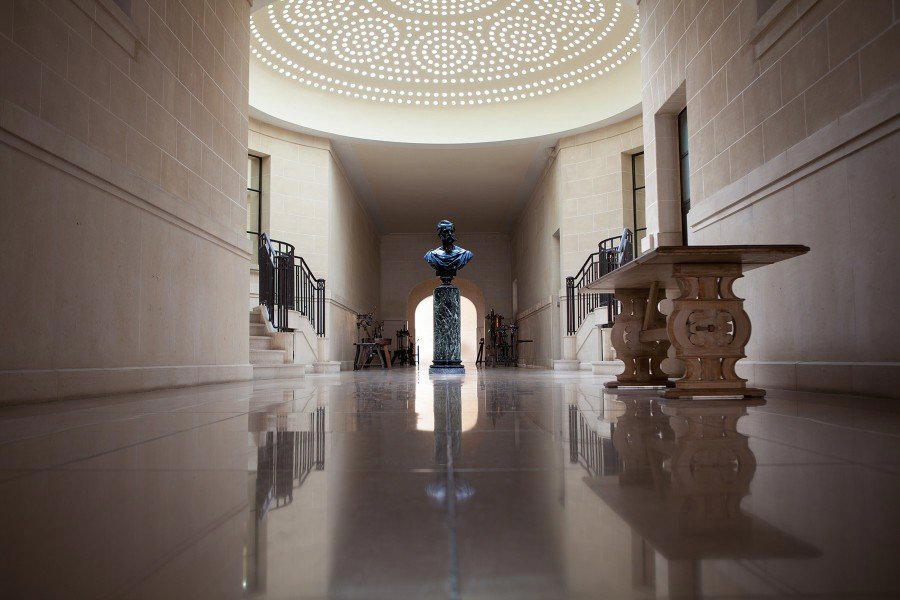
Refined and quietly luxurious, with deep inky blues and monochrome color schemes, soft lighting, and a calm lobby with fireplace and honesty bar that creates a discreet, cocoon-like feel in the busy city center.