Hotel Château Gütsch

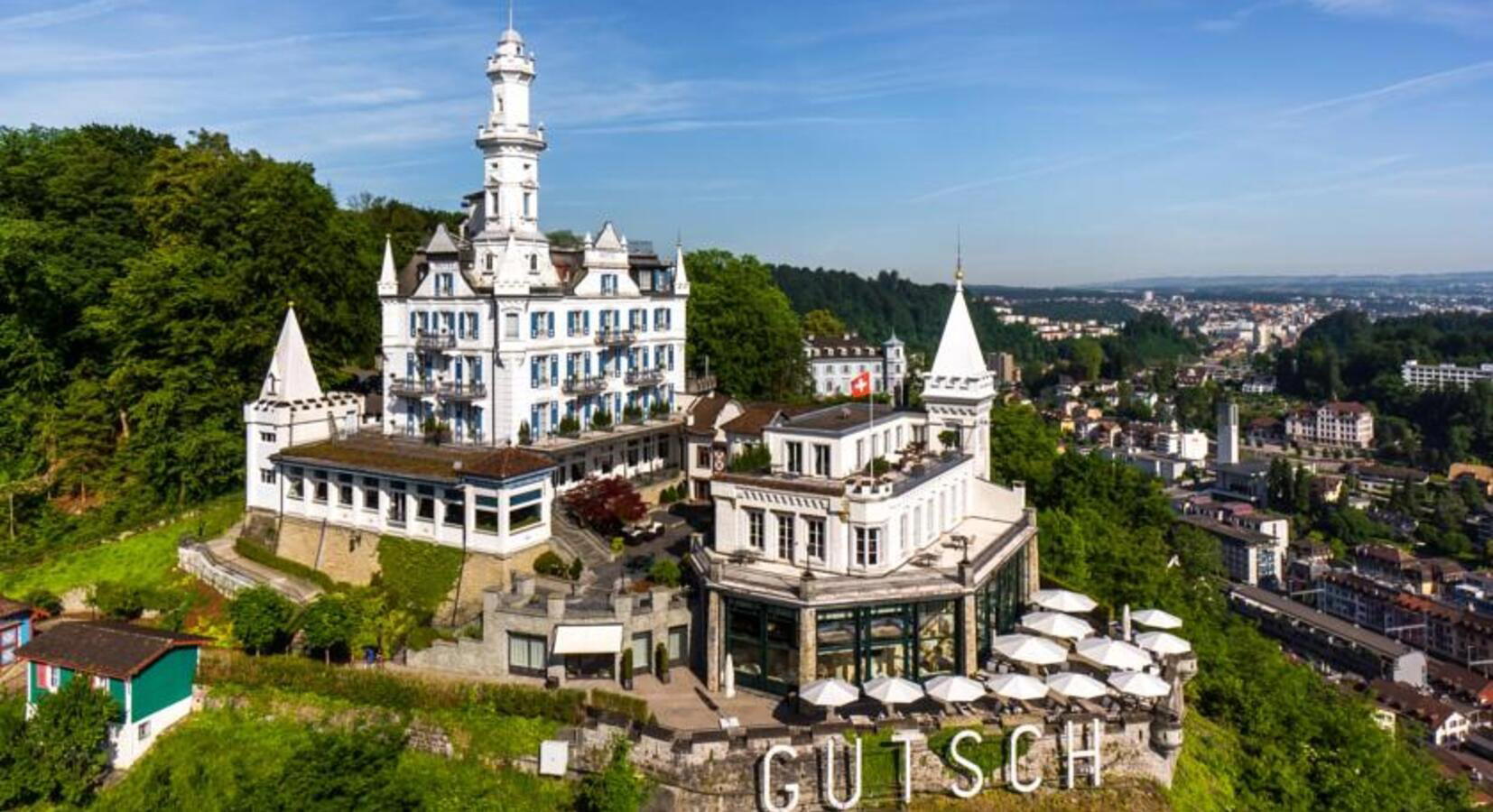
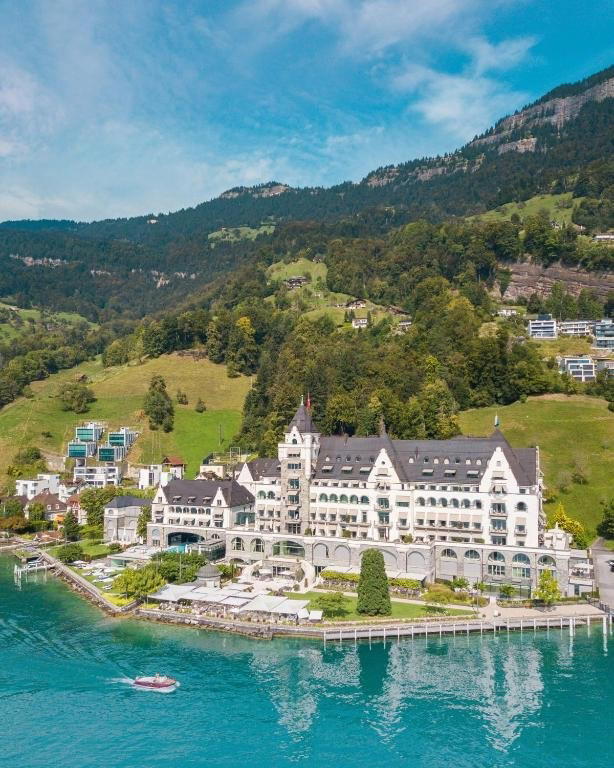
Perched on a forested ridge above Lucerne's rooftops, Hotel Château Gütsch occupies a turreted 19th-century castle with 37 rooms and panoramic views across Lake Lucerne and the Pilatus massif. The property sits in a distinct tier among the city's hotels, smaller in scale than the grand lakeside palaces, but with a position and architectural character that make it a genuine alternative for travellers prioritising atmosphere over ballroom amenities.
 Discover on Pearl
Pearl is the En Primeur Club membership app — saves, bookings, and concierge access live there. Same editors, same standards.
A Castle Above the City
Lucerne's premium hotel stock divides broadly into two categories: the grand lakeside institutions lining the Nationalquai, and a smaller set of properties that trade on position, intimacy, and architectural distinctiveness rather than conference facilities and spa floors. Hotel Château Gütsch belongs firmly to the second group. Approached via a funicular that climbs through dense forest from the city below, the property announces itself as a turreted neo-Gothic castle sitting above the Reuss valley, a silhouette that has defined the Lucerne skyline since the late 19th century. Before a single room is assessed, the arrival sequence alone separates Gütsch from every competitor in the city.
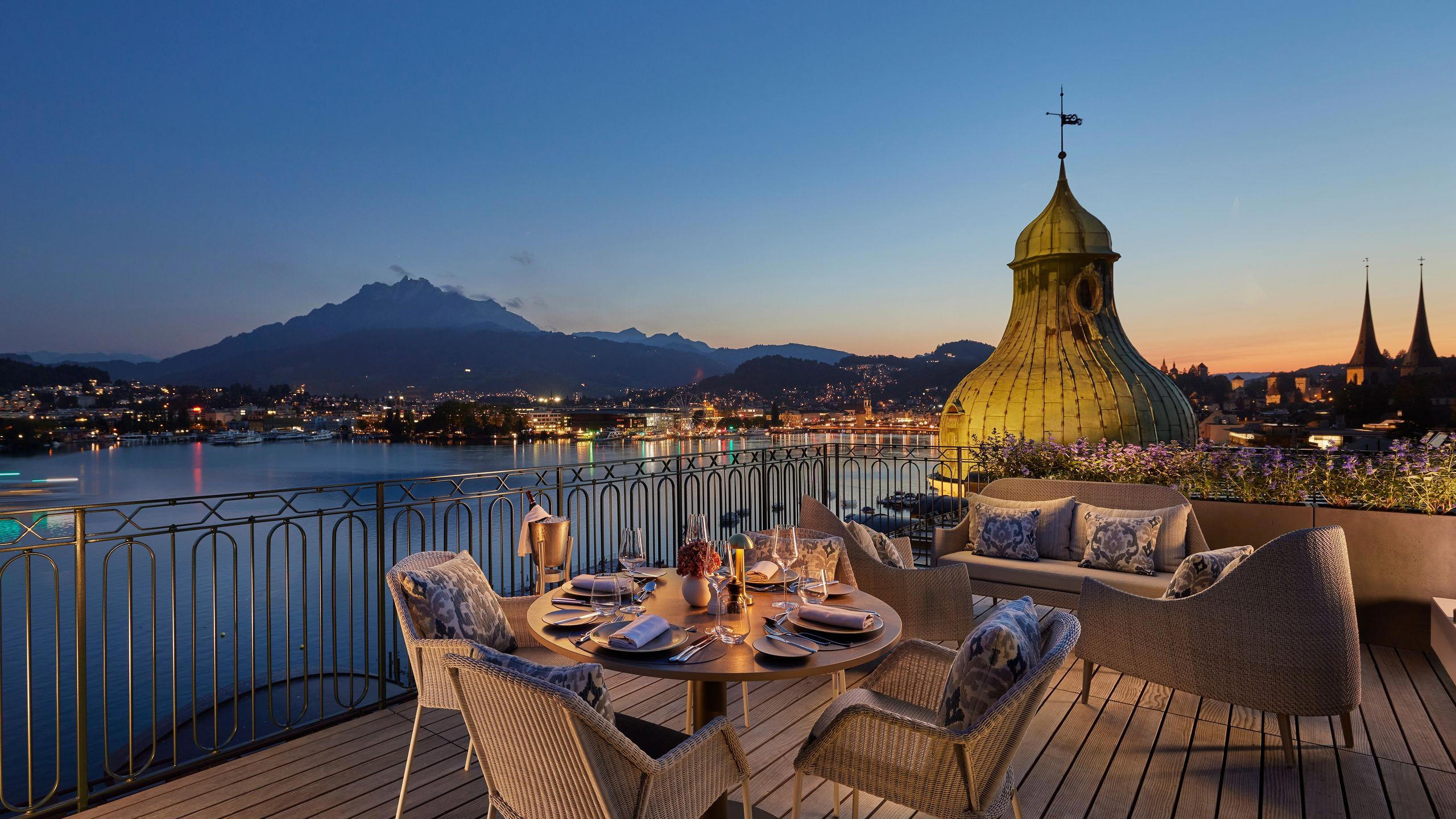
That refined position is not merely scenic. It shapes the entire logic of a stay. Guests are physically removed from the pedestrian currents of the Old Town and the tour-group rhythms of the Chapel Bridge area, yet Lucerne's centre remains reachable in minutes once the funicular deposits you back at street level. For travellers whose itinerary centres on rest and a deliberate slowing of pace, that separation is the point. Compare this to the Mandarin Oriental Palace, Luzern or the Grand Hotel National Luzern, both of which place guests at the immediate edge of the lake and the city's social pulse, a different proposition entirely, and the right one for different types of travellers.
The Retreat Logic at 37 Rooms
At 37 rooms, Gütsch operates at a scale that Swiss lakeside hospitality rarely associates with castle properties. The room count matters because it determines the texture of a stay: corridors are quiet, service ratios tighten, and the rhythm of the property is set by guests rather than events. Properties of this size in Switzerland, think of how CERVO Mountain Resort in Zermatt or Boutique Hotel Restaurant Krone Regensberg operate, tend to function more like private houses than hotels. The guest who chooses a 37-room castle above a city is, implicitly, opting out of the large-footprint experience.
That retreat orientation is reinforced by the physical setting. The forest ridge on which Gütsch sits has no commercial street noise, no passing trams, and no ambient restaurant hum from neighbouring venues. The sensory register of the property is wind through conifers, distant lake shimmer, and the muffled descent of the funicular. For visitors arriving from the compressed urban intensity of a city break, or following a business week in Zurich, this functions as genuine decompression rather than branded wellness programming.
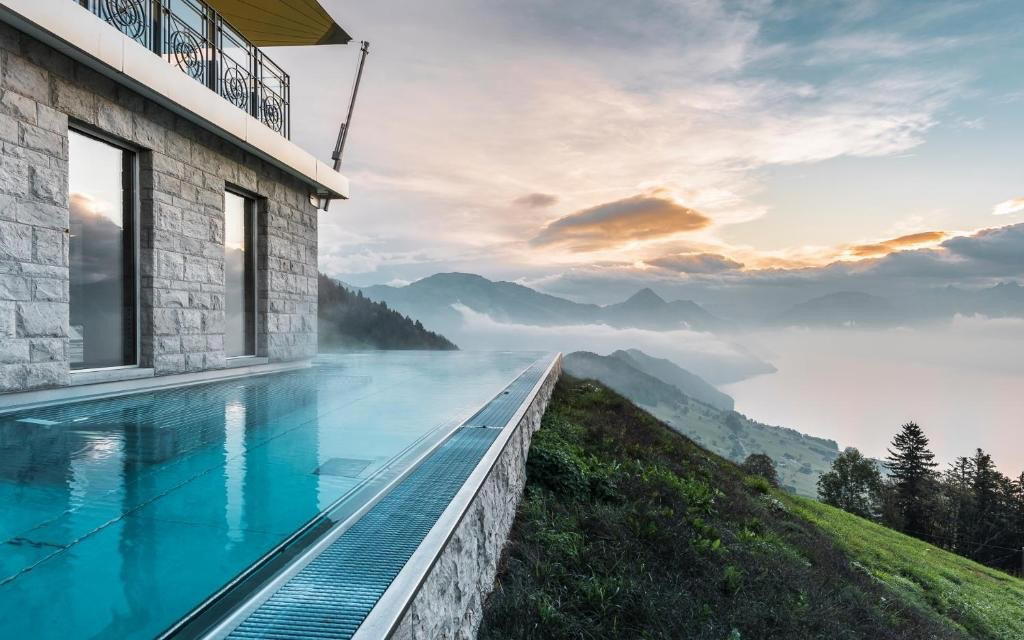
By comparison, properties like Waldhotel by Bürgenstock and the Grand Resort Bad Ragaz deliver wellness through constructed spa infrastructure, treatment rooms, thermal circuits, fitness programming. Gütsch's version is environmental: the elevation, the quiet, the removal from city rhythm. Neither approach is superior to the other; they answer different needs. Travellers wanting a structured wellness programme with daily treatment bookings will find Waldhotel by Bürgenstock or Castello del Sole Beach Resort and Spa in Ascona better matched to that agenda. Gütsch suits those who require the retreat condition without the accompanying programme.
Where Gütsch Sits in Lucerne's Hotel Tier
Lucerne's premium hotel market clusters around the lakefront, where addresses like Hotel de la Paix and Hotel Hofgarten occupy a mid-luxury tier between the grand palaces and the city's functional business stock. Gütsch's positioning is harder to categorise by conventional metrics because its primary differentiator is spatial rather than amenity-based. The castle architecture, the funicular access, and the ridge-leading isolation place it in a niche that has no direct competitor within Lucerne. The closest analogues in Swiss hospitality are properties like 7132 Hotel in Vals, where the architecture and the surrounding environment do most of the experiential work, or The Alpina Gstaad, where position and scale produce a property that reads as its own category.
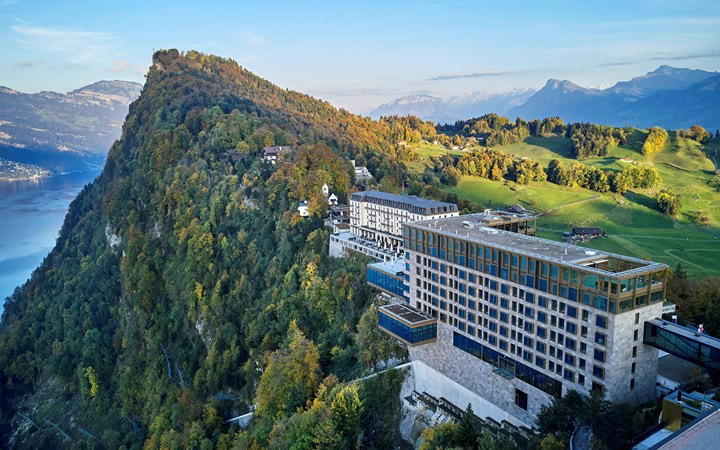
For those building a Switzerland itinerary across multiple properties, Gütsch pairs logically with a lakeside stay at Beau-Rivage Palace in Lausanne or Beau-Rivage Geneva, properties that supply the grand public-room experience and direct lake access that Gütsch does not prioritise. Alternatively, travellers moving between mountain and lake might sequence Gütsch alongside Bürgenstock Resort, which sits on a comparable ridge above the lake roughly 30 minutes away and represents a larger, more amenity-intensive version of the refined-above-Lucerne proposition.
Outside the immediate region, the comparison set extends to properties like Grand Hotel Kronenhof in Pontresina and Hotel Bellevue Palace Bern, hotels where historical architecture and a specific relationship to their surroundings carry as much weight as the room inventory. The pattern across all these properties is that architectural identity substitutes, at least partially, for the programmatic depth that modern spa-and-wellness resorts rely on. See our full Lucerne hotels and restaurants guide for a broader view of where Gütsch sits relative to the city's full range of options.
Planning a Stay
The funicular access point sits close to the city centre, making orientation direct on arrival. Guests travelling from Zurich reach Lucerne in under an hour by direct rail, which keeps Gütsch accessible as a short-break destination without requiring a dedicated travel day. For visitors building a longer Swiss circuit, the property sits within reasonable reach of the Baur au Lac in Zurich and Hotel Les Trois Rois in Basel, both of which anchor the larger-city end of a Central Switzerland itinerary.
Accolades, Compared
Comparable venues nearby, for context on price, style, and recognition.
| Venue | Awards |
|---|---|
| Hotel Château GütschThis venue — the venue you are viewing | |
| Mandarin Oriental Palace, Luzern | Michelin 2 Key |
| Grand Hotel National Luzern | |
| Waldhotel by Bürgenstock | |
| Kanonenstrasse | |
| Hotel de la Paix |
At a Glance
- Romantic
- Elegant
- Scenic
- Sophisticated
- Classic
- Cozy
- Romantic Getaway
- Honeymoon
- Anniversary
- Weekend Escape
- Panoramic View
- Terrace
- Historic Building
- Wifi
- Room Service
- Concierge
- Restaurant
- Bar
- Elevator
- Terrace
- Playground
- Mountain
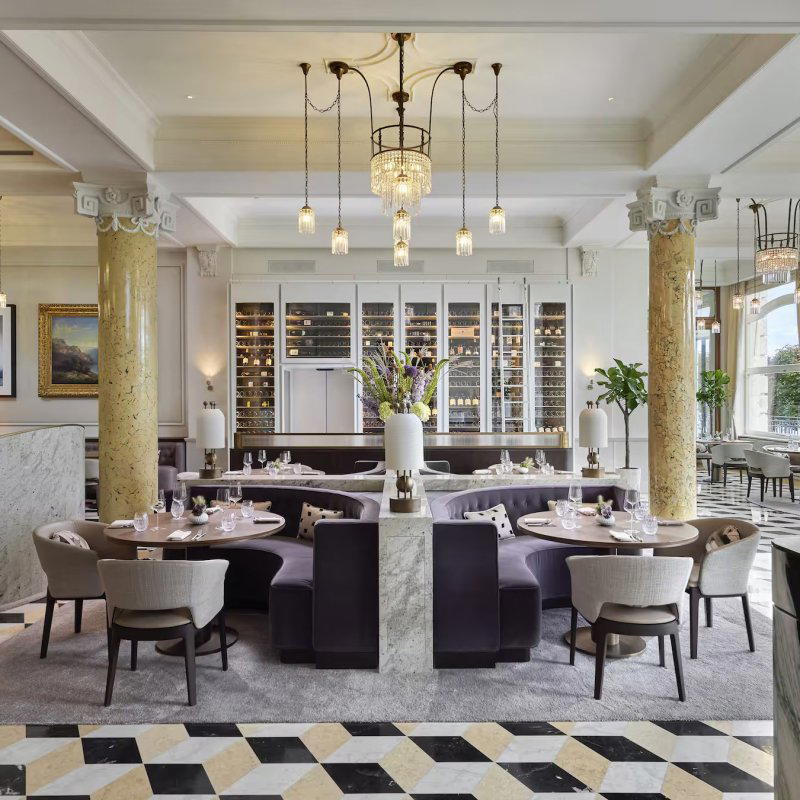
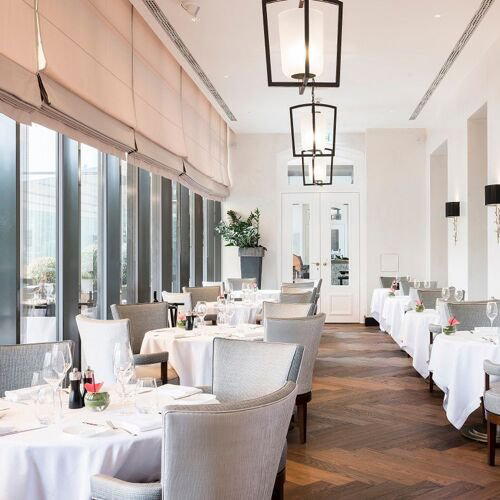
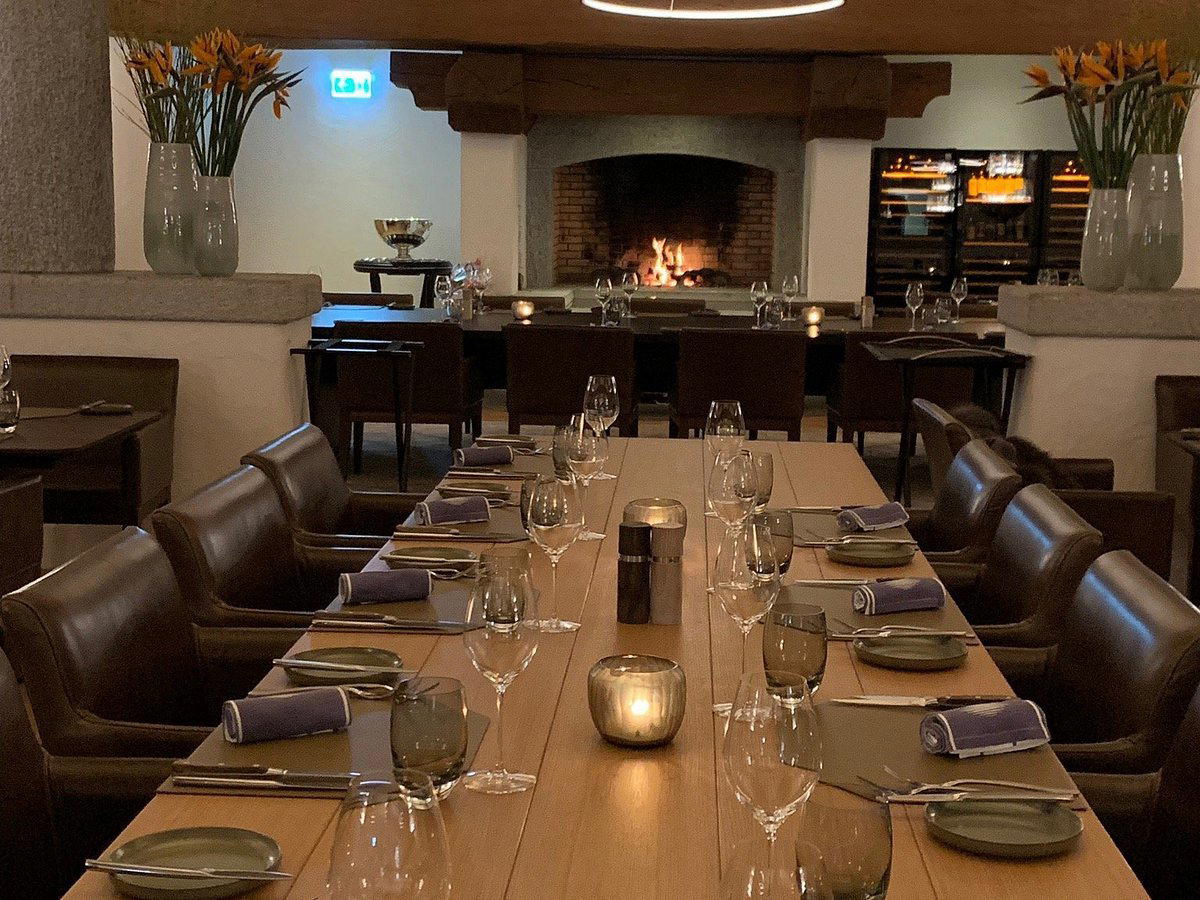
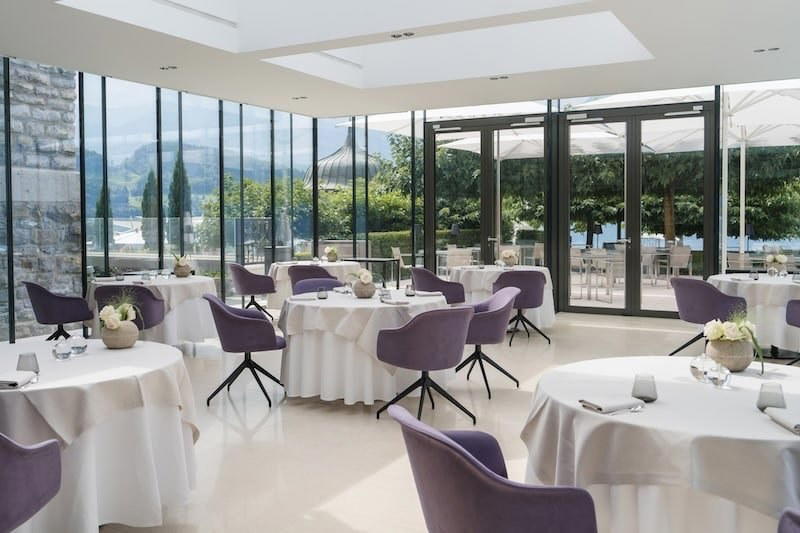
Cozy and warm with traditional charm blended with modern comforts, featuring huge windows, balconies, and an out-of-this-world breakfast room view.