Kanonenstrasse

Kanonenstrasse sits in Lucerne's 6003 postal district, a quarter where the city's older residential fabric meets its emerging dining scene. The address alone signals a deliberate distance from the lake-front tourist circuit, positioning it within the tier of Lucerne venues that reward local knowledge over guidebook convenience. For visitors already orienting around the city's independent hospitality scene, it belongs on the itinerary alongside a broader sweep of the old town.
Pearl is the En Primeur Club membership app — saves, bookings, and concierge access live there. Same editors, same standards.
- Address
- 6003 Lucerne, Switzerland
- Website
- chateau-guetsch.ch
- Directions
- Get directions
 Saves & bookings on Pearl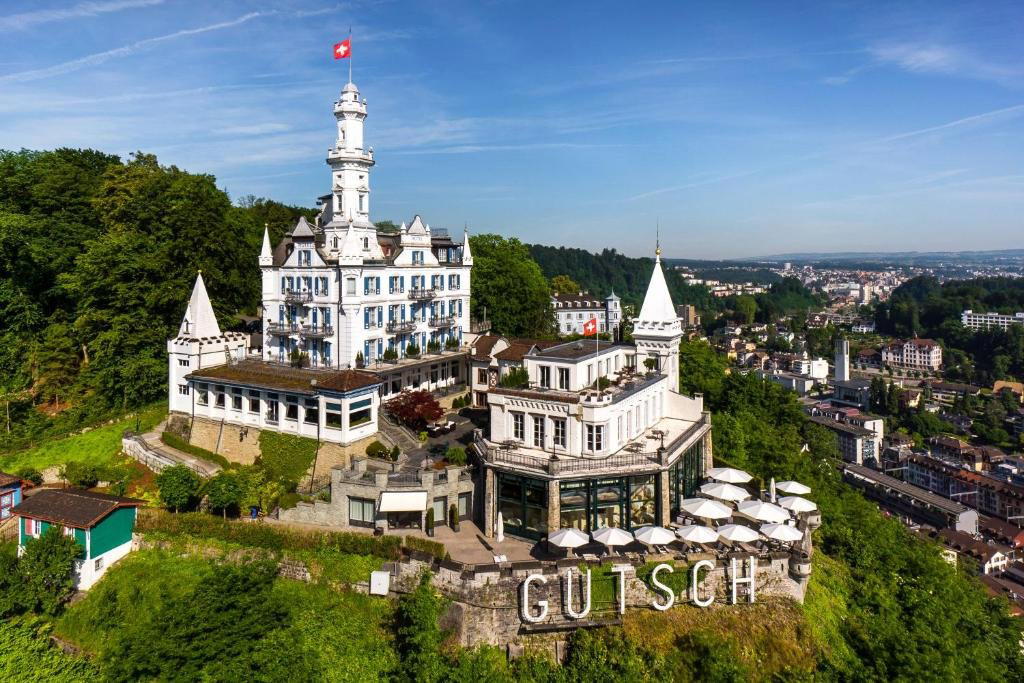
A Street That Sets the Tone
Lucerne's dining geography divides along a line most visitors never consciously notice. On one side sits the lake-front and the Altstadt, where the density of hotels, the Chapel Bridge foot traffic, and the tourist economy shape what restaurants can charge and how they operate. On the other side, in the residential quarters around the 6003 postal district, a different kind of venue has room to exist: one that serves a local audience first and earns its reputation through repetition rather than location. Kanonenstrasse is a 4-star hotel in Lucerne, Switzerland, with 37 rooms, a 6003 address, and a nightly rate from US$214. The street name itself, referencing the cannon emplacements that once defined Lucerne's defensive perimeter, is a reminder that this part of the city has a longer and more layered history than the polished promenade would suggest.
The Physical Address as Editorial Statement
In Swiss cities of Lucerne's scale, the address a venue chooses to occupy communicates as much as its menu or price point. The 6003 district, which runs west and southwest of the old town core, has historically been the zone where craft workshops, neighbourhood institutions, and local cafes concentrated away from the visitor economy. That geography has, over the past decade, made it attractive to independent operators who want the lower cost base and local clientele that the tourist belt cannot offer. Kanonenstrasse the street feeds into that logic: it is a working address in a working part of the city, and any venue operating there is implicitly signalling a set of priorities that differ from those of a lakeside terrace.
For travellers staying at properties like the Mandarin Oriental Palace, Luzern or the Grand Hotel National Luzern, venturing into the 6003 quarter represents a deliberate departure from the curated hotel-adjacent circuit. That short walk or taxi ride across the urban fabric is, in itself, part of the experience of using a city rather than consuming its highlights.
Lucerne's Independent Scene in Context
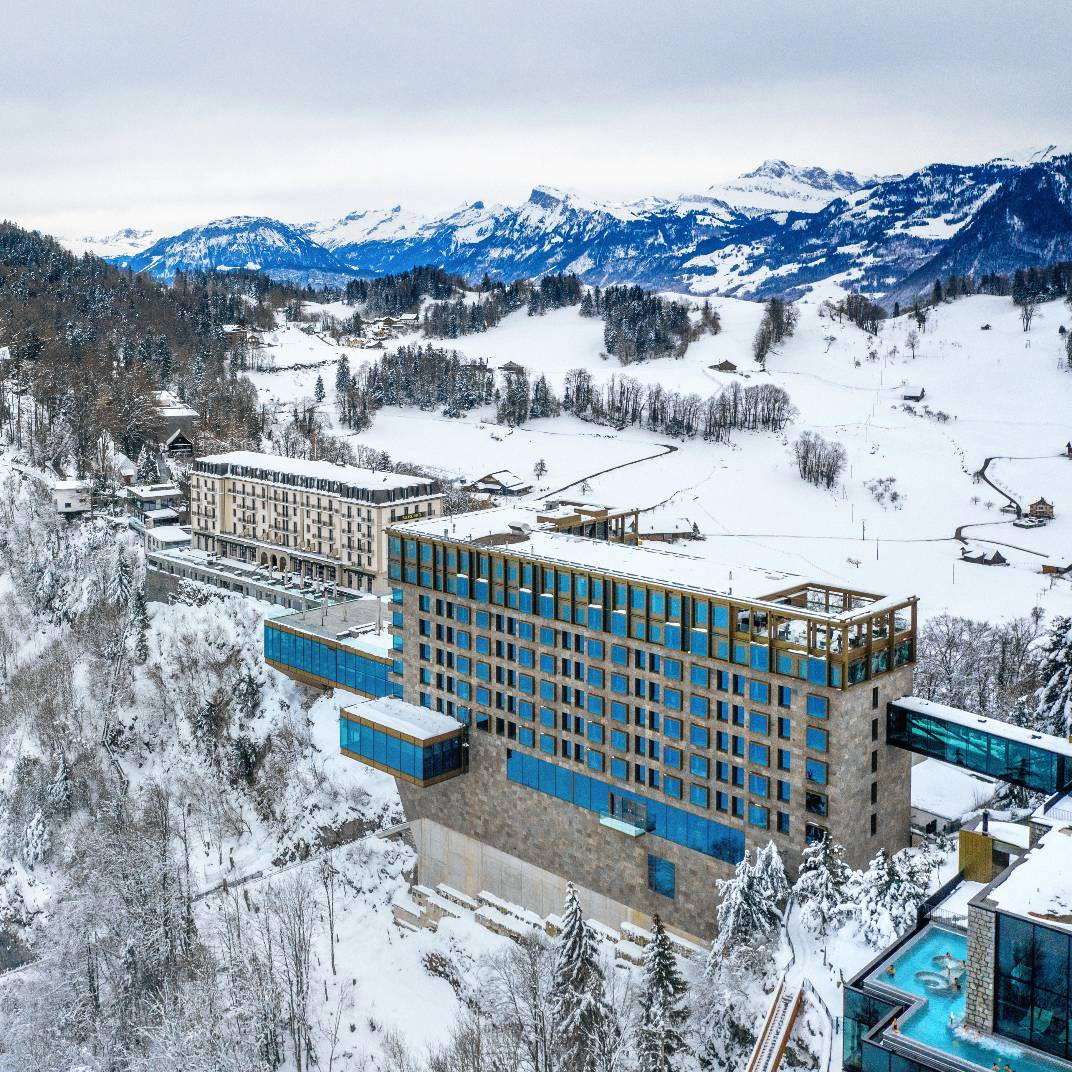
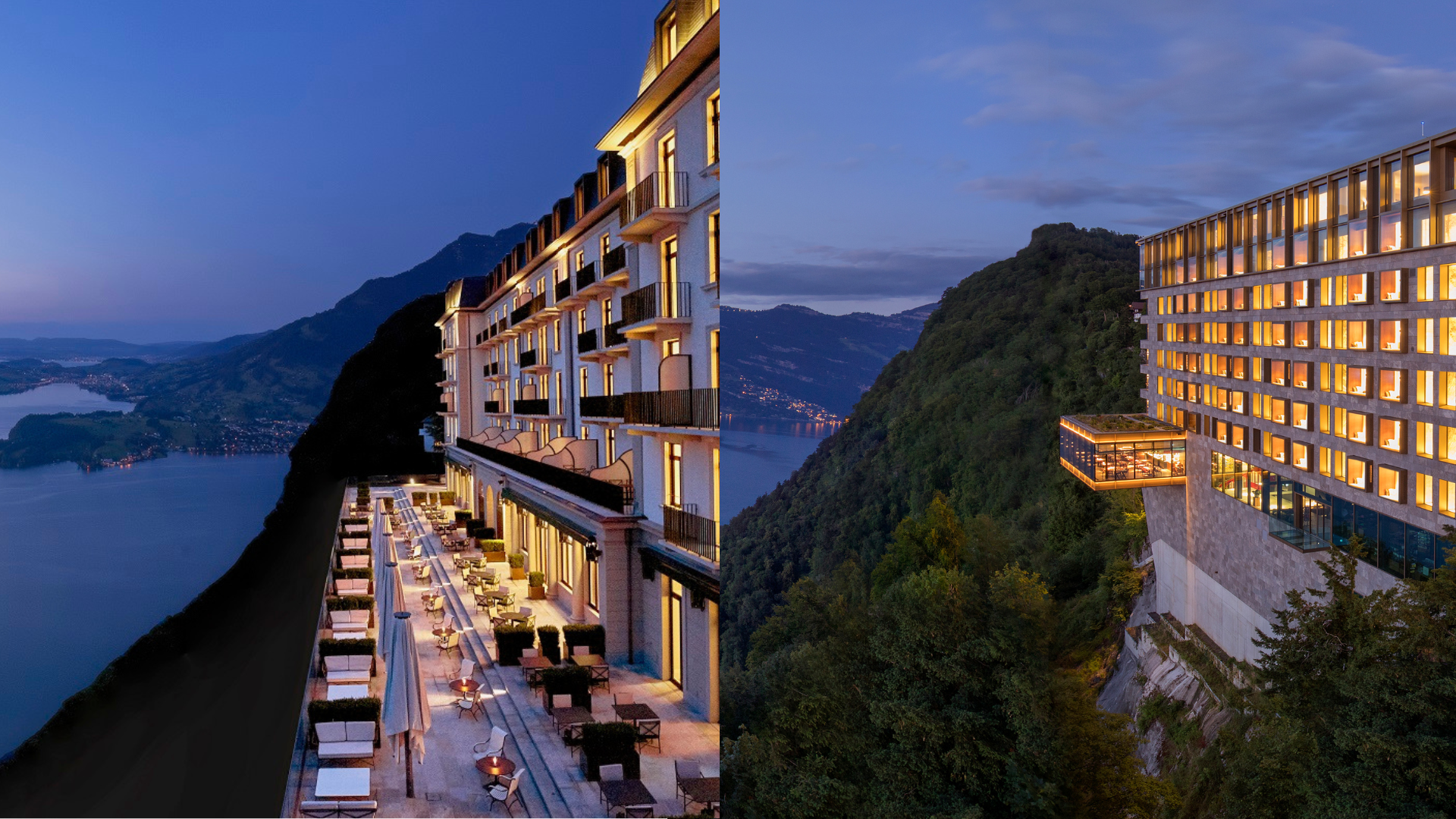
Switzerland's premium hospitality identity is heavily weighted toward alpine resorts and grand lakeside palaces. Properties like the Waldhotel by Bürgenstock and the Hotel Château Gütsch represent the architecture-as-statement end of Lucerne's accommodation offer, where the building itself is the primary experience. Further afield, the Swiss luxury circuit extends to Badrutt's Palace Hotel in St. Moritz, The Alpina Gstaad, and 7132 Hotel in Vals, each of which places the physical envelope at the centre of its identity. Urban independents like those found on Kanonenstrasse operate on a different register entirely: the architecture here is not a signature commission but an inherited structure, and the interest lies in what has been done within and around it.
That distinction matters for how you read the venue. In cities where the building stock is old and the renovation vocabulary is constrained by heritage rules, the design choices that operators make within existing structures become the primary spatial expression. How a room is lit, how tables are arranged relative to windows, how the bar relates to the dining floor: these decisions carry the editorial weight that a purpose-built space would spread across the facade, the approach, and the interior simultaneously.
The 6003 District: Design Signals and Neighbourhood Character
Walking through the 6003 quarter, the building scale drops from the monumental to the domestic. Four- and five-storey residential blocks from the late nineteenth and early twentieth centuries line streets where tram lines and cycling infrastructure now compete for priority. The ground-floor units that house independent businesses, including whatever Kanonenstrasse the venue occupies, typically have generous ceiling heights and frontages designed for commercial use, but the bones are residential rather than institutional. This creates a particular spatial dynamic that is worth understanding before you arrive: the room will feel inhabited rather than staged, proportioned for everyday use rather than for effect.
For visitors whose Lucerne itinerary is anchored at the Hotel de la Paix or the Hotel Hofgarten, both of which sit closer to the old town perimeter, the 6003 quarter is reachable on foot in fifteen to twenty minutes, cutting through the street grid rather than following the tourist-circuit paths along the water. The walk provides a more accurate read of the city's residential character than the lake-front route.
Switzerland's Broader Design Tradition
Swiss design culture, shaped by the Basel school of graphic design and a long tradition of precision manufacture, has produced a hospitality aesthetic that tends toward functional clarity over decorative excess. The country's most architecturally serious hotel commissions, among them 7132 in Vals, with its Peter Zumthor spa, and the Bürgenstock Resort, demonstrate how seriously Swiss operators take the relationship between built environment and hospitality experience. Urban venues in Lucerne inherit that cultural context even when operating at a more modest scale. The expectation that a space should be considered, that materials should be chosen rather than defaulted to, runs through the independent sector as much as the grand hotel tier.
This is the frame within which Kanonenstrasse's spatial choices read. Whether the approach is sparse and material-led, or warm and layered with found objects and archive references, it lands inside a city that has strong opinions about the relationship between design and daily life.
Planning a Visit
Lucerne is compact enough that the 6003 district sits within easy reach of the main rail station, making it accessible both for day visitors arriving by train from Zurich or Geneva and for guests spending multiple nights in the city. Visitors combining Lucerne with wider Swiss itineraries that include Lausanne, Basel, or Bern will find Kanonenstrasse's quarter sits naturally into an evening or afternoon block that does not compete with the main tourist-circuit checklist. Given the absence of current published booking or contact information, one reliable approach is to present yourself during service hours or to enquire through your hotel concierge, who will have local intelligence on current operating status. For a fuller orientation of what Lucerne's dining scene offers across price points and styles, see our full Lucerne restaurants guide.
Travellers whose Swiss journey extends beyond the central plateau might also find useful context in properties like the Castello del Sole in Ascona, CERVO Mountain Resort in Zermatt, or the Grand Hotel Kronenhof in Pontresina, each of which represents a different register of Swiss hospitality and a different relationship between architecture and landscape.
Comparable Spots, Quickly
Comparable venues nearby, for context on price, style, and recognition.
| Venue | Cuisine | Price | Awards | Notes |
|---|---|---|---|---|
| KanonenstrasseThis venue — the venue you are viewing | Historic castle hotel with Belle Époque romance in the castle wing and contemporary comfort in the Orangerie. | $$$$ | 4-Star | Not listed |
| Hotel de la Paix | Modern opulence in historic district | $$$$ | 3-Star | Old Town Lucerne |
| Hotel Château Gütsch | Historic castle hotel blending historical charm with modern luxury | $$$$ | 5-Star | Gütsch |
| Hotel Hofgarten | Historic heritage property with traditional Swiss architecture across three interconnected buildings, emphasizing timeless charm and local character. | $$$ | 4-Star | Old Town Lucerne |
| Waldhotel by Bürgenstock | Sustainable alpine wellness resort | $$$$ | 5-Star | Bürgenstock |
| Grand Hotel National Luzern | Historic Belle Époque palace hotel blending 19th-century grandeur with modern luxury, originally shaped by hospitality pioneer César Ritz and chef Auguste Escoffier. | $$$$ | 5-Star | Lucerne Old Town |
Recognition history
Dated appearances from independent guides and award organizations, with the underlying list record or original source where available.
Preferred Hotels Member
Preferred Hotels
Continue exploring
More in Lucerne
Hotels in Lucerne
Browse all →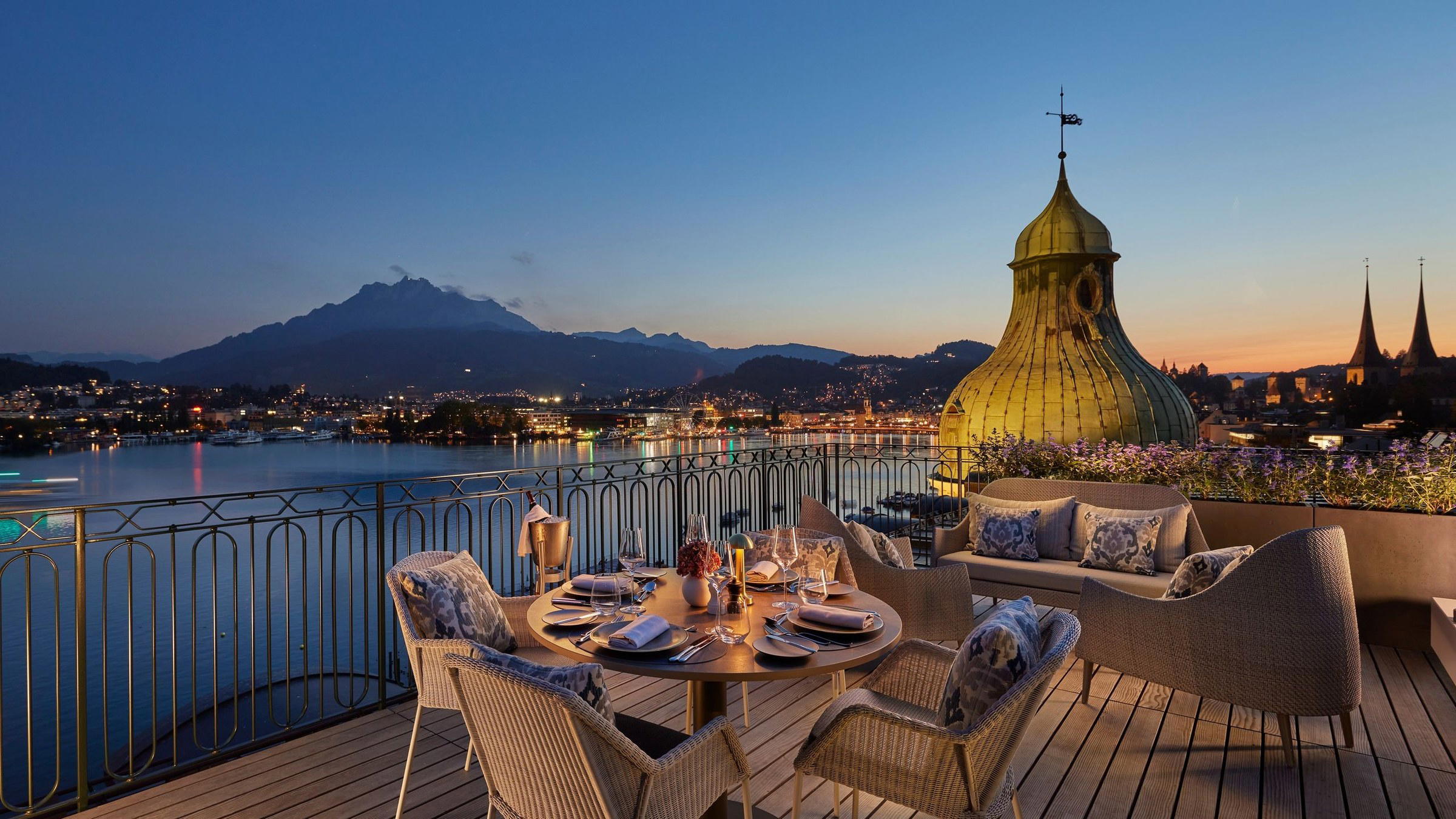
Bars in Lucerne
Browse all →
Restaurants in Lucerne
Browse all →

At a Glance
- Romantic
- Elegant
- Scenic
- Classic
- Sophisticated
- Romantic Getaway
- Honeymoon
- Anniversary
- Weekend Escape
- Historic Building
- Panoramic View
- Terrace
- Wi Fi
- Restaurant
- Room Service
- Concierge
- Mountain
- Wi Fi
- Restaurant
- Room Service
- Concierge
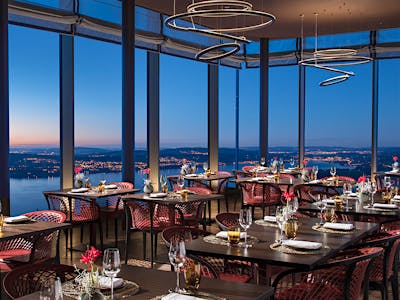
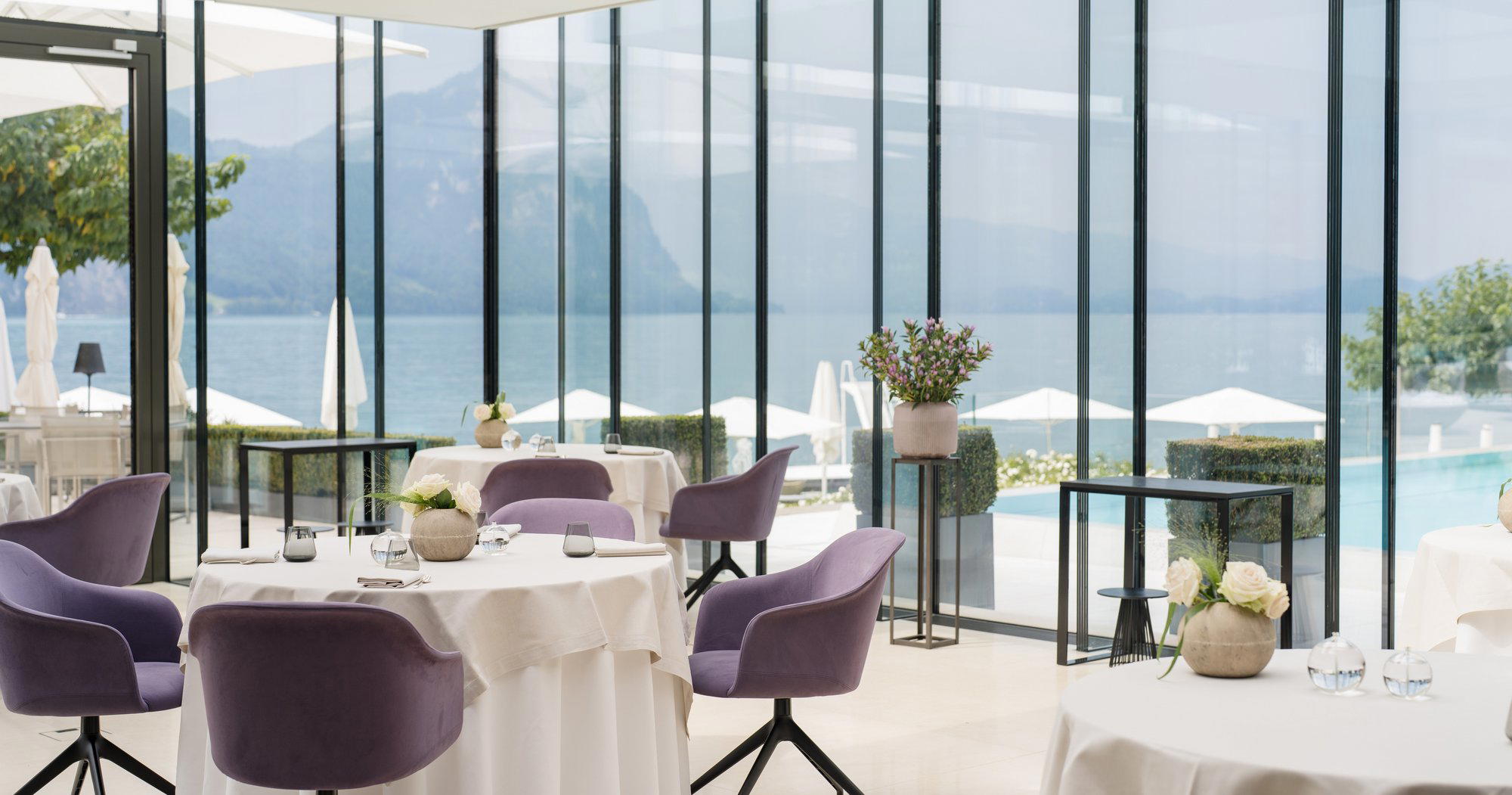
Pastel interiors with ornate colorful chandeliers creating a happy, lighthearted, and relaxing atmosphere amid classical elegance and historic details.