
Le Kaila holds a Michelin Key distinction in the 2025 guide, placing it among a small tier of alpine properties in Méribel where design and hospitality are taken as seriously as the skiing. Set on the Rue des Jeux Olympiques, it sits within reach of the Méribel valley's central slopes and represents the more intimate, design-conscious end of French alpine luxury.
Pearl is the En Primeur Club membership app — saves, bookings, and concierge access live there. Same editors, same standards.
- Address
- 124 Rue des Jeux Olympiques, Méribel, France
- Phone
- +33 4 79 41 69 30
 Saves & bookings on Pearl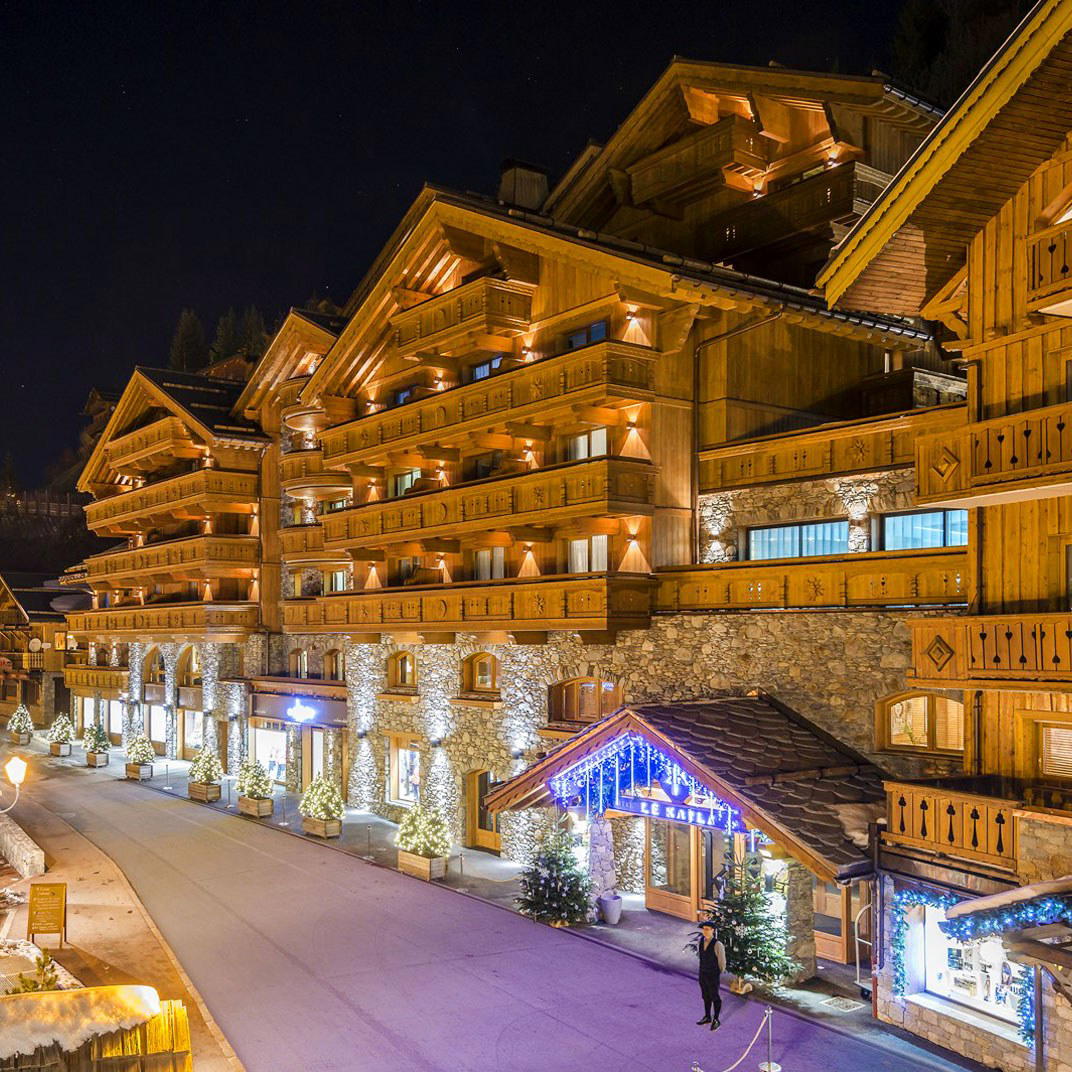
Where Alpine Architecture Meets Considered Luxury
Méribel occupies a specific position in the French Alps that separates it from its neighbours in the Trois Vallées. Unlike Courchevel, which has organised itself into altitude-tiered price brackets, or Val Thorens, which doubles as a testing ground for high-volume ski tourism, Méribel operates with a lower profile and a more consistent visual identity: Savoyard stone facades, heavy timber framing, and a collective commitment to chalet-vernacular architecture that was written into the resort's planning codes before the lifts were even operational. The result is a valley where even the upper tier of accommodation reads as architecturally coherent rather than ostentatious. Le Kaila is a 5-star hotel at 124 Rue des Jeux Olympiques in Méribel, France, set within that visual tradition while representing the part of the market where craft and detail are pushed further than the category average.
The Rue des Jeux Olympiques reference in the address is not incidental. Méribel hosted the alpine skiing events during the 1992 Albertville Winter Olympics, and the infrastructure built around that period shaped the resort's current layout. The upper sections of the village have a slightly more considered civic scale as a result, and properties in that zone benefit from positioning that balances proximity to the lift system with separation from the busiest pedestrian flow. That context matters when assessing a property's physical environment: the approach and arrival sequence at a ski hotel shapes first impressions more than almost any other hospitality category, because guests arrive on foot through snow, often in ski boots, and the transition from mountain to interior defines the mood before a room is ever seen.
The Michelin Key Standard and What It Signals
Le Kaila's 2025 Michelin Key recognition places it within a framework that Michelin only formally introduced for hotels in recent years. The Key system assesses the overall hospitality experience rather than food alone, covering design, service architecture, and the coherence of the stay as a whole. In the French Alps, where the premium hotel tier is dense and competitive, a single Key recognition functions as a peer-group signal: it positions a property within the cohort of hotels where the experience has been assessed as meaningfully above the category baseline, without claiming the rarefied ground of the two- or three-Key tier that properties such as Le K2 Palace in Courchevel or equivalents in other French mountain markets might occupy.
For comparison, the French luxury hotel market at the broader level includes properties that have become reference points by different routes: Le Bristol Paris through institutional urban grandeur, Royal Champagne Hotel & Spa in Champillon through landscape-led design, and La Bastide de Gordes through Provençal heritage. The alpine category has its own logic, where seasonal operation, slope access, and the physicality of the guest experience create a different hierarchy of priorities. Le Kaila's Key recognition within that specific alpine context carries weight precisely because the assessors are measuring against ski-resort hospitality norms, not urban hotel norms.
Design in the Context of Savoyard Building Tradition
The broader alpine hotel design conversation has moved through several phases over the past two decades. The early 2000s saw a wave of properties that treated traditional chalet materials, pine cladding, stone hearths, hand-stitched textiles, as surface dressing over essentially generic hotel interiors. A later correction brought more architecturally rigorous projects that engaged the vernacular seriously: heavy structural timber used structurally rather than decoratively, natural material palettes that acknowledged the altitude and light conditions of the alpine environment, and spatial planning that oriented rooms and common areas towards mountain views as a primary design driver rather than an afterthought.
Properties in this more considered tier, across the French Alps broadly, tend to share certain characteristics: compressed public spaces that create warmth without feeling cramped, generous fireplace presence in communal areas, and a material consistency that runs from facade to interior rather than treating the two as separate design briefs. The commitment to that consistency is part of what Michelin's hospitality assessors are reading when they evaluate a property's design. Other properties in the French luxury tier that demonstrate comparable material seriousness in different regional idioms include Hotel Du Cap-Eden-Roc in Cap d'Antibes with its Mediterranean scale, and Casadelmar in Porto-Vecchio with its modernist Corsican restraint. The alpine version of this discipline is harder in some respects: the climate is more demanding, the guest is more physically active, and the functional requirements of drying rooms, boot storage, and ski-in infrastructure have to be absorbed without disrupting the aesthetic logic.
Méribel in the Broader French Alpine Market
Choosing Méribel over Courchevel or Val d'Isère involves tradeoffs that design-attentive travellers tend to weigh carefully. Courchevel 1850 carries the highest concentration of two- and three-star Michelin restaurants in any ski resort in France, and the Le K2 Palace tier there operates at a price point and service intensity that sets the ceiling for alpine luxury. Méribel offers access to the same Trois Vallées ski area, one of the largest interconnected ski systems in the world, without the pressure of Courchevel's social performance register. For travellers who prioritise the skiing itself and a more settled atmosphere, Méribel consistently represents the more grounded choice, even within the premium segment. The Four Seasons Megève positions itself similarly in the adjacent valley, though Megève operates with a different seasonal calendar and a softer, more spa-forward identity. See our full Méribel restaurants and hotels guide for a broader map of the valley's options.
Other French luxury properties that attract a similar traveller profile by different geographic logic include The Maybourne Riviera in Roquebrune-Cap-Martin, La Réserve Ramatuelle, and Château de la Chèvre d'Or in Èze on the Côte d'Azur, as well as Hôtel du Palais in Biarritz on the Atlantic coast. Each occupies a regional category where the physical setting does substantial work in framing the guest experience, and each has been recognised at the level where design and service are taken as equally important as location. For international reference points, Badrutt's Palace in St. Moritz and Hôtel de Paris Monte-Carlo serve as useful anchors for understanding where recognised alpine and resort properties sit within European luxury hospitality more broadly.
Planning a Stay
Méribel's ski season runs from mid-December through April, with the peak weeks falling around the French school holidays in February and during the Christmas-to-New Year period, when availability at recognised properties tightens considerably. Guests travelling from Paris typically route through Lyon or Grenoble by TGV, then transfer by road into the Tarentaise valley, a journey that takes three to four hours from Paris in total under good conditions. Geneva Airport is one direct international gateway, with road transfers to Méribel running approximately ninety minutes depending on traffic and road conditions at altitude. Booking well ahead of high-season dates is advisable for any property at Le Kaila's recognition level, given that the combination of Michelin Key status and a finite number of rooms in a seasonal resort creates a narrow window for late availability.
Fast Comparison
Comparable venues nearby, for context on price, style, and recognition.
| Venue | Cuisine | Price | Awards | Notes |
|---|---|---|---|---|
| Le KailaThis venue — the venue you are viewing | Contemporary Alpine chalet with modern luxury. | $$$$ | 5-Star | Not listed |
| Beaumanoir | Historic manor blending tradition and modernity | $$$$ | 5-Star | Parc d'Hiver |
| Mas de la Fouque | Luxury boutique hotel positioned as a notable residence combining modern design with rustic Camargue heritage in a nature reserve. | $$$$ | 5-Star | Saintes-Maries-de-la-Mer |
| Grand Hôtel du Cap-Ferrat, A Four Seasons Hotel | Ornate mix of Old World grandeur and sleek modernity in a historic palace setting. | $$$$ | 5-Star | St Jean Cap Ferrat |
| L'Isle de Leos - MGallery | Provençal boutique hotel with authentic homage to the region using wood, stone, and natural materials. | $$$$ | 5-Star | L'Isle-sur-la-Sorgue |
| Villa Clarisse | Contemporary-classic minimalist luxury blending island authenticity with refined European design sensibilities | $$$$ | 5-Star | Saint-Martin-de-Ré old town |
Recognition history
Dated appearances from independent guides and award organizations, with the underlying list record or original source where available.
Michelin 1 Key
Michelin
Continue exploring
More in Méribel
At a Glance
- Cozy
- Elegant
- Scenic
- Rustic
- Family Vacation
- Romantic Getaway
- Weekend Escape
- Panoramic View
- Pool
- Spa
- Sauna
- Fitness Center
- Room Service
- Concierge
- Kids Club
- Mountain
- Pool
- Spa
- Sauna
- Fitness Center
- Room Service
- Concierge
- Kids Club
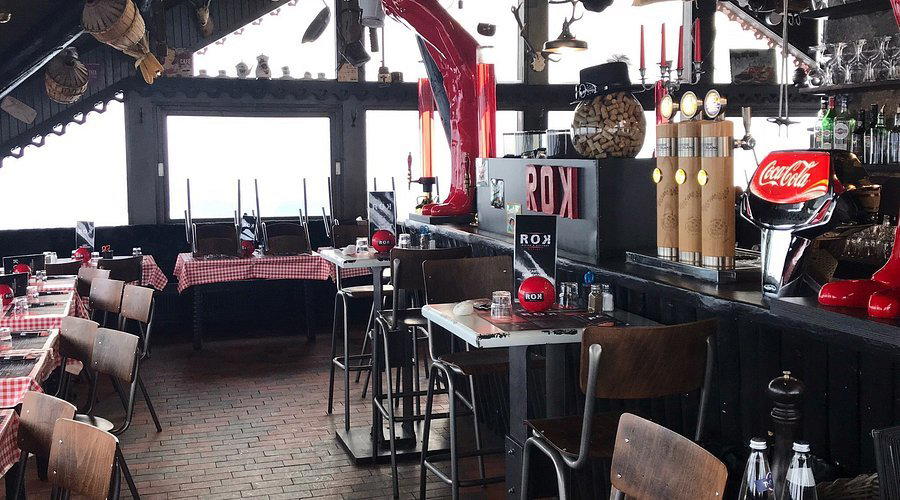
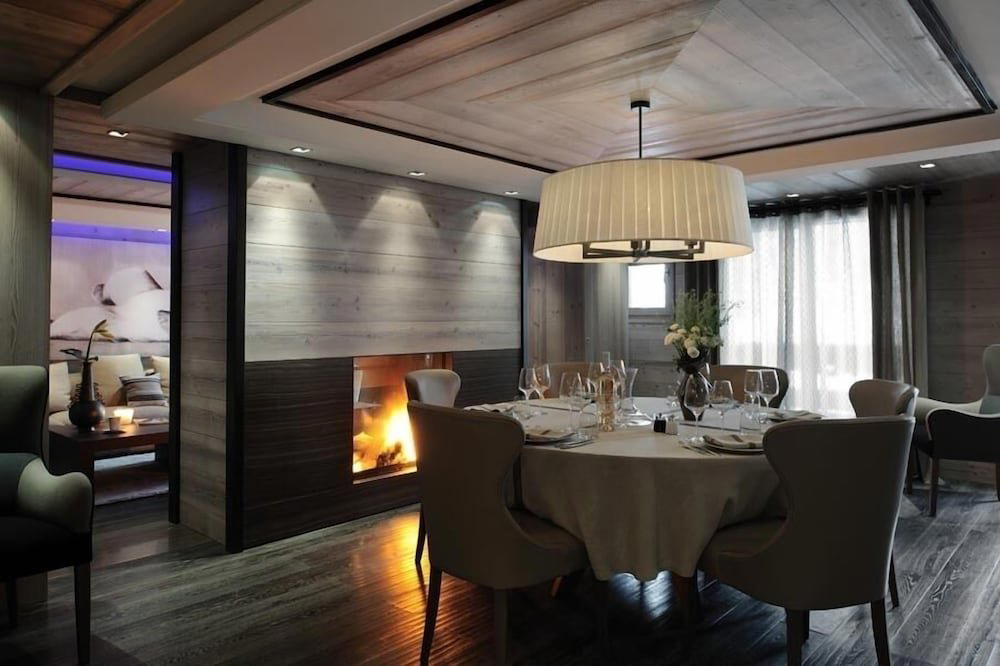
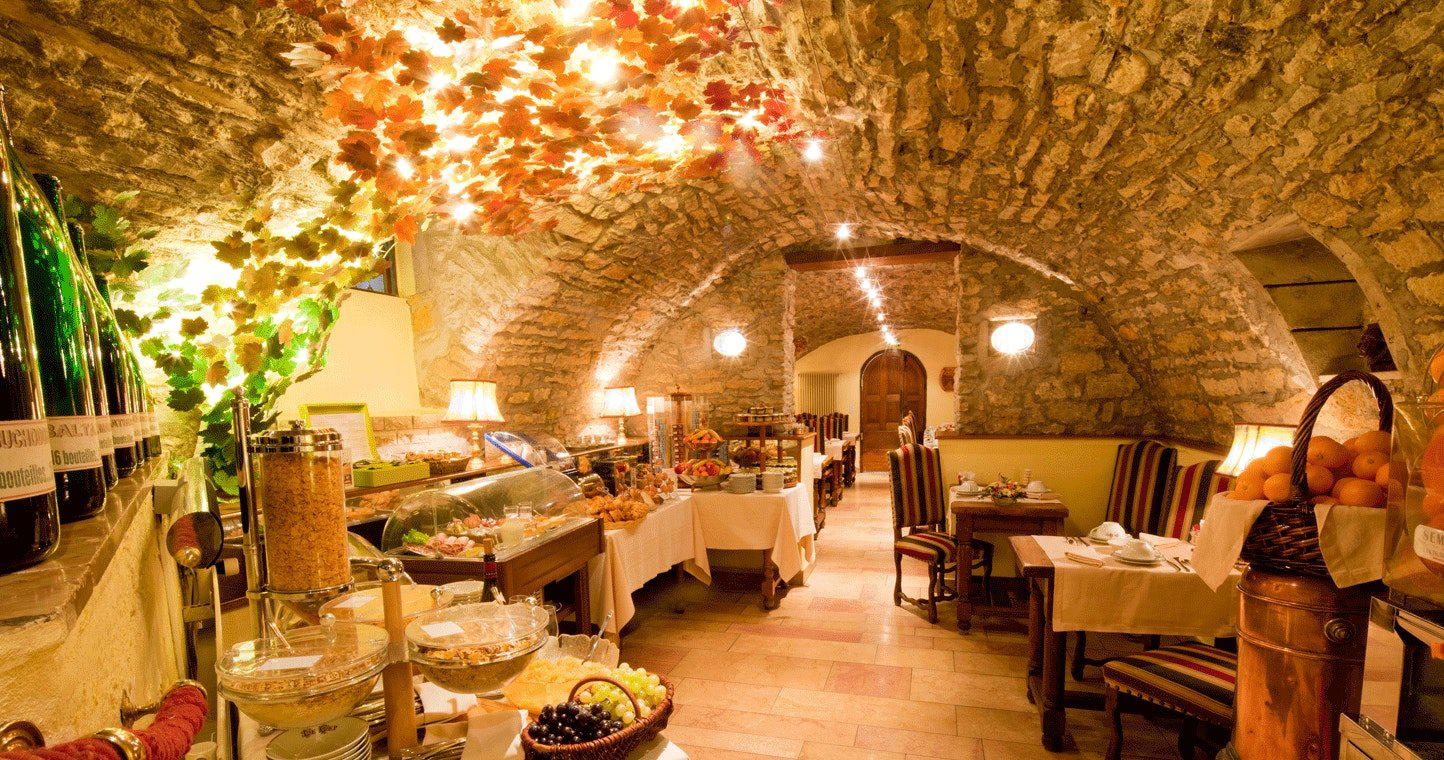
Cosy and warm with wooden interiors, fur throws, fireplaces, and a tranquil family-friendly atmosphere.