Hotel Alexander
Hotel Alexander sits in Lomas - Virreyes, beside the Bosque de Chapultepec address band where Mexico City’s hotel geography shifts from street-facing boutique houses to quieter, residential luxury. With no public awards, star rating, price range, chef, or booking details in the available record, the useful reading is contextual: this is a design-and-location proposition rather than a credential-led hotel listing.
Pearl is the En Primeur Club membership app — saves, bookings, and concierge access live there. Same editors, same standards.
- Address
- Bosque de Chapultepec, Lomas - Virreyes, Pedregal 24, Miguel Hidalgo, 11000 Ciudad de México, CDMX, Mexico
- Phone
- +52 55 7915 8332
- Website
- alexanderhotel.mx
- Directions
- Get directions
 Saves & bookings on Pearl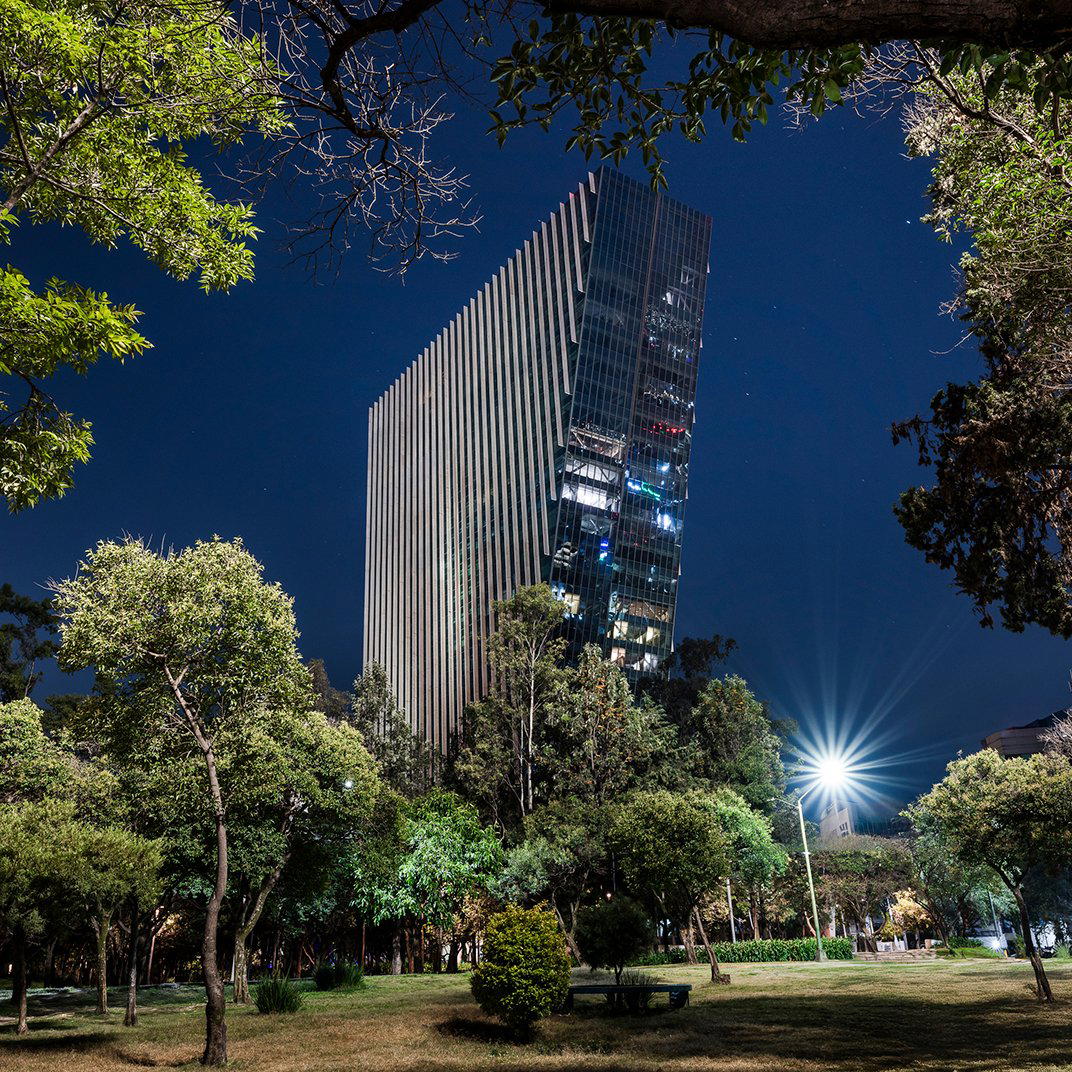
Arrival in the Chapultepec Edge of Miguel Hidalgo
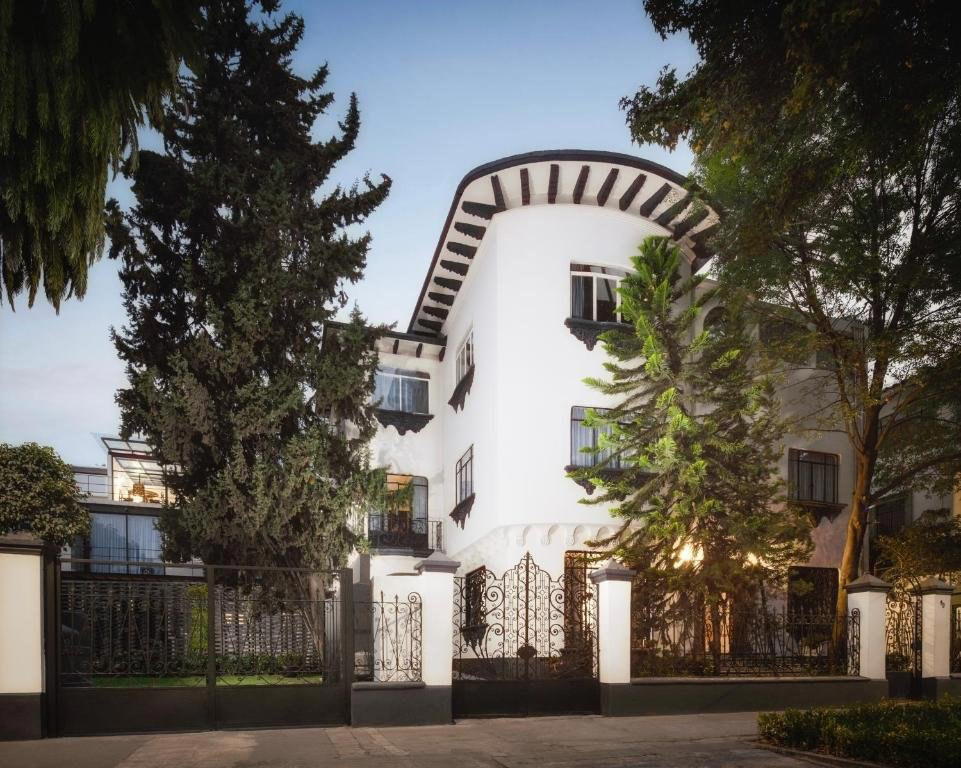
The approach to Pedregal 24 in Lomas - Virreyes changes the rhythm of Mexico City hospitality. This is not the Roma Norte sidewalk theater of cafés, galleries, and restored townhouses, nor the Polanco hotel circuit built around shopping, embassies, and high-visibility dining. The address places Hotel Alexander beside the Bosque de Chapultepec sphere, in Miguel Hidalgo, where the city’s hotel experience becomes more residential, more car-oriented, and more dependent on architectural discretion than lobby spectacle. For travelers who read a hotel through its surroundings, that shift matters: the setting suggests quieter entries, controlled interiors, and a different relationship with the capital’s public life.
Mexico City’s premium hotel scene has fractured into several clear camps. Polanco favors composed mansion hotels and international luxury infrastructure; Roma and Condesa trade on restored domestic architecture and street-level social energy; Reforma carries the business-travel inheritance of towers, views, and corporate access. The Lomas - Virreyes position belongs to another category: close enough to the cultural gravity of Chapultepec and Polanco, but removed from the nightlife density that defines other districts. That makes the physical space, and the way it mediates privacy, the main editorial question.
Hotel Alexander is a 5-star hotel in Mexico City’s Miguel Hidalgo borough, with 26 rooms. That absence should not be dressed up as mystery. It means the hotel cannot be assessed through the usual signals of branded luxury, Michelin-adjacent dining, or published service infrastructure. The sharper reading is to place it among Mexico City properties where address, architectural tone, and neighborhood fit do much of the work.
Design as a Mexico City Hotel Language
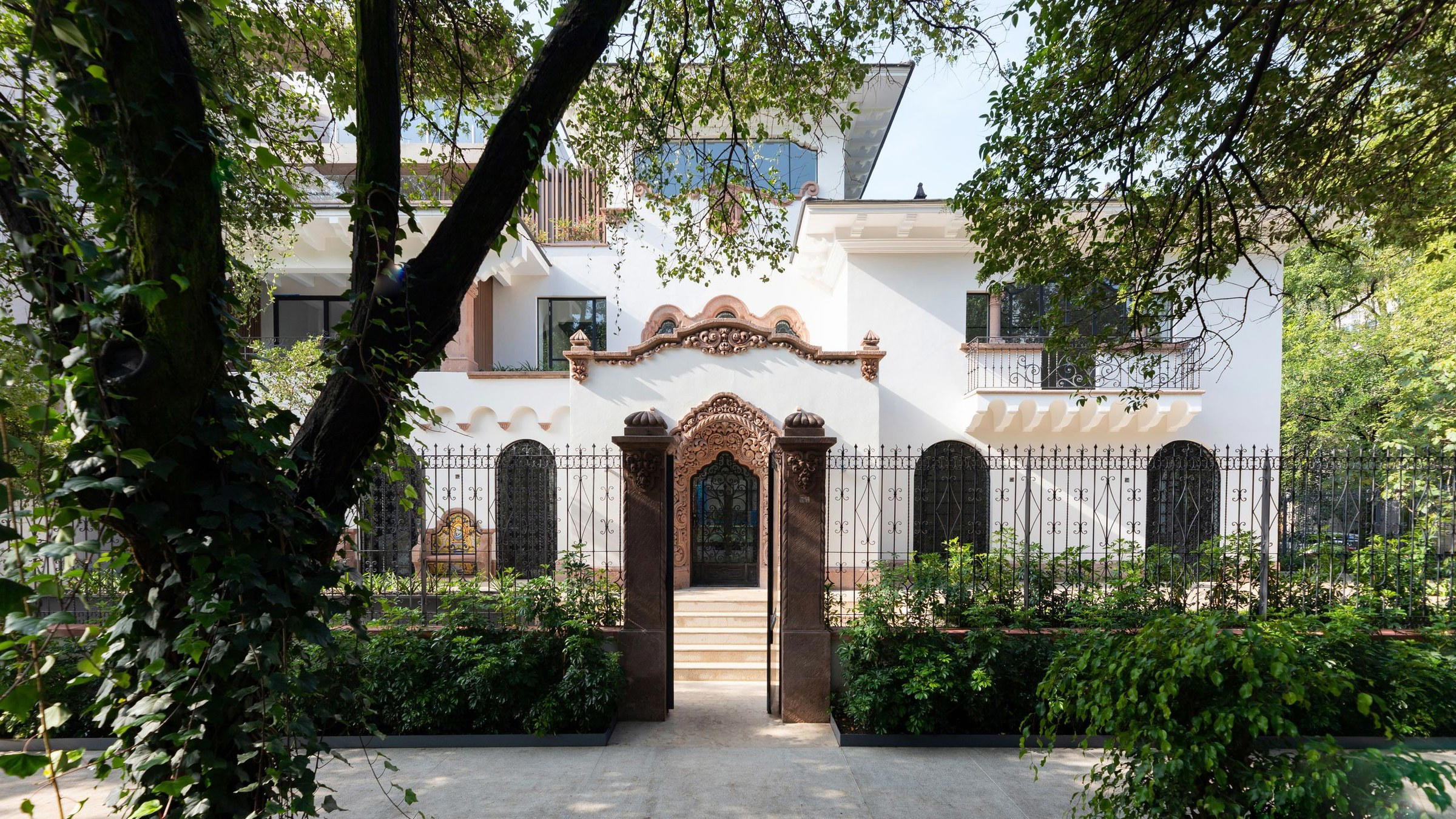
In Mexico City, architecture is not decoration; it is often the point of the stay. The city has long treated private houses, courtyards, volcanic stone, garden walls, and controlled thresholds as social instruments. Hospitality has borrowed from that tradition, especially in the smaller hotels that compete less through scale and more through spatial character. A guest choosing this part of Miguel Hidalgo is usually not chasing lobby volume. The draw is the possibility of a quieter building in a district where greenery, compounds, and institutional addresses soften the city’s pace.
This is where comparisons help. Casa Polanco sits in the polished Polanco residential-hospitality lane, using neighborhood prestige and mansion-scale intimacy as its vocabulary. Brick Hotel belongs to Roma Norte’s restored-building conversation, where restaurants, bars, and design retail form part of the guest experience. Andaz Mexico City Condesa - A Concept by Hyatt operates in Condesa with a larger lifestyle-hotel grammar. Against those peers, the Lomas - Virreyes address reads less like a social stage and more like a retreat from the city’s louder hotel corridors.
That distinction is valuable because Mexico City rewards neighborhood precision. A hotel in Condesa invites walking and late dinners. A hotel in Polanco simplifies museum days, shopping, and high-end restaurants. A hotel near Bosque de Chapultepec and Lomas - Virreyes suits a traveler who wants the city accessible but not pressed against the bedroom window. The design implication is clear: the building has to justify its quieter setting through proportion, privacy, and ease of movement rather than relying on surrounding street life to supply atmosphere.
Why Lomas - Virreyes Changes the Stay
Lomas - Virreyes is part of Miguel Hidalgo, a borough that contains some of the capital’s strongest hotel contrasts. Within the same administrative frame, a traveler can find major cultural institutions, business corridors, residential enclaves, and restaurant-heavy districts. The address at Bosque de Chapultepec, Lomas - Virreyes, Pedregal 24 places the hotel in a zone where private transport will often shape the day. That is not a flaw; it is a different planning model. The guest trades immediate café density for a calmer base and more deliberate movement between neighborhoods.
For design-led hotels, this trade can be more meaningful than a published amenity list. A quieter district creates room for arrival sequences, garden walls, controlled lighting, and less performative public areas. In Mexico City, where traffic and altitude can make days feel compressed, the ability to return to a less congested residential address has practical value. The point is not escape from the city. It is a version of access that privileges separation after dinner, museum visits, or meetings.
The Competitive Set: Mansion Hotels, Lifestyle Brands, and Residential Privacy
The city’s smaller hotel category is crowded with properties that use domestic architecture to soften the boundary between house and hotel. Campos Polanco, Casa Cuenca, Casa Goliana, and Casa Nuevo León Hotel all sit within a broader shift away from anonymous business hotels. Each draws strength from neighborhood scale: Polanco’s formal calm, Roma’s restored façades, Condesa’s leafy streets, or the domestic rhythm of historic residential districts.
Hotel Alexander, by contrast, is most legible through its address and the absence of public hospitality labels. With no awards listed, it should not be positioned as a trophy hotel on credential alone. The better comparison is with properties whose appeal depends on how well they translate private-city architecture into a guest experience. That is a narrower and more demanding category. Without a public price range, the value judgment cannot rest on nightly rate. Without a listed restaurant, chef, or cuisine type, the food-and-beverage story cannot be inflated. The editorial assessment has to stay with location, design expectation, and the kind of traveler the district suits.
Mexico City also has a parallel luxury circuit outside the capital, useful for calibrating expectations. Resorts such as Hotel Esencia in Tulum, One&Only Mandarina in Riviera Nayarit, Montage Los Cabos in Cabo San Lucas, Maroma in Riviera Maya, Zadun, A Ritz-Carlton Reserve in Los Cabos, and Las Ventanas al Paraíso, A Rosewood Resort in San José del Cabo sell Mexico through space, climate, and resort ceremony. Capital hotels have a different assignment. They have to manage density, neighborhood identity, and cultural access. The Lomas - Virreyes proposition sits firmly in that urban camp.
International Context Without Overclaiming
Design-led urban hotels elsewhere provide a useful frame, though direct comparison requires caution. The Fifth Avenue Hotel in New York City uses historic fabric and theatrical interiors in a high-density grid. Hôtel de Paris Monte-Carlo in Monte Carlo belongs to palace-hotel tradition and civic ceremony. Badrutt's Palace Hotel in St. Moritz is tied to alpine seasonality and grand-hotel history. Mexico City’s smaller properties operate with a more private code: façades, courtyards, and neighborhood discretion often carry more weight than spectacle.
Food, Bars, and the City Around the Hotel
No cuisine type, chef name, restaurant identity, or bar program is included in the available record. That limitation should guide planning. The sensible approach is to treat the hotel as a base and use Mexico City itself for dining and drinking. The capital’s restaurant culture is distributed across Polanco, Roma, Condesa, Juárez, San Miguel Chapultepec, and beyond, with serious meals often requiring advance planning because demand concentrates around a relatively small number of highly visible rooms.
For broader planning, the Mexico City restaurants guide is the better companion than assuming the hotel will supply the main culinary experience. The same applies after dinner: the city’s cocktail culture is neighborhood-specific, with hotel bars, listening rooms, agave-focused counters, and late-night venues occupying different circuits. The Mexico City bars guide is useful for separating design-led hotel drinking from destination cocktail programs.
The Lomas - Virreyes setting makes restaurant logistics more deliberate. Travelers should think in clusters rather than isolated reservations: museum and park time around Chapultepec, lunch or dinner in Polanco, gallery-and-restaurant evenings in Roma or Condesa, and longer cross-city moves when traffic permits. That pattern suits a hotel whose appeal is likely tied to retreat and address rather than constant street-level stimulation.
Cultural Planning Beyond the Room
Mexico City rewards visitors who pair hotels with cultural routes rather than treating accommodation as the entire itinerary. The Mexico City experiences guide helps frame the city through museums, private-format cultural programming, and neighborhood-specific days. Wine is not the capital’s primary travel identity, but restaurant cellars and retail importers play a role in the premium dining circuit; The Mexico City wineries guide is useful for the broader drinks context. For accommodation comparisons across districts, The Mexico City hotels guide gives the citywide view.
Planning the Stay: What Is Known and What Is Not
The confirmed address is Bosque de Chapultepec, Lomas - Virreyes, Pedregal 24, Miguel Hidalgo, 11000 Ciudad de México, CDMX, Mexico. Those gaps matter because they affect how a traveler verifies availability, arrival procedure, service scope, and current rates. In a city where small hotels can operate with limited public information, confirmation should come through a reliable reservation channel or direct verified contact when available through the traveler’s platform.
Walking in should not be assumed. If a traveler has a confirmed stay, arrival details should be checked before reaching the property, especially for late flights or airport transfers. If the goal is to inspect the space, meet someone, or use a dining venue, confirmation is necessary before making the trip across town.
Price also requires care. Without a published range, the hotel cannot be placed responsibly against Polanco mansion hotels, Condesa lifestyle properties, or larger luxury brands by rate. The better method is to compare the full proposition: district, room type, cancellation terms, service inclusions, transport needs, and whether the stay depends on hotel dining or on the city’s restaurant network. In Mexico City, a lower nightly rate can be offset by transport friction; a higher rate can be justified when the neighborhood supports the planned itinerary. Here, the address suggests a stay built around privacy and controlled access to the city rather than constant walking convenience.
In Context
Comparable venues nearby, for context on price, style, and recognition.
| Venue | Price | Awards | Notes |
|---|---|---|---|
| Hotel AlexanderThis venue — the venue you are viewing | $$$$ | 5-Star | Not listed |
| Park Hyatt Mexico City - A Virtuoso Preview Property | $$$$ | 5-Star | Polanco Chapultepec, contemporary luxury urban hotel |
| Grand Fiesta Americana Chapultepec | $$$$ | 5-Star | Nva Anzures, Elegant urban tower hotel with park views |
| JW Marriott Hotel Mexico City Polanco | $$$$ | 5-Star | Polanco Chapultepec, Contemporary luxury with refined elegance, blending modern design with the exclusive character of the Polanco neighborhood. |
| W Mexico City | $$$$ | 5-Star | Polanco Chapultepec, Boutique luxury with custom details and signature W touches |
| Habita | $$$ | 4-Star | Chapultepec Morales, Contemporary lifestyle hotel emphasizing light and space in a 1950s building remodeled with frosted glass wrapper. |
Continue exploring
More in Mexico City
Hotels in Mexico City
Browse all →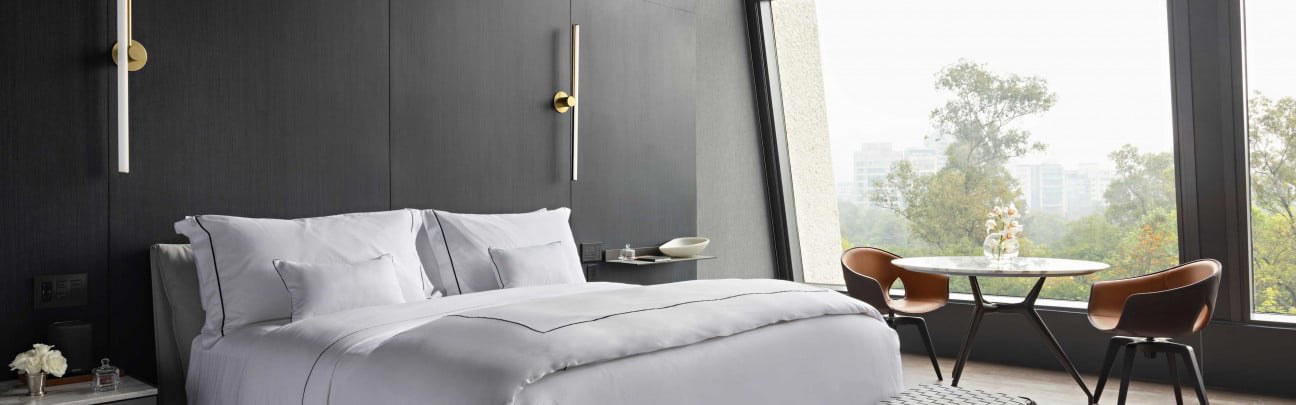
Bars in Mexico City
Browse all →
At a Glance
- Sophisticated
- Modern
- Intimate
- Elegant
- Ornate
- Quiet
- Business Trip
- Romantic Getaway
- Weekend Escape
- Anniversary
- Wellness Retreat
- Panoramic View
- Design Destination
- Destination Spa
- Spa
- Fitness Center
- Restaurant
- Bar
- Concierge
- Room Service
- Valet Parking
- Garden
- Skyline
- Spa
- Fitness Center
- Restaurant
- Bar
- Concierge
- Room Service
- Valet Parking
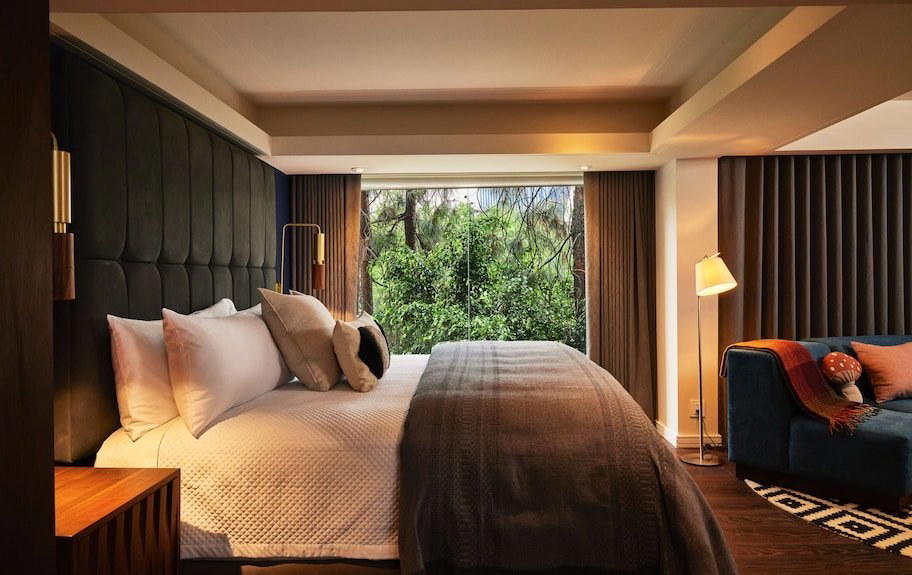
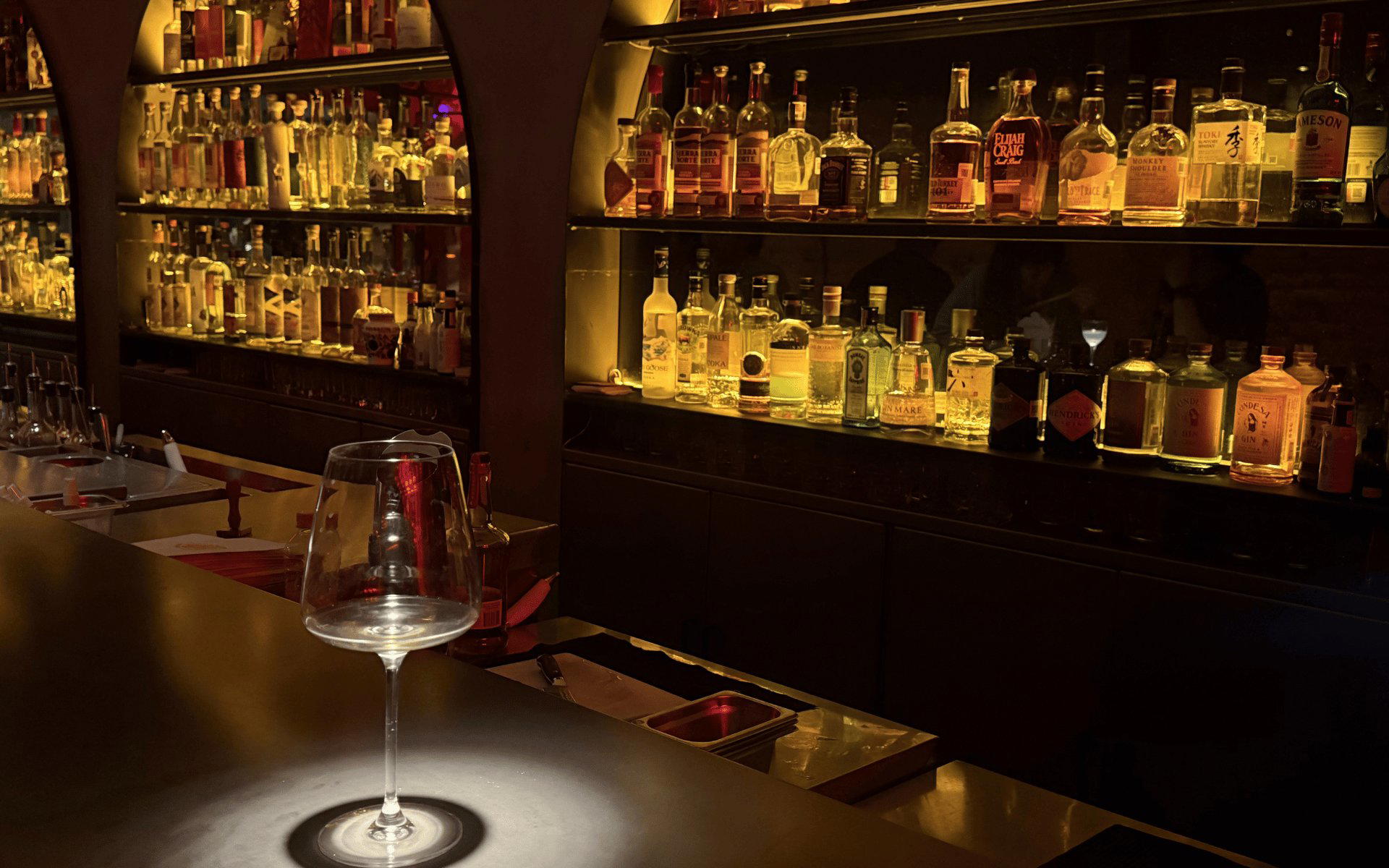
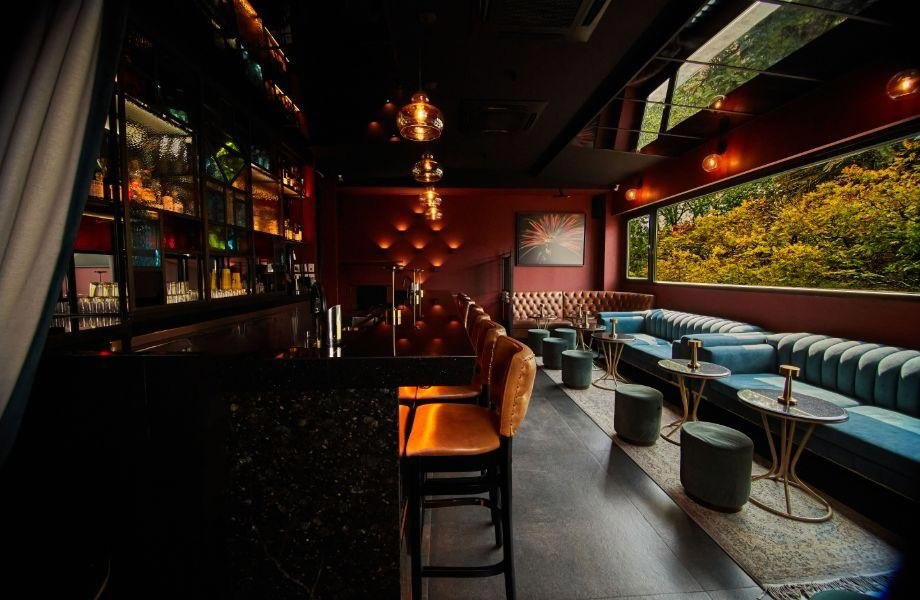
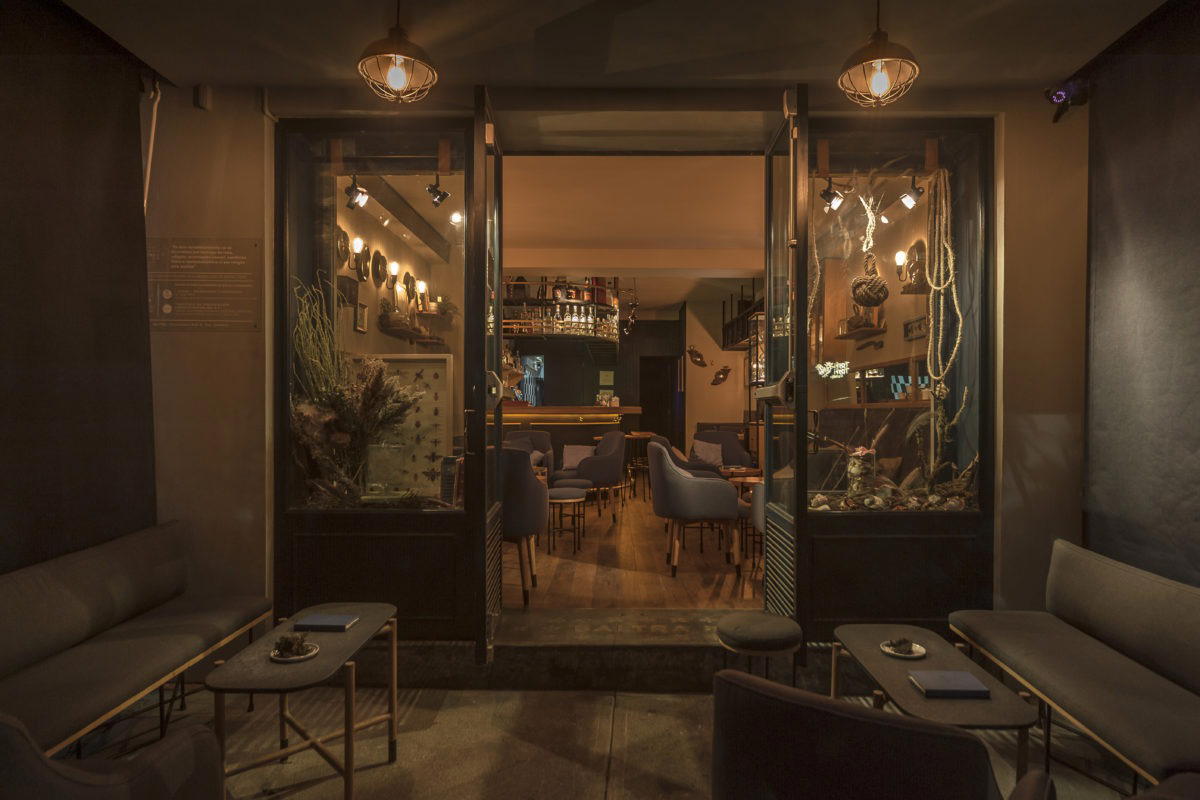
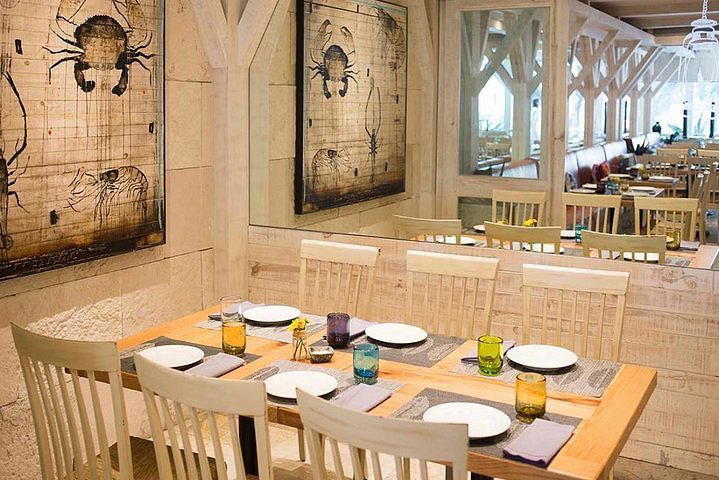
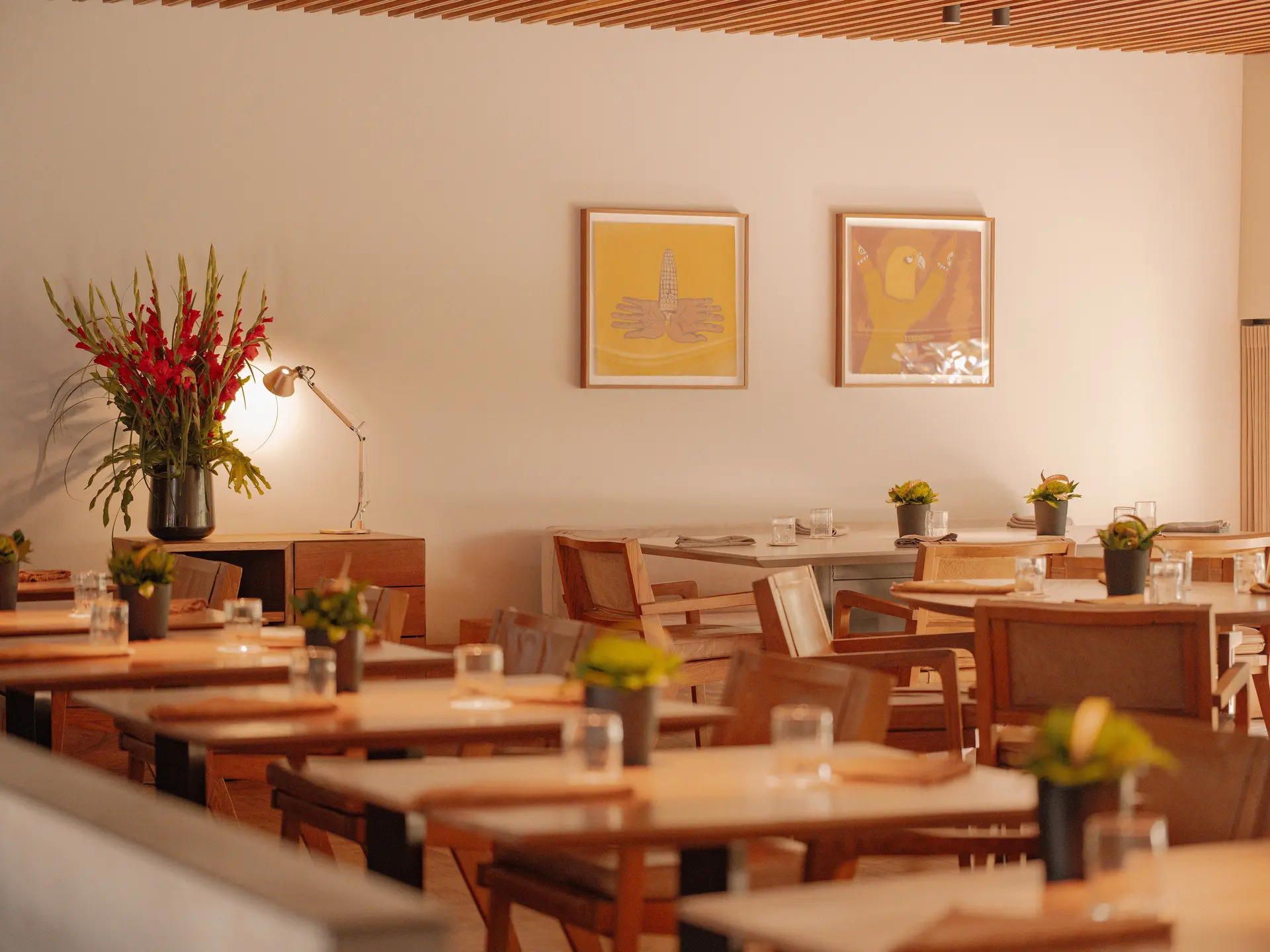
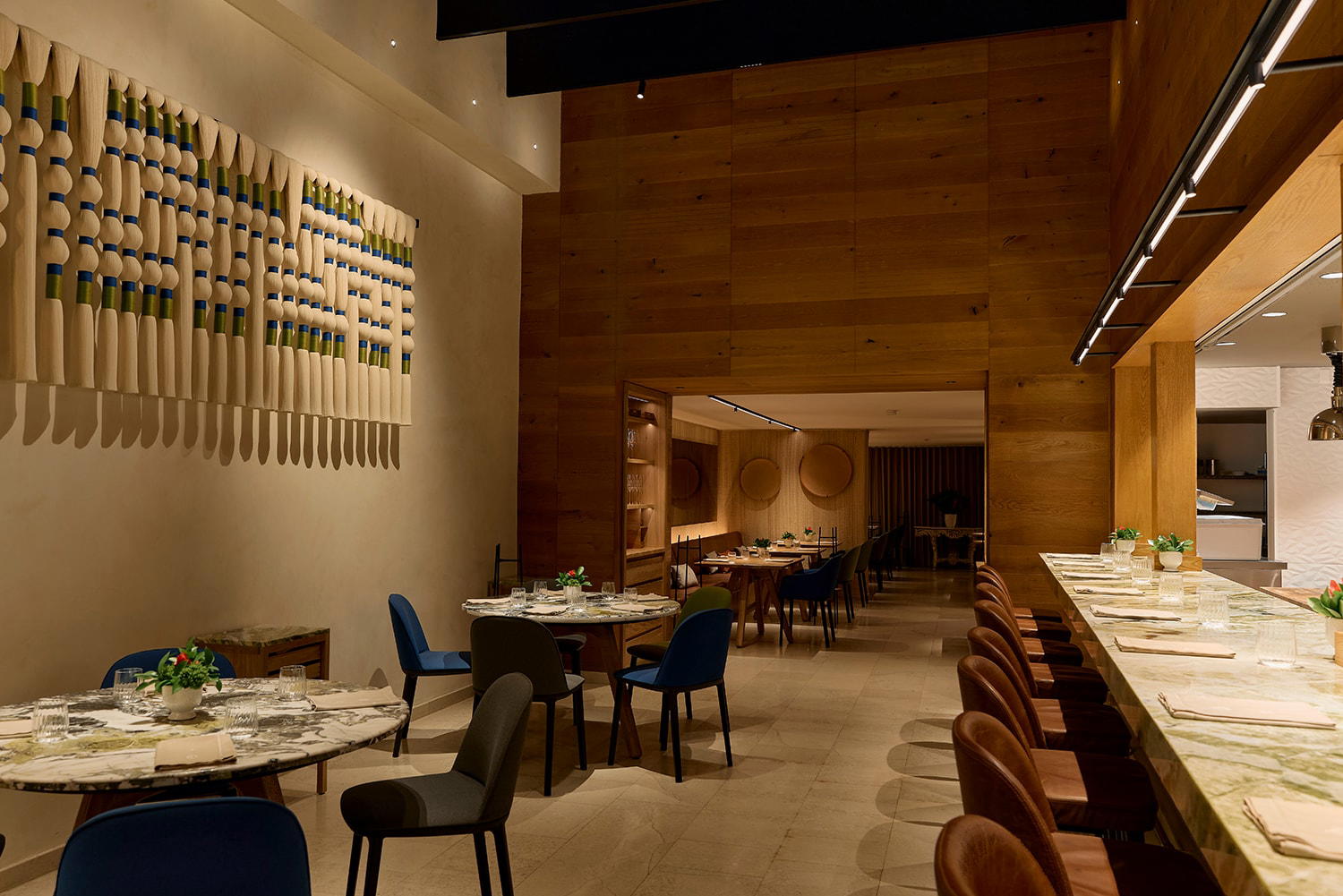
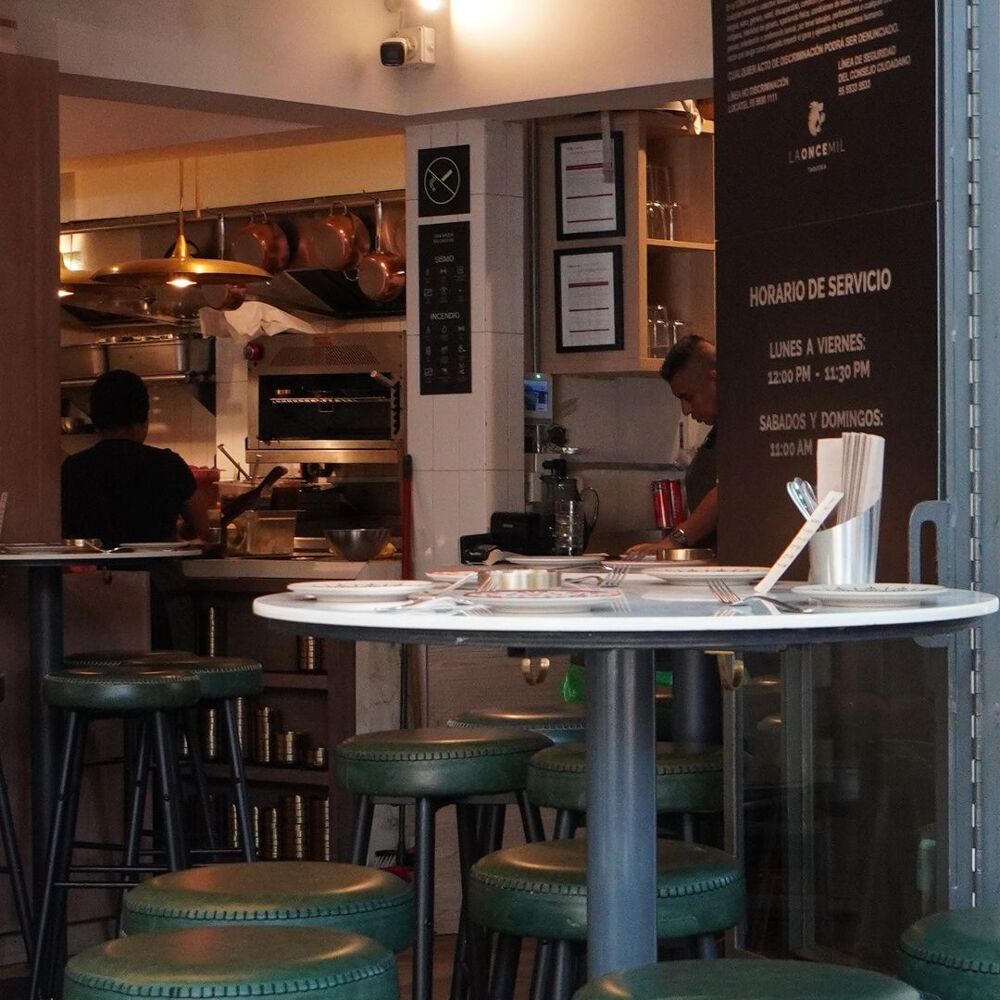
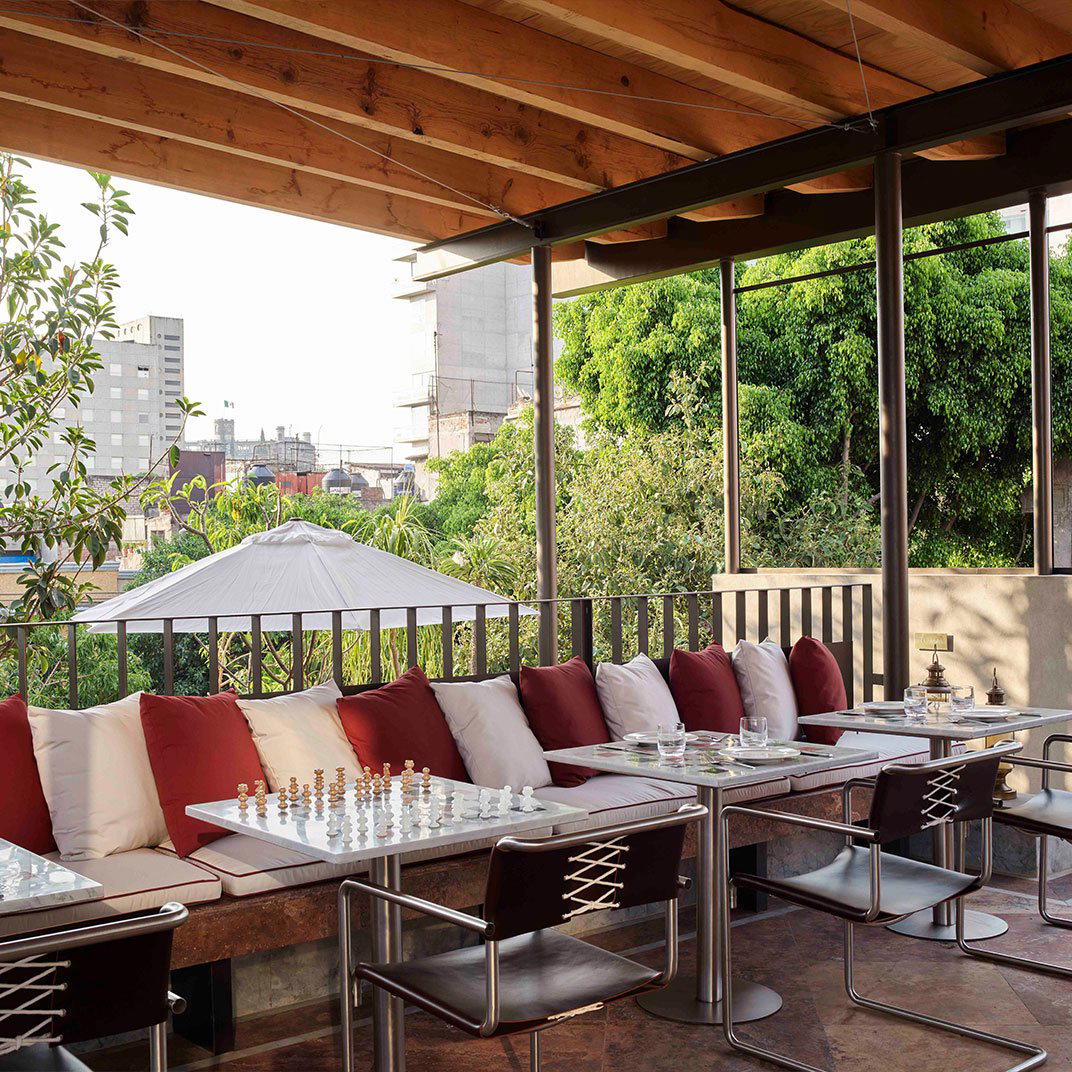
A quiet, airy, modern luxury atmosphere with natural light, marble and glass accents, and a polished, intimate feel.