Delhi’s Aerocity hotel district is built for transit, corporate schedules, and controlled comfort rather than old-city romance. Hilton Hotels & Resorts GMR Aerocity, New Delhi belongs to that airport-edge category, where the useful question is not nostalgia but efficiency: how well the property fits early flights, late arrivals, meeting-heavy days, and access to the wider capital.

Pearl is the En Primeur Club membership app — saves, bookings, and concierge access live there. Same editors, same standards.
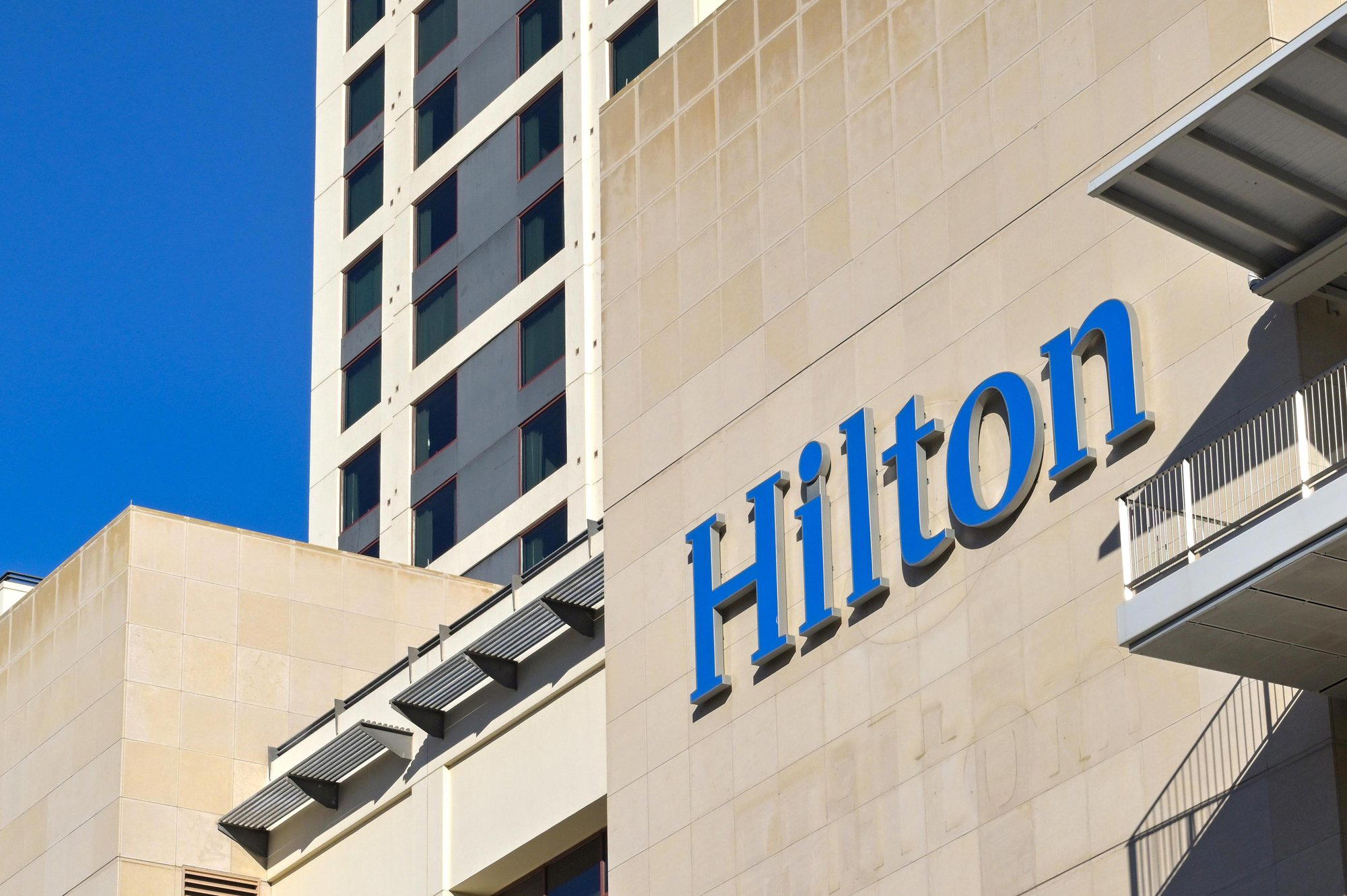
Airport-edge Delhi, read through design rather than romance
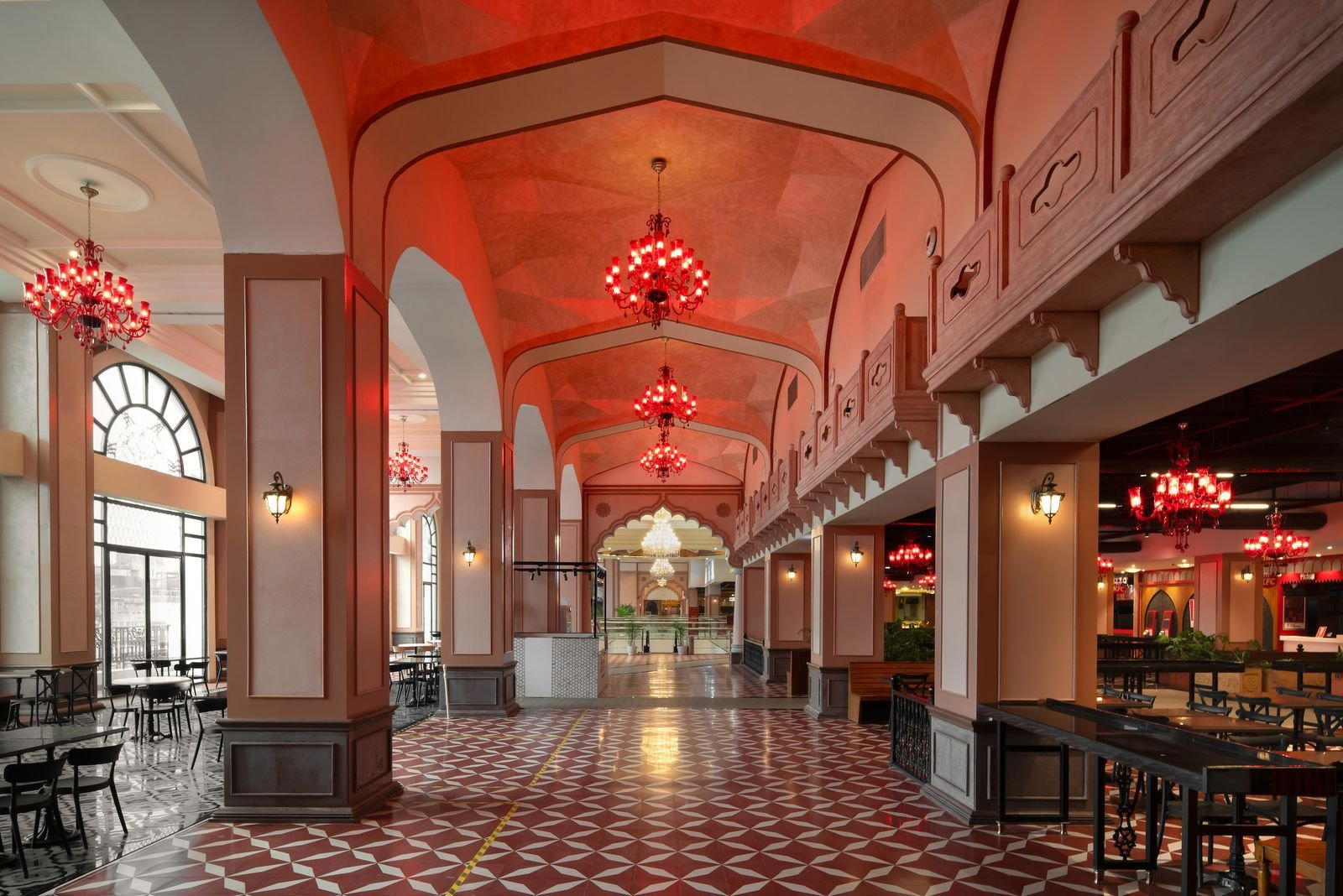
Approaching Aerocity is a different Delhi from Lutyens’ ceremonial avenues, Old Delhi’s compressed lanes, or the hotel compounds of Chanakyapuri. The district is planned, security-conscious, and built around movement: airport roads, office blocks, conference schedules, and glass-heavy hospitality volumes that make sense to a traveller arriving late or leaving early. In that context, Hilton Hotels & Resorts GMR Aerocity, New Delhi should be read less as a standalone fantasy and more as part of a modern airport-hotel quarter, where architecture is asked to solve fatigue, timing, climate, and quick decision-making.
Aerocity’s appeal is not mystery. It is legibility. The area gives Delhi a hospitality zone that functions almost like a controlled antechamber to the capital, positioned for Indira Gandhi International Airport and for travellers who need the city without absorbing every friction of it on day one. That has changed the way premium visitors use Delhi. A first night near the airport, a meeting day in a self-contained district, or a final night before an international departure can be a sharper decision than crossing town at peak traffic for a hotel with more historic atmosphere.
The design question in Aerocity is therefore practical before it is decorative. Large-format hotel architecture has to calm the arrival sequence, absorb luggage and groups, create work-ready public rooms, and make food and sleep available without demanding another transfer. Hilton Hotels & Resorts GMR Aerocity, New Delhi sits within that logic.
What Aerocity changed about Delhi hotel stays
Delhi used to push luxury visitors toward two obvious hotel geographies: central colonial-era districts with access to government, embassies, and museums, or larger business hotels aligned with corporate corridors. Aerocity created a third option. It is not a neighbourhood for wandering in the traditional sense; it is a calibrated stopover and meetings district, with hotels, offices, restaurants, and transport logic clustered around airport proximity. That makes it valuable for the kind of traveller whose Delhi itinerary is defined by timing rather than sightseeing.
This matters because Delhi traffic is not a minor inconvenience. The difference between staying near the airport and crossing the city can shape an entire day, especially around morning departures, evening arrivals, winter fog, large events, or business schedules split between Gurgaon, South Delhi, and central Delhi. Aerocity reduces that uncertainty. It does not replace the cultural pull of Old Delhi, Khan Market, Lodhi, or Connaught Place, but it gives a controlled base for travellers who need Delhi to work efficiently.
Hotels in this district compete on a different axis from heritage properties and palace-style urban resorts. The value is not a courtyard with centuries of memory or a bar with decades of political gossip. It is the ability to move from aircraft to room, from room to meeting, and from meeting to dinner with minimal interpretive effort. That is a legitimate form of contemporary travel comfort, and it has become a significant part of the capital’s hotel ecology.
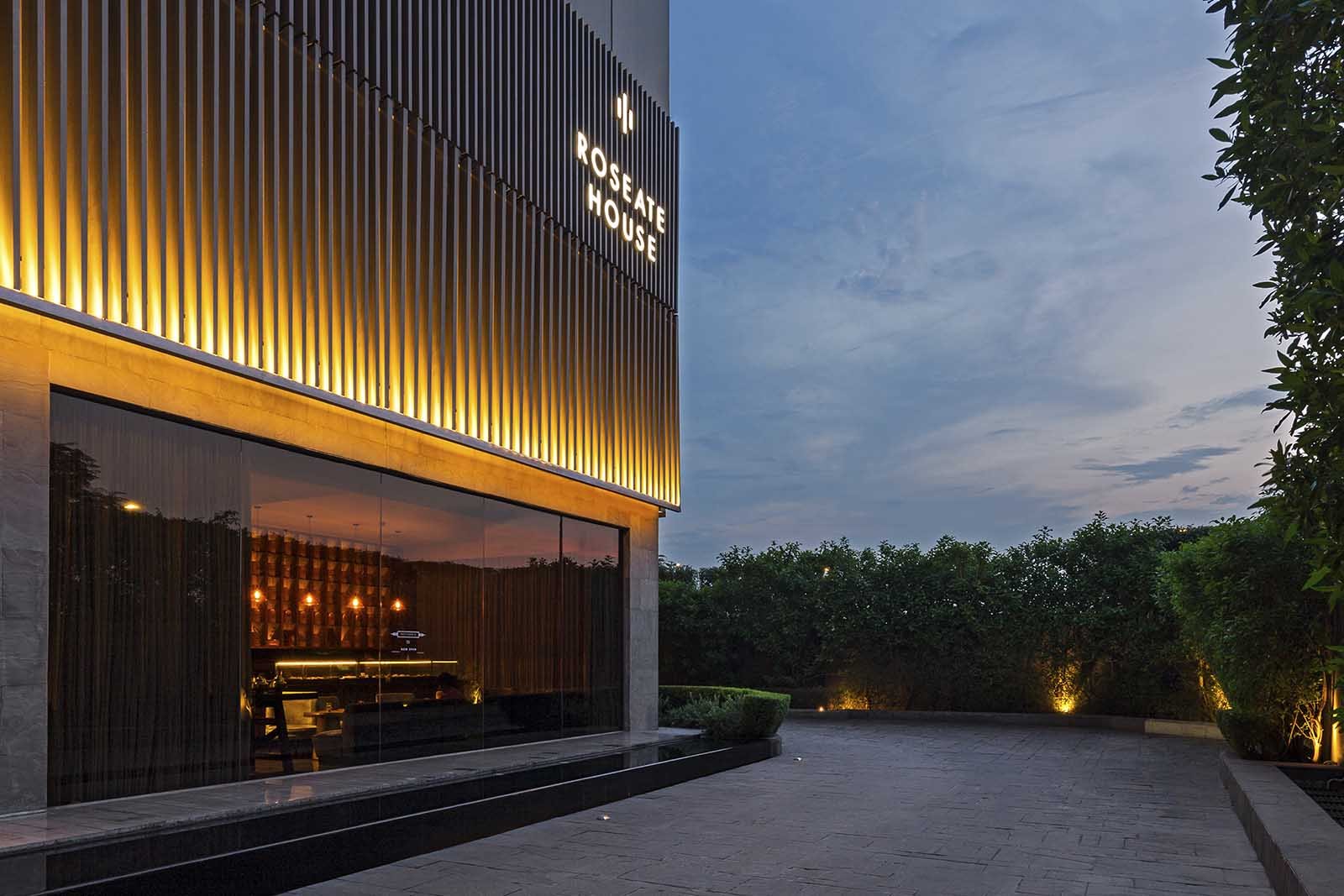
For comparison inside Delhi, Ambassador, New Delhi - IHCL SeleQtions belongs to an older central-city grammar, while Haveli Dharampura speaks to restored heritage and Old Delhi density. Roseate House is a relevant Aerocity comparison because it shares the airport-district premise. The Leela Ambience Convention Hotel Delhi plays closer to the convention-hotel model, and Aurika, Nehru Place, New Delhi sits in a different business geography altogether. The choice among them is less about a universal hierarchy than about which version of Delhi the trip requires.
Architecture as a travel tool
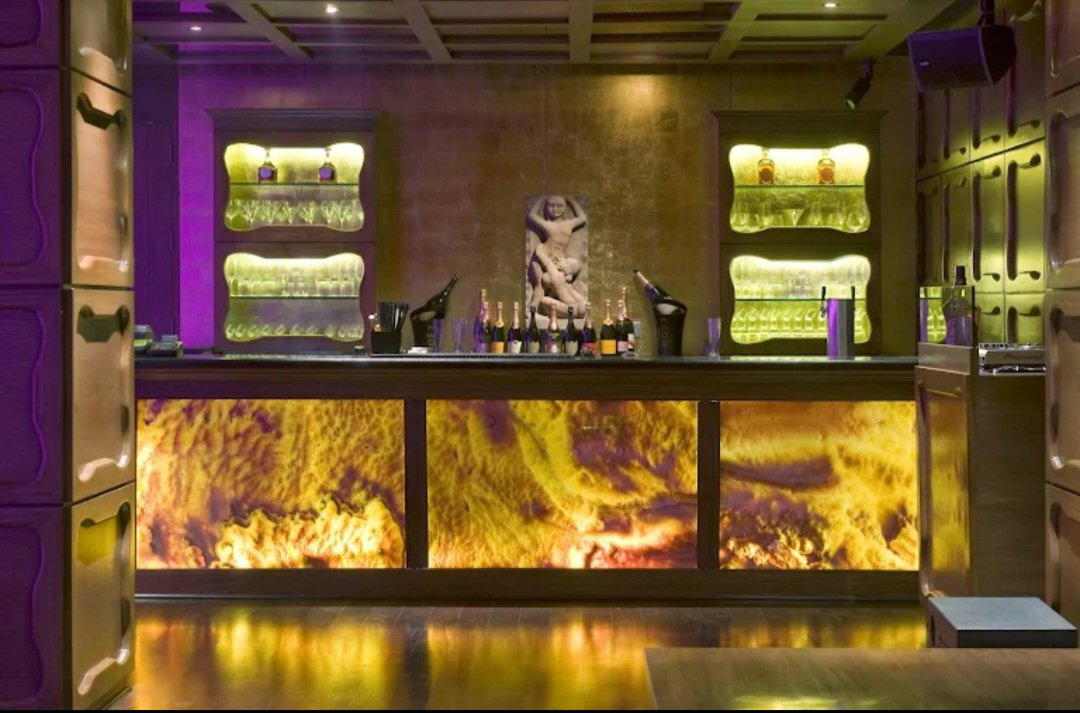
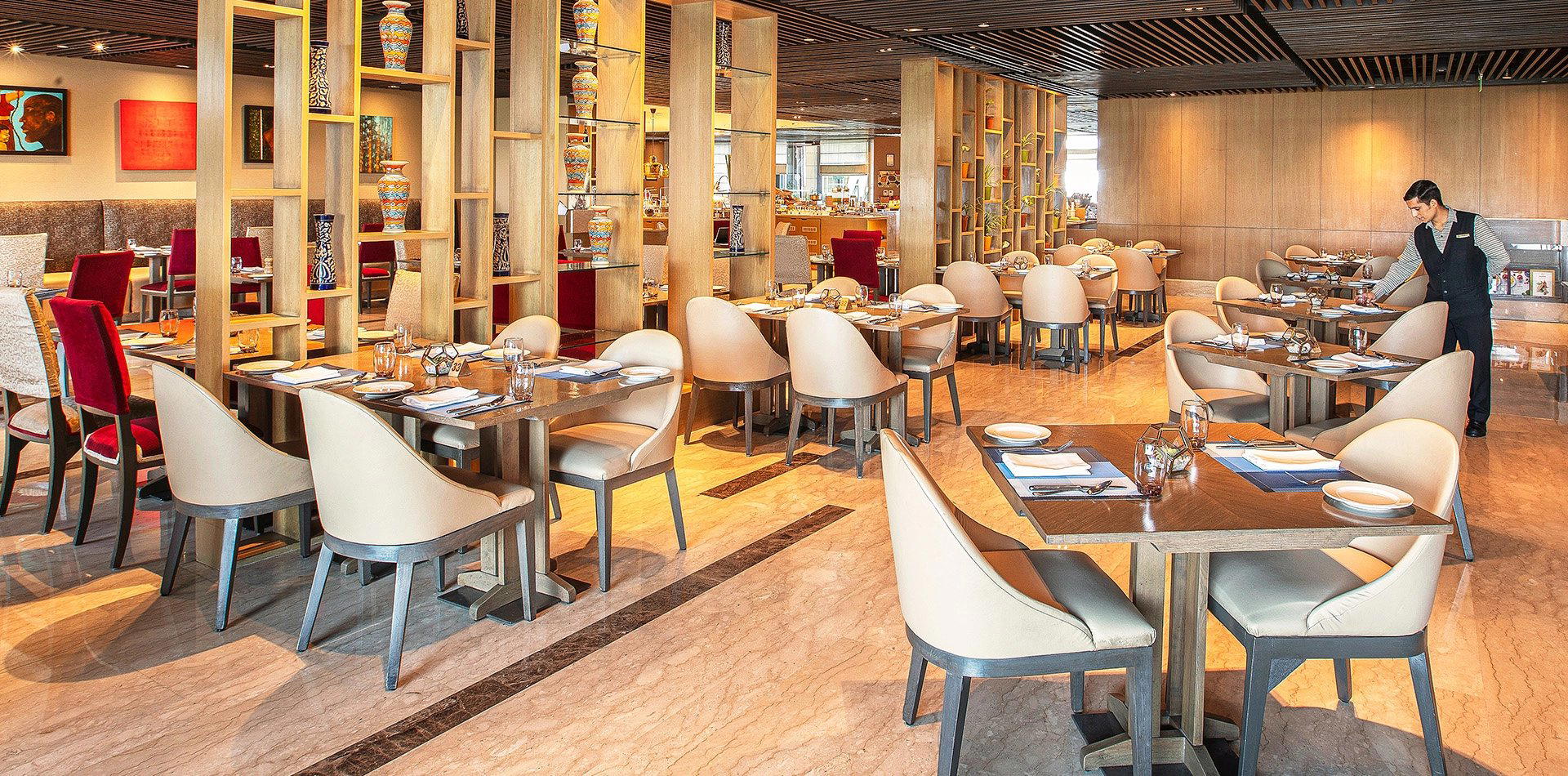
Airport hotels are often dismissed as functional by default, but the stronger ones reveal how much design can do when the brief is pressure management. The lobby has to make orientation immediate. Circulation needs to be obvious to someone arriving after a long-haul flight. Meeting spaces must be easy to locate. Restaurants and lounges need to serve mixed rhythms: early departures, solo laptop dinners, business groups, and family stopovers. In Delhi, climate adds another layer, because the building must mediate heat, dust, monsoon humidity, and winter pollution before the guest even reaches the room.
That is why Aerocity’s architecture tends toward scale, internal clarity, and controlled public space. The district is not trying to mimic the old city. It is a purpose-built hospitality and commercial zone where the built environment reduces variables. For some travellers, that will feel too sealed off from Delhi’s texture. For others, especially after a late arrival or before a long international sector, that controlled quality is exactly the point.
That absence matters editorially. A responsible guide should not invent a design language from brand assumptions or online memory. What can be said with confidence is that the property belongs to the Hilton Hotels & Resorts flag in Delhi’s Aerocity/GMR airport district, placing it in the large international hotel category rather than the boutique, haveli, or destination-resort set. That distinction is useful because it tells the reader what kind of stay to expect: systems, scale, and airport logic before idiosyncrasy.
Across India, this contrast is particularly sharp. A traveller choosing The Oberoi Amarvilas in Agra is buying into a monument-facing resort grammar. Amanbagh in Ajabgarh and Suján Jawai in Pali sit in slower destination-hotel categories, shaped by landscape, retreat, and multi-night immersion. The Taj Mahal Palace, Mumbai in Mumbai carries urban heritage and maritime history. Aerocity is not competing with those experiences on romance. It competes on precision.
The dining and drinking question in an airport district
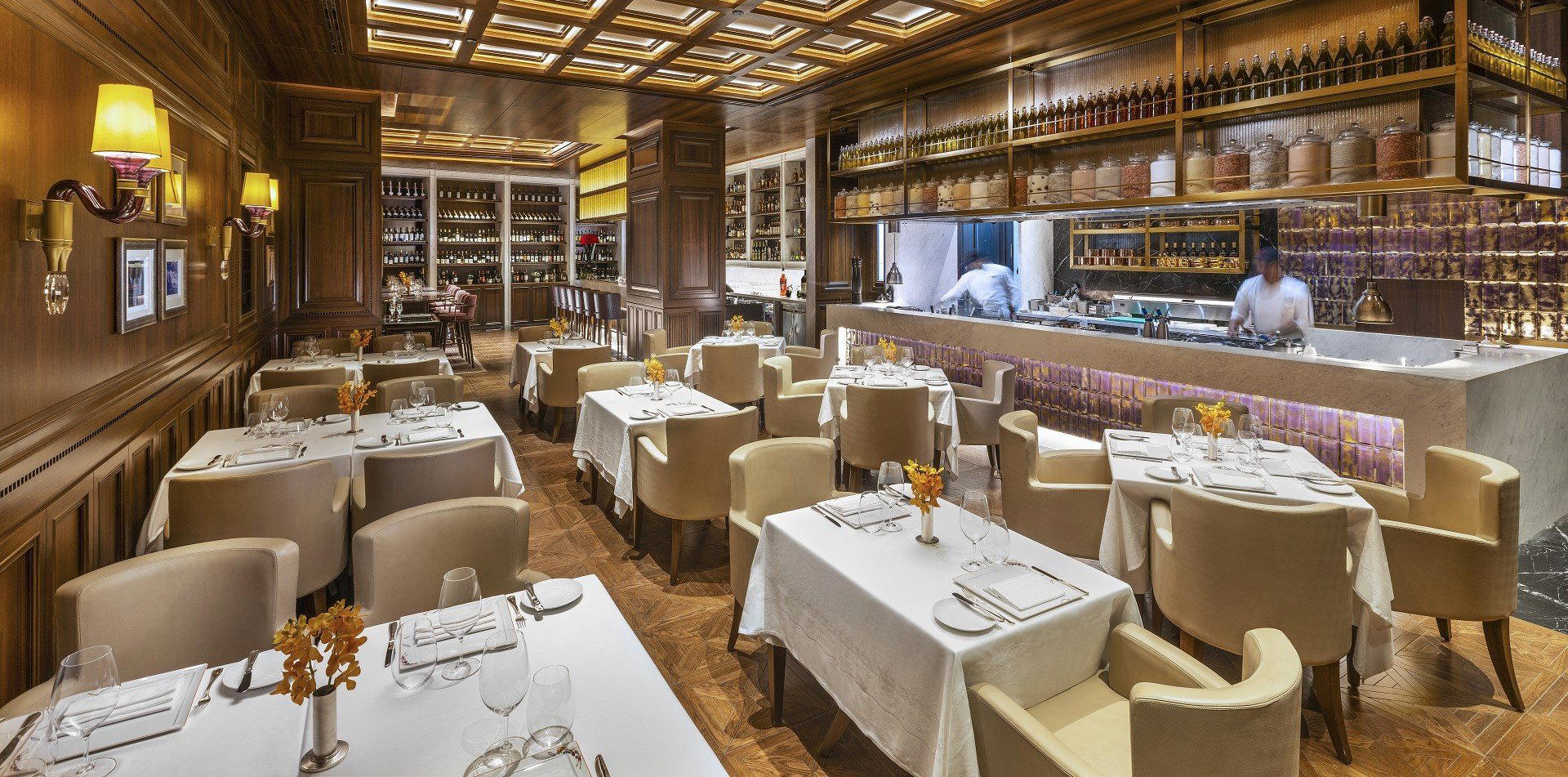
Delhi is one of India’s great eating cities, but an Aerocity hotel stay changes how a visitor accesses that fact. The district’s restaurants and bars usually serve a mixed audience: hotel guests, airport-linked travellers, office workers, and corporate groups. That produces a different dining culture from the city’s older markets and residential dining pockets. Menus tend to be broad, timing tends to matter, and convenience carries real value.
The editorial point is broader: Aerocity dining works well when treated as a strategic layer of the trip rather than the full measure of Delhi’s food culture. A late dinner after landing, a breakfast before a meeting, or a controlled business meal can make sense in the district. For a deeper read of the city’s food, the centre of gravity shifts outward, toward neighbourhoods with stronger culinary identity and longer local memory. EP Club’s Our full Delhi restaurants guide is the better tool for that wider sweep.
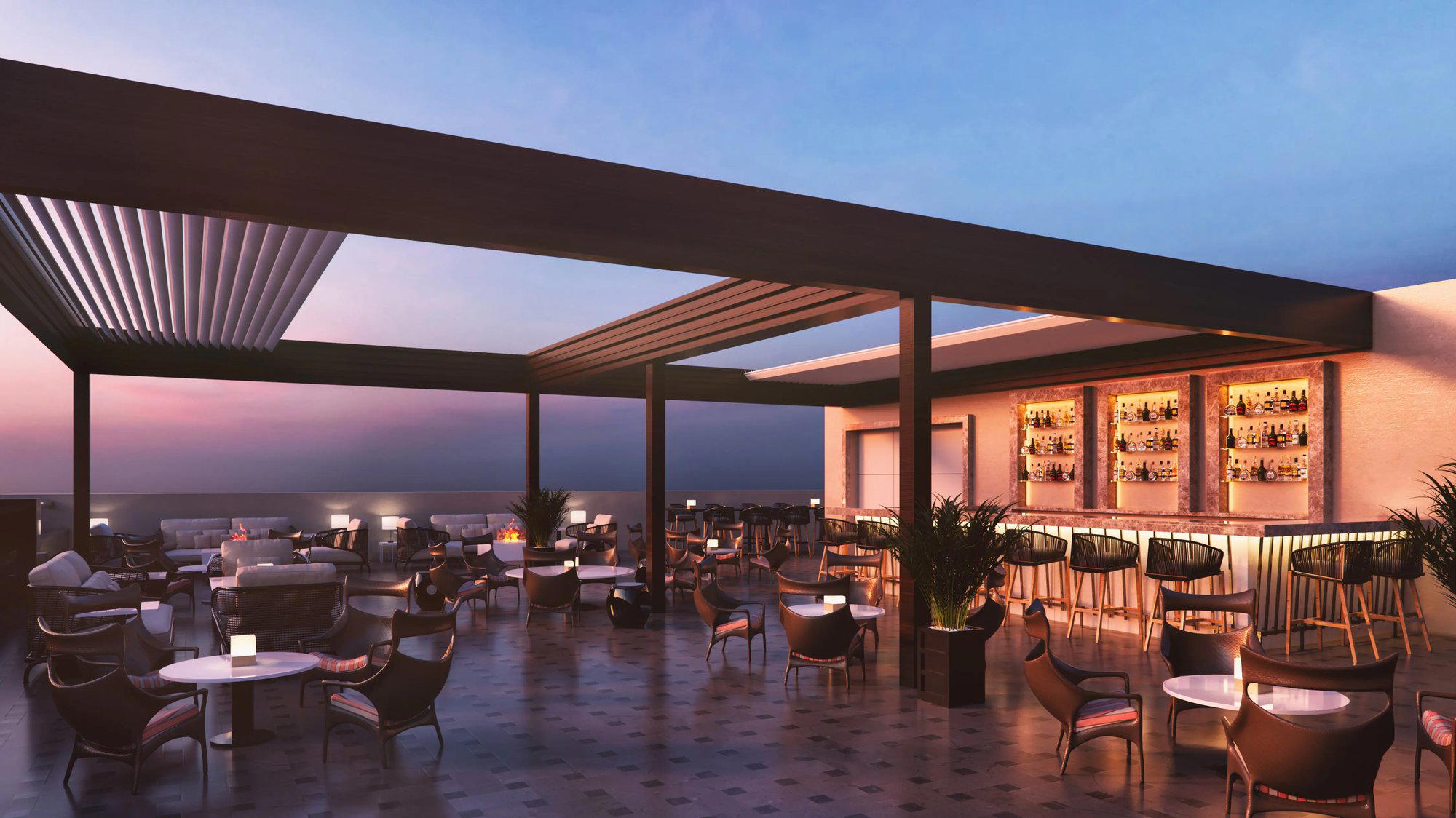
The same applies to bars. Aerocity can be useful for a drink attached to a flight schedule or a hotel lobby meeting, but Delhi’s bar culture is better understood across multiple zones, from hotel bars to independent addresses and late-evening neighbourhood circuits. For that broader map, see Our full Delhi bars guide, with Pebble Street as one example of how the city’s drinking scene extends beyond the airport-hotel model. For hotels specifically, Our full Delhi hotels guide gives the necessary comparison set.
Who this kind of hotel suits
Strongest case for an Aerocity stay is logistical intelligence. Travellers with early flights, late arrivals, short business itineraries, conference commitments, or meetings split between the airport side of Delhi and Gurgaon will read the district differently from leisure guests who want to step directly into historic neighbourhood life. For the former, a hotel in Aerocity can preserve time and energy. For the latter, it may feel too removed from the city’s cultural grain.
That distinction should guide the decision more than vague luxury language. If the trip is built around museums, markets, gardens, and long lunches across central and Old Delhi, a central hotel may reduce daily transfer fatigue. If the trip is built around one night in transit, a corporate schedule, or a final evening before an international departure, Aerocity is a sensible base. The point is not that one version of Delhi is superior. The point is that the city is too large and too traffic-sensitive for hotel geography to be an afterthought.
Within Delhi, The Park gives another urban-hotel reference point, while The Leela Palace New Delhi in New Delhi sits in a more ceremonial luxury register. Looking beyond the capital, The Leela Palace Jaipur in Jaipur, Shakti Prana in Kasar Devi, Woods at Sasan in Sasan Gir, and Anantya By The Lake in Kaliyal show how Indian hotels can be shaped by setting in dramatically different ways. Aerocity’s setting is infrastructure, and that is its defining context.
How it compares with international city hotels
The global comparison is useful because airport-adjacent luxury has become a category of its own. In New York, Monte Carlo, or St. Moritz, hotel identity is often inseparable from street life, resort history, or seasonal ritual. A property such as The Fifth Avenue Hotel in New York City belongs to a dense urban design conversation. Hôtel de Paris Monte-Carlo in Monte Carlo is tied to casino-square theatre and Riviera formality. Badrutt's Palace Hotel in St. Moritz is shaped by Alpine seasonality and resort tradition.
Delhi Aerocity works differently. Its architectural success is measured by how quickly it reduces confusion. That makes the category less photogenic in the old grand-hotel sense, but no less relevant to how premium travel functions now. International travellers increasingly combine cultural stops with compressed work schedules, and the airport district is where those pressures become visible. The hotel’s name links it to Hilton’s global system, but the more interesting story is local: Delhi has built a hotel zone for travellers who need the capital on a clock.
For a broader Indian business-hotel comparison, Park Hyatt Hyderabad in Hyderabad offers another city-based reference point. Hyderabad and Delhi solve different travel problems, yet both show how Indian metropolitan hotels now operate across corporate, leisure, and transit needs rather than a single old model of grand urban hospitality.
Planning the stay
That limits the practical claims that can be made responsibly. Travellers should verify current rates, room types, cancellation terms, dining availability, and airport-transfer arrangements through an official booking channel or a trusted travel adviser before committing. In Aerocity, timing is the practical variable to watch: late-night arrivals and early departures are exactly where the district earns its place, while longer leisure stays require a clear plan for moving into central Delhi.
The stronger verifiable signal is category and geography: an international hotel flag in Delhi’s GMR Aerocity airport district. For readers comparing the full city rather than one property, the useful next steps are category guides: Our full Delhi experiences guide for cultural planning, Our full Delhi wineries guide for wine-related listings where available, and the hotel, restaurant, and bar guides linked above for practical cross-shopping.
Reputation & Price
Comparable venues nearby, for context on price, style, and recognition.
| Venue | Price | Awards | Notes |
|---|---|---|---|
| Hilton Hotels & Resorts GMR Aerocity, New DelhiThis venue (the venue you are viewing) | Not listed | Not listed | Not listed |
| Roseate House | $1–100 | Michelin Selected | Aerocity, Contemporary upscale urban resort blending modern aesthetics with refined Indian hospitality and architectural grandeur. |
| Haveli Dharampura | $200–300 | Not listed | Chandni Chowk, Boutique heritage haveli blending Mughal grandeur with modern comforts |
| Ambassador, New Delhi - IHCL SeleQtions | Not listed | Not listed | Lutyens' Delhi, Contemporary heritage hotel blending colonial past with modern luxury |
| The Park | $1–100 | Not listed | Connaught Place, Contemporary urban boutique inspired by five natural elements |
| Aurika, Nehru Place, New Delhi | Not listed | Not listed | Nehru Place, Large upper-upscale urban lifestyle hotel with extensive event and leisure facilities in a major commercial district. |
Continue exploring
More in Delhi
Hotels in Delhi
All hotels in Delhi →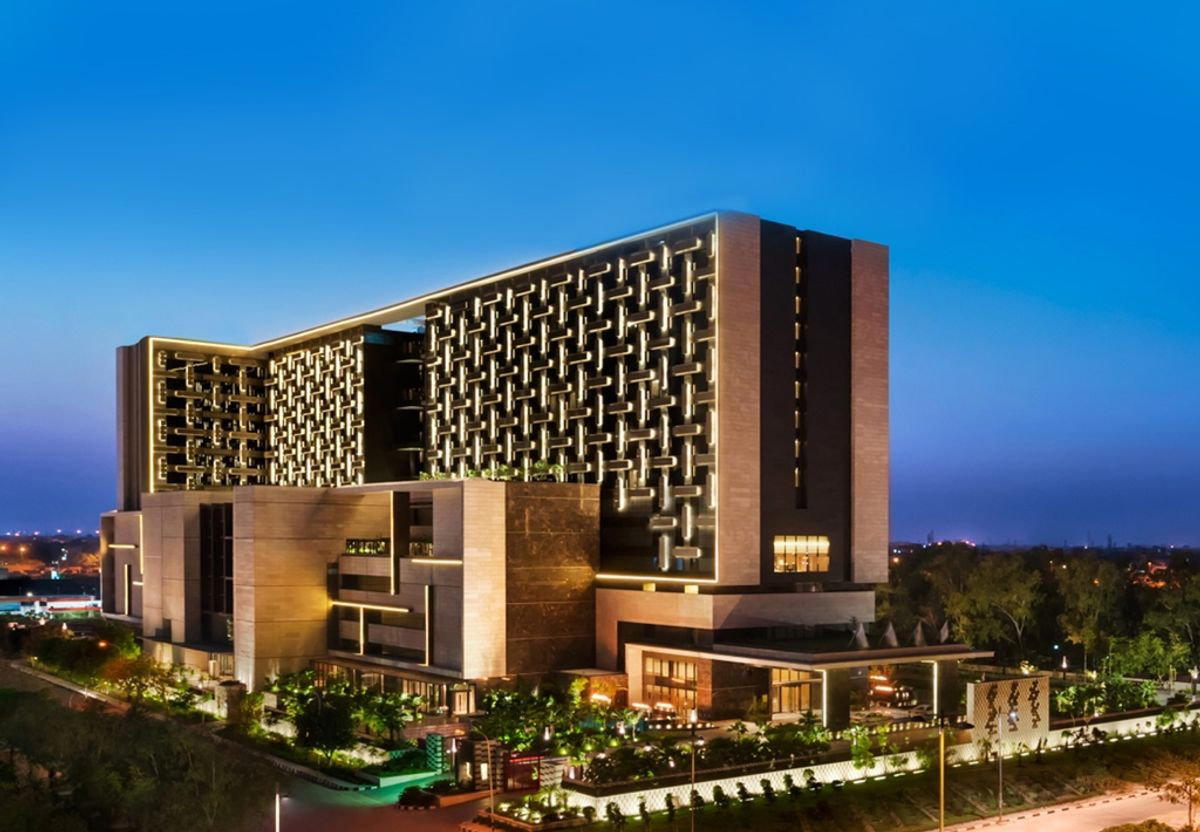
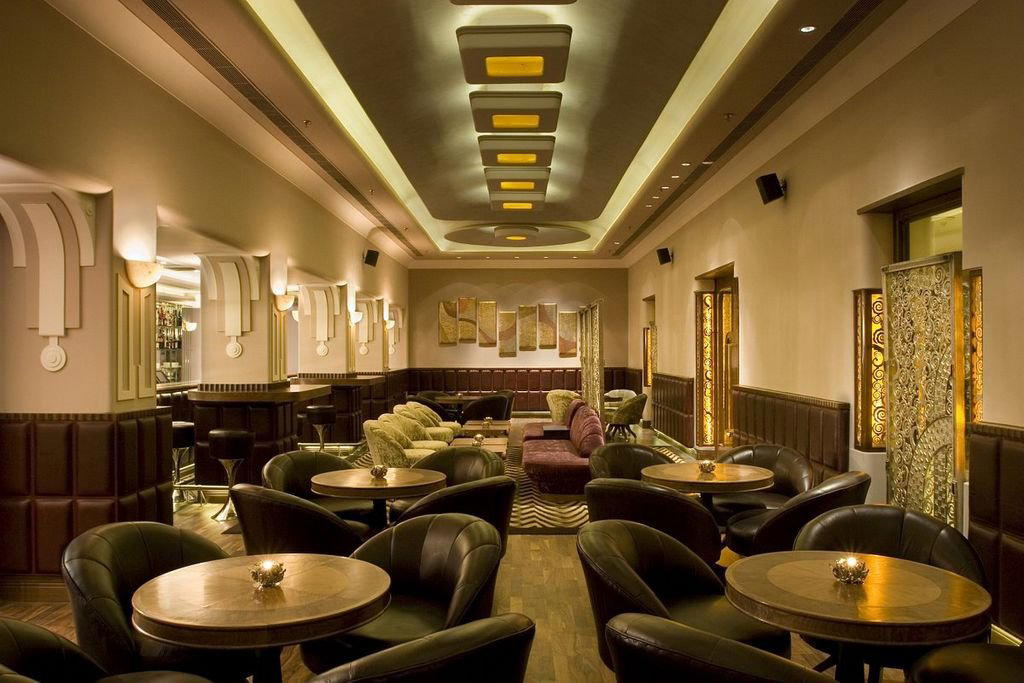

Bars in Delhi
All bars in Delhi →
Details
- Modern
- Sophisticated
- Elegant
- Lively
- Business Trip
- Weekend Escape
- Group Retreat
- Celebration
- Terrace
- Wi Fi
- Fitness Center
- Spa
- Pool
- Business Center
- Room Service
- Concierge
Positioned as an upscale, contemporary Hilton with polished social spaces and amenities tailored to modern business and leisure travelers in a high-end airport business district setting.