Gut Sonnberghof

A Michelin Selected alpine estate in the Upper Pinzgau valley, Gut Sonnberghof occupies refined ground at Lämmerbichl 8 with the Hohe Tauern range as its backdrop. The farmstead-format property operates in the Austrian tradition of adapted rural estate architecture, sitting apart from the large resort hotels of Zell am See and Kitzbühel. Its 2025 Michelin recognition places it among character-led independent properties in the Salzburgerland alpine corridor.
Pearl is the En Primeur Club membership app — saves, bookings, and concierge access live there. Same editors, same standards.
- Address
- Lämmerbichl 8, 5730 Mittersill, Austria
- Phone
- +43 6562 8311
- Website
- sonnberghof.at
- Directions
- Get directions
 Saves & bookings on Pearl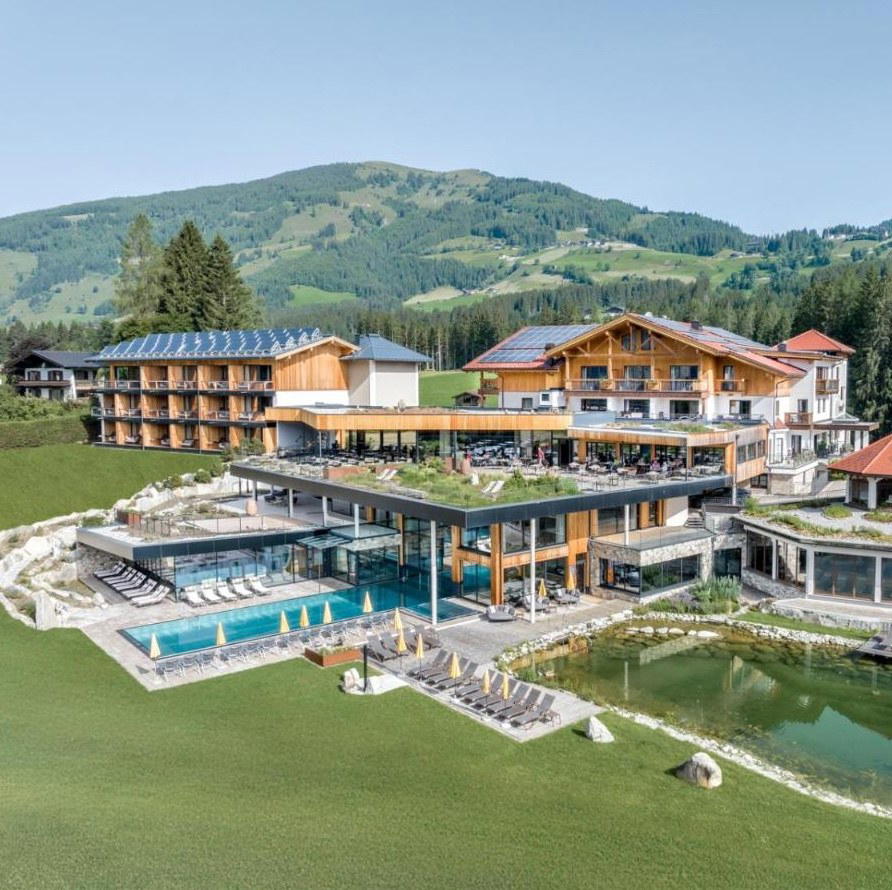
A Salzburg Valley Property That Earns Its Michelin Selection
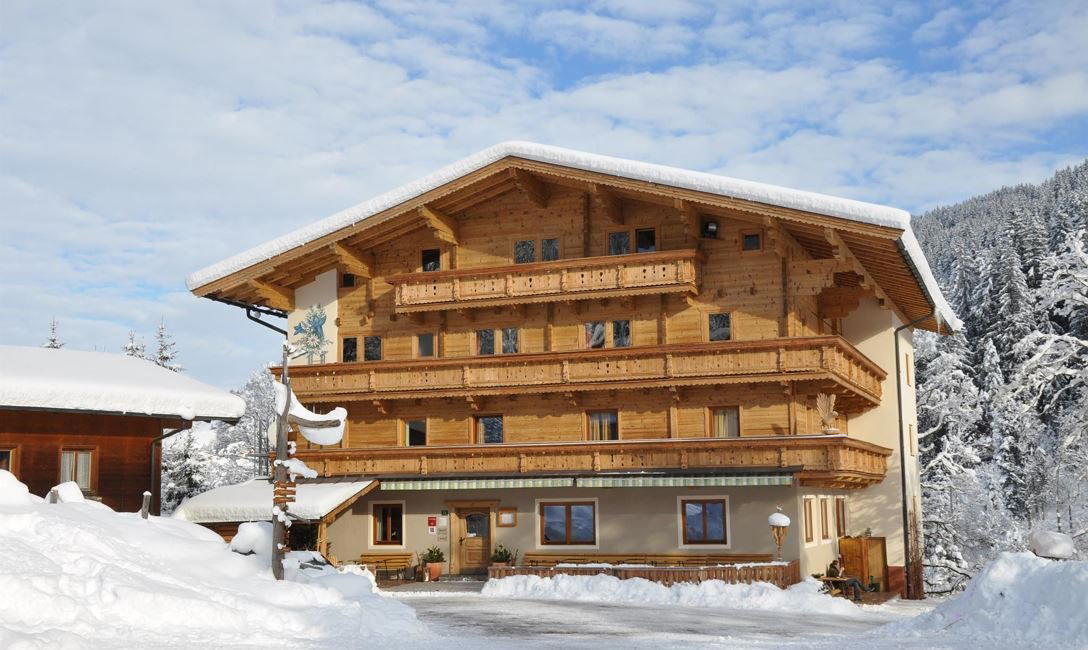
Gut Sonnberghof is a 4-star hotel in Mittersill, Austria, with a nightly rate from about $387 and a Michelin Selected distinction in 2025. The drive into Mittersill prepares you for what follows. The Salzach valley narrows as it runs toward the Felber Tauern pass, peaks closing in from both sides, the roadside transitioning from flat pasture to steep alpine meadow. By the time you reach Lämmerbichl 8, the address of Gut Sonnberghof, the landscape has already done considerable architectural work. Properties in this part of the Pinzgau region of Salzburgerland tend to read as extensions of their terrain rather than impositions on it, and Gut Sonnberghof follows that logic. The result is a property whose physical presence is inseparable from the valley that frames it.
Mittersill sits at roughly 790 metres above sea level in the Upper Pinzgau, a corridor that sees serious alpine winter traffic through Kitzbühel and the Krimml waterfalls circuit in summer, yet itself receives considerably fewer overnight visitors than either. That positioning matters for a property like Gut Sonnberghof: it benefits from proximity to infrastructure-rich alpine destinations without competing directly with the volume hotels that line those resort cores. Among Salzburgerland properties with Michelin recognition, the comparison set tilts toward smaller estate formats rather than large resort complexes, a peer group that includes properties like Rosewood Schloss Fuschl in Hof bei Salzburg and Schloss Mönchstein in Salzburg, both of which operate within a similar logic of contained scale and setting-defined identity.
Architecture as the Primary Experience
Alpine lodging in Austria has developed a recognisable design vocabulary over the past two decades. The heavy timber beam, the wide-pitched roof, the south-facing glazed facade that frames a mountain view as deliberately as any painting: these are the elements that recur across the Pinzgau and Tyrol, from Hotel Almhof Schneider in Lech to Alpen-Wellness Resort Hochfirst in Obergurgl. What separates properties within this shared language is how deliberately they use those elements and whether the building reads as a coherent piece of design or an assemblage of alpine motifs applied to a generic shell.
The hotel sits within the farmstead tradition, a format that carries specific architectural implications. Gut in German denotes an estate or manor farm, and the typology typically involves a cluster of structures rather than a single building mass: a main house, ancillary outbuildings, working or decorative agricultural land, a spatial organisation that creates arrival sequence and spatial variety in ways that a standalone hotel block cannot. The Lämmerbichl address places the property on refined ground above the valley floor, which compounds the sense of surveying rather than being surrounded. The orientation toward the Hohe Tauern range, which contains Austria's highest peaks including the Grossglockner, means the view axis is as considered as anything inside the rooms.
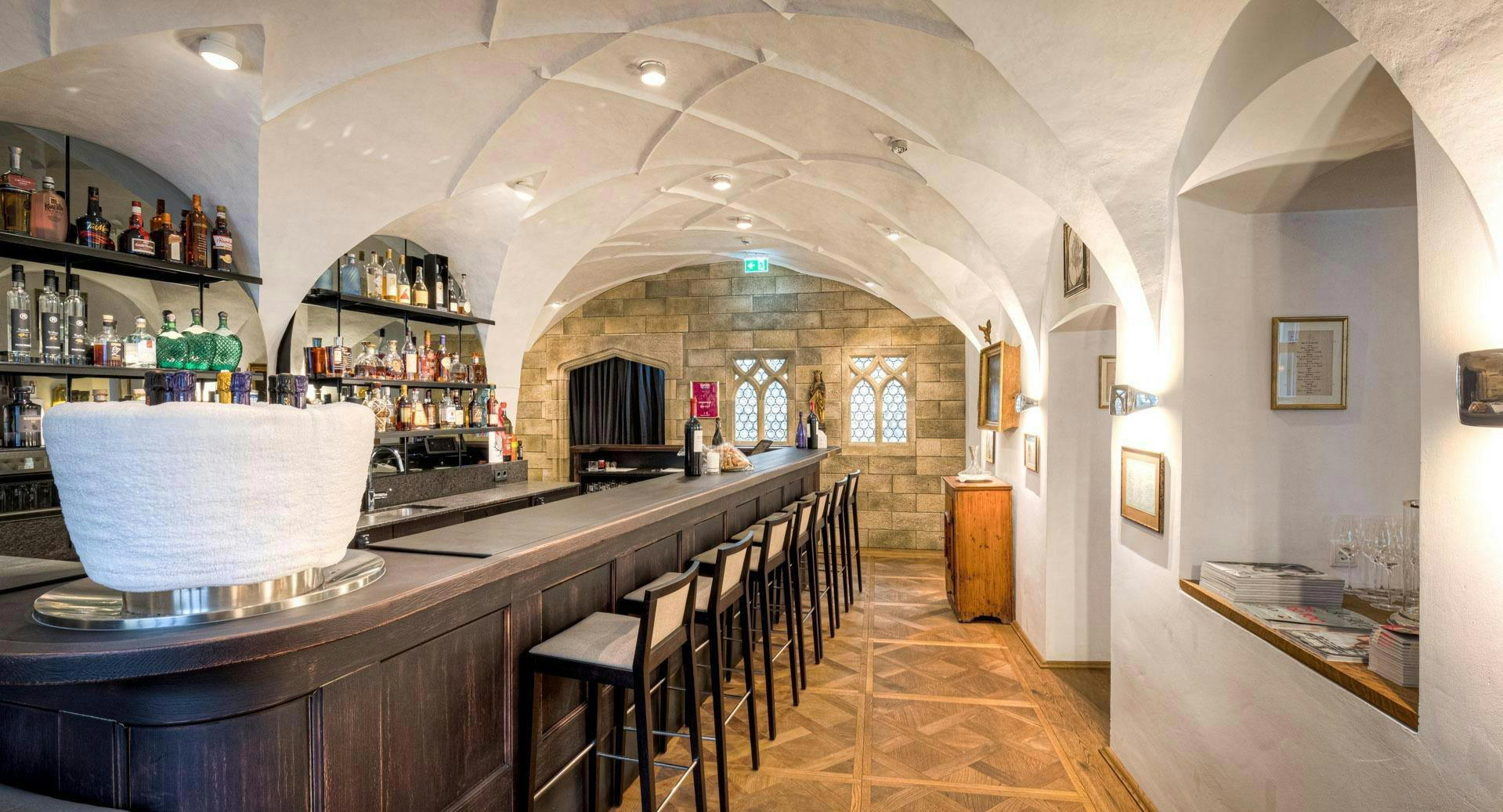
This design approach connects the hotel to a broader category of Austrian properties that have converted or adapted rural estate architecture into lodging rather than building from scratch. The adaptation model tends to produce more textural interiors than purpose-built alpine hotels, with materials carrying history and spatial proportions that reflect agricultural function rather than hospitality formula. Properties built into this tradition occupy a different position than large-format resort hotels like LEADING Hotel Hochgurgl or Grand Resort Zürserhof in Zürs am Arlberg, competing instead on intimacy, material authenticity, and a sense of place that scale tends to dilute.
The Michelin Selection Signal and What It Implies
Michelin's hotel selection programme, distinct from its restaurant star system, applies criteria that weight character, consistency, and hospitality quality rather than simply amenity count or square footage. A MICHELIN Selected designation in 2025, which the hotel holds, places the property in a defined tier: recognised as delivering a quality experience without necessarily meeting the threshold for a higher Michelin category. In the Austrian alpine context, this selection lands the property alongside a range of independent and smaller-group properties that prioritise individual character over standardised luxury delivery.
Michelin selection functions here as a quality signal that crosses language and market barriers, which matters for a valley town that draws visitors from Germany, the Netherlands, and increasingly from further afield. Comparable Michelin-recognised properties across the Austrian alpine corridor, including Naturhotel Waldklause in Längenfeld and Aktiv und Wellnesshotel Bergfried in Tux, reflect a pattern of smaller-scale properties using the designation to compete against both larger resort hotels and the ungraded independent market.
Placing Mittersill in the Austrian Alpine Sequence
For travellers assembling a multi-stop Austrian alpine itinerary, Mittersill occupies a useful geographic position that is underused relative to its routing logic. It sits on the B168 Pinzgauer Strasse, the valley road connecting Zell am See to the Felbertauern tunnel that crosses into East Tyrol, which means it appears naturally on itineraries linking Salzburg with the Hohe Tauern national park or onward travel toward Lienz and the Dolomite approaches. Krimml, home to the largest waterfall in the Alps by volume, sits roughly 30 kilometres west. Zell am See, a more developed lake and ski resort, lies approximately 20 kilometres east.
That geography positions the hotel as a practical base for the national park corridor in summer and for the broader Salzburger Sportwelt ski region in winter, without requiring the pricing premium attached to properties in Zell am See or Saalbach-Hinterglemm. The Pinzgau tends to attract visitors who want access to serious mountain terrain, specifically the Hohe Tauern and the Kitzbüheler Alpen to the north, without the infrastructure density of Kitzbühel itself. For context on how Kitzbühel-adjacent alpine properties are priced and positioned, Grand Tirolia Kitzbühel represents the upper end of that corridor's pricing. Mittersill operates in a lower-cost register while maintaining access to comparable terrain.
Planning a Stay
The hotel is located at Lämmerbichl 8 in Mittersill. The property sits in the Upper Pinzgau valley, reachable via the A10 Tauernautobahn from Salzburg with a journey time of roughly 90 minutes depending on traffic through the Tauern tunnel. The nearest train access runs through the Pinzgaubahn, a narrow-gauge line connecting Zell am See to Krimml with a stop in Mittersill, making car-free access feasible if not seamless for guests travelling from Salzburg or Vienna. Current booking details, room rates, and availability are best confirmed through direct inquiry, as the property's contact information and rates are not published centrally at this time.
For guests considering comparable properties across the Austrian and international range, the Michelin Selected comparable set includes Family Nature Resort Moar Gut in Grossarl, Hotel Schloss Seefels in Techelsberg, and Nidum Hotel in Seefeld in Tirol, all of which share the format logic of character-led properties in alpine or lakeside Austrian settings. At the further end of the spectrum, properties like Hotel Sacher Wien in Vienna or Badrutt's Palace Hotel in St. Moritz represent the grand European hotel tradition that hotel does not compete with directly, operating instead within the estate-property niche where setting and architectural authenticity carry more weight than ballroom scale or city-centre positioning.
Comparable Venues
Comparable venues nearby, for context on price, style, and recognition.
| Venue | Cuisine | Price | Awards | Notes |
|---|---|---|---|---|
| Gut SonnberghofThis venue — the venue you are viewing | Contemporary classic nature hotel with organic farm integration | $$$ | 4-Star | Not listed |
| Miiro Spittelberg | Lifestyle hotel with atelier-style approach in historic neighborhood | $$$ | 4-Star | Spittelberg |
| Chalet Untersberg | Traditional Austrian chalet-style hotel | $$$ | 4-Star | Groedig |
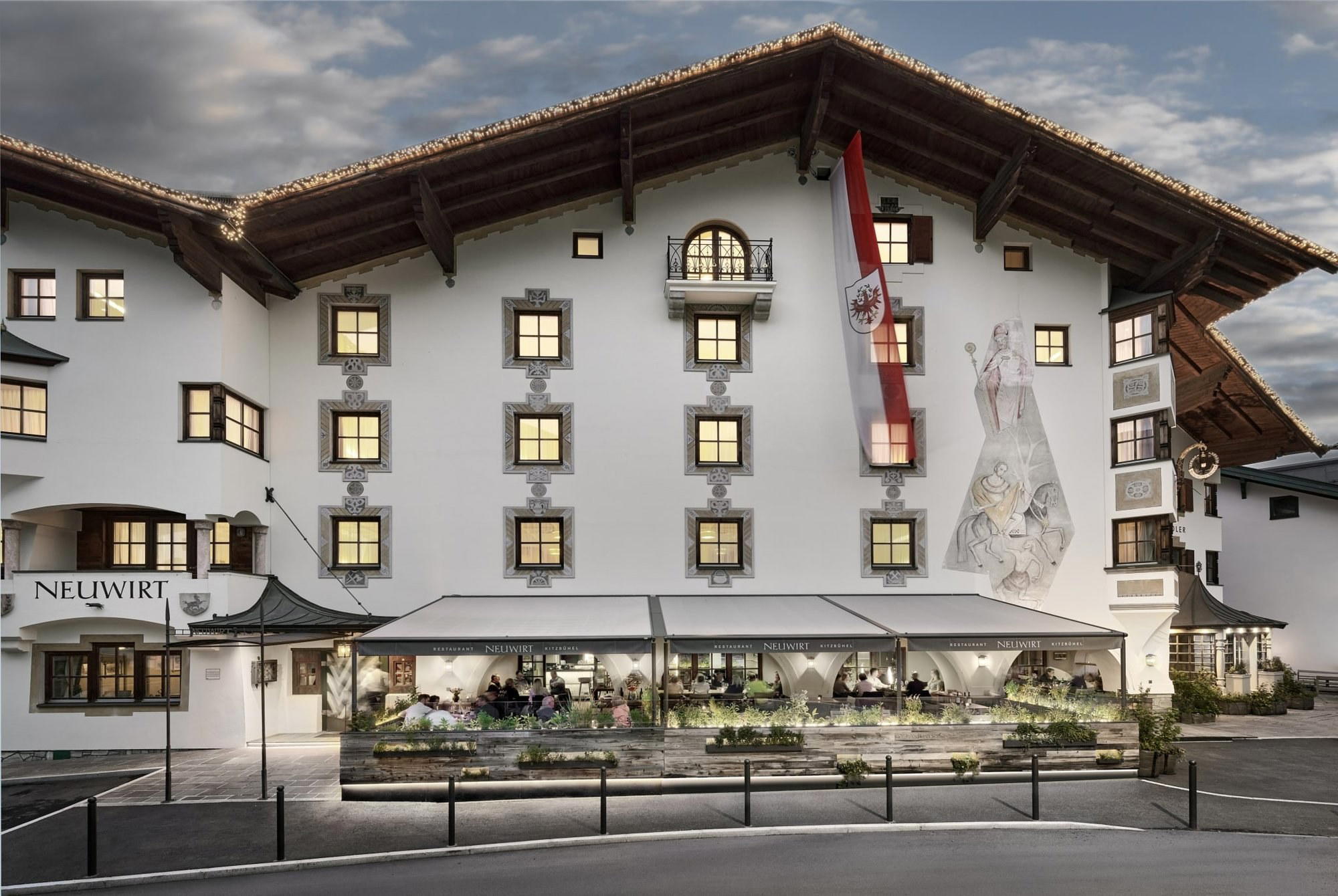
| Neuwirt. Hotel & Wirtshaus | Family-run boutique hotel combining historic inn with modern extensions | $$ | 4-Star | Bad Vigaun |
| Q! Hotel Maria Theresia | Contemporary boutique with Alpine influences; sister property to Q! Resort Health & Spa with emphasis on nightlife and younger demographic. | $$$ | 4-Star | Kitzbühel Centre |
| Hotel Schani City Vienna | Urban design hotel and quiet city hideaway close to Vienna’s historic core. | $$ | 4-Star | Leopoldstadt |
Recognition history
Dated appearances from independent guides and award organizations, with the underlying list record or original source where available.
Michelin Selected
Michelin

At a Glance
- Rustic
- Cozy
- Scenic
- Quiet
- Wellness Retreat
- Romantic Getaway
- Weekend Escape
- Panoramic View
- Terrace
- Pool
- Spa
- Wi Fi
- Fitness Center
- Sauna
- Restaurant
- Free Parking
- Mountain
- Pool
- Spa
- Wi Fi
- Fitness Center
- Sauna
- Restaurant
- Free Parking
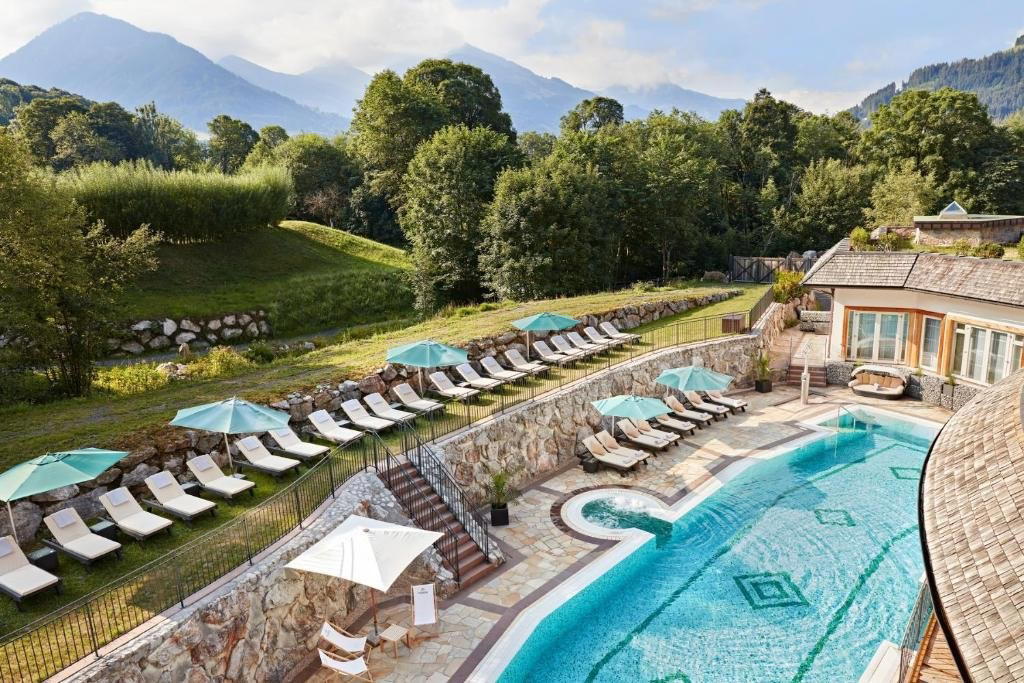
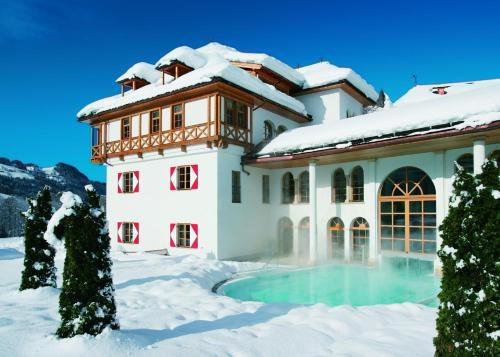
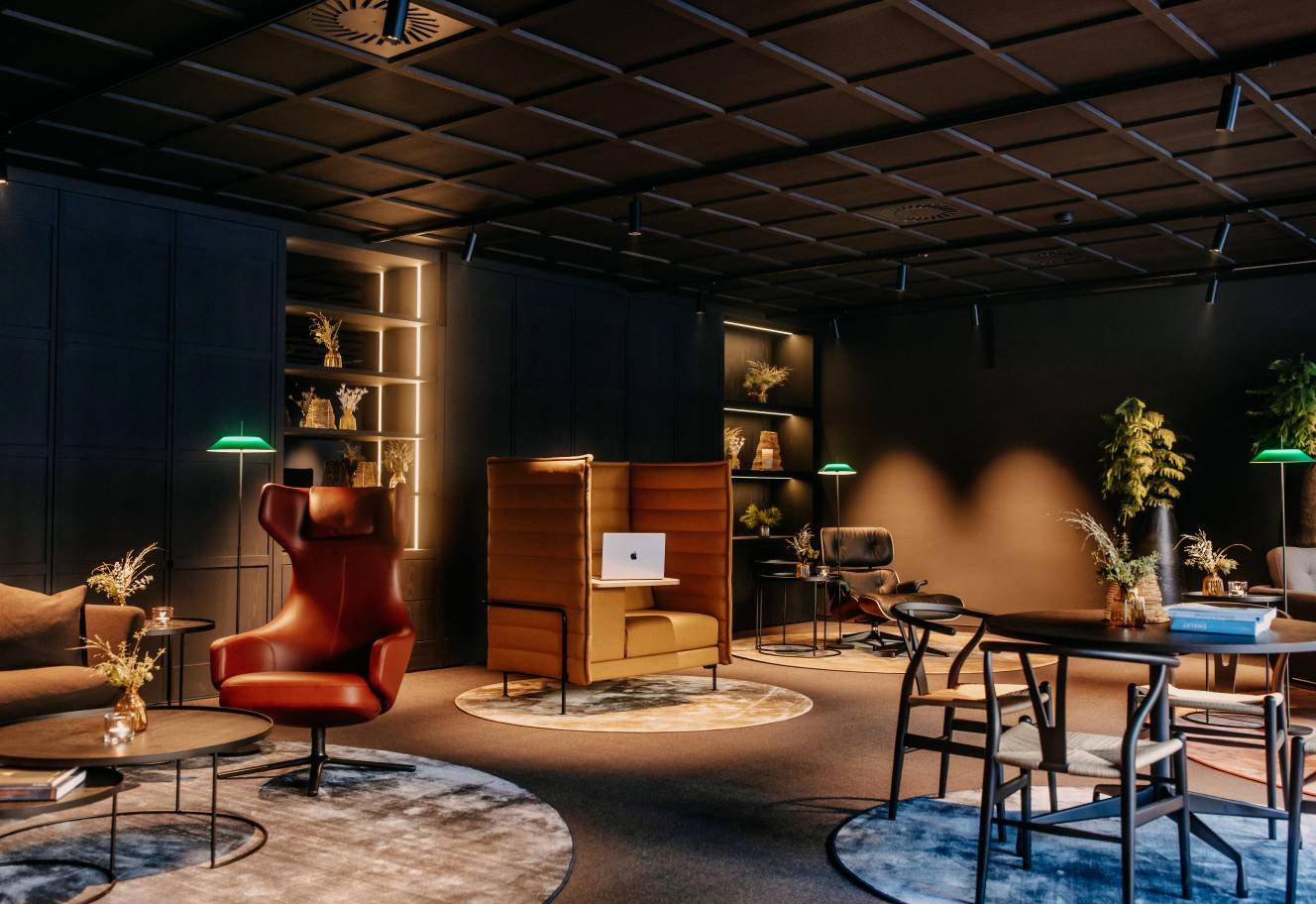
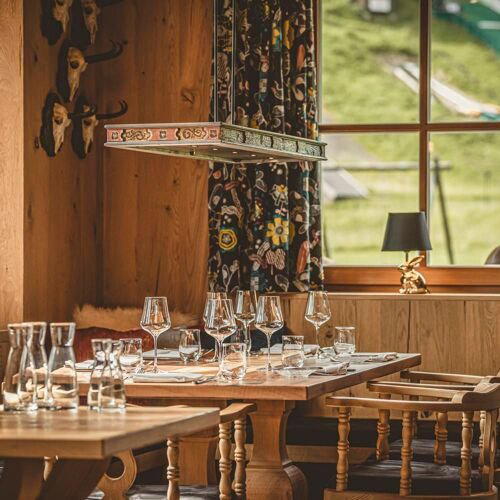
Tranquil and cozy atmosphere created by warm solid wood furnishings, floods of sunlight in airy rooms, and a serene natural setting.