
Michelin Selected
Q! Hotel Maria Theresia holds a Michelin Selected distinction in the 2025 guide, placing it among a small cohort of Kitzbühel properties recognised for quality beyond the standard alpine formula. Located on Bichlstraße 15, the hotel sits within one of Austria's most competitive winter resort towns, where design-led properties increasingly define the upper tier of the accommodation market.

Pearl is the En Primeur Club membership app — saves, bookings, and concierge access live there. Same editors, same standards.
- Address
- Bichlstraße 15, 6370 Kitzbühel, Austria
- Phone
- +43 5356 64711
- Website
- hotel-maria-theresia.at
- Directions
- Get directions
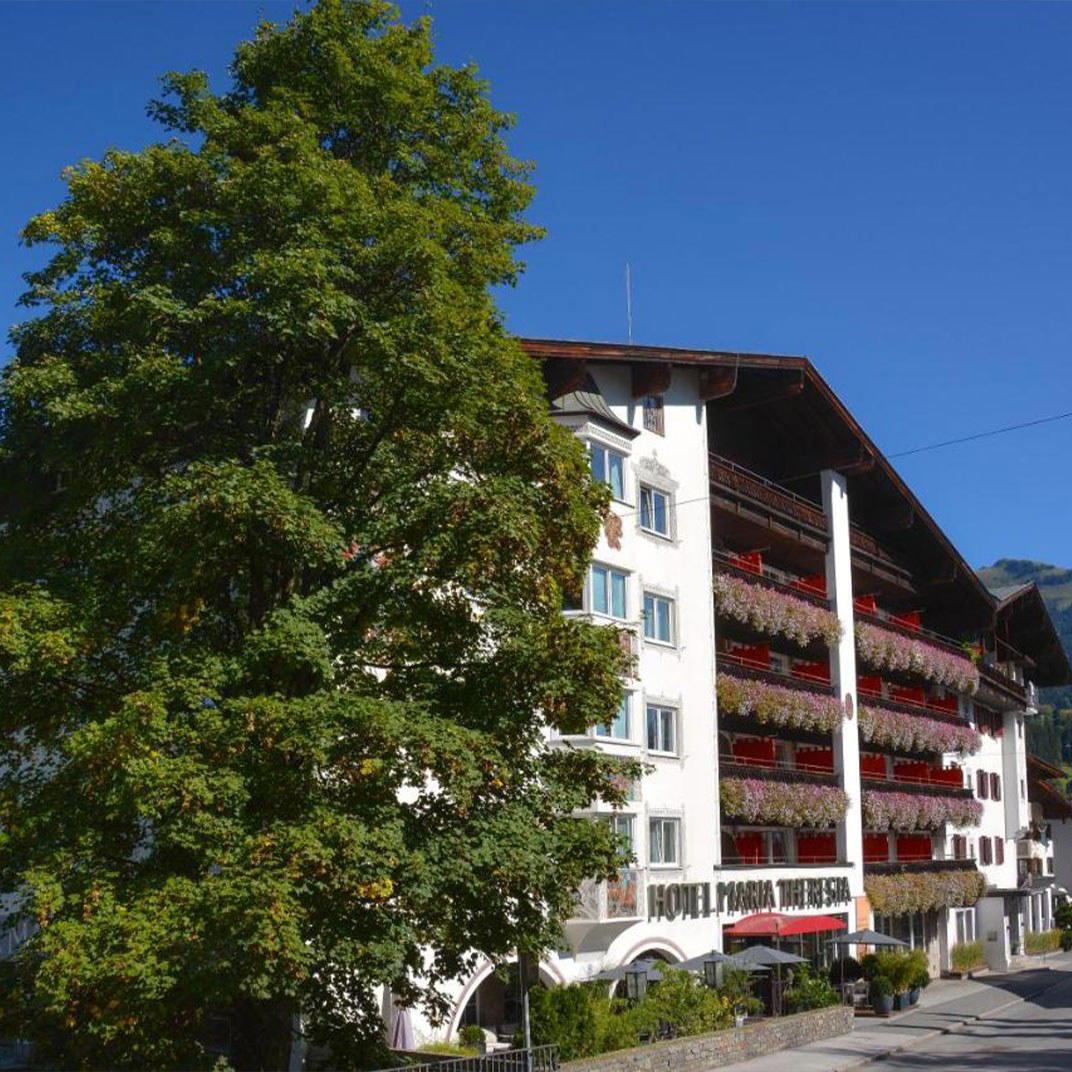
Where Alpine Architecture Meets Deliberate Design
Kitzbühel has spent decades refining its hospitality offer, moving well past the generic chalet aesthetic that still defines large swaths of the Tyrolean Alps. The town's upper accommodation tier now splits clearly between heritage grand hotels, spa-heavy wellness resorts, and a smaller group of design-forward properties that treat their physical spaces as primary statements. Q! Hotel Maria Theresia, at Bichlstraße 15, sits in that third category, and its Michelin Selected distinction in the 2025 guide signals that the quality markers visible in the space itself are being recognised by an authority whose hotel assessments have grown considerably more rigorous over the past several years.
The Michelin hotel selection process evaluates comfort, character, and the coherence of the guest experience. A property earns selection not by accumulating amenities but by presenting a consistent, well-considered environment. That framing matters in Kitzbühel, where the competition is genuine: properties like Grand Tirolia Kitzbühel, Hotel Tennerhof, and Hotel Kitzhof Mountain Design Resort each occupy distinct positions in the market, and standing out here requires more than a good view of the Hahnenkamm.
The Physical Logic of the Space
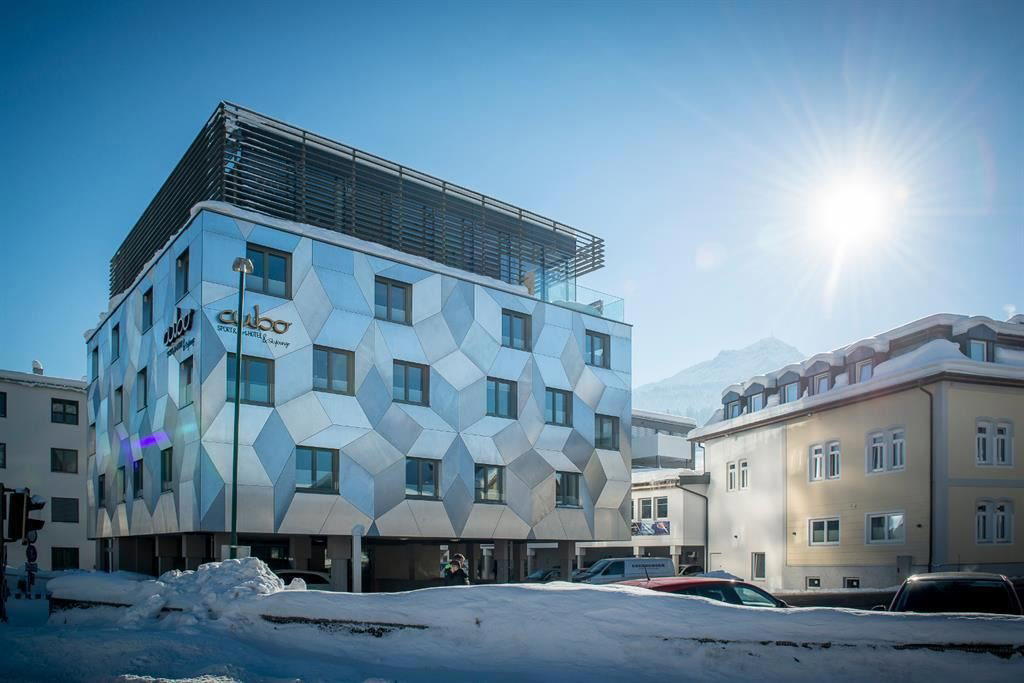
In design-led alpine hotels, the architecture tends to do one of two things: either it borrows heavily from regional vernacular (exposed timber, stone floors, antler fixtures) or it introduces a counterpoint to the alpine context, placing clean-lined contemporary spaces against the mountain backdrop. The Q! Hotel Maria Theresia signals, through its naming convention alone, a deliberate positioning away from the rustic formula. The "Q!" prefix is a brand marker that implies a considered, somewhat urban sensibility applied to a mountain setting, which has proven a durable approach in ski towns where a segment of the guest base arrives from major European cities and expects their accommodation to reflect metropolitan taste alongside alpine recreation.
This approach has particular relevance in Kitzbühel, where the town's historic centre and the architecture of older properties like Schwarzer Adler and Hotel Weisses Roessl carry a deep regional character. Design-forward properties don't compete with that tradition; they offer an alternative reading of what a Kitzbühel stay can be, drawing guests who want proximity to the skiing and the old town's atmosphere without the full weight of Tyrolean décor.
Kitzbühel's Accommodation Tier and Where This Property Sits
The broader Kitzbühel market rewards specificity. The town attracts a guest profile that is well-travelled and accustomed to comparing properties across multiple alpine destinations, from Lech to St. Moritz. At the upper end, hotels are evaluated not just on ski access and room size but on design coherence, food quality, and the precision of service. The Michelin Selected designation places Q! Hotel Maria Theresia in a smaller subset of properties whose standards have been assessed against those criteria.
For context, Kitzbühel's Michelin-recognised properties compete within a wider Austrian alpine circuit that includes addresses such as Bio-Hotel Stanglwirt and Maierl-Alm & Chalets, each occupying distinct niches. Nationally, Austria's recognised hotel stock extends to properties as varied as Hotel Sacher Wien in Vienna, Rosewood Schloss Fuschl in Hof bei Salzburg, and Schloss Mönchstein in Salzburg, which gives some sense of the quality range against which Michelin benchmarks its selections. Within the Tyrolean Alps specifically, comparable design and wellness addresses include LEADING Hotel Hochgurgl in Hochgurgl and Alpen-Wellness Resort Hochfirst in Obergurgl.
The Q! Hotel Maria Theresia's position on Bichlstraße places it within the town's core, giving guests walking access to Kitzbühel's celebrated old town and the Hahnenkamm cable car connections. In a ski resort where transport logistics determine the quality of the day, proximity matters as much as the room itself. For those exploring further afield in Austria's alpine corridor, properties like Aktiv & Wellnesshotel Bergfried in Tux, Naturhotel Waldklause in Längenfeld, and Hotel Almhof Schneider in Lech represent comparable tiers in different valleys. For those comparing across broader European alpine destinations, Badrutt's Palace Hotel in St. Moritz anchors the best of the Swiss market against which Kitzbühel's better addresses are routinely measured.
Planning Your Stay
Kitzbühel operates on two distinct seasonal peaks: the winter ski season, centred on January through March and anchored by the Hahnenkamm downhill race in mid-January, and a summer season that draws hikers and cycling visitors in July and August. Both peaks create genuine pressure on accommodation in the recognised tier, and properties with Michelin distinctions tend to fill earliest. Booking three to four months ahead for the core winter window is standard practice, with the Hahnenkamm race weekend requiring even longer lead times given the global audience it draws.
The hotel's website and direct booking channels are the appropriate route for confirmed details on current rates and availability, as pricing in Kitzbühel shifts materially between peak and shoulder periods. Those assembling a broader Austrian itinerary may also want to cross-reference notes on Family Nature Resort Moar Gut in Grossarl, Hotel Schloss Seefels in Techelsberg, and Falkensteiner Schlosshotel Velden in Velden am Wörthersee for extensions beyond the Tyrolean corridor. For a complete picture of Kitzbühel's dining and hospitality options, the EP Club Kitzbühel guide covers the full range of the town's offer.
For those comparing ski-town design hotels outside the Alps entirely, the difference in scale and approach becomes instructive: The Fifth Avenue Hotel in New York City and Hôtel de Paris Monte-Carlo in Monte Carlo represent how design-led luxury hotels operate at a different urban scale, which throws into relief what makes Kitzbühel's version of the format specific: intimacy, mountain access, and a guest base that measures quality partly by how efficiently the experience gets them onto the mountain.
The Broader Design-Led Alpine Movement
Across the better Austrian ski towns, there has been a consistent shift over the past fifteen years toward properties that treat architectural identity as a commercial differentiator. The traditional grand hotel model (large, historically referential, service-heavy) still performs well at the top of the market, but a parallel tier has developed around smaller, more aesthetically precise addresses where design coherence carries the positioning. Bergblick in Grän and Sportresidenz Zillertal in Uderns represent this pattern in other Tyrolean valleys. Q! Hotel Maria Theresia fits within that broader trend in Kitzbühel, where Michelin's selection signals that the design commitment translates into a measurable guest experience, not just an aesthetic position.
How It Stacks Up
Comparable venues nearby, for context on price, style, and recognition.
| Venue | Cuisine | Price | Awards | Notes |
|---|---|---|---|---|
| Q! Hotel Maria TheresiaThis venue — the venue you are viewing | Contemporary boutique with Alpine influences; sister property to Q! Resort Health & Spa with emphasis on nightlife and younger demographic. | $100–200 | Michelin Selected | Not listed |
| Maierl-Alm & Chalets | Alpine lodge with chalets | $100–200 | Michelin Selected | Krinberg |
| A-ROSA Kitzbühel | Traditional Tyrolean castle with modern resort amenities | Not listed | Michelin Selected | Ried Kaps |
| Bio-Hotel Stanglwirt | Traditional chalet-style bio-hotel with sustainable alpine architecture | $500–750 | Michelin Selected | Going am Wilden Kaiser |
| Hotel Tennerhof | Family-owned luxury boutique hotel blending Tyrolean heritage with contemporary alpine resort amenities, emphasizing individuality and personal service. | Not listed | Michelin Selected · Relais Chateaux Award | Kitzbühel |
| Schwarzer Adler | Upscale adults-only alpine boutique hotel blending historic charm with modern wellness. | $200–300 | 1 Michelin Key | Kitzbühel center |
Recognition history
Dated appearances from independent guides and award organizations, with the underlying list record or original source where available.
Michelin Selected
Michelin


Details
- Modern
- Lively
- Elegant
- Minimalist
- Weekend Escape
- Family Vacation
- Wellness Retreat
- Ski In Ski Out
- Golf Course
- Destination Spa
- Terrace
- Design Destination
- Wi Fi
- Spa
- Fitness Center
- Golf Course
- Restaurant
- Bar
- Room Service
- Concierge
- Sauna
- Mountain
- Street Scene
- Elevator
- Accessible Restroom
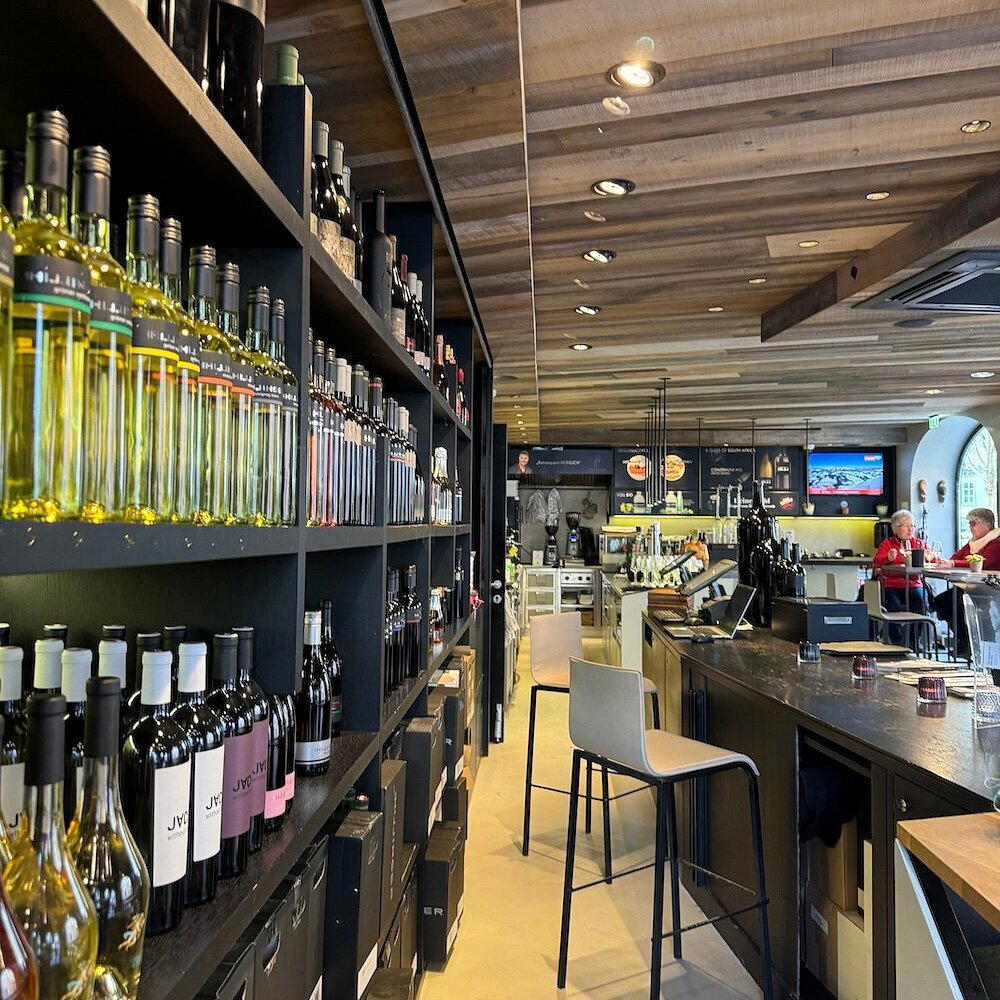
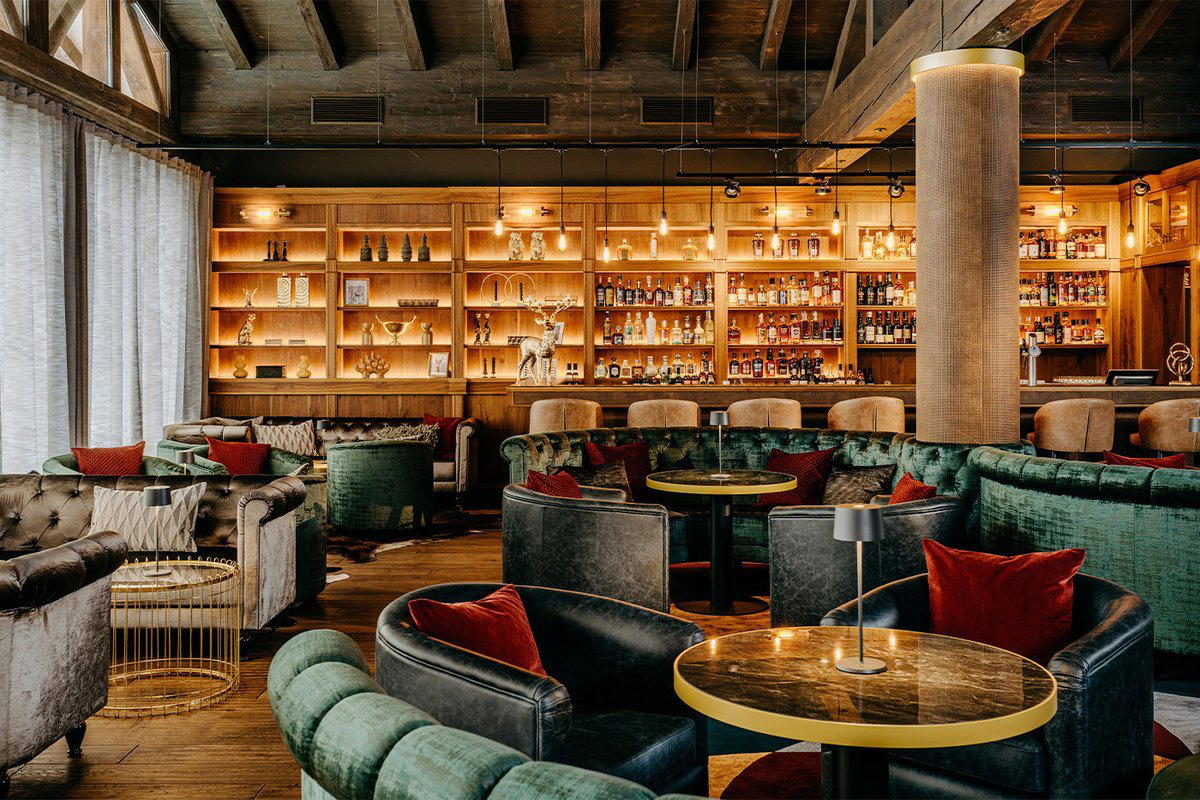
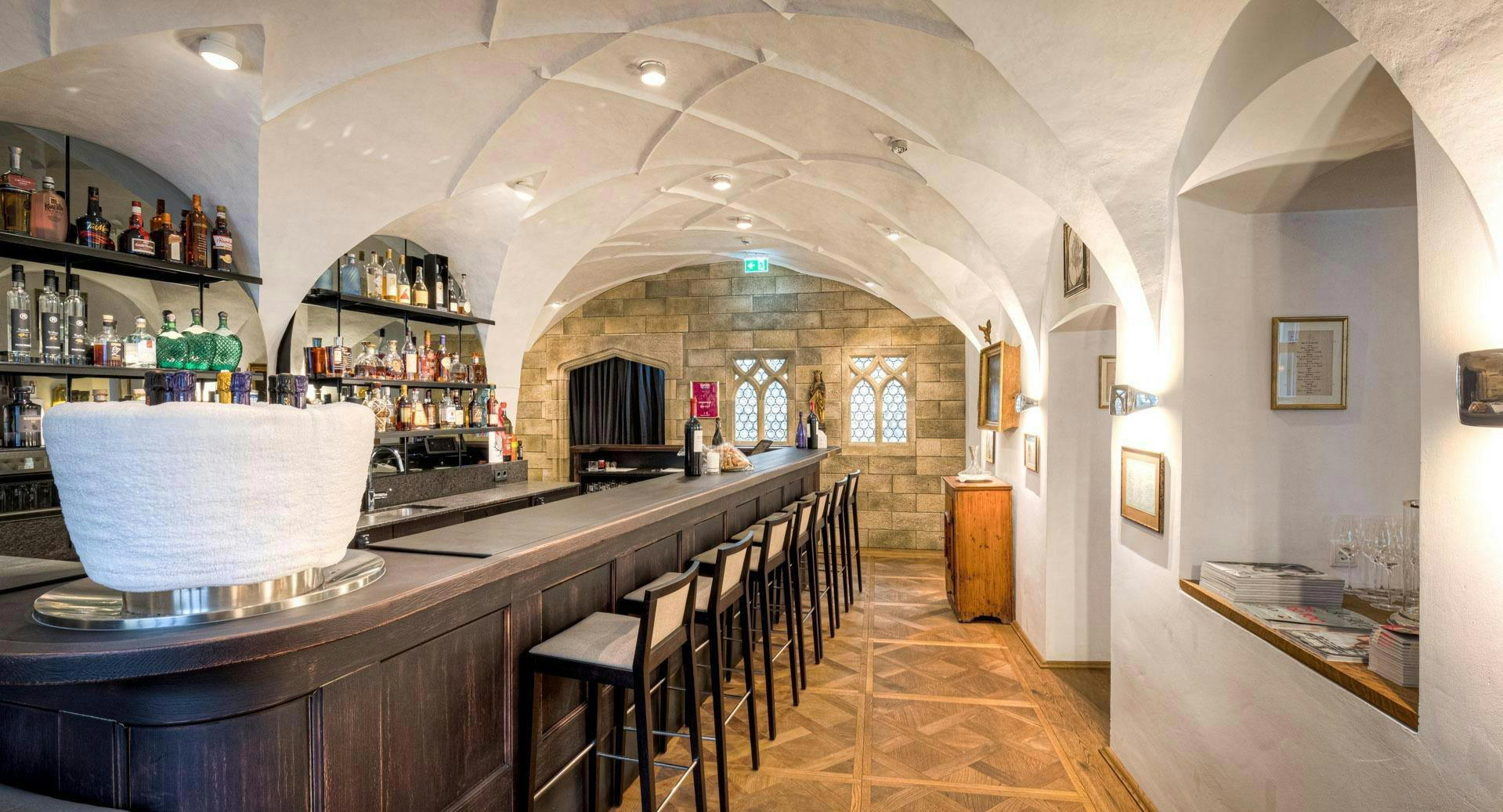
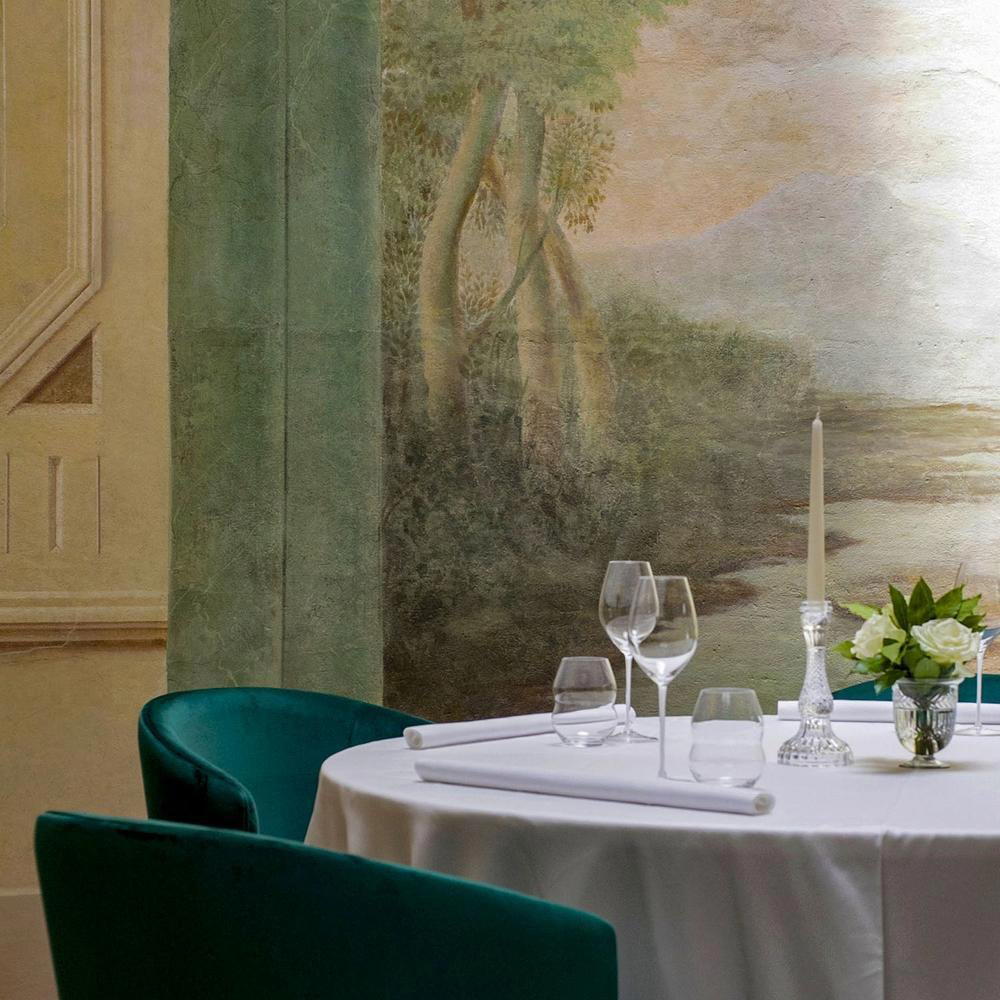
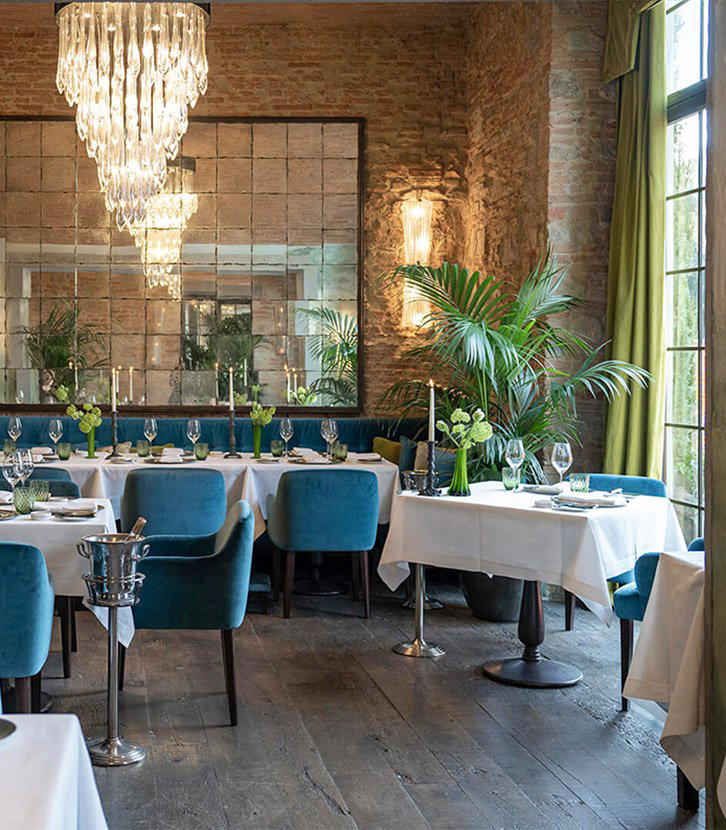
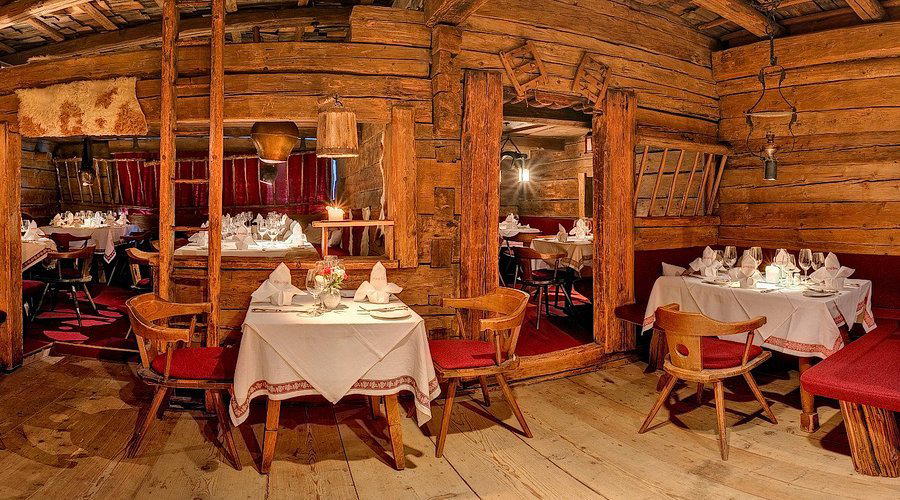
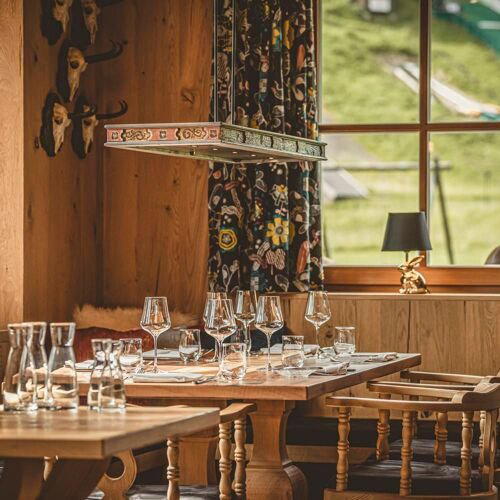
Contemporary cool with dark-toned interiors, dramatic design elements, and a lively nightlife atmosphere; rooms feature minimalist design with quirky artwork and charming lodge-like comfort.