Grand Mercure Danang sits in a Da Nang hotel market split between beach resorts, river-city bases, and hill-station escapes. With for room count, dining venues, awards, price, or booking policy, the useful reading is comparative: treat it as a city hotel choice and judge it against coastal resort peers, Accor relatives, and the practical rhythm of meals, meetings, and evenings in central Vietnam.

Pearl is the En Primeur Club membership app — saves, bookings, and concierge access live there. Same editors, same standards.
- Address
- Zone Of The Villas Of Green Island, Lot A1, Hòa Cường, Đà Nẵng 550000, Vietnam
- Phone
- +84 236 3797 777
- Website
- all.accor.com
- Directions
- Get directions
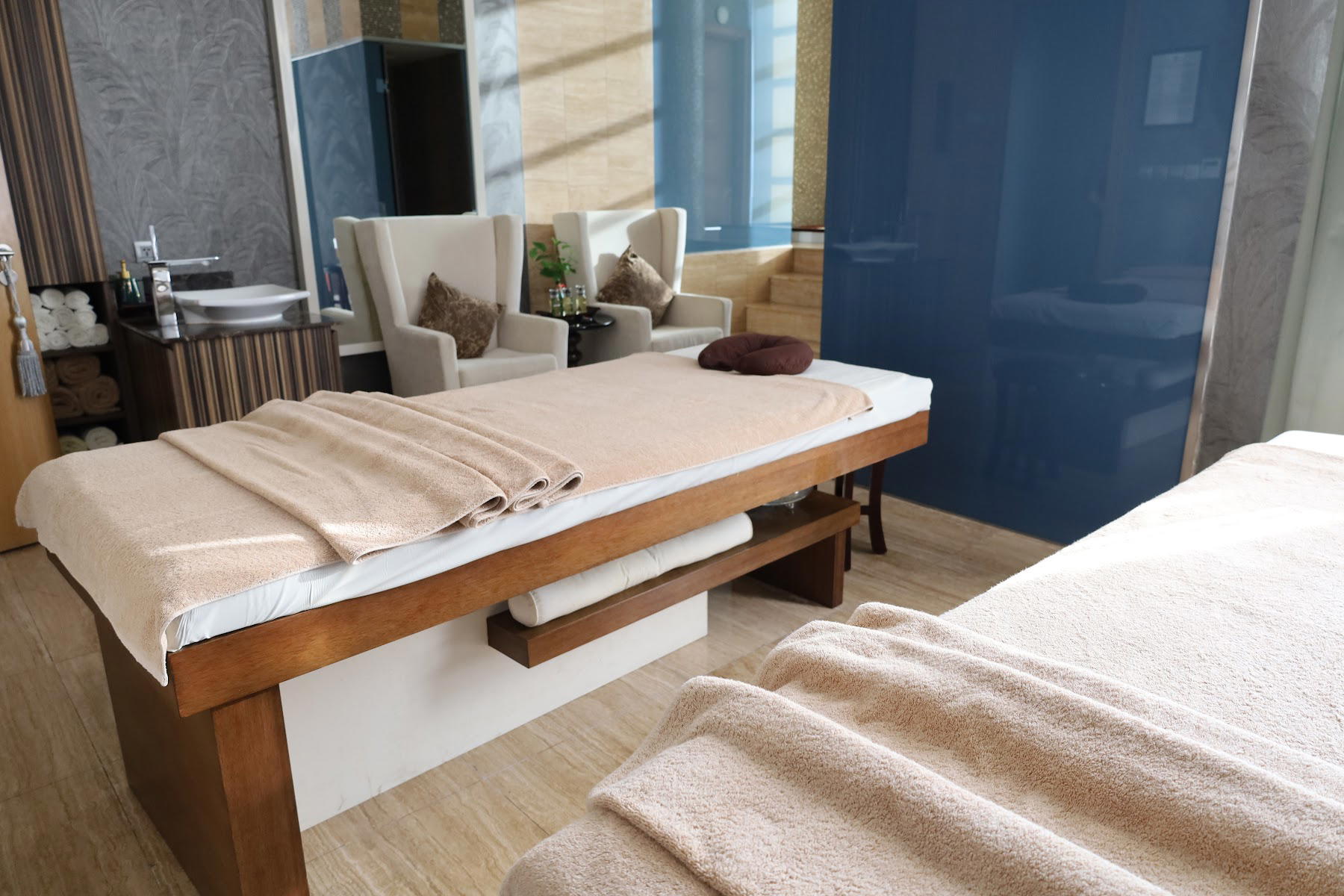
Arrival in a city that eats by the water
Da Nang announces itself through movement: bridges lit over the Hàn River, scooters folding into roundabouts, cafés shifting from breakfast phở to iced coffee, and the coast never far from the conversation. A hotel in this part of Vietnam is not judged only by the bed or the lobby. It is judged by how well it fits the day’s sequence: morning markets and coffee, a beach run before the heat rises, lunch built around seafood or noodles, and a night that may move from riverfront drinks to a late bowl in the city. Grand Mercure Danang belongs to that urban-hotel conversation rather than the pure resort category, and that distinction matters for travelers who plan their meals as carefully as their check-in.
That absence should not be filled with invented certainty. Instead, it frames the useful question. In Da Nang, where hotel choice often divides between beach-facing leisure properties and city-based addresses, the practical value of a hotel often depends on access to the dining circuit around it, not only the restaurants inside it. Grand Mercure Danang should therefore be read against the wider city pattern: a central Vietnam stay where the hotel functions as an anchor for eating well across the day.
The dining programme question in Da Nang hotels
Hotel dining in Da Nang has become a category of contrasts. The beachfront resorts tend to sell scale: breakfast rooms built for holiday traffic, poolside menus, seafood dinners, and family-friendly formats. City hotels work differently. Their dining programmes usually need to serve several audiences at once: overnight guests, business travelers, wedding or meeting traffic, and visitors who want an easy dinner before crossing town. What can be assessed is the category it enters: the city hotel dining format, where convenience, range, and timing often matter more than destination-restaurant theatre.
That category has a clear role in Da Nang. The city’s strongest food identity sits outside formal hotel dining: mì Quảng, bún chả cá, bánh tráng cuốn thịt heo, seafood restaurants near the coast, and coffee culture shaped by long afternoons and short stools. Hotel restaurants here compete less with tasting-menu rooms and more with the question of friction. Can breakfast start the day without forcing a taxi ride? Can a bar absorb a late arrival? Can a dining room handle mixed expectations, from a solo business dinner to a family table after a day in Hội An or the Sơn Trà Peninsula? For a traveler choosing a city hotel, those are not minor details. They decide whether the hotel is a base or a compromise.
Da Nang’s larger hospitality map gives useful comparison points. Beach-led stays such as Furama Resort Danang, Hyatt Regency Danang Resort & Spa, Pullman Danang Beach Resort, and Premier Village Danang Resort Managed by Accor speak to the resort diner: long breakfasts, beach access, and meals folded into a property-led day. Urban and mixed-use hotels such as Four Points by Sheraton Danang or New Orient Hotel Da Nang sit closer to the city-hotel logic. Grand Mercure Danang should be compared with that latter group first, then measured against resort peers only if the traveler’s plans require beach-first days.
How to read atmosphere without overselling it
Atmosphere in Da Nang depends heavily on position. A beachfront property is defined by open air, sand, and the choreography of resort leisure. A river or city hotel is defined by arrivals, elevators, lobby rhythms, and the practical movement between meetings, cafés, restaurants, and the airport. Expect the experience to be evaluated through urban efficiency and access, not through claims about a named view, a specific lobby material, or a signature bar programme that has not been supplied.
This matters because Da Nang can mislead first-time planners. The city is compact enough for short stays, but its pleasures are distributed. The beach has one tempo, the river another, and the road to Hội An or Bà Nà Hills adds a separate rhythm. Mercure Danang French Village Bana Hills belongs to an entirely different altitude-and-attraction format, while InterContinental Danang Sun Peninsula Resort occupies the high-drama resort end of the regional spectrum. A city base is quieter in its promise: it should reduce transit friction and let the guest spend more time choosing where to eat, drink, and walk. That is a practical form of atmosphere, even when it lacks the obvious theatre of a cliffside resort.
Where the hotel fits among Da Nang stays
It is the group of properties that make Da Nang work as a city stay: accessible to local dining, flexible for short itineraries, and less dependent on staying within the resort perimeter. Travelers who want a self-contained beach holiday should compare the property carefully with coastal resorts. Travelers who want to use Da Nang as a base for restaurants, bars, the riverfront, and day trips may find the city-hotel format more logical.
For planning the broader trip, EP Club’s city pages help separate the categories. Our full Da Nang restaurants guide is the right starting point for meals beyond the hotel, particularly because local food culture carries much of the city’s identity. Our full Da Nang bars guide is useful for evening structure, while Our full Da Nang experiences guide helps decide whether the stay should be city-led, beach-led, or day-trip heavy. For hotel comparison, Our full Da Nang hotels guide gives the necessary wider frame. Our full Da Nang wineries guide is more niche, but it signals how EP Club separates drinking and travel categories rather than treating a city as one flat list.
Vietnam’s hotel scene also rewards comparison beyond Da Nang. A coastal-minimalist escape such as Amanoi in Vinh Hy answers a different question from an urban central Vietnam stay. Banyan Tree Lăng Cô in Lăng Cô sits in the lagoon-and-resort category north of Da Nang, while Hotel Royal Gallery Hoi An in Hoi An places the traveler nearer the heritage-town dining and walking circuit. Farther south, Amanaki Saigon Boutique Hotel in Ho Chi Minh City, Asteria Mui Ne Resort in Phan Thiet, The Anam Mui Ne in Mui Ne, and L’Azure Resort & Spa in Phu Quoc show how Vietnam’s hospitality choices split between urban bases, beach resorts, and destination retreats. In Hanoi, Capella Hanoi in Hanoi and GM Premium Hotel in Hoan Kiem sit in a denser, more walkable cultural setting, a useful contrast for travelers building a multi-city itinerary.
What the absence of awards and pricing tells the reader
Awards and ratings change how a hotel should be read. That does not make the hotel weak; it means the reader should avoid treating it as an awards-led choice. In editorial terms, the relevant trust signal is not trophy count but category clarity: Da Nang, Vietnam, city-hotel context, and comparison with better-documented alternatives.
Price is another missing data point. Without a published range in the record, any claim about value, premium positioning, or affordability would be invented. The correct planning approach is to compare live rates across nearby city hotels and beach resorts for the same dates, then decide whether the itinerary needs resort facilities or city access. Da Nang rates can shift with domestic holidays, summer beach demand, conferences, and regional travel patterns. That seasonal reality is more useful than a guessed price bracket. A traveler arriving for a food-focused weekend should pay for location and flexible movement; a traveler planning resort days should pay for facilities and setting.
For broader calibration, international references can help. The Fifth Avenue Hotel in New York City, Hôtel de Paris Monte-Carlo in Monte Carlo, and Badrutt's Palace Hotel in St. Moritz occupy highly legible luxury categories shaped by history, address, and international recognition. Da Nang’s hotel market works differently: a traveler often chooses between access to the beach, access to the city, and access to regional excursions. That makes practical fit more meaningful than prestige shorthand.
Planning notes: reservations, timing, and food strategy
Do not assume restaurant hours, bar schedules, dress codes, or table availability from brand expectations alone. Hotel dining rooms in resort cities can change operating patterns with occupancy, events, and season. If the dining programme is part of the reason for staying, confirm the active restaurants and bars before arrival, especially for late flights, early departures, or holiday periods.
The better food strategy in Da Nang is to divide meals by purpose. Use the hotel for convenience when timing matters, then spend the more intentional meals in the city’s local dining circuit or at coastal seafood addresses. Central Vietnam rewards specificity: noodles at breakfast, seafood when the group can order broadly, coffee when the heat slows the afternoon, and a hotel bar only when it solves the evening rather than replacing it. Grand Mercure Danang fits this logic as a base to be tested by access and operational ease. The dining programme can be useful, but the city should set the agenda.
In Context
Comparable venues nearby, for context on price, style, and recognition.
| Venue | Price | Awards | Notes |
|---|---|---|---|
| Grand Mercure DanangThis venue — the venue you are viewing | $1–100 | Not listed | Not listed |
| voco Ma Belle Danang by IHG | $100–200 | World Travel Awards | Phuoc My, Son Tra Peninsula, Premium lifestyle hotel blending contemporary design with beachfront luxury; positioned as a landmark destination combining modern amenities with Vietnamese hospitality. |
| Four Points by Sheraton Danang | Not listed | World Luxury Hotel Awards WLHA Regional Winner | Son Tra Peninsula, Contemporary beachfront resort with stylish workspaces and leisure facilities. |
| Mercure Danang French Village Bana Hills | Not listed | World Luxury Hotel Awards WLHA Regional Winner | Ba Na Hills, French Gothic colonial themed resort |
| Grand Tourane Hotel Da Nang | $1–100 | Not listed | Son Tra, Five-star beachfront city resort facing My Khe Beach, appealing to both leisure and business travelers. |
| Hyatt Regency Danang Resort & Spa | Not listed | Michelin Selected | Non Nuoc Beach, Contemporary resort blending modern design with Vietnamese architectural elements |
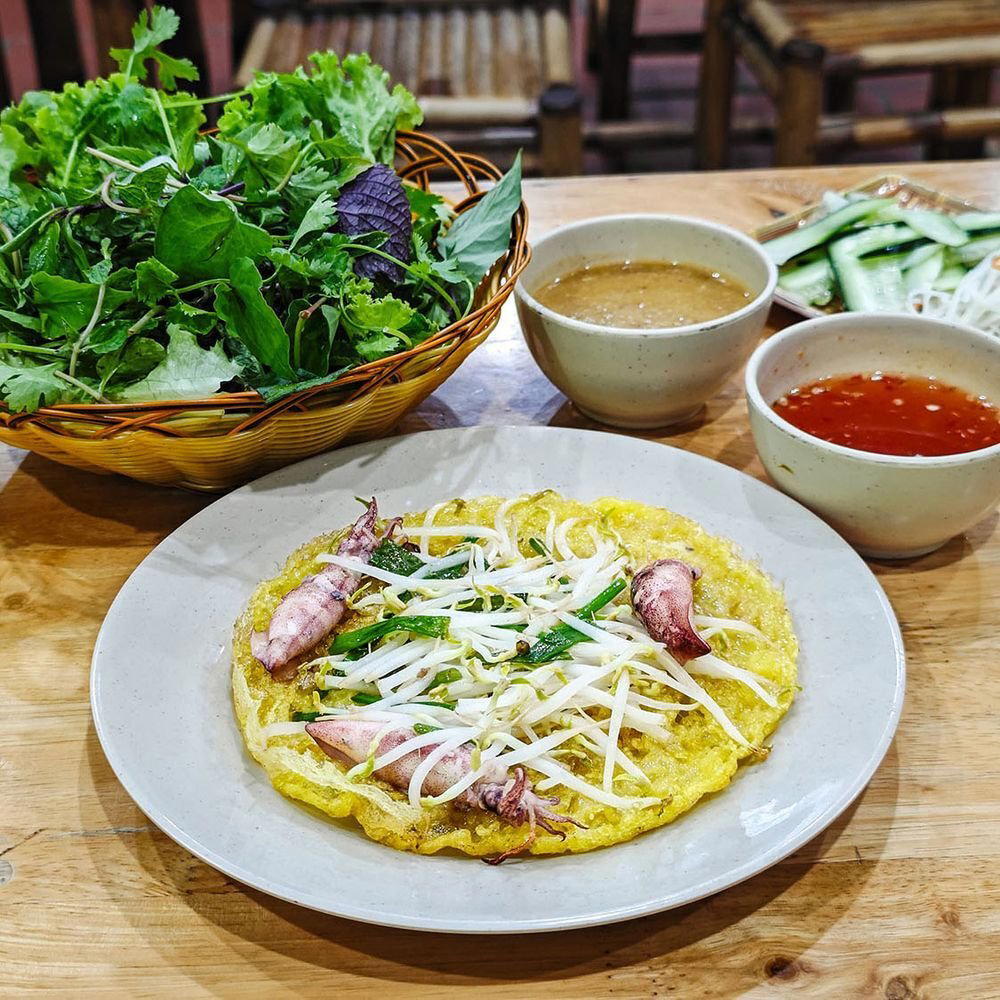
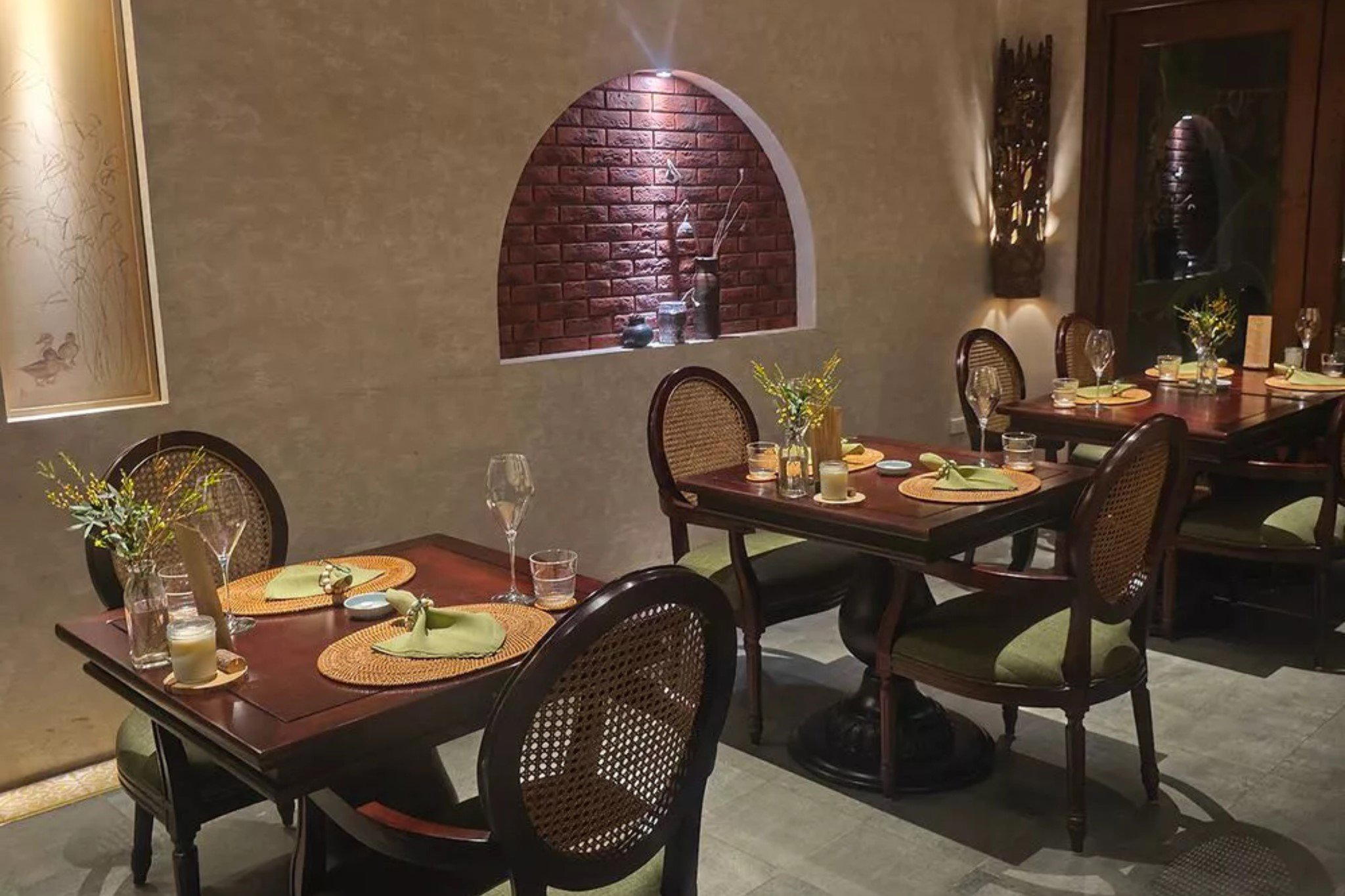
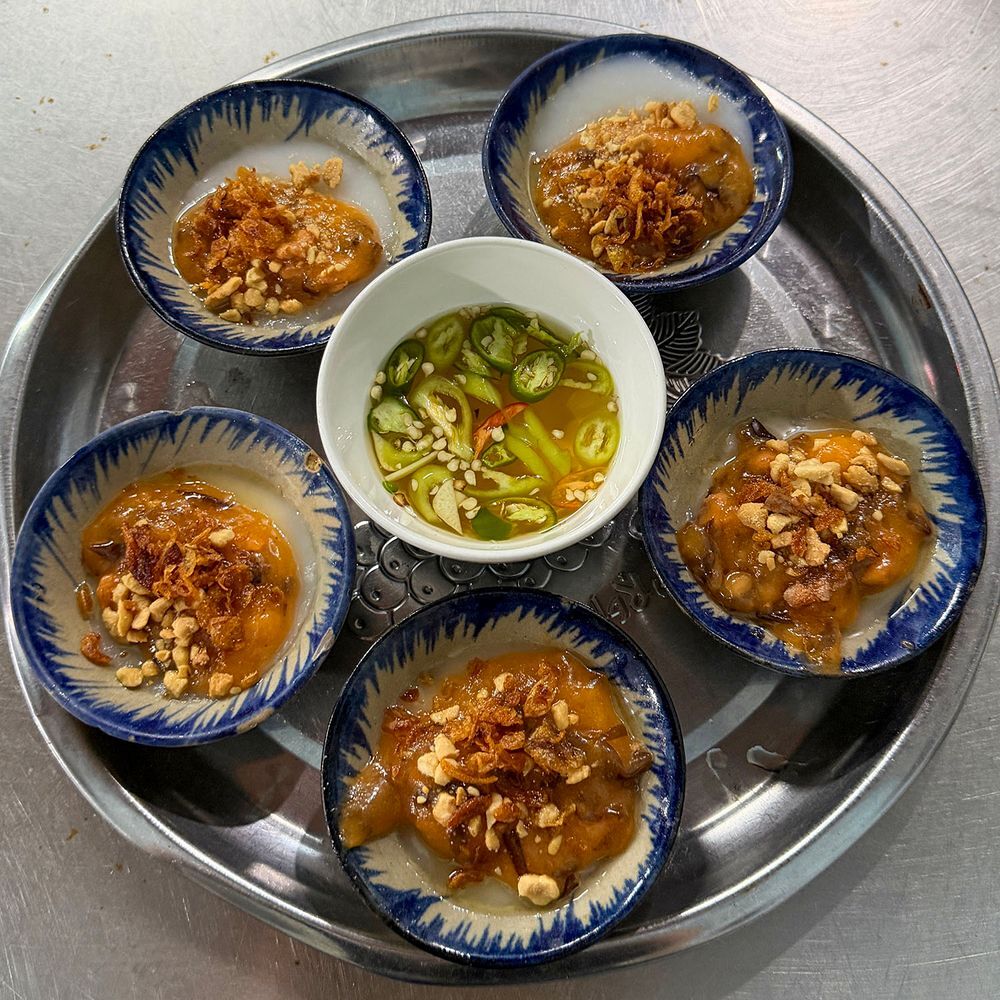
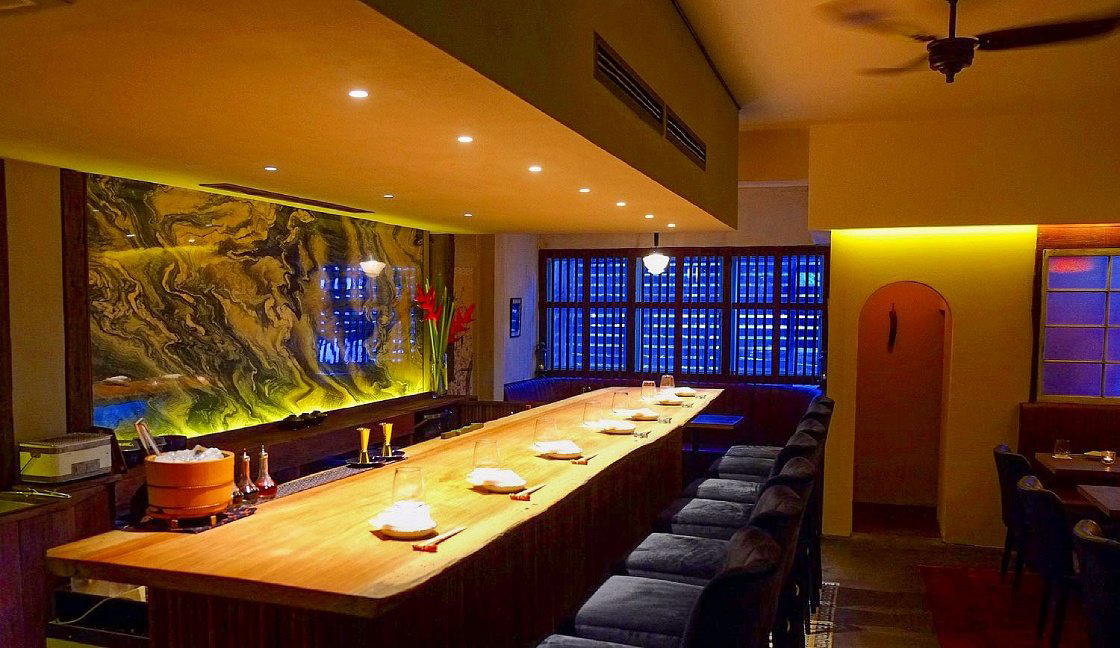
Details
- Modern
- Elegant
- Scenic
- Sophisticated
- Business Trip
- Family Vacation
- Weekend Escape
- Group Retreat
- Destination Wedding
- Celebration
- Waterfront
- Panoramic View
- Destination Spa
- Terrace
- Wi Fi
- Pool
- Spa
- Fitness Center
- Room Service
- Concierge
- Business Center
- Valet Parking
- Kids Club
- Waterfront
- Skyline
- Mountain
- Wheelchair Accessible
- Elevator
- Accessible Parking
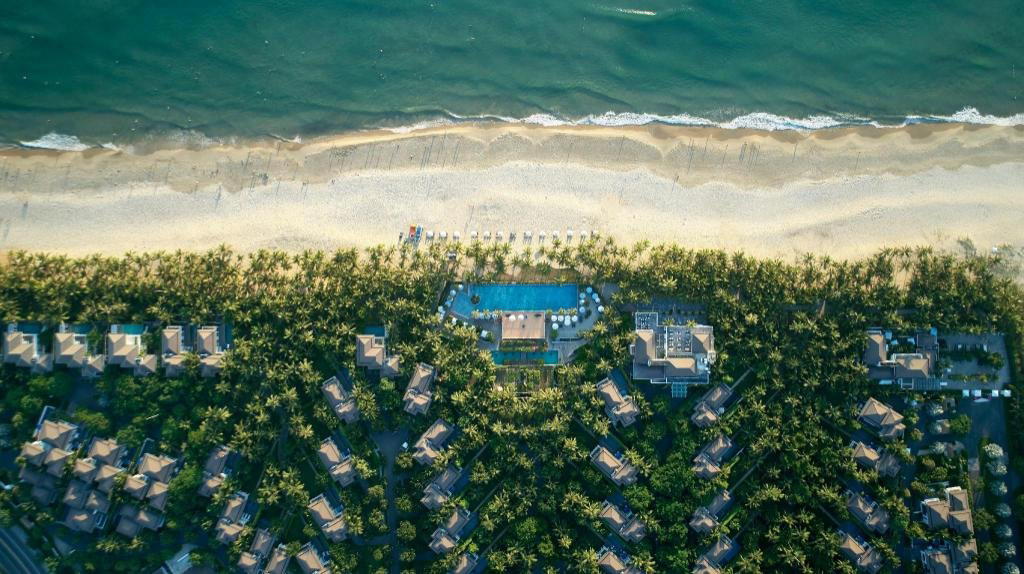
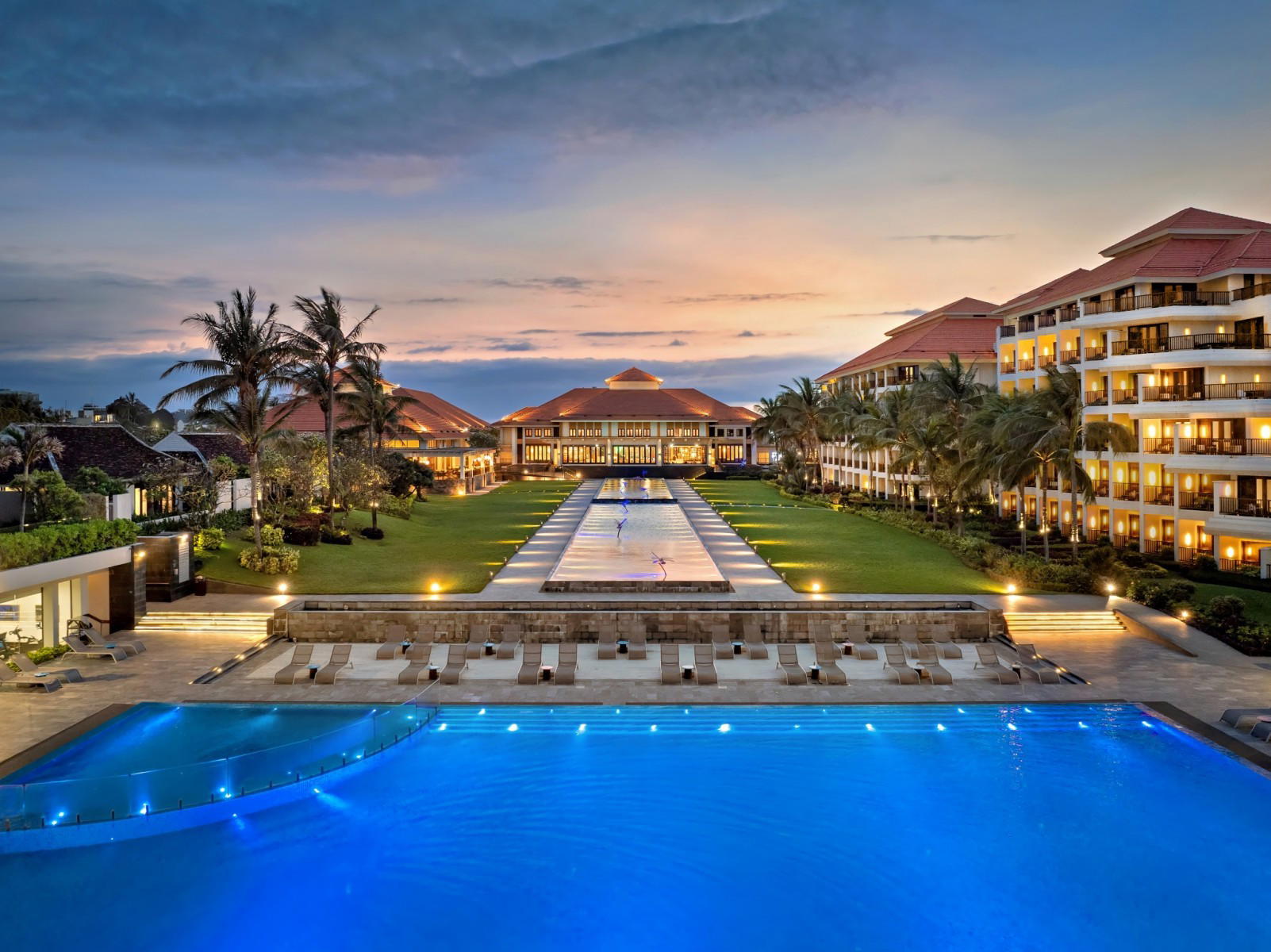
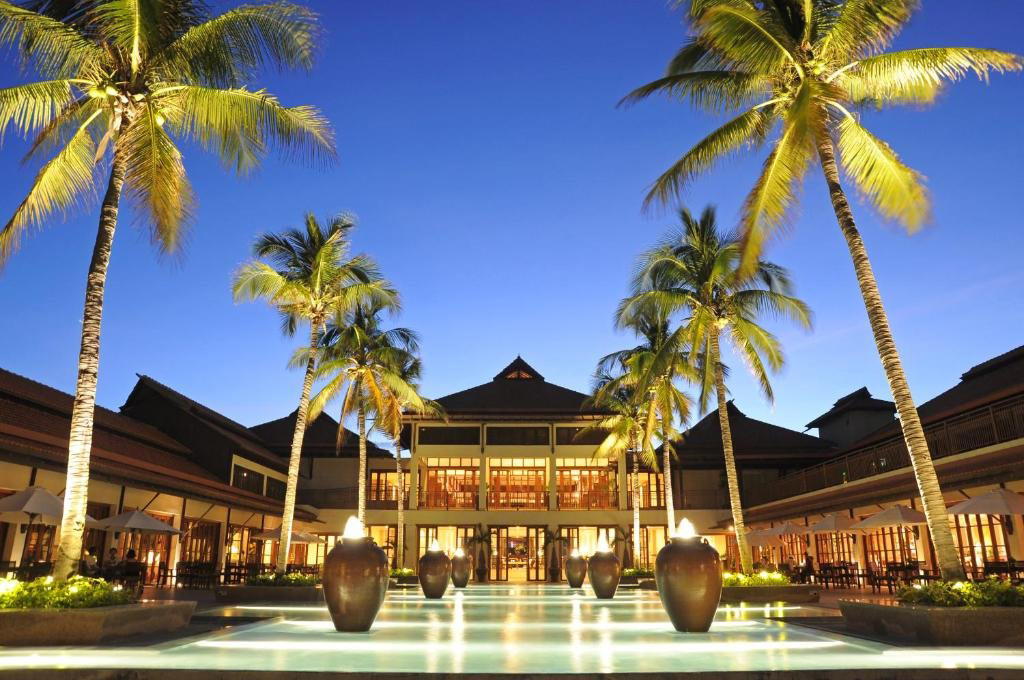
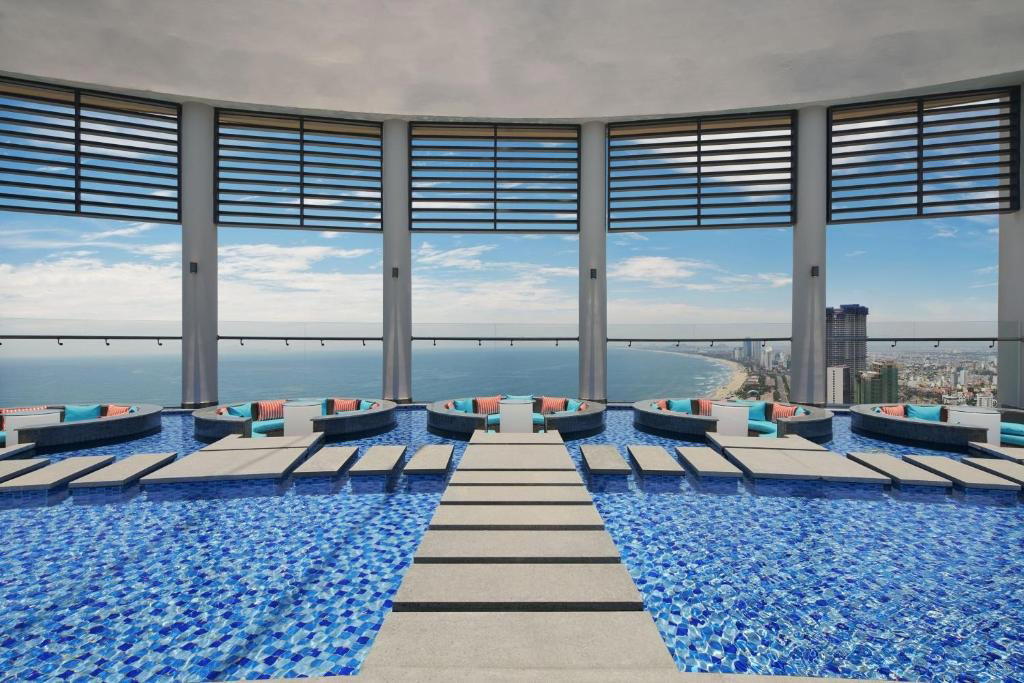
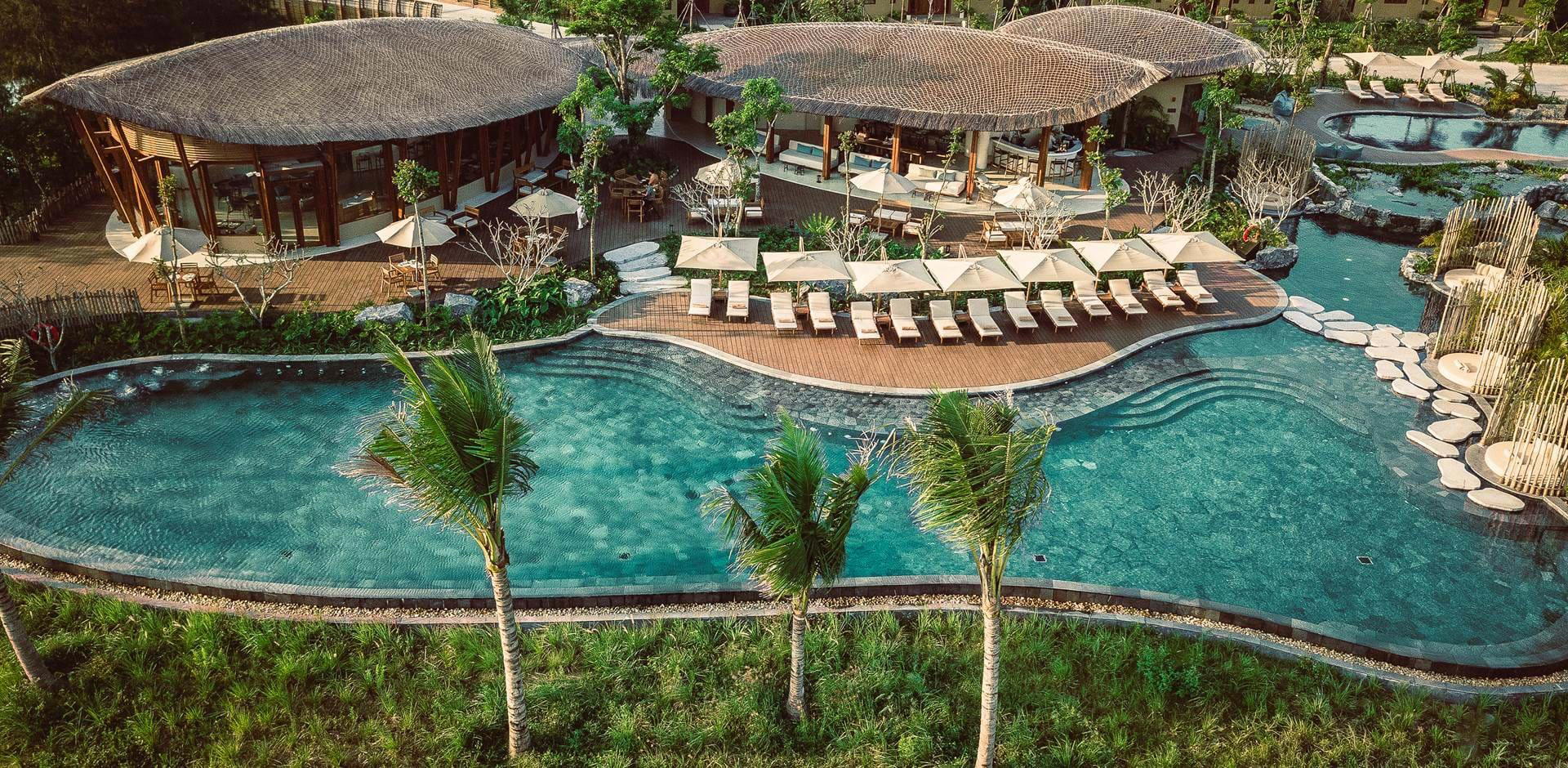
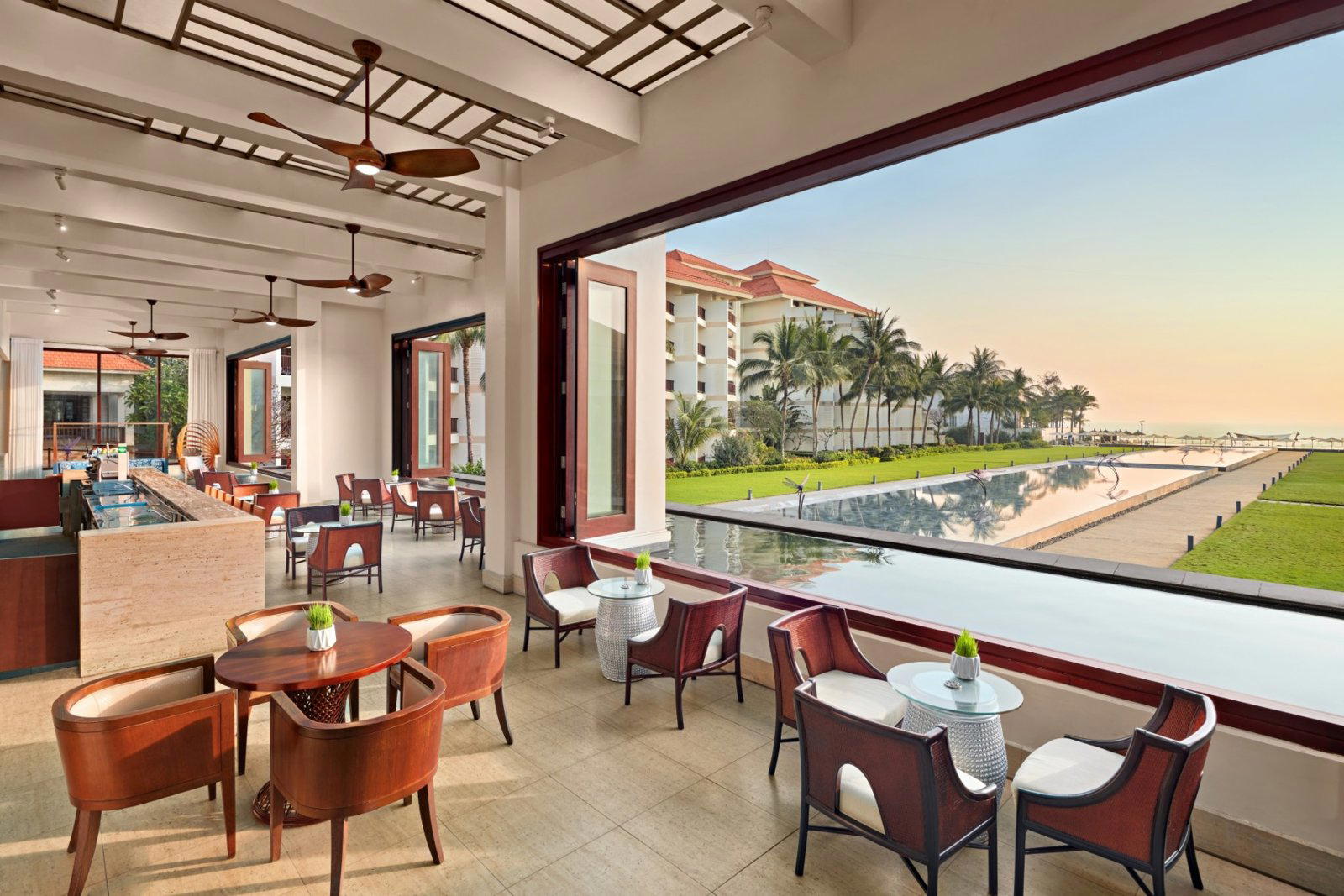
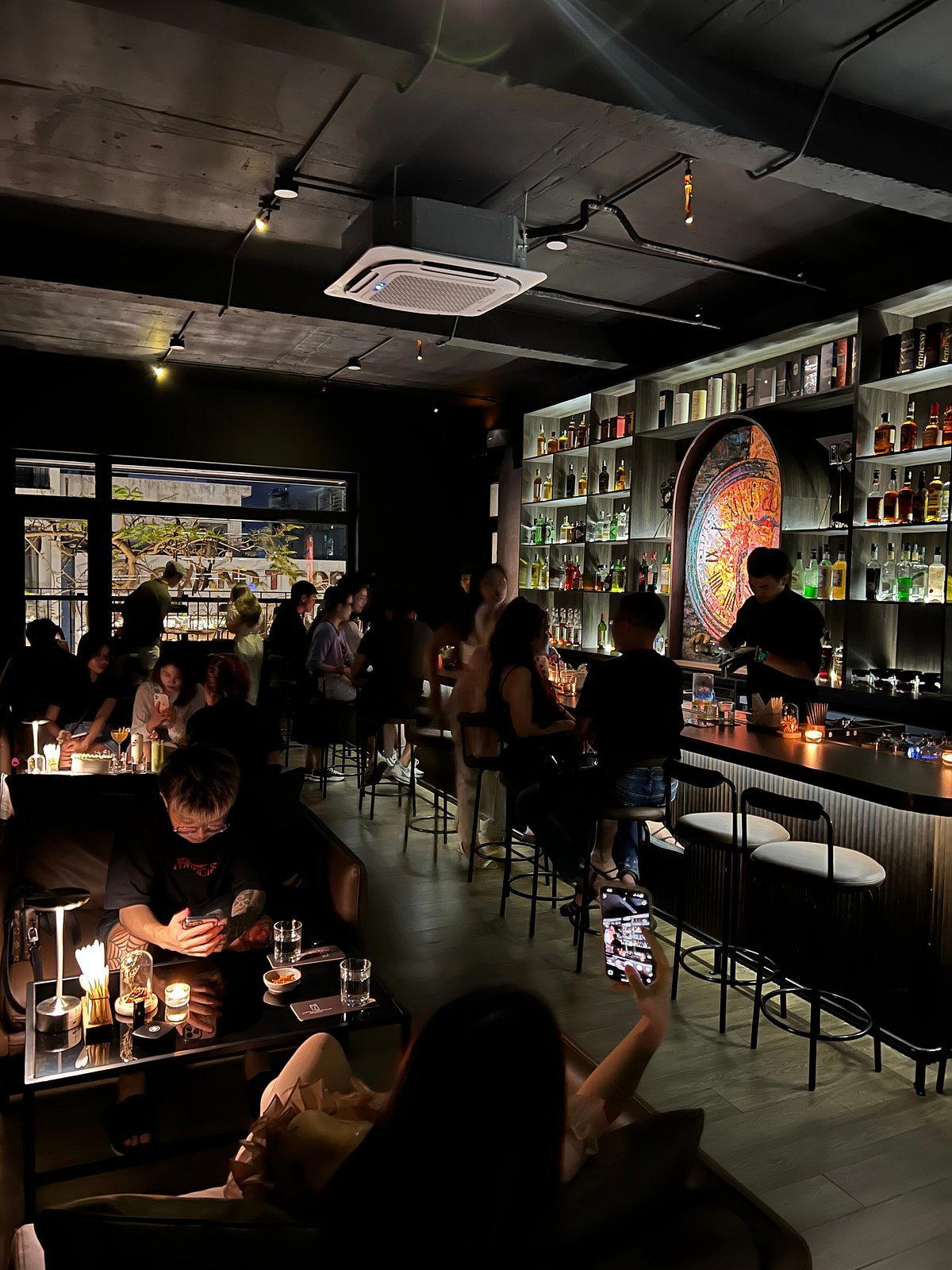
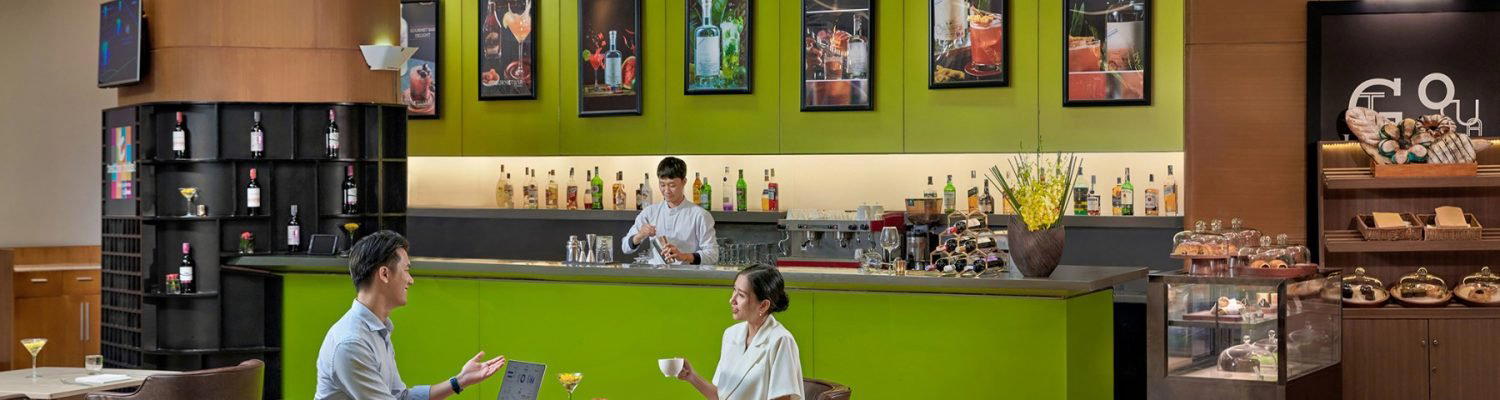
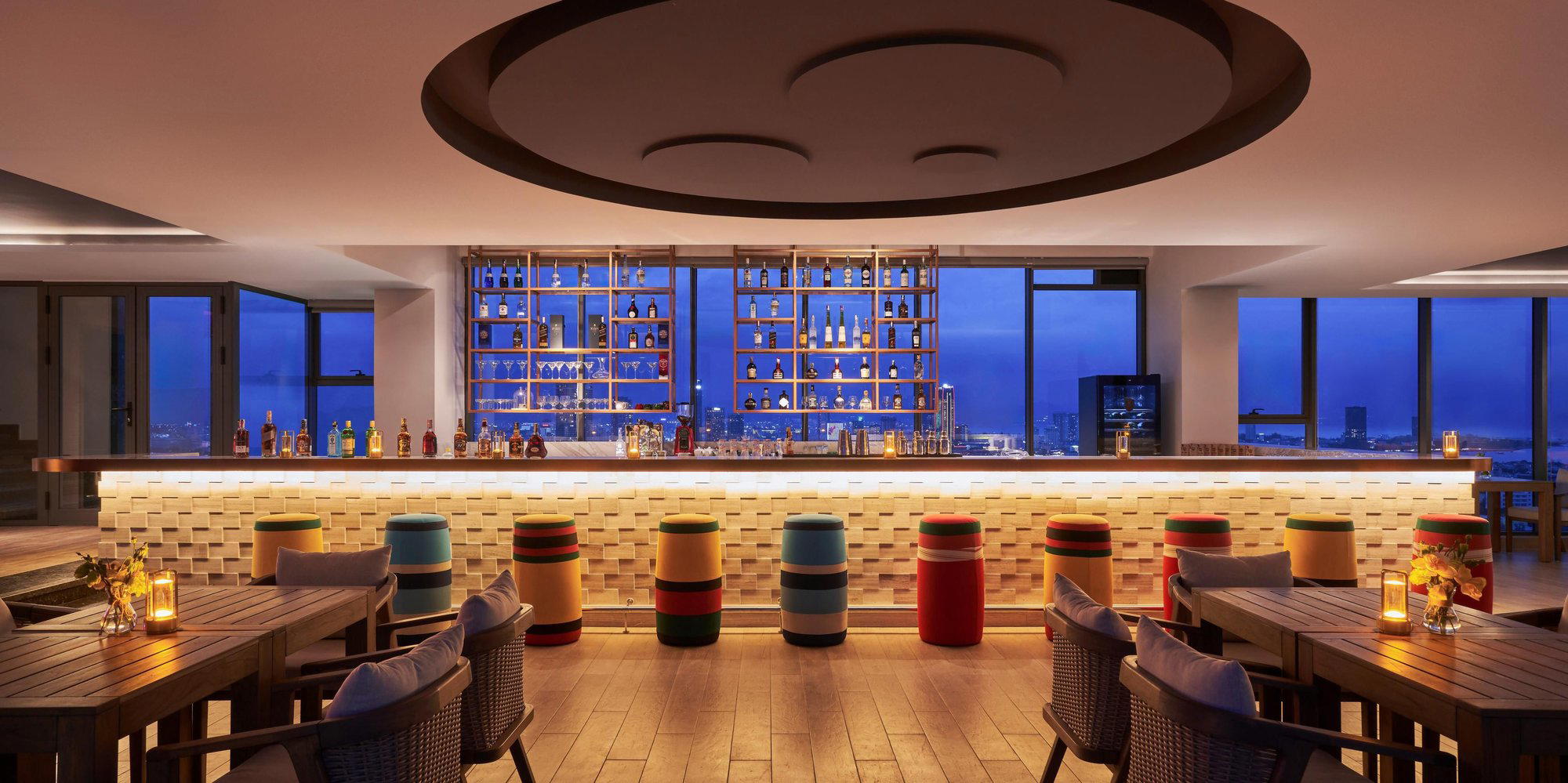
Contemporary upscale hotel atmosphere with elegant Vietnamese touches, bright public spaces overlooking the river and pool, and a calm resort‑like feel despite its central urban location.