Grand Tourane Hotel Da Nang belongs to the practical city-beach hotel tier in Da Nang, a category shaped by sea-facing corridors, quick access to urban dining, and a more functional design language than the resort compounds farther south. With limited verified property data available, the useful read is comparative: treat it as a base for understanding Da Nang’s hotel geography rather than a trophy resort claim.

Pearl is the En Primeur Club membership app — saves, bookings, and concierge access live there. Same editors, same standards.
- Address
- 252 Võ Nguyên Giáp, An Hải, Đà Nẵng 550000, Vietnam
- Phone
- +84 236 3778 888
- Website
- grandtouranehotel.com
- Directions
- Get directions
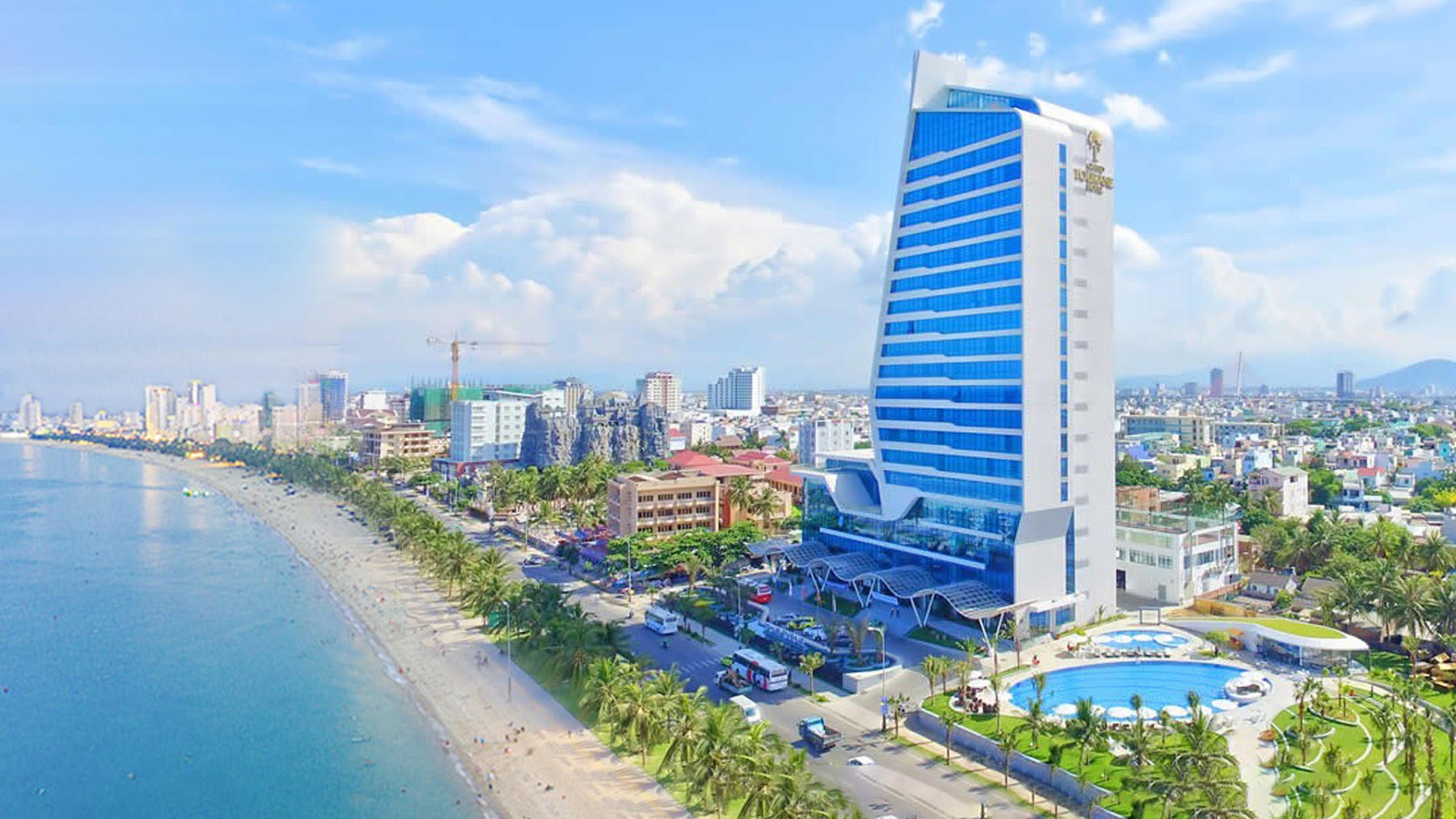
Da Nang's city-beach hotel grammar
Approaching the hotel tier along Da Nang’s coastal side, the first impression is not seclusion but exposure: broad roads, sea air, hotel facades facing the open sweep of the East Sea, and a city that has grown upward rather than inward. This part of Da Nang reads differently from Vietnam’s older hospitality capitals. Hanoi hotels often trade on colonial-era density and street-level theater; Ho Chi Minh City leans toward business towers, rooftop bars, and compact boutique conversions. Da Nang’s hotel identity is more spatial. The architecture has to answer two pressures at once: the beach-facing holiday market and the practical requirements of a fast-growing central Vietnamese city.
Grand Tourane Hotel Da Nang sits inside that city-beach category, where the built form matters because the decision is rarely just about a room. Travelers are choosing between a walkable urban base, a large resort compound, a hillside escape, and a conference-friendly coastal hotel. In Da Nang, those distinctions carry more weight than brand language. A hotel can be near the water without operating like a resort; it can have a broad facade and event-scale footprint without offering the design intimacy of a boutique property. The reader’s task is to place the address within that spectrum before comparing rates or room types.
For a larger branded stay on the same urban coast, Four Points by Sheraton Danang belongs to the international-chain side of the market, where consistency and recognizable standards do much of the work. Farther into resort territory, Furama Resort Danang, Hyatt Regency Danang Resort & Spa, Premier Village Danang Resort Managed by Accor, and Pullman Danang Beach Resort indicate how quickly the city’s hotel market shifts from urban convenience to self-contained resort planning. Grand Tourane Hotel Da Nang is better understood against that divide than as an isolated property.
Architecture as a travel decision, not decoration
Da Nang’s hotel architecture often reflects the city’s late-stage tourism boom. Instead of the low-slung colonial hotels found in older ports, many properties use vertical massing, broad glazing, and large public areas built for groups, meetings, and short-stay leisure. This is not inherently less interesting than boutique design; it simply answers a different brief. The design question is practical: does the building frame the sea, buffer the road, move guests efficiently, and give enough public space for a coastal city that receives families, domestic weekenders, business groups, and international travelers in the same week?
That is why architecture and planning matter more here than decorative vocabulary. A resort in Nha Trang or Phu Quoc can create its own internal rhythm through gardens, villas, and long approaches. A Da Nang city hotel has to perform at the threshold between traffic, beach access, and urban dining. The lobby becomes a transit chamber as much as a salon. Elevators, breakfast rooms, event spaces, and drop-off zones shape the stay more than the kind of design adjectives hotel copy tends to favor.
This is also where Grand Tourane Hotel Da Nang differs from the region’s more destination-led hotels. InterContinental Danang Sun Peninsula Resort operates in a more theatrical resort register, separated from the city’s everyday tempo. Banyan Tree Lăng Cô in Lăng Cô belongs to a lagoon-and-resort logic north of Da Nang, while Mercure Danang French Village Bana Hills would be the mountain-theme comparison if the link were not unavailable in verified form here. For a checked alternative in the provided Da Nang set, Mercure Danang French Village Bana Hills belongs to a completely different altitude and atmosphere. Those comparisons clarify the point: coastal Da Nang hotels are less about retreat mythology and more about access, outlook, and movement.
The hotel tier between resort and urban base
Da Nang has become a useful test case for Vietnamese hospitality because it compresses several trip types into a small region. A traveler might land for a beach weekend, continue to Hoi An, schedule meetings in the city, or use Da Nang as the gateway to central Vietnam’s heritage circuit. The result is a hotel market with unusually sharp segmentation. Resort guests compare pools, beach frontage, villas, and children’s facilities. Urban travelers compare traffic, dining access, room efficiency, and value. Design-led travelers look for narrative and small-scale material choices. The Grand Tourane address belongs to the middle conversation: a hotel stay shaped by the city and the coast in equal measure.
That middle tier should not be dismissed. In fast-moving beach cities, the middle category often gives the clearest read on how locals and regional travelers actually use the destination. Large resort compounds can feel detached from Da Nang’s daily life, while small urban hotels may not satisfy guests who came for the sea. A city-beach hotel offers a more hybrid answer: enough coastal orientation to make the location legible, enough urban proximity to keep dinners, coffee, and transfers practical. This is the main editorial argument for considering the property type.
For travelers building a wider Da Nang plan, the hotel decision should be paired with the city’s dining and drinking geography. The coastal strip and central districts do not operate as one seamless zone, and taxi timing can matter during weekends or rain. Use Our full Da Nang restaurants guide for meal planning, Our full Da Nang bars guide for late-night decisions, and Our full Da Nang experiences guide when the stay extends beyond beach time. The broader hotel field is mapped in Our full Da Nang hotels guide, while Our full Da Nang wineries guide is better treated as a regional curiosity than a core category, since central Vietnam is not defined by wine tourism in the way food, beaches, and heritage excursions define it.
How it compares within Vietnam's hotel map
Vietnam’s hotel scene has split into several recognizable modes. There are coastal resorts built around long-stay leisure, urban boutique hotels that compress design into narrow footprints, heritage-adjacent properties that borrow from colonial or trading-port architecture, and high-service destination resorts where the property is the trip. Da Nang’s city-beach hotels occupy a useful but less romanticized category. They are often chosen by travelers who want access more than ceremony.
That distinction becomes clearer when placed against other Vietnamese examples. Amanoi in Vinh Hy represents the secluded coastal retreat model, where the site carries the experience. Capella Hanoi in Hanoi belongs to an urban design conversation anchored by theatrical interiors and capital-city cultural references. Amanaki Saigon Boutique Hotel in Ho Chi Minh City and GM Premium Hotel in Hoan Kiem fit the tighter city-hotel model, where neighborhood texture matters more than grounds. Hotel Royal Gallery Hoi An in Hoi An shifts the comparison toward heritage tourism, a different mood from Da Nang’s broader roads and newer coastal build-out.
The southern coast adds another layer. Asteria Mui Ne Resort in Phan Thiet, The Anam Mui Ne in Mui Ne, and L’Azure Resort & Spa in Phu Quoc speak to Vietnam’s resort geography, where the beach setting can dominate the itinerary. Da Nang is more mixed. Its hotels often serve as bases for Marble Mountains, Son Tra Peninsula, Hoi An, business travel, and beach mornings in the same stay. That mixed-use identity explains why a property such as Grand Tourane Hotel Da Nang should be read through function and location rather than resort fantasy.
Dining, service, and what can be verified
That absence matters.
In hotel criticism, missing data changes the recommendation. A property with published awards, named designers, documented room inventory, and transparent rates can be assessed with sharper confidence. Here, the stronger editorial move is to place the hotel in Da Nang’s known accommodation structure and flag the gaps. The city itself supplies the context: coastal access, a developing high-rise hotel belt, a resort corridor toward Non Nuoc, and quick onward routes to Hoi An and central Vietnam’s cultural circuit.
The trust signal therefore comes from contextual authority rather than accolades: Da Nang’s established position as central Vietnam’s primary coastal gateway and the property’s identification within that city’s hotel field. That is a lower-confidence signal than a published award, but it is still meaningful for trip planning. It tells the reader to compare the hotel against Da Nang peers first, then against destination resorts elsewhere in Vietnam.
Planning the stay
In Da Nang, that means checking the current booking channel, verifying the room category, asking whether sea-facing rooms are available if outlook matters, and confirming any inclusions that affect total cost. Price range is not supplied in the record, so comparisons should be made against the date-specific rate rather than against a fixed luxury or midscale label.
Access planning in Da Nang is usually less complicated than in older Vietnamese cities, but timing still matters. The coastal road can feel efficient outside peak movement periods, while weekend leisure traffic and wet-season weather can change the rhythm. Travelers pairing the stay with Hoi An should treat the hotel as a Da Nang base rather than a substitute for staying inside Hoi An’s historic core. Travelers focused on resort privacy should compare it with the larger beach resorts to the south; travelers focused on restaurants and bars should compare it with more central city hotels. That is the cleanest way to avoid choosing the wrong hotel format.
International comparisons help sharpen expectations. A grand European palace such as Hôtel de Paris Monte-Carlo in Monte Carlo or Badrutt's Palace Hotel in St. Moritz is built around heritage, ceremony, and social history. A design-forward urban stay such as The Fifth Avenue Hotel in New York City belongs to another tradition, where interior authorship and neighborhood status drive the experience. Da Nang’s practical coastal hotels operate on different terms: access, scale, sea orientation, and value against resort alternatives. That is not a compromise; it is the category’s actual logic.
Comparable Venues Nearby
Comparable venues nearby, for context on price, style, and recognition.
| Venue | Cuisine | Price | Awards | Notes |
|---|---|---|---|---|
| Grand Tourane Hotel Da NangThis venue — the venue you are viewing | Five-star beachfront city resort facing My Khe Beach, appealing to both leisure and business travelers. | $1–100 | Not listed | Not listed |
| Furama Resort Danang | Luxury beachfront heritage resort blending traditional Vietnamese and Indochine colonial design with modern five-star amenities. | $200–300 | World Luxury Hotel Awards WLHA Country Winner | Ngu Hanh Son District |
| Mercure Danang French Village Bana Hills | French Gothic colonial themed resort | Not listed | World Luxury Hotel Awards WLHA Regional Winner | Ba Na Hills |
| Four Points by Sheraton Danang | Contemporary beachfront resort with stylish workspaces and leisure facilities. | Not listed | World Luxury Hotel Awards WLHA Regional Winner | Son Tra Peninsula |
| Premier Village Danang Resort Managed by Accor | Luxurious beachfront villa resort | $300–500 | World Luxury Hotel Awards WLHA Global Winner · World Travel Awards | Bac My An Beach |
| voco Ma Belle Danang by IHG | Premium lifestyle hotel blending contemporary design with beachfront luxury; positioned as a landmark destination combining modern amenities with Vietnamese hospitality. | $100–200 | World Travel Awards | Phuoc My, Son Tra Peninsula |
Details
- Modern
- Elegant
- Scenic
- Sophisticated
- Family Vacation
- Business Trip
- Weekend Escape
- Group Retreat
- Romantic Getaway
- Beachfront
- Waterfront
- Panoramic View
- Terrace
- Wi Fi
- Pool
- Spa
- Fitness Center
- Room Service
- Concierge
- Business Center
- Beach Access
- Kids Club
- Tennis Court
- Airport Shuttle
- Restaurant
- Bar
- Waterfront
- Skyline
- Elevator
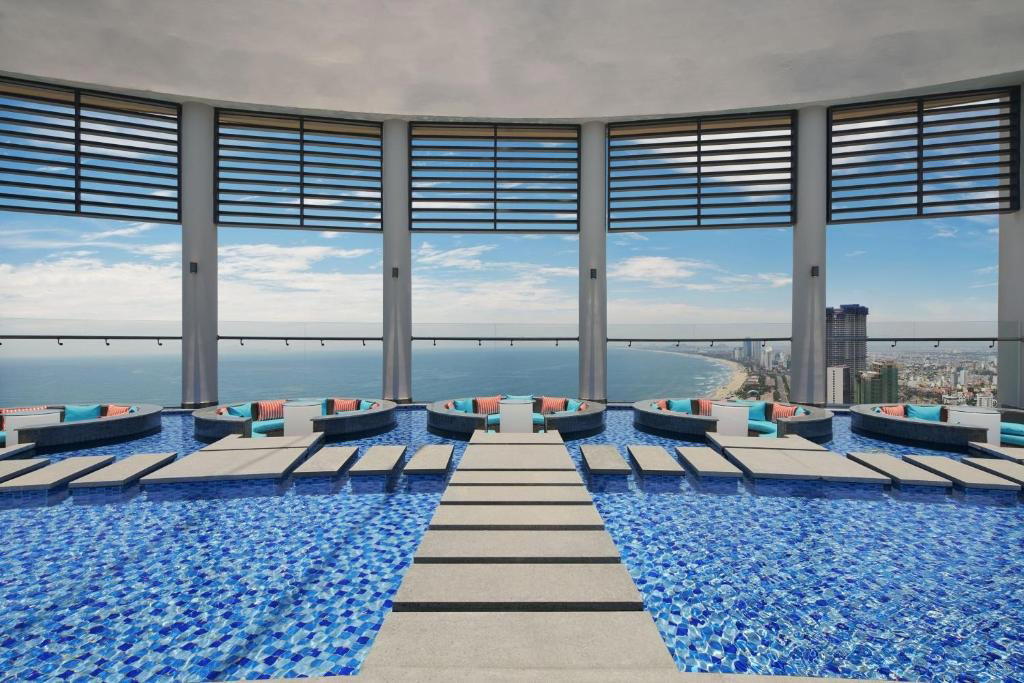
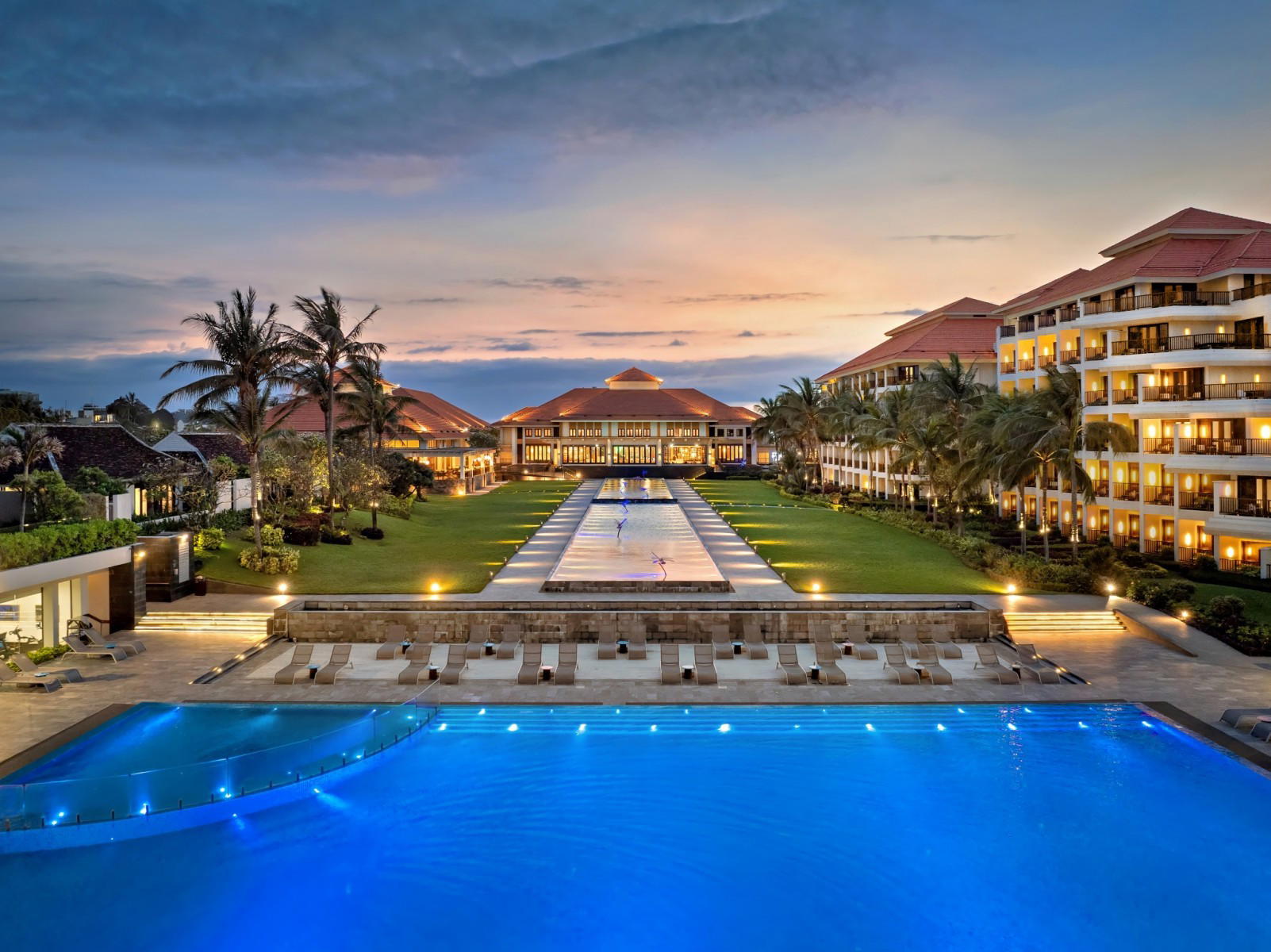
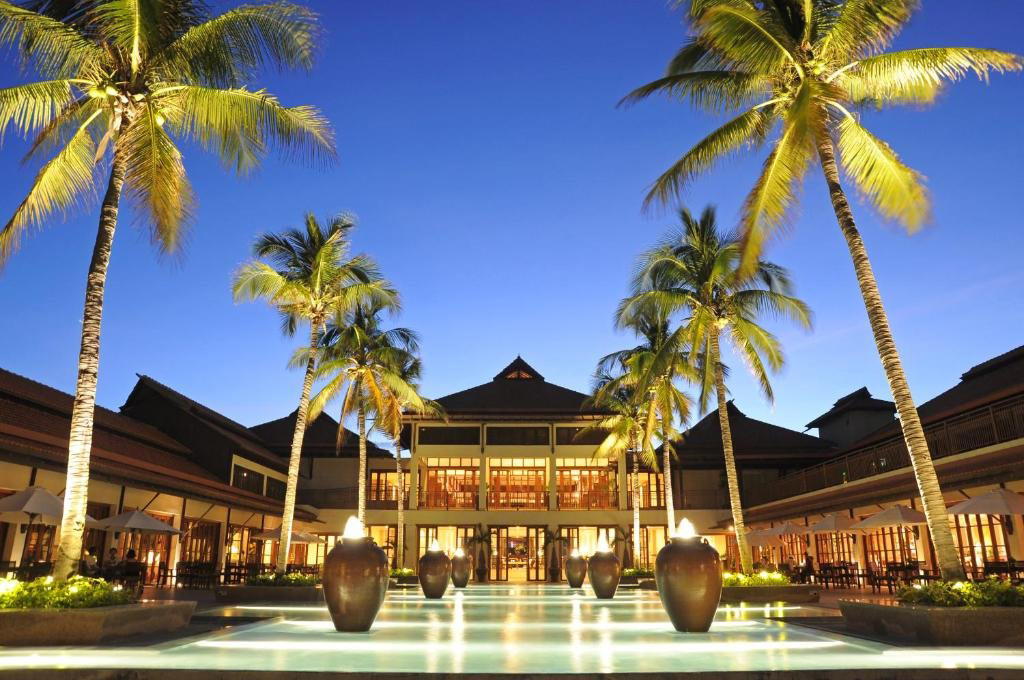
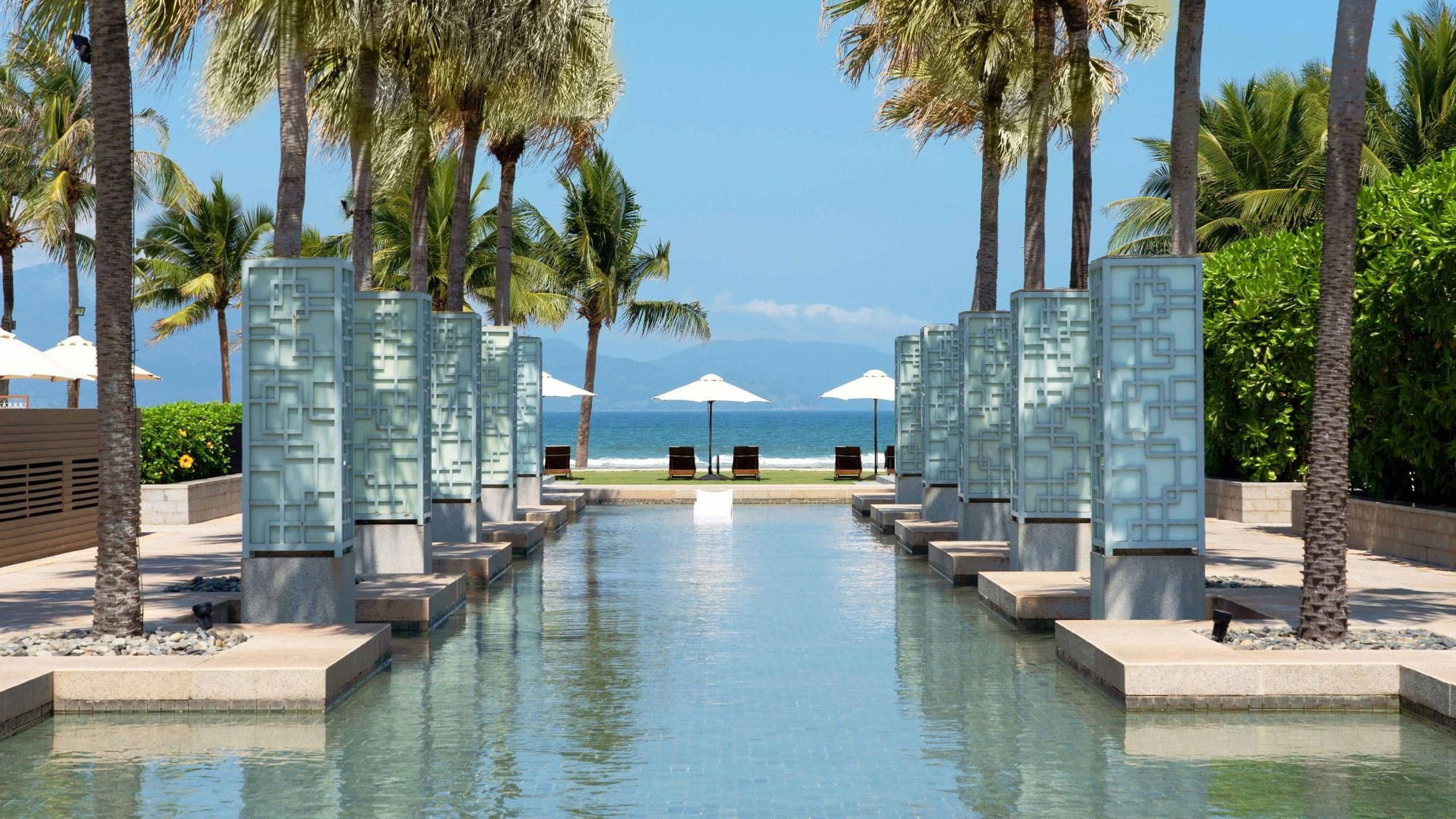
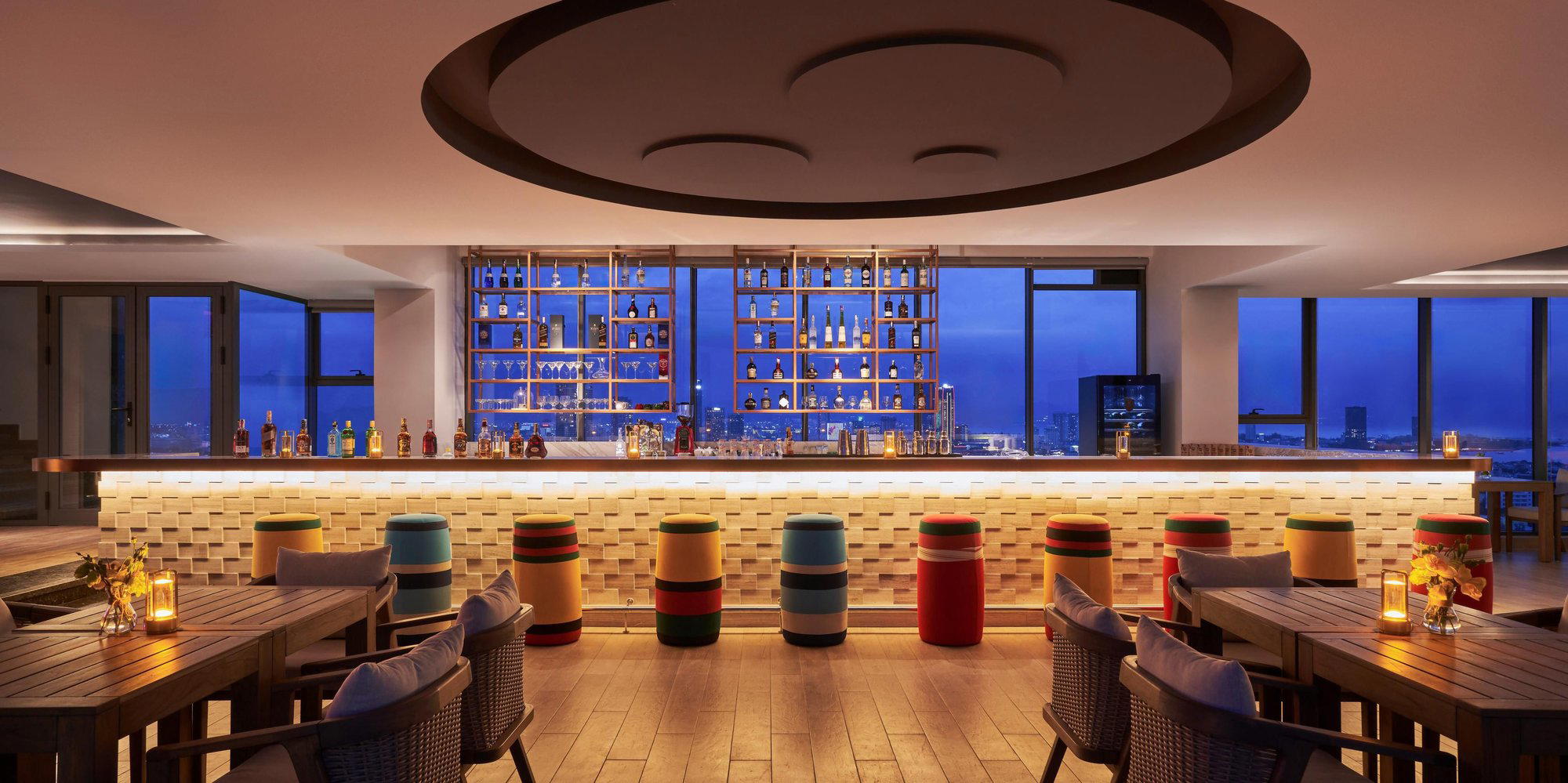
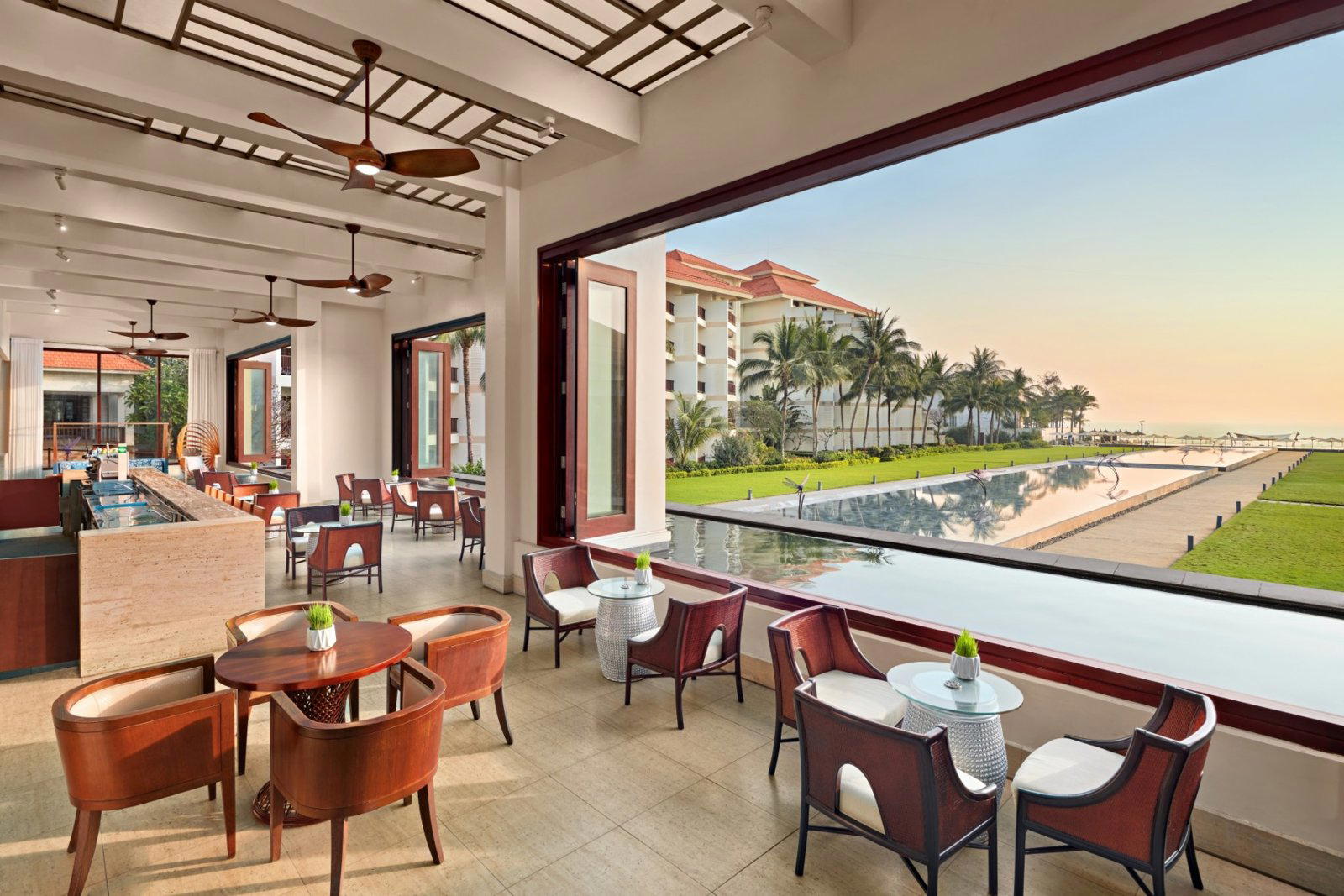
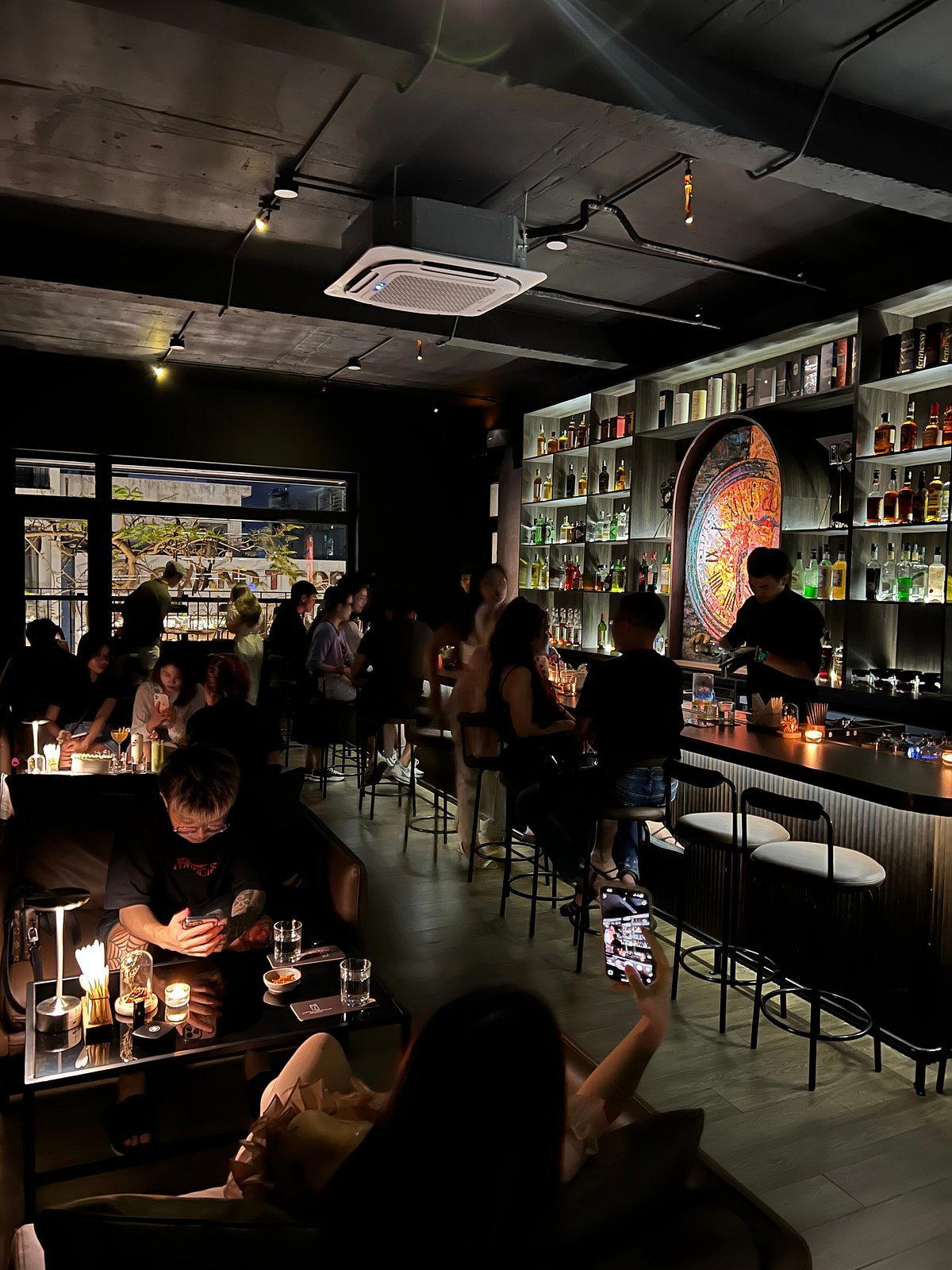
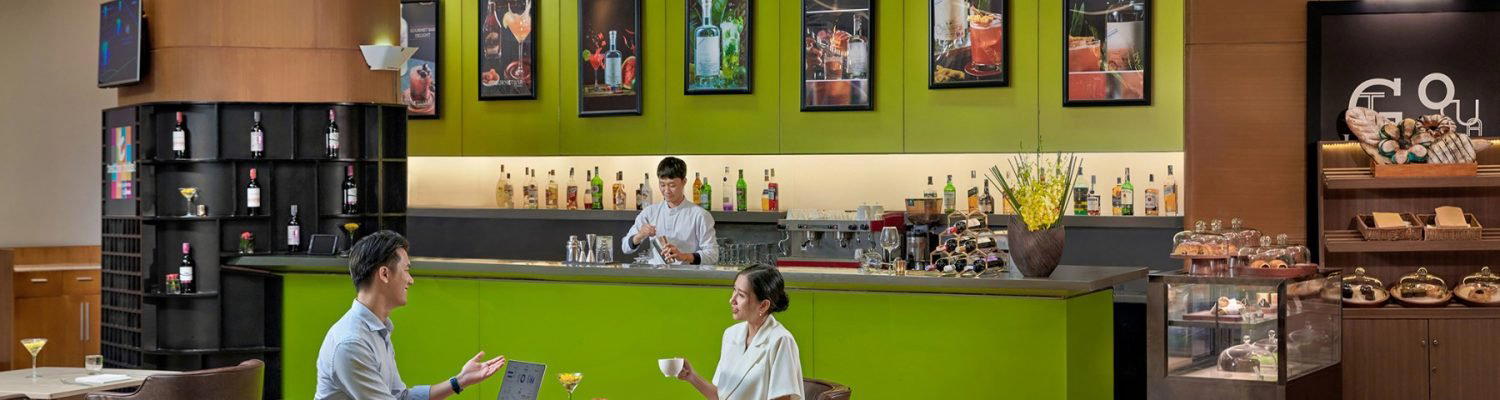
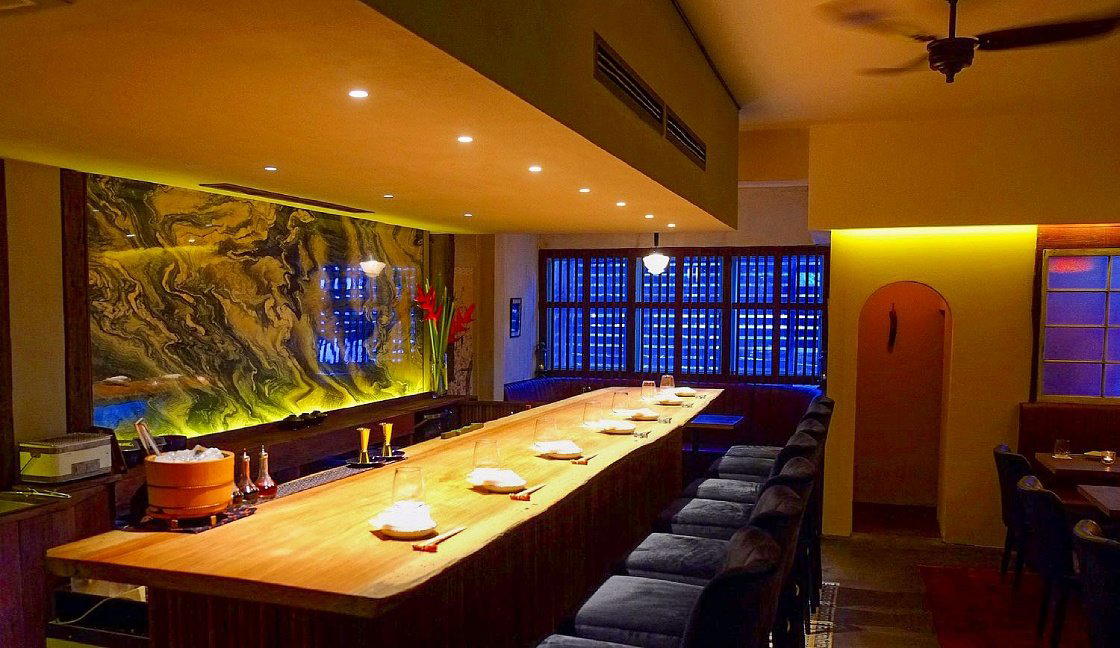
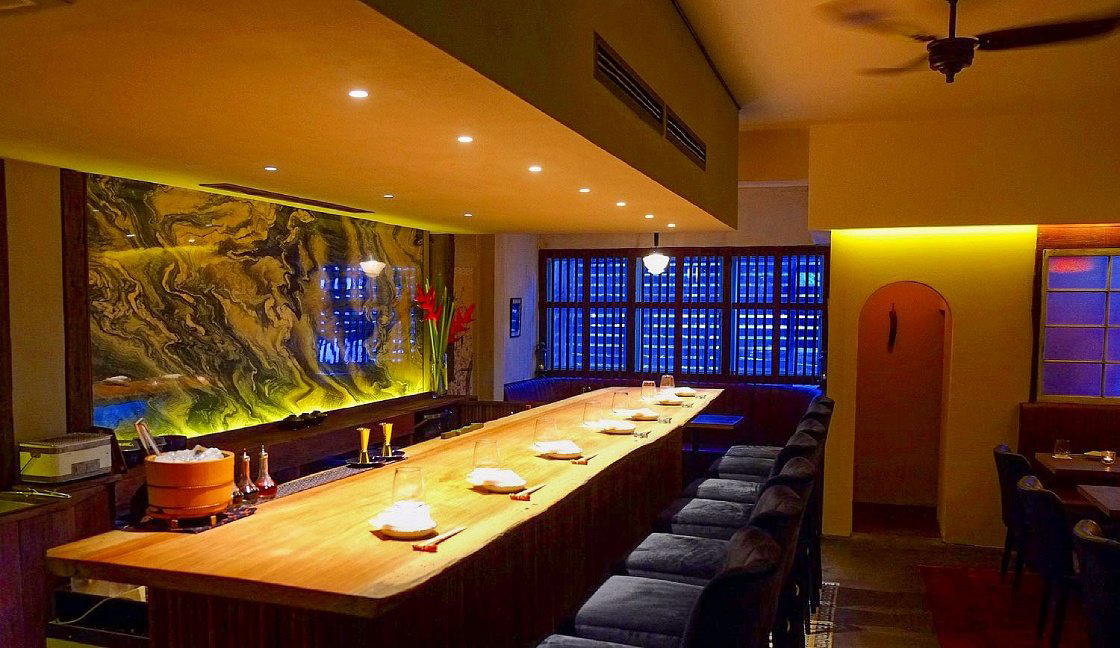
Upscale but relaxed resort-style atmosphere with modern, warmly lit interiors, a large pool terrace overlooking the beach, and a calm, family-friendly vibe suited to both leisure and business guests.