Fouquet’s Miami

Star Wine List
Fouquet's Miami brings the storied French brasserie name to South Florida, earning Star Wine List recognition in 2026 for a wine program that positions it above the casual end of Miami's dining spectrum. The address sits within a city where European hospitality heritage increasingly competes with local innovation, making its wine credentials a meaningful differentiator in a crowded market.

Pearl is the En Primeur Club membership app — saves, bookings, and concierge access live there. Same editors, same standards.
- Address
- 39 NE 39th St, Miami, FL 33137
- Phone
- (305) 230-4300
- Website
- fouquetsmiami.com
- Directions
- Get directions
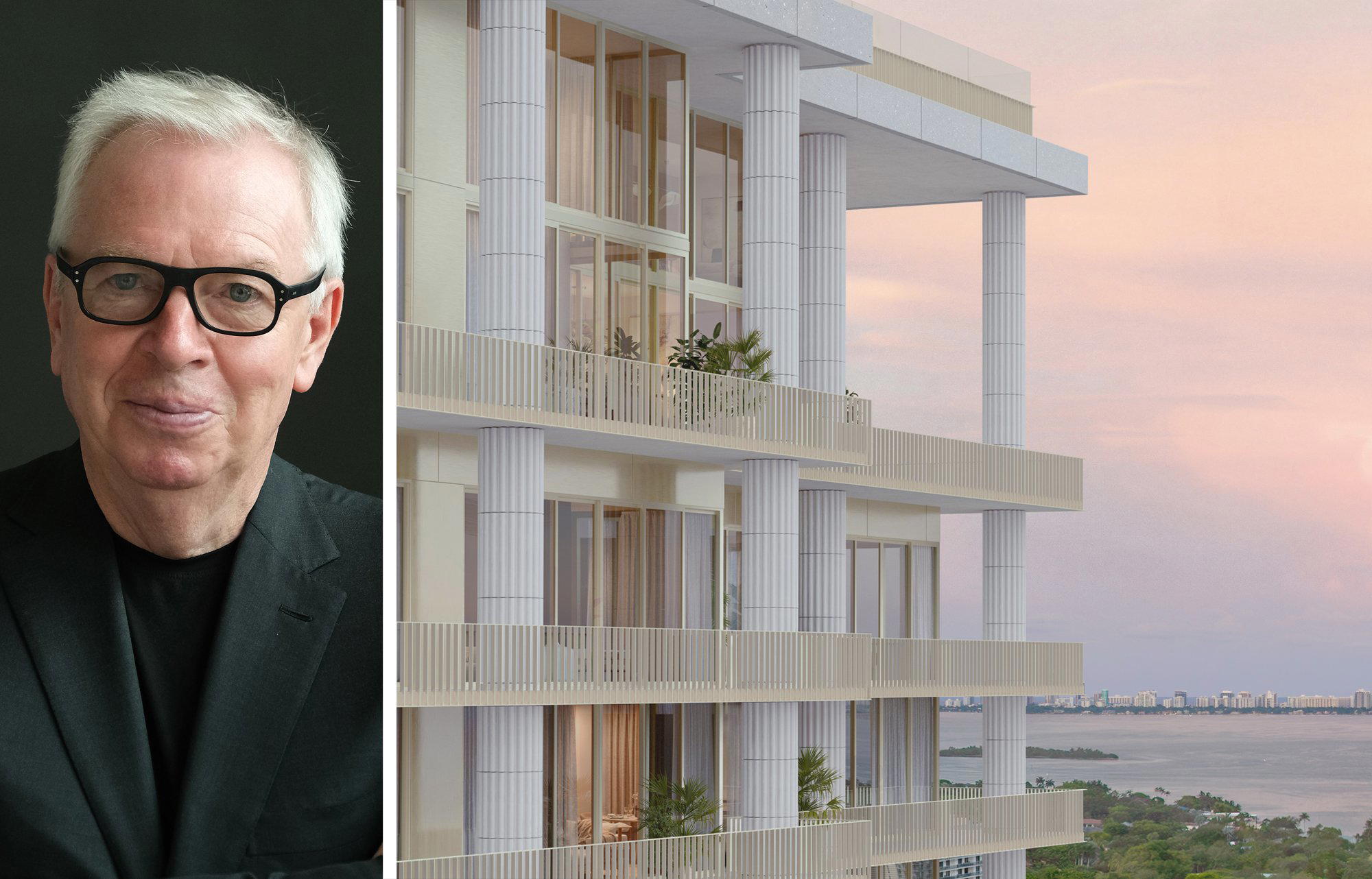
A French Name in a Florida Room
The Fouquet's name carries considerable weight before you even reach the table. The original Paris address on the Champs-Élysées has been a reference point for French brasserie culture since the late nineteenth century, a place where the format — long service hours, a broad menu, a serious wine list — became the template that much of Europe's grand-café tradition borrowed from. When that name travels to Miami, the question the room has to answer is a specific one: does the atmosphere translate, or does it read as a licensed facsimile?
Miami's dining context makes that question sharper than it would be in other American cities. The city's high-end restaurant tier has consolidated around a handful of formats: hotel dining rooms with celebrity-chef attachments, Latin-inflected modern kitchens with strong cocktail programs, and a smaller cohort of European-heritage operations that compete on wine depth and service formality rather than on novelty. Fouquet's Miami positions itself in that European-heritage bracket, and the 2026 Star Wine List award is the clearest external signal of where its ambitions sit.
What the Wine Recognition Actually Signals
Star Wine List does not distribute its recognition casually. The award targets wine programs where selection depth, producer range, and list construction meet a threshold that separates them from restaurants where wine is an afterthought to food. Receiving that recognition in 2026 places Fouquet's Miami in a peer group that includes some of the most carefully assembled lists in Florida, and it positions the venue against hotel wine programs rather than against neighbourhood bistros.
In a city where many high-volume restaurants treat wine as a margin exercise, short lists heavy on recognisable labels at steep markups, a Star Wine List distinction suggests a different philosophy. The award implies investment in range and depth, the kind of list where a sommelier has made genuine curatorial decisions rather than simply buying from a distributor's top-sellers sheet. For a venue carrying French heritage branding, the wine credential is also the most credible cultural signal it can offer: wine seriousness is how a French institution proves that it is not simply trading on a name.
Properties in Florida that compete for this kind of recognition include some high-benchmark comparisons. The Four Seasons at The Surf Club in Surfside operates a dining program at a similarly aspirational level, and the wine programs at properties like Faena Hotel Miami Beach and The Setai, Miami Beach set a high bar for what thoughtful hotel-adjacent wine service looks like in South Florida.
Atmosphere and the Sensory Register
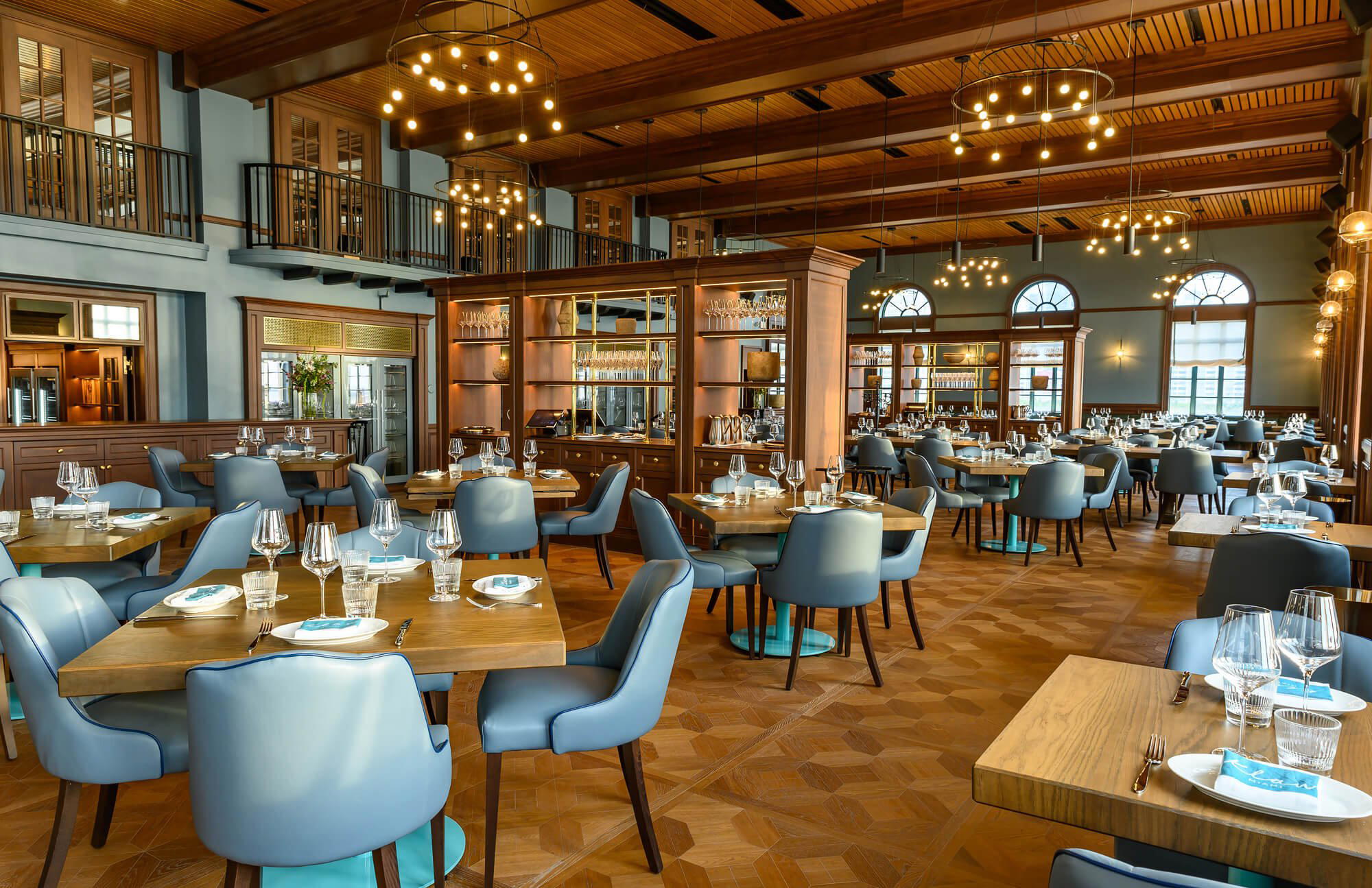
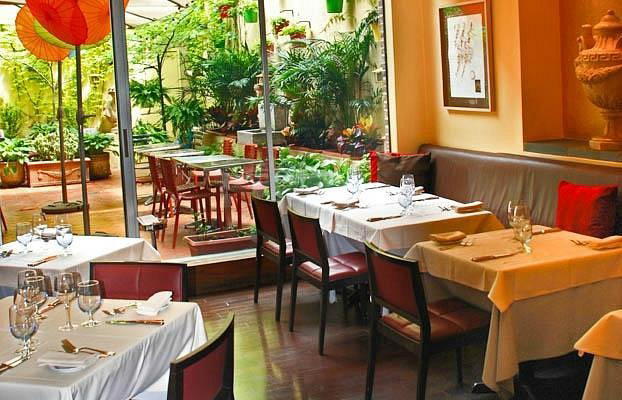
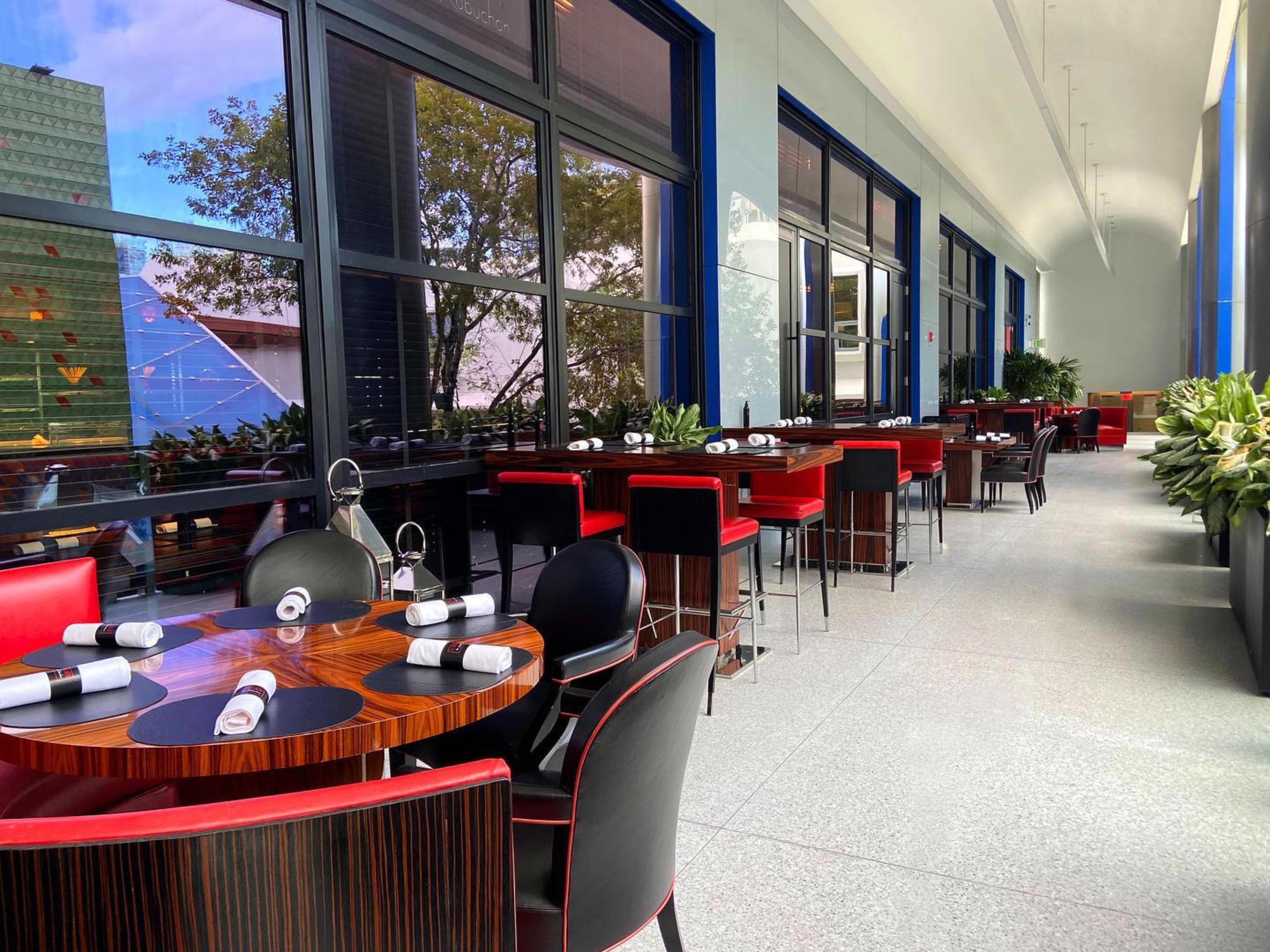
The Fouquet's format, wherever it operates, tends toward a particular sensory register: warm lighting over large dining rooms, the low acoustic backdrop of a well-populated room, service rhythms that feel rehearsed without being mechanical. The French grand brasserie tradition that the brand inherits is one where the physical environment does significant work, where the architecture of the space, its proportion and material warmth, tells you before the menu arrives what kind of evening you are entering.
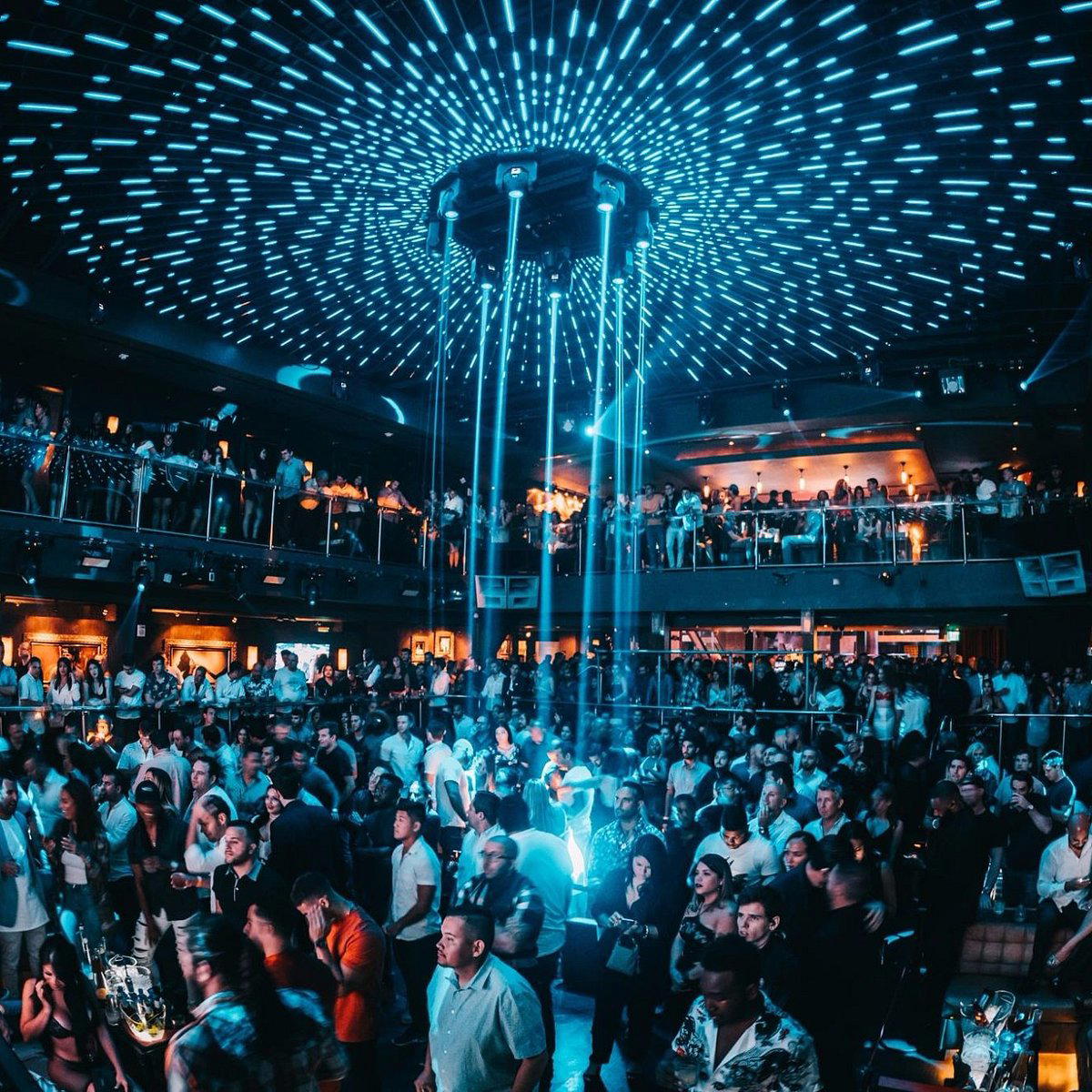
Miami adds its own layer to that equation. The city's light is different from Paris, and its rhythm is faster, more outdoor-oriented, more influenced by Latin American social patterns where meals extend and tables linger. How a European brasserie format absorbs or resists those local pressures is part of what defines its character. The most successful European-heritage dining rooms in Miami are the ones that find a workable accommodation: maintaining service formality and list depth while letting the city's energy inflect the room rather than fighting it.
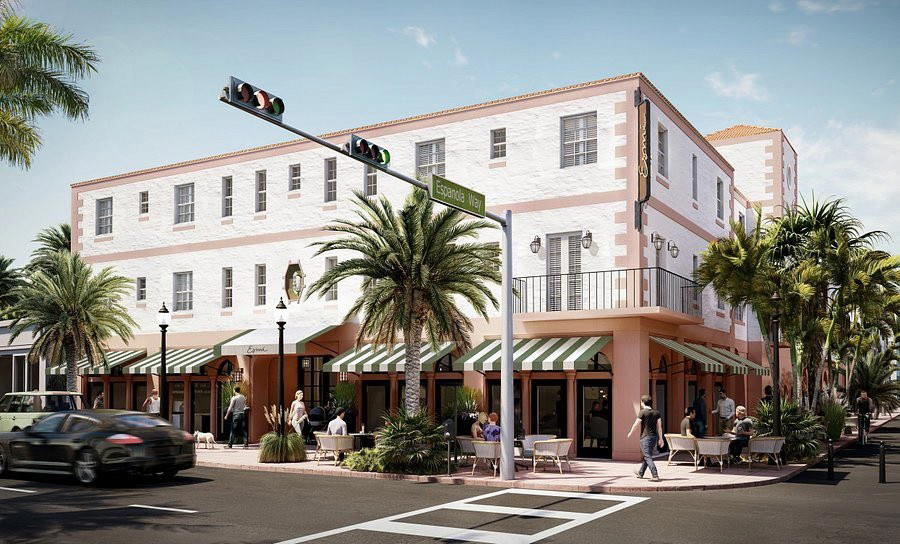
In that sense, Fouquet's Miami operates in similar territory to what design-led properties like Mayfair House Hotel & Garden and Esmé Miami Beach have pursued in hospitality: a European sensibility adapted for a Florida context, rather than transplanted wholesale.
Where It Sits in the Miami Dining Tier
Miami's premium dining tier has become more stratified over the past decade. At the leading sit a small number of tasting-menu rooms and hotel flagship restaurants with international-chef credentials and Michelin-level ambitions. Below them, a broader mid-premium tier contains French, Italian, and Latin-influenced kitchens that compete on consistency, wine depth, and atmosphere rather than on chef celebrity. Fouquet's Miami, with its inherited brand positioning and its wine recognition, reads as a mid-premium to premium-tier operation, serious enough to attract guests who are choosing between it and other wine-forward hotel dining rooms, accessible enough that it is not competing exclusively with tasting-menu formats.
That positioning is a reasonable one for Miami right now. The city's visitor base skews toward guests who want a full evening, good wine, a long meal, a room worth sitting in, rather than a quick-format experience. The brasserie model, with its range-broad menus and service pacing designed for extended dining, suits that demand. It is also a format that travels well with a mixed party: a table of four with different appetites and different wine interests can find their way through a well-constructed brasserie list more easily than through a prescriptive tasting menu.
For visitors planning a broader Miami itinerary, properties like 1 Hotel South Beach, Betsy, Mr. C Miami – Coconut Grove, and Hotel Greystone, Adults Only offer accommodation options across the city's neighbourhoods. Those staying further afield, at properties like Little Palm Island Resort & Spa in Little Torch Key or planning Florida comparisons with Raffles Boston in Boston, will find Fouquet's Miami worth factoring into a visit to the city proper. Our full Miami restaurants guide covers the broader context for dining decisions across the city.
Planning a Visit
Specific booking details, hours, and pricing for Fouquet's Miami are best confirmed directly through current channels, as these can shift with seasonal programming. Given the venue's wine credentials and its position in Miami's premium tier, booking in advance rather than attempting a walk-in is the prudent approach, particularly for weekend evenings when the city's dining rooms fill early. Venues at this level in Miami typically operate with reservation systems that reward planning by several days to a week, though the depth of the list means guests who do secure a table will find the wine side of the evening well worth the effort of advance booking.
Those comparing Miami hotel dining options against other American markets can reference properties like Aman New York in New York City, The Fifth Avenue Hotel in New York City, and Hotel Bel-Air in Los Angeles as useful calibration points for what wine-serious hotel dining looks like at a national level. Fouquet's Miami's 2026 Star Wine List recognition puts it in genuine conversation with that peer group.
Pricing, Compared
Comparable venues nearby, for context on price, style, and recognition.
| Venue | Cuisine | Price | Awards | Notes |
|---|---|---|---|---|
| Fouquet’s MiamiThis venue — the venue you are viewing | Not listed | Not listed | Star Wine List | Not listed |
| Miami Design Residences Designed by Chipperfield | Not listed | Not listed | Star Wine List | Design District, Mixed-use luxury residential and boutique hotel tower with retail integration in a design-forward urban setting. |
| Trump National Doral Miami | Not listed | Not listed | Forbes 4-Star | Miami Free Zone, Villa-style luxury resort with Spanish Revival elegance |
| Trump International Beach Resort Miami | Not listed | Not listed | Star Wine List · Forbes Recommended | Sunny Isles, Contemporary coastal-chic with tropical decor and signature laid-back luxury, combining spacious accommodations with premium amenities. |
| The Biltmore | Ludlum, Historic Mediterranean resort | $300–500 | Star Wine List · Forbes Recommended | Not listed |
| SLS LUX Brickell | Not listed | Not listed | Michelin Selected | Brickell, Contemporary luxury hotel-residences with artistic flair |
Recognition history
Dated appearances from independent guides and award organizations, with the underlying list record or original source where available.
Star Wine List
Star Wine List
Continue exploring
More in Miami
Hotels in Miami
Browse all →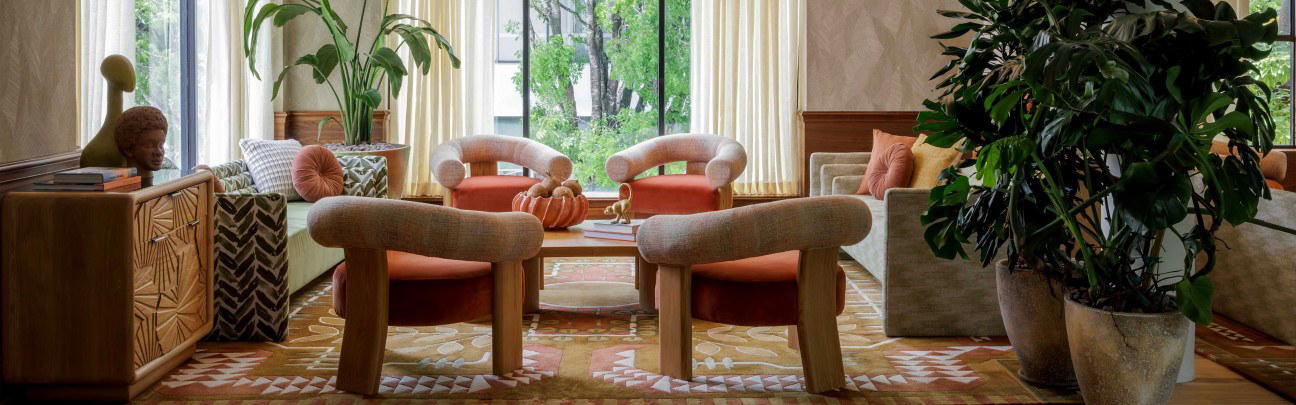
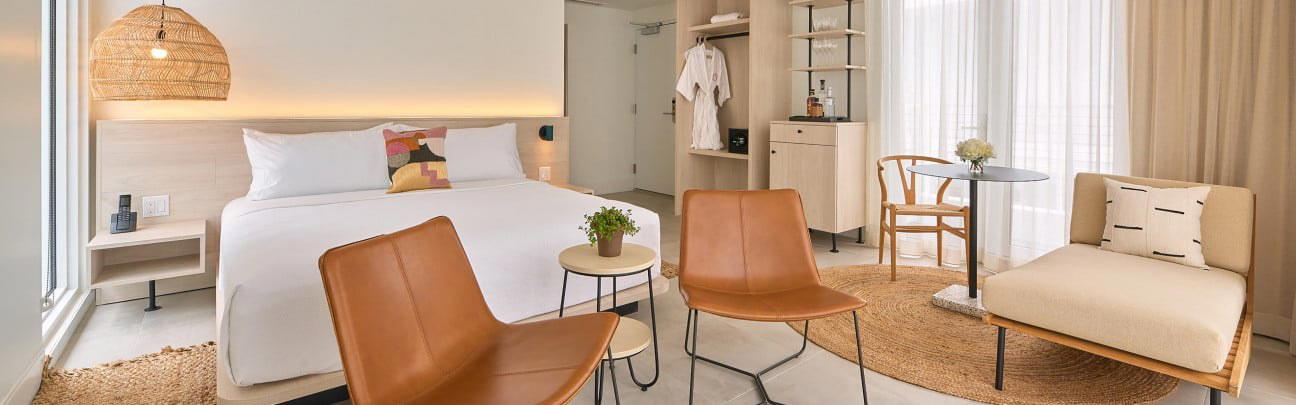
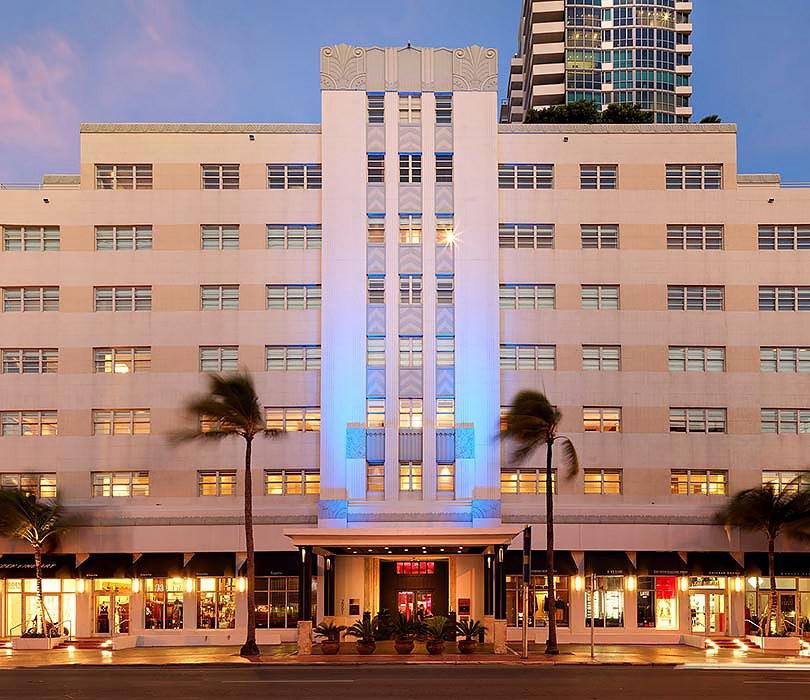
Details
- Elegant
- Sophisticated
- Well Known
- Ornate
- Romantic Getaway
- Business Trip
- Weekend Escape
- Design Destination
- Panoramic View
- Concierge
- Room Service
- Waterfront
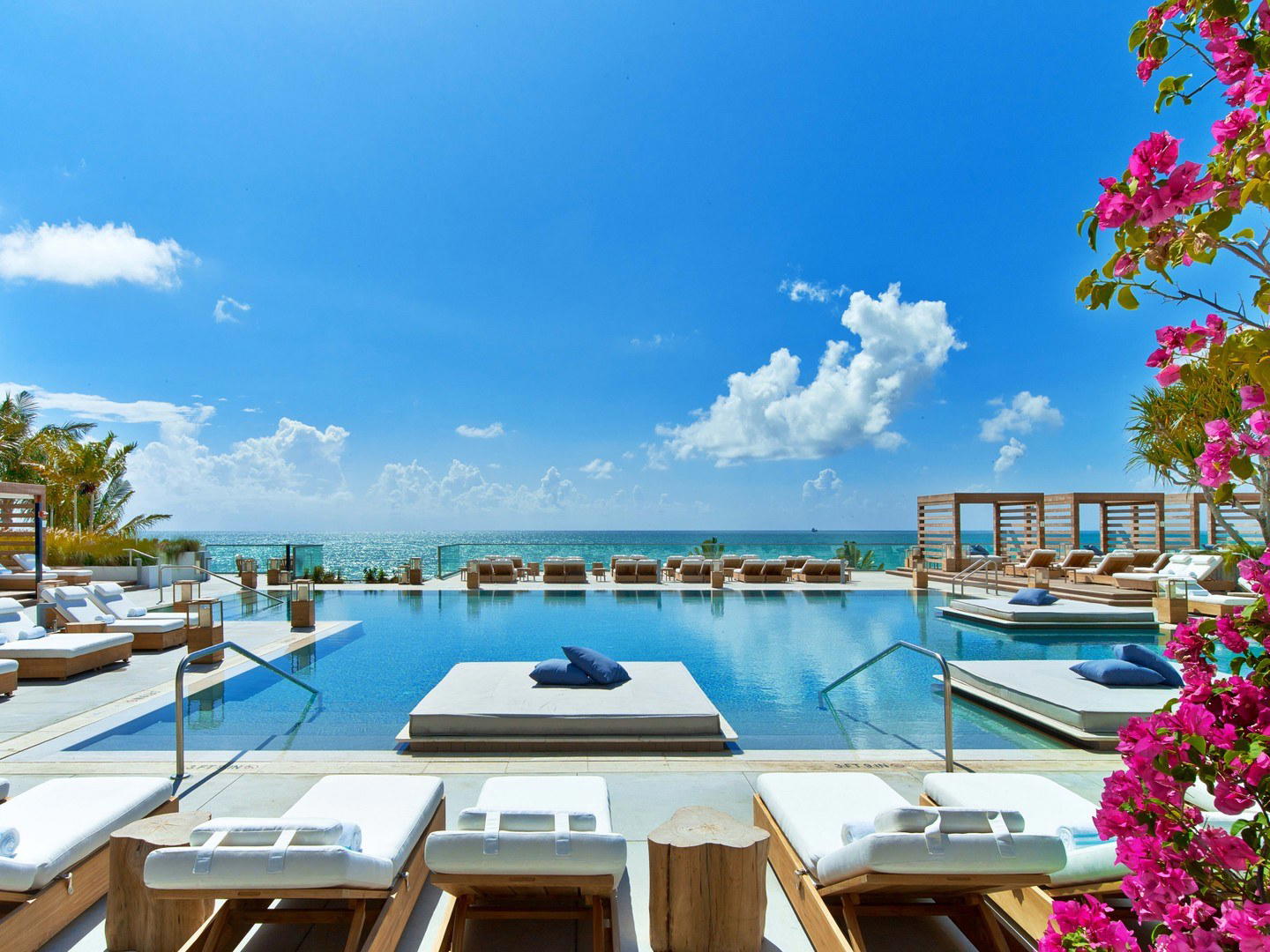
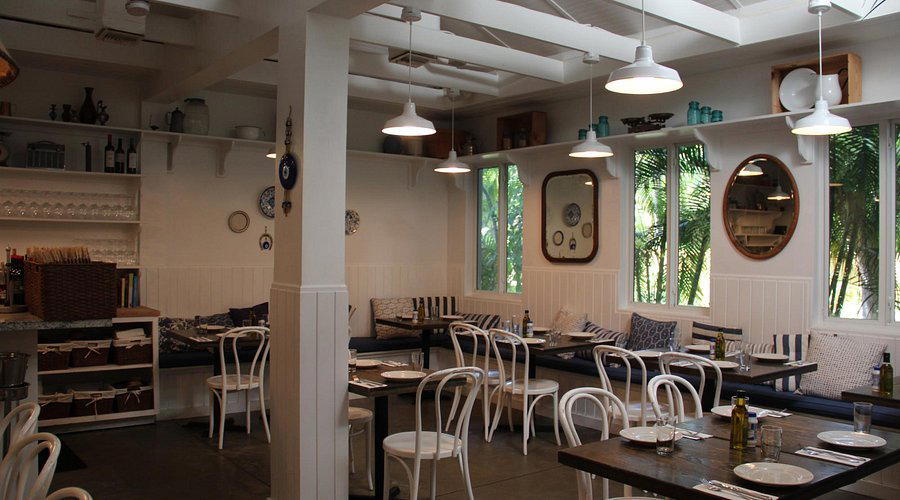
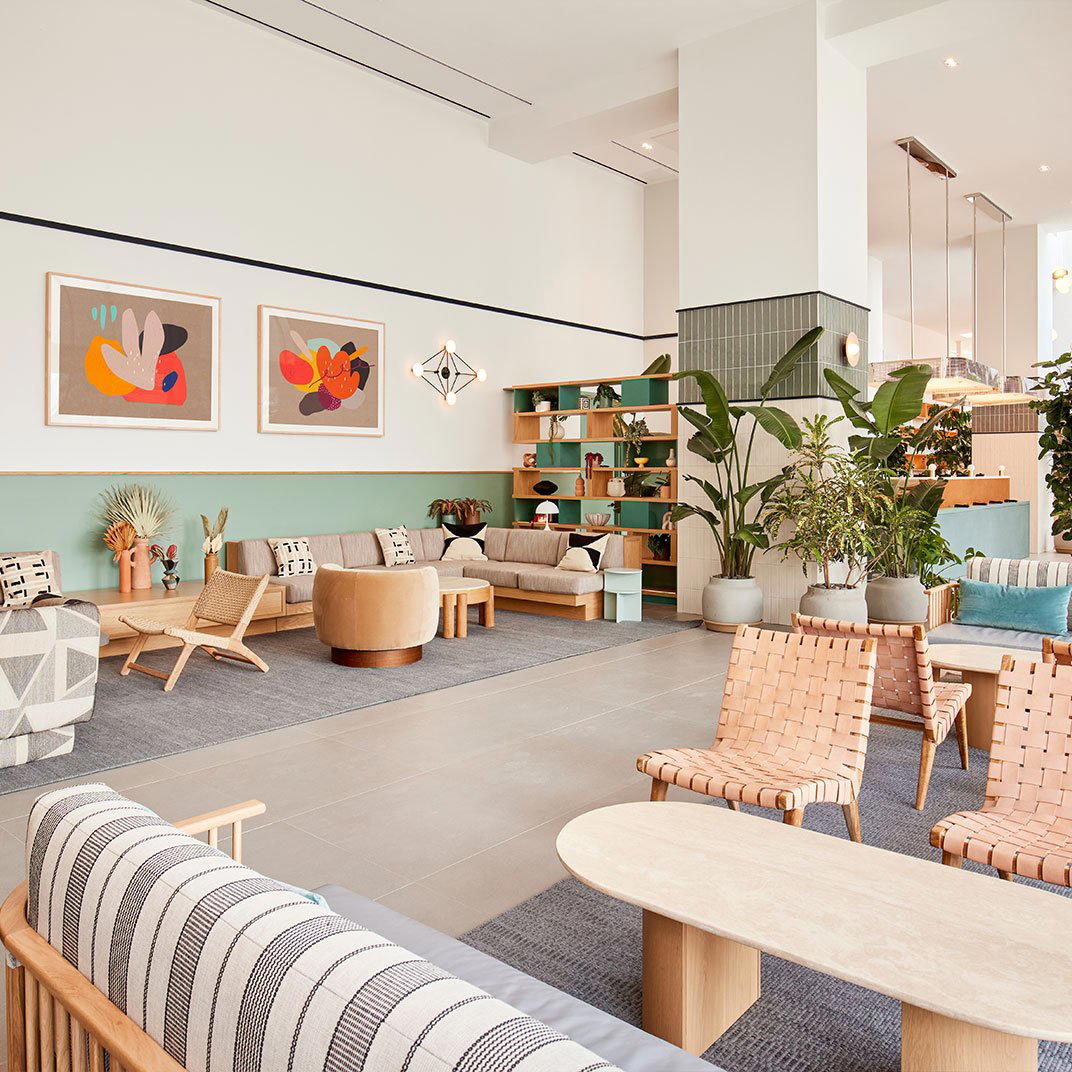
Timeless European elegance fused with modern Miami style, featuring light airy aesthetics, white textured columns, and sweeping waterfront views.