DOUBLE RAFTER CATTLE DRIVES

Top 50 Ranches
The operation sits squarely in a tradition of working ranch immersion that has defined Wyoming's guest ranch category for generations. For travelers who want terrain and livestock over amenity stacking, Double Rafter is the harder, more honest choice.

Pearl is the En Primeur Club membership app, where members save venues, book tables and use the concierge.
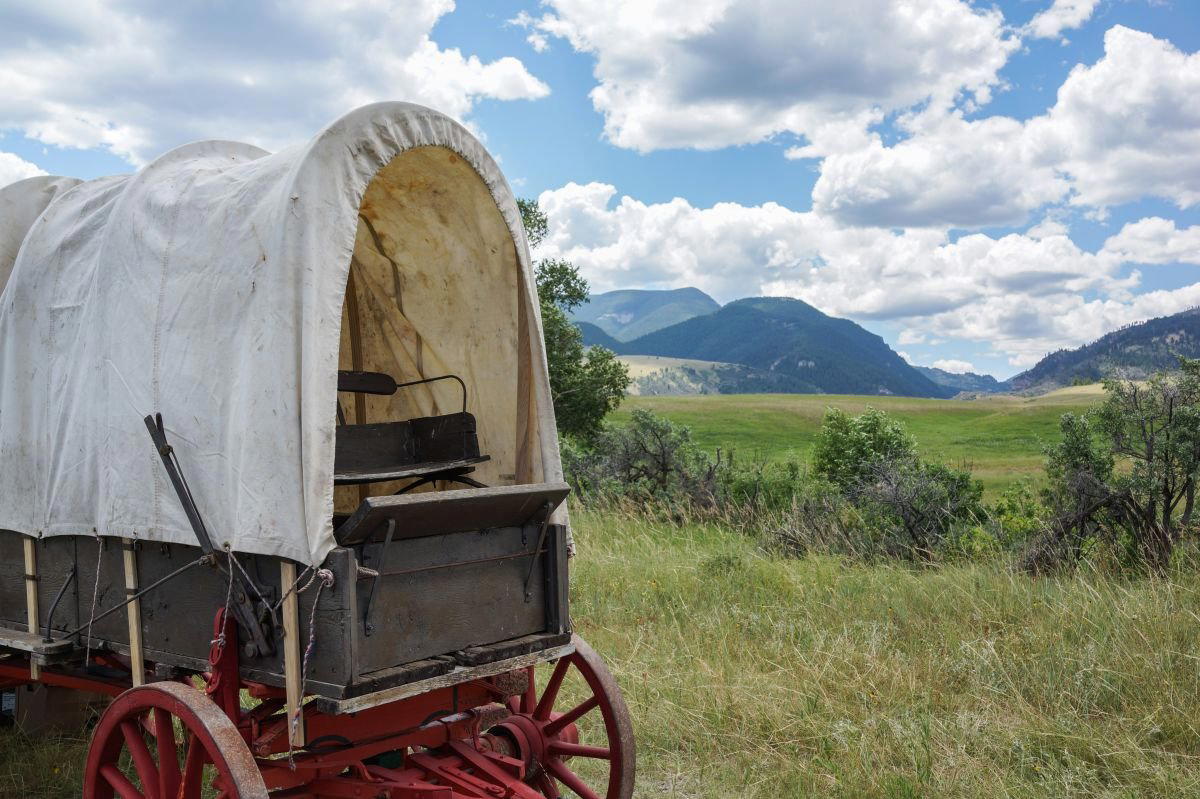
Working ranch properties in the American West divide, broadly, into two categories. The first category has absorbed the guest ranch format into a luxury hospitality framework: ensuite rooms with high-thread-count linens, spa facilities, farm-to-table menus selected by trained chefs, and cattle that appear occasionally as scenery. Properties like Amangani in Jackson Hole, Alpine Falls Ranch in Superior, or Sage Lodge in Pray position themselves in that first tier, where the landscape is backdrop and the room is the product. Double Rafter operates from a different premise entirely: the cattle drive itself is the format, the terrain is the operating environment, and the physical discomfort of a multi-day ride is not an obstacle to be softened but the central experience on offer.
Architecture as Function: What the Ranch Communicates
The working ranch aesthetic is not designed, it accretes. Structures at operations like Double Rafter are built around what the land and the work require: corrals positioned for efficient livestock movement, bunkhouses oriented for wind protection rather than views, tack rooms located adjacent to the barn rather than the main lodge. This is architecture as pure function, and it communicates something that no amount of reclaimed-wood interior design can replicate at a luxury resort. The absence of ornamentation is itself a design statement, one that frames every interaction with the environment as genuinely purposeful rather than staged.
Compare this to the architectural language of premium experiential properties elsewhere in the American West. Amangiri in Canyon Point is built around geological drama, its poured-concrete forms designed to echo canyon walls. Ambiente in Sedona approaches landscape integration through deliberate design philosophy. Both are exercises in intentional architecture. Double Rafter's built environment makes a different argument: that legitimacy in this kind of operation comes from the absence of architectural performance, not its presence. The corrals and outbuildings exist because cattle drives require them, and that functional logic is more legible on the ground than any design concept document.
The Cattle Drive Tradition in Context
Cattle drives in the American West peaked as a commercial practice between roughly 1866 and 1886, when open-range herding gave way to fenced land and rail access changed the economics of livestock transport. What Double Rafter offers is a continuation of the working practices that persisted on operational ranches long after the trail drive era ended: moving cattle between seasonal pastures, managing herd movement across real terrain, working with horses as functional tools rather than recreational accessories. This is a distinct category from the dude ranch format, which emerged in the early twentieth century as a tourism product for eastern visitors who wanted a taste of western life without full immersion in its physical demands.
The northern Wyoming location is relevant to this distinction. Ranchester sits in Sheridan County, which has maintained a working cattle economy for over a century. The Bighorn Basin and the surrounding high plains represent some of the most intact ranching geography in the continental United States, which is why properties in this region carry a credibility that similar operations in more developed western states cannot easily replicate. For guests considering the broader category of immersive western experiences, this geographic specificity matters as much as the format itself.
Placing Double Rafter in the Premium Experience Tier
The premium experiential travel market has split between high-production-value curated formats and lower-capacity specialist operations where authenticity of practice is the primary credential. Blackberry Farm in Walland sits in the curated tier, where culinary programming and room quality anchor the experience. SingleThread Farm Inn in Healdsburg integrates working agricultural practice into a high-design hospitality format. Double Rafter occupies a different position: the working ranch credential is the product, and the absence of hospitality layering is a feature rather than a gap.
For travelers accustomed to the amenity density of properties like Four Seasons at The Surf Club in Surfside, Raffles Boston, or Hotel Bel-Air in Los Angeles, the adjustment required at a working cattle operation is significant and worth stating plainly. The value proposition is not comfort delivered in a scenic setting. It is access to a specific form of physical and practical engagement with ranching work that cannot be replicated in a spa retreat or a curated wilderness lodge. Properties like Canyon Ranch Tucson or Little Palm Island Resort in Little Torch Key deliver immersion of a different kind, wellness-focused, comfort-forward, designed for recovery. Double Rafter delivers immersion of the working kind. Sheridan County Airport handles limited regional traffic; Billings Logan International Airport in Montana, roughly 100 miles north, provides broader connectivity for travelers arriving from major hubs. Cattle drive seasons in northern Wyoming align with ranching calendars rather than tourism calendars, which means late spring through early fall represents the primary operating window, with timing dependent on herd management needs. Guests planning around this operation should verify current availability and seasonal scheduling directly, as working ranch schedules respond to livestock and weather conditions rather than fixed booking windows. Booking intelligence for comparable immersive western properties suggests that genuine working ranch experiences at this level operate with limited group sizes by necessity, cattle drives are logistically constrained operations, not scalable resort formats. For those exploring the broader region's accommodation options before or after a drive, our full Ranchester guide covers the area in more detail.
Quick Comparison
Comparable venues nearby, for context on price, style, and recognition.
| Venue | Cuisine | Price | Awards | Notes |
|---|---|---|---|---|
| DOUBLE RAFTER CATTLE DRIVESThis venue (the venue you are viewing) | working cattle ranch with tent camping | $750–1,000 | Top 50 Ranches | Not listed |
| LAZY L&B RANCH | rustic dude ranch with historic lodge and comfortable cabins | $2,500+ | Top 50 Ranches | Dubois |
| Brush Creek Ranch | luxury historic guest ranch collection | $1,000–1,500 | Michelin Selected · La Liste Top Hotels | Saratoga |
| THE DARWIN RANCH | rustic wilderness guest ranch with modern comforts in historic log cabins | $1,000–1,500 | Top 50 Ranches | Gros Ventre Wilderness |
| Red Rock Ranch | Authentic log cabin dude ranch with western decor and modern comforts. | Not listed | USA Today Best Ranches Best Ranches #17 | Kelly |
| Blackwater Creek Lodge & Guest Ranch | Historic dude ranch with authentic Western heritage. | Not listed | USA Today Best Ranches Best Ranches #2 | Shoshone National Forest |
Recognition history
Dated appearances from independent guides and award organizations, with the underlying list record or original source where available.
Top 50 Ranches
Top 50 Ranches
Continue exploring
More in Ranchester
Hotels in Ranchester
All hotels in Ranchester →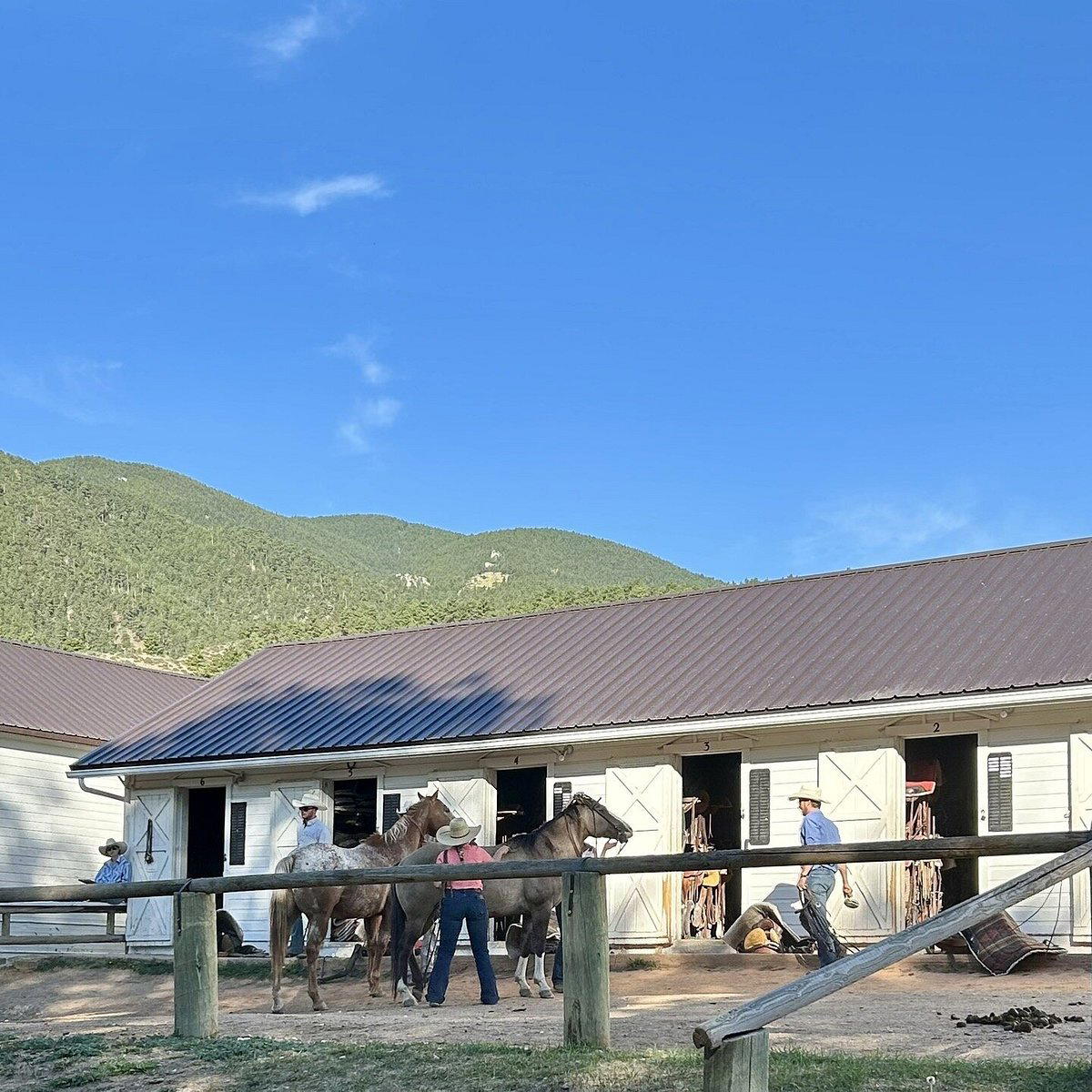
Bars in Ranchester
Browse all →
Details
- Rustic
- Scenic
- Energetic
- Group Retreat
- Weekend Escape
- Panoramic View
- Wi Fi
- Mountain
Rugged outdoor camping atmosphere with campfires, dutch oven meals, and starry nights after long days riding in dramatic wilderness.