THE HIDEOUT LODGE AND GUEST RANCH


USA Today Best Ranches Best Ranches #8 · Top 50 Ranches
A capacity-capped guest ranch in Shell, Wyoming's Big Horn Mountains, The Hideout Lodge and Guest Ranch limits stays to 25 guests weekly and operates as a fully all-inclusive riding and horsemanship program across 650,000 acres of accessible terrain. It belongs to a small tier of American ranch experiences where the guest-to-land ratio is a deliberate design choice, not an accident of scale.

Pearl is the En Primeur Club membership app, where members save venues, book tables and use the concierge.
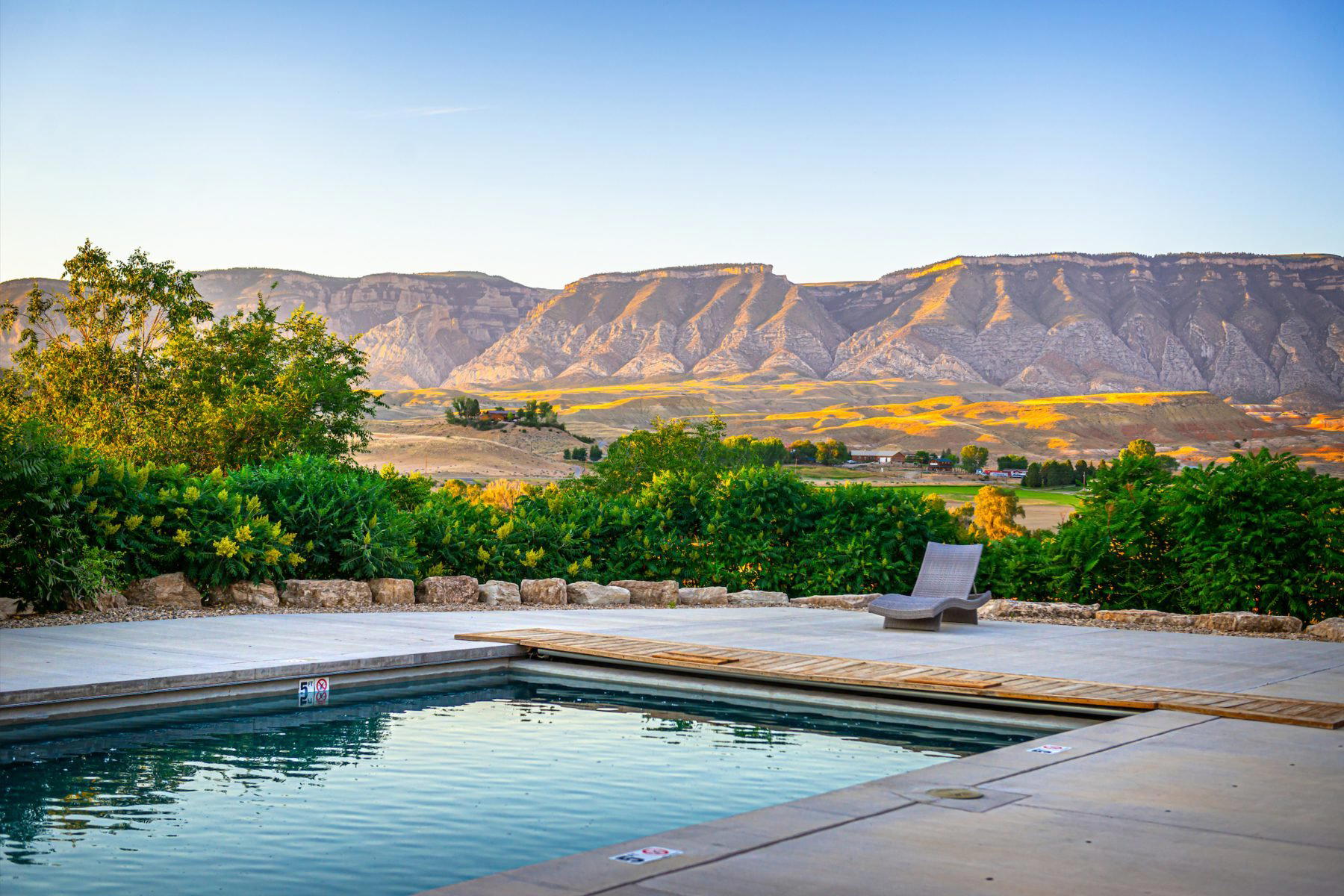
Land, Scale, and the Architecture of Stillness
The American West has produced two distinct categories of guest ranch experience. The first is the dude ranch scaled for throughput: broad dining halls, structured wrangler rotations, and enough guests that the land itself becomes backdrop rather than substance. The second is the capacity-controlled ranch, where the ratio of guests to acreage is treated as a foundational design decision, and where horsemanship is the organizing logic of each week rather than one activity among many. The Hideout Lodge and Guest Ranch in Shell, Wyoming, sits firmly in the second category. With a maximum of 25 guests per weekly stay, it operates on a guest-to-land ratio that most American ranches cannot match: access to 650,000 acres, roughly 26,000 acres per guest at full capacity.
Shell sits in the eastern foothills of the Big Horn Mountains, in a part of Wyoming that receives a fraction of the visitor traffic directed at Jackson Hole or Yellowstone country. That geographical positioning shapes the physical character of the experience before a guest ever mounts a horse. Approaching from the Bighorn Basin, the terrain shifts from high desert scrub into canyon country and then into mountain elevation with a speed that concentrates the sense of arrival. There are no resort corridors here, no valet stands, no lobby designed to signal luxury through Italian marble. The architecture of the place is the land itself, and the lodge structures are in service of that rather than in competition with it.
What 650,000 Acres Actually Means for a Riding Program
Guest ranches in the American West typically define their riding programs by what they offer: trail variety, terrain type, the possibility of cattle work. What fewer ranches can offer is genuine spatial freedom, the sense that each day's route is not a circuit on a familiar trail but movement through territory large enough to feel genuinely open. Access to 650,000 acres creates that condition. Riders are not rotating through a fixed trail network. The program can respond to conditions, to the interests of a particular week's guests, and to the rhythms of the land itself across the season.
The weekly format, rather than nightly booking, is a structural decision with direct consequences for the riding program's coherence. A guest who arrives Monday and departs Sunday builds a relationship with a horse, with wrangler instruction, and with the terrain in ways that a two-night or three-night visitor cannot. The all-inclusive model removes the transactional texture from daily decisions: there is no per-ride fee, no add-on structure, no menu of optional upgrades. The week is the unit, and what happens within it is organized around the group's capacity and the land's offer.
For riders looking to develop horsemanship skills rather than simply log trail miles, this structure matters considerably. Skill-based riding programs require repetition and feedback across multiple sessions, and the weekly format provides the necessary time frame.
The Physical Setting as Design Intent
The Big Horn Mountains occupy a different register than the Tetons or the Wind Rivers in Wyoming's visual hierarchy. They are less photographed, less trafficked, and consequently less filtered through the expectations that famous landscapes generate. The landscape around Shell operates on a more austere frequency: canyon walls, high meadows, sagebrush flats that open into pine and aspen at elevation. For a property whose editorial angle is rooted in horsemanship and land access, this geography functions as architecture. The terrain determines the riding program. The altitude and seasonal conditions shape what is possible in any given week.
The Big Horn Mountains experience genuine four-season cycling, with the prime riding window running through late spring, summer, and early fall. Early-season weeks, typically from late May onward, carry the particular quality of post-winter landscape: snowmelt streams, green at higher elevations, and guest rosters that have not yet reached peak-season density. Late summer and early fall bring drier conditions and often the leading sustained riding weather before the high country closes down. Guests planning around season rather than just availability will find the temporal choice is part of the experience's character.
Non-Riding Time and the Rhythm of an All-Inclusive Week
A guest ranch organized around horsemanship still needs to account for the hours when guests are not on horseback. The all-inclusive structure at The Hideout extends to the broader experience of the week, not solely the riding program. The Big Horn Mountain setting provides a specific kind of non-activity that is itself a draw for a segment of the premium American travel market: quiet that reads as restorative rather than empty, and landscape that rewards observation. Properties in this tier, from Amangiri in Canyon Point to Post Ranch Inn in Big Sur, have built significant reputations on the power of landscape as an amenity in itself. The Hideout operates on a related premise, though delivered through a working-ranch format rather than a design-hotel one.
This contrasts with the resort model common to properties like Canyon Ranch Tucson or Bernardus Lodge and Spa in Carmel Valley, where structured programming across wellness, dining, and activity operates in parallel with the primary offering. At The Hideout, the week's structure is simpler and more concentrated. That simplicity is a feature for guests seeking immersion rather than variety.
Planning a Stay
The weekly format means booking windows are finite: a fixed number of 25-guest weeks across the operating season, rather than a rolling nightly availability. For premium all-inclusive ranch programs of this type, demand from repeat guests and word-of-mouth referrals tends to compress available weeks early in the year. Planning six to twelve months ahead is consistent with the booking patterns of comparable capacity-controlled ranch experiences. The Shell, Wyoming location is most efficiently reached via Billings, Montana (to the north) or Cody, Wyoming (to the west), both of which have regional airport service with connections to major hubs. The drive from either point takes guests through terrain that functions as its own form of arrival sequence. For more on the broader Shell area, see our full Shell restaurants guide.
For travelers who weight the American ranch category against other immersive luxury lodge formats, relevant comparisons include Blackberry Farm in Walland for its all-inclusive farm-estate model, Troutbeck in Amenia for its capacity-controlled country-house approach, and Amangani in Jackson Hole for Wyoming luxury with a different emphasis. Each operates on a different logic. The Hideout's distinguishing proposition remains the combination of horsemanship depth, genuine capacity discipline, and the specific spatial character of 650,000 acres in the Big Horn Mountains.
Side-by-Side Snapshot
Comparable venues nearby, for context on price, style, and recognition.
| Venue | Cuisine | Price | Awards | Notes |
|---|---|---|---|---|
| THE HIDEOUT LODGE AND GUEST RANCHThis venue (the venue you are viewing) | Luxury guest ranch with beautifully appointed cabins | Not listed | USA Today Best Ranches Best Ranches #8 · Top 50 Ranches | Not listed |
| The Sylvan Lodge | Refined luxury retreat blending elegance with Jackson Hole's authentic spirit | $500–750 | Travel + Leisure It List Hotels | Hoback |
| Hotel Terra | Modern alpine luxury resort blending contemporary style with rustic mountain charm | $500–750 | Michelin Selected | Teton Village |
| Hotel Yellowstone at Jackson Hole | Luxury boutique retreat perched atop East Gros Ventre Butte blending opulence with natural serenity. | Not listed | Virtuoso Luxury Hotel Partner · World Travel Awards | East Gros Ventre Butte |
| The Brush Creek Luxury Ranch Collection | Restored 19th-century log cabin architecture with modern luxury amenities; authentic Western heritage meets contemporary comfort. | $1,000–1,500 | Michelin Selected · La Liste Top Hotels | Saratoga |
| Eatons' Ranch | Historic dude ranch with simple western cabins. | $200–300 | USA Today Best Ranches Best Ranches #5 | Bighorn Mountains |
Recognition history
Dated appearances from independent guides and award organizations, with the underlying list record or original source where available.
Top 50 Ranches
Top 50 Ranches
USA Today Best Ranches Best Ranches #8
USA Today Best Ranches
Continue exploring
More in Shell
Hotels in Shell
All hotels in Shell →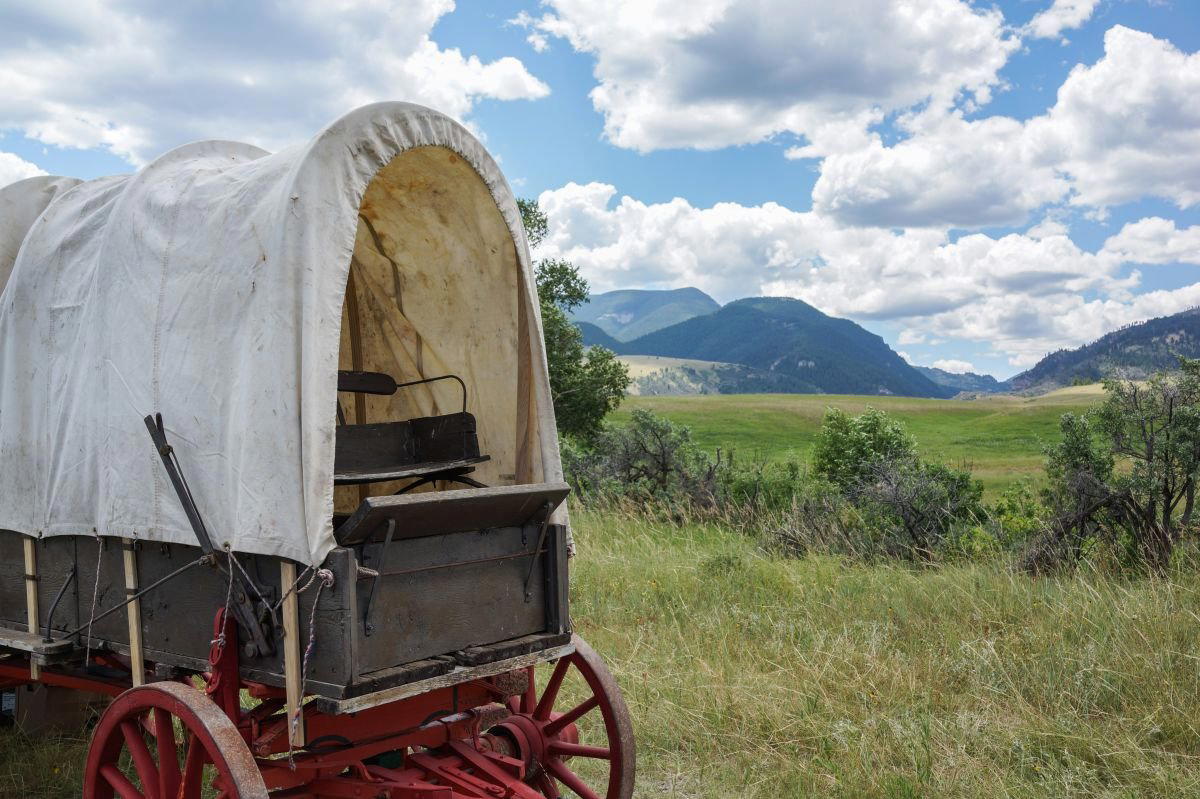
Details
- Rustic
- Scenic
- Cozy
- Quiet
- Family Vacation
- Group Retreat
- Weekend Escape
- Panoramic View
- Hot Tub
- Mountain
Cozy cabins with beautiful mountain views, relaxed family-like atmosphere around meals and fireside gatherings, elegant yet informal dining.