Eatons' Ranch

Eatons' Ranch in Wolf, Wyoming has operated as a working cattle and guest ranch for five generations, spanning 7,000 acres at the foot of the Bighorn Mountains. The all-inclusive format keeps the experience self-contained: riding, ranch work, and the particular rhythm of high-country Western life, removed from the curated comforts that define most American luxury properties.
Pearl is the En Primeur Club membership app — saves, bookings, and concierge access live there. Same editors, same standards.
- Address
- 270 Eaton Ranch Rd, Wolf, WY 82844
- Phone
- +1 307-655-9285
- Website
- eatonsranch.com
- Directions
- Get directions
 Saves & bookings on Pearl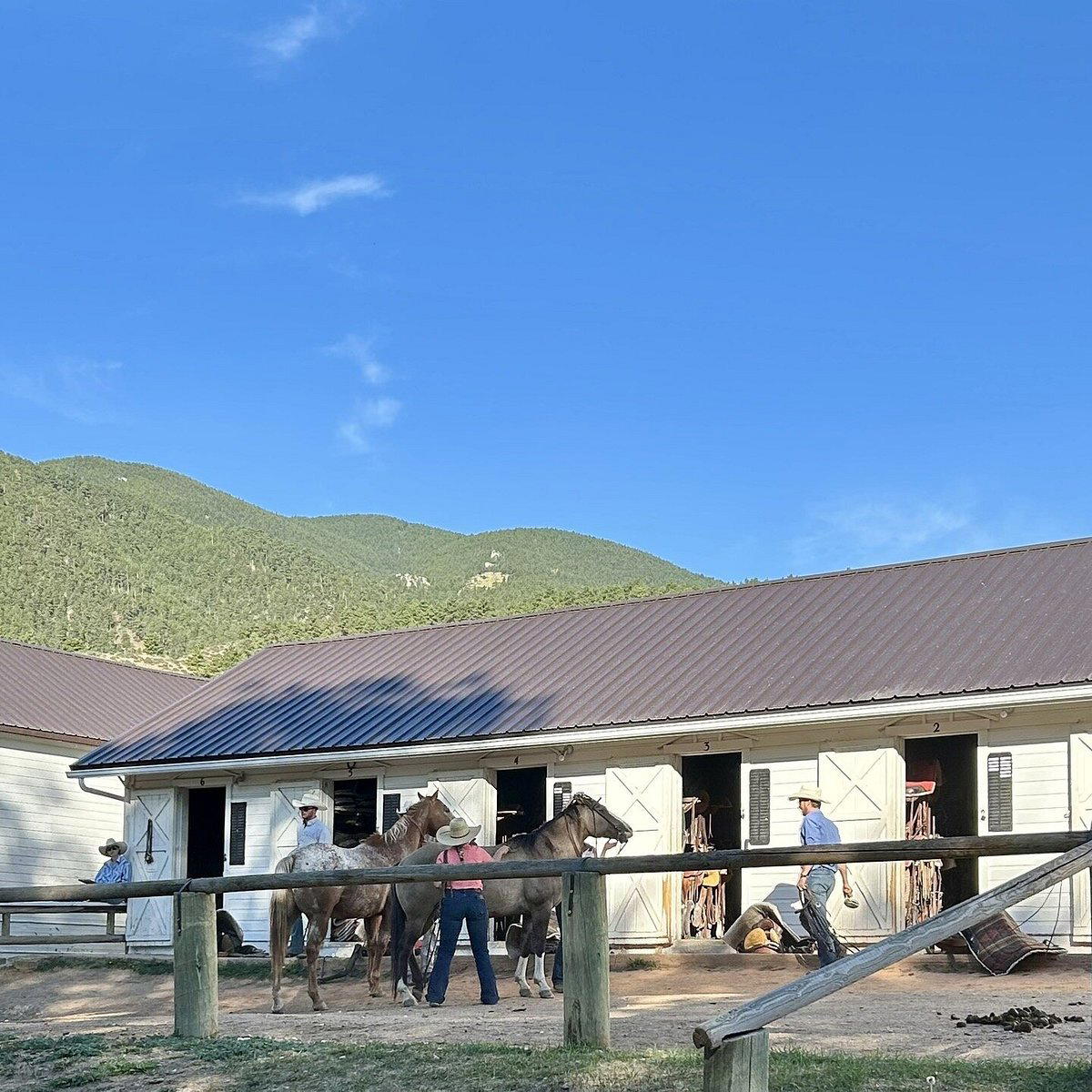
Where the Ranch Is the Architecture
Drive north from Sheridan toward Wolf and the Bighorn Mountains assert themselves before the town does. The range climbs sharply from the basin floor, and Eatons' Ranch sits at that transition point — 7,000 acres where the shortgrass prairie gives way to ponderosa and lodgepole pine. The built environment here is not the point. The point is the land itself, and how more than a century of ranch infrastructure has organized itself around it.
That infrastructure tells its own architectural story. The cabins, corrals, and common buildings at Eatons' are not the product of a single design moment or a resort developer's brief. They accumulated across five generations of family ownership, and the result is a compound that reads as functional rather than decorative — each structure placed in relation to how the ranch actually operates, not how a guest experience should photograph. For travelers accustomed to properties like Amangiri in Canyon Point, where architecture is the primary editorial statement, or Amangani in Jackson Hole, where glass and stone frame the Tetons with deliberate precision, Eatons' offers a different register entirely: buildings that predate the concept of the designed Western retreat.
The All-Inclusive Ranch Format in American History
Eatons' is commonly cited as the oldest dude ranch in the United States, a claim that places it at the origin of a distinctly American hospitality format. The dude ranch emerged in the late nineteenth century as a way for working cattle operations to supplement income by hosting paying guests from Eastern cities. The arrangement was practical on both sides: ranchers offset the volatility of cattle markets, guests got access to working land on a scale impossible to replicate elsewhere.
What distinguishes that original format from the wellness retreat or the glamping resort, both of which have claimed the Western setting in recent decades, is the centrality of actual ranch work. At properties operating in this tradition, the horses are not decorative. The riding is tied to the land's topography and the season's demands. That distinction matters when comparing Eatons' to, say, Canyon Ranch Tucson, which uses the Southwest setting as backdrop for a wellness program, or Sage Lodge in Pray, Montana, which is an architecturally considered fishing and outdoor lodge rather than a cattle operation. Eatons' belongs to the smaller, older category: the ranch that was a ranch before it was a guest destination.
Seven Thousand Acres and What That Means Logistically
Scale is the operative fact at Eatons'. Seven thousand acres in the Bighorns means riding terrain that varies from open meadow to timbered ridgeline, with elevation changes that alter the experience meaningfully depending on when in the season you visit. The all-inclusive structure means that once guests arrive, the ranch contains the stay: accommodation, meals, riding, and the broader rhythms of ranch life are part of a single package rather than a menu of add-ons.
This format sits in contrast to the itemized luxury model that defines most premium American properties. At Post Ranch Inn in Big Sur or Bernardus Lodge in Carmel Valley, the room rate is the entry point and experiences are layered on leading. At Eatons', the all-inclusive structure reflects the ranch's origins: the logic of a working operation hosting guests, not a resort operation simulating one. Booking is seasonal, the ranch operates during the summer months, and the family-across-generations character of the guest list means that repeat visitors are the norm rather than the exception. Families who came as children return with their own children; that continuity is part of what five generations of ownership has built.
The Physical Setting as Design Brief
The editorial angle that applies to most architecturally ambitious Western properties, how the built form responds to landscape, inverts at Eatons'. Here, the landscape preceded any design intention and continues to set the terms. The Bighorn Mountains are not a backdrop selected for photographic effect. They are the reason the ranch exists where it does, and the reason the cattle operation that preceded the guest program was viable at all.
For guests who arrive expecting the design vocabulary of a property like Ambiente in Sedona or the considered material palette of Alpine Falls Ranch in Superior, the adjustment is real. Eatons' cabins are working accommodations in a working context. The value proposition is not the room; it is the access, to 7,000 acres of high-country terrain, to a riding program calibrated to that terrain, and to a form of American Western life that has become genuinely rare as the ranching economy has contracted.
That rarity is worth noting without overstating it. The dude ranch category has not disappeared, but the working cattle ranch that also hosts guests at scale and across multiple generations is a narrow subset of it. Eatons' occupies that subset, and the physical compound reflects it honestly: nothing here was built to impress, and that itself becomes the distinguishing characteristic.
Planning a Stay
Eatons' Ranch operates on an all-inclusive seasonal model, with the guest season running through the summer months. The property is located at 270 Eaton Ranch Road in Wolf, Wyoming, a small community in Sheridan County reached most practically via Sheridan, which has regional airport connections. The all-inclusive format covers accommodation, meals, and the core ranch program, making the upfront booking the primary financial commitment rather than an itemized bill built over the stay.
The family-across-generations guest profile means the ranch skews toward longer stays, a week or more is the conventional format rather than a weekend. Neither is a direct analog to the working ranch format, but both share the logic of a property where the setting does the editorial work.
For context on how the broader American luxury lodging market frames the Western property category, see our full Wolf restaurants and lodging guide. Properties at the other end of the design-versus-history spectrum include The Fifth Avenue Hotel in New York City, Raffles Boston, and Aman New York, all properties where design and institutional pedigree are inseparable from the offering. Eatons' operates on a different axis entirely, one where institutional pedigree is measured in generations of working land rather than architectural commissions.
How Eatons' Ranch Wolf compares with similar nearby venues.
| Venue | Awards |
|---|---|
| Eatons' Ranch | USA Today Best Ranches Best Ranches #5 (2026) |
Recognition history
Dated appearances from independent guides and award organizations, with the underlying list record or original source where available.
USA Today Best Ranches Best Ranches #5
USA Today Best Ranches
Continue exploring
More in Wolf
Hotels in Wolf
Browse all →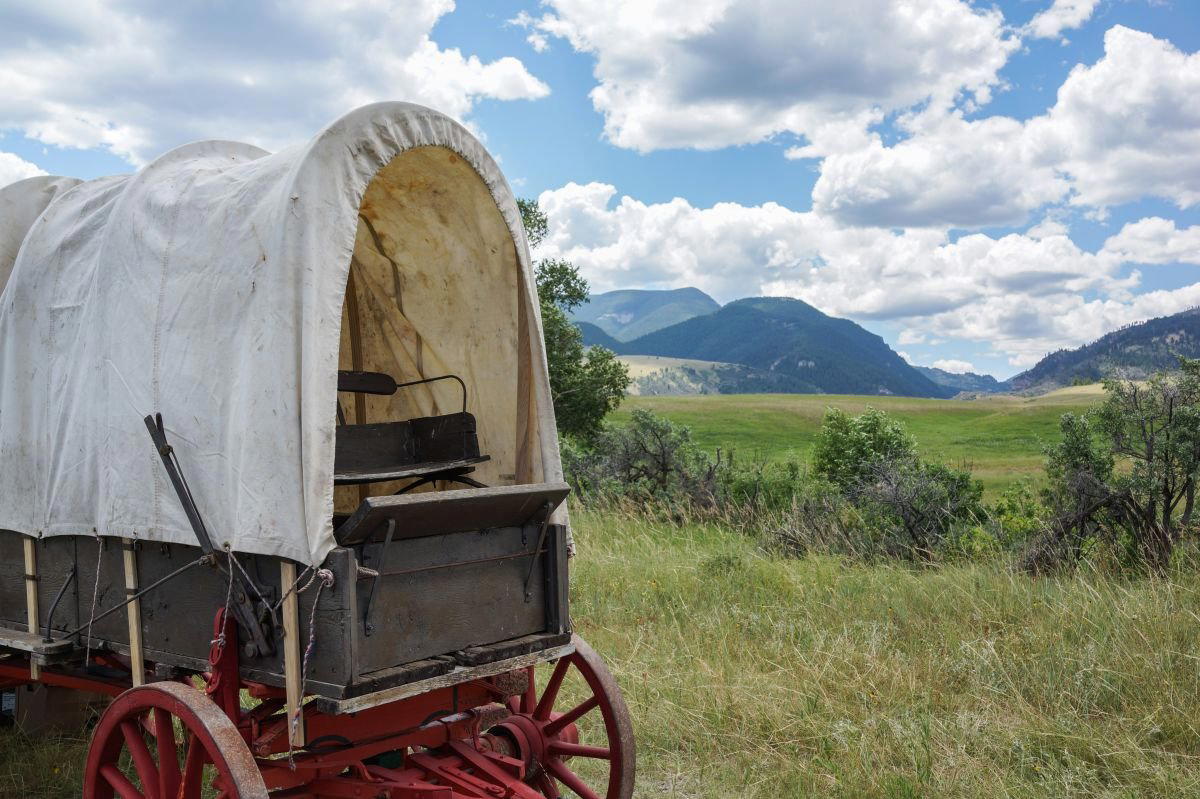
Bars in Wolf
Browse all →
Restaurants in Wolf
Browse all →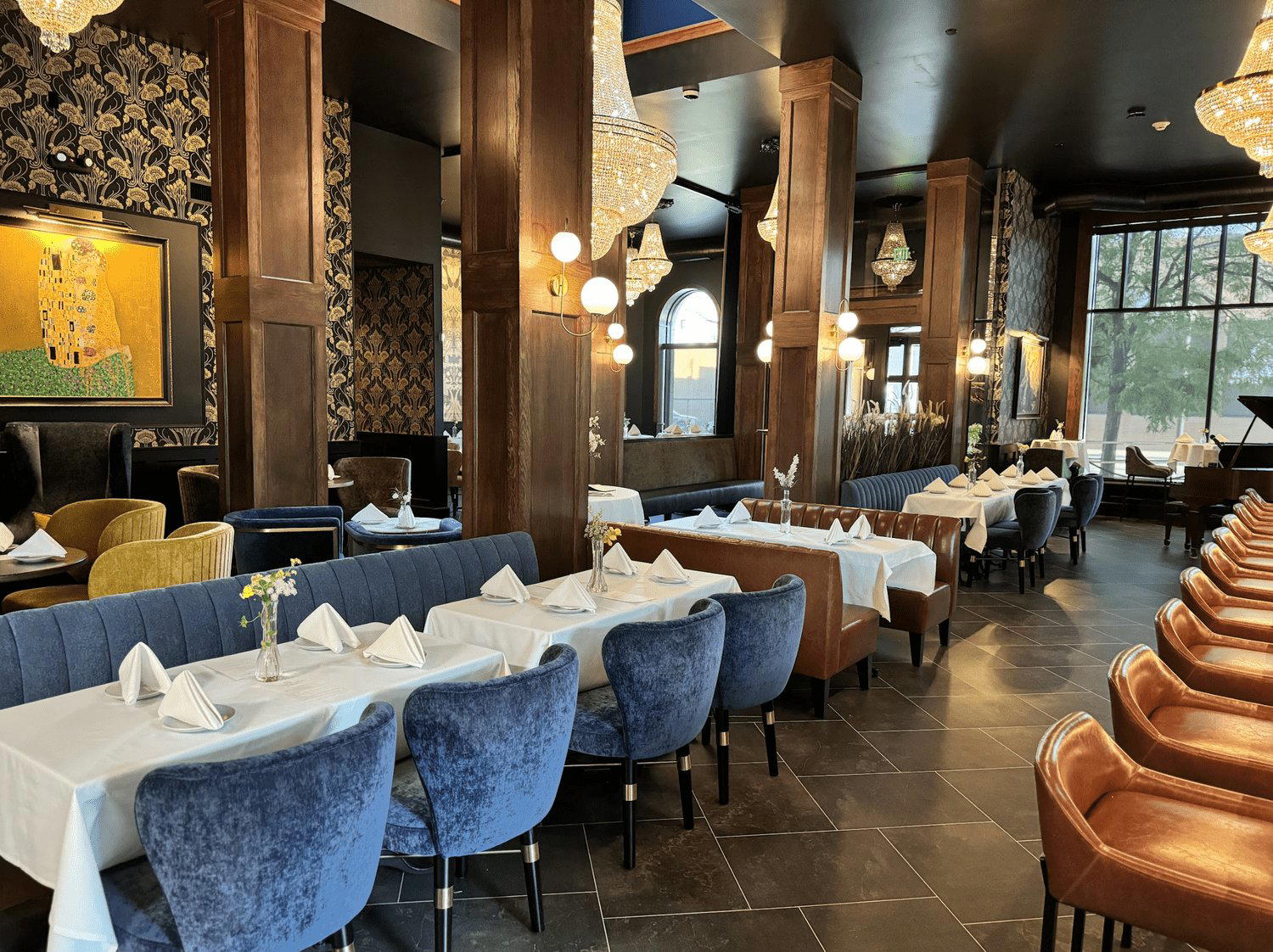
At a Glance
- Rustic
- Scenic
- Cozy
- Classic
- Family Vacation
- Weekend Escape
- Group Retreat
- Historic Building
- Pool
- Wi Fi
- Fitness Center
- Laundry Service
- Mountain
- Pool
- Wi Fi
- Fitness Center
- Laundry Service
Rustic and cozy with a sense of tradition, featuring simple western-style cabins, fireplaces, and a relaxed family-oriented atmosphere.
Know Before You Go
- Getting there
- 270 Eaton Ranch Rd, Wolf, WY 82844