Dingle
Dingle occupies a rare position among Irish coastal towns: a working fishing port that has developed one of the country's most coherent food and hospitality scenes without losing its physical character. Stone-fronted buildings, an Irish-speaking community, and a harbour shaped by Atlantic weather define the place before any restaurant or bar enters the picture. For travellers arriving from Kerry's interior, the town reads as a destination in its own right.
Pearl is the En Primeur Club membership app — saves, bookings, and concierge access live there. Same editors, same standards.
- Address
- Co. Kerry, Ireland
- Website
- go2kerry.de
- Directions
- Get directions
 Saves & bookings on Pearl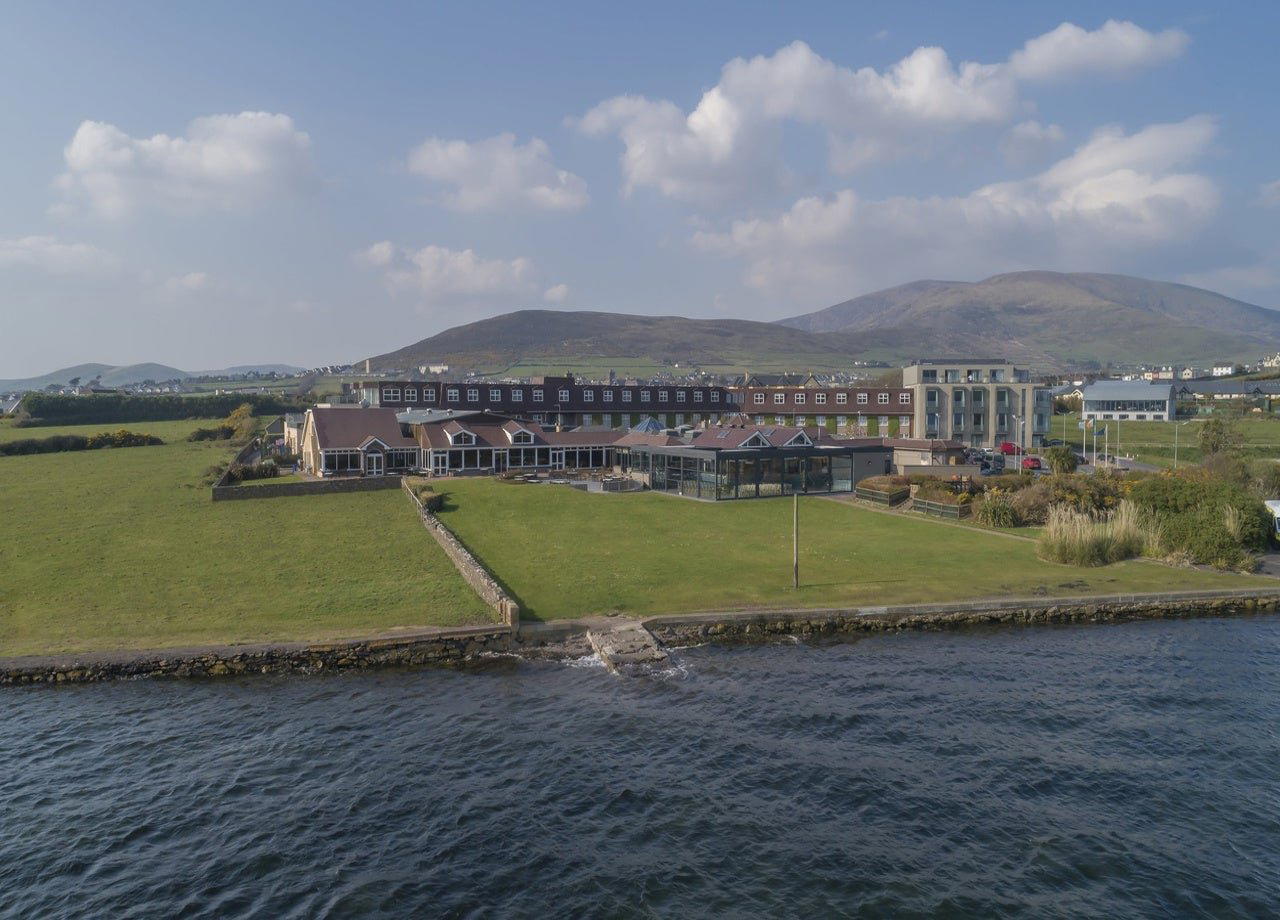
A Town Shaped by Stone, Water, and Atlantic Geography
The approach to Dingle along the R559 from Tralee prepares you for something. The Conor Pass road, the more direct route from the north, is more emphatic still: a single-track ascent through bare mountain terrain that deposits you, somewhat abruptly, above a harbour town that looks as though it has grown organically from the rock it sits on. Dingle, known formally as An Daingean or Daingean Uí Chúis, is not a resort in any manufactured sense. Its streetscape is dense, its colour palette restrained by the Atlantic light, and its function as a working port visible in the fishing boats that share the harbour with leisure craft. This physical reality shapes every experience within Dingle.
Among Irish towns of comparable scale, few carry Dingle's combination of geographic remoteness and cultural density. It sits on the Dingle Peninsula in County Kerry, one westerly point of the Irish mainland, in a Gaeltacht zone where Irish remains a community language rather than a heritage performance. That linguistic and cultural context is part of what gives the town its texture, and it filters into the hospitality offer: accommodation that draws on local materials and vernacular forms, food businesses rooted in what the peninsula produces, and a social atmosphere that belongs to the place rather than being assembled for visitors.
The Physical Character of the Built Environment
Dingle's architecture operates within a narrow range of forms. The buildings fronting the main streets, Green Street, Main Street, and Strand Street along the waterfront, are predominantly nineteenth-century vernacular: two and three storey rendered or stone-faced structures with painted shopfronts. There is no civic grandeur here, no Georgian set-piece of the kind you find in Killarney or Kenmare. What the town has instead is coherence: a scale that remains walkable and human, and a relationship between built fabric and natural setting that many larger Kerry towns have lost through uneven development.
The harbour itself is the town's primary spatial event. From the pier, the view back toward the town shows how tightly the buildings cluster against the hillside, with the water forming a natural boundary. This compression is part of what makes Dingle legible as a place: everything of significance is within walking distance of everything else, and the landscape beyond the town boundary is immediately and dramatically present. The Slieve Mish mountains to the east and the open Atlantic to the west form a frame that no amount of interior design could replicate.
This relationship between built and natural environment places Dingle in a different category from the larger Kerry properties. Hotels such as Parknasilla Resort and Spa in Kerry and Aghadoe Heights Hotel and Spa in Killarney offer a resort logic, where the property itself is the contained experience. Dingle operates differently: the town is the container, and individual properties draw on that context rather than substituting for it.
Where Dingle Sits in the Irish Hospitality Scene
Ireland's premium hospitality offer is currently split between two dominant formats: the historic country house or castle estate, and the coastal or rural destination property with a strong food identity. The castle-estate format, represented at scale by properties like Ashford Castle in Cong, Adare Manor in Adare, and Ballyfin Demesne in Ballyfin, centres on the property as spectacle: grounds, interiors, and formal dining as the primary draw. Dingle belongs to a different tradition, one where the destination is the town and its setting, and the accommodation and dining exist in service of that broader experience.
That second category has grown considerably across Ireland over the past decade. Properties like Gregans Castle Hotel in Ballyvaughan, Cliff House Hotel in Ardmore, and Liss Ard Estate in Skibbereen all operate within a logic of place-led hospitality, where the surrounding landscape and community are part of the offer. Dingle, as a town rather than a single property, represents this tendency at its most dispersed: the hospitality infrastructure is spread across multiple businesses, each contributing to an aggregate experience that no single venue could deliver alone.
For travellers who have stayed at Ballymaloe House Hotel in Shanagarry or Ballynahinch Castle in Recess, Dingle will feel recognisably Irish in its hospitality logic, but more urban in its density and more linguistically distinct in its cultural character. The Gaeltacht identity is not incidental; it shapes what the town feels like to move through, and it contributes to a sense that the place has an interior life that precedes and outlasts the tourist season.
Planning a Visit: Timing, Access, and Context
The Dingle Peninsula is accessible by road from Tralee, roughly 50 kilometres to the east, and from Killarney via the N22 and connecting routes. The shoulder seasons, April to early June and September to October, typically offer the leading conditions: fewer visitors than the July and August peak, longer daylight hours than winter, and the landscape at its most atmospheric.
Those arriving from Dublin or Cork by rail should note that Tralee is the nearest rail hub, after which the journey to Dingle requires a car or coach connection. Travellers combining Dingle with a broader Kerry or Munster itinerary might consider pairing it with a stay at Ballyvolane House in Castlelyons or Cashel Palace in Cashel to cover more of the southwest's country house offer, or with Hotel Isaacs Cork as an urban bookend. For those who plan Ireland's west coast as a dedicated circuit, Glenlo Abbey Hotel and Estate in Galway and Kilronan Castle Estate and Spa in Ballyfarnon extend the journey northward with a different architectural and landscape register.
In Context: Similar Options
Comparable venues nearby, for context on price, style, and recognition.
| Venue | Cuisine | Price | Awards | Notes |
|---|---|---|---|---|
| DingleThis venue — the venue you are viewing | Family seaside resort with leisure facilities. | $$$ | 4-Star | Not listed |
| Teach de Broc | Contemporary boutique hotel with elegant design and modern amenities, specifically curated for golf enthusiasts and leisure travelers. | $$$ | 4-Star | Ballybunion |
| The Hoxton, Dublin | Design-led boutique in historic Victorian building | $$$ | 4-Star | Creative Quarter |
| Hotel Isaacs Cork | Boutique hotel in historic Georgian building with serviced apartments | $$$ | 4-Star | St. PATRICK'S A |
| Maldron Hotel Croke Park | Contemporary 4-star city hotel with business- and event-friendly positioning. | $$$ | 4-Star | Drumcondra |
| Castle Dargan | Historic country estate blending 18th-century charm with modern comforts | $$$ | 4-Star | Ballygawley |
Continue exploring
More in Dingle Daingean Ui Chuis
Hotels in Dingle Daingean Ui Chuis
Browse all →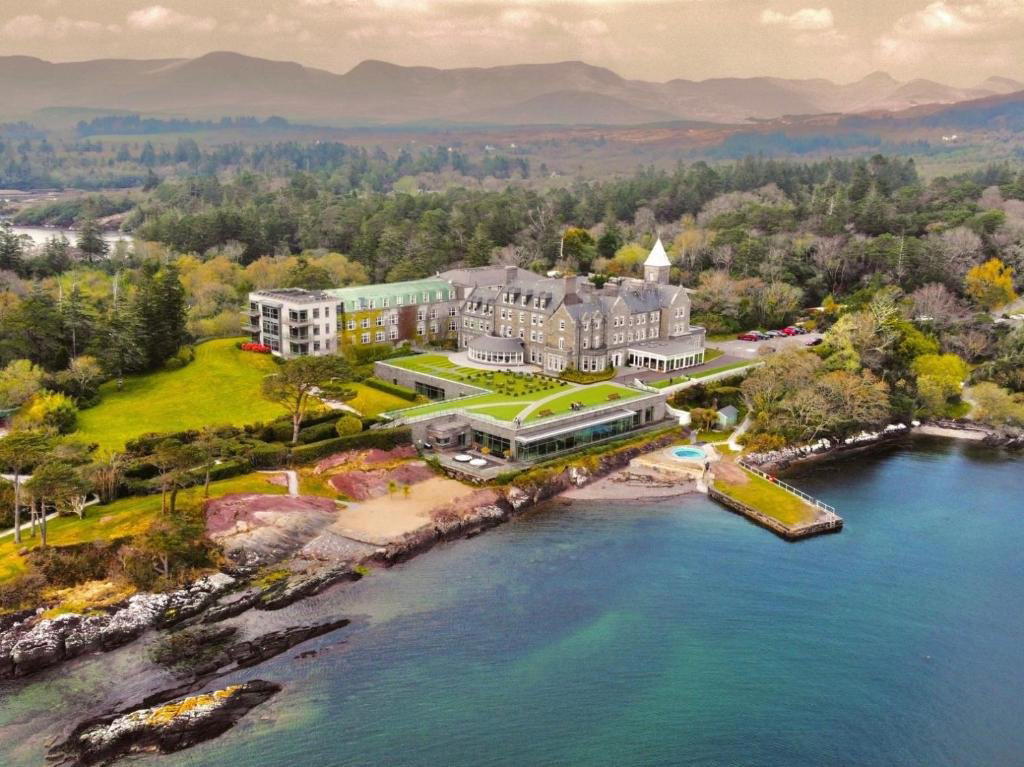
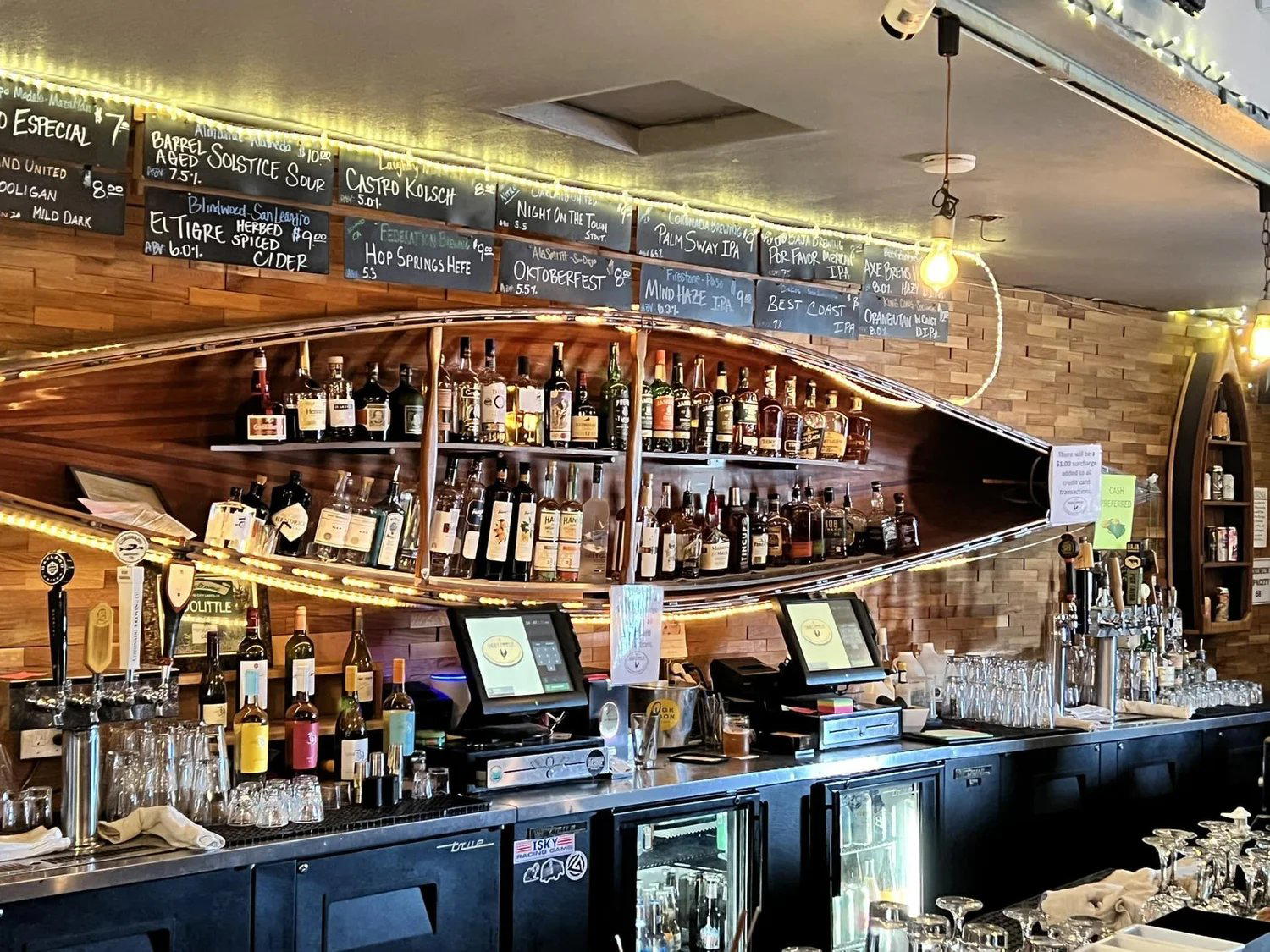
Bars in Dingle Daingean Ui Chuis
Browse all →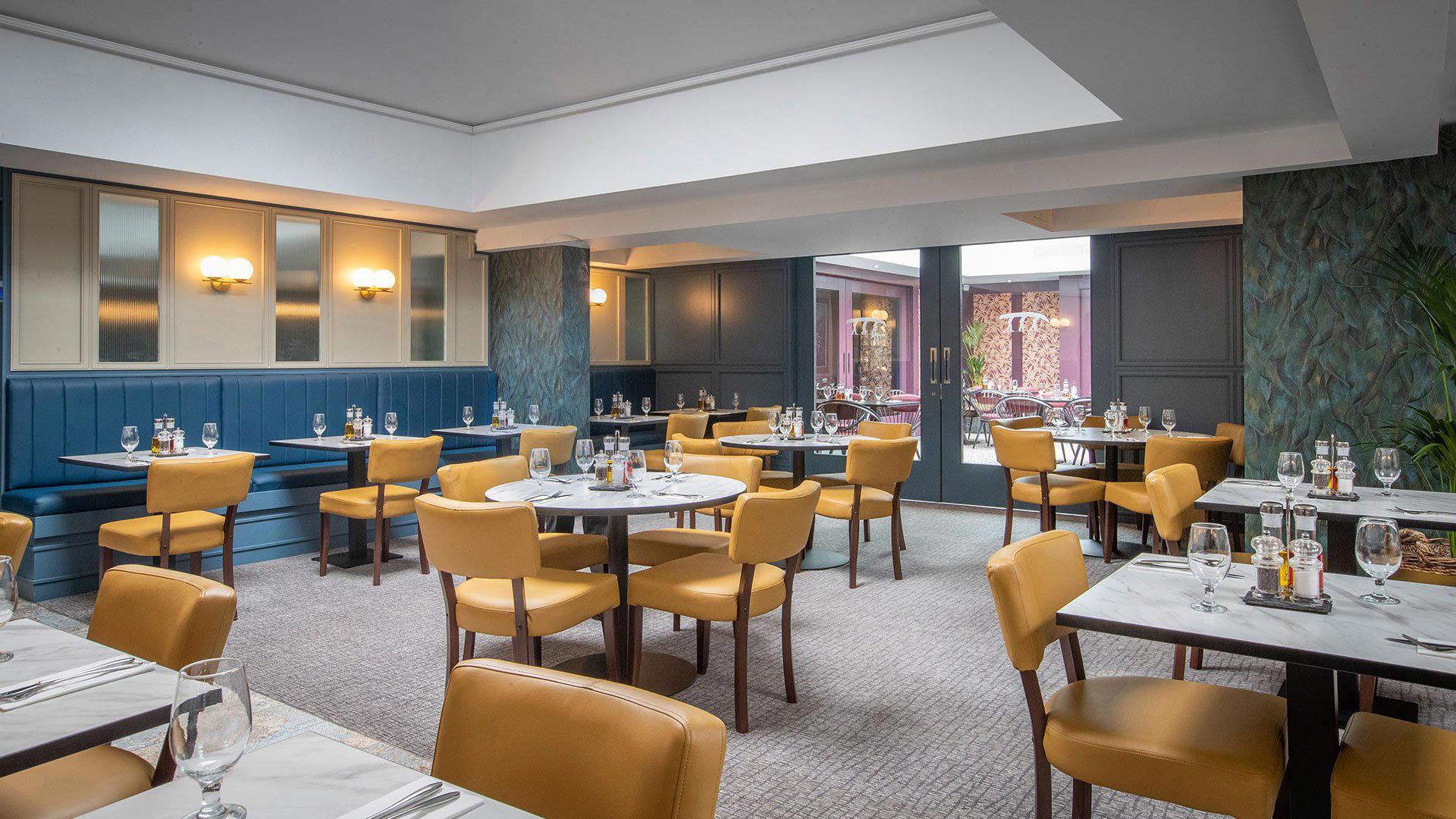
Restaurants in Dingle Daingean Ui Chuis
Browse all →

At a Glance
- Cozy
- Family Vacation
- Weekend Escape
- Waterfront
- Infinity Pool
- Destination Spa
- Pool
- Spa
- Fitness Center
- Wi Fi
- Room Service
- Concierge
- Kids Club
- Waterfront
- Pool
- Spa
- Fitness Center
- Wi Fi
- Room Service
- Concierge
- Kids Club
Warm and welcoming with sea views, family-friendly atmosphere, and relaxing spa and pool areas.