
Skip to Main Content
← Collection
Baltimore, United States

Dede at the Customs House Baltimore

CuisineAmerican Seafood
La Liste
The Sunday Times

In the small West Cork village of Baltimore, Ahmet Dede's Customs House restaurant occupies a tier above almost anything else in Ireland for sheer creative precision. Earning 76 points on the 2025 La Liste ranking and a Google score of 4.9 from 240 reviews, it draws serious diners who plan trips around the reservation. American Seafood in the broadest sense, though the cooking resists easy category labels.

Dede at the Customs House Baltimore restaurant in Baltimore, United States
About

A Village Address That Operates at a Different Altitude

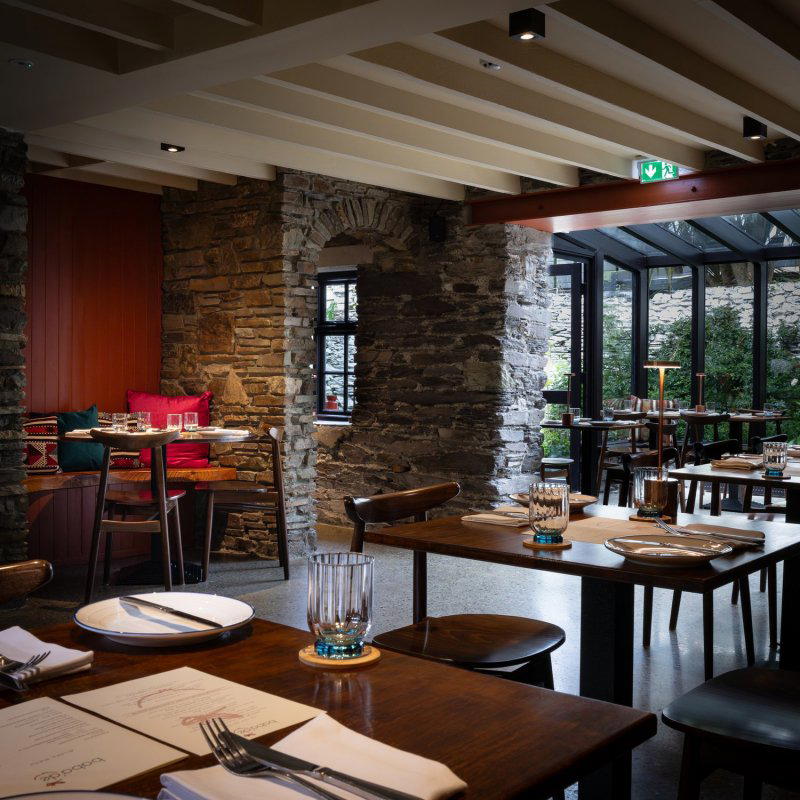
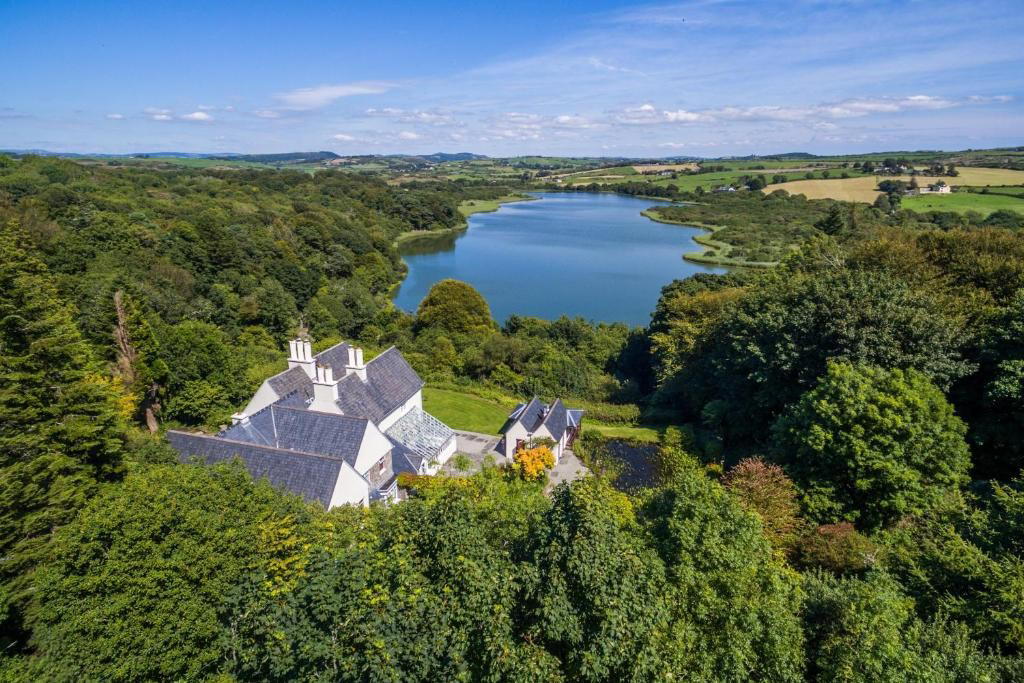
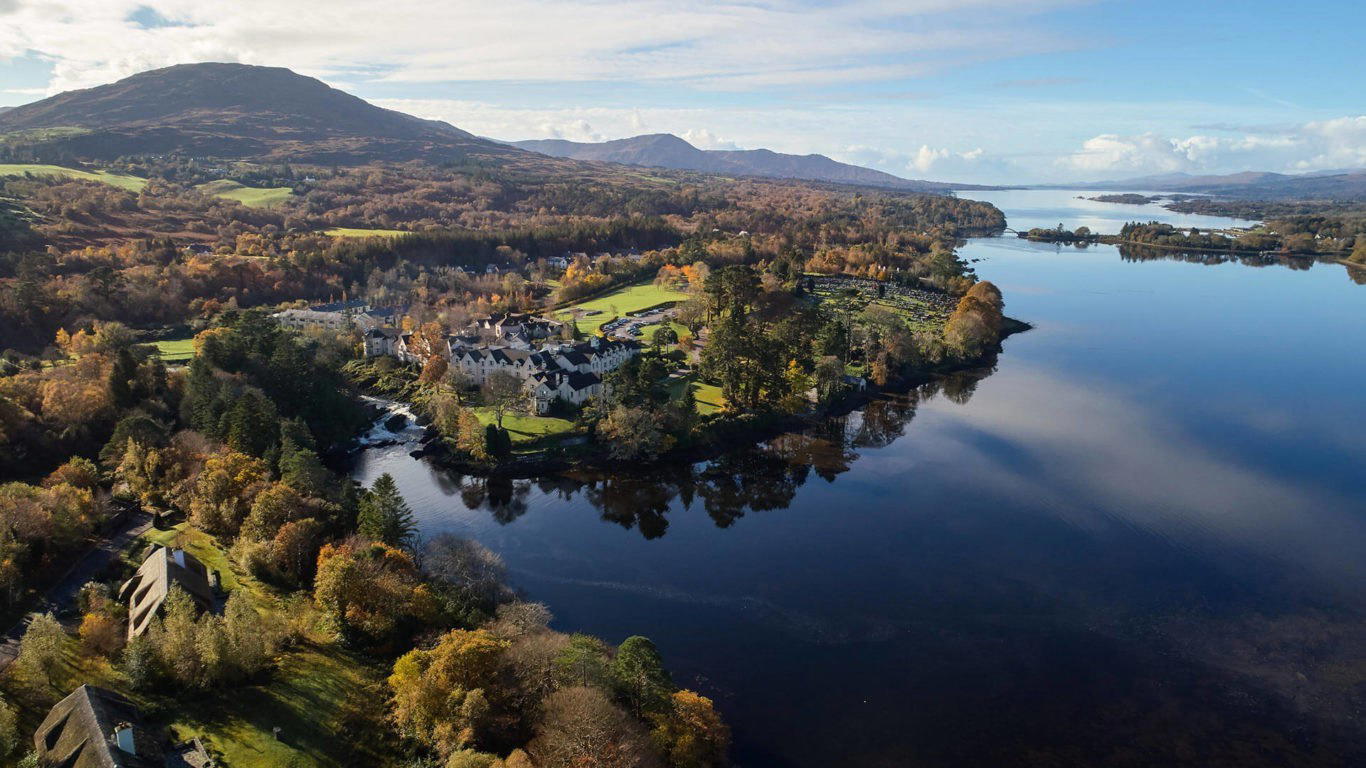
Baltimore, County Cork sits at the far edge of Ireland's Wild Atlantic Way, a fishing village where the main street runs out of road before it runs out of character. Arriving here for dinner rather than for the ferry to Sherkin Island marks a specific kind of intention. The Customs House building faces the harbour with the matter-of-fact solidity of a Victorian port structure, and nothing about its exterior signals what the kitchen is doing inside. That gap between setting and ambition is part of the story: some of the most technically demanding cooking in Ireland is happening in a room where you can hear the water.

This is not accidental. A broader pattern has emerged over the past decade in which fine dining chefs have chosen deliberately provincial addresses, partly to access the leading raw ingredients at their source and partly to create a destination that filters out the merely curious. Dede at the Customs House sits squarely in that current. Where Le Bernardin in New York City or The French Laundry in Napa operate within saturated, high-competition urban markets, a harbour-front room in West Cork functions differently: the journey itself becomes part of the transaction, and the kitchen has to be worth it.

What the Awards Signal About the Cooking

The 2025 La Liste ranking placed Dede at the Customs House at 76 points, a score that positions it within a global reference set that includes restaurants in Paris, Tokyo, and New York. For context, La Liste aggregates critical assessments from hundreds of guides worldwide, so a 76-point score reflects consistent recognition across multiple serious sources, not a single year's prize committee decision. The Google rating of 4.9 from 240 reviews adds a different kind of signal: a technically ambitious tasting-menu restaurant in a remote village maintaining near-perfect audience scores across hundreds of visits suggests the cooking lands as intended across a wide range of diners.

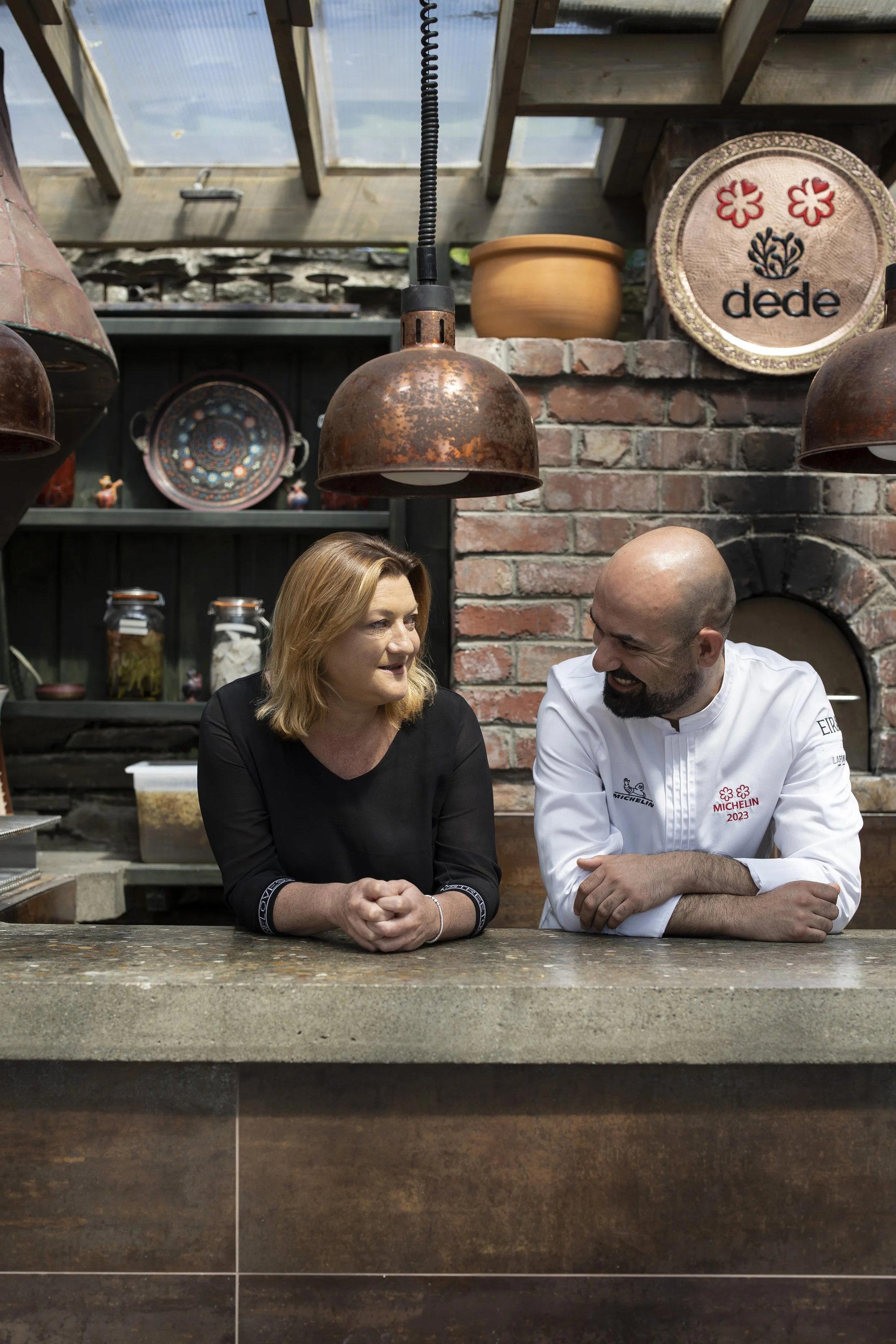
The veteran restaurant critic Nick Lander, writing in a public assessment, described Ahmet Dede's cooking as astonishing, specifically calling out creativity, seasoning, inventiveness, precision, and originality as its distinguishing qualities. Lander has covered restaurants across Europe and beyond for decades, which makes the absence of hedging in that sentence worth noting. The phrase he used, that there is nothing like this anywhere else on the planet, is the kind of claim critics usually resist. That he reached for it here says something about the category Dede at the Customs House occupies.

For a direct comparison within the EP Club network, the related Ahmet Dede project in Cork city, dede (Turkish), holds two Michelin stars at the €€€€ price tier. The Baltimore operation is the original address and the one tied most directly to the harbour and its seafood supply chain.

American Seafood in an Irish Fishing Village

The cuisine classification, American Seafood, rewards a moment of consideration. Atlantic seafood underpins the menu, with West Cork waters supplying fish and shellfish at the kind of proximity that makes early-morning catch arrivals a practical reality rather than a marketing line. The American register in that classification likely reflects technique and flavour vocabulary, a willingness to work across culinary traditions rather than within a single national canon. This is the approach that has produced some of the most interesting seafood cooking in the United States, seen at venues like Baby Lucs in New York City and Bird Box in San Francisco, where provenance and technique are treated as equally important variables.

The Turkish element in Ahmet Dede's background adds a further layer. The flavour sensibility that runs through Turkish cooking, its handling of acidity, spice, and char, sits interestingly against the cold-water seafood of the Irish Atlantic. Where many Irish restaurants have moved toward a Nordic-influenced restraint with local ingredients, the approach here draws on a wider set of references. The nearby Baba'de (Turkish) project represents the more accessible end of that same culinary thinking, at the €€ tier, while the Baltimore operation works at full intensity.

The Fine Dining Chef Who Chose the Village

Trend of credentialed fine dining chefs opening in non-metropolitan settings has produced some of the most discussed restaurants of the past decade. Lazy Bear in San Francisco and Single Thread Farm in Healdsburg both represent versions of this move, in which the chef's identity and the ingredient supply become the primary draws rather than location convenience. Alinea in Chicago takes the opposite approach, using the city as its platform, while Emeril's in New Orleans built its identity around a specific regional cuisine in a specific place.

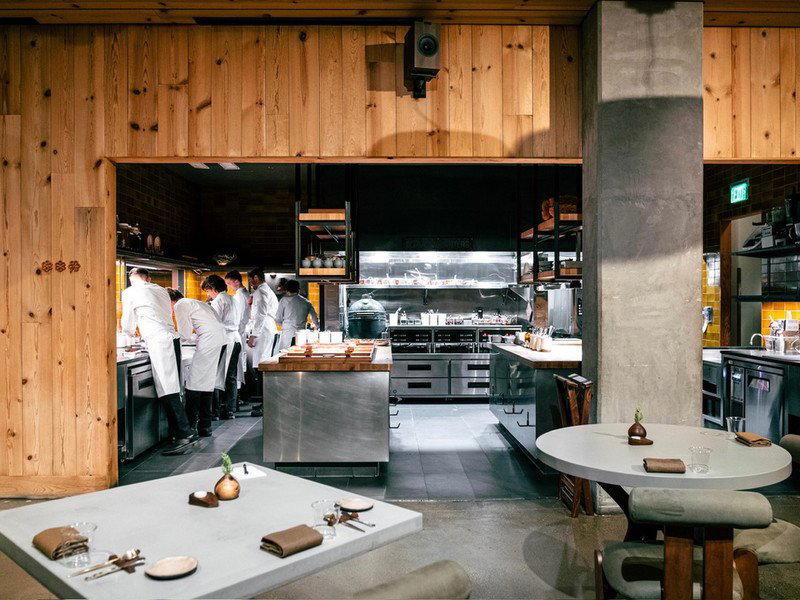
Dede at the Customs House occupies a distinct position within this set: it is not a casual concept spun off from a flagship, nor a rural retreat attached to a hotel group. It is the primary operation, in a village where the main competition for the evening is the pub and the ferry schedule. That context shapes the experience. Diners travel specifically, often staying overnight in Baltimore or nearby Skibbereen, which means the room tends to fill with people who have done their research. The atmosphere that results is attentive without being reverential, the particular register of a room full of people who know why they are there.

Baltimore in the Broader Cork Dining Context

Cork city and its surroundings have developed one of the more serious food cultures in Ireland over the past two decades, anchored partly by the English Market and partly by a generation of producers who chose the county for its farming and fishing conditions. Baltimore sits at the western edge of that network. Within the EP Club Baltimore listings, the culinary range runs from the century-old deli tradition of Attman's Delicatessen to the rigour of Cindy Wolf's Charleston, and from the neighbourhood simplicity of Angeli's Pizzeria to the technical ambition of the Dede projects. Each occupies a distinct position, and Dede at the Customs House sits at the furthest end of the ambition axis.

For visitors planning around the restaurant, the West Cork coast in late spring and early autumn tends to combine the leading of the ingredient calendar with manageable weather. The summer months bring longer daylight and busier roads; booking well ahead of any visit is the practical baseline. Accommodation options in Baltimore itself are limited, which makes planning the overnight component as important as securing the table. The full range of Cork dining, drinking, and accommodation context is available through our full Baltimore restaurants guide, our full Baltimore hotels guide, our full Baltimore bars guide, our full Baltimore wineries guide, and our full Baltimore experiences guide.

Planning Your Visit

Dede at the Customs House is a destination booking, not a walk-in. Given the La Liste recognition and the 4.9 Google score, demand consistently outpaces the limited capacity that a harbour-front room in a small village naturally imposes. Booking through the restaurant's own channels, as far in advance as the reservation window allows, is the reliable approach. No phone or website data is currently listed in our records, so checking the restaurant's direct online presence is the starting point. Dress code and format details are not confirmed in our database, though the cooking and the address together suggest that the experience runs closer to the serious end of the spectrum than the casual, regardless of how the room reads on arrival.

Frequently asked questions

Peers in This Market

A fast peer set for context, pulled from similar venues in our database.