


Michelin Selected · Mr & Mrs Smith Seal of Approval · Design Hotels Member
A 16th-century building on Carrer de la Concepció houses one of Palma's most considered hotel interiors, shaped by Swedish architecture firm Wingårdhs into a composition of brass, warm wood, and hand-painted Huguet tiles. The Nobis group's Mallorcan property occupies a restored historical address in the old town, where Scandinavian restraint meets Mediterranean craft. For travellers seeking calm without austerity, it occupies a specific and deliberate position in Palma's boutique hotel tier.

Pearl is the En Primeur Club membership app — saves, bookings, and concierge access live there. Same editors, same standards.
- Address
- Carrer de la Concepció 34, 07012 Palma, Spain, Palma 07012, Spain
- Phone
- +34 971 91 50 25
- Website
- marriott.com
- Directions
- Get directions
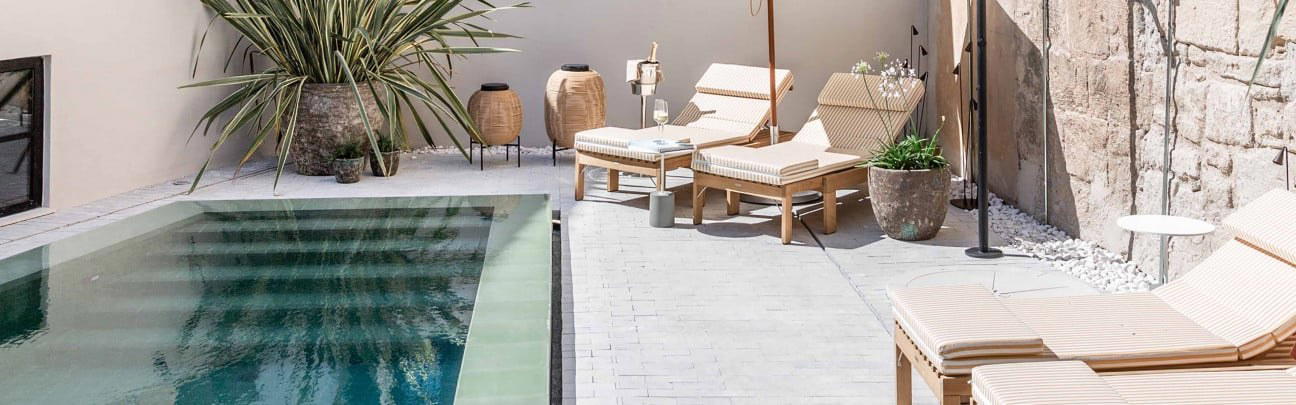
Where Scandinavian Restraint Meets Mallorcan Stone
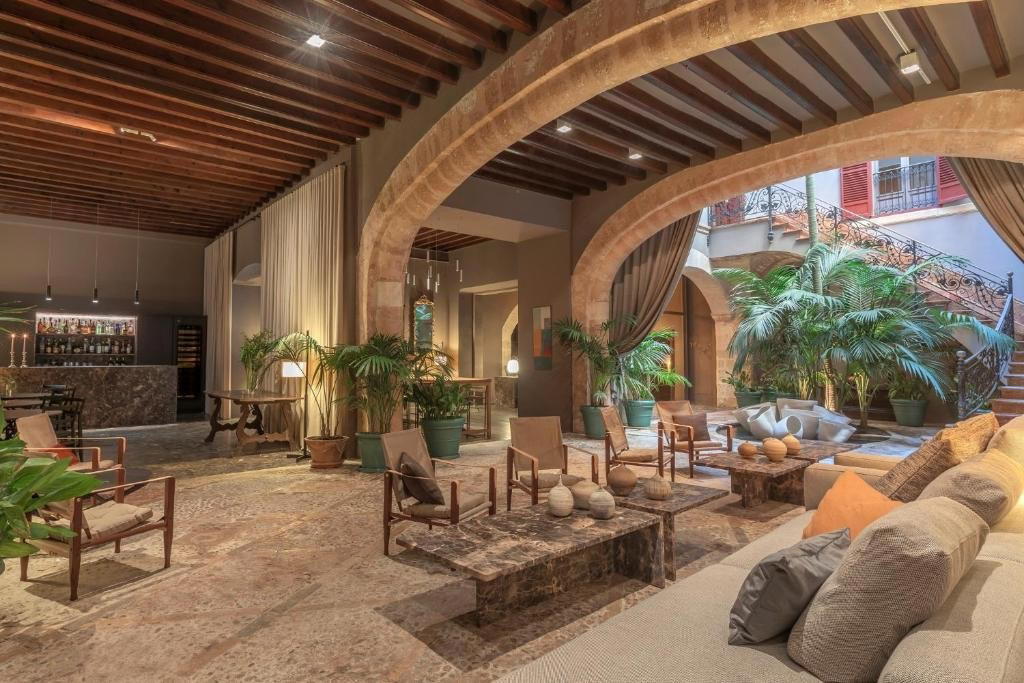
Palma's old town has accumulated a particular kind of boutique hotel over the past decade: properties that occupy centuries-old buildings and treat the architecture not as backdrop but as material to work with. The question each one answers differently is how much to intervene. Concepció by Nobis, at Carrer de la Concepció 34 in the heart of the historical centre, answers that question with unusual clarity. The Swedish architecture firm Wingårdhs, responsible for the Nobis group's design language across its properties, was commissioned to transform a 16th-century structure into something liveable without erasing what the centuries deposited. The result is an interior built from brass fittings, warm wood panelling, and hand-painted Huguet tiles — the latter a Mallorcan craft tradition dating back generations and still produced by artisans on the island.
That combination of Swedish precision and local material culture is not accidental. It reflects a broader approach, now well-established in the European boutique sector, of importing a design sensibility from outside a region while sourcing the physical materials from within it. The tension between those two impulses, when it works, produces spaces that feel both composed and rooted. At Concepció, the Huguet tiles do significant work: their geometric patterns and hand-finished surfaces bring a warmth and irregularity that Scandinavian minimalism alone rarely achieves.
The Old Town Address and What It Offers
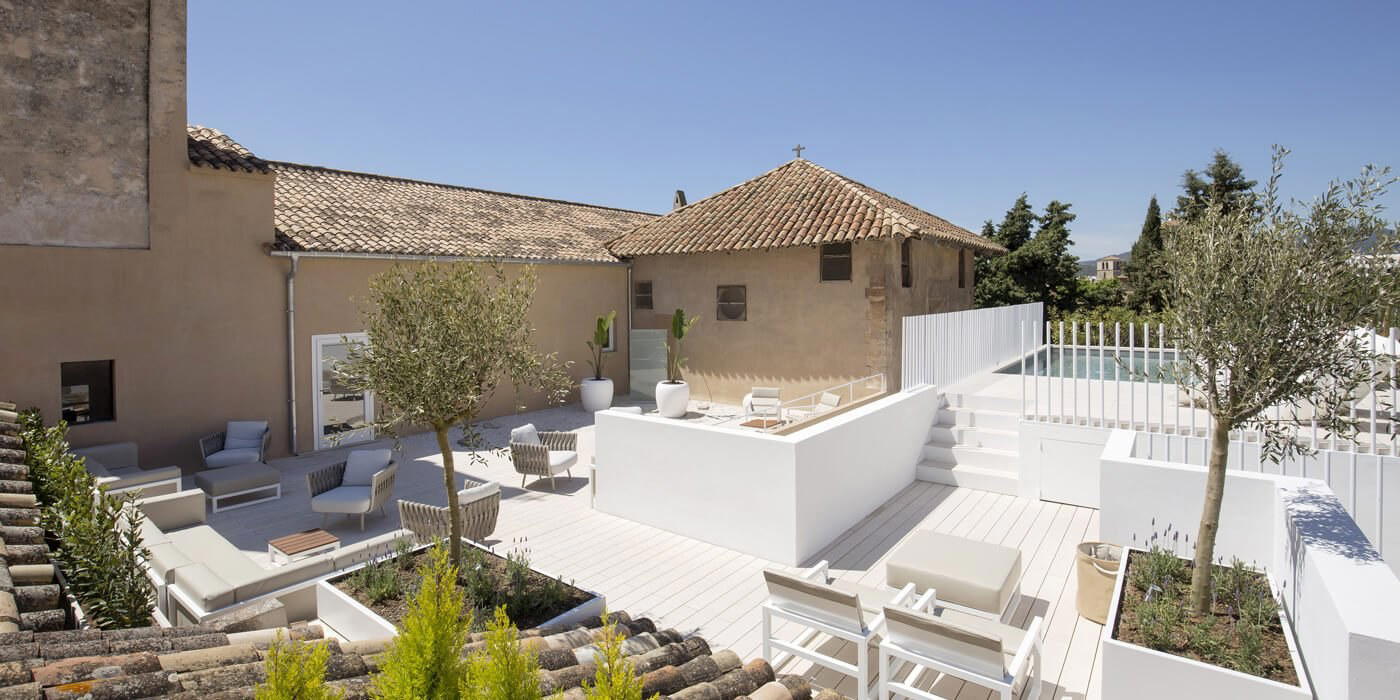
The Carrer de la Concepció sits inside Palma's oldest residential fabric, within walking distance of the Gothic cathedral, the Arab Baths, and the concentration of design-led restaurants and wine bars that have made this neighbourhood the preferred base for informed visitors to the island. For a hotel to hold its own at this address, the physical setting must do substantial work, since proximity to the sights is shared equally by every property in the zone.
What differentiates the hotels in this tier — which also includes Hotel Can Cera, Boutique Hotel Posada Terra Santa, and Can Bordoy Grand House & Garden, is the depth and coherence of the interior proposition. A restored 16th-century envelope can conceal anything from generic luxury finishes to something genuinely considered. Concepció's commissioning of Wingårdhs places it firmly in the latter camp, and the firm's track record across Nobis Group properties in Stockholm and Copenhagen provides a verifiable credential for the quality of the intervention.
Travellers arriving by air land at Palma de Mallorca Airport, roughly a 20-minute drive from the old town, and the hotel's address is most efficiently reached by taxi or private transfer. The old town's narrow streets make it unsuitable for large vehicles, and the immediate surroundings reward those prepared to move on foot.
Retreat Logic in an Urban Setting
The wellness conversation in European city hotels has shifted considerably. A decade ago, urban retreats were defined primarily by spa square footage and treatment menus. Now the more considered properties are thinking about retreat in architectural terms: how a building's materiality, its light, its acoustic qualities, and its relationship to the street contribute to a guest's sense of deceleration. Concepció by Nobis operates within this newer framing.
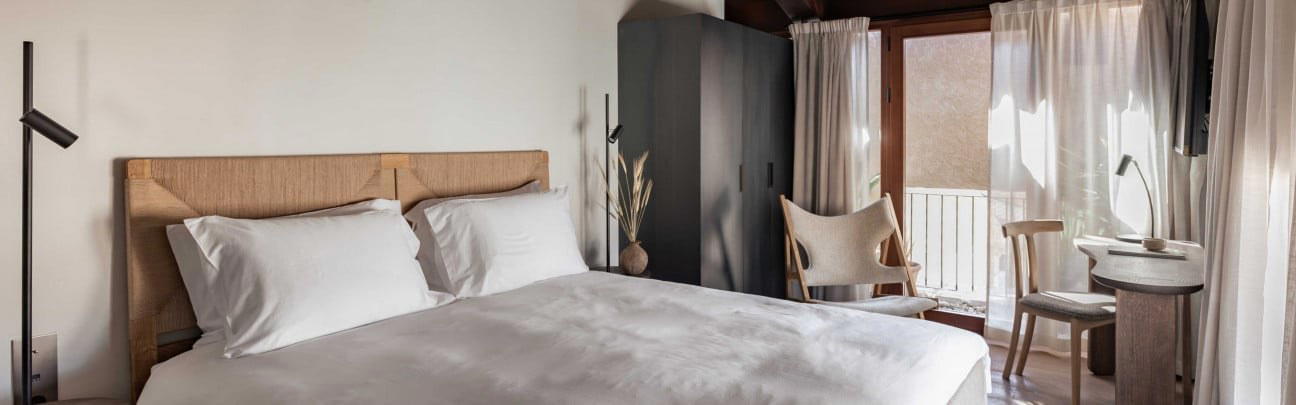
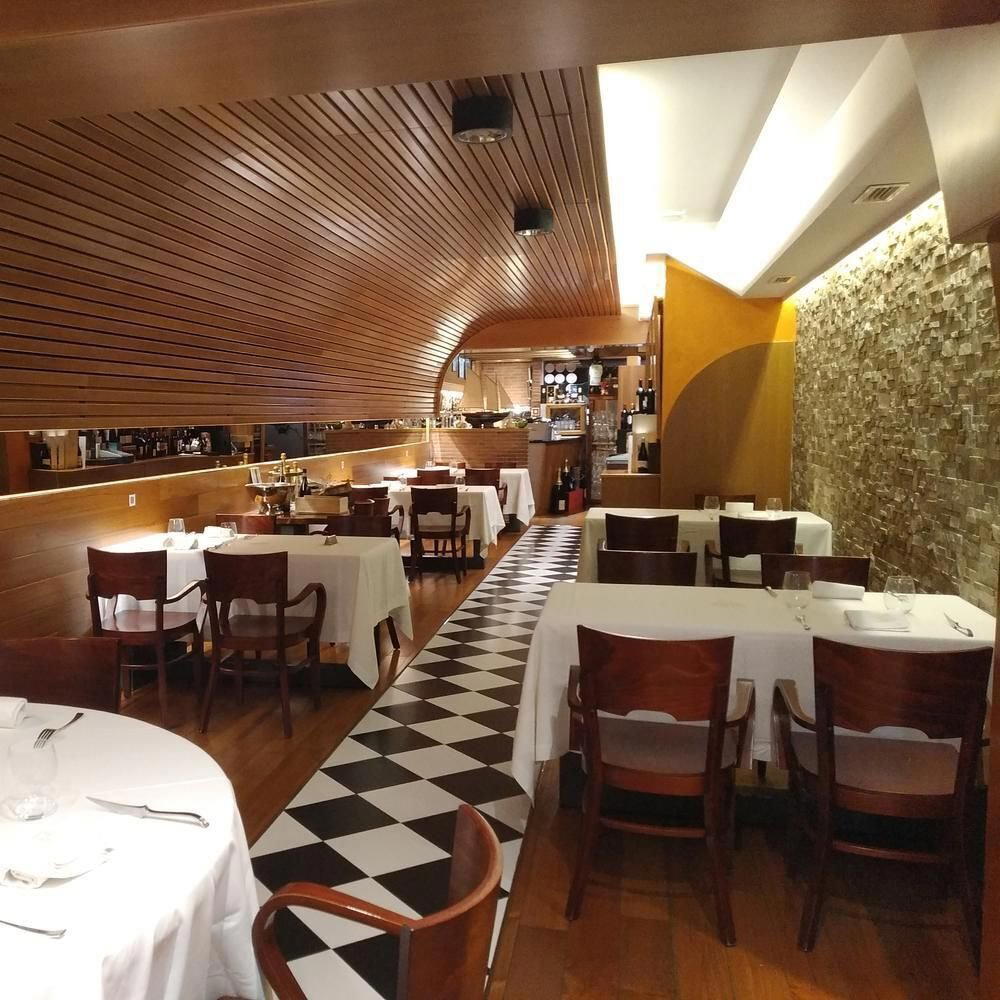
The use of warm wood and brass throughout the interior produces a sensory register that is markedly different from the cool marble and pale linen that dominate the competing boutique tier in Mallorca. Those materials absorb and diffuse rather than reflect, creating an environment that functions as a genuine counterpoint to the external stimulation of the old town. For guests arriving after a morning in the cathedral or the markets, re-entering a space with that tonal warmth carries its own restorative logic.
This positions Concepció alongside a specific cohort of Spanish properties that have moved retreat programming away from dedicated spa facilities and toward the quality of the everyday built environment. Properties such as Abadía Retuerta LeDomaine in the Duero valley or Mas de Torrent Hotel & Spa in Catalonia have demonstrated that considered material environments generate a form of calm that spa treatments alone cannot replicate. Concepció translates that principle into an urban context, which is the harder version of the problem to solve.
The Nobis Group Context
Understanding Concepció requires understanding the group behind it. Nobis Hotel Group has built its reputation on restoring significant historical buildings in Scandinavian cities and treating the architecture with a level of seriousness that distinguishes it from operators who treat heritage shells as neutral containers for contemporary hotel product. The group's Stockholm flagship occupies a former bank; its Copenhagen property is similarly rooted in an architecturally consequential building. Palma represents the group's movement into Mediterranean Europe, and the choice of Wingårdhs, the same architecture firm that has shaped the group's Nordic identity, signals that the Mallorcan property is not a franchise extension but a considered adaptation of the same design logic.
For guests who have stayed at Nobis properties elsewhere in Europe, Concepció will read as legible and continuous. For those encountering the group for the first time, the building's historical fabric and the quality of the interior intervention provide their own orientation. Either way, the property sits at a remove from the resort-scale properties that dominate Mallorca's premium accommodation tier, such as Castillo Hotel Son Vida or La Residencia, A Belmond Hotel, Mallorca, and occupies a different conversation entirely.
Palma's Boutique Hotel Tier: Where Concepció Sits
The old town boutique segment in Palma has grown competitive. Properties including Sant Francesc Hotel Singular and El Llorenç Parc de la Mar have established that the category can support genuine architectural ambition. Es Princep, positioned slightly outside the old town core, takes a different spatial approach. Within that competitive set, Concepció's differentiator is the Wingårdhs design authorship and the specific material palette it brings, particularly the combination of Scandinavian structural discipline with Huguet tile craft. No other property in the tier has attempted quite that synthesis.
For travellers building an itinerary around Spain's design-led hotel circuit, the comparison set extends beyond Palma. Properties such as Mandarin Oriental Barcelona, Mandarin Oriental Ritz, Madrid, or the architecturally distinctive Atrio Restaurante Hotel in Cáceres each represent a different answer to the question of how design-led hospitality works in a Spanish historical building. Concepció's answer is among the more specific: import the design intelligence, source the craft locally, and let the 16th-century structure do the rest.
Planning Your Stay
The peak season for Palma's old town runs from May through September, with July and August bringing the heaviest visitor concentrations. A stay in late April or early October offers the combination of settled weather and a quieter street-level experience that suits the property's atmosphere more naturally. The hotel's Carrer de la Concepció address is walkable to the major historical sites and to the concentration of serious restaurants along Carrer de Sant Feliu and the surrounding lanes. For visitors extending their time on the island, Cap Rocat in Cala Blava offers a coastal alternative within a short drive. Contact and booking details are best confirmed directly through the Nobis Group's official channels, as availability in this tier moves quickly during high season.
For a broader orientation to what Palma's hotel and restaurant scene offers across categories and price points, see our full Palma guide.
Recognition, Side-by-Side
Comparable venues nearby, for context on price, style, and recognition.
| Venue | Cuisine | Price | Awards | Notes |
|---|---|---|---|---|
| Concepció by NobisThis venue — the venue you are viewing | Boutique design hotel in historic 16th-century building fusing heritage and modernity. | Not listed | Michelin Selected · Mr & Mrs Smith Seal of Approval | Not listed |
| Can Alomar Urban Luxury Retreat | Historic neo-Gothic mansion converted into a luxury boutique hotel blending period architecture with contemporary design and curated experiences. | $300–500 | La Liste Top Hotels | Palma Centre (Passeig del Borne) |
| Palacio Can Marqués | Restored 18th-century palace blending heritage and contemporary luxury | Not listed | La Liste Top Hotels | Lonja |
| Hospes Maricel | Historic mansion with modern annex | Not listed | Michelin Selected · La Liste Top Hotels | Cas Català |
| Palma Riad | Moroccan riad-inspired boutique luxury | $200–300 | La Liste Top Hotels · Tablet Hotels Top 40 New Hotels | Old Town |
| Boutique Hotel Posada Terra Santa | Historic boutique palace with Mediterranean elegance | $100–200 | 1 Michelin Key | historic center |
Recognition history
Dated appearances from independent guides and award organizations, with the underlying list record or original source where available.
Michelin Selected
Michelin
Design Hotels Member
Design Hotels
Mr & Mrs Smith Seal of Approval
Mr & Mrs Smith
Continue exploring
More in Palma
Hotels in Palma
Browse all →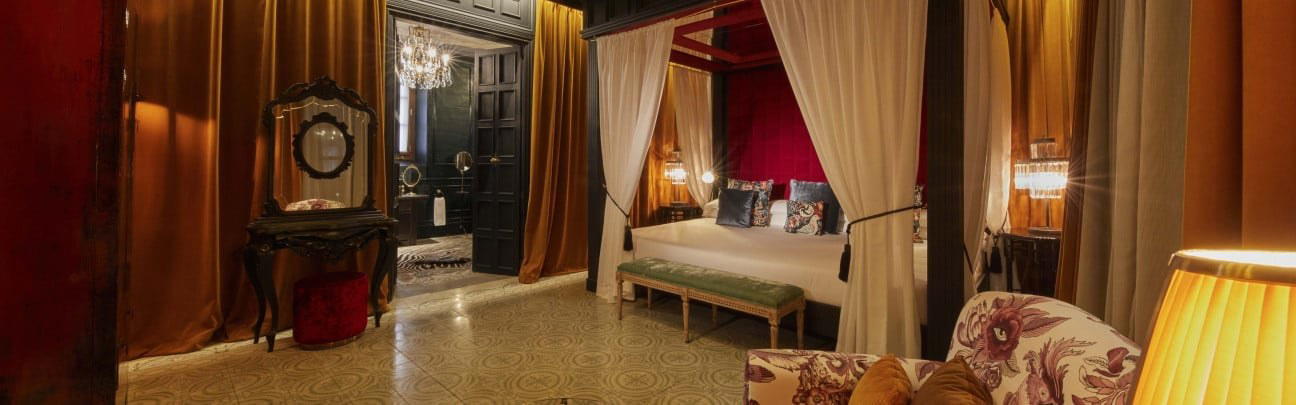
Bars in Palma
Browse all →
Restaurants in Palma
Browse all →
Details
- Modern
- Elegant
- Sophisticated
- Minimalist
- Romantic Getaway
- Weekend Escape
- Terrace
- Historic Building
- Wi Fi
- Pool
- Spa
- Fitness Center
- Room Service
- Concierge
- Restaurant
- Wheelchair Accessible
- Elevator
- Step Free Entrance
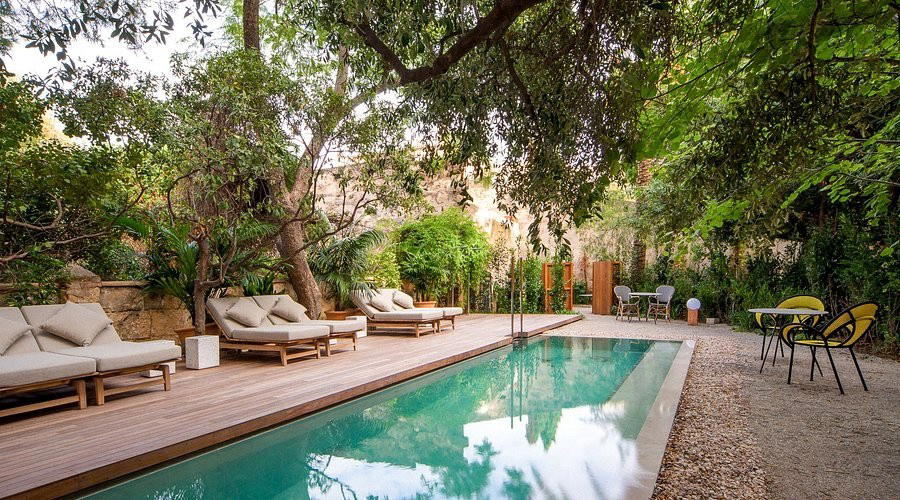
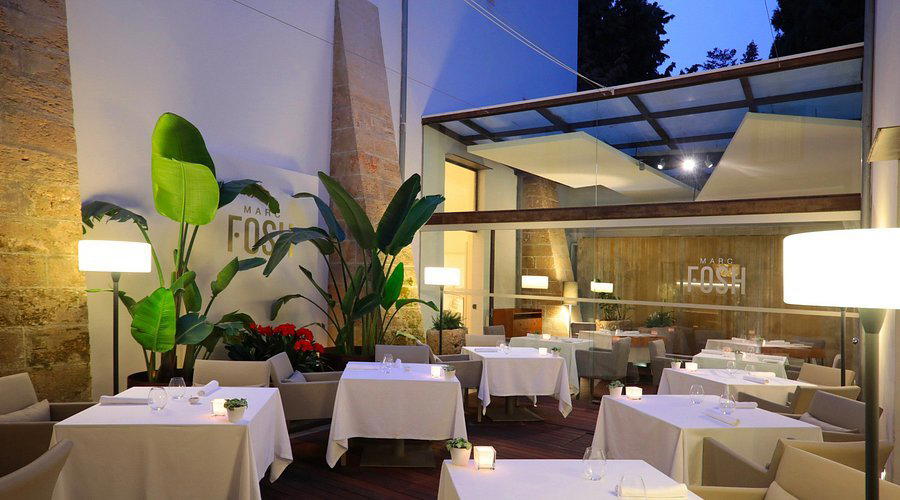
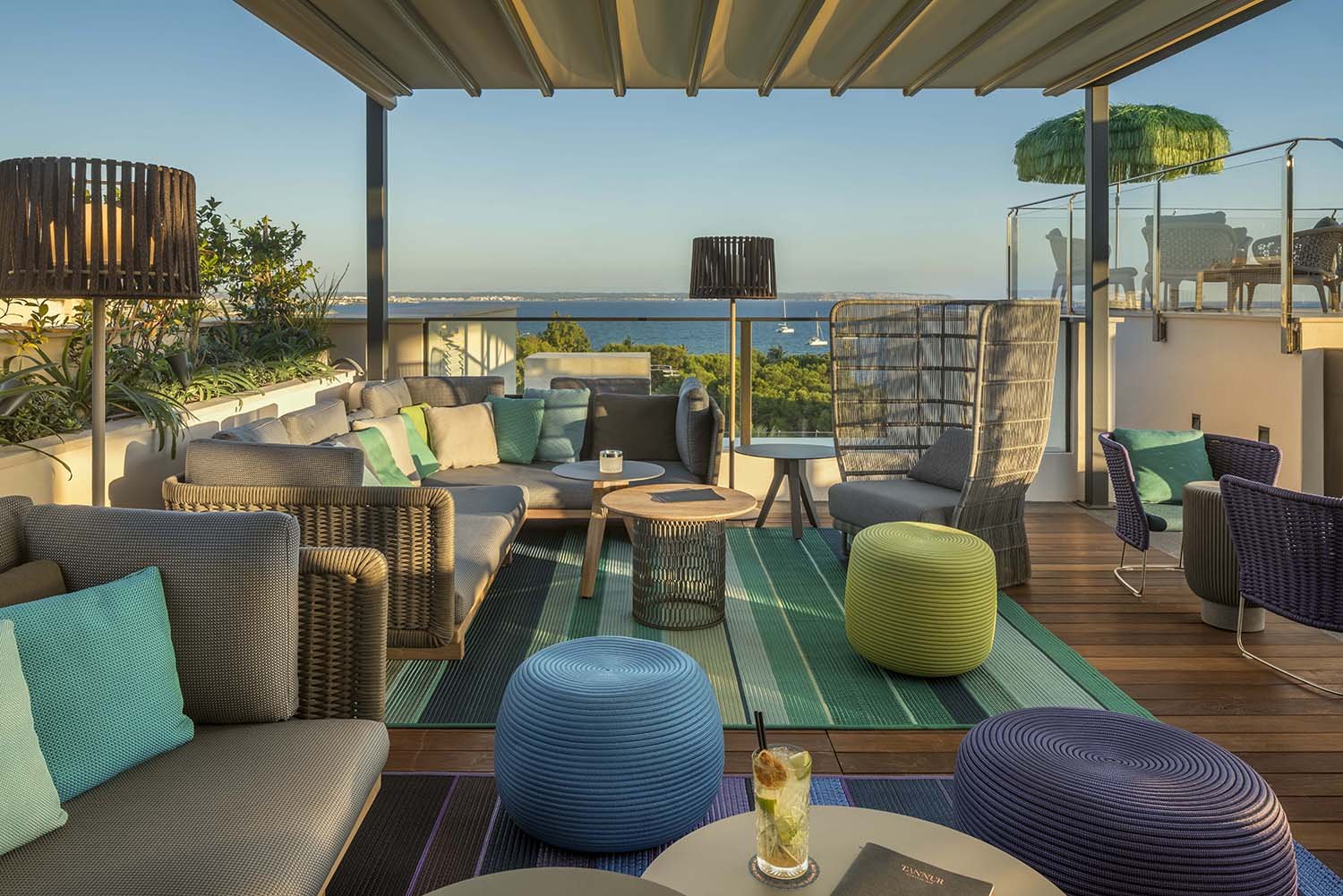
Serene and stylish oasis with warm lighting, cozy lounges, and a peaceful courtyard pool atmosphere praised for tranquility amid city buzz.