Melbourne hotel choices divide between corporate scale, casino-side grandeur, apartment-style practicality and design-led stays that suit a city built around architecture, galleries and laneway culture. COMO Hotels and Resorts Melbourne is best read through that design lens: not as a checklist property, but as a base for travellers who want the city’s hotel scene framed by restraint, urban texture and easy access to Melbourne’s dining and arts rhythm.

Pearl is the En Primeur Club membership app — saves, bookings, and concierge access live there. Same editors, same standards.
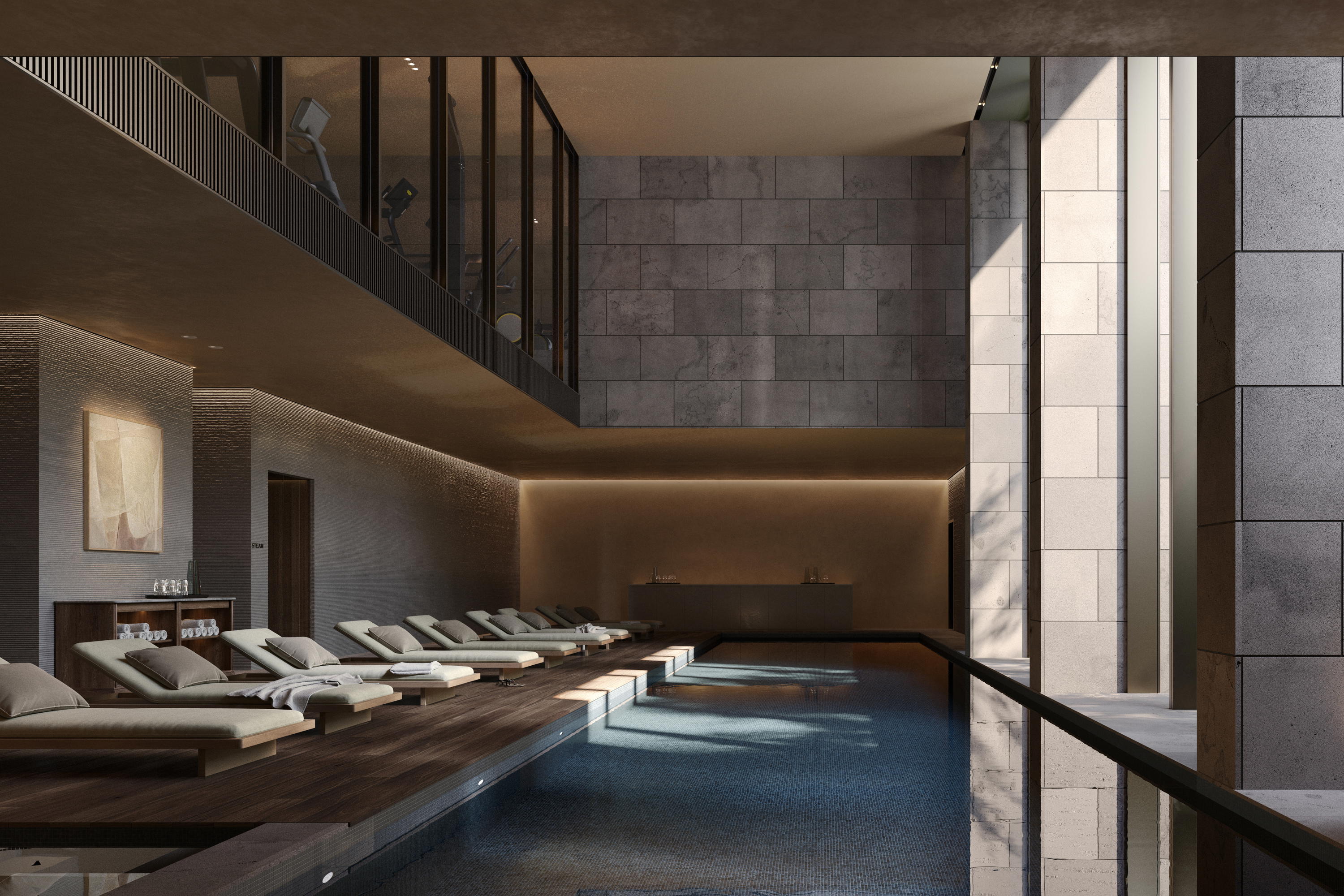
Melbourne luxury, read through architecture rather than spectacle
Melbourne announces itself in layers: bluestone lanes underfoot, tram lines cutting through the grid, Victorian facades beside glass towers, and a hotel culture that has learned to speak in more than one accent. The city does not rely on resort drama. Its better stays tend to work through scale, location, material choices and the relationship between indoors and street life. COMO Hotels and Resorts Melbourne belongs in that conversation because the name places a premium-hotel expectation inside a city where design credibility matters as much as thread count.
The Melbourne hotel scene has become unusually varied for an Australian capital. Large business hotels dominate the Collins Street and central grid market; casino-adjacent properties trade on scale and riverfront energy; smaller personality hotels lean into art, colour or laneway proximity. That spread gives travellers a useful choice. A stay can be about the theatre of the Yarra, the practicality of the CBD, the gallery-adjacent calm of the inner north, or a design-led address that treats the room as a controlled retreat from a dense urban day.
The editorial question is not whether a specific suite, dish or amenity deserves praise. The useful question is how a COMO-branded Melbourne stay should be judged against the city around it. In this market, the benchmark is less about ornamental excess and more about whether the hotel gives a traveller a composed base for food, art, shopping, work and late-evening city movement.
The design context: why Melbourne rewards quieter hotels
Melbourne’s design language is not a single look. It is a collision of nineteenth-century civic confidence, postwar commercial pragmatism, contemporary apartment towers, laneway interventions, public art and a serious gallery culture. Hotels that shout can feel oddly out of step here. The city’s stronger hospitality interiors often succeed when they create contrast: warm lighting after a grey street, clean sightlines after a crowded tram, acoustic calm after a restaurant-heavy night.
That matters for premium travellers because Melbourne is a city of repeated movement rather than resort containment. Days tend to be broken into coffee, galleries, retail, restaurants, bars and short rides between neighbourhoods. A hotel room is not simply a place to sleep; it is the reset point between small, dense urban episodes. Design, in this context, is practical. Circulation, lighting, quiet, lobby scale and the transition from street to room all shape the stay more than decorative flourishes.
For comparison inside the city, Crown Towers Melbourne represents the large-format luxury model tied to the river and entertainment district, while Grand Hyatt Melbourne suits travellers who want a central corporate-luxury anchor near the Collins Street spine. Adelphi Hotel and Laneways By Ovolo, Melbourne point toward a more expressive city-hotel tradition, where personality and neighbourhood reference carry the argument. 1 Hotel Melbourne brings another design vocabulary, with sustainability-led positioning shaping its comparable set.
Those comparisons help clarify the role of COMO Hotels and Resorts Melbourne. In a city with both scale-driven and character-driven hotel options, a composed design hotel has to offer restraint without becoming anonymous. The risk in Melbourne is bland international neutrality; the reward is a stay that gives the city’s architecture, food and arts scenes room to do the talking.
How the city's hotel comparable set shapes the decision
Melbourne rewards precise hotel selection because its neighbourhoods behave differently after dark. The CBD is efficient and highly walkable by Australian standards, with trams, theatres, restaurants and retail concentrated in a tight grid. Southbank and the river corridor carry a larger-hotel and entertainment character. The inner north and inner east often appeal to travellers more interested in galleries, independent retail and residential dining streets. Treat the hotel as part of a Melbourne-wide decision rather than assume a specific neighbourhood advantage.
The city’s accommodation spectrum is broad enough to separate by travel style. Hyatt Centric Melbourne fits the urban-lifestyle category, useful for travellers who want contemporary design with a city-grid base. Art Series - The Larwill Studio brings a visual-arts angle into the hotel decision, while Leading Western Melbourne City Hotel sits in a more pragmatic price-and-access conversation. These are not interchangeable stays; they answer different questions about budget, design appetite, location and how much time a traveller expects to spend inside the property.
That segmentation is the key trust signal in the absence of listed awards or ratings. Melbourne has enough mature hotel supply that a premium name is not automatically persuasive. The property has to be placed against known local alternatives, especially for travellers comparing international-hotel familiarity with smaller design-led addresses. A hotel in this category should be assessed by how convincingly it supports a Melbourne itinerary: morning coffee culture, long lunches, gallery time, theatre, late dinners and bars that may sit several tram stops from the room.
Food, bars and the hotel-as-base question
Melbourne’s hotel choice is inseparable from the city’s dining and drinking habits. The serious table is rarely confined to the hotel restaurant. Visitors often build evenings around neighbourhood restaurants, wine bars, cocktail rooms and after-dinner walks through the grid. Treat the hotel as a base first and build the culinary itinerary independently.
That is not a weakness in Melbourne. The city’s food culture is distributed rather than hotel-centred, with strong dining across the CBD, Fitzroy, Carlton, South Yarra, Richmond and other inner districts. Travellers comparing accommodation should look at how easily a property connects to the restaurants and bars they care about, not only at in-house facilities. For broader planning,
Wine also matters more here than a hotel amenities list might suggest. Melbourne sits within reach of major Victorian wine regions, and the city’s wine-bar culture often gives visitors a sharper sense of place than a generic lobby lounge. Travellers folding cellar-door planning into the same trip can use Our full Melbourne wineries guide, while those adding cultural programming beyond restaurants can cross-check Our full Melbourne experiences guide. In this city, the hotel is one part of a wider editorial map.
Australian design hotels in a wider comparable set
Melbourne does not compete only with itself. Australian premium travel has split into distinct hotel languages: restored heritage in capital cities, coastal resort architecture, remote lodge drama, art-led urban properties and contemporary lifestyle hotels. That national context helps position a Melbourne stay with a cleaner eye. Capella Sydney in Sydney belongs to the grand adaptive-reuse conversation, while The Tasman in Hobart brings heritage, waterfront proximity and Tasmanian capital scale into play. The Calile in Brisbane shows how a hotel can become inseparable from subtropical urban leisure, and Southern Ocean Lodge in Kingscote belongs to a remote-lodge category where site and landscape are the dominant facts.
That comparison matters because Melbourne’s strength is not escapism. It is density, culture and the friction of a working city. A hotel here succeeds by helping travellers move between those elements without numbing them. Art Series - The Watson in Adelaide, Emirates One&Only Wolgan Valley in Wolgan Valley, JW Marriott Gold Coast Resort & Spa in Surfers Paradise, Mondrian Gold Coast in Gold Coast and Osborn House in Bundanoon each answer a different Australian travel mood. Melbourne’s answer is urban concentration.
Internationally, the same distinction applies. The Fifth Avenue Hotel in New York City sits in a city where design hotels often wrestle with heritage, scale and neighbourhood cachet. Hôtel de Paris Monte-Carlo in Monte Carlo represents a grand European palace tradition tied to ceremony, while Badrutt's Palace Hotel in St. Moritz carries the weight of alpine resort history. Melbourne is less ceremonial than those markets. Its premium hotels need to feel intelligent, flexible and urban, not theatrical for its own sake.
Planning the stay without overreading missing details
The practical brief is simple: verify the current address, rates, room categories, inclusions, facilities and reservation terms directly through an official channel or trusted travel advisor before committing. The record does not list a website, phone number, price range, star rating, awards, booking method, dress code or hours. That absence should shape expectations. It is safer to compare live rates and cancellation terms at the time of travel than to rely on fixed assumptions about category or service level.
Timing also matters in Melbourne. The city is busy during major cultural, sporting and business periods, and hotel rates can move sharply around marquee events, school holidays and peak conference weeks. Autumn and spring are often the easiest seasons for walking-heavy itineraries, while winter suits travellers more interested in restaurants, galleries and bars than beach weather. Summer can be rewarding, but heat and event traffic make location and air-conditioned downtime more important.
For travellers building a full Melbourne stay, the Melbourne hotels guide is the logical starting point for comparing style, location and category. A premium stay should be matched to the itinerary: CBD meetings and dining call for a different hotel logic than gallery-led days, riverfront entertainment, family travel or a weekend built around restaurants. The strongest choice is the one that reduces friction across the whole trip.
In Context
Comparable venues nearby, for context on price, style, and recognition.
| Venue | Price | Awards | Notes |
|---|---|---|---|
| COMO Hotels and Resorts MelbourneThis venue — the venue you are viewing | $$$ | 5-Star | Not listed |
| Hyatt Centric Melbourne | $$$ | 5-Star | Melbourne, Upper-upscale contemporary boutique hotel with deep connection to local urban culture and historic resonance. |
| The Lyall | $$$$ | 5-Star | South Yarra, Luxury boutique with residential-style suites and Parisian-inspired balconies |
| Laneways By Ovolo, Melbourne | $$$ | 4-Star | Melbourne, Boutique design hotel with laneway-inspired personality |
| The Hotel Windsor | $$$$ | 5-Star | Melbourne, Heritage-listed grand Victorian hotel with timeless 19th-century elegance. |
| Art Series - The Larwill Studio | $$$$ | 4-Star | Parkville, Art-inspired boutique hotel in contemporary high-rise. |
Continue exploring
More in Melbourne
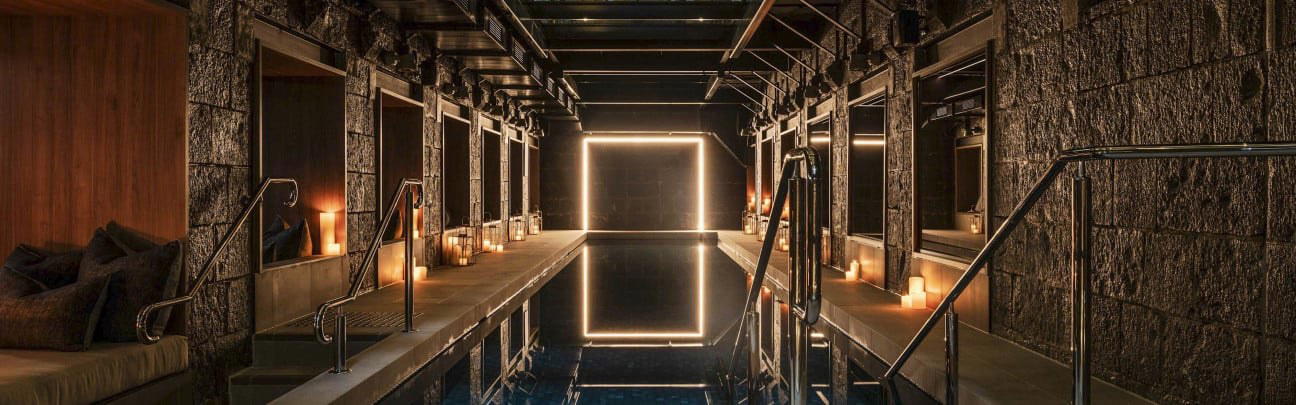
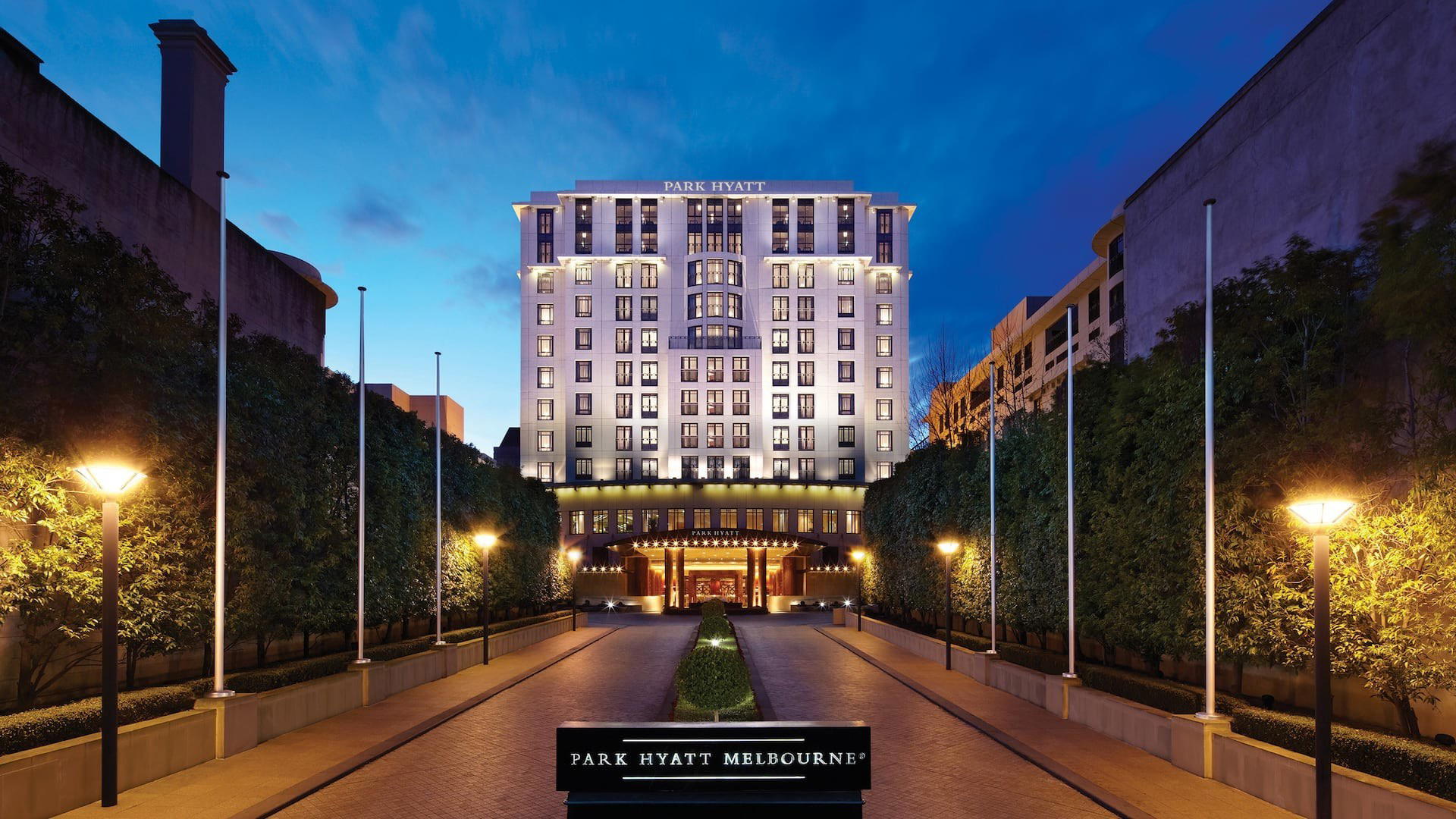
Hotels in Melbourne
Browse all →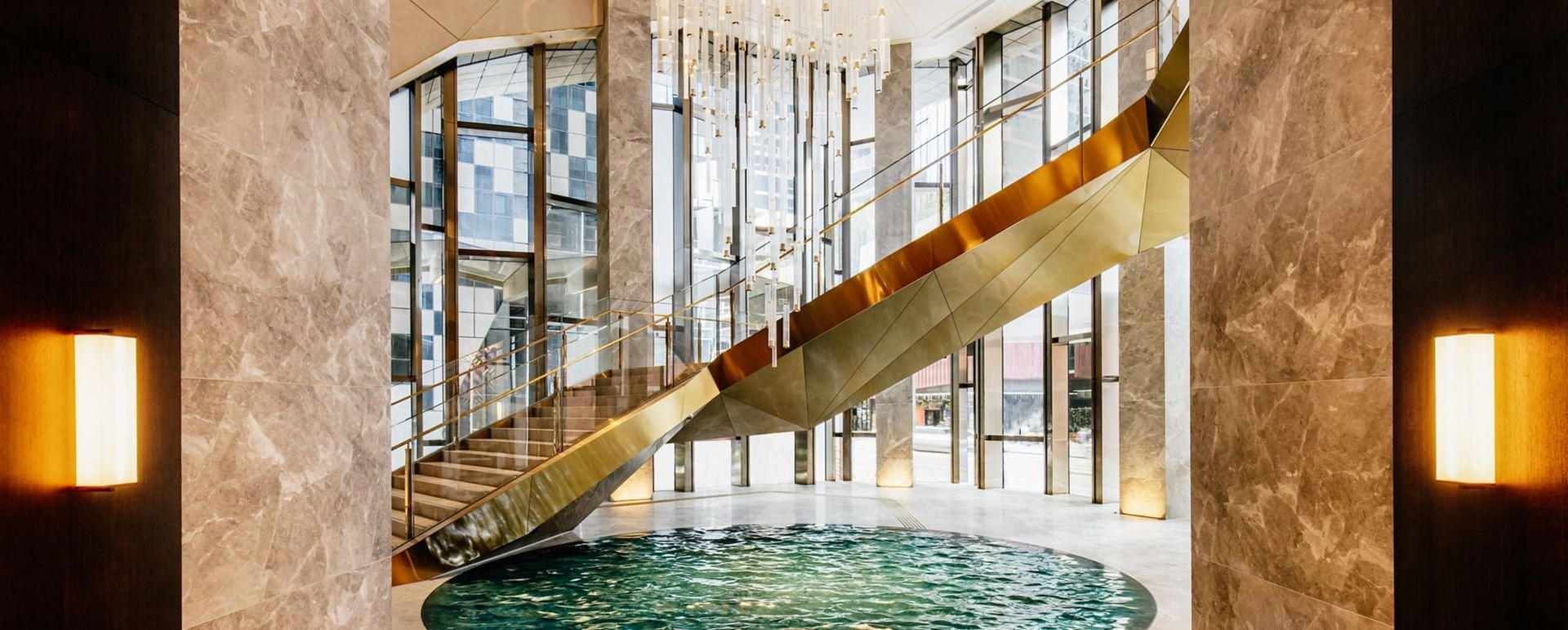
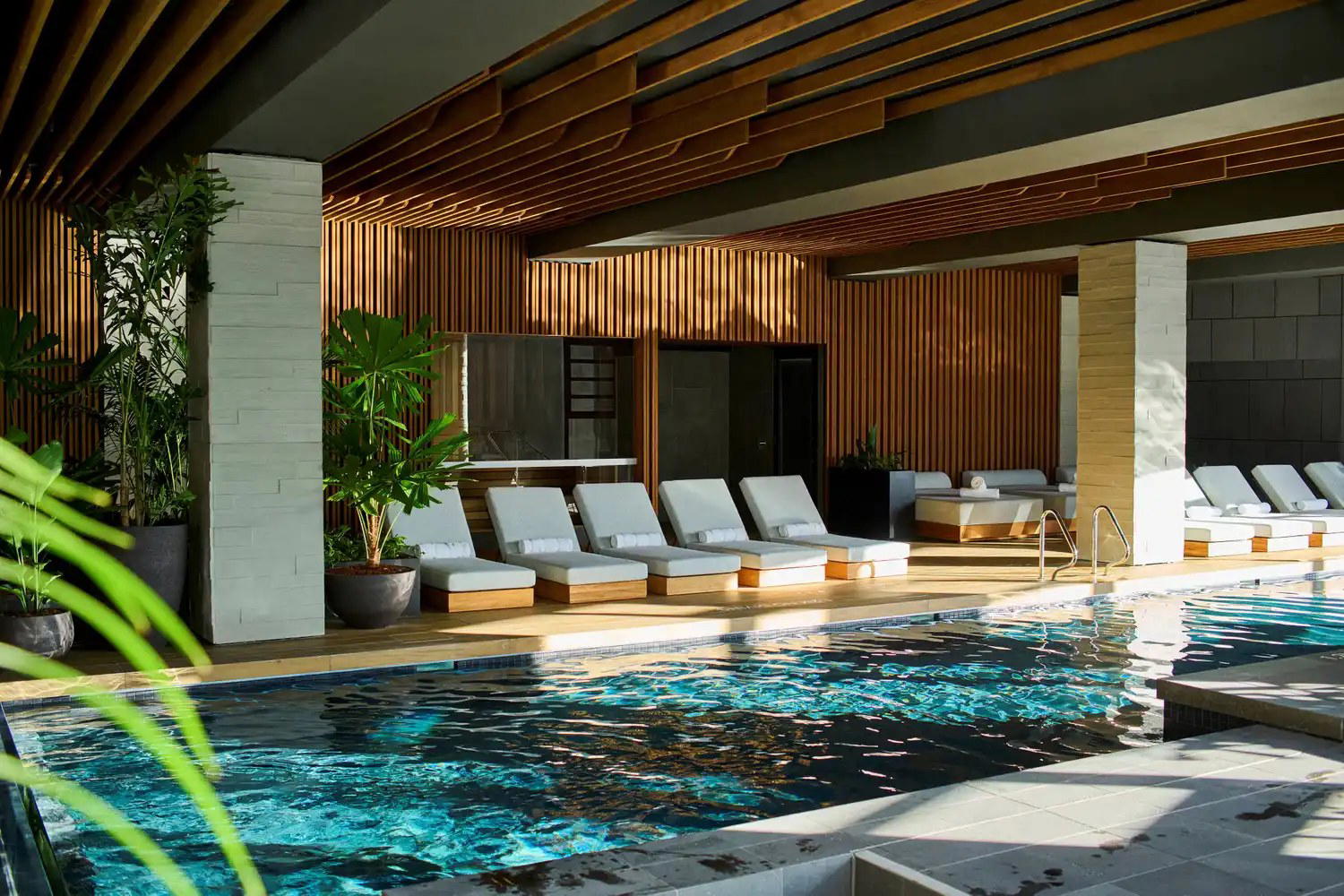
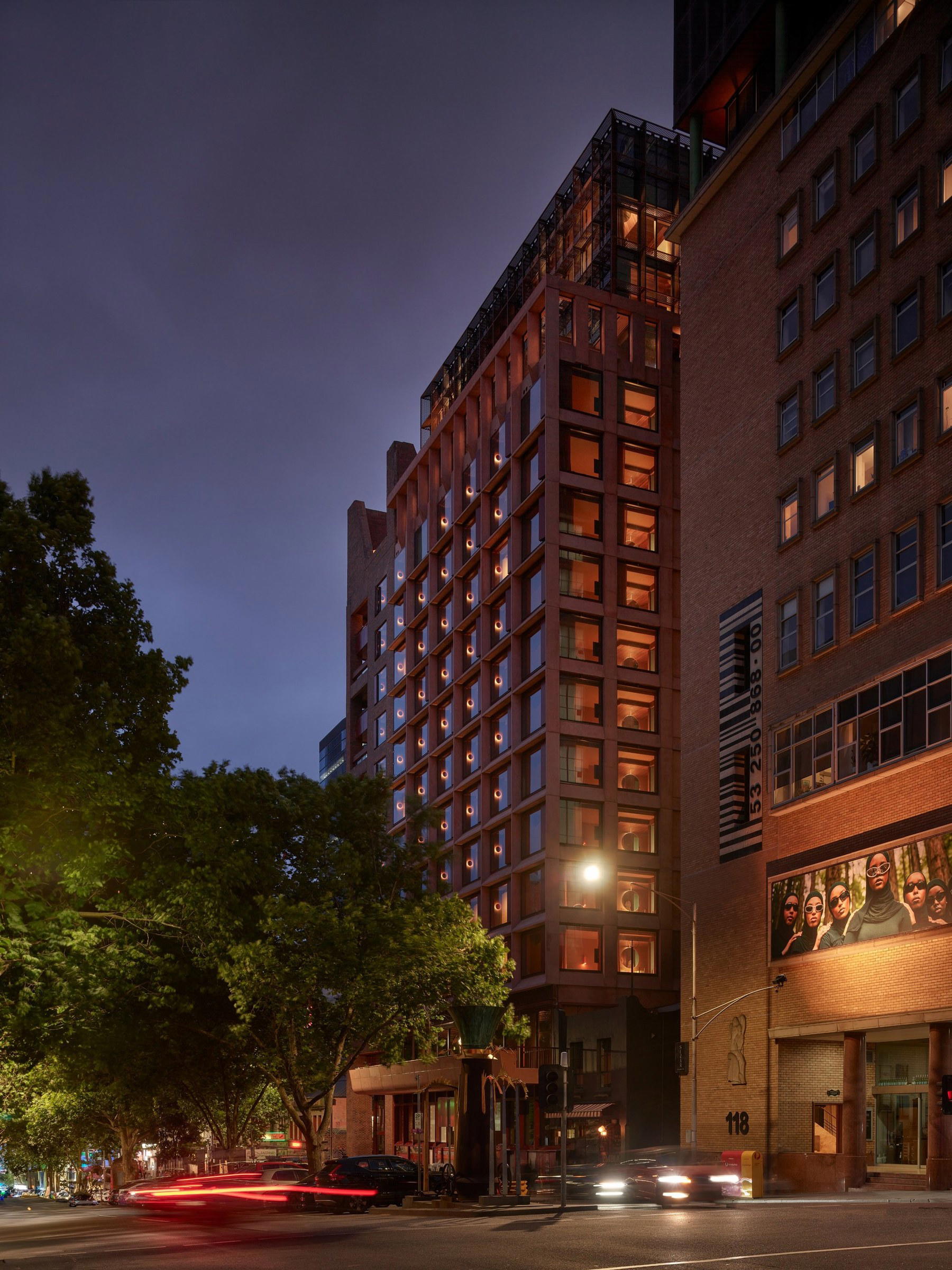
Bars in Melbourne
Browse all →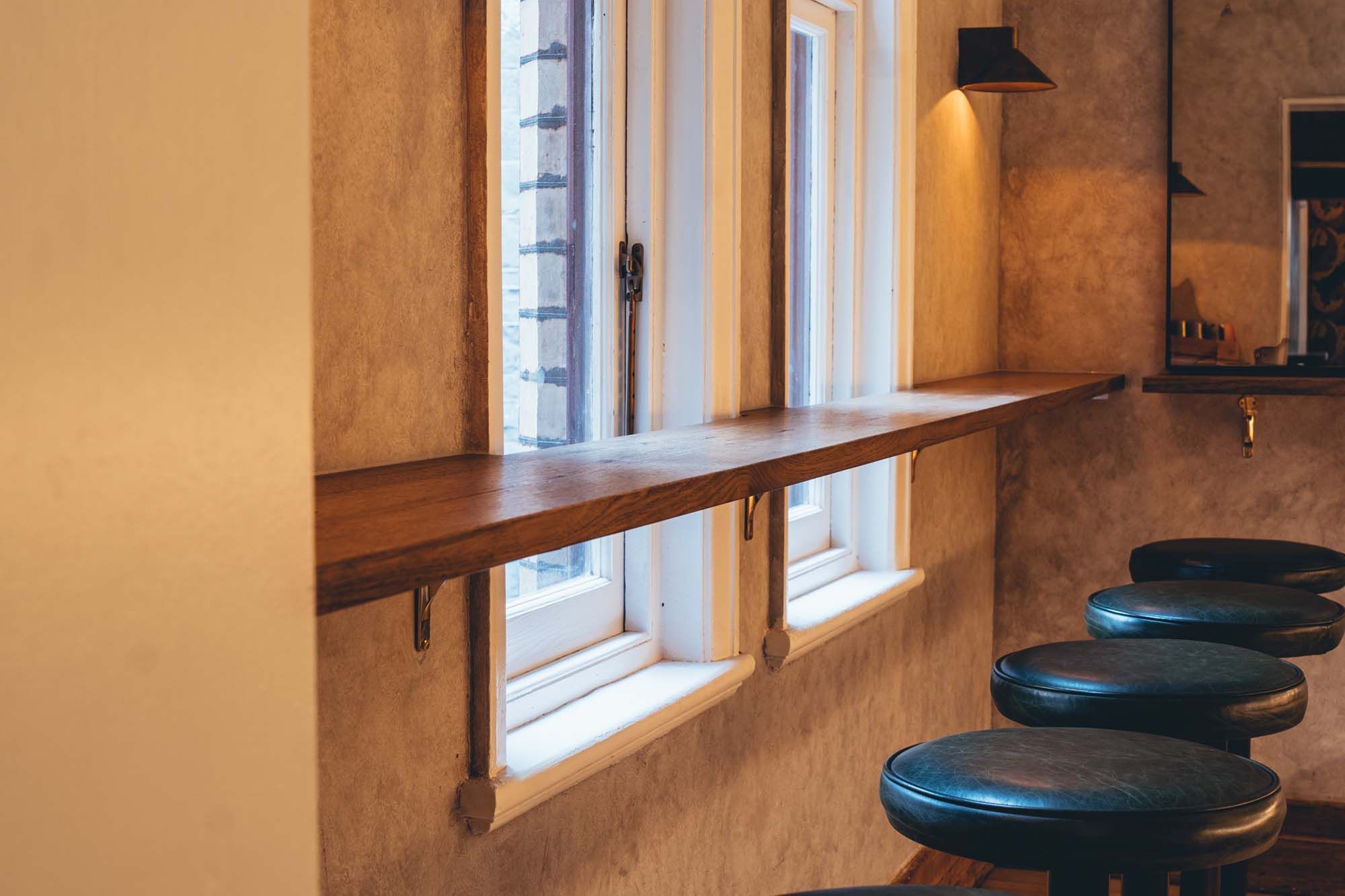
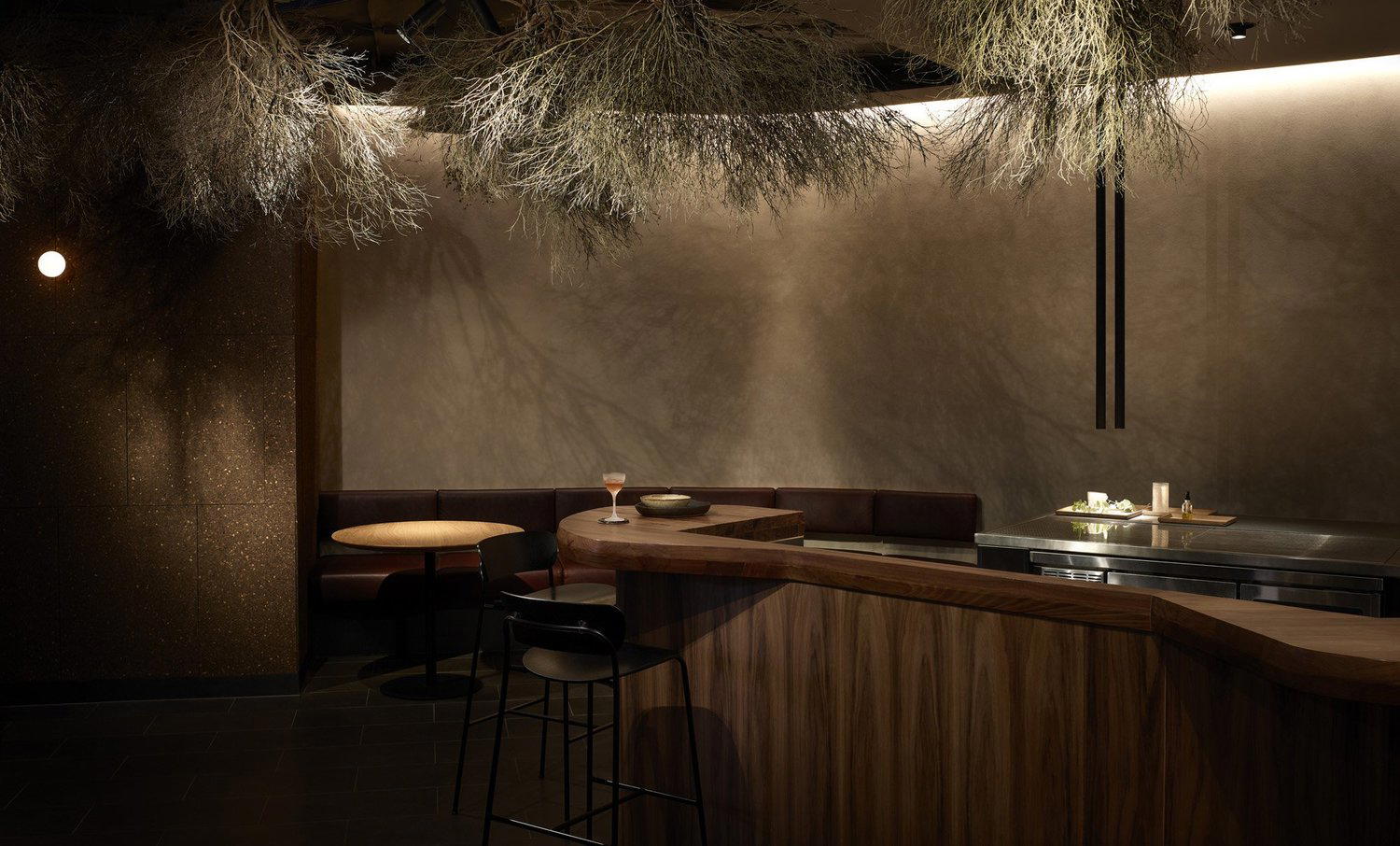
Restaurants in Melbourne
Browse all →



At a Glance
- Elegant
- Trendy
- Modern
- Well Known
- Sophisticated
- Weekend Escape
- Business Trip
- Family Vacation
- Celebration
- Romantic Getaway
- Group Retreat
- Rooftop Pool
- Garden
- Design Destination
- Wi Fi
- Pool
- Fitness Center
- Room Service
- Concierge
- Business Center
- Valet Parking
- Street Scene
- Wi Fi
- Pool
- Fitness Center
- Room Service
- Concierge
- Business Center
- Valet Parking
Chic and contemporary with lots of natural light, stylish but comfortable furnishings, and an urbane boutique feel that balances discreet luxury with a relaxed, social atmosphere in the Chapel Street precinct.