Skip to Main Content
← Collection
Bordeaux, France

COMO Cordeillan-Bages

Size28 rooms
GroupCOMO Hotels and Resorts
NoiseQuiet
CapacitySmall

COMO Cordeillan-Bages sits in Bordeaux’s wine-country imagination rather than its urban hotel rhythm, making architecture, vineyard context, and pace the real story. With limited public database detail available, the smart reading is comparative: place it against Bordeaux’s city addresses and French countryside hotels, then judge whether the setting matches the trip.

Pearl is the En Primeur Club membership app — saves, bookings, and concierge access live there. Same editors, same standards.

Plan your visit on PearlPlan Your Visit
Address
Bordeaux, France
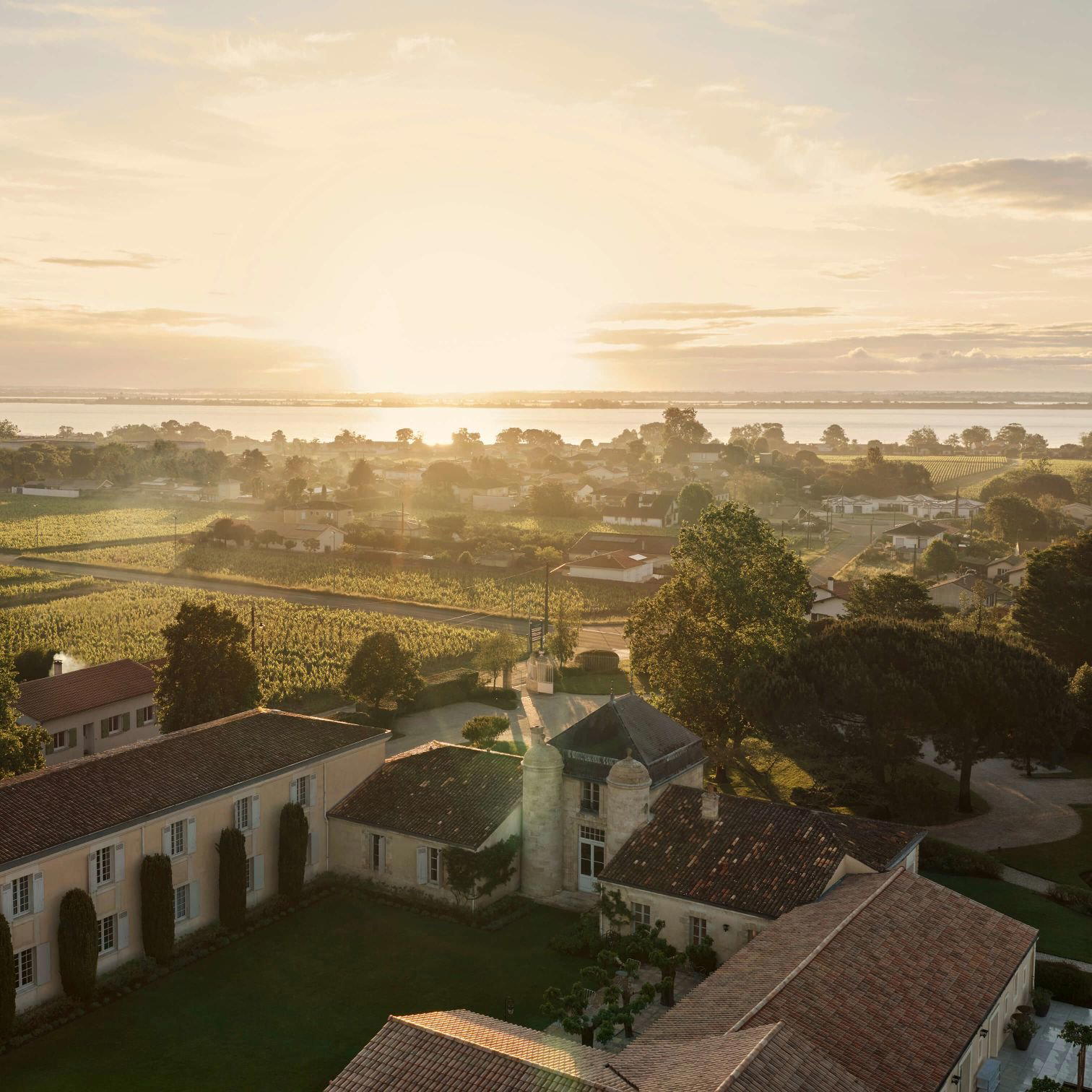
COMO Cordeillan-Bages hotel in Bordeaux, France
About

Vineyard architecture before hotel ritual

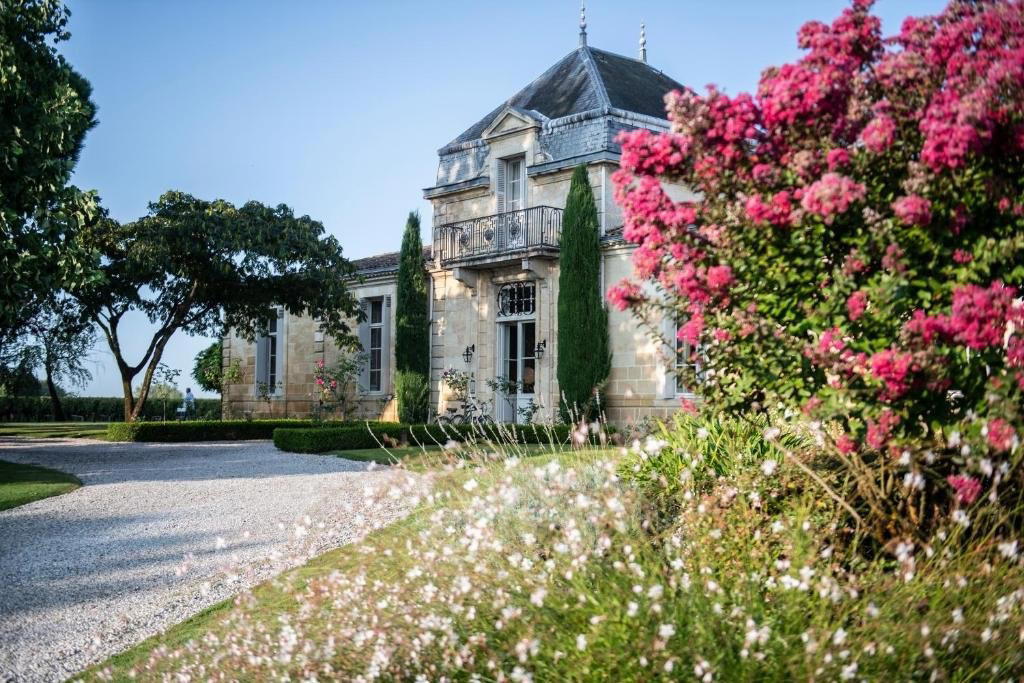
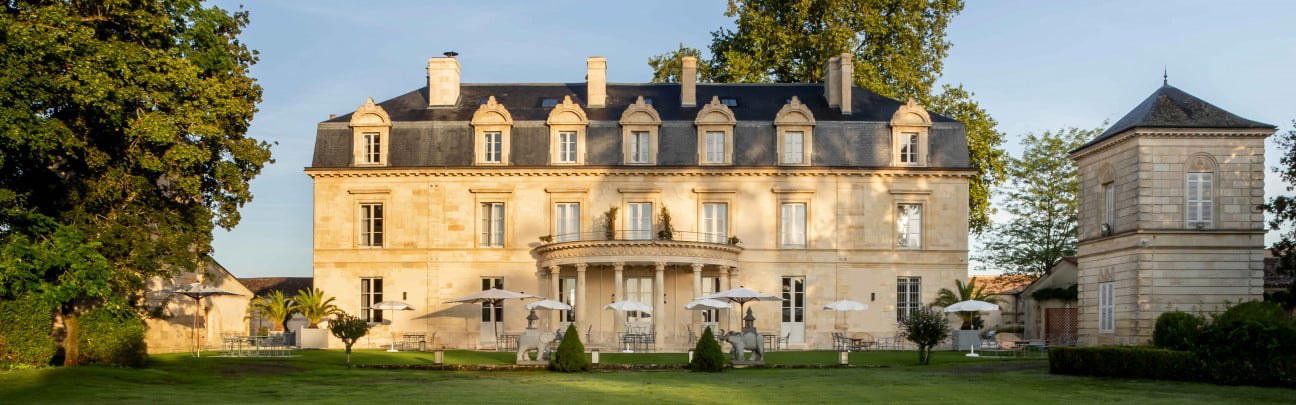
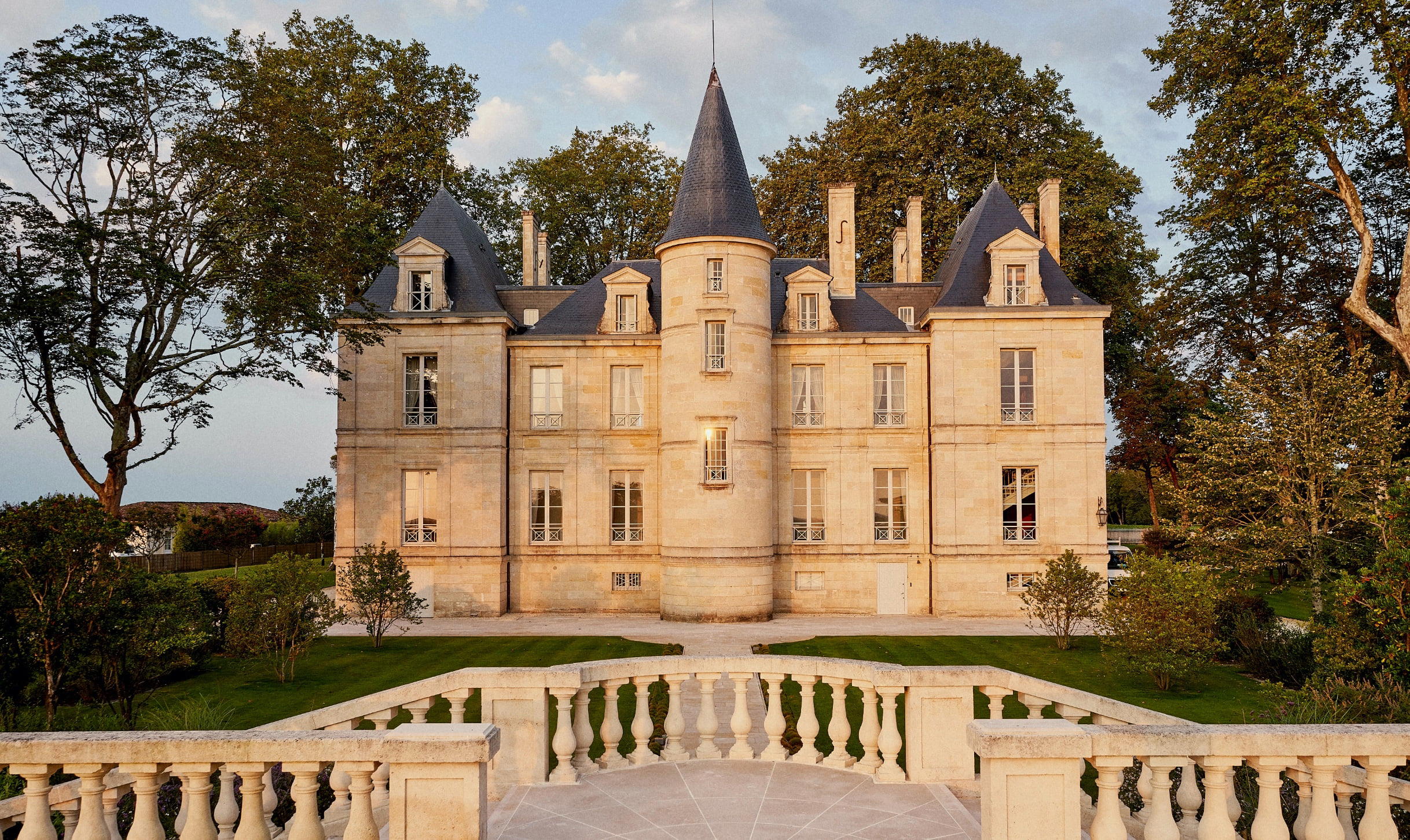
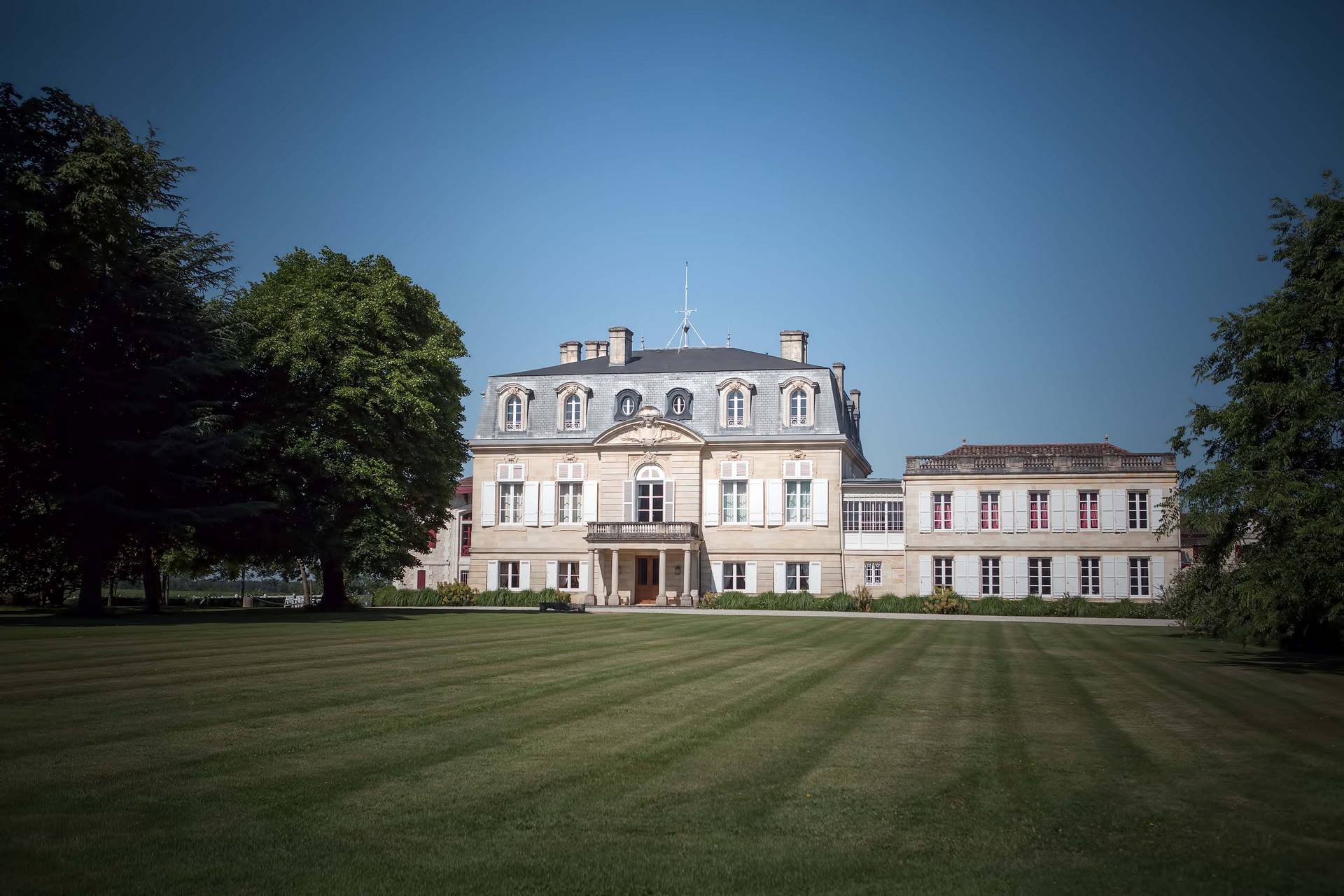
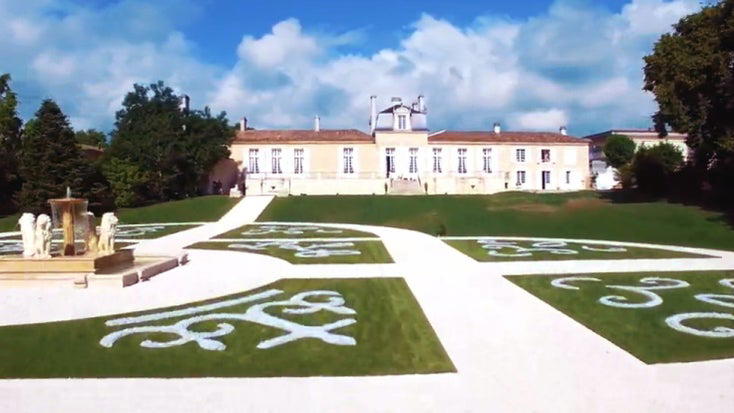
Approach in Bordeaux changes the way a hotel reads. In the city, stone façades, tramlines, and 18th-century symmetry set the register before the lobby does. In the wine country around Bordeaux, the sequence is quieter: gravel drives, cellar buildings, working estates, and the long horizontal order of vines. COMO Cordeillan-Bages belongs to that second grammar. The point is not simply sleeping outside the city; it is choosing a hotel where the built environment is expected to converse with viticulture, old estate fabric, and the slower tempo of a wine region.

Bordeaux hospitality has split into two useful categories for serious travellers. One is the urban address, where access to restaurants, museums, bars, and riverfront walking matters. The other is the estate-led stay, where the architecture has to justify time away from the city grid. That distinction matters more than star language. A vineyard hotel has to earn its place through scale, setting, and restraint, because the surrounding region already supplies theatre without needing a lobby to overperform.

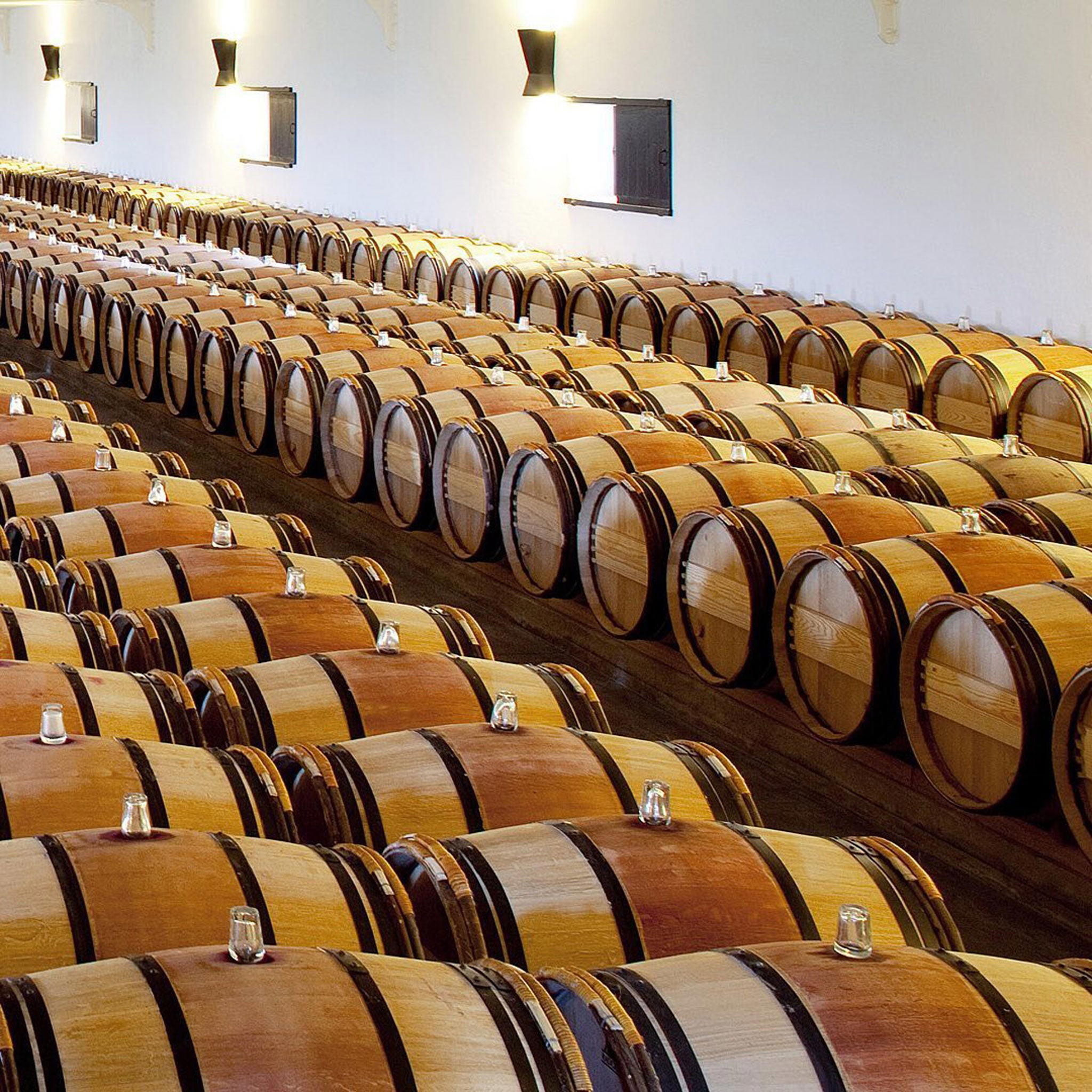
The architectural appeal here is therefore contextual rather than ornamental. Bordeaux is a region where limestone, barrel cellars, gravel soils, and château silhouettes carry cultural weight. A hotel in that world succeeds when it does not interrupt the visual order. For travellers choosing between Bordeaux city and wine-country stays, the question is less about amenities listed on a card and more about daily rhythm: do mornings begin with pavement and cafés, or with estate quiet and vineyard geometry?

Bordeaux hotels: city polish versus estate calm

The city’s hotel scene is unusually instructive because the contrasts are sharp. InterContinental Grand Hôtel Bordeaux represents the grand urban tradition: central, formal, and tied to the theatre of Bordeaux’s historic core. Burdigala by Inwood Hotels belongs to a more contemporary city-hotel category, useful for travellers who want Bordeaux as a walkable base rather than a wine-estate retreat. Smaller city properties such as Cardinal, Hotel Singulier, Hôtel Le Palais Gallien, La Zoologie, and Le Boutique Hôtel show another side of the market, where townhouse scale and neighbourhood texture often matter more than resort-style space.

Estate-led Bordeaux hotels occupy a different comparable set. Les Sources de Caudalie is the obvious comparison because it also places the hotel experience inside the wine-region frame. The difference between city and estate lodging is not a minor logistical preference; it changes the entire structure of a trip. City hotels make dinner progression easy, with restaurants, wine bars, and late walks close at hand. Estate hotels ask travellers to make fewer moves and spend more time in the property’s immediate environment.

That trade-off is where COMO Cordeillan-Bages should be understood. The useful editorial point is firmer: this is a Bordeaux choice for travellers who want the wine-country setting to carry the design narrative, not for those treating the hotel as a neutral place to sleep between city appointments.

The design question: restraint in a region already full of symbols

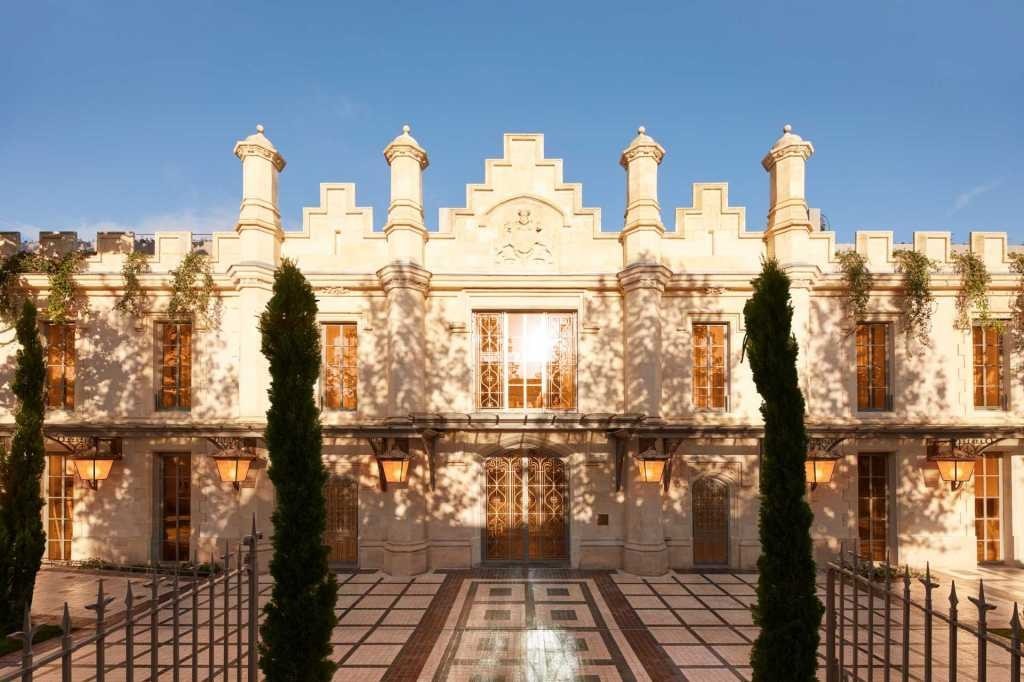
Bordeaux can punish excess. A hotel in this region competes with some of France’s strongest visual codes: château avenues, classified-growth mythology, stone villages, cellar doors, and vineyard lines that have been photographed into cliché. Good design in this context usually works by subtraction. It lets proportion, light, and landscape do more of the work than decorative insistence. That is why the estate-hotel category is more demanding than it first appears. The building does not need to announce wine country; it needs to avoid turning wine country into stage set.

The COMO brand association also places the property in an international conversation about quiet luxury, though the record does not provide hotel-group detail for this property. In travel terms, the relevant comparison is with design-led country hotels that use location as architecture. France has several versions of this: palace tradition on the Riviera, monastic or château inheritance in the countryside, and winery-adjacent retreats in regions where agriculture and leisure overlap.

For readers comparing beyond Bordeaux, the distinction becomes clearer. Le Bristol Paris in Paris is urban palace culture, where service ceremony and city address carry the weight. Hotel Du Cap-Eden-Roc in Cap d'Antibes is Riviera mythology, built around sea, season, and social ritual. The Maybourne Riviera in Roquebrune-Cap-Martin frames luxury through contemporary cliffside architecture. Bordeaux’s wine-country hotels have a quieter brief: they must make agricultural land feel considered without making it feel cosmetic.

How the setting shapes the stay

A Bordeaux estate stay is not only about room design. It changes meal planning, wine touring, and the level of spontaneity available each day. City-based travellers can move easily between the dining room, a bar, and a late tram or taxi. Estate-based travellers usually plan in blocks: vineyard visits, a long lunch, a slower afternoon, then dinner either on property or by arranged transfer. That rhythm suits visitors who want the region to feel spacious rather than sampled.

Because the database record does not list a cuisine type, chef name, restaurant awards, hours, or signature dishes, dining should be approached with verification rather than assumption. Bordeaux as a region offers two parallel food identities: refined hotel dining tied to wine service, and city cooking that ranges from bistros to tasting-menu restaurants. The practical reason is simple: restaurant choice affects lodging choice. A city dinner followed by a long return transfer can blunt the pleasure of a wine-country stay.

The same applies to drinking. Bordeaux is not a cocktail-first city in the way Paris or London can be, but hotel bars, wine bars, and cellar-led addresses shape evenings differently depending on location.

Where it sits in the French hotel conversation

France’s countryside luxury hotels are not interchangeable. Provence, Champagne, Burgundy, the Riviera hinterland, and Bordeaux each produce a different architectural expectation. La Bastide de Gordes in Gordes plays from village elevation and Luberon stone. Royal Champagne Hotel & Spa in Champillon uses vineyard views in a Champagne register. Domaine Les Crayères in Reims carries a more formal estate identity. Villa La Coste in Le Puy-Sainte-Réparade brings art, architecture, and wine into one campus-like proposition.

Bordeaux’s version is more disciplined. The region’s prestige is already embedded in appellations, château names, and cellar culture, so hospitality does not need to borrow glamour from elsewhere. That is the strongest argument for a wine-country property in this market: the hotel is part of a territorial system, not an isolated resort fantasy. COMO Cordeillan-Bages fits that reading as a Bordeaux hotel whose value depends on proximity to the region’s wine identity and the architectural calm expected from an estate setting.

Comparisons outside Bordeaux sharpen the point. La Réserve Ramatuelle - Hôtel, Spa and Villas in Ramatuelle works through Mediterranean privacy and coastal seasonality. Hôtel & Spa du Castellet in Le Castellet sits in a Provençal resort register. Hôtel de Paris Monte-Carlo in Monte Carlo belongs to casino-square grandeur, while Badrutt's Palace Hotel in St. Moritz is alpine social theatre. Bordeaux is more contained. Its strongest hotels tend to be judged by how intelligently they relate to wine, stone, and landscape.

What to verify before planning

The record does not include address, phone number, website, price range, awards, restaurant details, booking method, or hours. That absence changes the editorial advice. Travellers should not infer palace-level services, specific restaurant credentials, or reservation rules from reputation alone. The right approach is to confirm current operating details before arranging winery visits, transfers, or meals around the stay.

There is also a sequencing issue. Bordeaux trips work better when accommodation is chosen after deciding how many days belong to the city and how many belong to wine country. A first-time visitor with limited time may prefer a city base, then targeted vineyard excursions. A repeat visitor, or anyone building the trip around Médoc and château visits, may find an estate address more coherent.

Season matters in Bordeaux, though not in the simplistic high-season sense. Spring and early autumn generally give the region its strongest travel logic: vineyard activity, longer light, and enough restaurant energy to justify planning ahead. Winter can be atmospheric and quieter, but opening patterns and restaurant schedules deserve closer checking. Harvest periods can be compelling from a regional-culture perspective, yet they also bring operational pressure across wine estates. The planning principle is clear: let the wine calendar shape expectations rather than treating Bordeaux like a generic city break.

Practical read: who should choose it

This is a sharper fit for travellers who want Bordeaux to feel territorial. If the appeal is architecture in dialogue with wine country, estate quiet, and a slower itinerary, the choice makes sense. If the priority is walking to dinner, comparing wine bars after dark, or using the hotel as a central base for museums and shopping, a city property will serve the trip with less friction. That is not a hierarchy; it is a question of travel design.

For international travellers, the comparison can even extend beyond France. The Fifth Avenue Hotel in New York City demonstrates the opposite model: dense urban character, immediate neighbourhood energy, and interior design as a city statement. Bordeaux wine-country lodging works differently. The land around the hotel is not background. It is the main architectural material, and the hotel’s success depends on whether it lets that fact remain visible.

Frequently asked questions

Comparable Venues Nearby

Comparable venues nearby, for context on price, style, and recognition.

At a Glance
Vibe
  • Elegant
  • Quiet
  • Scenic
  • Romantic
  • Sophisticated
  • Intimate
Best For
  • Romantic Getaway
  • Honeymoon
  • Weekend Escape
  • Anniversary
  • Celebration
  • Group Retreat
Experience
  • Garden
  • Terrace
  • Historic Building
  • Design Destination
  • Waterfront
  • Private Dining
Amenities
  • Wifi
  • Pool
  • Spa
  • Fitness Center
  • Room Service
  • Concierge
  • Business Center
  • Valet Parking
  • Ev Charging
Views
  • Vineyard
  • Garden
Dress CodeSmart Casual
Noise LevelQuiet
CapacitySmall
Rooms28
Check-In16:00
Check-Out12:00
PetsAllowed

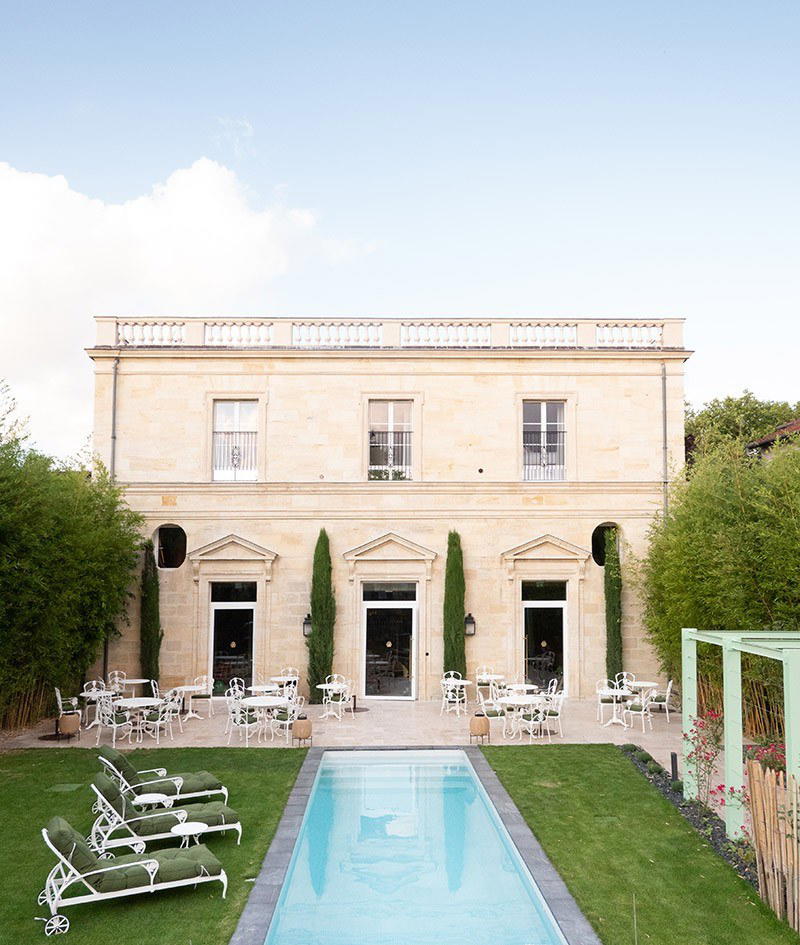
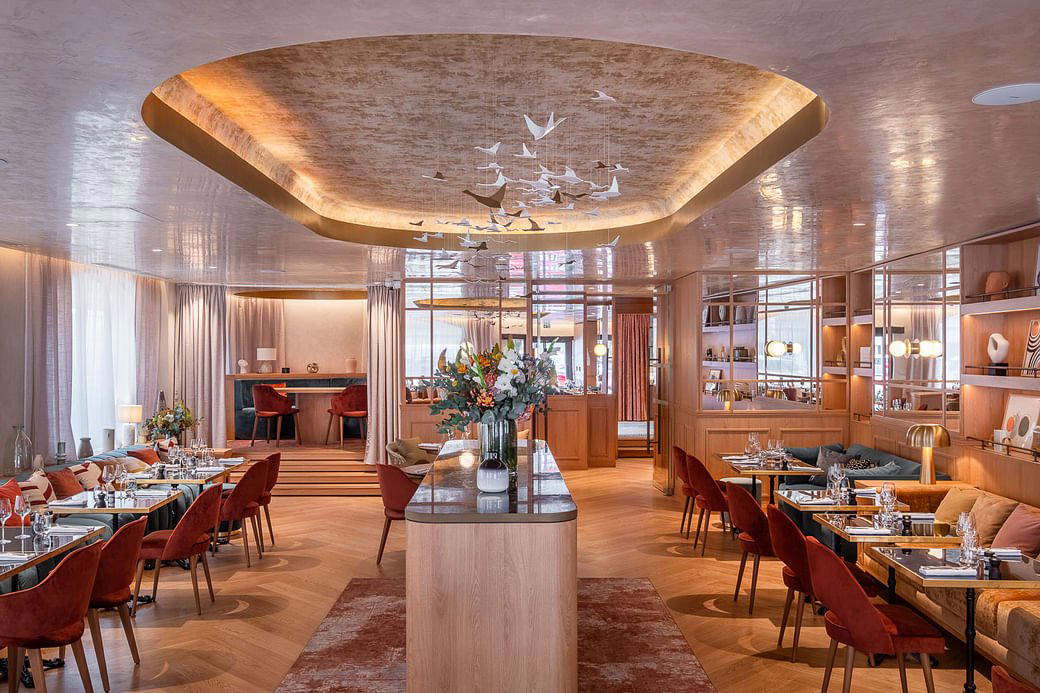
Serene and refined, with light‑filled contemporary rooms inside a historic chartreuse, quiet vineyard and garden views, and a calm, intimate atmosphere focused on wine, gastronomy, and relaxed luxury.