Colbert Collection Koh Samui belongs to the quieter end of the island’s luxury hotel conversation, where design language and setting carry more weight than brand mythology. With no public awards, rates, room categories, or booking channels in the available record, it is better assessed against Koh Samui’s broader resort grammar: coastal privacy, indoor-outdoor living, and the practical trade-offs between seclusion and access.

Pearl is the En Primeur Club membership app, where members save venues, book tables and use the concierge.
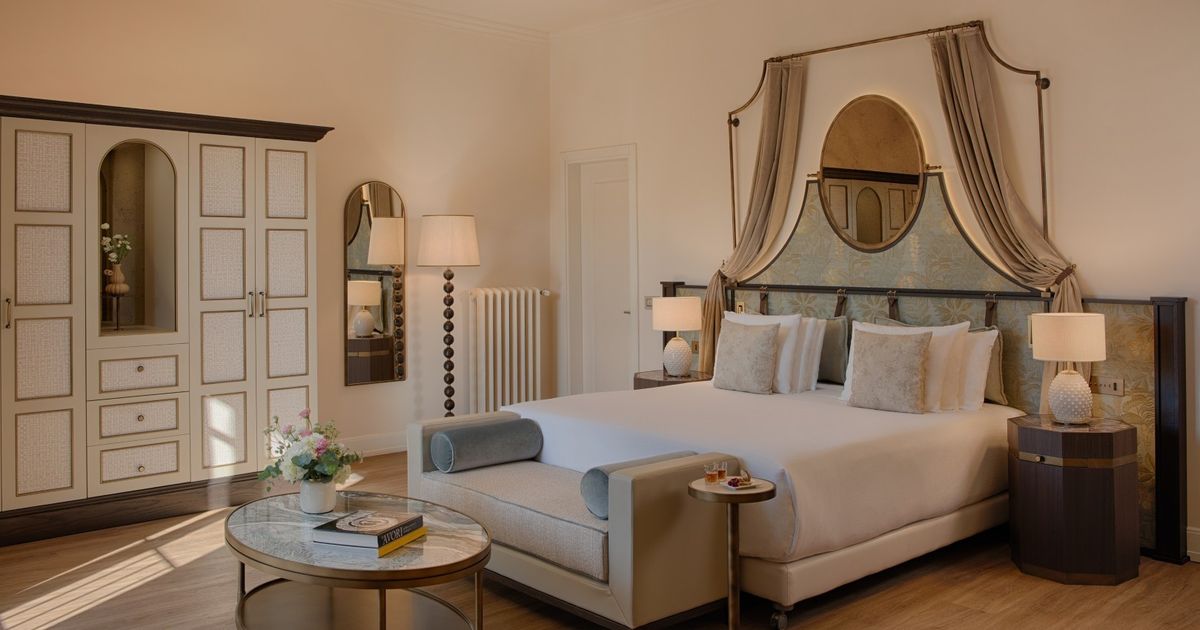
Arrival, architecture, and the Samui resort grammar
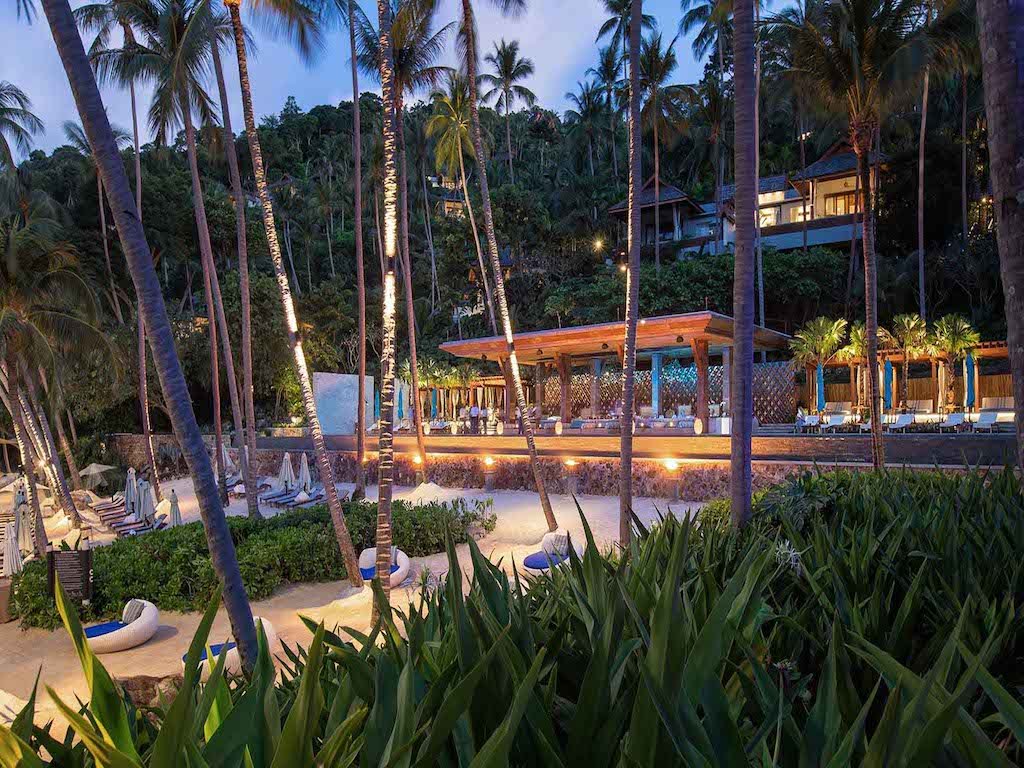
Koh Samui announces its hotel character through edges: coconut groves meeting paved resort drives, steep headlands giving way to private villas, beach roads shifting from village traffic to hushed compounds. Colbert Collection Koh Samui sits inside that island conversation, where the physical experience of arrival matters because Samui luxury is rarely urban, rarely vertical, and rarely detached from landscape. The island’s stronger properties use architecture to manage heat, monsoon light, salt air, and privacy; the weaker ones treat the sea as decoration.
That category is crowded and varied. Hillside villa estates such as Samujana Villas lean into residential scale and view management. Coastal spa resorts such as Banyan Tree Samui use enclosure and water as organizing principles. Older beachside names such as Belmond Napasai trade on gardened calm rather than spectacle. Colbert Collection Koh Samui should be judged against that spread, not against city hotels where lobby theatre and restaurant density drive the stay.
Why design carries the decision in Koh Samui
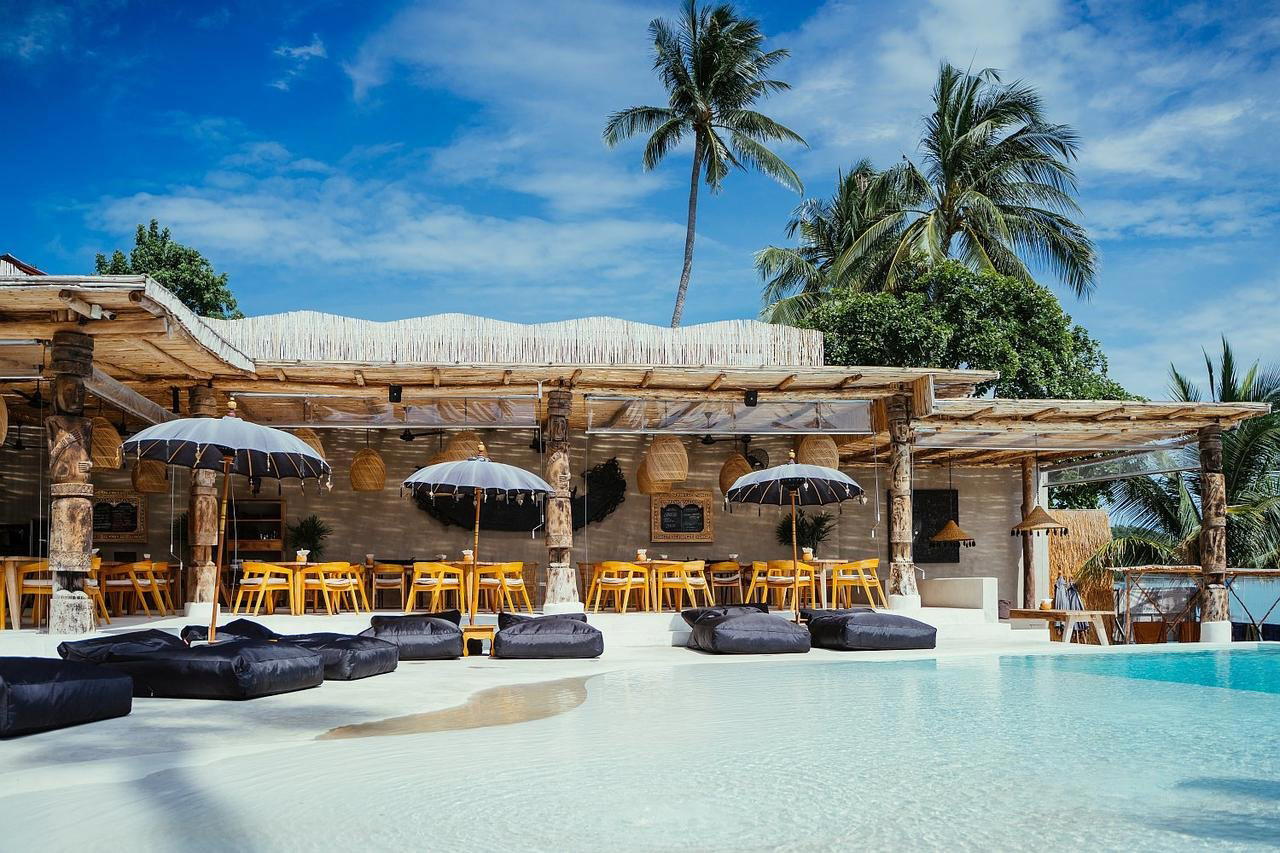
On Samui, architecture is not a cosmetic subject. It determines whether a stay feels protected from humidity, traffic, and resort sprawl, or exposed to them. The island’s luxury market has developed around three design solutions: beachfront low-rise resorts, hillside pool-villa compounds, and village-adjacent properties that use landscaping to create distance. plan, the responsible editorial position is to read it through those patterns and ask practical questions before committing: is the property beach-facing or inland, villa-based or room-based, compact or spread out, walkable or car-dependent?
That matters more here than in Bangkok or Chiang Mai. A hotel such as Mandarin Oriental Bangkok in Bangkok can draw authority from riverfront history, service rituals, and restaurant depth. Four Seasons Resort Chiang Mai in Chiang Mai is read through rice-field landscaping and northern Thai spatial codes. Samui’s resort test is simpler and less forgiving: does the property make tropical living feel easy, shaded, private, and connected to the island rather than sealed off from it?
The island's luxury split: beach, hill, and village
Koh Samui’s hotel scene has matured beyond a single beach-resort model. Choeng Mon and Bophut support polished, access-friendly stays, while the island’s headlands favor villa privacy and stronger views. SALA Samui Choengmon Beach represents the beach-first school, with a setting that suits travellers who want resort rhythm and local movement in the same day. Six Senses Hideaway Samui belongs to the more secluded, retreat-led side of the island, where privacy and wellness programming usually outrank walkability.
Colbert Collection Koh Samui enters this field without the usual public markers: no awards are listed, no price range is available, and no hotel group is attached in the record. In a destination with established competitors, a lesser-documented hotel needs clarity on physical setting, room format, service scope, and access. Design may be the draw, but logistics decide whether that design works across a three-night stay.
How to compare it with Samui's established addresses
The useful comparison is not a ranking; it is a question of travel style. Anantara Bophut Koh Samui Resort places guests closer to Fisherman’s Village energy and the social side of the island. Anantara Lawana Resort and Spa sits in the Chaweng orbit, a better match for travellers who want the island’s busier dining and nightlife zones within easier reach. Bo Phut Resort fits the lower-key beach-resort tradition, with the kind of established local familiarity that can matter as much as design polish.
Colbert Collection Koh Samui, by contrast, is harder to classify from the available record. That makes it a more due-diligence-heavy choice. Travellers should ask for current photography, room-category distinctions, access details, and dining arrangements before treating it as a direct substitute for the better-documented Samui names. In a mature island market, scarcity of public information is not a style note; it is a planning factor.
Food, bars, and the limits of the record
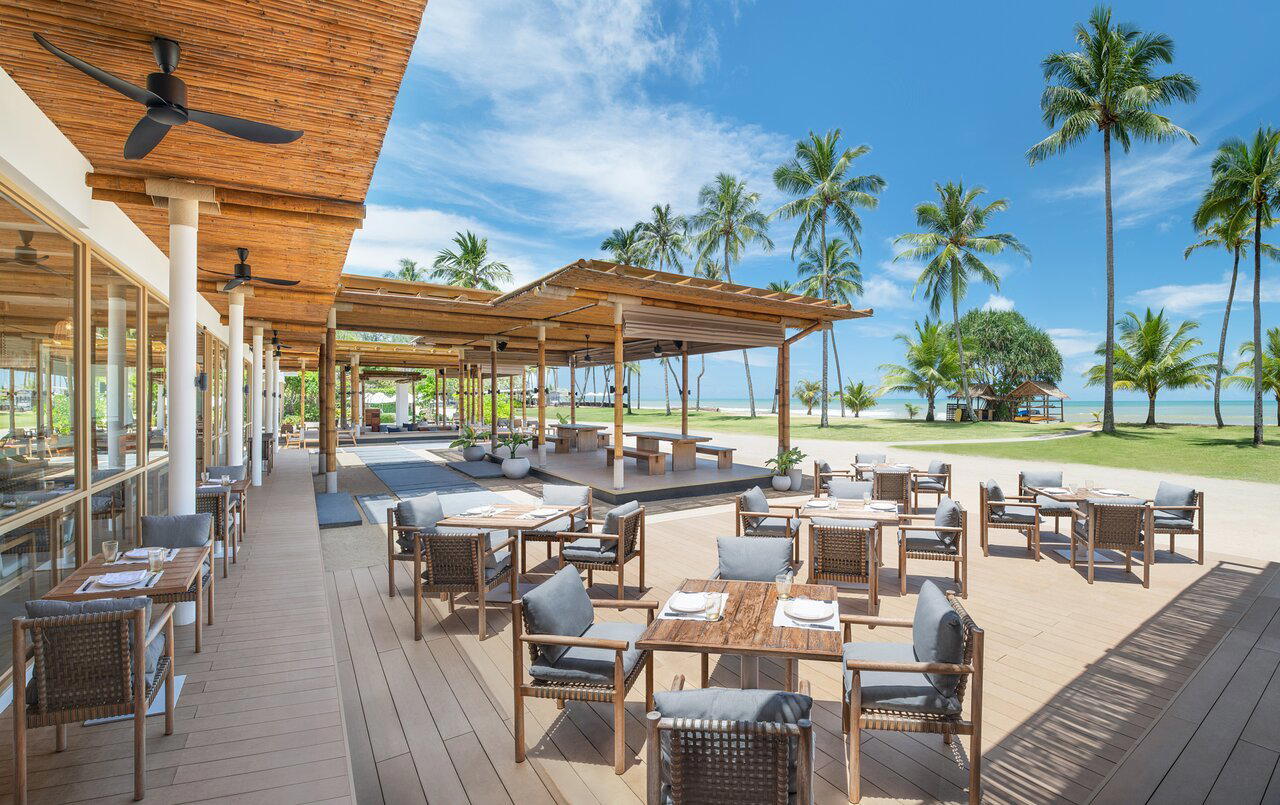
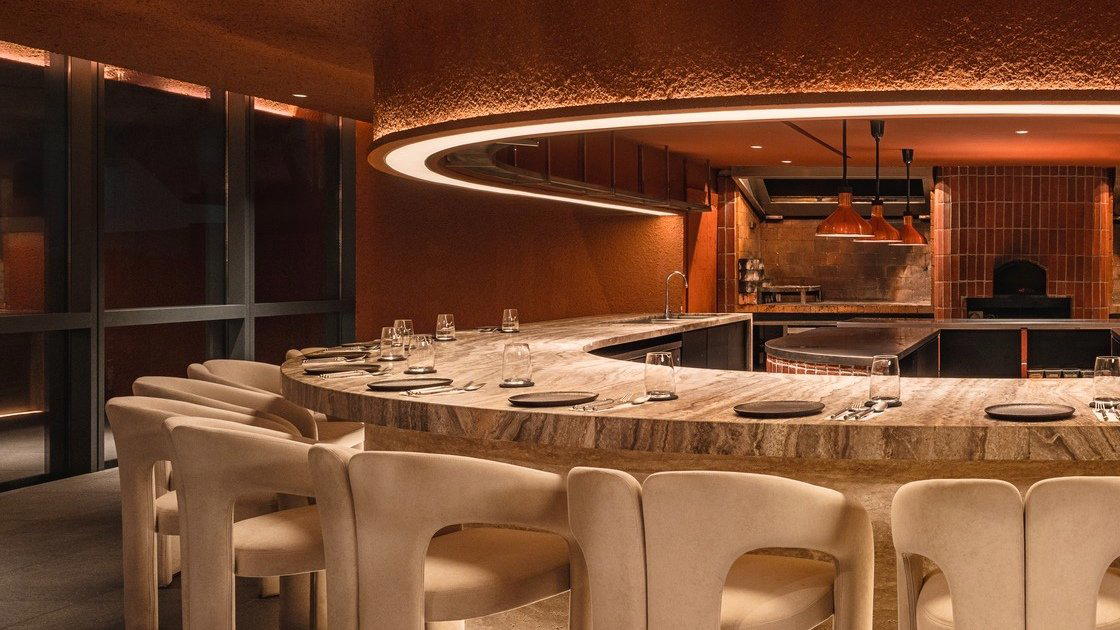
No cuisine type, chef name, restaurant format, bar program, or signature dishes are listed for Colbert Collection Koh Samui. That gap is significant because island hotels often become a guest’s default dining room, especially when the property is secluded or taxi-dependent. Samui’s wider food scene ranges from hotel fine dining to beach grills, market seafood, southern Thai cooking, and international resort menus. The question is whether the hotel expects guests to stay in for dinner or use it as a base for the island.
Until verified dining details are available, the sensible strategy is to treat the hotel’s food and drink program as unconfirmed and plan around the broader destination. EP Club’s Our full Koh Samui restaurants guide is the stronger reference for mapping meals beyond the property, while Our full Koh Samui bars guide helps separate beachfront sundowners from cocktail-led addresses. For broader trip planning, Our full Koh Samui experiences guide and Our full Koh Samui wineries guide frame the island beyond the resort gate, even where wine culture is imported rather than estate-based.
What the absence of awards and ratings actually tells you
In travel writing, absence should not be dressed up as mystique. It means the property cannot be assessed through Michelin-style hotel keys, major reader awards, global hotel rankings, or quantified guest-review volume from the record supplied here. That places more weight on verifiable basics: location, room specification, cancellation terms, confirmed amenities, and direct communication from the property.
This is also where comparison helps. Thailand’s luxury hotel field includes heavily documented resorts such as Phulay Bay, A Ritz-Carlton Reserve in Krabi, design-led escapes such as Keemala in Phuket, and remote-island models such as Soneva Kiri in Trat. Those properties are easier to benchmark because brand, setting, and public reputation are more clearly documented. Colbert Collection Koh Samui requires a more cautious reading until comparable proof points are available.
Who it suits, and who should compare harder
Colbert Collection Koh Samui is most plausible for travellers who already understand Samui’s resort geography and are comfortable verifying details directly before travel. The likely appeal is not big-brand reassurance, but the possibility of a quieter, design-sensitive stay within a destination that can feel overbuilt in its busiest corridors.
Travellers who want a known resort ecosystem may prefer to compare the property with Our full Koh Samui hotels guide before deciding. Those building a wider Thailand itinerary can also look beyond the island. Anantara Golden Triangle Elephant Camp & Resort in Chiang Rai offers a northern Thailand lens built around landscape and conservation programming, while Pimalai Resort & Spa in Koh Lanta suits travellers comparing island calm across the Andaman side. The Sarojin Thailand in Phang Nga and InterContinental Hua Hin Resort in Hua Hin show how different Thai coastal hotels solve the same questions of access, privacy, and design identity.
Planning the stay with incomplete public details
Confirm the exact location first, since Samui travel time changes sharply by beach, hill road, and evening traffic. Confirm whether the stay is room-based or villa-based, whether breakfast and transfers are included, and how dining works if the property is removed from the main resort strips. For peak travel periods, especially late December into early January and school-holiday windows, any serious Samui hotel enquiry should happen well ahead of travel, even when a property has not published awards or ratings.
Weather also affects the design experience. Samui’s drier, brighter months support open-air living and beach movement, while wetter periods place more pressure on covered circulation, indoor lounges, and in-room comfort. A hotel with strong architecture handles both; a hotel dependent only on fair-weather views does not. That is the central question for Colbert Collection Koh Samui until more details are public: whether the physical design supports the whole stay, not just the arrival photograph.
Regional and global context
Luxury hotel comparison has become more design-literate. Travellers now distinguish between heritage service, resort seclusion, wellness infrastructure, and architectural authorship rather than treating all premium hotels as interchangeable. In Europe, Hôtel de Paris Monte-Carlo in Monte Carlo is read through civic glamour and palace-hotel history; Badrutt's Palace Hotel in St. Moritz through Alpine seasonality and grand-hotel ritual. In New York, The Fifth Avenue Hotel in New York City belongs to an urban design conversation shaped by neighbourhood density and adaptive interiors.
Koh Samui operates by another logic. The design has to negotiate climate, privacy, sea access, and the guest’s appetite for movement. Colbert Collection Koh Samui should therefore be read less as a trophy address and more as a question of fit: does its setting, once verified, match the way the traveller wants to use the island?
Comparable venues nearby, for context on price, style, and recognition.
| Venue | Cuisine | Price | Awards | Notes |
|---|---|---|---|---|
| Colbert Collection Koh SamuiThis venue (the venue you are viewing) | Intimate, design-led beachfront boutique resort under a soft-brand collection, focused on cultural connection and a strong sense of place. | Not listed | Not listed | Not listed |
| Buri Rasa Village Samui | Traditional southern Thai dwellings in a tropical garden setting | $200–300 | World Luxury Hotel Awards WLHA Continent Winner | Chaweng Beach |
| Bo Phut Resort | Traditional Thai resort with modern upscale touches and lush garden settings | Not listed | La Liste Top Hotels · World Luxury Hotel Awards WLHA Country Winner | Bophut |
| Anantara Bophut Koh Samui Resort | Contemporary Thai resort with lush Bill Bensley-designed gardens on Bophut beach. | Not listed | Michelin Selected · La Liste Top Hotels | Bophut |
| SALA Samui Chaweng Beach Resort | Modern design-led beachfront resort with two wings inspired by lunar phases. | $300–500 | Michelin Selected | Chaweng Beach |
| Meliá Koh Samui | Nautical-themed beach resort with 'resort within a resort' concept featuring The Level exclusive area. | $100–200 | Michelin Selected | Choeng Mon |
Continue exploring
More in Koh Samui
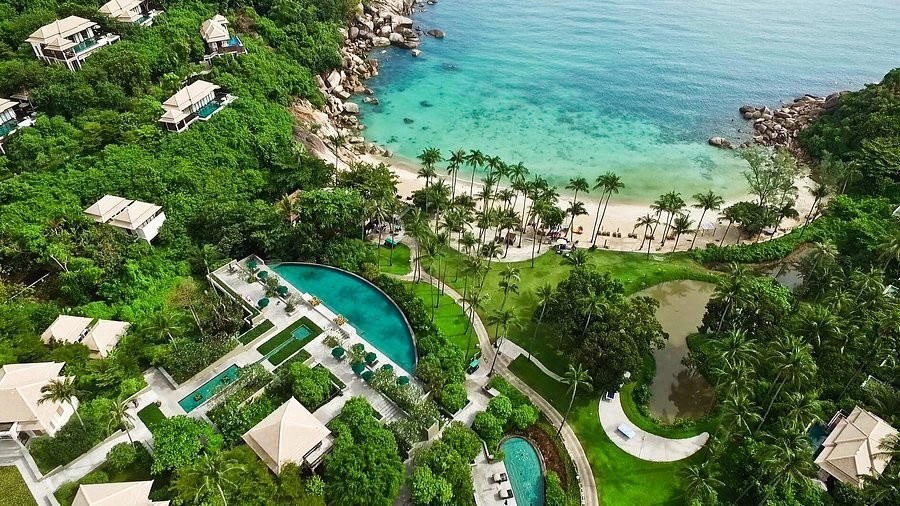
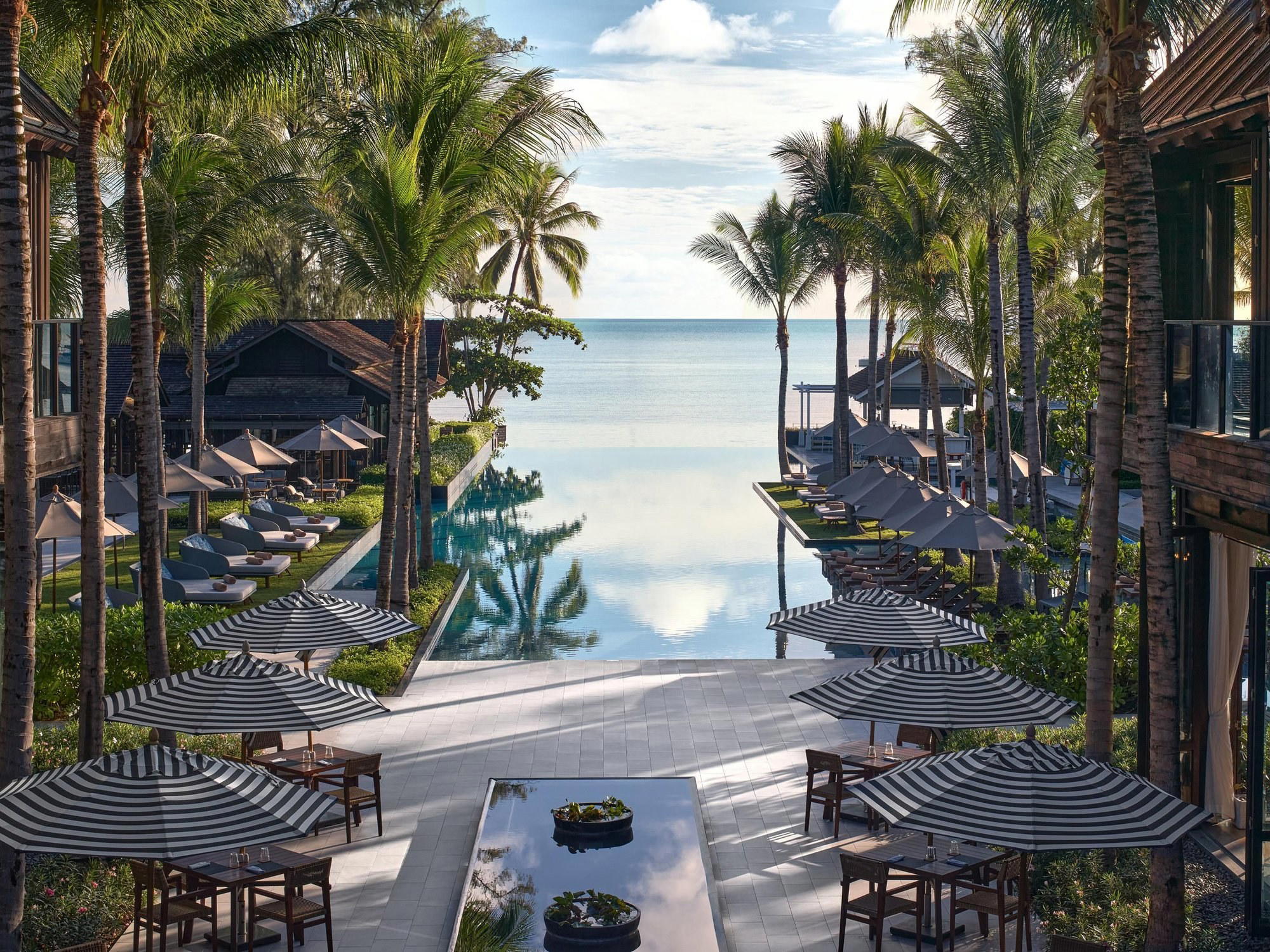
Hotels in Koh Samui
All hotels in Koh Samui →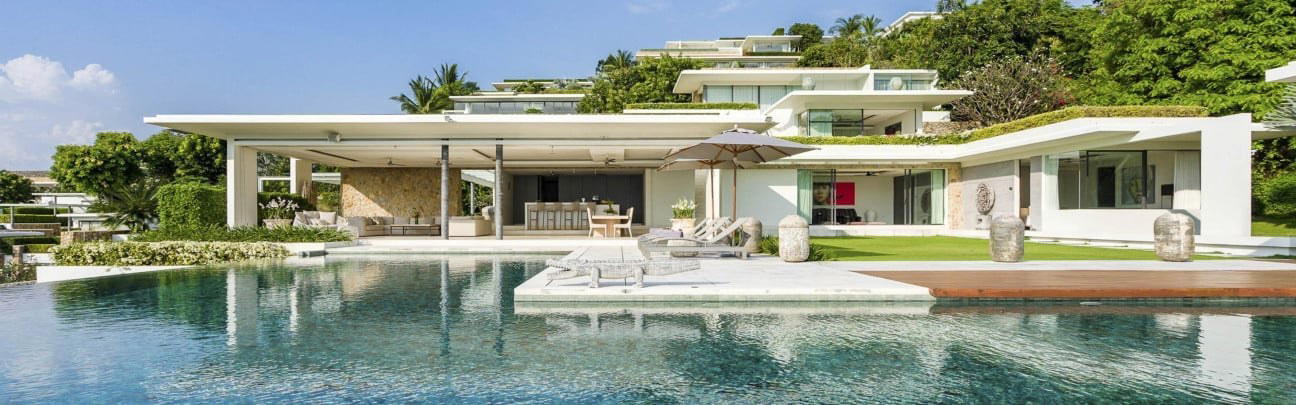
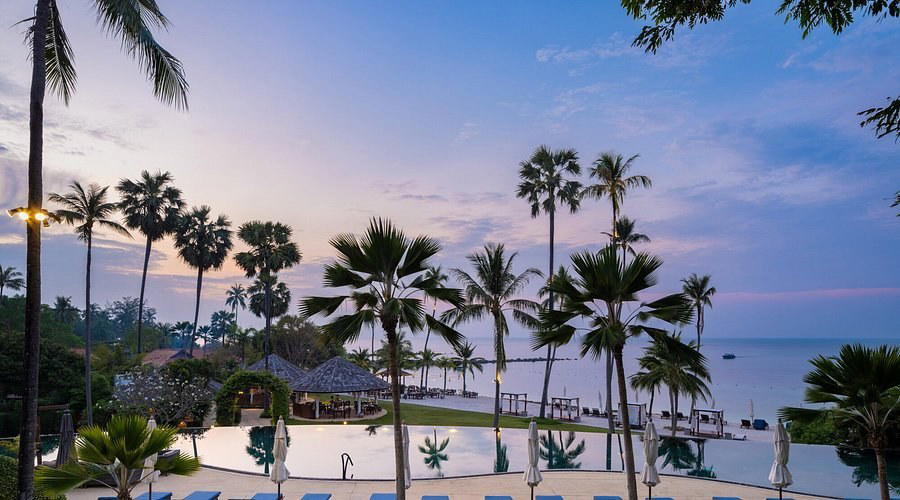
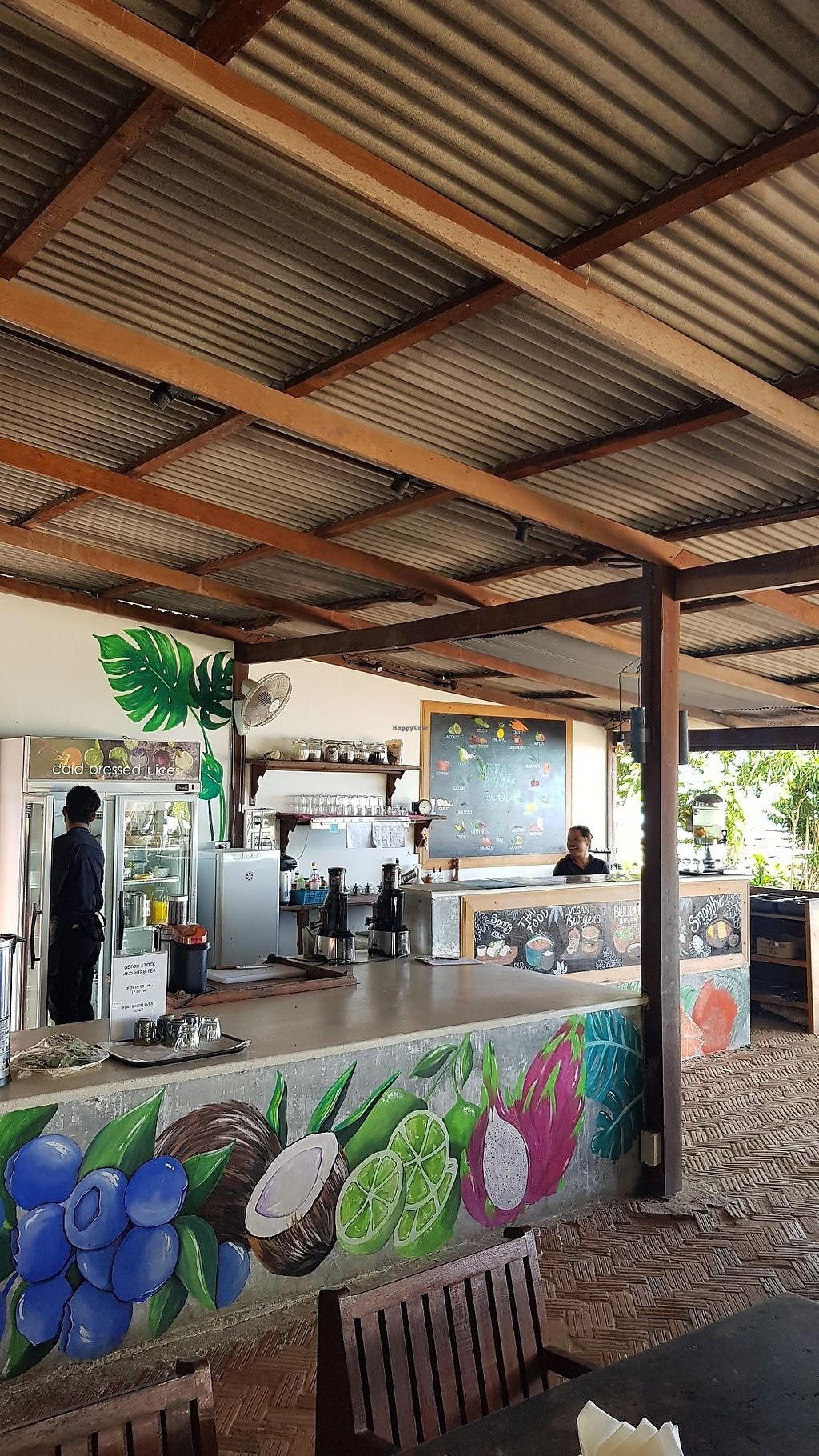
Bars in Koh Samui
All bars in Koh Samui →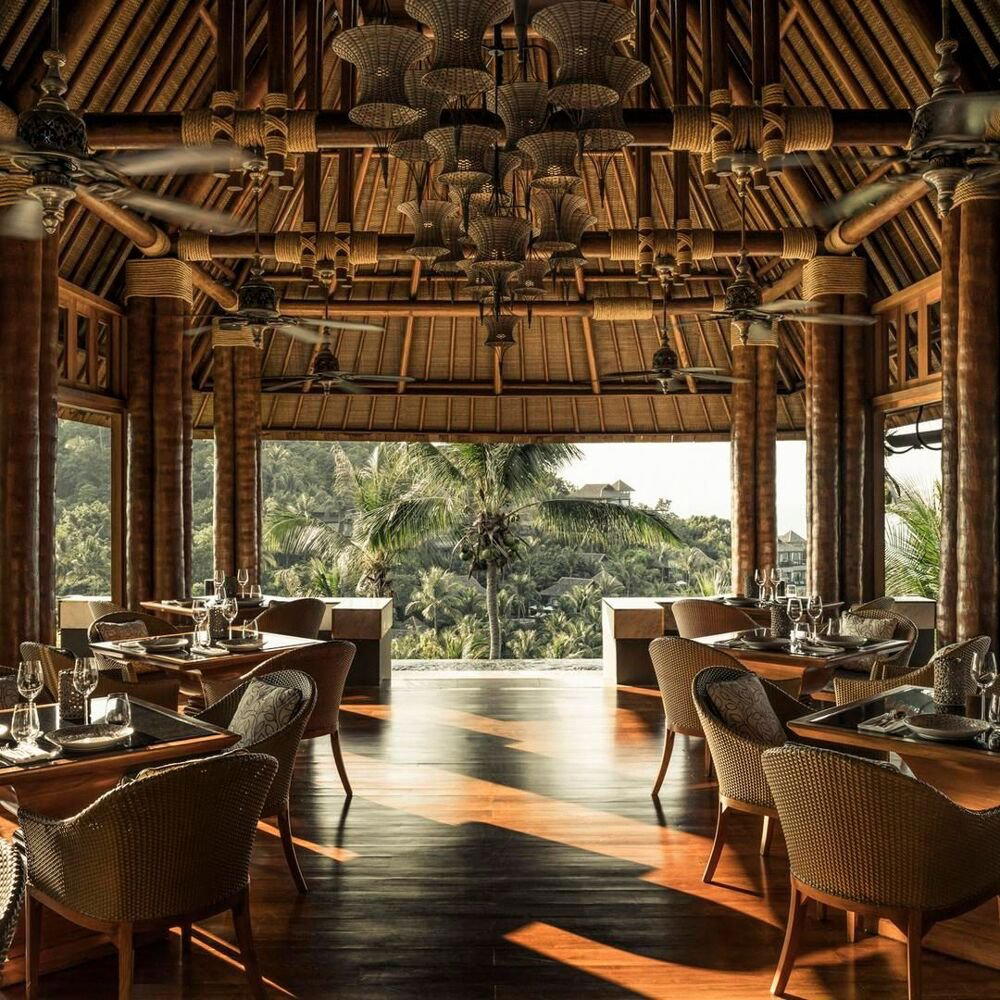
Details
- Intimate
- Scenic
- Elegant
- Romantic
- Romantic Getaway
- Honeymoon
- Weekend Escape
- Anniversary
- Beachfront
- Waterfront
- Design Destination
- Pool
- Spa
- Fitness Center
- Beach Access
- Wi Fi
- Waterfront
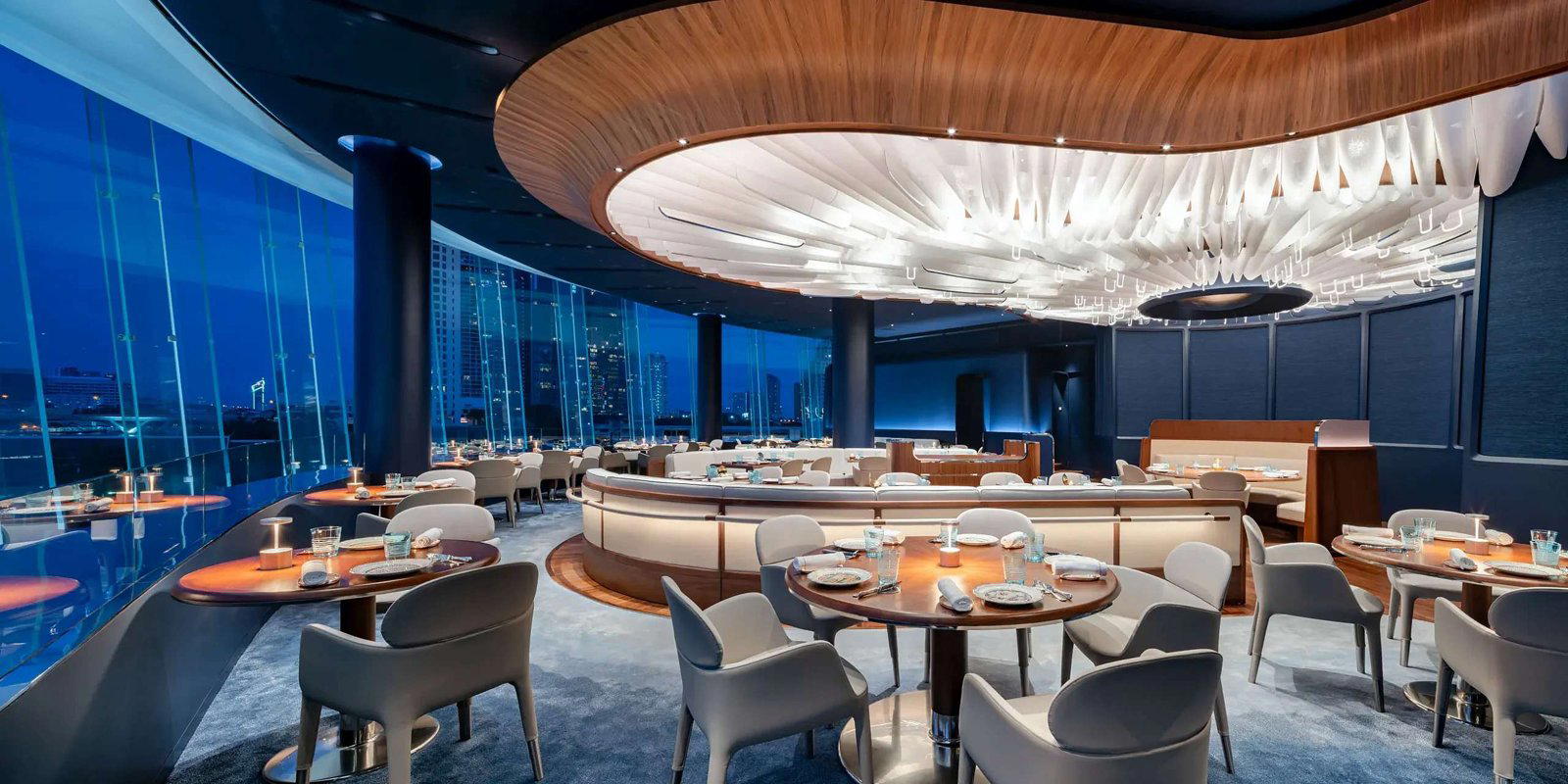
Planned as an intimate, design-led beachfront hideaway where the Colbert Collection philosophy of cultural connection, culinary storytelling and strong sense of place shapes relaxed yet refined resort living.