Chetzeron


Michelin Selected · Design Hotels Member · Mr & Mrs Smith Seal of Approval
Chetzeron sits high above Crans-Montana on the Cry d'Err plateau, operating as a ski-in, ski-out address where the mountain setting does much of the editorial work. The dining room and terrace face south across the Rhône Valley, with the Matterhorn and Mont Blanc visible on clear days. It occupies a specific tier of Swiss alpine hospitality where altitude, access, and a stripped-back sense of place take precedence over resort-scale amenity.

Pearl is the En Primeur Club membership app, where members save venues, book tables and use the concierge.
Where the Slope Ends and the Table Begins
At a certain altitude in the Swiss Alps, the logic of dining changes. You are no longer choosing a restaurant so much as choosing a vantage point, and the food arrives as part of a larger arrangement with the mountain. Chetzeron operates at that elevation, positioned on the Cry d'Err plateau above Crans-Montana where the pistes feed directly into the terrace and the Rhône Valley spreads out below in a panorama that takes in the Matterhorn and Mont Blanc on a clear winter day. The approach by gondola or on skis sets the frame before you have ordered anything. This is not incidental to the dining experience here, it is the premise of it.
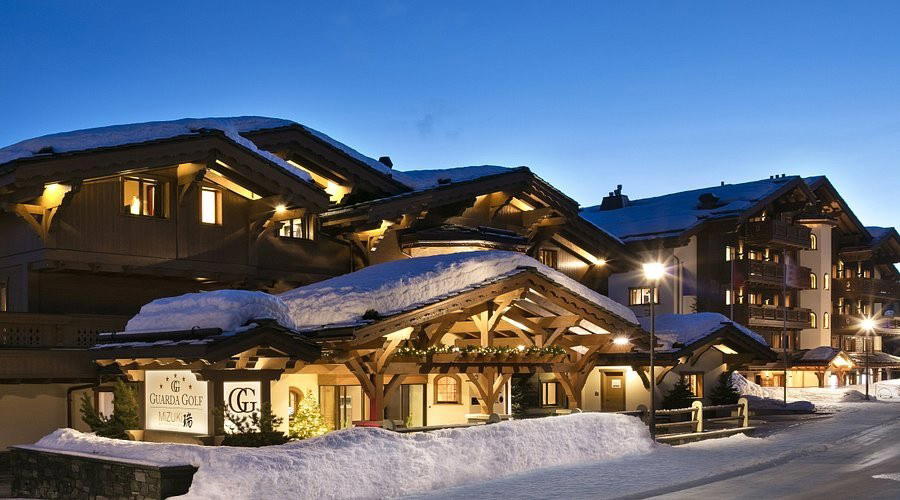
Swiss alpine resorts have long maintained a two-tier dining structure: the valley-floor hotel with its formal restaurant, and the mountain refuge or sun-terrace operation that trades on access and elevation. Chetzeron belongs to the second category but operates at a standard that blurs the distinction. The ski-in, ski-out format, which is relatively rare at this level of finish in the Valais, puts it in a specific competitive position relative to other Crans-Montana addresses. Properties like Guarda Golf Hôtel & Résidences, Hostellerie du Pas de l'Ours, and LeCrans Hotel & Spa anchor the resort's valley-level hospitality, while Chetzeron operates in a different register entirely, one defined by altitude and immediacy rather than lobby architecture or spa programming.
The Dining Logic at Altitude
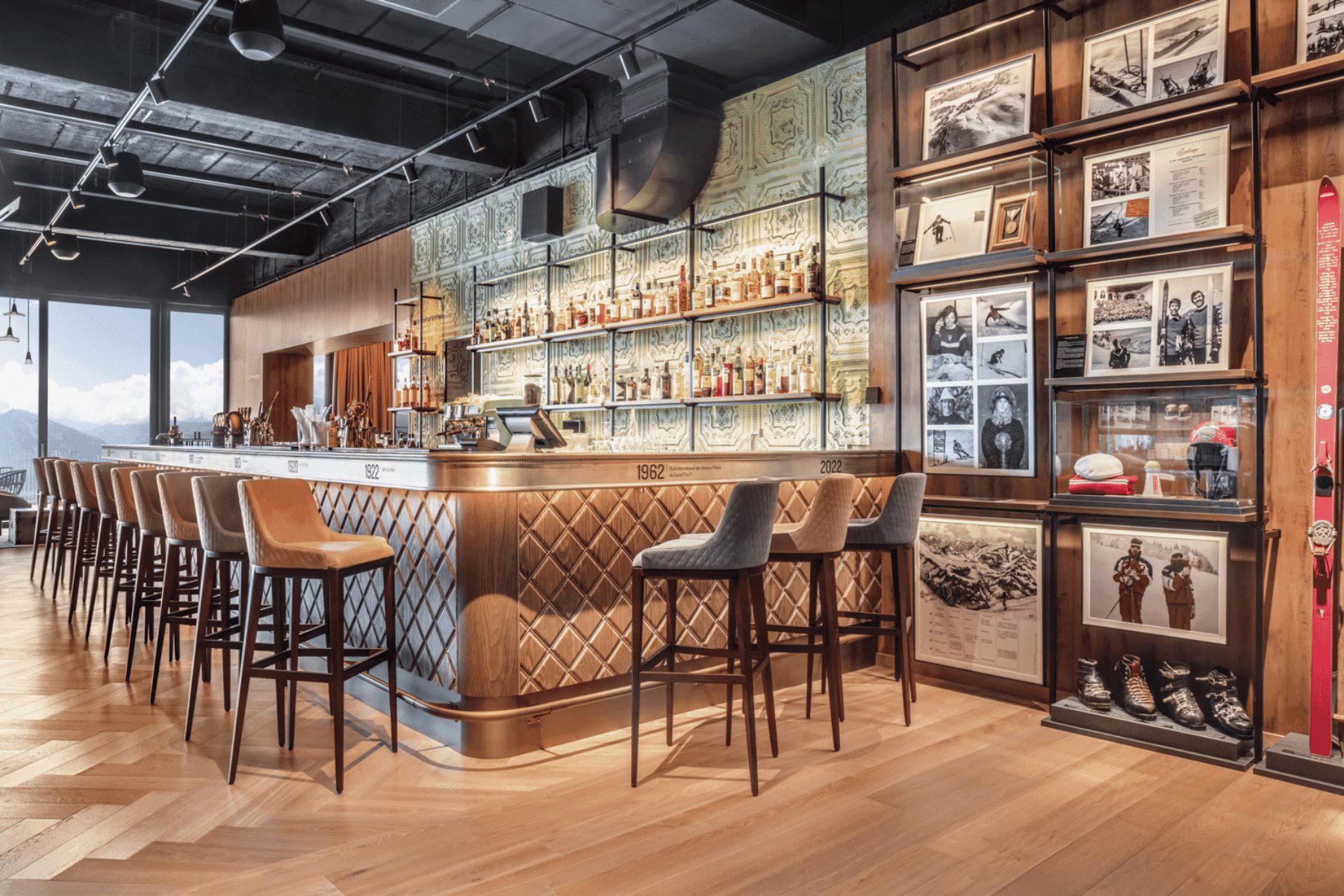
Mountain dining in Switzerland carries a set of expectations that have shifted considerably over the past two decades. The old assumption, that altitude meant tolerance for mediocrity, that captive skiers would accept whatever was placed in front of them, has been displaced by a generation of alpine properties that treat the kitchen as seriously as the setting. Chetzeron fits inside that broader correction. The restaurant occupies a converted gondola station, a structural fact that gives the interior a particular character: industrial bones, generous glazing, and a direct physical relationship with the slope outside that most purpose-built dining rooms cannot replicate.
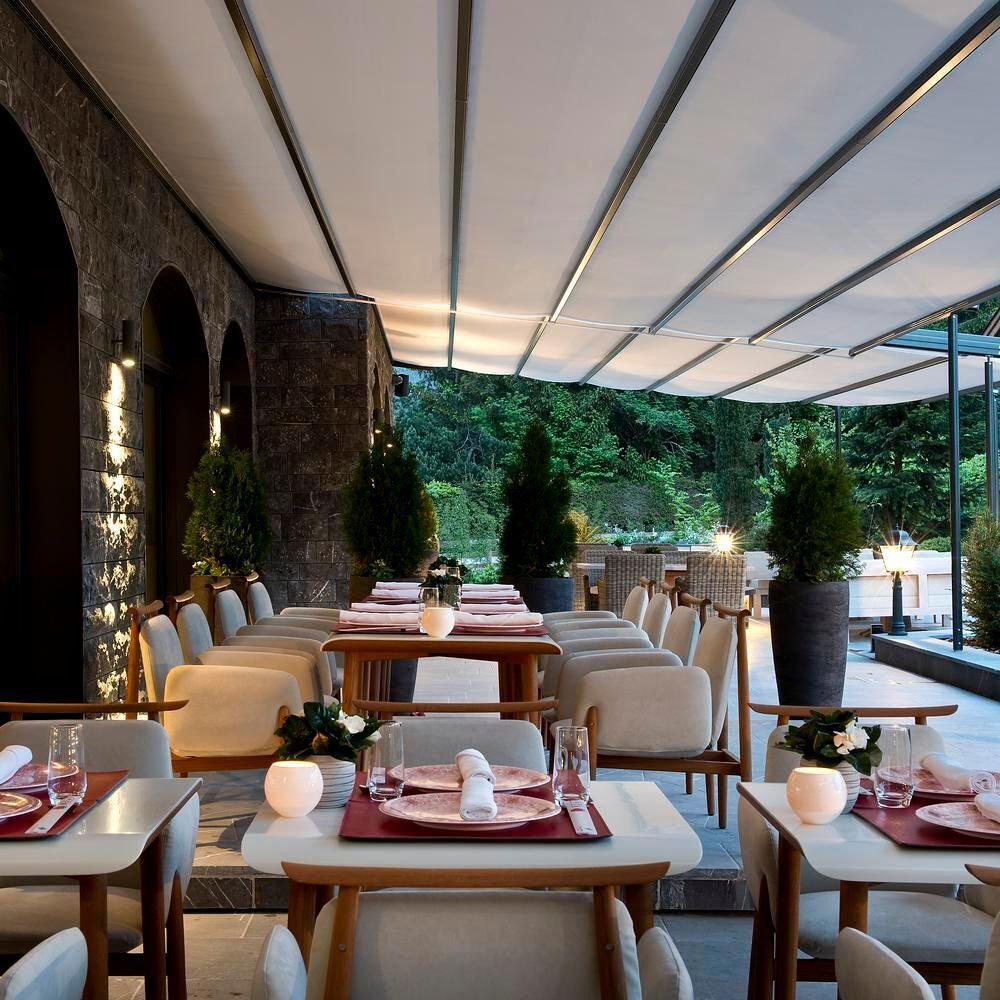
The terrace is the room that matters most in good weather. Facing south across the valley, it catches sun from mid-morning through the afternoon, which in ski season means it operates as a post-run destination as much as a lunch venue. This dual function, sustaining skiers mid-mountain and serving as a destination in its own right, shapes the food and service tempo in ways that distinguish it from a conventional hotel restaurant. The silence the venue's own description references is genuine at this altitude: the gondola closes, the slope quiets, and what remains is the kind of undisturbed mountain atmosphere that is becoming harder to find in a resort that has grown as consistently as Crans-Montana.
Crans-Montana's Position in Swiss Alpine Hospitality
Crans-Montana occupies an interesting position in the Swiss resort hierarchy. It sits at approximately 1,500 metres on a south-facing plateau in the Valais, which gives it longer sun exposure than many comparable resorts and a relatively mild alpine microclimate. That geography has historically attracted a different guest profile than St. Moritz or Verbier, somewhat less visible, more continental European, with a strong Swiss-French character that shapes both the social tone and the food culture. The resort's dining has followed the broader Swiss alpine trend toward seasonally grounded cooking and local sourcing, though the range in quality and ambition across its venues is considerable.
For context on where Crans-Montana fits within the wider Swiss luxury accommodation circuit, it is worth comparing the resort's approach to mountain hospitality with properties operating in other Swiss contexts: the The Alpina Gstaad in Gstaad, CERVO Mountain Resort in Zermatt, and the 7132 Hotel in Vals each represent distinct approaches to alpine luxury. Chetzeron's proposition is narrower and more specific than any of these: it is not a full resort operation but a single refined address where the mountain setting and the ski-in, ski-out access constitute the primary offer. That specificity is what gives it a defined identity within a crowded Swiss market.
Other Crans-Montana properties worth considering in this context include Aïda Hotel & Spa, Crans Ambassador, and Six Senses Crans-Montana, which brings a wellness-focused international brand into the resort's upper tier. Each serves a different version of the Crans-Montana guest. Chetzeron's version is the skier who wants the mountain to remain present through the meal, not as backdrop but as context.
Planning a Visit
Access to Chetzeron follows the resort's gondola schedule from the Crans-Montana plateau up to Cry d'Err. In ski season, the most direct route is on skis or a snowboard, arriving directly on the terrace. For those not skiing, the gondola provides the same approach without the descent, and the views on the way up establish the register of the experience before arrival. Crans-Montana itself is reached by car from Sierre in the Rhône Valley below, or by rail to Sierre followed by the funicular. The resort sits roughly two hours from Geneva and three from Zurich by car, positioning it as a realistic weekend destination from either city.
The seasonal window matters here more than at valley-level properties. Chetzeron's proposition is winter-specific in its fullest form, when the ski-in, ski-out access is operational and the snow-covered plateau provides the silence and isolation the venue's character depends on. Summer operation exists at this altitude in the Valais, but the dynamic is different, the slopes become hiking terrain, and the specific energy of a mid-mountain lunch stop shifts accordingly. For the complete version of what Chetzeron offers, the ski season window from December through April is the relevant frame.
The Badrutt's Palace Hotel in St. Moritz, Baur au Lac in Zurich, Beau-Rivage Geneva, Grand Resort Bad Ragaz, Hotel Les Trois Rois in Basel, Beau-Rivage Palace in Lausanne, and Bürgenstock Resort each represent reference points in their respective Swiss contexts. Further afield, Castello del Sole in Ascona, Grand Hotel Kronenhof in Pontresina, Hotel Bellevue Palace in Bern, Hotel Villa Honegg in Ennetbürgen, and Boutique Hotel Restaurant Krone Regensberg round out the Swiss editorial coverage. For international reference points on what premium mountain-adjacent hospitality looks like outside the Alps, Aman New York, The Fifth Avenue Hotel, and Aman Venice each illustrate the broader Aman and premium-independent approach that Chetzeron's design sensibility partly echoes in its material restraint. See our full Crans-Montana restaurants guide for the complete resort dining picture.
Booking and Cost Snapshot
Comparable venues nearby, for context on price, style, and recognition.
| Venue | Cuisine | Price | Awards | Notes |
|---|---|---|---|---|
| ChetzeronThis venue (the venue you are viewing) | Not listed | $300–500 | Michelin Selected · Design Hotels Member | Not listed |
| Six Senses Crans-Montana | Not listed | Not listed | 2 Michelin Keys · Mr & Mrs Smith Seal of Approval | Crans-Montana, Contemporary Swiss chalet with sustainable architecture and high ceilings maximizing natural light and views |
| Aïda Hotel & Spa | Not listed | Not listed | 1 Michelin Key · Relais Chateaux Award | Crans-Montana, Alpine chic with authentic 300-year-old woodwork and modern comforts |
| Crans Ambassador | Hotel | Not listed | Michelin Selected · Small Luxury Hotels of the World Member | Not listed |
| Hostellerie du Pas de l'Ours | Crans-Montana, rustic luxury chalet | $200–300 | 2 Michelin Keys · Relais Chateaux Award | Not listed |
| Guarda Golf Hôtel & Résidences | Not listed | $500–750 | 2 Michelin Keys · Virtuoso Luxury Hotel Partner | Crans-Montana, Modern alpine chalet-style with natural materials and state-of-the-art technology |
Recognition history
Dated appearances from independent guides and award organizations, with the underlying list record or original source where available.
Michelin Selected
Michelin
Design Hotels Member
Design Hotels
Mr & Mrs Smith Seal of Approval
Mr & Mrs Smith
Continue exploring
More in Crans-Montana
Hotels in Crans-Montana
All hotels in Crans-Montana →
Bars in Crans-Montana
Browse all →
Restaurants in Crans-Montana
All restaurants in Crans-Montana →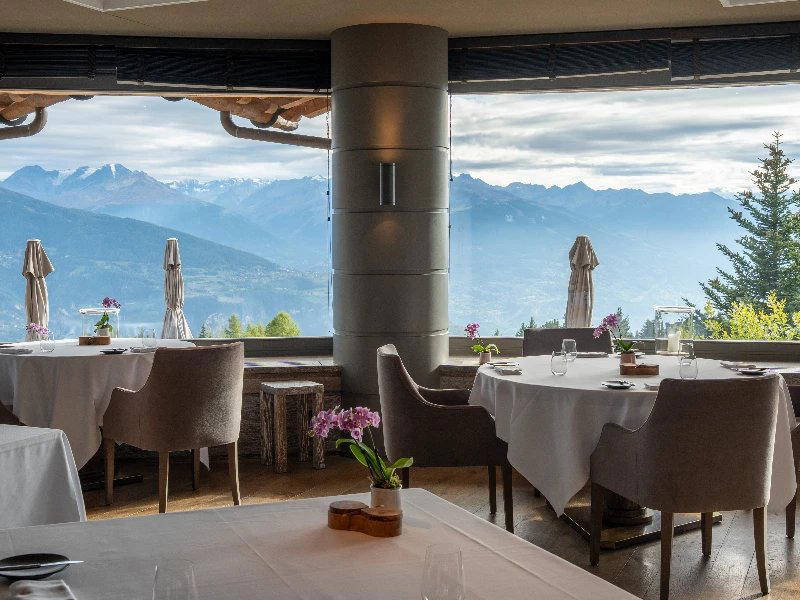
Details
- Scenic
- Modern
- Cozy
- Elegant
- Romantic Getaway
- Wellness Retreat
- Weekend Escape
- Ski In Ski Out
- Panoramic View
- Wi Fi
- Pool
- Spa
- Sauna
- Restaurant
- Mountain
- Wheelchair Accessible
- Step Free Entrance
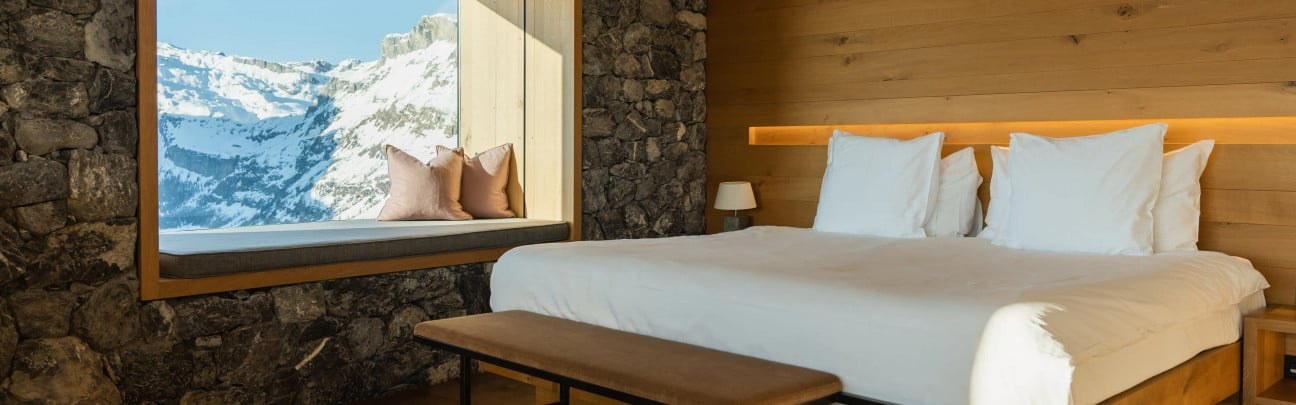
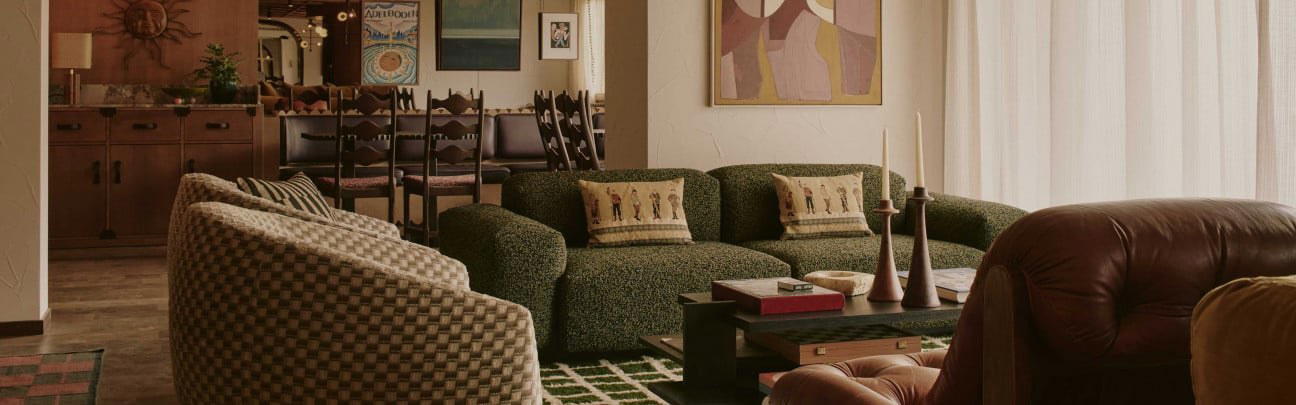
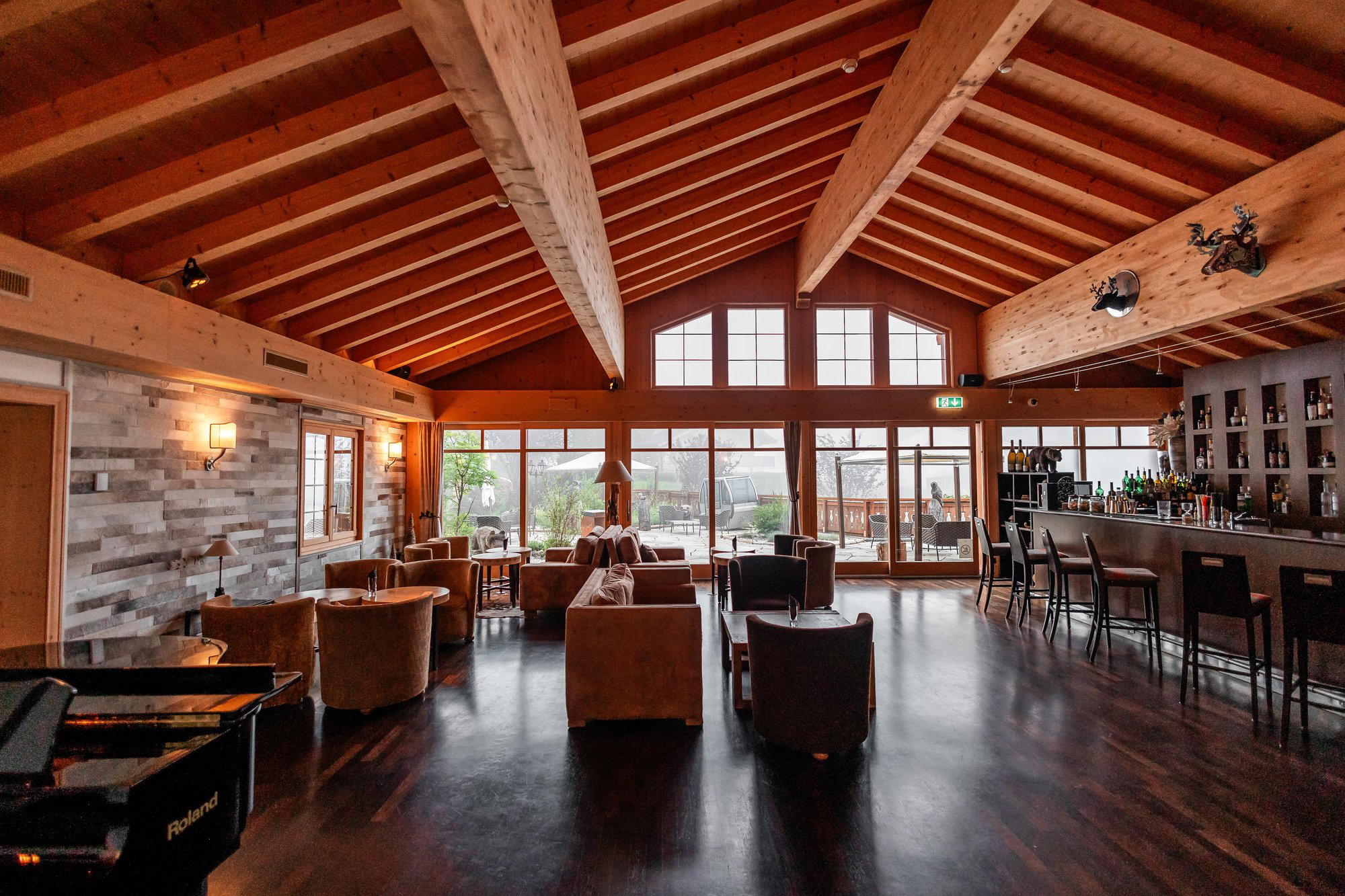
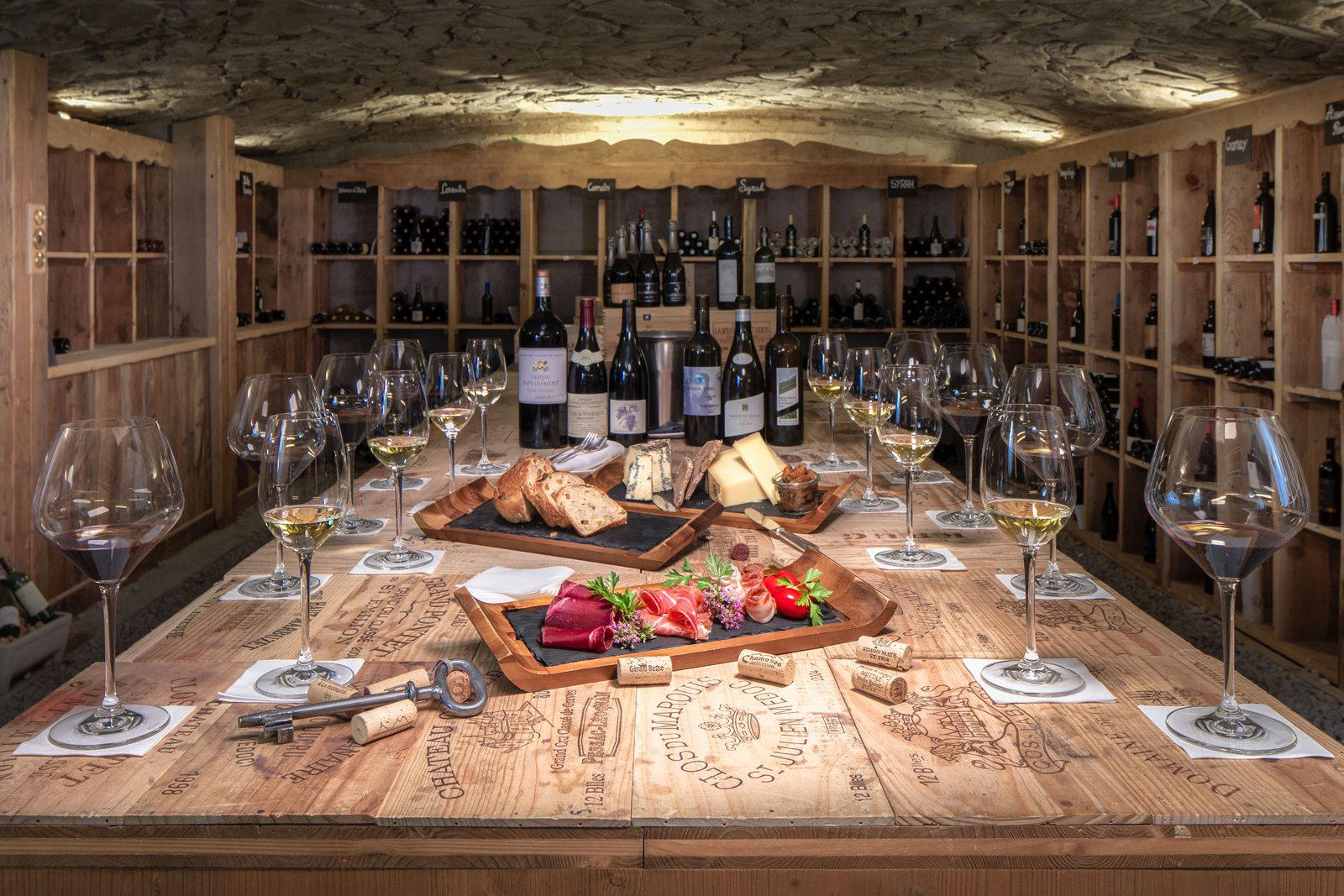
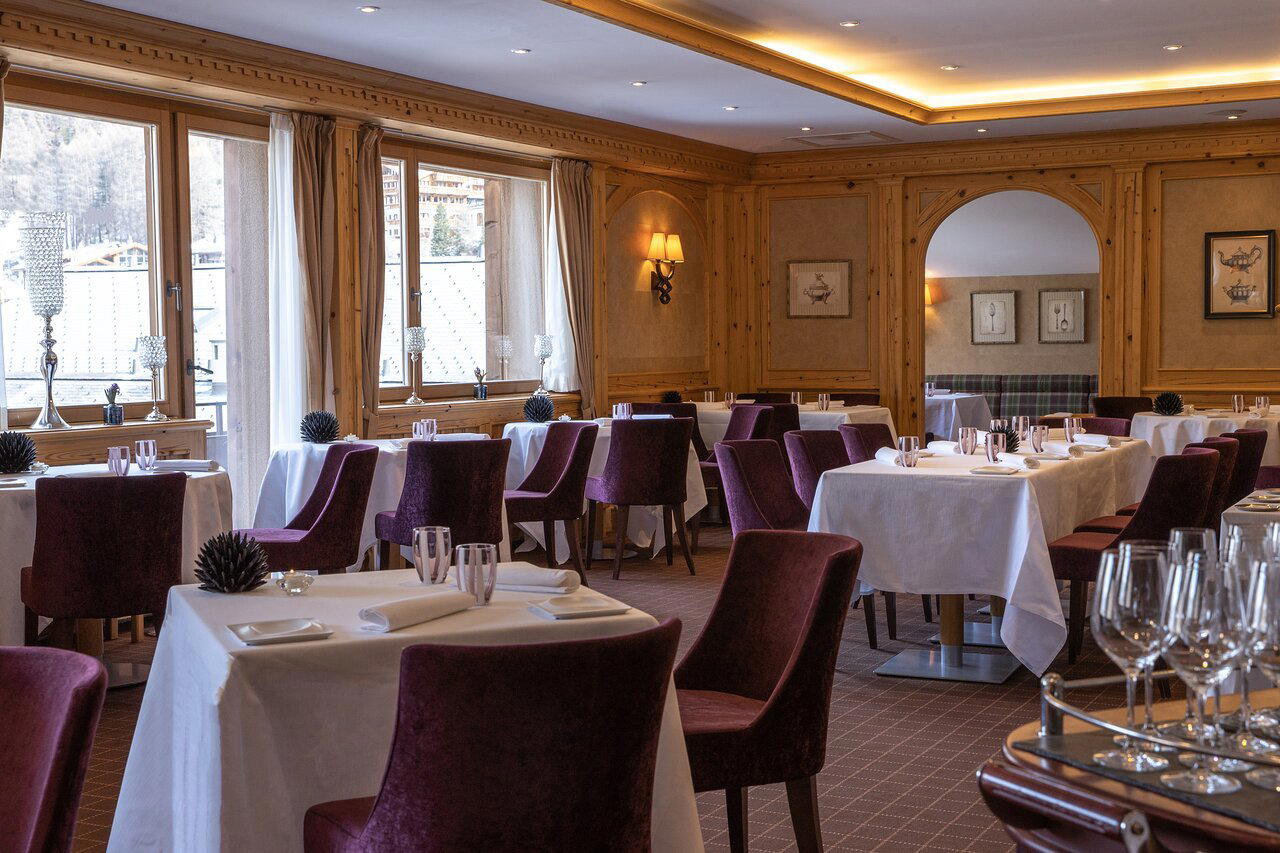
Cozy interiors with local oak, plush furnishings, stone walls, warm lighting, and après-ski hygge atmosphere.