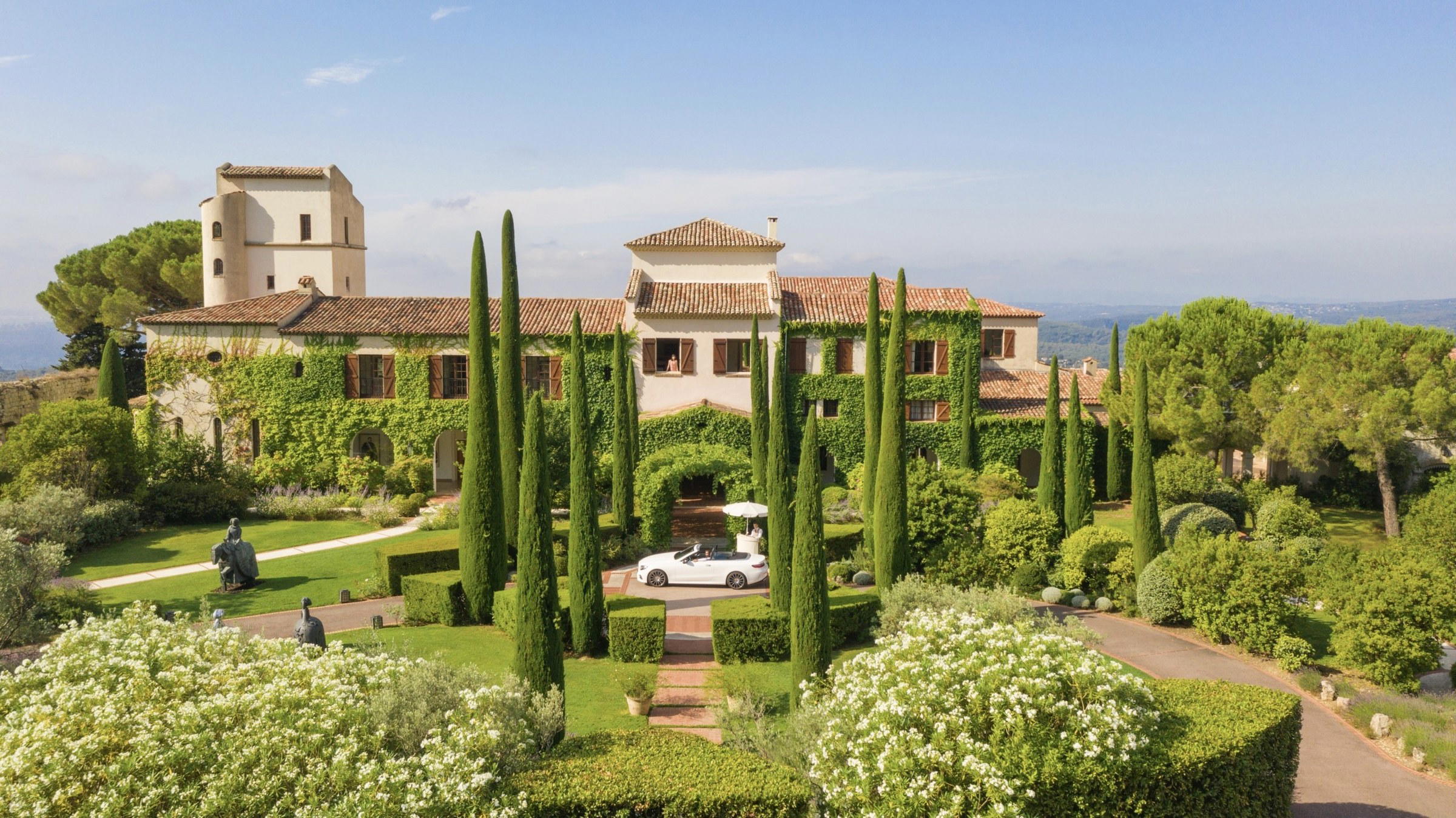
Château Diter occupies a commanding position in the hills above Grasse, the historic perfume capital of the French Riviera hinterland. The property sits within an extensive private estate on the Route de Pégomas, where Provençal agricultural tradition meets formal garden architecture. For travellers seeking an alternative to the Riviera's coastal hotel circuit, it represents a quieter, landscape-anchored proposition.
 Discover on Pearl
Pearl is the En Primeur Club membership app — saves, bookings, and concierge access live there. Same editors, same standards.
- Address
- 500 Rte de Pégomas, 06130 Grasse, France
- Phone
- +33 6 14 09 98 59
- Website
- chateauditer.com
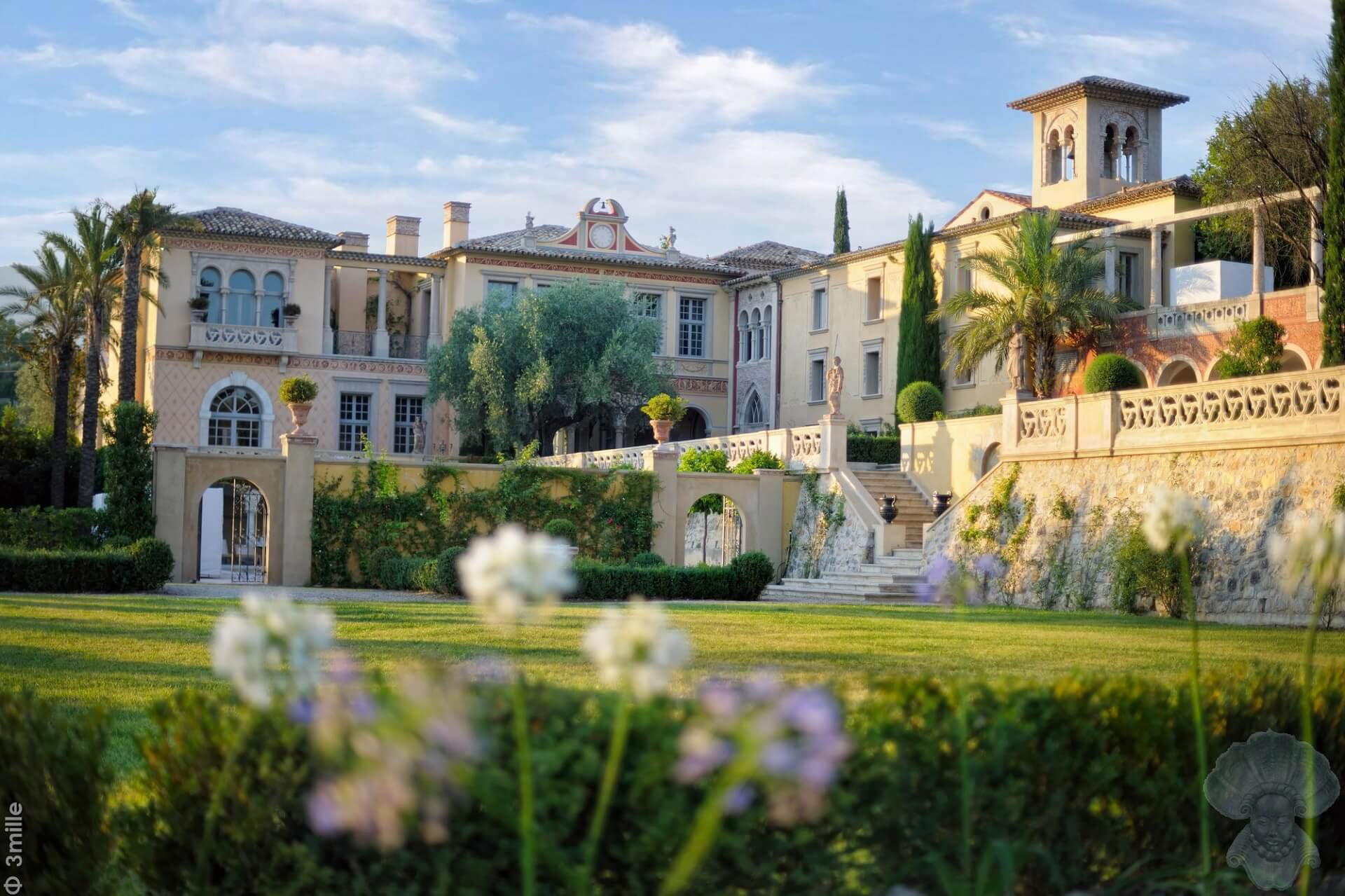
Stone, Scent, and the Grasse Hillside
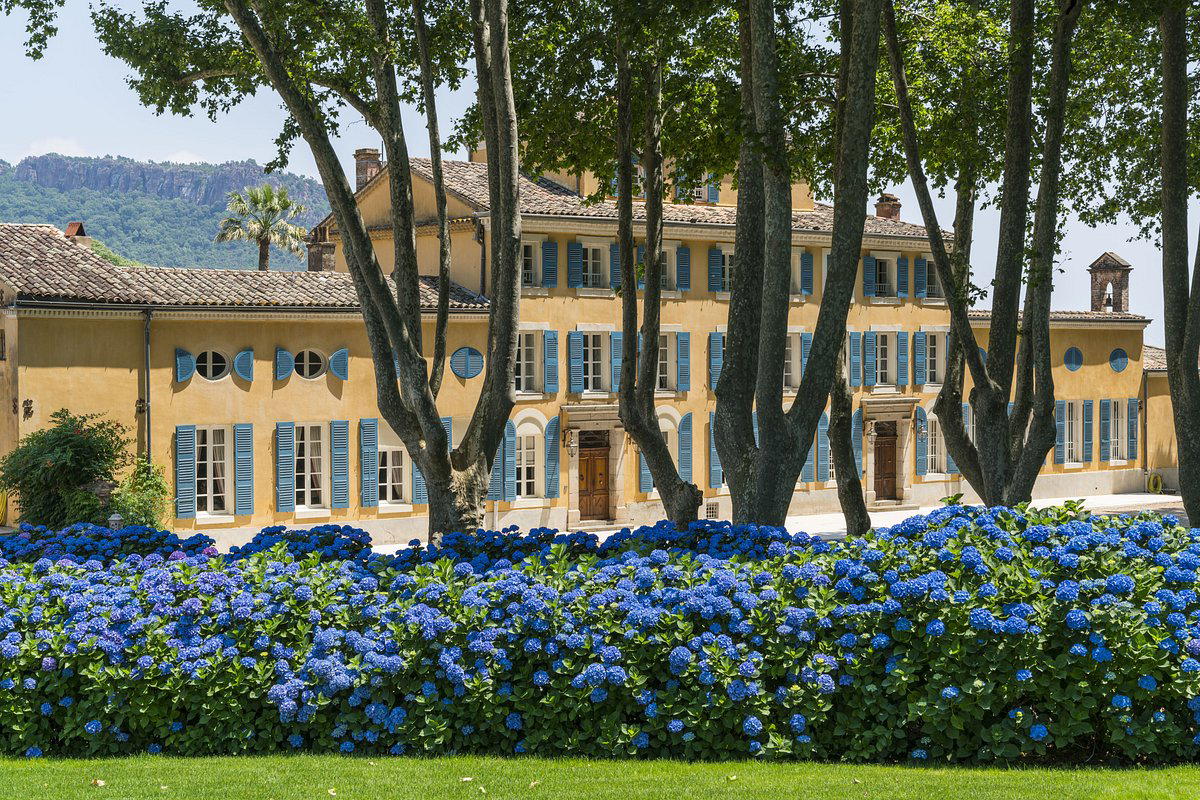
Arriving along the Route de Pégomas, the approach to Château Diter makes an argument that many Riviera properties cannot: that the most compelling address in this part of southern France is not on the water but above it. The road rises through terraced fields that have supplied the perfume industry for centuries, and the estate appears at a scale that signals private ownership rather than hospitality infrastructure. The château itself reads as a formal country house in the Provençal tradition, stone-built and proportioned for permanence, sitting within grounds that have been shaped with a deliberateness more associated with château estates in Bordeaux or the Loire than with the sun-bleached informality of the Côte d'Azur.
Architecture as Context: Provençal Formality in the Perfume Hills
The hills above Grasse represent one of France's most architecturally coherent rural environments. The landscape has been cultivated since the sixteenth century to supply flowers, primarily jasmine and rose centifolia, to the perfume houses below, and the built environment reflects that long agrarian seriousness: dry-stone terracing, mas farmhouses, and occasional château-scale properties that served as the headquarters of agricultural estates. Château Diter belongs to this tradition. The estate's formal garden layout follows conventions closer to the grand jardin à la française than to the informal plantings typical of Riviera hotel gardens. That distinction matters: it places the property in a different visual and historical register from the coastal luxury circuit anchored by addresses like Hotel Du Cap-Eden-Roc in Cap d'Antibes or The Maybourne Riviera in Roquebrune-Cap-Martin.
Within the Grasse area specifically, this architectural seriousness is not common. Most properties of comparable age have either been subdivided, converted with limited design investment, or absorbed into the sprawl of the modern town. The estate's survival at scale, with its gardens, outbuildings, and surrounding agricultural land broadly intact, gives it a contextual weight that smaller or newer properties in the area cannot replicate. The nearest comparable in terms of agricultural-estate ambition on the French Riviera hinterland is arguably La Bastide Saint-Antoine, which sits within a different price and format tier but shares the same underlying logic: that Grasse's value as a luxury destination is inseparable from its relationship to cultivated land.
Where Grasse Fits in the Riviera Luxury Circuit
The broader Riviera luxury hotel market has historically concentrated on the coast: Monaco, Cap Ferrat, Antibes, Saint-Tropez. Grasse has operated as a day-trip destination or a supplier of fragrance tourism rather than a primary overnight stop. The perfume industry provides Grasse with a narrative density that few inland Provençal towns can match, and the agricultural hinterland offers an alternative to the density and pricing pressure of coastal summer seasons.
In this context, estate-scale properties above Grasse occupy a niche that sits between the grand Riviera hotel (represented at its apex by addresses like Hotel Du Cap-Eden-Roc) and the smaller, design-led Provençal bastide. Château Diter's position on the Route de Pégomas, roughly midway between Grasse and the coast, means it benefits from the agricultural quiet of the hills without losing practical access to Nice-Côte d'Azur airport, which serves the region as the principal international entry point.
Design Logic of the Private Estate Model
The private estate model, as distinct from the hotel model, structures the Château Diter experience in ways that go beyond simple aesthetics. Where hotels manage amenity density, the estate manages land and sequence: the relationship between arrival drive, formal garden, working agricultural ground, and principal building follows rules closer to château design than to resort planning. That sequencing is something that even well-resourced hotel conversions often fail to replicate convincingly, because it depends on acreage and original intent rather than renovation budget.
Properties that handle this successfully in France tend to share a common characteristic: the agricultural or horticultural purpose of the land remains legible in the design, rather than being erased in favour of lawn. At Château Diter, the proximity of the Grasse perfume-flower agricultural tradition to the estate's grounds gives that purpose unusual resonance. The flowers cultivated in the surrounding terraced fields are not incidental backdrop; they are the reason the estate exists in its current form and on its current site. This is a fundamentally different design proposition from coastal luxury addresses and one that connects more directly with the way properties like Les Sources de Caudalie in Bordeaux use working vineyard land as the architectural and experiential organising principle.
Planning a Visit to Château Diter
The address, 500 Route de Pégomas, 06130 Grasse, anchors the property clearly on the D409 between Grasse and Pégomas, accessible by car from Nice-Côte d'Azur airport in under an hour depending on coastal traffic. The surrounding area is leading explored outside the peak July-August period, when the Riviera coast concentrates its highest pricing and its most severe road congestion; the perfume-flower harvest season, centred on May for rose centifolia, offers the most direct connection between the estate's agricultural context and the visitor experience.
Readers building a longer southern France itinerary around properties of comparable register might consider pairing a Grasse stay with the Mediterranean drama of Château de la Chèvre d'Or in Èze or the Saint-Tropez coastal energy of Airelles Saint-Tropez Château de la Messardière.
In Context: Similar Options
Comparable venues nearby, for context on price, style, and recognition.
| Venue | Cuisine | Price | Awards | Notes |
|---|---|---|---|---|
| Château DiterThis venue — the venue you are viewing | Renaissance-style luxury estate with award-winning gardens | $$$$ | , | |
| La Bastide Saint-Antoine | Provençal manor house expanded with contemporary wing | $$$$ | 4-Star | Grasse |
| Ville d'Hiver | Historic industrial heritage converted into boutique hotel | $$$ | , | Ville d'Hiver |
| Le Val Thorens, Beaumier Hotel | Contemporary chalet with 1970s retro charm. | $$$$ | , | Val Thorens |
| Hôtel Belle Plage | Contemporary beachfront boutique with spa and rooftop dining | $$$$ | ['Le Vieux Port-Les Iles'] | |
| pieuX | 19th-century boutique with original charm and modern restoration | $$$ | , | Montreuil-sur-Mer |
Continue exploring
More in Grasse
Hotels in Grasse
Browse all →
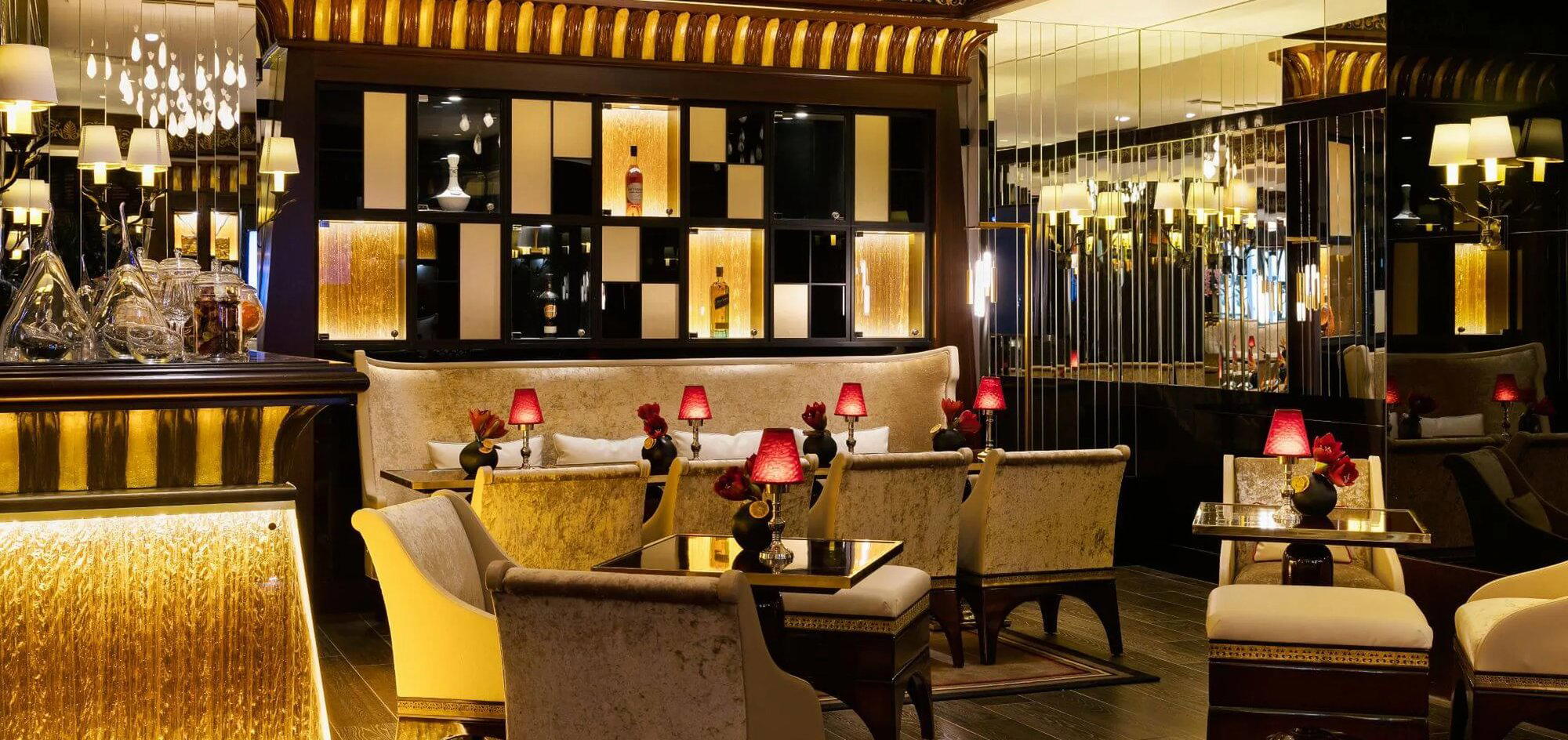
Bars in Grasse
Browse all →
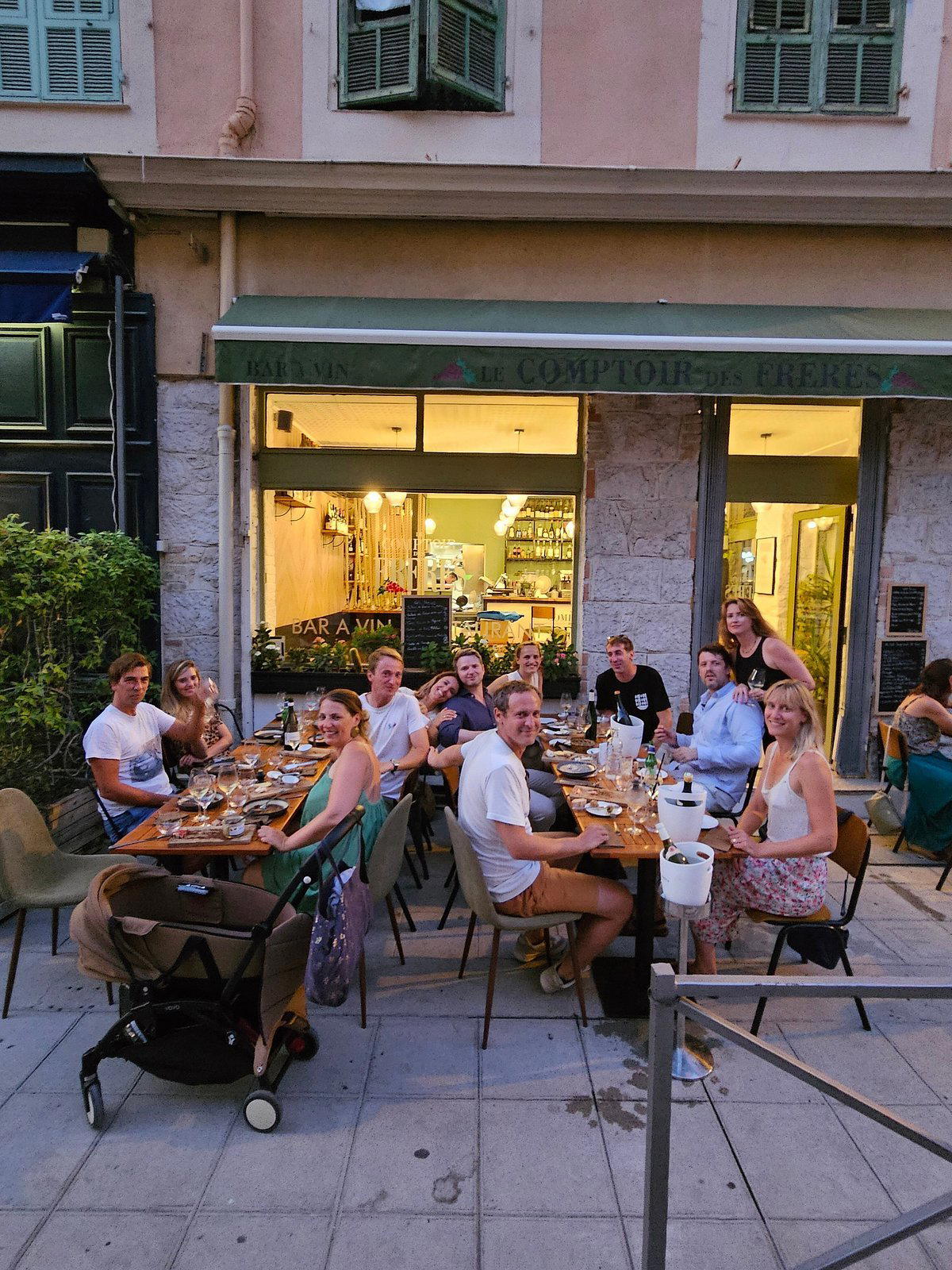
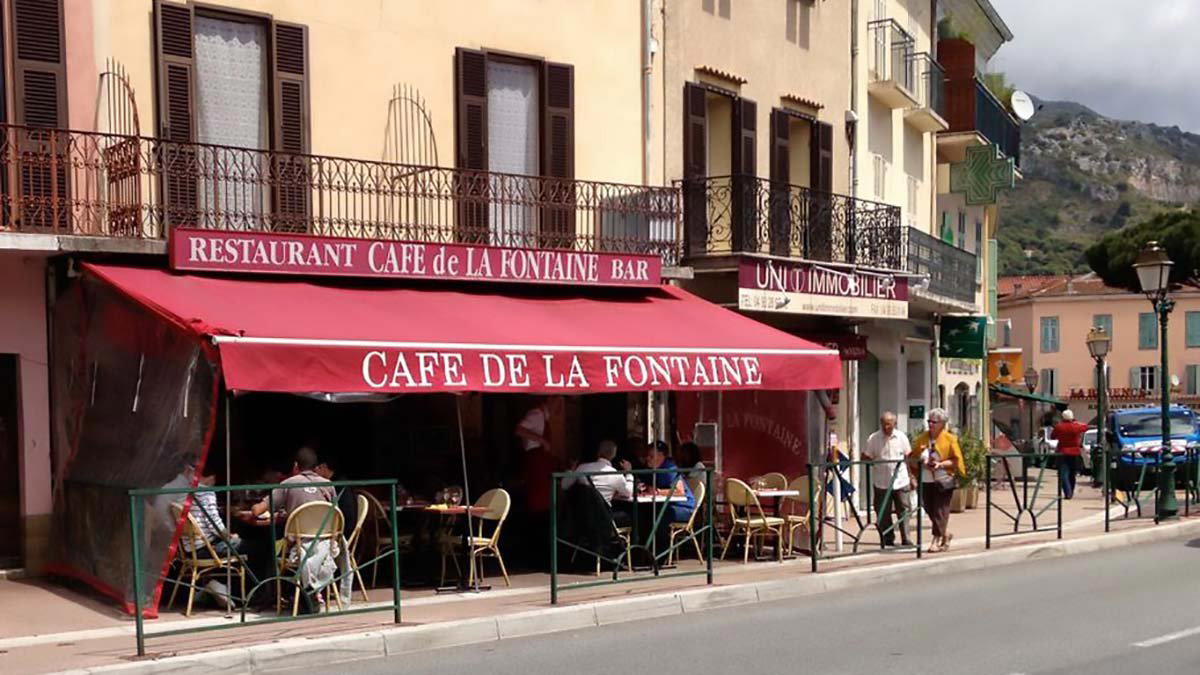
Restaurants in Grasse
Browse all →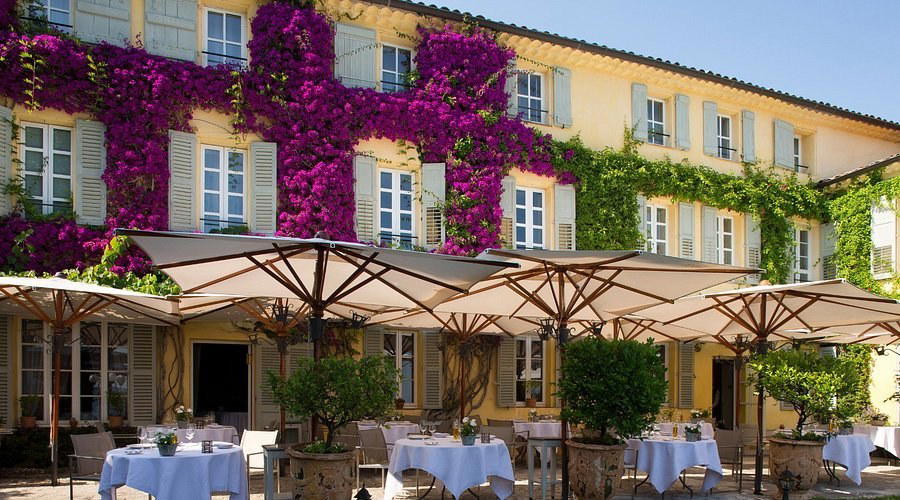

At a Glance
- Opulent
- Elegant
- Romantic
- Sophisticated
- Honeymoon
- Romantic Getaway
- Destination Wedding
- Anniversary
- Infinity Pool
- Private Villa
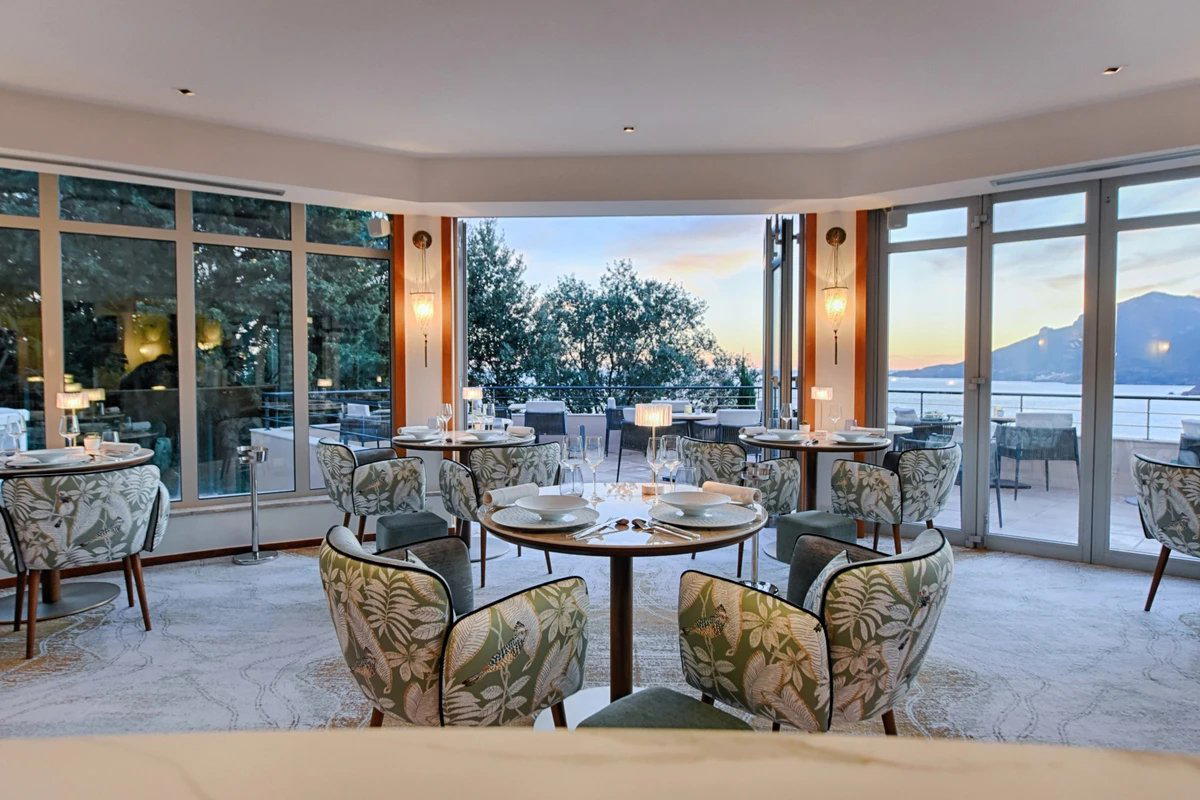
- Panoramic View
- Terrace
- Garden
- Pool
- Helipad
- Garden
- Mountain
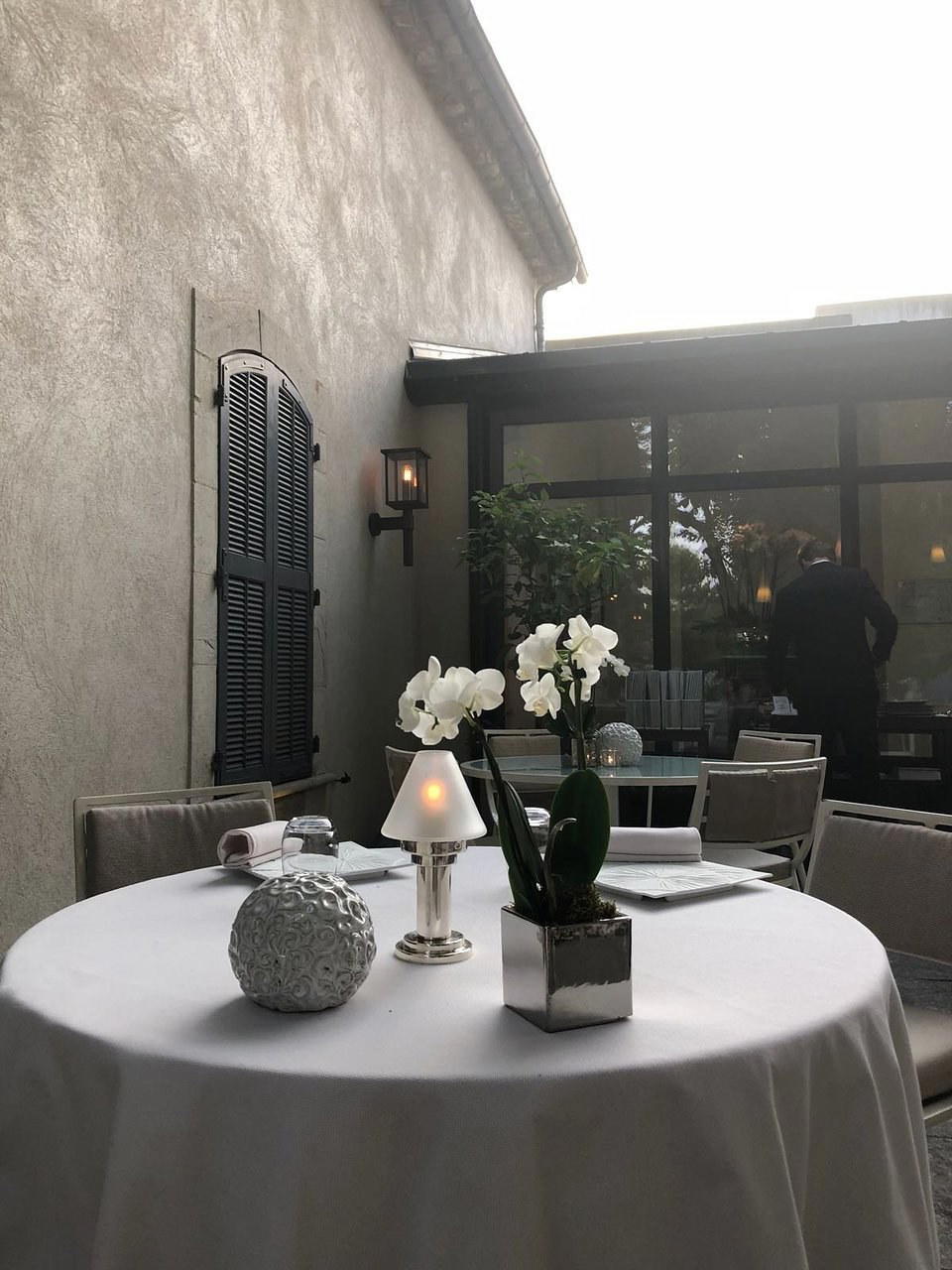
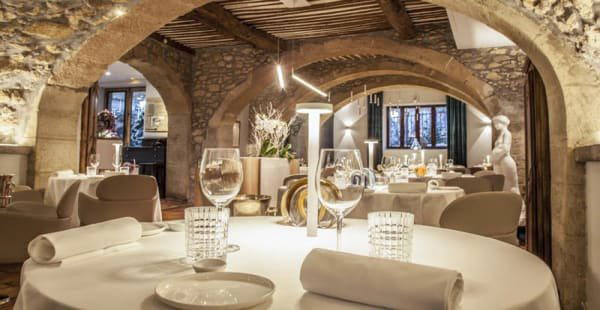
Opulent with elegant furniture, imposing fireplaces, Venetian chandeliers, and sumptuous rooms creating a grand, palatial atmosphere.