Cayo Levantado Resort

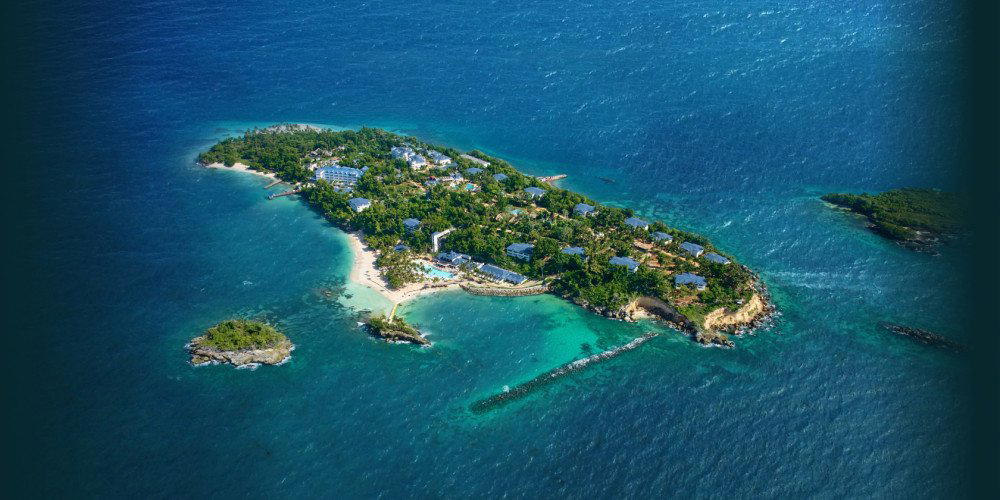
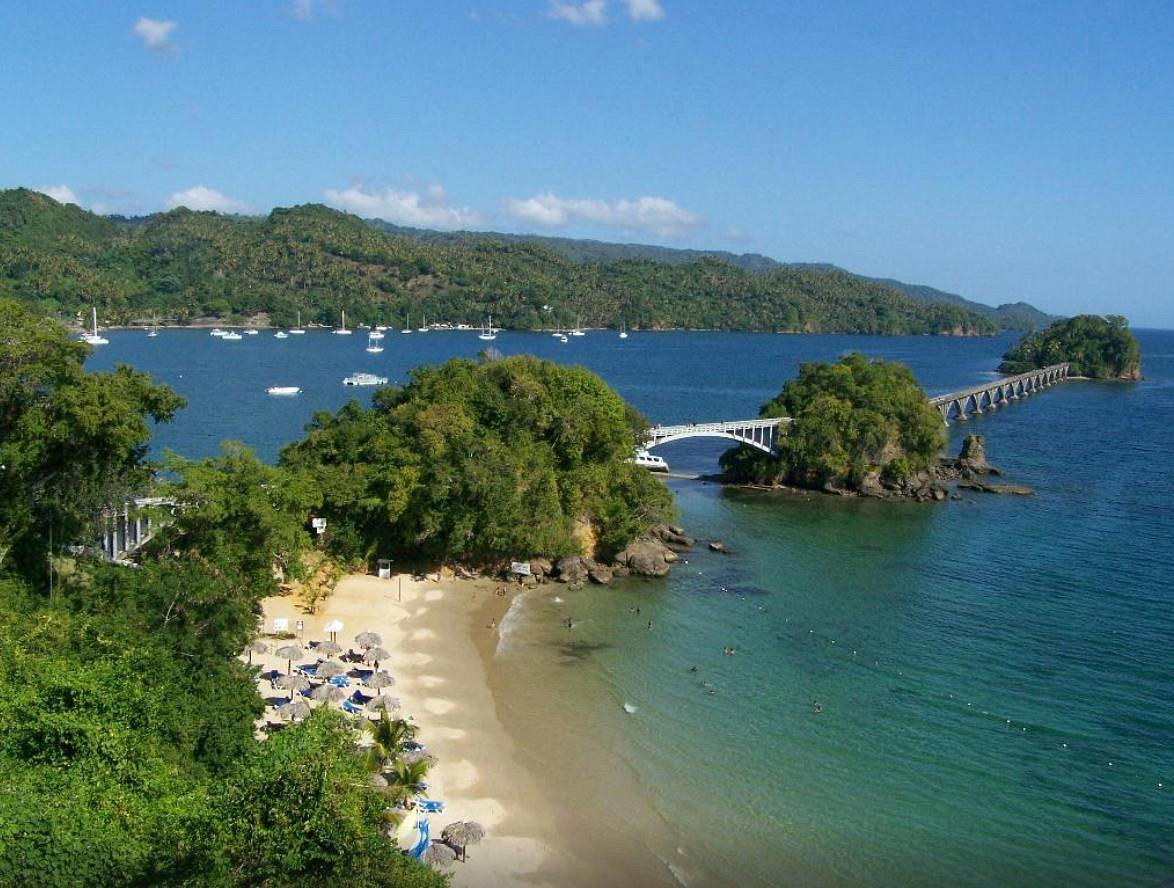
A private island three miles off the Samaná coast, Cayo Levantado Resort occupies a category apart from the Dominican Republic's all-inclusive mainstream. The property pairs white-sand beaches and a Taino-inspired wellness center with restaurants that take the island's cuisine seriously — including a progressive tasting menu at Senda that commands a supplement for good reason.
Pearl is the En Primeur Club membership app — saves, bookings, and concierge access live there. Same editors, same standards.
- Address
- Isla Cayo Levantado, s/n, Samaná 32000
- Phone
- +1 809-538-3232
- Website
- cayolevantadoresort.com
- Directions
- Get directions
 Saves & bookings on Pearl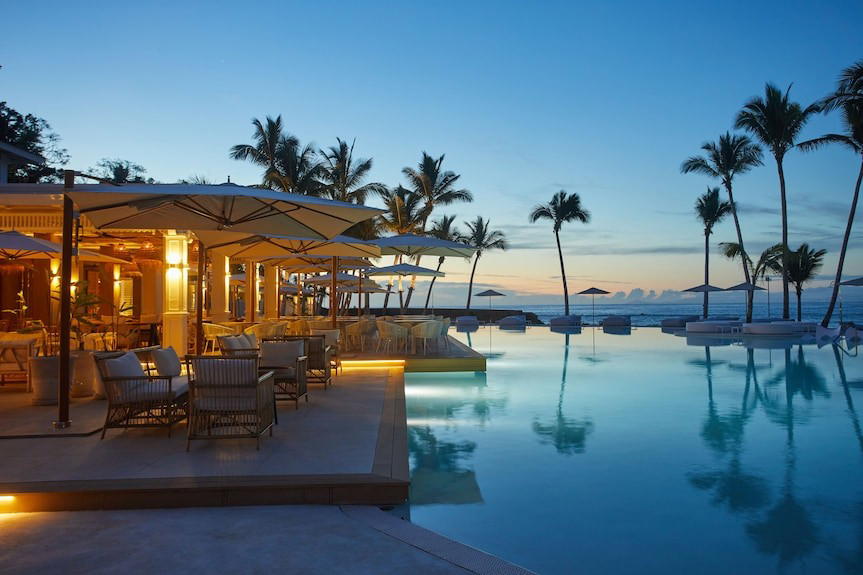
An Island Architecture Built Around Stillness
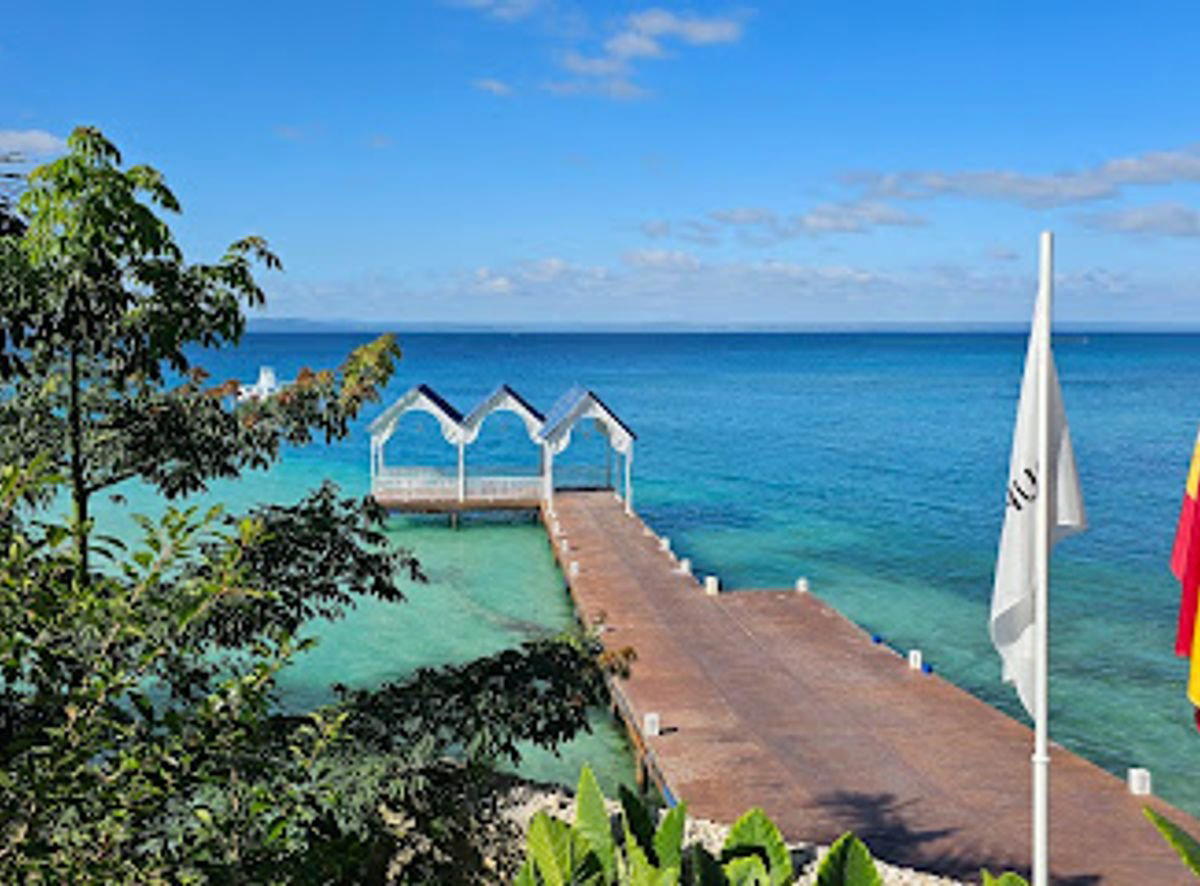
The approach to Cayo Levantado Resort sets the tone before you check in. Guests arriving at Simi Baez pier in Samaná — a fishing town that has resisted the resort-corridor development that defines the north coast — board the hotel's private boat for a 10- to 15-minute crossing to the island. The departure point itself is a Victorian-style building whose seafoam walls, green accents, and white marble floors signal that the design language here is layered and considered, not the generic tropical shorthand of woven rattan and thatched roofing repeated endlessly across the Caribbean. A staff member prepares tea or a cocktail from the palm-leaf-wallpapered bar while you wait. The sequence is deliberate: the crossing is part of the arrival choreography, reinforcing distance from the mainland and from the high-volume resort circuits that concentrate around Punta Cana and the east coast.
The Dominican Republic's premium hotel market has diverged sharply in recent years. On one side sit the large-footprint, all-inclusive complexes that trade on beach acreage and entertainment programming. On the other, a smaller cohort of properties has invested in location specificity, design restraint, and wellness programming that goes beyond a spa menu. Cayo Levantado sits in that second group, in the same general competitive conversation as Amanera in Playa Grande and ANI Private Resorts in Cabrera, properties that use geography and low-impact design as their primary differentiator.
The Yubarta Wellness Center: Space as Practice
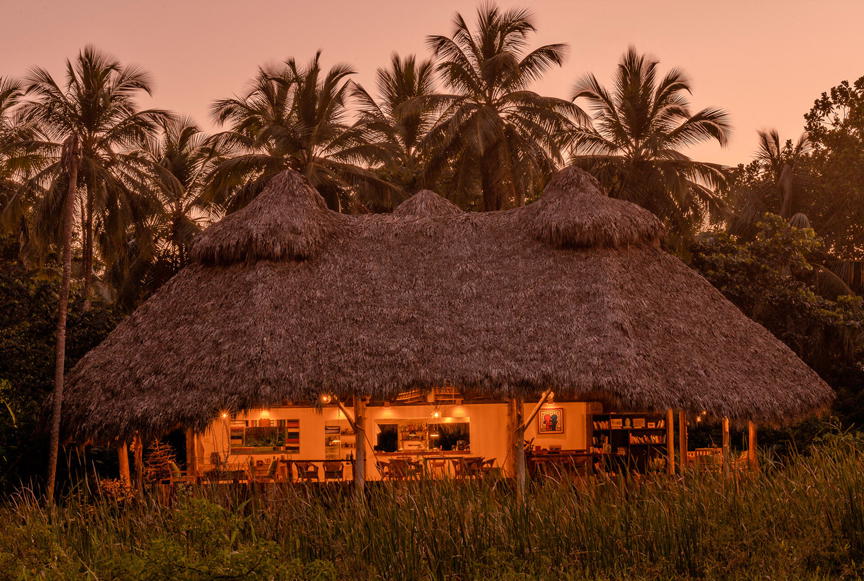
Wellness architecture at Cayo Levantado is its most editorially distinctive feature. The Yubarta center, named after the Taino word for humpback whale, a species that migrates through Samaná Bay from January through March, announces itself with a woven archway surmounted by a whale sculpture. Inside, the program runs under large palapas surrounded by palms and gardens, with a koi pond and a cenote as focal points. The spatial logic is worth noting: wellness programming here operates in open, permeable structures that keep the natural environment present rather than bracketing it out behind glass and climate control.
Class schedule runs from sound baths and yoga to shamanic healing, formats that position the center at the more intentional end of Caribbean wellness, a segment that has expanded considerably as travelers allocate longer stays to recovery-oriented travel. Properties at a similar pitch internationally, such as Amangiri in Canyon Point, have demonstrated that when the physical environment and the wellness program are co-designed rather than bolted together, the result reads differently to guests who have seen both. Yubarta makes that argument convincingly.
Two Pools, Two Registers
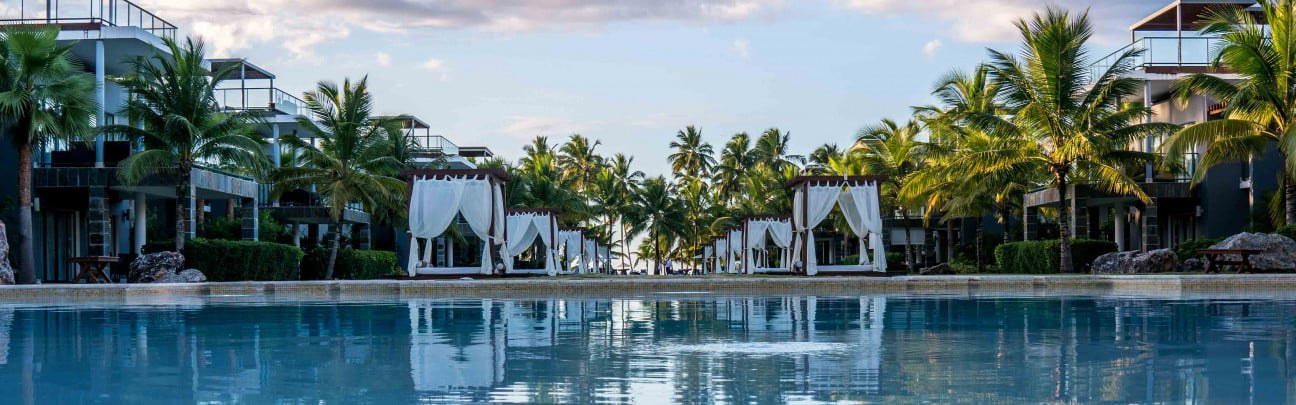
Resort operates two distinct pool environments, each with its own design register. The beachside pool is built for integration with the shoreline: submerged loungers, direct sand access, and sightlines to the ocean from Carey restaurant. The inland pool takes a different approach, daybeds inside red-and-white-striped cabanas, hammocks, and an open-air bar create a more sheltered, lounge-oriented atmosphere. Splitting the pool provision this way is a practical design choice that allows the property to serve guests with different energy levels simultaneously without one crowd diluting the other's experience.
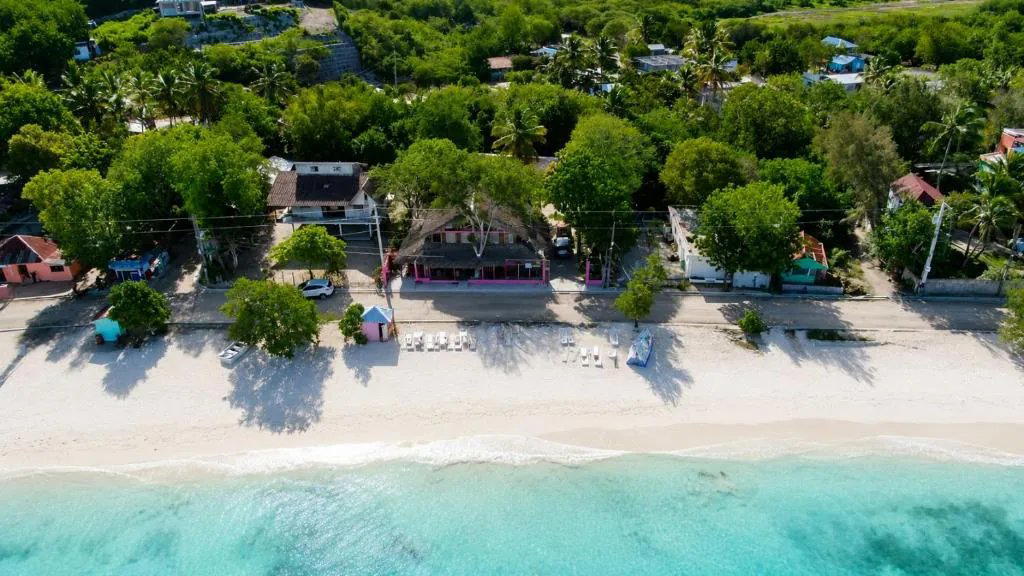
Private beaches themselves are the resort's most direct asset. The white sand and clear water are the product of geography, not investment, and Cayo Levantado's island position means the private stretches are genuinely quieter than anything accessible by road. The hotel also maintains a public beach where local vendors and day-trippers gather, a different register entirely, and worth a visit for the contrast it provides.
The Restaurant Tier: When a Supplement Is Earned
Dominican resort dining has historically defaulted to buffet formats and all-inclusive structures that flatten any incentive to cook with specificity. Cayo Levantado has taken a different position, separating its most ambitious restaurant from the standard package and charging accordingly. Senda, which carries an additional fee, runs a progressive tasting menu that moves guests through the space in stages, a welcome cocktail made with sparkling wine macerated with limoncillo (a local fruit) and acacia honey is served outside, followed by bites near the entrance and at the bar before the table courses begin. The beetroot raviolo stuffed with local goat cheese in a rich broth represents the kind of dish that requires sourcing relationships with Dominican producers, not a hotel kitchen working from a generic regional brief.
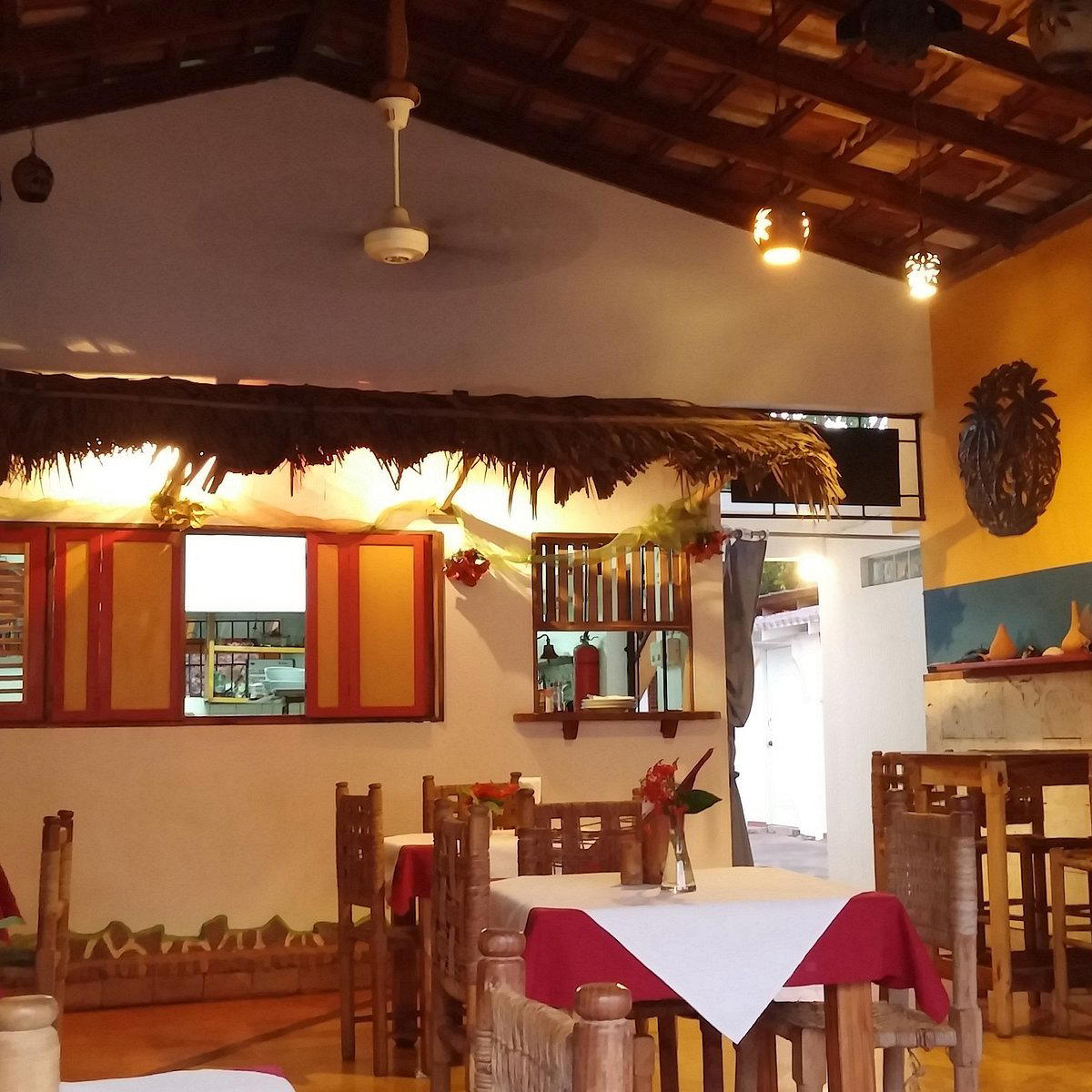
Manaya, the property's meat-focused restaurant (also at a supplement), sets a darker, moodier interior against Senda's outdoor progression. Its wine display, more than 170 bottles behind glass, functions as both storage and room element. The croissant-style rolls served with bone marrow and sea urchin butters are the kind of detail that signals a kitchen working at a different level of intent than resort dining typically requires. This dual-restaurant structure, where the base offering remains and two premium venues charge above it, mirrors what properties like Casa de Campo Resort and Villas in La Romana and Eden Roc Cap Cana have done to give serious diners a reason to stay on-property rather than traveling for food.
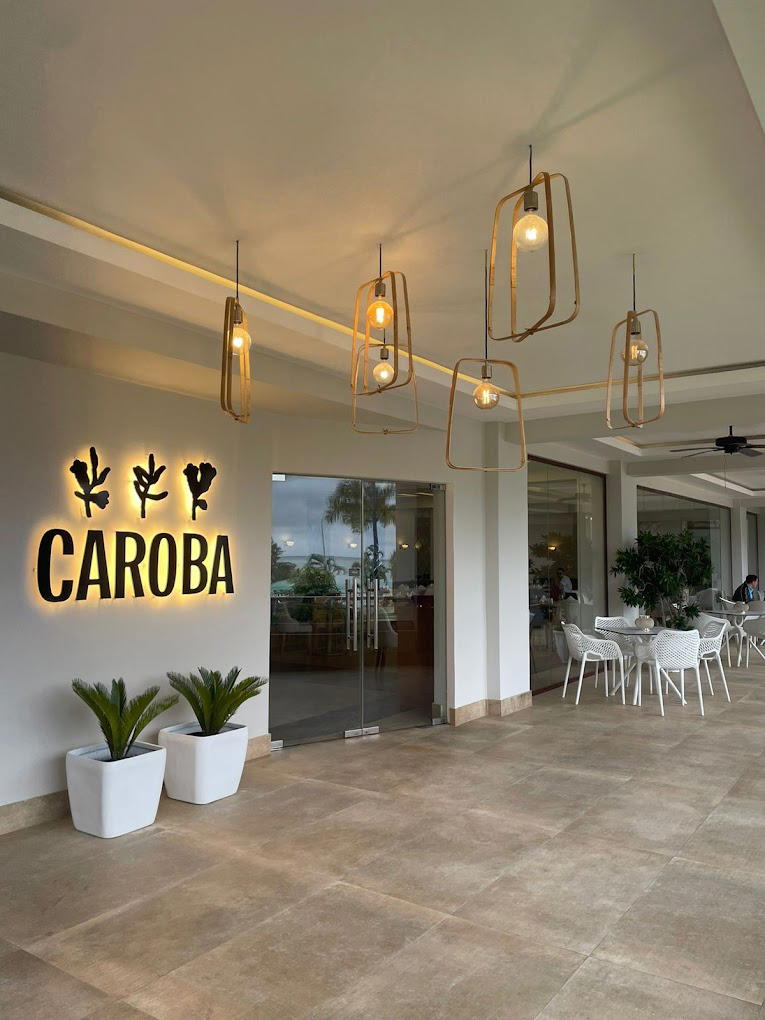
La Molienda café rounds the food program with sustainably sourced Dominican coffee and desserts served at high-leading tables or packaged in eco-friendly glass mugs for takeaway, a low-key operation that nonetheless reflects a consistent design sensibility across the property's food and beverage formats. For a broader look at the dining scene in this region, our full Samaná restaurants guide maps the options beyond the island.
Beyond the Property: What the Location Makes Possible
The island's position in Samaná Bay opens access to experiences that would require significant travel from the major resort zones. The hotel's boat excursion to Los Haitises National Park (an additional fee) moves through mangroves alongside pelicans and frigates, with some 170 recorded bird species in the area. Cave visits to pre-Hispanic petroglyphs and pictographs add an archaeological layer that is unusual in a Caribbean hotel excursion program. The whale-watching window between January and March, when humpbacks pass through Samaná Bay, is specific enough to justify planning a stay around it, guests have spotted the whales directly from rooms.
For travelers building a longer Dominican Republic itinerary, properties at different points on the country's geographic and experiential range include Casa Bonita Tropical Lodge in La Cienaga, Sublime Samaná Hotel and Residences in Las Terrenas, Natura Cabana Boutique Hotel and Spa in Sosua, Dominican Tree House Village in Samaná, Hodelpa Nicolás de Ovando in Santo Domingo, El Morro Eco Adventure Hotel in Monte Cristi, Casa Hemingway in Juan Dolio, Catalonia Royal La Romana in Bayahibe, The Westin Puntacana Resort in Higuey, and Casa Colonial Beach and Spa in Puerto Plata.
Planning a Stay
Guests arrive via Samaná's Simi Baez pier, where the hotel's boat collects them for the crossing. The whale season window of January through March is the most time-sensitive reason to book around a specific period, though the island's private beaches and wellness programming function year-round. For context on how Cayo Levantado's island-privacy model compares to design-led properties in other geographies, Castello di Reschio in Lisciano Niccone, Cheval Blanc Paris, Aman Venice, Badrutt's Palace Hotel in St. Moritz, Bvlgari Hotel Tokyo, Aman New York, and The Fifth Avenue Hotel in New York City offer useful comparative reference points for travelers who benchmark by international property tier. The resort address for correspondence and logistics is Isla Cayo Levantado, s/n, Samaná 32000, Dominican Republic. Senda and Manaya both carry additional fees; factor these into budget planning rather than treating the published room rate as the full cost of the stay. The Cayo Levantado Resort listing on EP Club consolidates current availability and details.
How Cayo Levantado Resort compares with similar nearby venues.
| Venue | Awards |
|---|---|
| Cayo Levantado Resort | Forbes 4-Star (2026) |
Recognition history
Dated appearances from independent guides and award organizations, with the underlying list record or original source where available.
Forbes 4-Star
Forbes
Forbes 4-Star
Forbes
Continue exploring
More in Samaná
Hotels in Samaná
Browse all →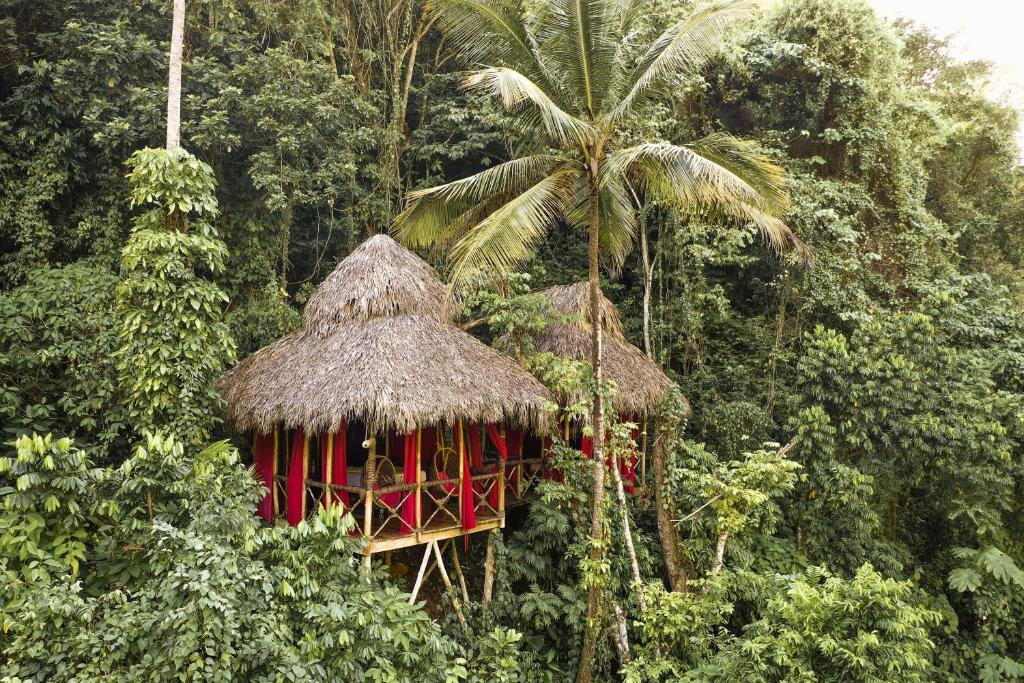
At a Glance
- Elegant
- Romantic
- Scenic
- Sophisticated
- Ornate
- Honeymoon
- Romantic Getaway
- Wellness Retreat
- Family Vacation
- Anniversary
- Beachfront
- Private Villa
- Destination Spa
- Waterfront
- Garden
- Panoramic View
- Private Dining
- Wi Fi
- Pool
- Spa
- Fitness Center
- Room Service
- Concierge
- Beach Access
- Waterfront
- Garden
- Wi Fi
- Pool
- Spa
- Fitness Center
- Room Service
- Concierge
- Beach Access
Luxurious and tranquil with lush tropical landscaping, thoughtfully designed spaces, and a welcoming atmosphere; some guests note occasional loud music during activities.
Know Before You Go
- Getting there
- Isla Cayo Levantado, s/n, Samaná 32000