Casa No Name


Michelin Selected · Mr & Mrs Smith Seal of Approval
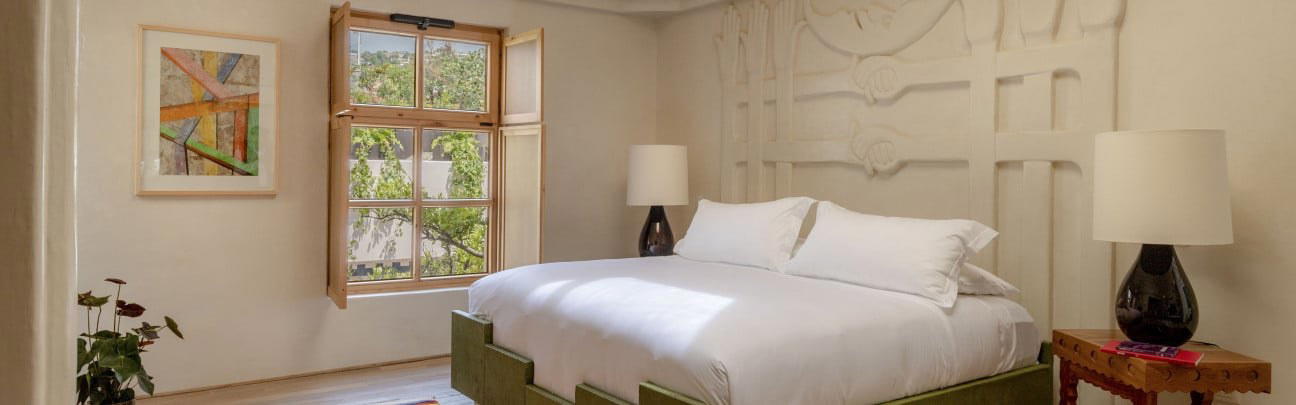
A Michelin Selected boutique property in San Miguel de Allende's colonial centro, Casa No Name occupies a historic address on Hernandez Macias that places it squarely within the city's most architecturally dense quarter.

Pearl is the En Primeur Club membership app — saves, bookings, and concierge access live there. Same editors, same standards.
- Address
- Calle del Dr Ignacio Hernandez Macias 52, Zona Centro, 37700 San Miguel de Allende, Gto., Mexico
- Phone
- +52 415 152 1768
- Website
- casanoname.com.mx
- Directions
- Get directions
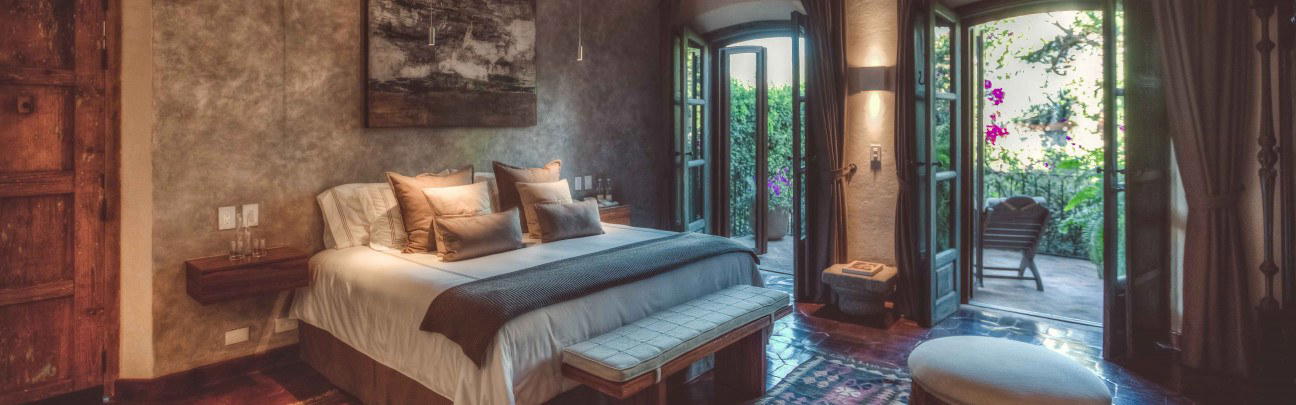
A Colonial Address on Hernandez Macias
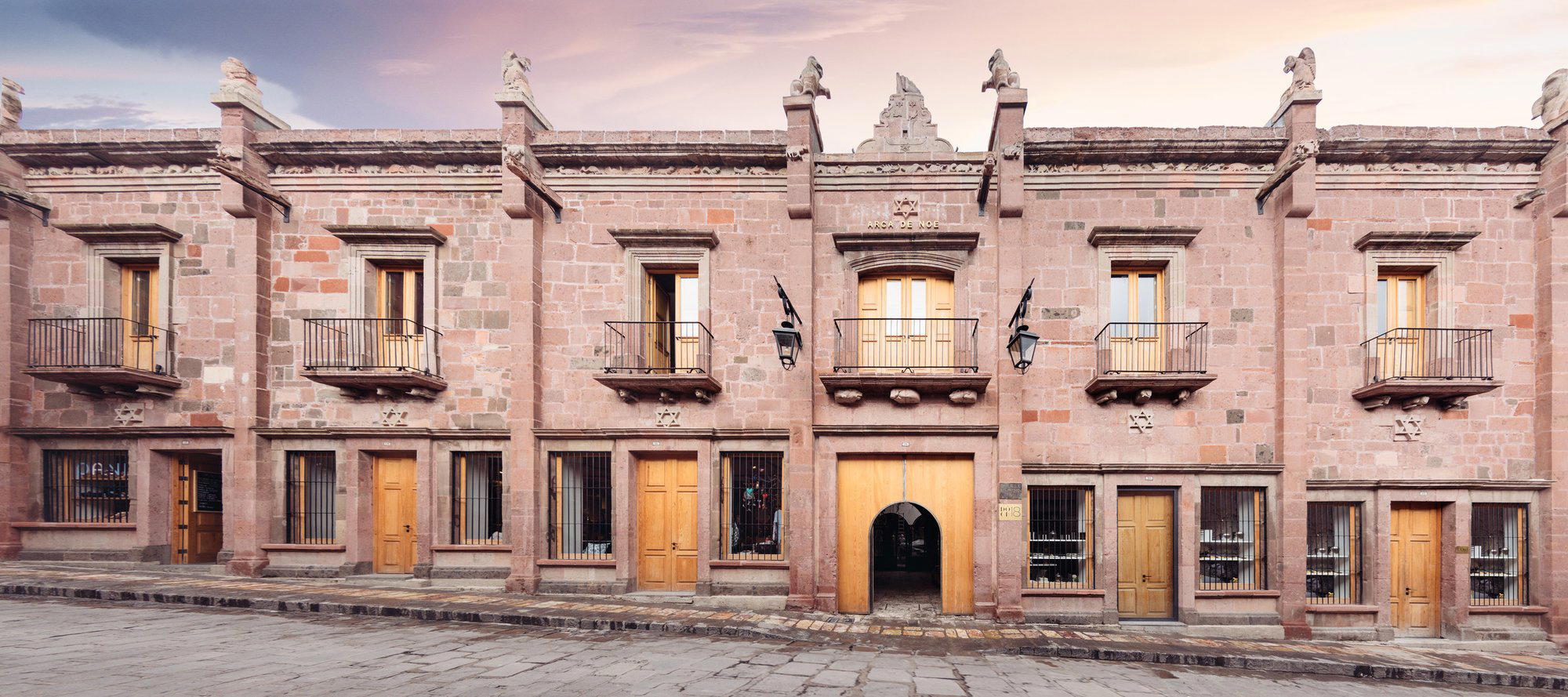
Hernandez Macias is one of San Miguel de Allende's more quietly significant streets. It runs through the Colonia Centro within easy reach of the Jardín Principal, lined with colonial-era facades that have absorbed several centuries of shifting use: private homes, religious institutions, artist studios, and, in the past two decades, a growing number of boutique hotels that have recognized the street's architectural stock as an asset rather than an obstacle. Casa No Name at number 52 sits inside that broader pattern of colonial repurposing that defines how San Miguel's hospitality offer has developed at its most considered end.
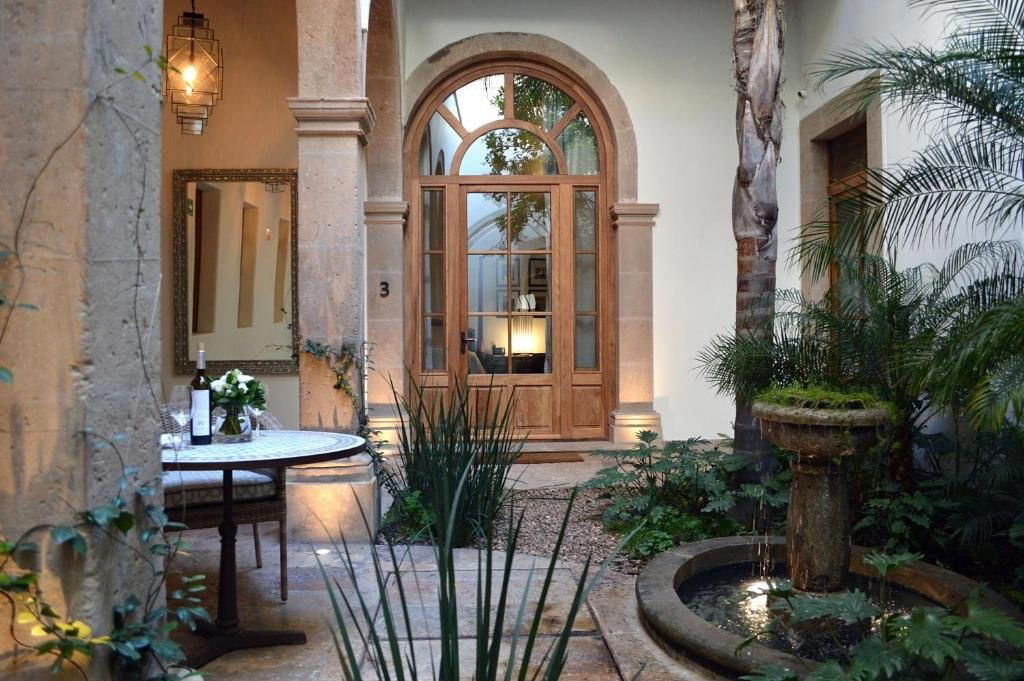
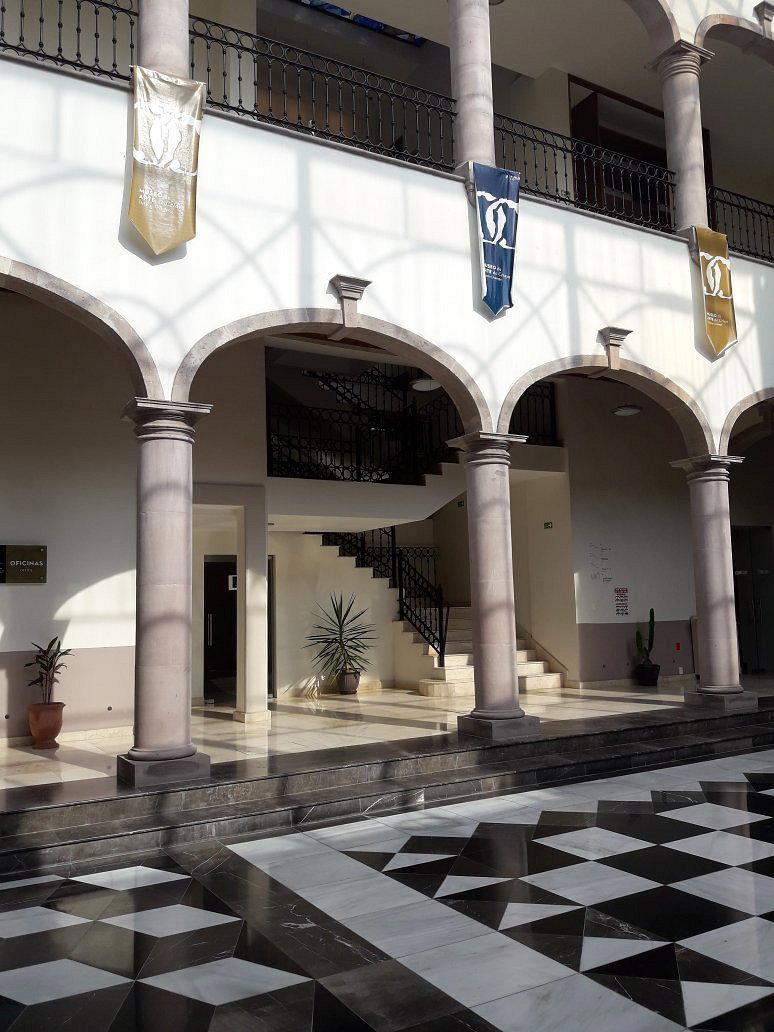
San Miguel de Allende has been a UNESCO World Heritage Site since 2008, a designation that shapes what property owners can and cannot do with structures in the centro. The result, for travellers, is that hotels here tend to preserve rather than replace: thick stone walls, internal courtyards, ironwork details, and tile work that would cost a fortune to fabricate today. The heritage constraint that might frustrate developers in other cities becomes the primary product in San Miguel. Casa No Name operates within that framework, on a street where the built environment itself carries the weight of the guest experience before a single service interaction takes place.
What Michelin Selection Signals in This Market
Michelin's hotel selection program, launched in its current form as an extension of the guide's hospitality coverage, applies a quality threshold rather than a numerical star rating to properties it includes. Appearing on the Michelin Selected Hotels list for 2025 places Casa No Name in a defined tier: properties that meet the guide's baseline criteria for comfort, character, and hospitality standards without necessarily reaching the Michelin Key level reserved for the programme's leading performers. In San Miguel specifically, that recognition carries contextual weight because the city's boutique hotel market is dense and competitive, with properties ranging from genuinely distinguished colonial conversions to more formulaic offerings that trade on the city's general reputation.
Casa de Sierra Nevada, A Belmond Hotel, San Miguel de Allende represents the international-brand end of the colonial boutique category. Hotel Matilda has built a reputation around contemporary art programming alongside its colonial bones. Casa 1810 Hotel Boutique, Casa Hoyos - Hotel Boutique, and Dos Casas Hotel & Spa occupy the more intimate end of the same spectrum. Casa No Name's positioning, as the name itself implies, is toward understatement rather than brand assertion: a deliberate posture in a city where the most confident properties often let the architecture carry the argument.
The Colonial Boutique Category Across Mexico
The model Casa No Name represents, a small colonial property in a historic centro operating at a premium quality level without international brand infrastructure, has proliferated across Mexico's heritage cities over the past fifteen years. San Miguel is the most visited example, but the pattern repeats in Oaxaca, Mérida, and the colonial cities of the Bajío region. At their leading, these properties offer a form of immersion in built heritage that larger resorts, however well-resourced, cannot replicate: the scale is human, the walls are original, and the guest is staying inside the city's architectural history rather than adjacent to it.
Mexico's coastal and resort properties operate in a different register entirely. Hotel Esencia in Tulum, One&Only Mandarina in Riviera Nayarit, and Montage Los Cabos in Cabo San Lucas compete on landscape, amenity depth, and branded service infrastructure. Maroma in Riviera Maya and Zadun, A Ritz-Carlton Reserve in Los Cabos add reserve-level programming to that mix. Casa No Name competes on an entirely different axis: spatial character, historical depth, and proximity to one of Mexico's most walkable historic centres. The comparison is instructive for travellers deciding between Mexico's two dominant hospitality registers.
For those whose Mexico shortlist extends across property types, the colonial city model also intersects with hacienda properties like Hacienda El Santuario San Miguel de Allende, which combines rural scale with proximity to the centro, and with urban design hotels like Hotel Amatte and Hotel Casa Blanca 7. Chablé Yucatán in Mérida and Casa Silencio in San Pablo Villa de Mitla extend the heritage-property conversation into other Mexican states for travellers building a broader itinerary.
When to Visit and How to Approach Booking
San Miguel de Allende's festival calendar is among the most active of any Mexican city its size. The Día de los Muertos celebrations in late October and early November draw significant visitor numbers, as does Semana Santa in spring and the city's own Festival Internacional de Jazz y Blues. These windows compress accommodation availability across the centro sharply, and properties at the quality level of Casa No Name tend to fill earliest because their limited key counts leave less room for late availability. For the shoulder periods, specifically late January through early March and September through mid-October, the city is quieter, the light is often at its clearest after summer rains, and the colonial architecture reads leading without festival crowds in the foreground.
Travellers who want to plan around specific cultural programming, or who are comparing the Hernandez Macias address against the broader centro offer, should review our full San Miguel de Allende restaurants guide for neighbourhood-level context. The address at Hernandez Macias 52 places guests on foot to the Jardín, the Parroquia de San Miguel Arcángel, and the restaurant corridor that has developed along Sollano and Canal in recent years.
For travellers cross-referencing boutique colonial properties in other contexts, Casa Polanco in Mexico City and Las Ventanas al Paraíso, A Rosewood Resort in San José del Cabo offer points of comparison at the high end of Mexico's broader hospitality market. Internationally, the low-key, design-led colonial property model Casa No Name represents finds equivalents in Europe's historic city properties: Hôtel de Paris Monte-Carlo in Monte Carlo and Badrutt's Palace Hotel in St. Moritz sit at a different scale and price tier but share the premise that architectural heritage is itself the product. The Fifth Avenue Hotel in New York City demonstrates how the same instinct toward building character over branded anonymity plays out in a very different urban context.
City Peers
Comparable venues nearby, for context on price, style, and recognition.
| Venue | Cuisine | Price | Awards | Notes |
|---|---|---|---|---|
| Casa No NameThis venue — the venue you are viewing | Restored 18th-century colonial mansion blending heritage charm with exotic global influences. | Not listed | Michelin Selected · Mr & Mrs Smith Seal of Approval | Not listed |
| Hotel Amatte | Wabi-Sabi inspired sanctuary of luxury and well-being | $200–300 | 1 Michelin Key | Valle del Maiz |
| L'Ôtel - Casa Arca | Contemporary classic luxury concept house blending heritage architecture with modern design and artistic community integration. | Not listed | 1 Michelin Key · Mr & Mrs Smith Seal of Approval | Centro (Downtown) |
| L'Ôtel Doce-18 | Contemporary colonial concept house | Not listed | 1 Michelin Key · Mr & Mrs Smith Seal of Approval | Zona Centro |
| Dos Casas Hotel & Spa | Colonial boutique with midcentury modern renovations | $200–300 | Michelin Selected | Centro |
| La Valise San Miguel de Allende | luxury boutique blending Mexican heritage and contemporary elegance | Not listed | Mr & Mrs Smith Seal of Approval · Virtuoso Luxury Hotel Partner | Zona Centro |
Recognition history
Dated appearances from independent guides and award organizations, with the underlying list record or original source where available.
Michelin Selected
Michelin
Mr & Mrs Smith Seal of Approval
Mr & Mrs Smith
Continue exploring
More in San Miguel de Allende
Hotels in San Miguel de Allende
Browse all →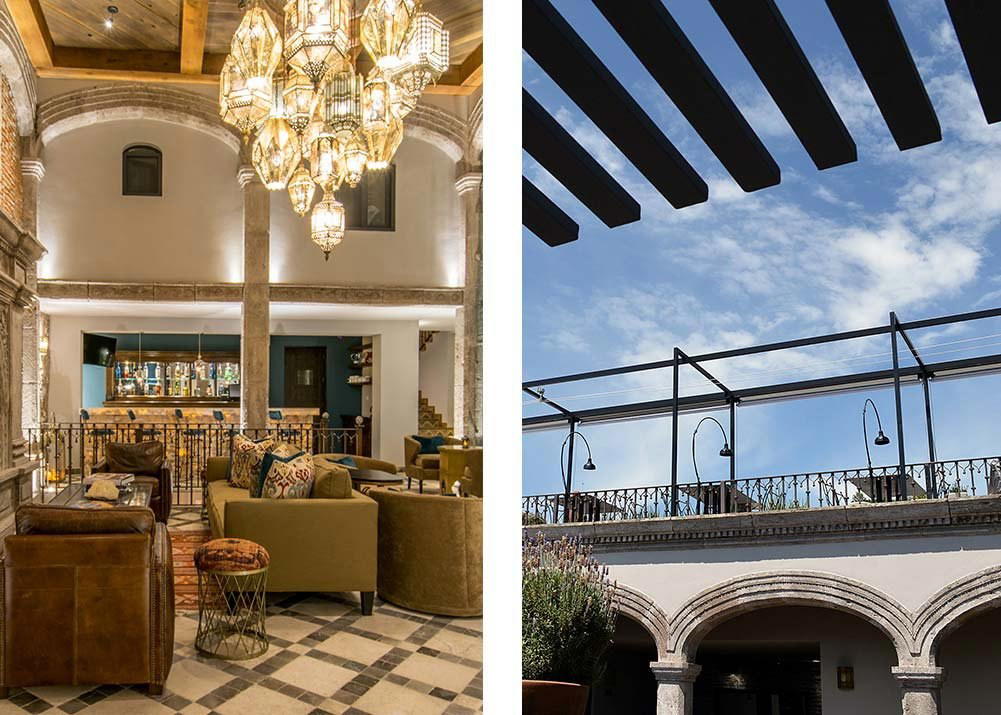
Bars in San Miguel de Allende
Browse all →
Details
- Romantic
- Elegant
- Intimate
- Rustic
- Romantic Getaway
- Anniversary
- Honeymoon
- Historic Building
- Terrace
- Wi Fi
- Spa
- Hot Tub
- Room Service
- Concierge
- Street Scene
- Wheelchair Accessible
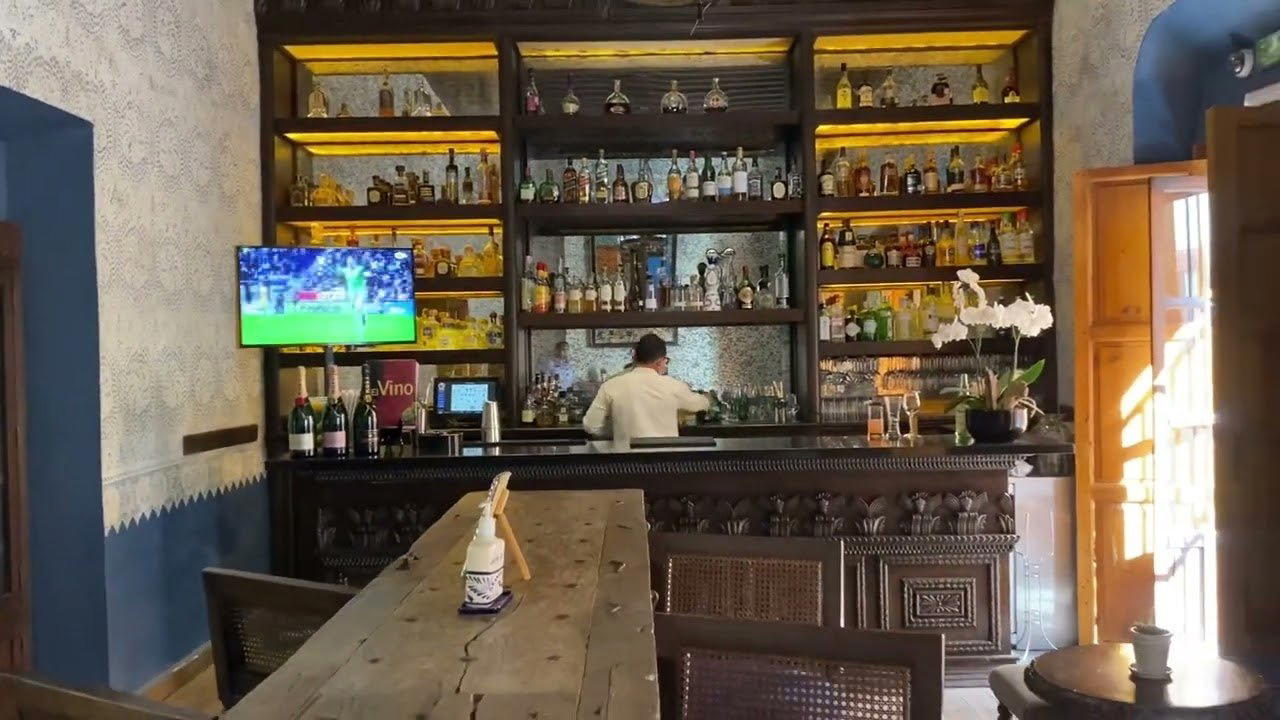
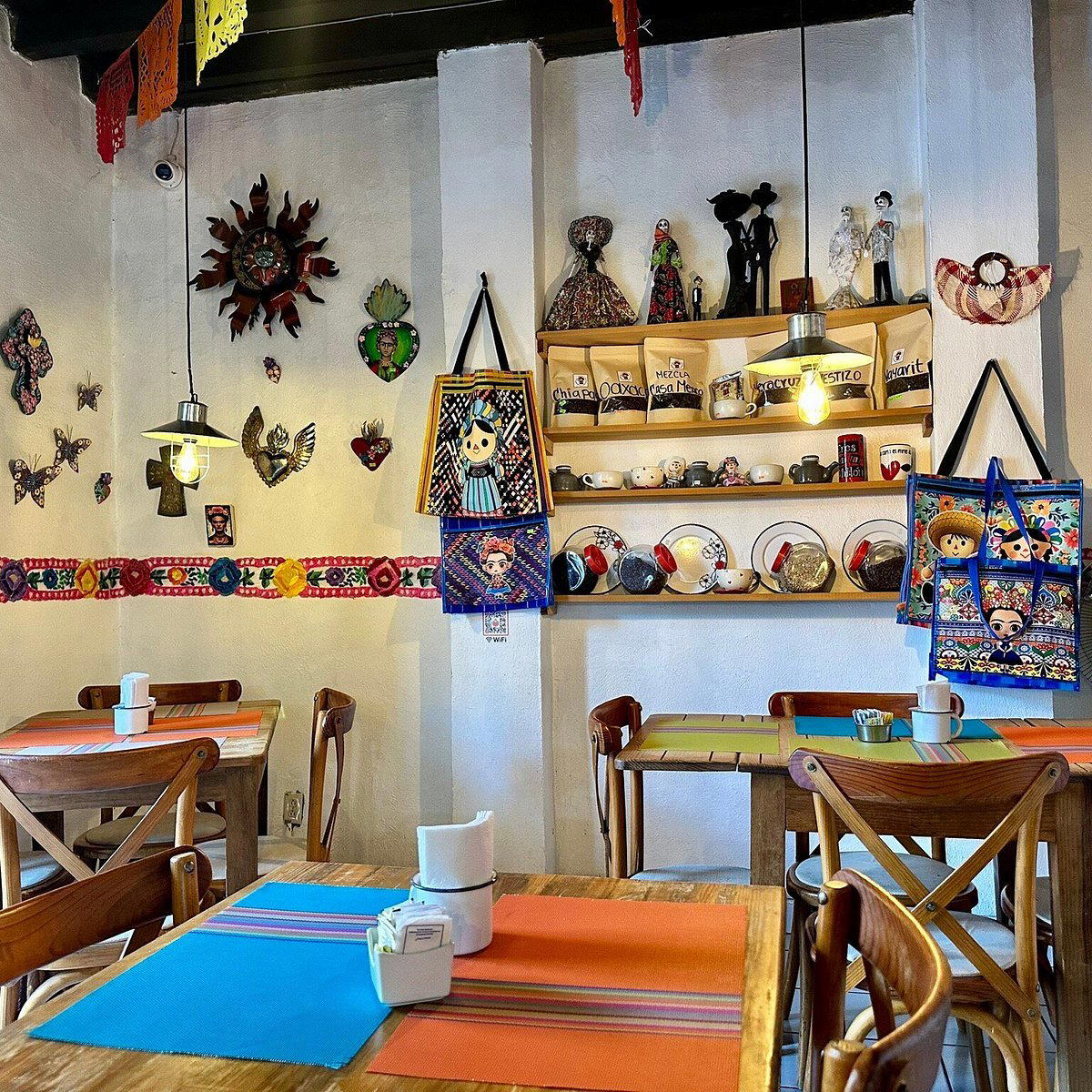
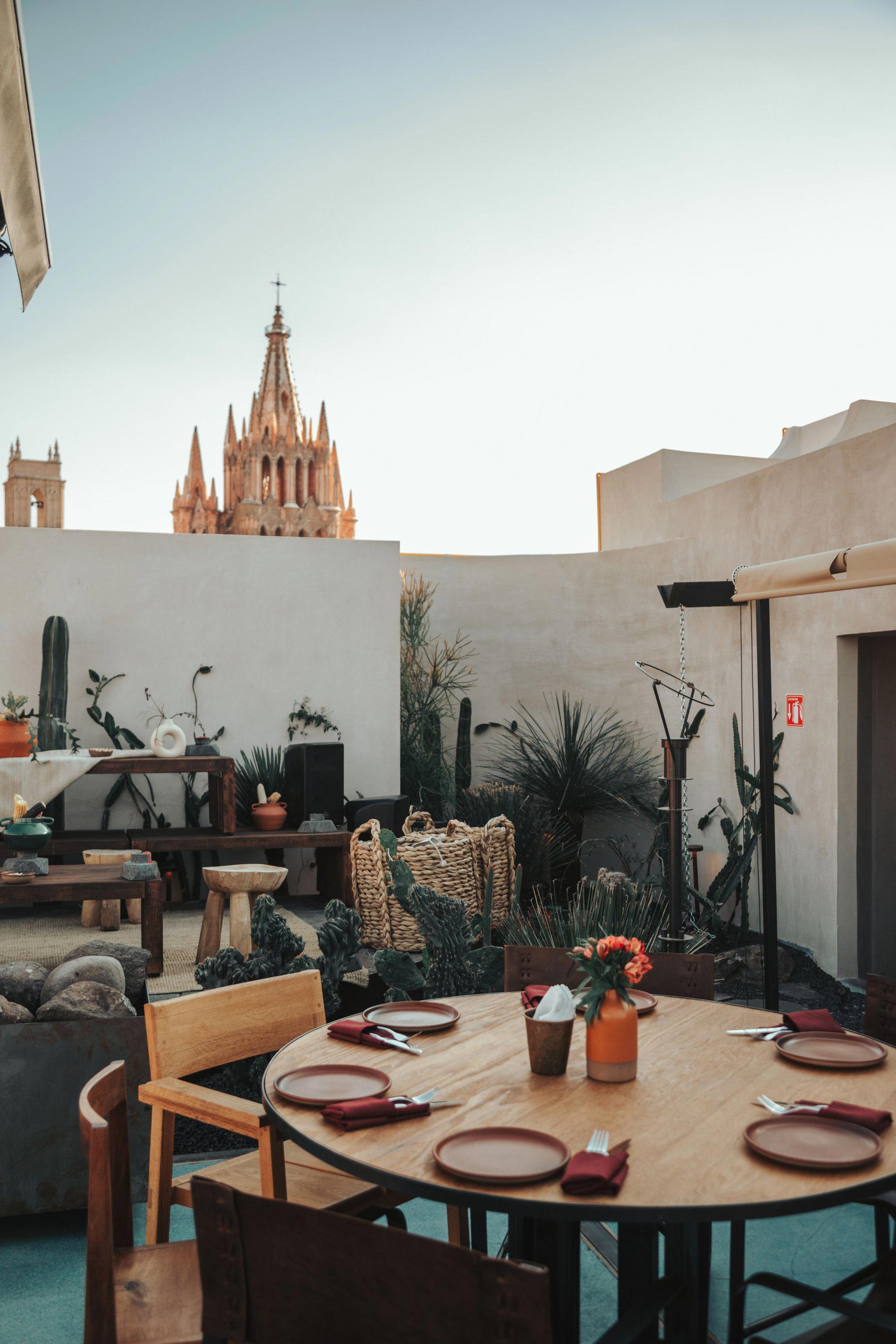
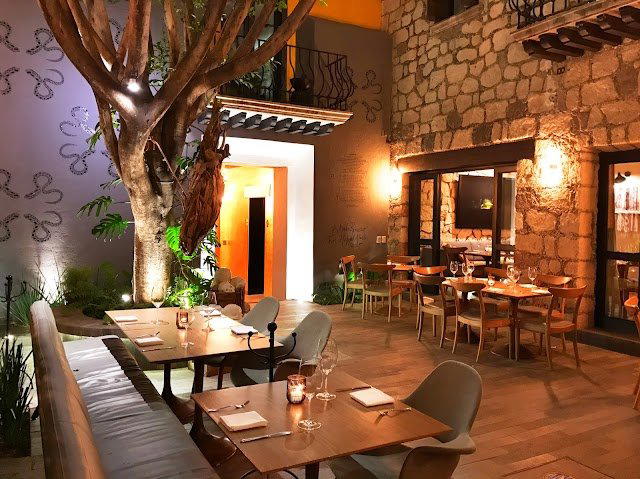
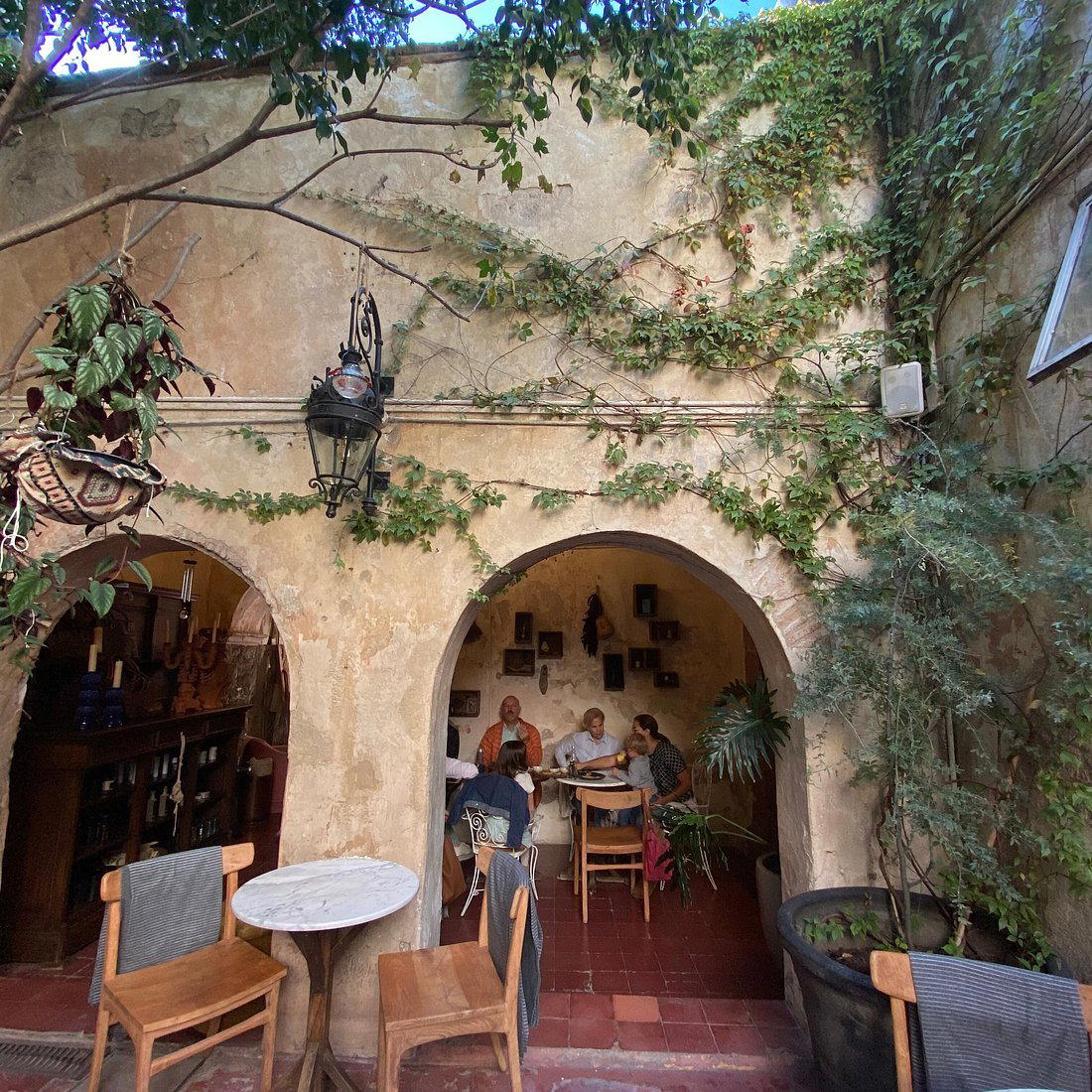
Steeped in artistry with time-worn stone, original fireplaces, lush greenery creating a secret garden feel, and a cozy rooftop terrace.