Hacienda El Santuario San Miguel de Allende

Michelin Selected
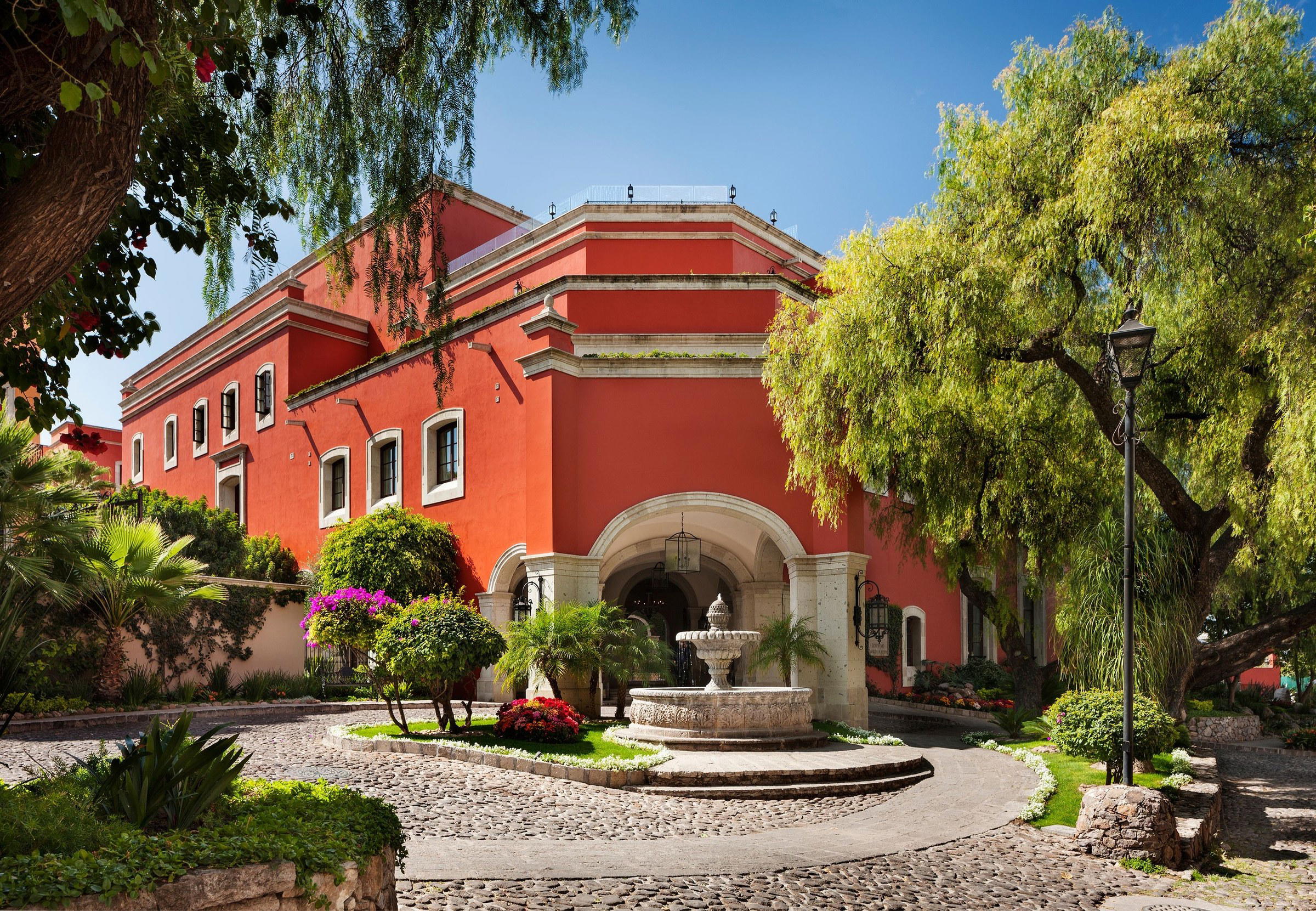
A Michelin Selected hacienda property on Aldama in San Miguel de Allende's historic centre, Hacienda El Santuario occupies colonial-era architecture within walking distance of the Parroquia. The property sits in the mid-to-upper tier of San Miguel's boutique hotel scene, where converted haciendas and colonial mansions define the dominant accommodation format for international visitors seeking the city's particular blend of Bajío heritage and contemporary arts culture.

Pearl is the En Primeur Club membership app — saves, bookings, and concierge access live there. Same editors, same standards.
- Address
- Aldama 41, Zona Centro, 37700 San Miguel de Allende, Gto., Mexico
- Phone
- +52 415 980 0192
- Website
- haciendaelsantuario.com
- Directions
- Get directions
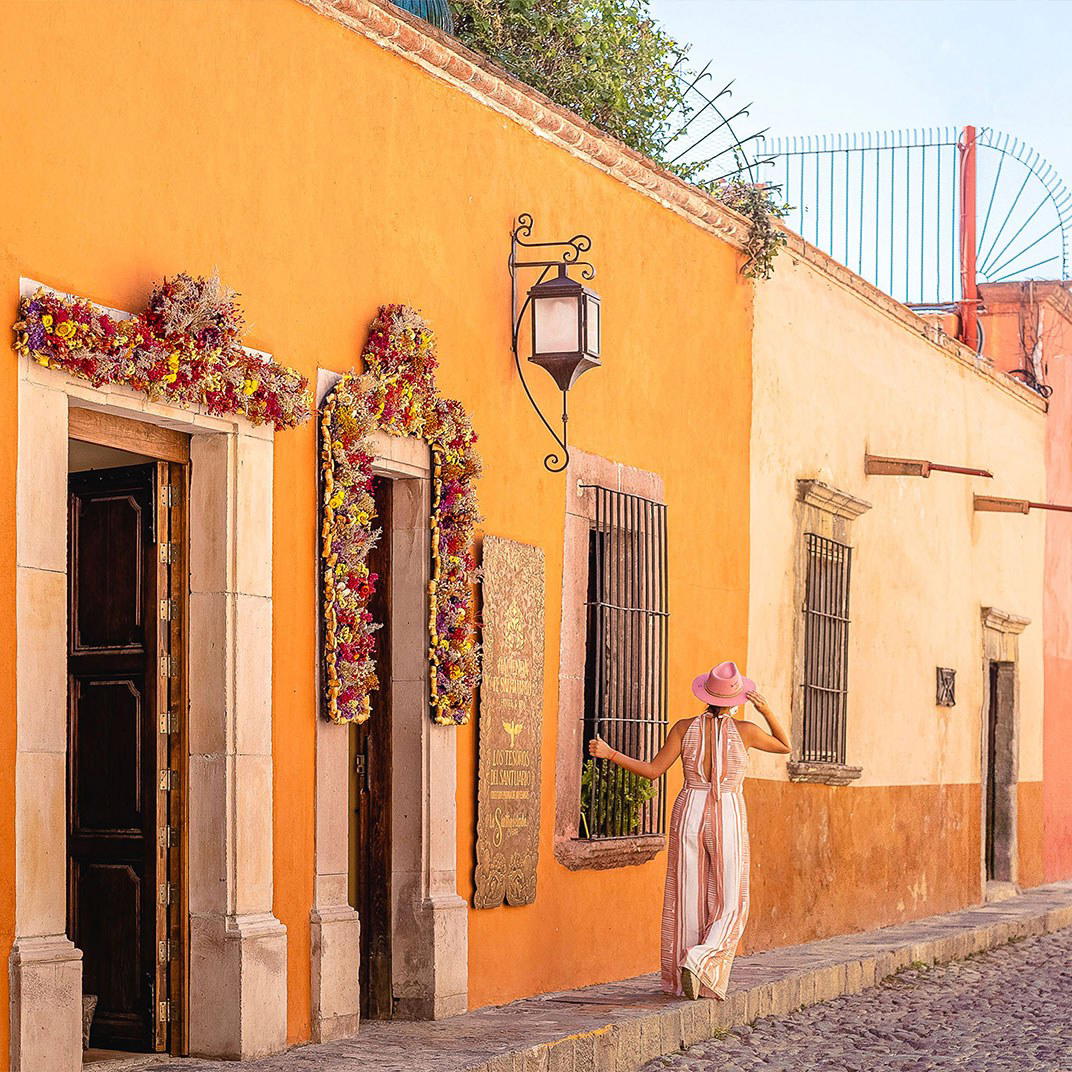
Colonial Stone and the Hacienda Tradition in San Miguel de Allende
San Miguel de Allende's hotel stock divides along a clear architectural line. On one side sit the international-branded properties and purpose-built resorts; on the other, a dense cluster of converted colonial mansions and haciendas whose thick stone walls, interior courtyards, and painted tile work constitute an accommodation type you find nowhere else in Mexico's Bajío region with the same concentration. Hacienda El Santuario San Miguel de Allende, on Aldama in the Zona Centro, belongs firmly to the second category. The address places it within the city's most walkable historic grid, where the Parroquia de San Miguel Arcángel and the Jardín Principal are within easy reach on foot, and where the urban fabric itself — cobblestones, ochre-painted facades, carved stone doorways — forms the ambient backdrop to the stay.
The Michelin Selected distinction, awarded in the 2025 guide to hotels and stays, positions Hacienda El Santuario in a specific tier of the San Miguel market. Michelin Selected does not carry star-level distinction but signals consistent quality of setting and hospitality as assessed by Michelin's inspectors, meaningful context when the city's boutique hotel sector has grown considerably in the past decade in response to San Miguel's designation as a UNESCO World Heritage Site and its sustained popularity with international travellers from North America and Europe.
Where El Santuario Sits in the San Miguel Hotel Conversation
San Miguel's premium hotel market has consolidated around a handful of distinct formats. At the leading sits the full-service Belmond property, Casa de Sierra Nevada, A Belmond Hotel, San Miguel de Allende, which operates across multiple colonial buildings with a formal restaurant programme and spa infrastructure. Further along the spectrum, design-led boutiques such as Hotel Matilda have made a case for contemporary art programming as a hospitality differentiator. Meanwhile, smaller intimate properties, Casa Hoyos - Hotel Boutique, Dos Casas Hotel & Spa, and Casa No Name, occupy the sub-twenty-key tier where service ratios are high and the sense of a private house persists.
Hacienda El Santuario's hacienda format places it in a category that trades on architectural authenticity: the sense that the building itself carries the destination's history. This is a different value proposition from purpose-built luxury or design-forward boutiques. Guests choosing a hacienda property are prioritising a spatial and historical experience, thick-walled rooms, courtyard gardens, the particular silence that colonial construction creates, over branded amenities or curatorial art programming. Properties like Casa 1810 Hotel Boutique and Hotel Amatte compete in adjacent registers of this same authenticity-forward segment.
The Dining Programme and Food Culture of the Zona Centro
San Miguel de Allende's food scene has matured into something considerably more serious than a colonial-town curiosity circuit. The city now draws chefs and restaurant operators who have trained in Mexico City's more competitive dining environment, and the result is a Zona Centro with above-average kitchen ambition for a city of its size. For a hacienda hotel, the dining programme is a critical differentiator. Properties in this category must decide whether to anchor guests at the in-house restaurant or to lean into the surrounding neighbourhood's options, a choice that reflects both confidence in the kitchen and an understanding of what San Miguel visitors actually want from the evenings.
The hacienda hotel format across Mexico's heritage cities, from Oaxaca to Guanajuato to San Miguel itself, has increasingly moved toward curated food and beverage programming that reflects regional ingredients and traditions rather than generic continental menus. The most credible examples use the courtyard setting as the primary dining environment, with the architectural backdrop doing as much atmospheric work as the kitchen. Properties at the higher end of the Mexican heritage hotel market, such as Chablé Yucatán in Mérida and Hotel Esencia in Tulum, have demonstrated that destination-level food programmes are achievable in properties built around historic or organic architecture. The question for Hacienda El Santuario, as for any Zona Centro property, is how the in-house offer relates to what the surrounding streets provide.
San Miguel's restaurant concentration within walking distance of properties on Aldama means guests face genuine choice. The city's bartenders and cooks have developed a local identity that draws on Bajío agricultural traditions, a breadbasket region that supplies much of central Mexico's dairy, meat, and grain, while absorbing the international influence that the city's large expatriate community and tourist traffic have generated over decades. For a hotel's food and beverage programme to earn its guests' evenings, it needs to articulate a position within that conversation, not simply offer a default menu. For deeper orientation on the full restaurant and bar scene, our full San Miguel de Allende restaurants guide maps the options across price tiers and cuisine types.
Mexico's Boutique Hotel Context: Where San Miguel Fits
San Miguel de Allende operates in the same tier of the Mexican luxury travel circuit as a small number of inland heritage cities. It does not compete with coastal resort destinations, Montage Los Cabos in Cabo San Lucas, One&Only Mandarina in Riviera Nayarit, or Maroma in Riviera Maya, on beach access or resort amenities. Instead, San Miguel's proposition is cultural density: arts institutions, culinary heritage, architectural character, and a walkable historic centre that rewards time on foot. This is the context in which Hacienda El Santuario makes its case.
The Michelin Selected recognition for 2025 situates El Santuario alongside properties that Michelin's inspectors have identified as offering a consistent and worthwhile guest experience, without necessarily competing at the full-star level of Mexico's most technically ambitious luxury properties. For travellers calibrating San Miguel hotel options, this distinction is a useful quality floor rather than a ceiling. It places the property in a credible middle tier of the Zona Centro market, above the budget posada format, below the integrated full-service luxury of properties affiliated with international hotel groups.
Comparable properties elsewhere in Mexico's boutique inland circuit include Casa Polanco in Mexico City and Casa Silencio in San Pablo Villa de Mitla, both of which operate the small-key, design-conscious, heritage-building model that defines this accommodation niche. Beyond Mexico, the format has clear parallels in European heritage hotel categories, from Badrutt's Palace Hotel in St. Moritz to Hôtel de Paris Monte-Carlo in Monte Carlo, where historic buildings provide differentiation that new-build properties cannot replicate.
Planning a Stay: What to Know Before You Book
The property is located at Aldama 41, Zona Centro, which puts it in the heart of San Miguel's walkable historic district. For travellers arriving by air, the nearest international gateway is Del Bajío International Airport (BJX) in León/Guanajuato, approximately 90 minutes by road. Mexico City's Benito Juárez International Airport is a longer drive of around three to three and a half hours but offers a wider range of international connections. San Miguel de Allende does not have a train station, and long-distance bus services connect the city to major Mexican hubs including Querétaro and Mexico City. The city's high season runs from late October through April, with the Christmas and New Year period and Semana Santa representing the most pressured booking windows. The shoulder months of May and early June bring warmer temperatures before the summer rainy season, which delivers afternoon downpours but also vivid green hillsides above the city. For the full context of San Miguel's hotel market, including smaller properties such as Hotel Casa Blanca 7 and Casa No Name, as well as options further afield such as Las Alamandas in Costalegre and Xinalani in Quimixto, the EP Club Mexico hotel guides provide full category mapping by region and price tier.
Pricing, Compared
Comparable venues nearby, for context on price, style, and recognition.
| Venue | Price | Awards | Notes |
|---|---|---|---|
| Hacienda El Santuario San Miguel de AllendeThis venue — the venue you are viewing | Not listed | Michelin Selected | Not listed |
| Casa No Name | Not listed | Michelin Selected · Mr & Mrs Smith Seal of Approval | Colonia Centro, Restored 18th-century colonial mansion blending heritage charm with exotic global influences. |
| L'Ôtel - Casa Arca | Not listed | 1 Michelin Key · Mr & Mrs Smith Seal of Approval | Centro (Downtown), Contemporary classic luxury concept house blending heritage architecture with modern design and artistic community integration. |
| L'Ôtel Doce-18 | Not listed | 1 Michelin Key · Mr & Mrs Smith Seal of Approval | Zona Centro, Contemporary colonial concept house |
| Our Habitas San Miguel | $300–500 | Not listed | Valle de los Senderos, Contemporary eco-luxury with sustainable design principles, locally sourced construction, and minimalist brutalist aesthetic emphasizing nature immersion. |
| Dos Casas Hotel & Spa | $200–300 | Michelin Selected | Centro, Colonial boutique with midcentury modern renovations |
Recognition history
Dated appearances from independent guides and award organizations, with the underlying list record or original source where available.
Michelin Selected
Michelin
Continue exploring
More in San Miguel de Allende
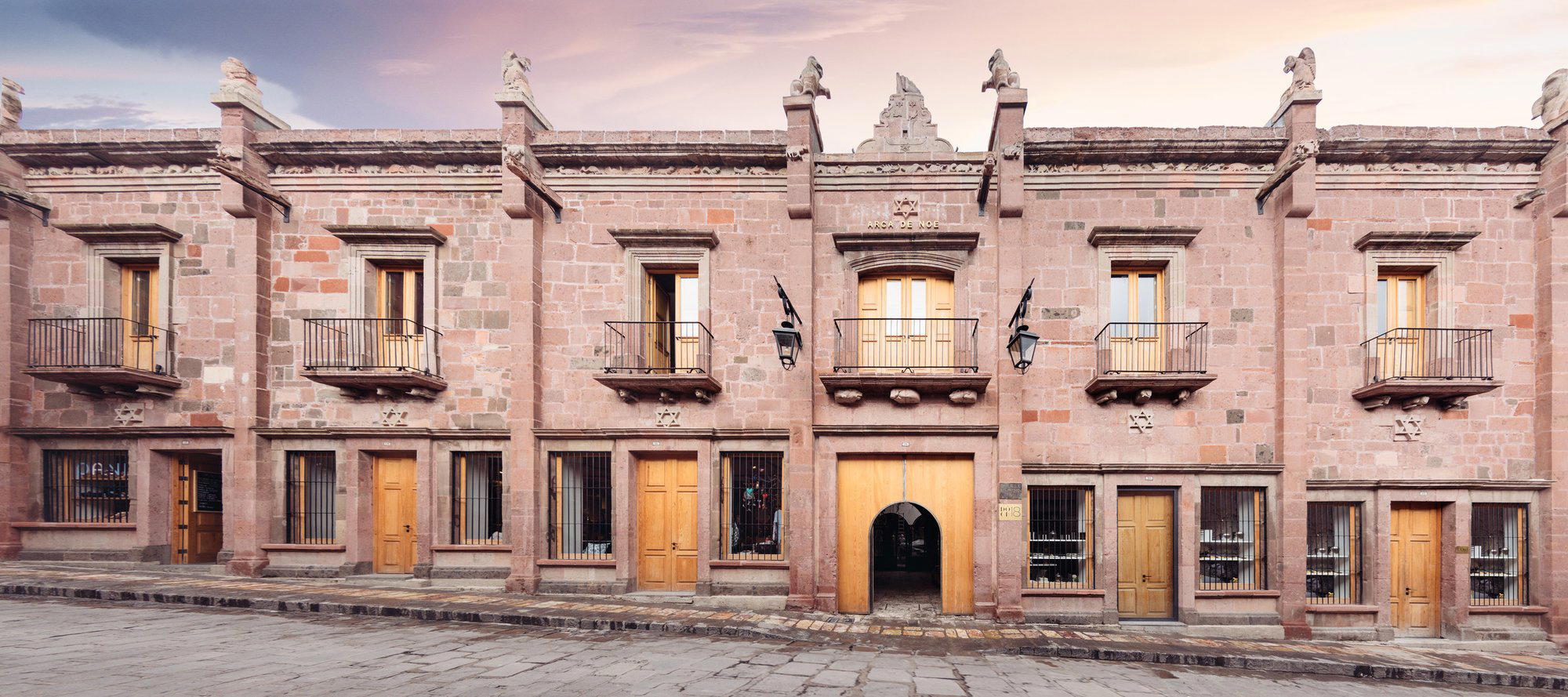
Hotels in San Miguel de Allende
Browse all →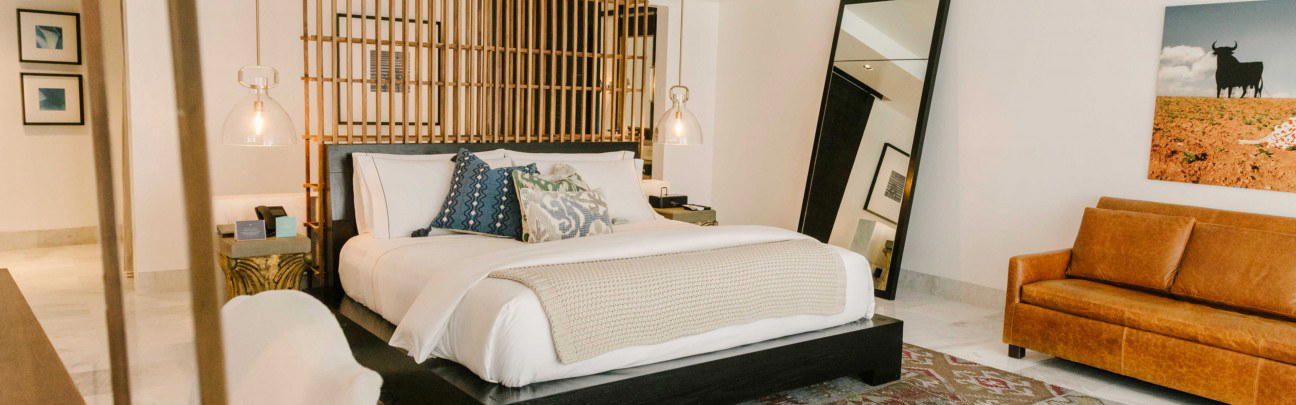
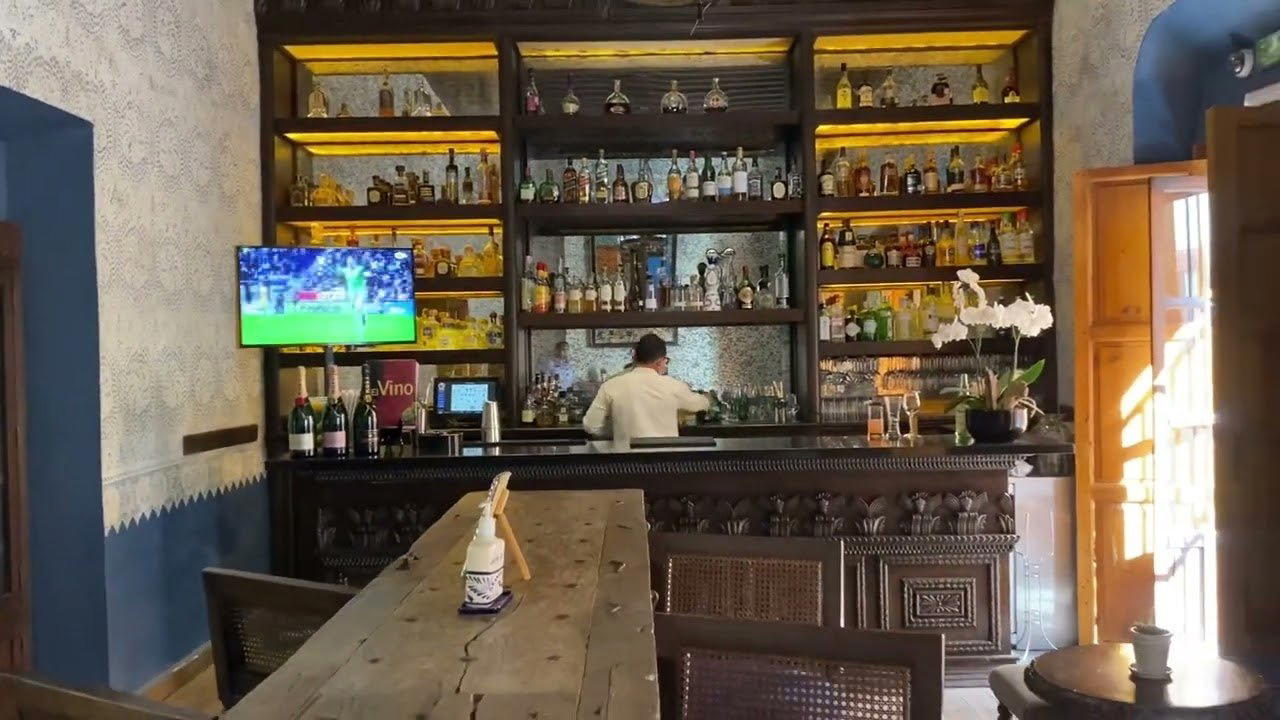
Bars in San Miguel de Allende
Browse all →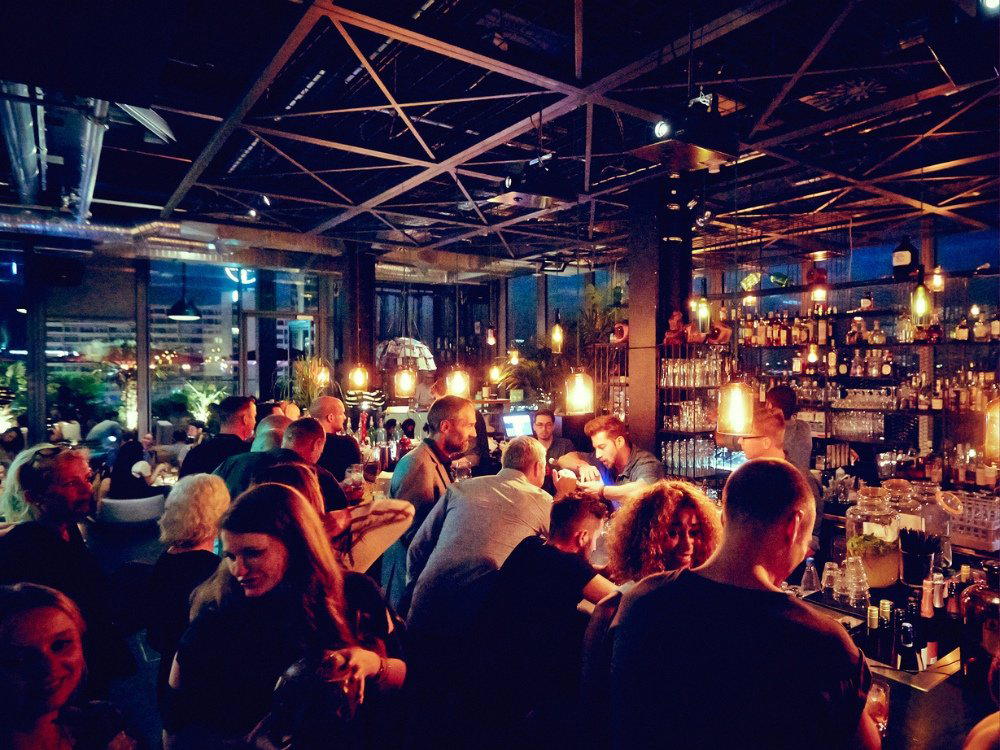

Details
- Romantic
- Elegant
- Intimate
- Classic
- Quiet
- Romantic Getaway
- Anniversary
- Family Vacation
- Weekend Escape
- Garden
- Terrace
- Historic Building
- Design Destination
- Private Dining
- Wi Fi
- Spa
- Massage
- Restaurant
- Bar
- Room Service
- Concierge
- Laundry Service
- Garden
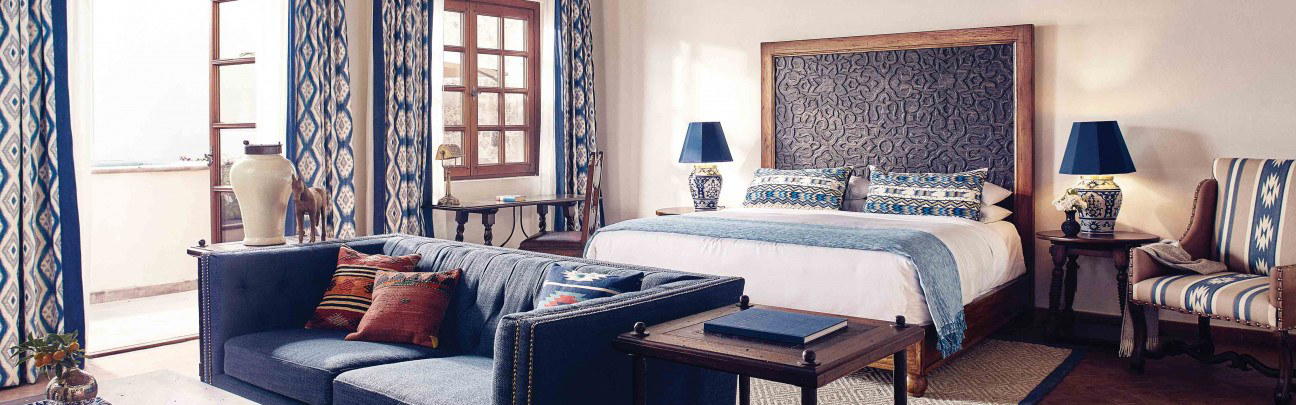
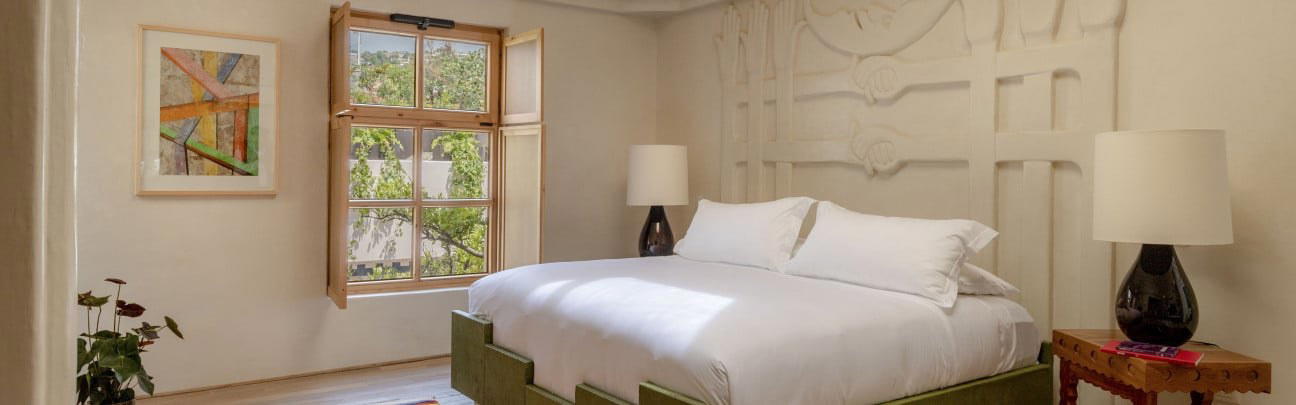
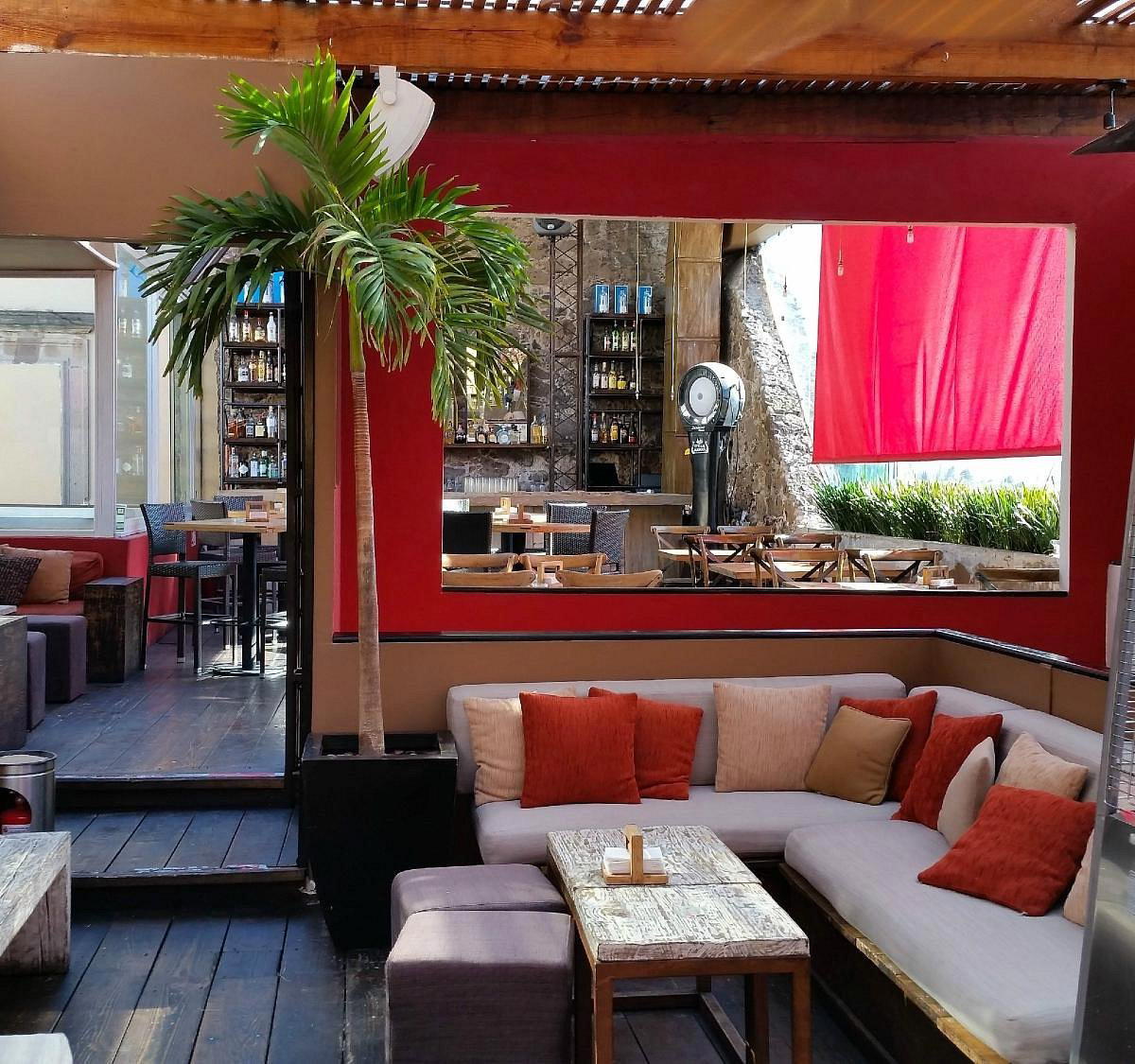
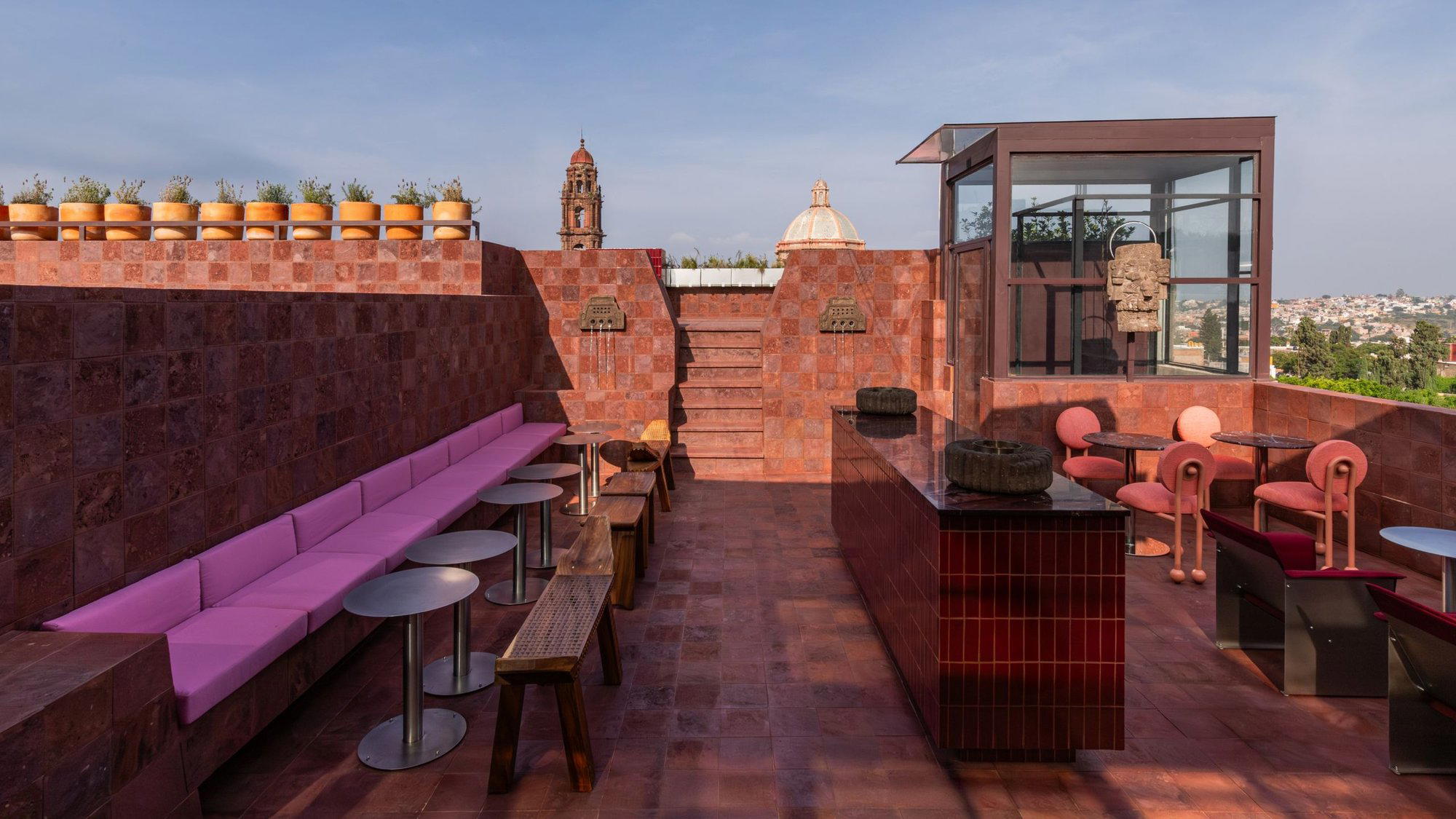
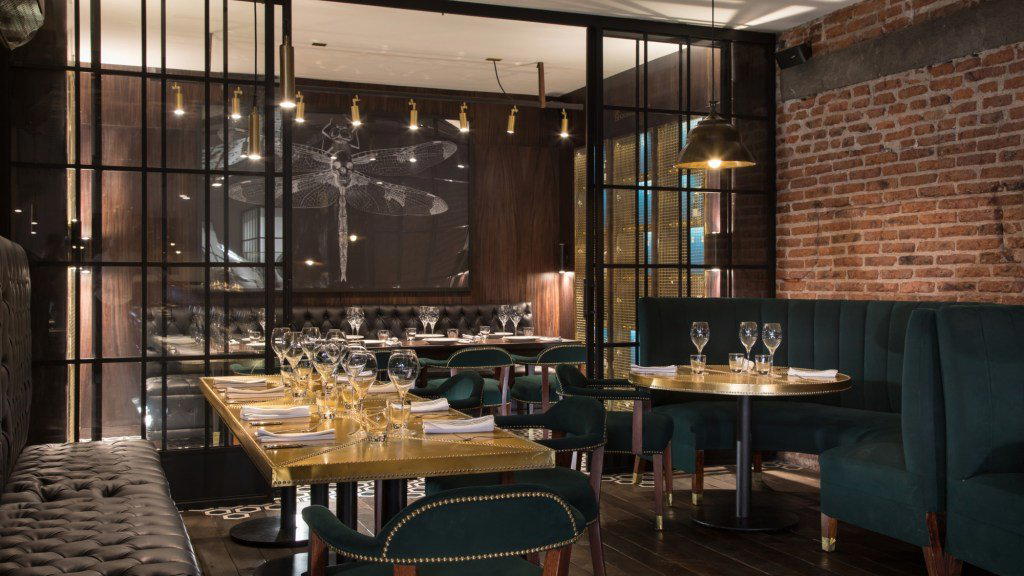
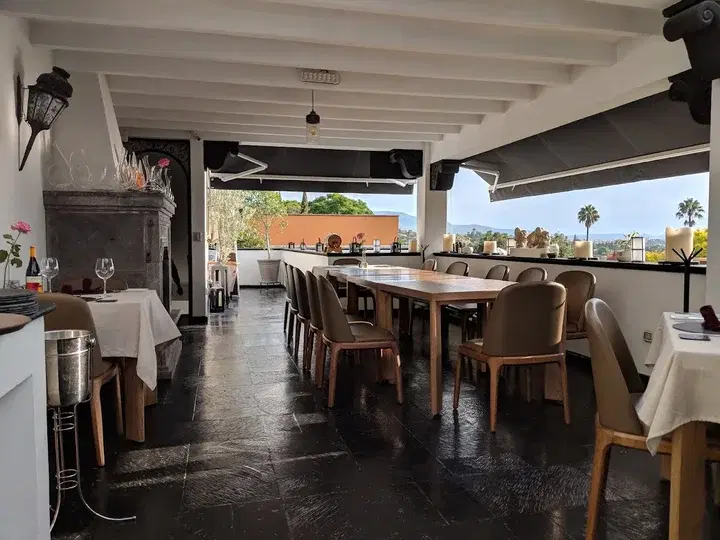
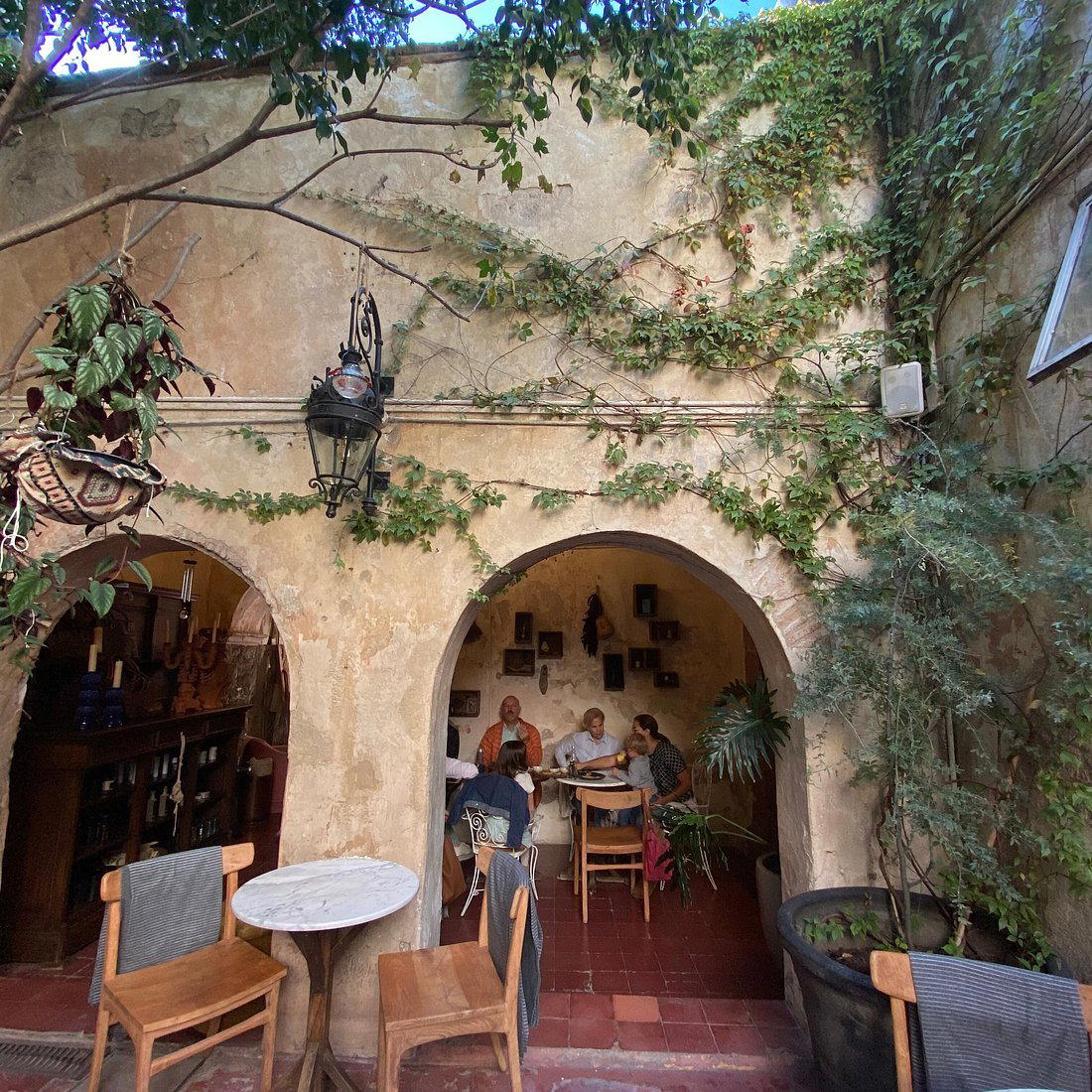
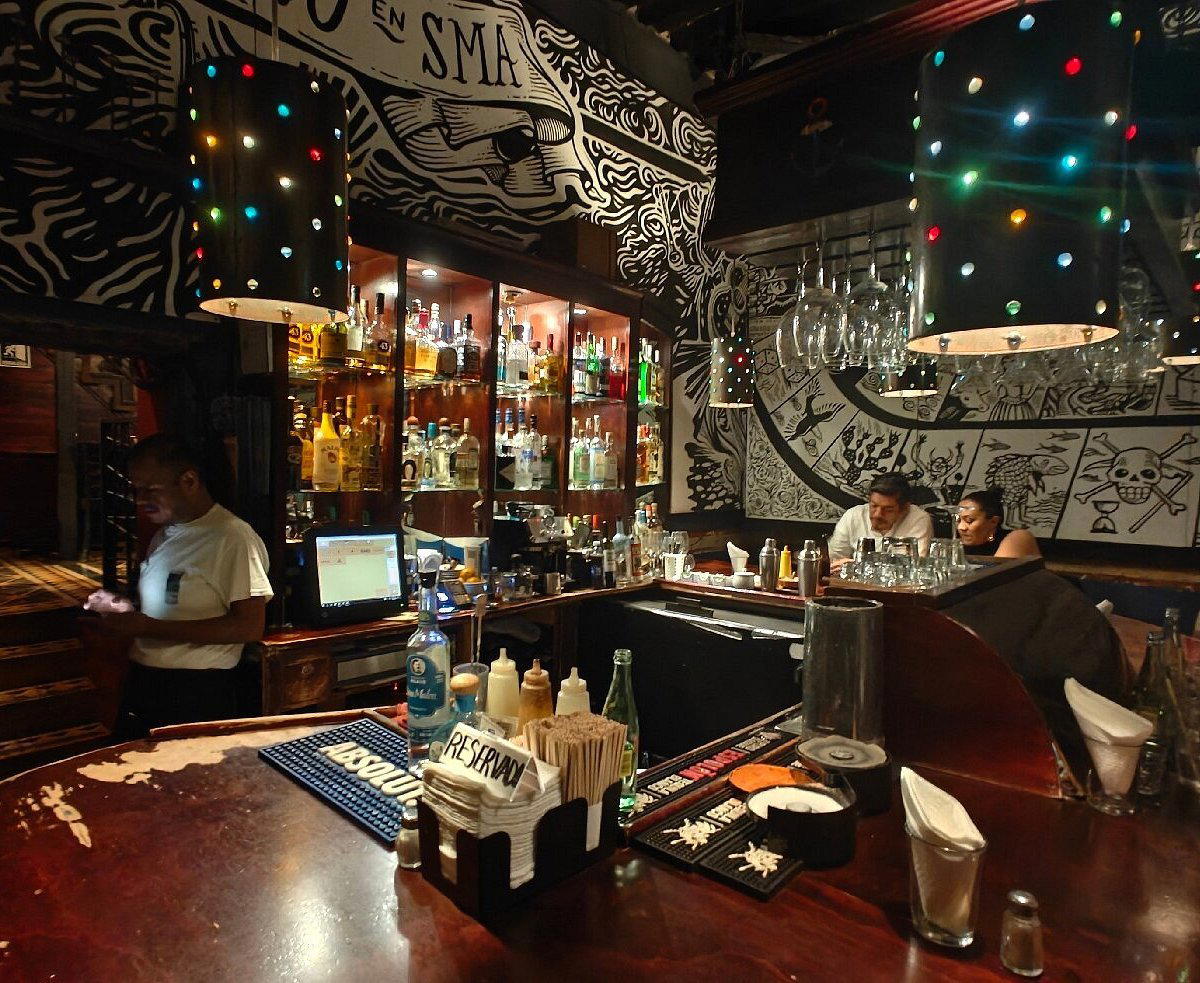
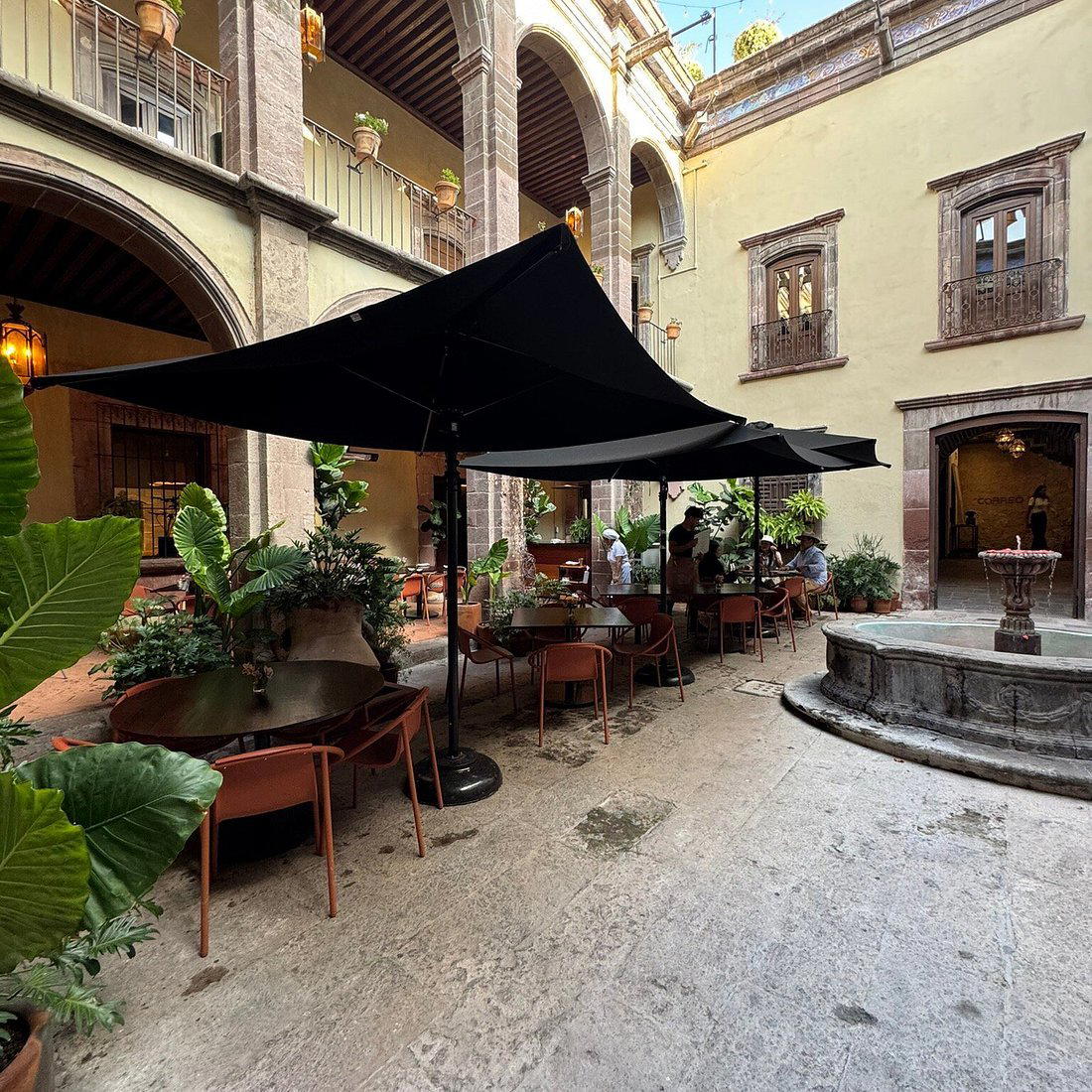
Warm and welcoming with colonial elegance, featuring lush courtyards, regional artwork, wrought-iron details, and soft lighting that evokes a historic Mexican residence.