
A 19th-century Valletta townhouse converted into a boutique hotel, Casa Ellul occupies a handsome address on Old Theatre Street where the original Ellul family facade remains intact. Inside, the property layers contemporary design over Baroque bones, placing it within a small cohort of character-driven stays that define the city's growing reputation for considered heritage hospitality.
Pearl is the En Primeur Club membership app — saves, bookings, and concierge access live there. Same editors, same standards.
- Address
- 81 Old Theatre Street, Il-Belt Valletta 1429
- Phone
- +356 2122 4821
- Website
- casaellul.com
- Directions
- Get directions
 Saves & bookings on Pearl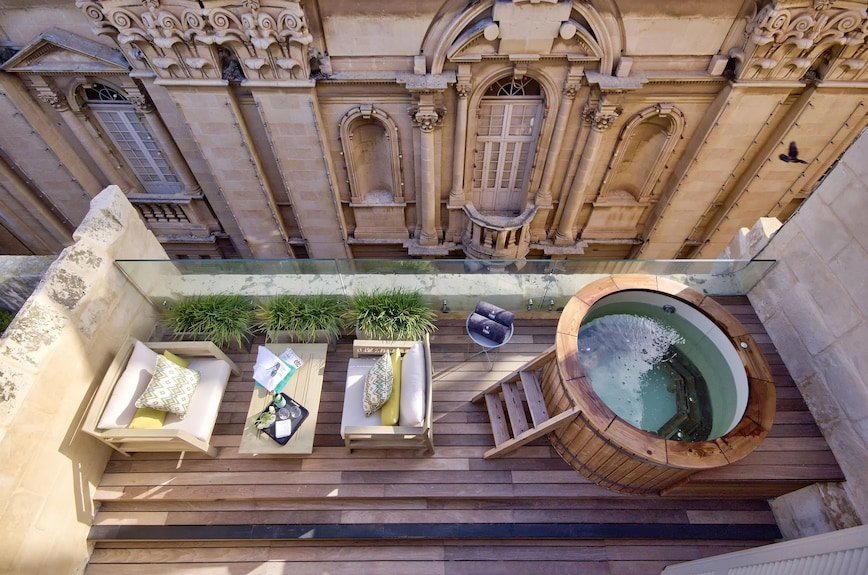
Old Theatre Street and the Architecture of Valletta Hospitality
Valletta's hospitality story has shifted considerably in the years since Malta's capital was named a European Capital of Culture in 2018. What was once a city whose grander buildings sat in varying states of decay or institutional use has steadily become one of the Mediterranean's more compelling destinations for boutique accommodation. The model that has emerged favours palazzo conversion over new build: thick limestone walls, tiered balconies, and Baroque street elevations repurposed around contemporary interiors. Casa Ellul, at 81 Old Theatre Street, belongs to this category and represents one of the more legible examples of how Valletta's townhouse stock translates into hotel use.
The building itself carries its history plainly. The Ellul family made it their home in the 1830s, and the street facade reads accordingly: tiered balconies of painted timber, proportions that observe the Baroque street grammar that governs much of the city, a presence that fits the block without announcing itself. This kind of architectural continuity is not incidental in Valletta's boutique tier. It is, in fact, the primary differentiator between properties that feel embedded in the city and those that merely occupy it. Casa Ellul's exterior earns it the former classification before a guest crosses the threshold.
Inside the Conversion: Where Heritage Meets Contemporary Design
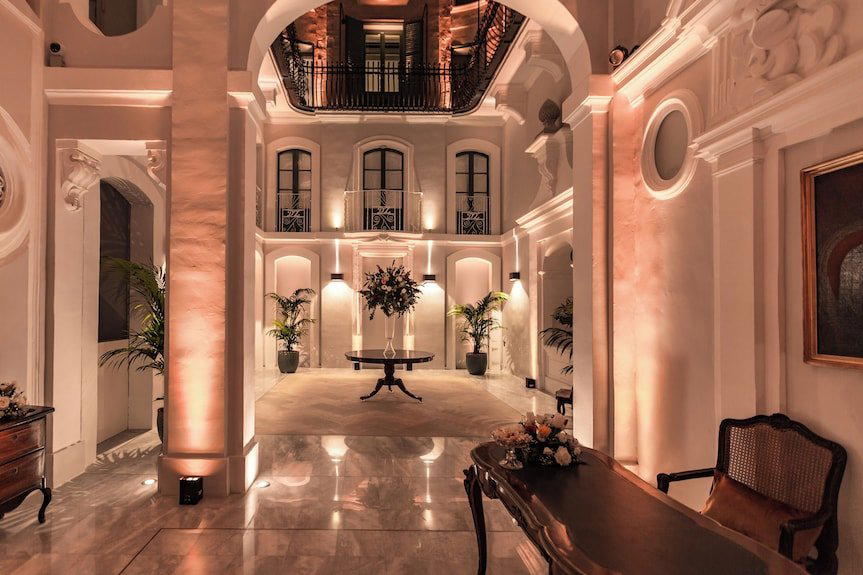
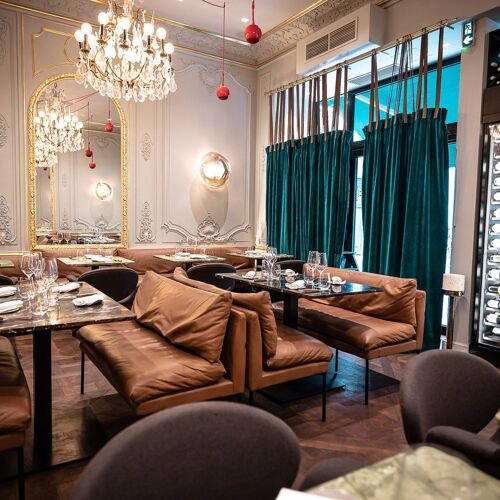
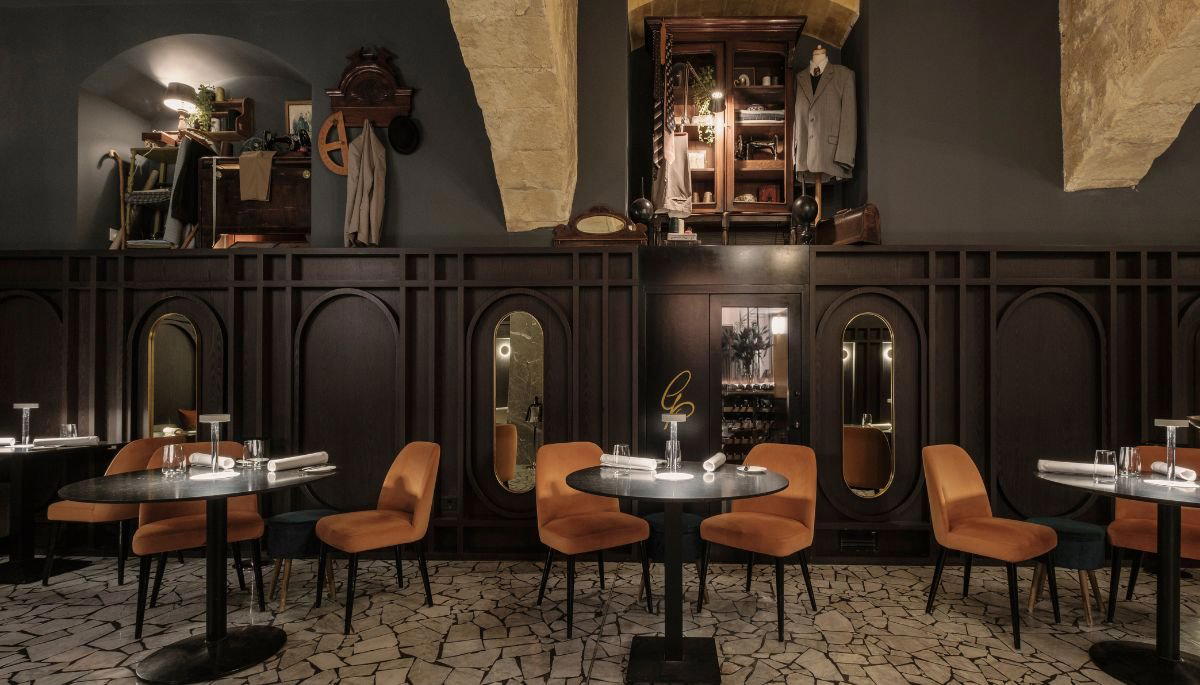
The interior logic of heritage hotel conversions in the Mediterranean typically follows one of two paths: faithful restoration that preserves period detailing at the expense of comfort, or wholesale modernisation that renders the history decorative. Valletta's better properties have found a middle register, and Casa Ellul is among those that step inside to reveal a different proposition from the street. The bones of a 19th-century townhouse, the spatial hierarchy, the ceiling heights, the relationship between rooms, remain legible, while the fit-out applies a contemporary layer that makes the space functional for modern guests without apologising for what it was.
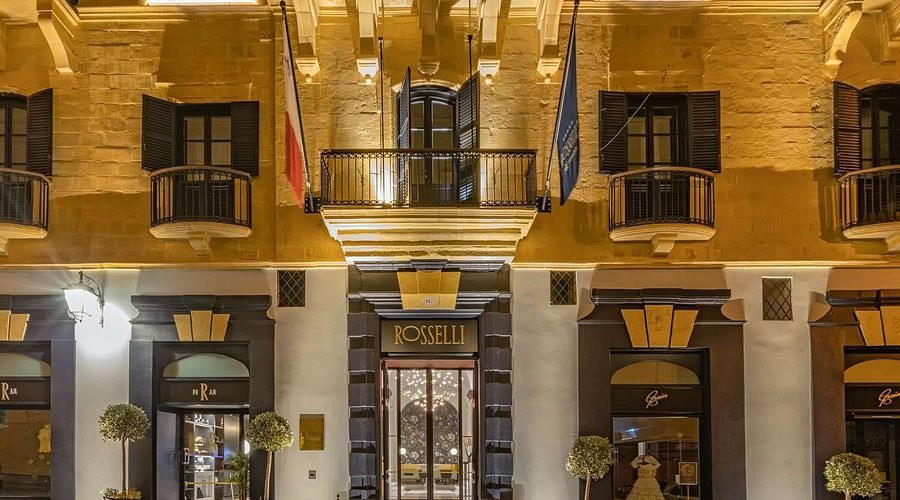
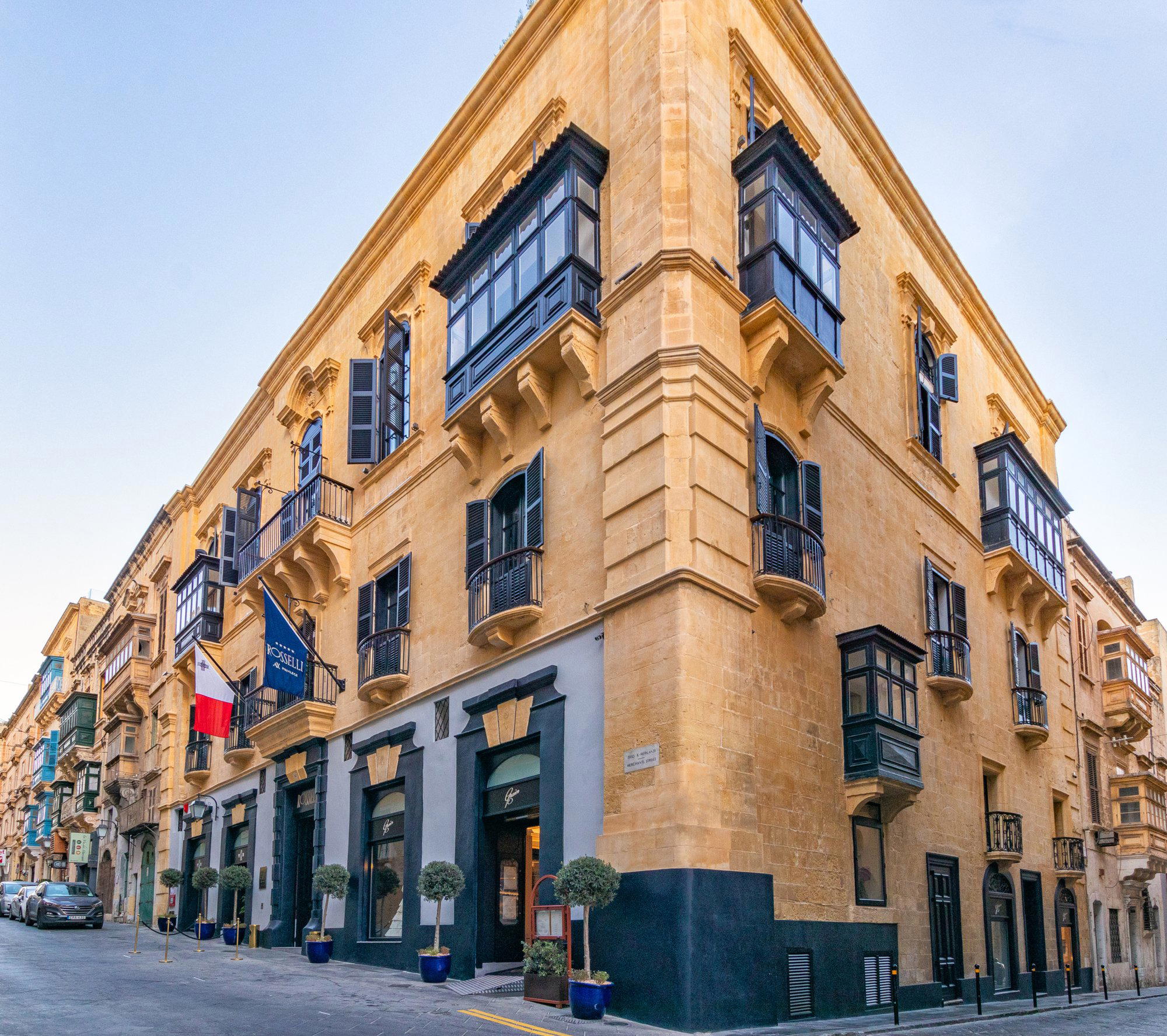
This approach places Casa Ellul in a competitive set that includes Domus Zamittello and Palazzo Consiglia, both of which draw on similar townhouse or palazzo frameworks within the walled city. The distinction between these properties tends to come down to the degree of programmatic depth: how much the hotel offers beyond a room. Rosselli - AX Privilege and AX The Saint John operate at a slightly larger scale with broader food and beverage programs, while properties like The Capital Boutique Hotel Valletta target a more compact format. Casa Ellul sits within the intimate, character-led tier where the building does most of the editorial work.
The Dining and Food and Beverage Programme
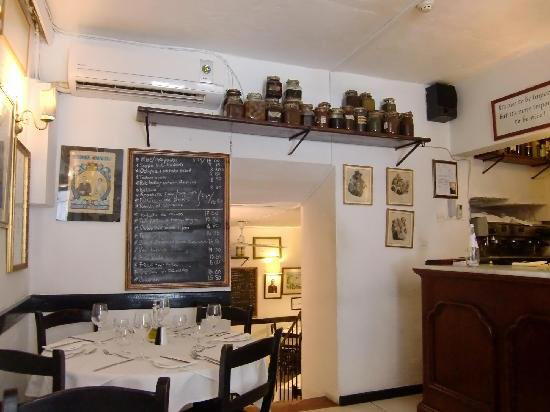
In the Valletta boutique segment, the food and beverage offer is often what separates a hotel that functions as a base from one that anchors a stay. The city's dining scene has matured alongside its hospitality stock, and several of its smaller hotels have used their ground-floor and rooftop spaces to host programmes that attract both guests and the wider local dining public. This dual-audience model is well-established across European capital cities and increasingly characteristic of Valletta's more ambitious properties.
The culinary identity of Malta itself provides a strong framework for this kind of programming. Maltese cuisine draws on the island's position at the intersection of North African, Sicilian, and Levantine food cultures, producing a table that is specific without being restrictive. Rabbit braised in wine, ftira bread, local cheeslets, and seasonal fish from the surrounding waters offer genuine material for a kitchen working with regional identity rather than international hotel food. Properties that engage with this local larder tend to produce a more coherent and place-specific guest experience. Iniala Harbour House has pursued a similar strategy with its dining spaces, and it is a useful point of reference for understanding what a committed food programme looks like within Valletta's boutique tier.
For the broader Malta dining and hospitality picture beyond the capital, the island offers considerable range. Corinthia Palace Malta in Attard represents the larger resort tradition, while Grand Hotel Excelsior occupies the full-service hotel category closer to Valletta's landward approach. Further afield, Kempinski Hotel San Lawrenz in San Lawrenz and Cesca Boutique Hotel in Il Munxar operate on Gozo, the smaller island accessible by ferry, where the pace and character of hospitality differ markedly from the capital. Our full Valletta restaurants guide covers the dining scene in greater depth.
Valletta's Position in the Wider Malta Stay
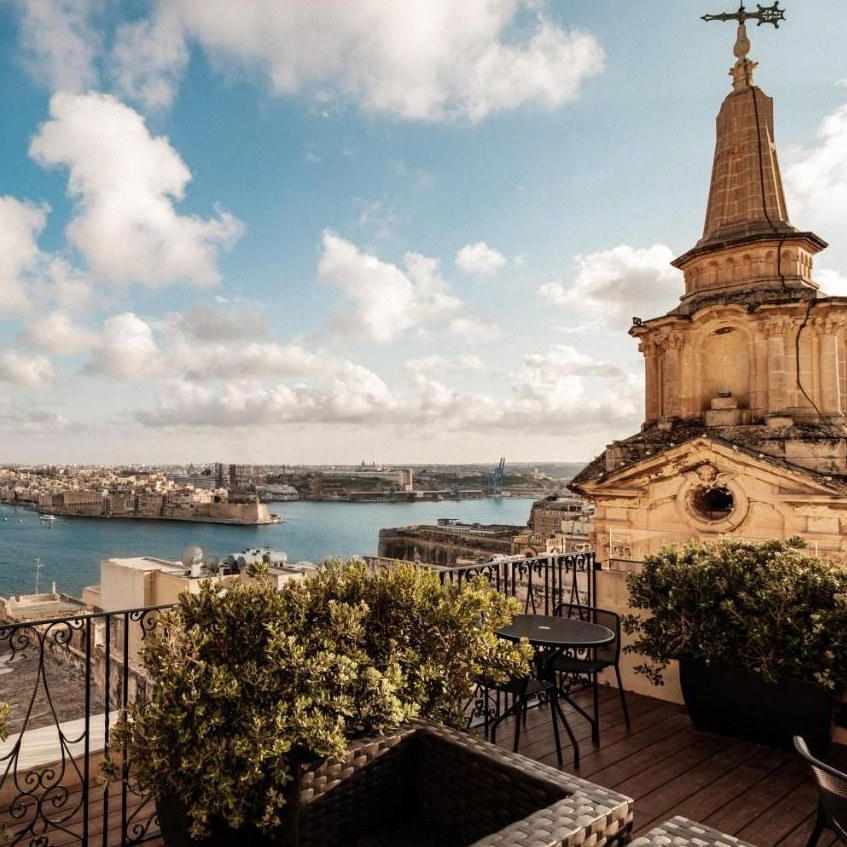
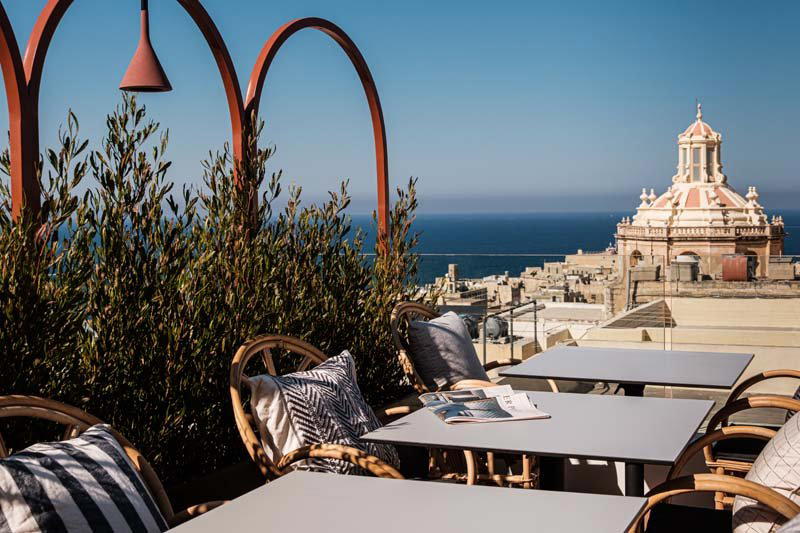
Staying within Valletta's walls is a specific decision. The city is compact, pedestrian-scaled, and dense with UNESCO-listed architecture. It is also the seat of government and a working urban centre, which gives it a different texture from the resort zones around Sliema, St Julian's, or the northern coast. Guests who choose a walled-city address like Casa Ellul are typically prioritising proximity to the Baroque core, including St John's Co-Cathedral, the Upper and Lower Barrakka Gardens, and the Grandmaster's Palace, over beach or pool access.
The tradeoff is real. Valletta's streets are steep in places, parking is scarce, and the city quietens after dark in ways that resort zones do not. For those whose primary interest lies in architecture, history, and the kind of neighbourhood-scale food and drink scene that has developed around Strait Street and the surrounding blocks, the walled city delivers at a density that no other part of Malta matches. Cugó Gran Macina Malta in Senglea offers a useful alternative for guests who want proximity to the Grand Harbour without being inside the walls.
For practical planning: Old Theatre Street is walkable from the City Gate entrance and within ten minutes on foot of most of Valletta's principal sights. Those flying into Malta International Airport, located roughly eight kilometres south in Luqa, typically reach Valletta by taxi or transfer in under thirty minutes depending on traffic. The property's address on Old Theatre Street places it within the inner residential grid of the capital rather than on the main tourist thoroughfares, which is a meaningful detail for guests who value a quieter setting. Booking through the property's own channels is advisable as availability in Valletta's boutique segment can run tight during the spring and autumn shoulder seasons, which draw visitors seeking mild temperatures and thinner crowds than summer high season.
Across the Mediterranean, the case for staying inside a walled historic city rather than at a beach resort has become more articulate as the boutique conversion model has matured. In Valletta, this argument is reinforced by the density of what the city contains: a Baroque capital built by the Knights of St John within a single grid, walkable end to end in forty minutes, with a food scene that has attracted serious attention from European travel media over the past decade. Properties like Casa Ellul exist at the intersection of that argument and a specific building type, the 19th-century Maltese townhouse, that translates well into hotel use when handled with care.
For guests calibrating between options at a similar scale, Palazzo Bifora in Mdina offers a comparable heritage-property experience in Malta's older walled city, while Lure Hotel and Spa in Mellieha and Verdi Gzira Promenade in Gzira serve different market positions. Beyond Malta, those comparing the boutique heritage hotel model at a European scale might reference Aman Venice as the upper ceiling of the palazzo-conversion category, or The Phoenicia Malta in Floriana for a grander, full-service alternative just outside the city walls. Casa Ellul's pitch is more intimate, more specific to its street and its building, and aimed at a guest for whom that granularity is the point.
How Casa Ellul Valletta compares with similar nearby venues.
| Venue | Awards |
|---|---|
| Casa Ellul | Small Luxury Hotels of the World Member (2025) |
Recognition history
Dated appearances from independent guides and award organizations, with the underlying list record or original source where available.
Small Luxury Hotels of the World Member
Small Luxury Hotels of the World
Continue exploring
More in Valletta
Hotels in Valletta
Browse all →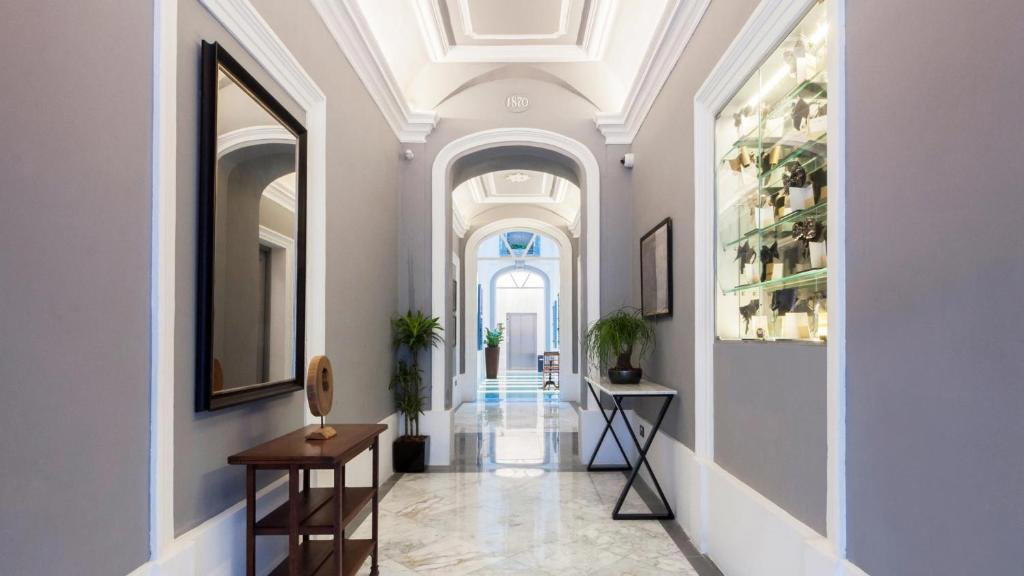
Bars in Valletta
Browse all →
Restaurants in Valletta
Browse all →
Wineries in Valletta
Browse all →
At a Glance
- Elegant
- Sophisticated
- Intimate
- Classic
- Cozy
- Romantic Getaway
- Anniversary
- Honeymoon
- Weekend Escape
- Historic Building
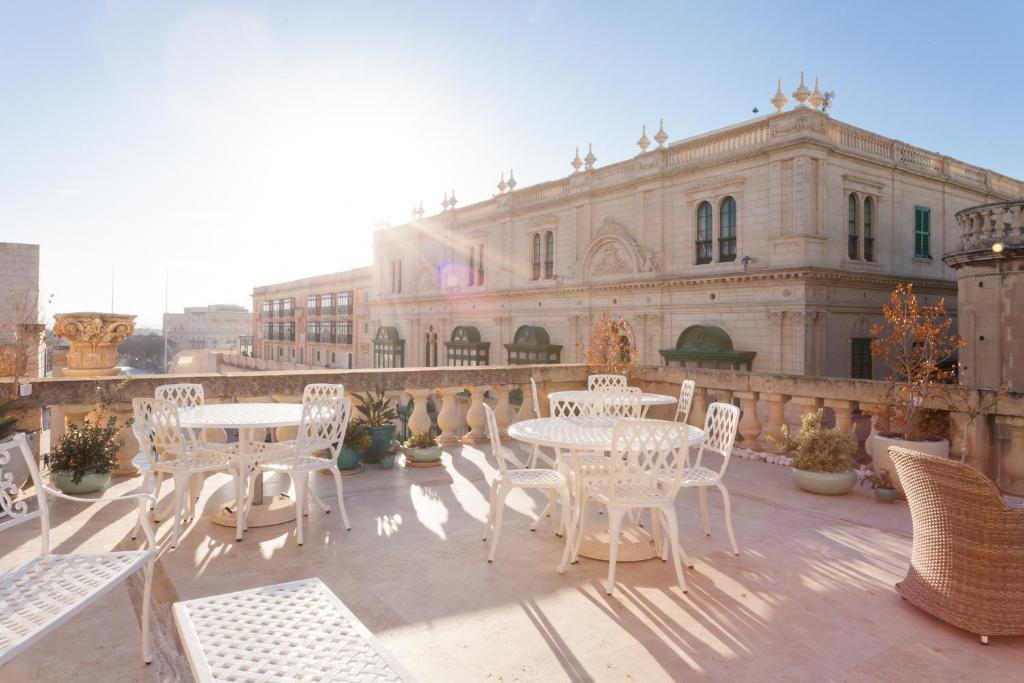
- Terrace
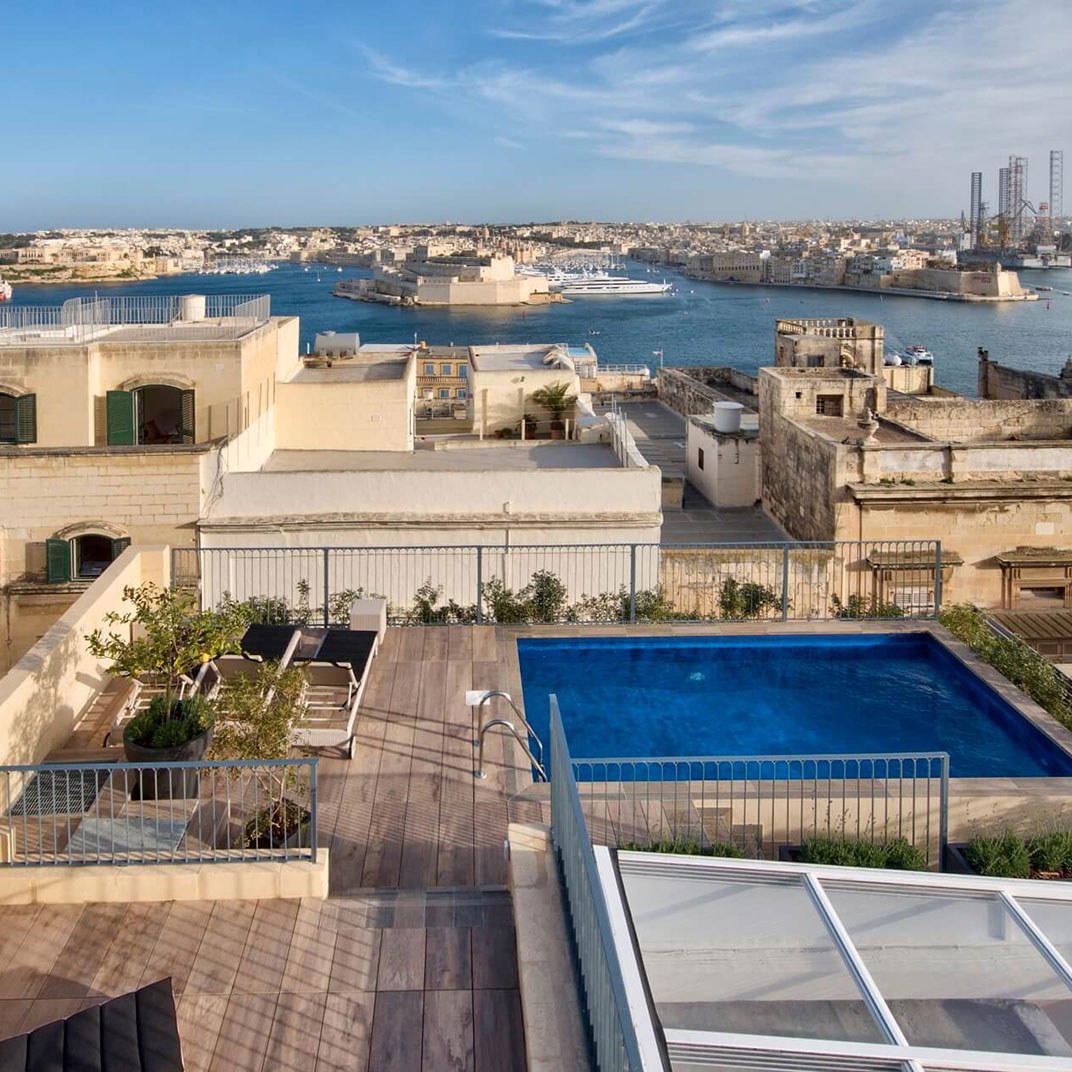
- Panoramic View
- Wi Fi
- Spa
- Room Service
- Concierge
- Restaurant
- Wi Fi
- Spa
- Room Service
- Concierge
- Restaurant
Refined and tranquil with cozy fireplaces, soft lighting in individually decorated suites, and a peaceful central courtyard.