Canopy Tower
A former radar tower converted into a natural history lodge inside Soberanía National Park, Canopy Tower occupies one of the few places on Earth where a single structure puts birders directly at forest canopy level. The lodge draws serious ornithologists and wildlife photographers from across the world, positioning itself in a narrow category of purpose-built, access-first wilderness properties that trade comfort amenities for ecological proximity.
Pearl is the En Primeur Club membership app — saves, bookings, and concierge access live there. Same editors, same standards.
- Address
- Panamá Province, Panama
- Phone
- +507 264 5720
- Website
- canopytower.com
- Directions
- Get directions
 Saves & bookings on Pearl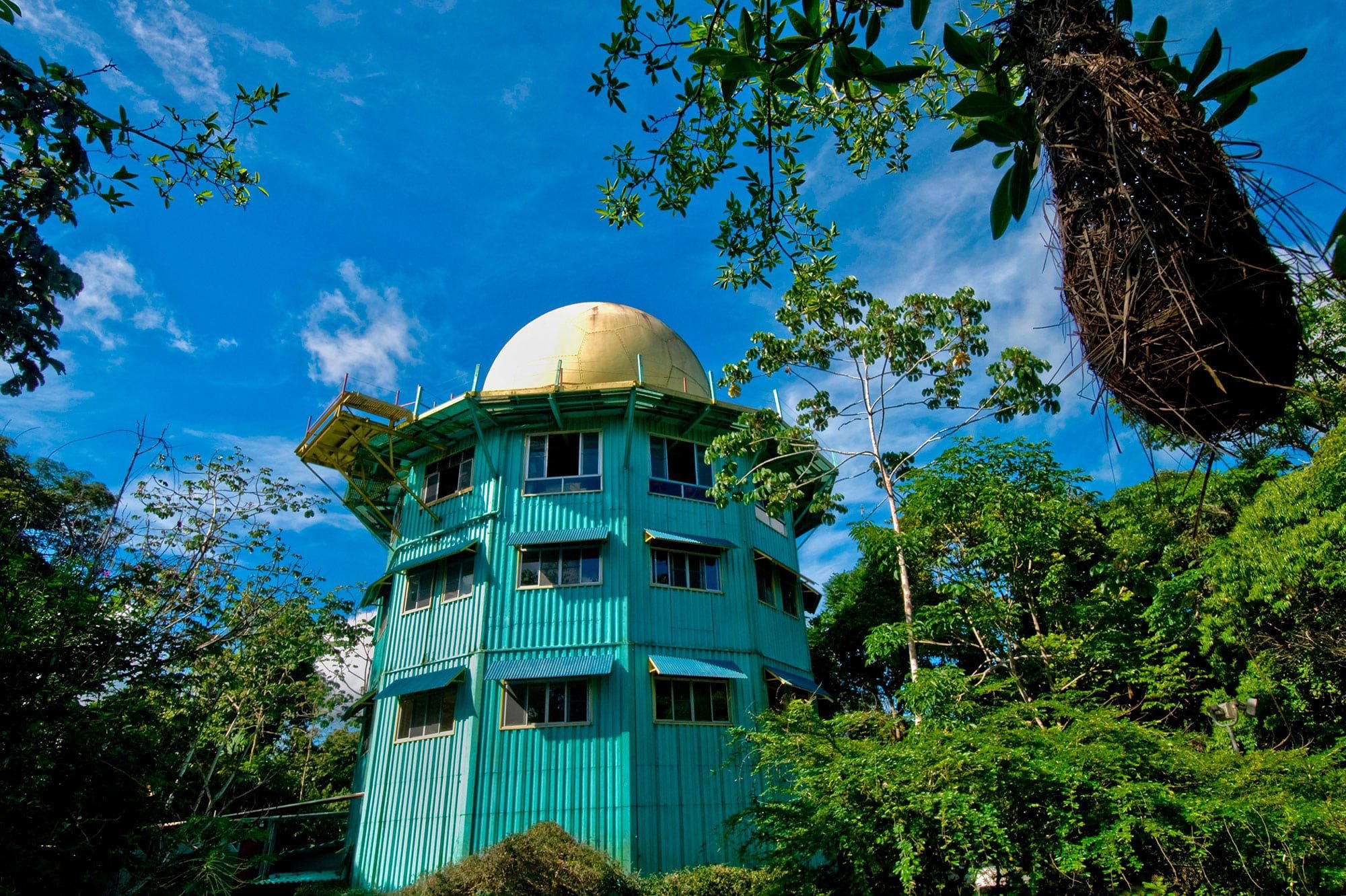
A Structure Built for Surveillance, Repurposed for the Canopy
Canopy Tower is a hotel in Panamá Province, Panama, with 12 rooms. Canopy Tower, a decommissioned US military radar installation inside Soberanía National Park in Panama Province, belongs to that category. The circular steel structure, originally built for air-traffic and defense surveillance, now operates as a small-capacity ecolodge, and its refined platform delivers what flat-ground lodges in the same forest cannot: an unobstructed view across the forest canopy at the level where toucans, raptors, and cotingas actually move.
The conversion from Cold War infrastructure to natural history lodge is not merely a renovation story. It reflects a broader pattern in premium ecotourism, where particularly compelling properties tend to be the ones that repurpose difficult or unusual structures rather than build conventional resort footprints in sensitive habitats. Soberanía is among the more accessible tropical birding destinations in the Americas, Panama City's urban edge sits less than an hour's drive from the park entrance, and Canopy Tower's circular observation deck, fixed at rooftop height above the treeline, is the physical argument for why the lodge functions as a destination rather than a stopover.
The Architecture of Access
Most ecolodges in Central America are ground-level or single-storey structures that offer forest adjacency without genuine canopy immersion. The radar tower format reverses that logic entirely. Guests sleep in rooms built into the tower's cylindrical body, and the communal platform above them is not a decorative terrace, it is the primary reason to be there. At canopy height, bird behavior shifts: species that feed, call, or display in the upper stratum become observable at close range without the distortion of distance or the interference of dense undergrowth.
This is the architectural argument that places the hotel in a distinct competitive position relative to conventional wildlife lodges. The structure itself is the amenity. Properties like Islas Secas in Boca Chica or Isla Palenque in San Lorenzo District offer premium ecological access through geographic isolation, remote islands with controlled visitor numbers. The hotel achieves the same principle through vertical isolation: it is the only structure in the forest at that height, which means wildlife activity at the canopy level proceeds without competition from other vantage points.
The tower's cylindrical geometry also produces an unusual acoustic condition. Sound carries differently on an refined open platform than it does on forest trails, and for birders who identify species by call as readily as by sight, that distinction matters. The form of the building is inseparable from the function of the stay.
Where Canopy Tower Sits in Panama's Broader Property Landscape
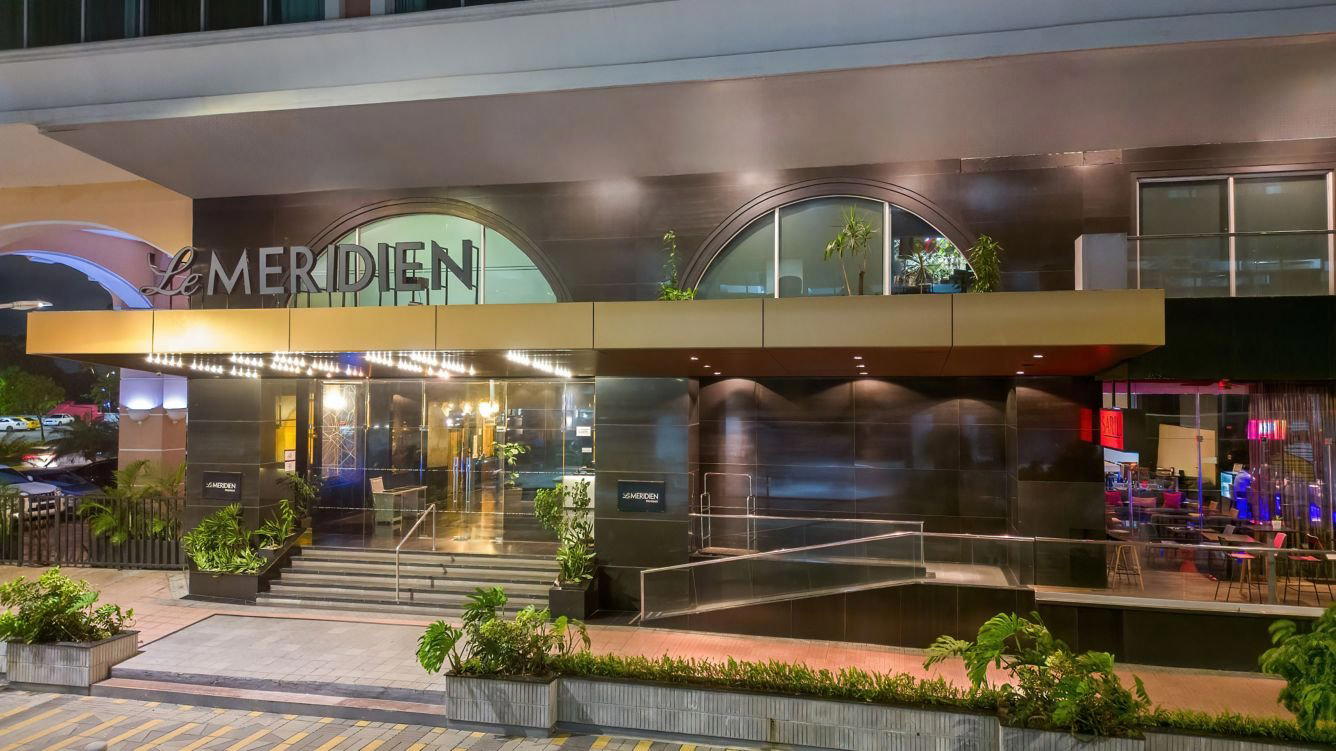
Panama's hotel market divides along a familiar axis: urban properties concentrated in Panama City, and dispersed wilderness lodges in the provinces. Within the city, properties like Le Méridien Panama represent the international chain tier, while independently operated boutique hotels serve a different traveler profile. The hotel sits entirely outside both categories. It competes not with city hotels but with a thin international peer group of specialist wildlife lodges where the defining criteria are species access, guide quality, and habitat integrity.
In Panama specifically, lodges positioned for natural history travel include El Otro Lado in Portobelo and Selva Terra Island Resort in San Lorenzo, both of which combine ecological access with a design or lifestyle premium. The hotel's value proposition is more focused: it is calibrated almost entirely for birding and wildlife observation, with accommodation that serves the primary activity rather than existing alongside it. That focus narrows the audience and deepens the loyalty within it. Ornithologists and wildlife photographers return to the hotel across multiple seasons because the species diversity of Soberanía, a park that regularly records over 500 bird species, produces different encounters at different times of year.
For context on how specialist ecolodges of this type position themselves internationally, properties like Bocas Bali Luxury Water Villas in Isla Frangipani and Los Brezos Boutique Hotel in Volcán offer different versions of the remote-access model within Panama itself, each serving a traveler who has moved past generic resort formats toward something that requires a specific location to function at all.
Planning a Stay: Timing, Access, and What to Expect
Soberanía National Park sits within driving distance of Panama City, a logistical fact that makes the hotel unusually accessible for a property that feels this removed from urban infrastructure. Most guests arrive through Panama City's Tocumen International Airport, which connects to major North American and European hubs, and reach the park without internal flights or long ground transfers. That proximity is operationally significant: it means the hotel can draw short-stay visitors alongside multi-night guests, and it positions Panama as one of the few countries where serious birding is compatible with a compressed itinerary.
The dry season, roughly December through April, sees reduced precipitation and higher activity at the canopy level during morning hours. Migration periods in October and November and again in March and April bring additional species through the park, and experienced birders time arrivals accordingly. The lodge's small capacity means that periods of peak demand fill well in advance, a pattern consistent with specialist natural history properties globally, where word-of-mouth among birding communities drives bookings months ahead of arrival dates. Those considering a visit should plan contact and reservation well before their intended travel window, particularly if targeting specific migration timing.
For travelers building a broader Panama itinerary, the hotel works naturally as a departure point before or after time in Panama City, or as a counterweight to a coastal stay. Our full Panama restaurants and hotels guide maps the wider range of options across the country, from city properties to archipelago lodges.
Quick Comparison
Comparable venues nearby, for context on price, style, and recognition.
| Venue | Cuisine | Price | Awards | Notes |
|---|---|---|---|---|
| Canopy TowerThis venue — the venue you are viewing | Repurposed radar tower eco-lodge in rainforest | $$$ | Not listed | Not listed |
| Tántalo Hotel / Kitchen / Roofbar | artist-designed boutique in historic district | $$$ | 3-Star | Casco Viejo |
| Las Clementinas | Restored colonial apartment-style boutique hotel blending historic architecture with contemporary design in a UNESCO World Heritage district. | $$$ | 3-Star | Casco Viejo |
| American Trade Hotel & Hall | Boutique luxury hotel in historic Art Deco building combining old-world elegance with clean modern design. | $$$$ | 5-Star | Casco Viejo |
| Hotel La Compañia | Historic luxury boutique in restored architectural wings | $$$$ | 5-Star | Casco Antiguo |
| Bristol Panama | European-style boutique with Georgian architecture and Panamanian art. | $$$$ | 5-Star | Marbella |
Continue exploring
More in Panama City
Hotels in Panama City
Browse all →
Bars in Panama City
Browse all →
At a Glance
- Scenic
- Quiet
- Wellness Retreat
- Weekend Escape
- Panoramic View
- Wi Fi
- Breakfast Included
- Airport Transfer
- Restaurant
- Wi Fi
- Breakfast Included
- Airport Transfer
- Restaurant
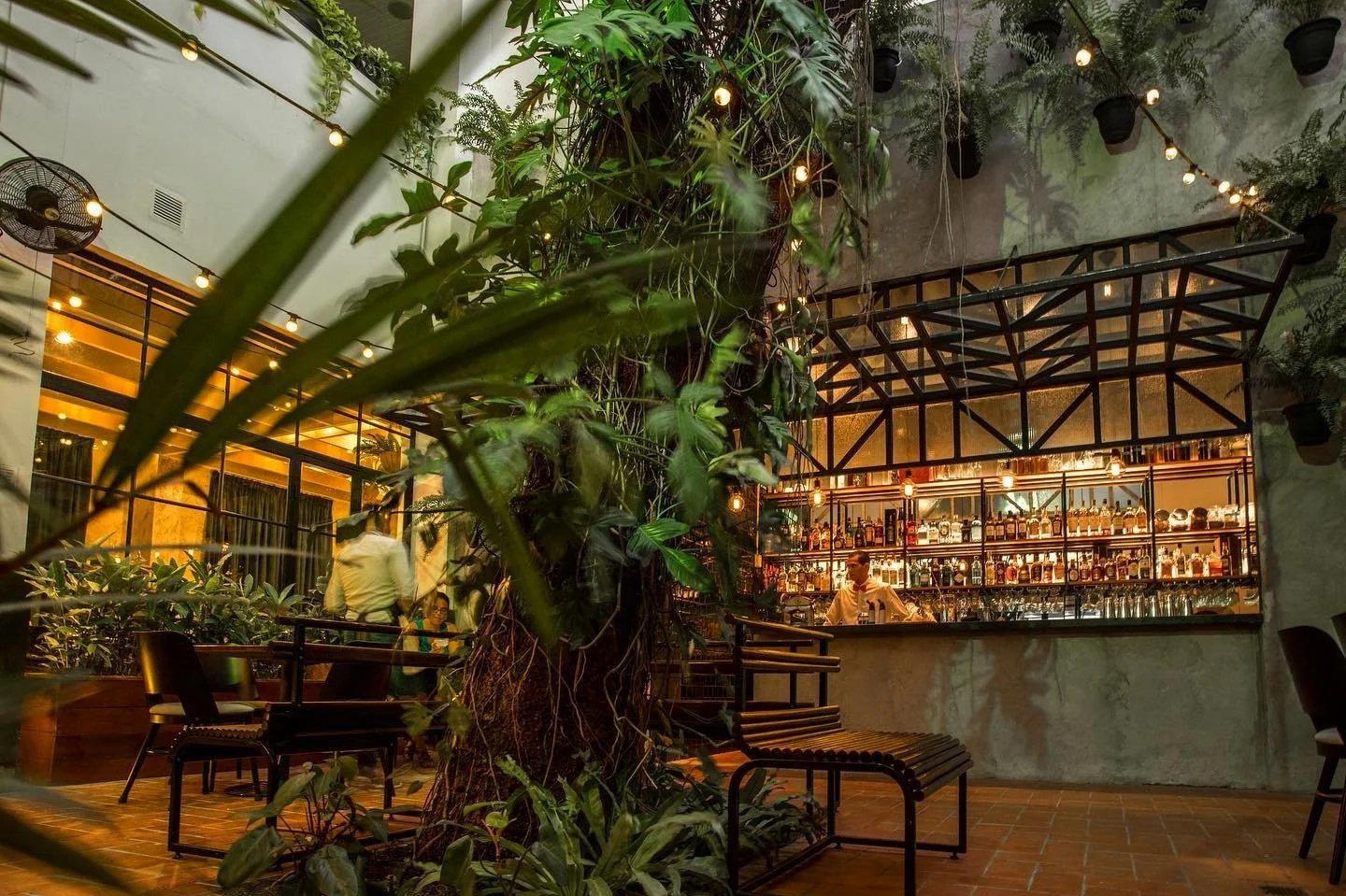
Treetop immersion in lush rainforest with natural light through large windows, cozy and simple eco-lodge atmosphere focused on nature.